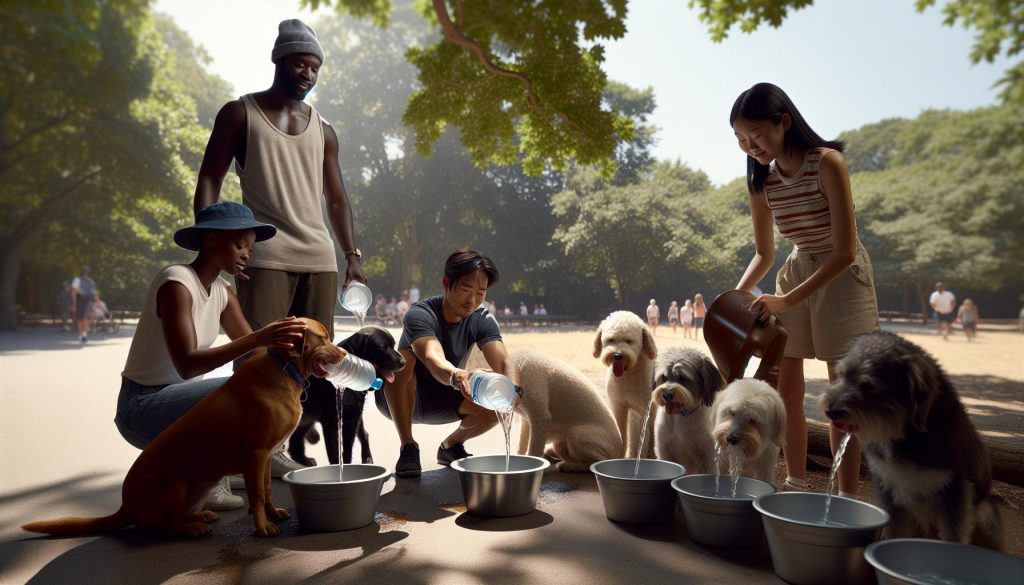
Did you know that many dog owners worry about giving their furry friends cold water during scorching hot days? It’s a common concern, but it’s time to set the record straight! You may be surprised to learn that cold water can actually help cool down your pup effectively and safely. In this article, we’ll dive into the truth behind the myth that cold water is harmful, exploring the science and veterinary perspectives on this topic. Whether you’re a new pet owner or a seasoned handler, understanding your dog’s hydration needs during hot weather is crucial. We’ll share practical tips and insights to ensure your canine companion stays cool and healthy during peak temperatures, so keep reading to discover how you can make the best decisions for your beloved pet’s well-being.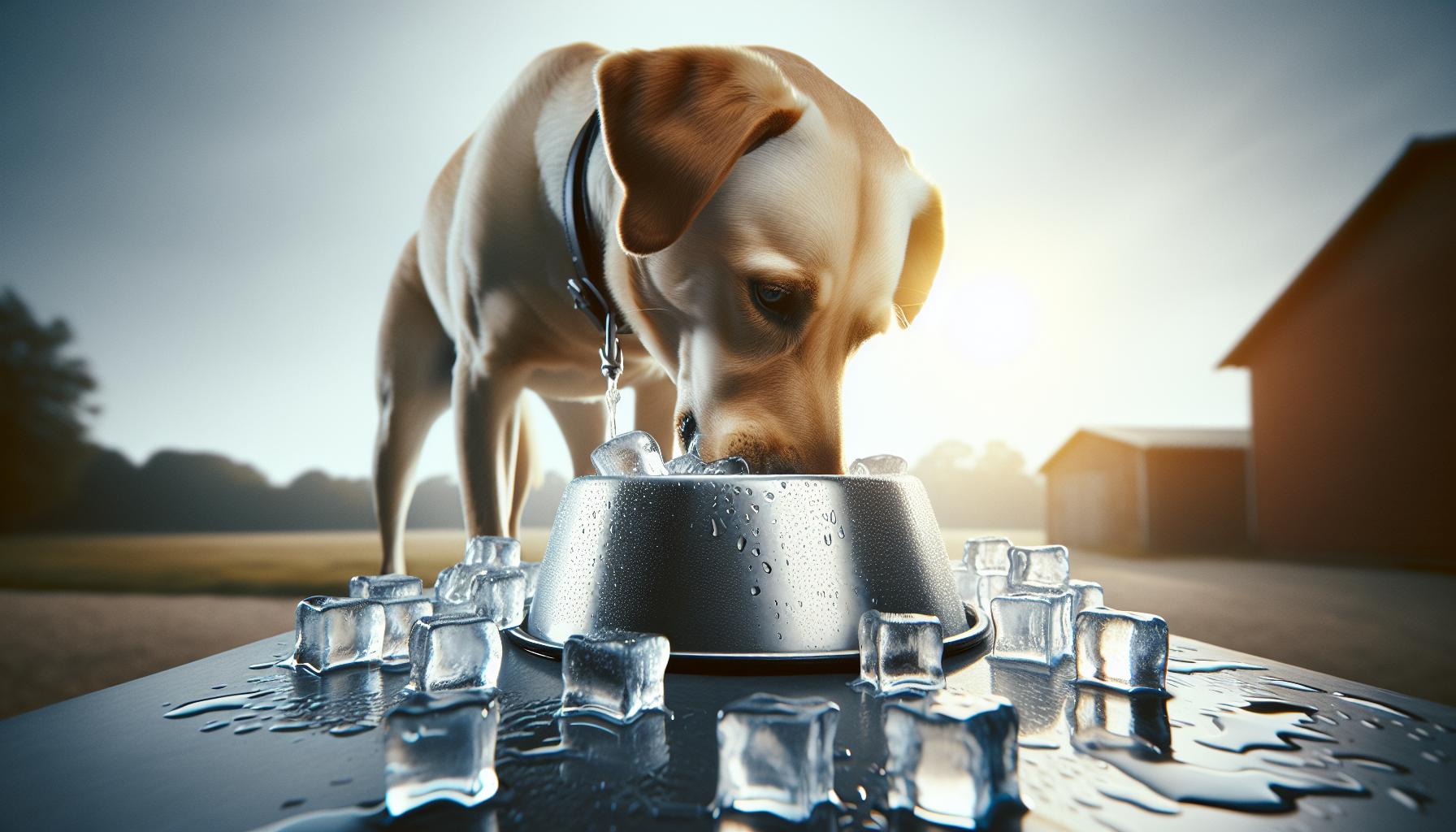
Is Cold Water Harmful for Dogs? Understanding the Risks
Providing your dog with cold water during hot weather can spark a lively debate among pet owners, particularly concerning the risks involved. Contrary to the belief that cold water can cause shock in dogs, studies and expert opinions suggest that this is largely a myth. In fact, cold-water immersion is often recommended for cooling dogs suffering from heatstroke, highlighting that, under specific circumstances, cold water can be beneficial rather than harmful [1].
However, it’s essential to approach hydration with care. While a quick splash of cool water can be refreshing, consistent exposure to cold water may lead to issues such as muscle contraction, brittle muscles, and even conditions like Limber Tail, especially if a dog is already stressed or overheated [3]. The key is moderation: providing your dog with cold water should be part of a broader strategy for keeping them cool and hydrated during sweltering days.
When using cold water as a cooling method, consider your dog’s health and breed characteristics. Breeds that are more prone to overheating, like Bulldogs or Pugs, may benefit from a gentle and gradual cooling process rather than an abrupt temperature drop. Always monitor your dog’s behavior for signs of discomfort, and ensure they have plenty of water available at a moderate temperature to help them rehydrate effectively without shocking their system. This balanced approach can help enhance your dog’s overall well-being during hot weather while minimizing potential risks.
The Science Behind Dogs and Hydration Needs
Providing fresh water is one of the simplest yet most critical ways to keep our furry companions healthy, especially during hot weather. Dogs are surprisingly vulnerable to dehydration due to their limited ability to regulate body temperature compared to humans. This is primarily because they have fewer sweat glands and rely heavily on panting to cool down. To keep your dog hydrated, understanding their specific hydration needs and the science behind how they drink water is essential.
Dogs generally need about 1 ounce of water per pound of body weight each day, but this can vary based on factors like activity levels, age, and environmental conditions. For example, a 50-pound dog may typically require around 50 ounces of water daily, but this requirement can exponentially increase in warmer weather or during physical exertion. Understanding your dog’s unique needs allows you to tailor their water intake to ensure they remain hydrated throughout the day.
When considering water temperature, many pet owners wonder whether cold water is harmful. Research indicates that while it’s important to keep water at a palatable temperature, cold water itself isn’t detrimental when given properly. In fact, many dogs enjoy drinking cold water, especially after exercise, as it can feel refreshing. However, it’s crucial to monitor how quickly they drink. If dogs gulp cold water too rapidly, it can lead to gastrointestinal discomfort. A gradual introduction to cooler water, such as slightly chilled but not ice-cold, can often strike the right balance.
For specific breeds, the approach to hydration might need to be adjusted. Brachycephalic breeds, like Bulldogs and Pugs, can struggle with heat regulation and may benefit from more frequent, smaller offerings of water to prevent gulping and the risk of bloat. Conversely, high-energy breeds like Border Collies or Retrievers may require more hydration due to their activity levels. Keeping a close eye on your dog’s behavior and hydration habits can inform you when to refill their bowl or offer them a drink.
Ultimately, fostering a consistent routine of water breaks, especially during warm weather, can help ensure that your dog stays hydrated and healthy. Adjust your strategies as needed based on daily activities and environmental conditions to keep your beloved pet comfortable and happy throughout the summer months.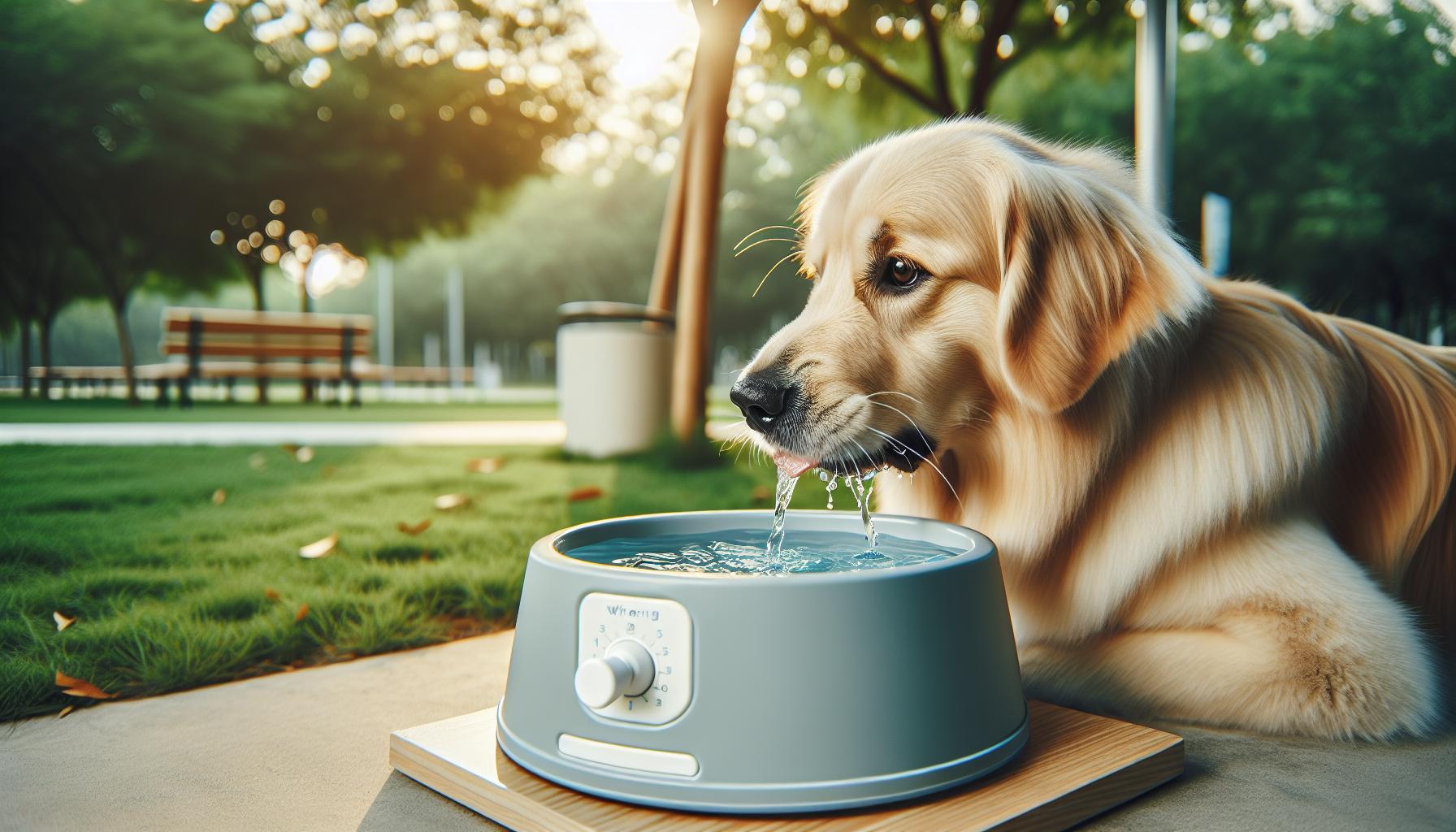
When to Offer Cold Water to Your Dog
It’s important to consider when to offer your dog cold water, especially during those hot summer months when all you want is to cool off. Dogs, like humans, can become overheated and need water that not only quenches their thirst but also helps regulate their body temperature. Offering cold water can be refreshing and greatly appreciated after a vigorous play session, a long walk, or even just lounging in the summer sun. However, it’s essential to be mindful of each situation and the individual dog’s needs.
When to Offer Cold Water
Here are some key moments when offering cold water can be especially beneficial:
- After Exercise: After a fun game of fetch or a hike, your dog might be panting heavily and in need of hydration. A bowl of cold water after exertion can help cool them down and rehydrate them.
- During Hot Days: On sweltering summer afternoons, having cold water available encourages your dog to drink more frequently, which is crucial for preventing dehydration.
- As a Reward: Incorporating cold water as a treat or reward can create a positive association, encouraging your dog to stay hydrated throughout the day.
Remember that while cold water can be inviting, moderation is key. To help prevent any potential gastrointestinal distress, especially in exuberant drinkers, consider offering slightly chilled water instead of ice-cold, allowing your dog to cool down gradually. It’s also advisable for dogs to sip water slowly after engaging in physical activity. This approach helps them hydrate without the risk of gulping in excess air, which could lead to bloat, especially in breeds prone to this condition.
Monitoring your dog’s behavior after they drink can provide insight into their comfort levels. If you notice any signs of discomfort-like excessive panting or a refusal to drink-consider adjusting the temperature of the water you offer. Each dog has unique preferences, so it’s important to discover what works best for yours. By being attentive to your dog’s hydration needs and the right timing for cold water, you can help ensure that they stay healthy and happy in any weather.
Signs Your Dog May Overheat in Hot Weather
It’s a common scenario during hot summer days: your dog is excitedly playing outside, tongue lolling, and then suddenly seems a bit off. Recognizing the signs of overheating is crucial for every dog owner. Dogs, particularly those with thick coats, short noses, or pre-existing health conditions, can quickly succumb to heat stress if the temperature rises too high.
One of the first indicators that your dog may be overheating is excessive panting, which is their way of trying to cool off. If you notice your dog breathing heavily, it’s essential to check their environment and take action immediately. Additionally, look out for drooling more than usual or a dry nose-these can be signs of dehydration. Your dog’s behavior is another indicator; if they seem lethargic or are showing disinterest in play, it might be time to reevaluate their temperature regulation needs.
Other symptoms include a rapid heartbeat, confusion, or in severe cases, collapse. Dogs may also seek shade or refuse to move, indicating they’re feeling overwhelmed by the heat. Particularly with breeds such as Bulldogs or Pugs, which are naturally predisposed to respiratory issues, monitoring their activity in warm weather is vital.
To combat overheating, ensure your dog has consistent access to cool water-consider offering it slightly chilled rather than icy to encourage slow drinking. If you suspect your dog is overheating, move them to a cooler area immediately and use cool (not ice-cold) water to help bring their temperature down. Always consult with a veterinarian if symptoms persist or worsen, as professional guidance can help ensure your furry friend remains safe and healthy during those hot summer months.
Best Practices for Keeping Dogs Cool
On those sweltering summer days, keeping your furry friend cool can be a challenge, especially for breeds that struggle in heat. One engaging fact to note is that dogs don’t sweat like humans; instead, they rely on panting and their paws to regulate body temperature. As responsible pet owners, it’s crucial to implement effective strategies to keep our dogs comfortable and safe from overheating. Here are some best practices that you can easily incorporate into your routine.
- Provide Fresh Water: Always ensure your dog has access to fresh, cool water. Consider offering it chilled rather than ice-cold to prevent any shock to their system, especially after they’ve been playing outside.
- Create Shade and Cool Areas: Set up a shaded area in your yard with a canopy or umbrella where your dog can relax. You might also use cooling mats or provide a shaded kennel designated just for them.
- Timing Is Key: Plan walks and playtime for morning or late evening when temperatures are lower. Avoid the midday heat whenever possible.
- Cool Dogs Off: Use a damp towel to wipe down your dog’s body, focusing on areas like the paws, belly, and ears. You can also consider a kiddie pool for fun and cooling relief.
- Monitor Activity Levels: Be vigilant about your dog’s energy and behavior during hot days. If they seem sluggish or start panting excessively, bring them indoors to rest and cool down.
Every dog is unique, so it is vital to tailor these strategies based on your dog’s breed and temperament. For example, flat-faced breeds like Bulldogs or Pugs can struggle more in heat due to their breathing limitations, requiring extra care. Conversely, dogs with thicker fur may benefit from regular grooming to help remove excess coat. Regular monitoring, combined with effective cool-down strategies, can help keep your beloved pup safe and happy throughout the summer.
Breed-Specific Cooling Needs and Tips
Keeping our furry friends comfortable during the heat of summer can feel like a daunting challenge, especially when considering their unique needs. Different breeds have varying abilities to handle high temperatures, and understanding these distinctions is crucial for their well-being. For instance, brachycephalic breeds-such as Bulldogs, Pugs, and Boxers-often struggle more than others due to their short muzzles, which can limit airflow and make panting less effective as a cooling mechanism. Owners should be particularly vigilant with these pups, ensuring they have constant access to cool, but not ice-cold, water and providing shade to facilitate temperature regulation.
On the flip side, breeds like Siberian Huskies and Alaskan Malamutes may seem more acclimated to heat due to their thick fur coats. However, even these resilient dogs can suffer from overheating in hot conditions. Regular grooming is essential to help them manage their insulation. Consider providing them with ample hydration and designated cooling spots, such as shaded areas or indoor spaces with fans. Introducing medium water can prevent shock to their systems, especially after exercise.
To help you better plan and execute effective cooling strategies based on your dog’s specific needs, here’s a quick reference guide:
| Breed Type | Cooling Needs | Tips |
|---|---|---|
| Brachycephalic (e.g., Bulldogs, Pugs) | More susceptible to heat stress | Provide cool, shaded area; limit exercise during peak heat; watch for signs of overheating |
| Long-haired Breeds (e.g., Golden Retrievers) | Need frequent grooming | Regularly brush to remove undercoat; ensure hydration; avoid midday walks |
| Working Breeds (e.g., German Shepherds) | High energy; may overheat during exercise | Gradual acclimatization; hydrate before and after exertion; use cooling vests if needed |
| Small Breeds (e.g., Dachshunds) | May overheat due to lower surface area | Provide elevated, cool resting spots; keep indoor areas cool; regular water access |
Ultimately, the best approach is to monitor your dog closely and adapt these suggestions based on their reactions. For all breeds, regular hydration breaks and access to fresh, cool water are paramount, as heat safety translates across the board. By tailoring your care to your dog’s individual needs, you’re ensuring they have a safe, enjoyable summer experience!
Comparing Cold vs. Warm Water for Dogs
When it comes to hydration, many dog owners often wonder if cold or warm water is better for their furry friends, especially during the sweltering summer months. It’s a topic worth exploring, as the temperature of the water can significantly influence your dog’s drinking habits and overall hydration. While some dogs enjoy the refreshing taste of cold water, others may prefer it at a moderate or warm temperature, which can help in preventing sudden stomach shocks.
Research indicates that dogs can drink cold water without adverse effects if they consume it at a comfortable pace. However, if water is too cold or if they gulp it down too quickly, it may lead to gastrointestinal discomfort, particularly in dogs prone to issues like bloat. This is why it’s essential to keep an eye on how they drink, adjusting the water temperature according to their comfort. For example, a dog that has just returned from a strenuous outing might appreciate a slightly cooler drink, but always ensure it’s not ice-cold to avoid any potential shock to their system.
Choosing the Right Temperature
When selecting the perfect temperature for your dog’s water, consider their breed and their specific heating and cooling needs. Some breeds, such as brachycephalic dogs like Bulldogs, tend to overheat more quickly due to their anatomical structure. Keeping their drinking water cool but not icy can help with their hydration, allowing them to cool off steadily. On the other hand, you might find that dogs with thicker coats, like Siberian Huskies, may be more comfortable drinking water that is slightly warmer, especially after they’ve cooled down from exercise.
To help you choose the optimal water temperature, here are some quick tips:
- Observe your dog: Take note of their preference-do they seem more inclined to drink when the water is cooler or warmer?
- Avoid extremes: Aim for water that is refreshing but not freezing to prevent any potential stomach upset.
- Hydration after exercise: Offer them moderate temperature water after playtime to help with recovery without shocking their systems.
- Health conditions: If your dog has specific health concerns (e.g., gastrointestinal issues), consult your veterinarian for tailored advice.
Ultimately, understanding your dog’s hydration needs and preferences can make a significant difference in their comfort and overall health during hot weather. Providing regular access to fresh, appropriately temperature-controlled water will help keep your four-legged companion happy and hydrated all summer long!
Essential Hydration Tips for Hot Weather
Keeping your dog hydrated in hot weather is crucial for their health and wellbeing, and understanding the right way to provide water can make all the difference. It’s not just about the quantity of water but also the temperature. While some dogs might appreciate a nice cold drink, others may struggle with very low temperatures. Monitoring your dog’s reactions to different water temperatures can help prevent discomfort, such as gastrointestinal upset or potential bloating, which is especially risky in breeds prone to these concerns.
To ensure your dog stays cool and hydrated during the hotter months, consider the following tips:
- Regular Access: Always have fresh water available, especially when they are outside. Make sure to refill their bowl multiple times a day to prevent water from going stale.
- Temperature Check: Offer water that is cool but not ice-cold. A temperature that is refreshing, around room temperature to slightly cool, is often ideal.
- Gradual Cooling: After exercise, allow your dog to cool down before offering water. This gradual approach can prevent shock to their system.
- Portable Options: When out and about, carry a collapsible bowl or a water bottle designed for pets. This makes it easy to offer water during walks or playdates.
- Adding Flavor: If your dog is reluctant to drink, consider adding low-sodium chicken or beef broth to the water. This can encourage hydration while also providing an extra flavor boost.
Each dog is unique in their hydration needs, so taking the time to observe their behavior can inform your approach. Keep an eye on breeds susceptible to overheating, like Basset Hounds or Pugs, who may require additional care and frequent hydration breaks during play. Setting a routine of offering water every time your dog comes back indoors or after a session of vigorous play can help instill a habit that promotes overall health and enjoyment.
By making hydration a priority and being attentive to your dog’s preferences, you’re setting the stage for a safer, healthier summer for your furry friend. Always keep in mind that changes in behavior, such as lethargy or disinterest in activities, can signal that it’s time for a hydration check.
How to Recognize Heat Stress in Dogs
Recognizing heat stress in dogs is essential for any pet owner, especially during the sweltering summer months. Did you know that dogs can overheat quickly, even in seemingly mild temperatures, due to their limited ability to cool themselves? Unlike humans, dogs rely primarily on panting and sweating through their paw pads to dissipate heat. If you notice your canine companion exhibiting any unusual behaviors or physical signs, it’s crucial to act quickly to prevent more severe heat-related conditions, such as heatstroke.
One of the first signs of heat stress is excessive panting. This can be coupled with drooling, and you might even observe a rapid heart rate. Keep an eye out for other symptoms like lethargy, weakness, or difficulty standing. Dogs may also seek out shade or water, displaying anxious behavior as they try to cool themselves. A quick check of your dog’s temperature can also indicate their condition; a normal temperature ranges between 101°F to 102.5°F. If it rises above that, particularly reaching 103°F or more, heat stress should be a serious concern.
Educating yourself about specific breeds is crucial since some are more susceptible to heat stress. For example, brachycephalic breeds like Bulldogs, Pugs, and Boxers struggle with effective cooling due to their short noses and flat faces. Similarly, older dogs, those with underlying health conditions, and dogs with thick coats can also be at a higher risk. Establishing a care checklist for warm weather care can be invaluable: monitor playtime to avoid exhausting your dog, provide plenty of fresh, cool water, and always have a shady spot available for them to retreat to.
By learning to recognize the early signs of heat stress in dogs, you can take immediate action to ensure their safety and comfort. Always err on the side of caution and, if in doubt, consult a veterinarian for advice tailored specifically to your dog’s needs. Keeping a watchful eye over your furry friend will not only enhance their summertime experience but also strengthen the bond you share.
Expert Opinions: Veterinarians’ Views on Water Temperature
Veterinarians often emphasize the importance of temperature when it comes to keeping dogs hydrated, especially during the hot summer months. Many dog owners worry about the effects of offering cold water to their pets, fearing it might cause shock or make their condition worse. However, veterinary professionals are generally in agreement that providing cold water can be a safe and effective way to help cool an overheated dog. This is particularly true when the dog is already in a stressful heat situation and needs immediate relief.
Veterinarians point out that while water temperature matters, the primary goal is to ensure dogs remain hydrated. Cold or cool water can be refreshing, especially after vigorous activity or exposure to heat. However, moderation is key; extremely cold water should be avoided if a dog is panting heavily or showing signs of heat stress. Instead, it’s usually recommended to offer cool water in smaller quantities to help rehydrate and stabilize their temperature safely. Slowly introducing cool water is preferable, allowing the dog to drink at their own pace, which helps avoid any sudden gastrointestinal distress.
When discussing breed-specific needs, veterinarians note that certain breeds are more susceptible to heat-related issues. Brachycephalic breeds, like Bulldogs and Pugs, may benefit from small amounts of cool water as they can struggle more with heat regulation. Older dogs or those with health conditions should also be monitored closely; gradual cooling is often advised. In extreme cases, a dog’s regular drinking routine should be maintained with presumably room temperature water, ensuring they are hydrated without introducing potential shock from very cold water.
In conclusion, while cold water is not inherently harmful and can be a useful tool for cooling dogs, it’s essential to tailor hydration strategies to individual dogs’ conditions and breeds. Keeping a close eye on your dog’s responses will help you make informed decisions, and don’t hesitate to consult your veterinarian for personalized advice that aligns with your dog’s unique needs. By staying vigilant and informed, you can help your furry companion enjoy their summer while keeping them safe and cool.
Practical Cooling Strategies for Dog Owners
Dogs, just like humans, can struggle with the heat during the hotter months. As loving pet owners, it’s our responsibility to ensure their comfort and safety. Implementing effective cooling strategies can make a significant difference, especially when temperatures soar. A few early indications might be excessive panting or restlessness; if you notice these symptoms, it’s time to cool them down!
One way to keep your dog cool is by ensuring they always have access to fresh, cool water. Offering cool, not icy, water helps maintain hydration and can provide relief from rising temperatures. Fill their bowl with cool water and consider adding ice cubes if they enjoy the sensation-just monitor their drinking pace to prevent any stomach upset. Another effective method is to create a shaded area in your yard or use a doggy pool. Water, whether it’s a kiddie pool or a sprinkler, can provide delightful ways for them to cool off while having fun.
Don’t forget about the importance of regular breaks during outdoor activities. If you’re on a walk or engaging in playtime, make it a habit to take breaks in the shade every 10-15 minutes. Use this time to offer water and watch for any signs of overheating. Particularly for breeds prone to heat stress, such as Bulldogs, Pugs, or any flat-faced breed, frequent hydration is crucial. Observing and responding to their needs can help ensure a safer, more enjoyable summer.
For an at-home cooling solution, consider investing in cooling mats or vests that can lower your dog’s body temperature. These products are especially designed to absorb heat and provide a refreshing spot for your dog to rest. You can also make homemade frozen treats; blend water with low-sodium broth and freeze them in molds for a fun, hydrating snack. Always remember, each dog is unique, so staying observant and responsive to your dog’s cooling needs during hot weather is essential for their wellbeing.
The Importance of Regular Water Breaks During Summer Activities
When the summer sun blazes down, keeping your dog hydrated becomes not just a luxury but a necessity; in fact, did you know that dogs can suffer from heat exhaustion quickly, especially during strenuous activity? Regular water breaks don’t just keep your canine companion cool-they are critical for preventing dehydration and heat-related illnesses. Dogs, unlike us, cannot sweat effectively to regulate their body temperature. Instead, they rely on panting and drinking water, which makes frequent hydration breaks essential during outdoor fun.
Taking periodic breaks while walking, playing fetch, or embarking on any summer adventure allows dogs to not only rehydrate but also cool down. Ideally, every 10 to 15 minutes, you should stop in a shaded area to let them drink water. This routine becomes even more vital for breeds that are more susceptible to overheating, such as Bulldogs, Pugs, and other brachycephalic breeds. Their constricted airways and short snouts make them particularly vulnerable, so offering water often can help alleviate the risk of overheating.
Setting up a hydration station can be a fun and proactive way to ensure your pet stays refreshed. Consider bringing a collapsible water bowl or dog-friendly water bottle on your outings. This allows your dog to get a drink whenever they need it, whether you are hiking, at the park, or just enjoying a sunny day in your backyard. Also, think about infusing your dog’s water with pet-safe, low-sodium broth or offering them ice cubes made from broth as a special treat. These options can entice even the fussiest drinkers to hydrate.
Incorporating regular water breaks into your outdoor activities not only keeps your dog healthy but also provides a great opportunity for bonding. Use the pause to give them some praise or a quick rub-down to check for heat stress, such as excessive panting or drooling. Remember, being proactive about hydration can enhance your dog’s overall summer experience, allowing for safe play and joyful memories that you both will cherish.
Faq
Q: Is it safe for dogs to drink cold water in hot weather?
A: Yes, it is generally safe for dogs to drink cold water in hot weather. Dogs often enjoy cold water and it can help keep them hydrated and cool. However, ensure that they drink at a comfortable pace to avoid any digestive distress [1].
Q: How can I tell if my dog prefers cold water over warm water?
A: Most dogs seem to prefer cold water when given a choice. You can observe their behavior when presenting both temperatures; if they consistently choose cold water, that’s their preference [2].
Q: Are there any risks if my dog drinks cold water too quickly?
A: Drinking cold water too quickly can lead to discomfort, but it is not inherently dangerous. Watch for signs of bloating or stress after they drink and encourage them to sip slowly [3].
Q: What temperature is best for a dog’s water in hot weather?
A: The ideal water temperature for dogs in hot weather is cool but not freezing. Aim for room temperature to slightly cool, which encourages hydration without causing shock [1].
Q: Should I give my dog ice cubes or ice water in the summer?
A: Ice cubes are generally safe for dogs and can be a fun way for them to cool off in the summer. Just ensure they don’t choke on them and monitor their reaction [1].
Q: Can certain dog breeds tolerate cold water better in hot weather?
A: Yes, some breeds with thicker fur or those prone to overheating may benefit more from cool water. Breeds like Huskies may enjoy ice water, while short-haired breeds should be monitored closely for signs of heat stress [1].
Q: What are signs that my dog is overheating?
A: Signs of overheating include excessive panting, drooling, lethargy, and difficulty breathing. If you observe these symptoms, provide cool water and move your dog to a shaded area immediately [1].
Q: How often should I offer my dog water in hot weather?
A: Offer water regularly, especially during outdoor activities. Make sure to provide access to fresh, cool water every hour, more frequently if they show signs of thirst or heat [1].
Concluding Remarks
As we’ve discovered, while cold water can be refreshing, it’s essential to keep your dog’s hydration needs and comfort top of mind, especially in hot weather. Monitoring your dog’s reactions and ensuring they have access to fresh, lukewarm water can prevent potential risks associated with temperature fluctuations. If you’re still pondering how to best keep your dog cool or have other questions about canine care, don’t hesitate to explore our articles on dog hydration tips and summer safety strategies.
Ready to take action? Sign up for our newsletter for more expert tips and exclusive content that will keep your furry friend safe and happy this summer! And if you have any experiences or questions about dog care, we’d love to hear from you in the comments below. Let’s keep the conversation going! Remember, a well-informed pet owner is key to a happy and healthy dog!