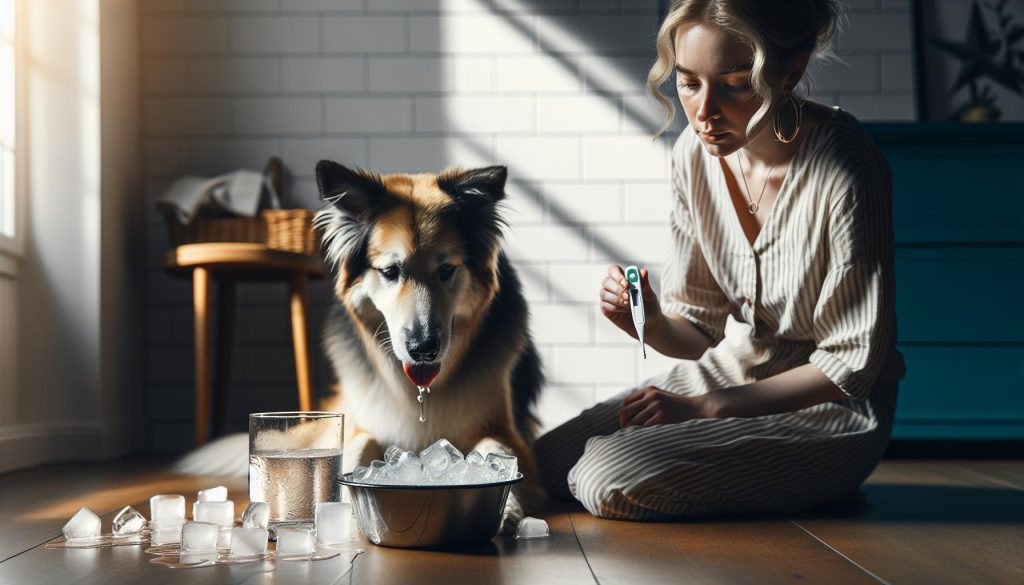
As pet owners, we often find ourselves pondering seemingly simple questions, like whether iced water is safe for our furry friends. On a hot day, a bowl of icy water might seem like a refreshing treat for your dog, but could it actually pose risks to their health? Understanding the effects of cold water on dogs is crucial, as temperature sensitivity can vary significantly between breeds and individual pets. In this article, we’ll explore the latest research on iced water and its potential impacts, arming you with the knowledge to make the best choices for your beloved companion. Join us as we dive into temperature safety, breed-specific considerations, and practical tips to keep your dog happy and hydrated!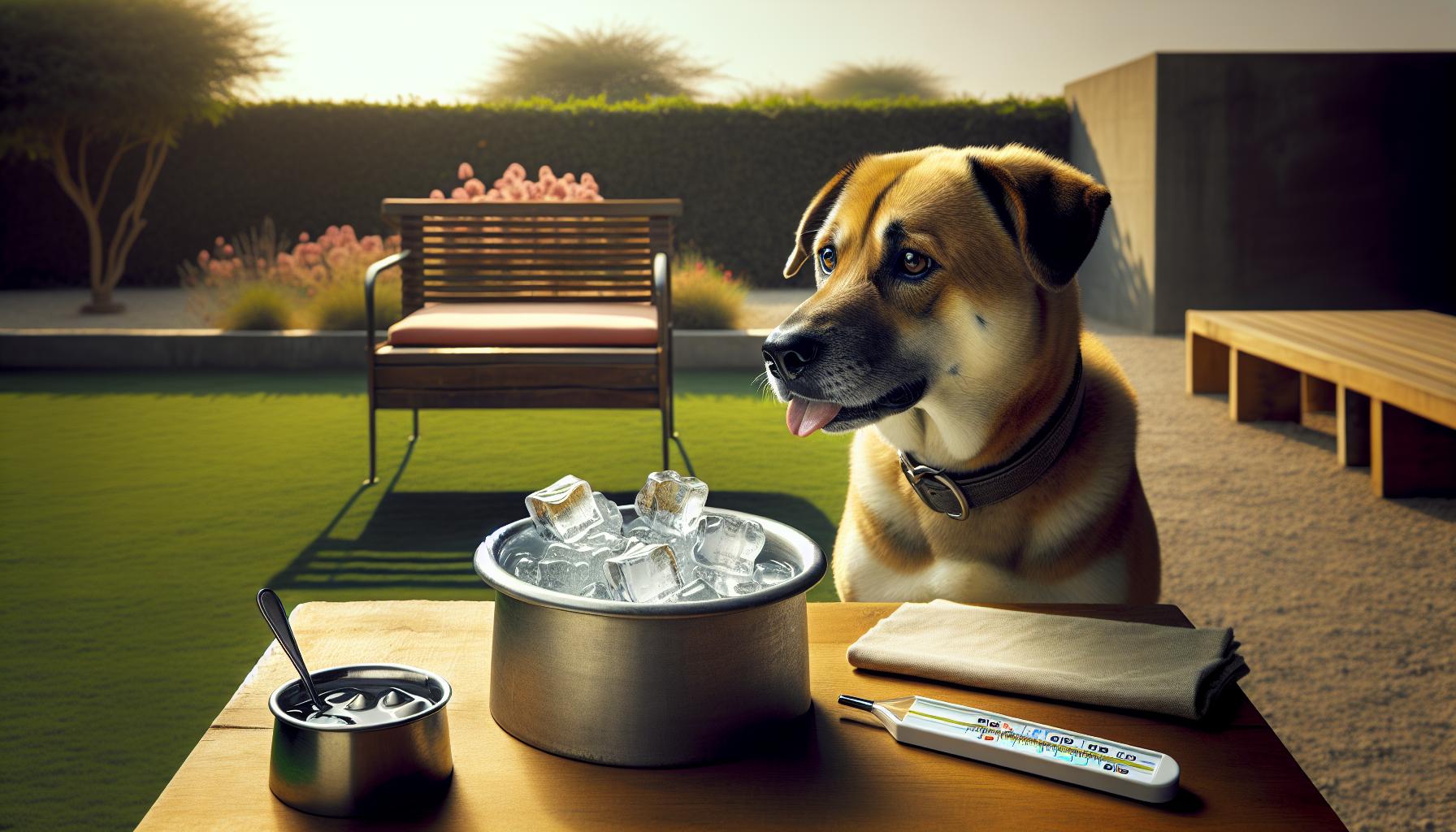
Is Iced Water Safe for Your Dog? Understanding Temperature Risks
While it might seem refreshing, iced water can pose risks to your dog’s health. Dogs, like humans, can have varying tolerances to temperature extremes, making it crucial for pet owners to understand the implications of serving very cold water. For instance, a drastic temperature change may lead to discomfort or gastrointestinal issues. This is especially relevant after a vigorous play session or on a hot day when your dog is already panting, as sudden shifts from hot to iced water can be jarring for their system.
When considering your dog’s sensitivity to cold, breed plays a significant role. Breeds with short hair or minimal body fat, such as Greyhounds or Chihuahuas, may be more susceptible to the chill of iced water, whereas thick-coated breeds like Huskies or Newfoundlanders might handle cold temperatures better. However, even larger breeds can experience discomfort if they are not conditioned to colder temperatures. To keep your dog comfortable, use moderately cool water instead of freezing-cold varieties. This can help avoid shock and keep hydration efforts effective.
Observing your dog’s behavior is vital. If they shiver after drinking cold water, refuse to drink, or show signs of discomfort-like pacing, whining, or excessive panting-it may be time to rethink their hydration strategy. Always prioritize their comfort and health over the aesthetic appeal of serving icy refreshments. Remember, your dog’s well-being is paramount, and understanding their individual needs regarding water temperature can ensure they stay happy and hydrated, particularly during the sweltering summer months.
The Science Behind Dogs and Temperature Regulation
Understanding how dogs regulate their body temperature is essential for ensuring their health, especially when it comes to hydration practices. Dogs primarily cool themselves through panting, which helps release heat from their bodies. However, their anatomy differs significantly from ours, and their response to temperature variations, such as cold water, can trigger different physiological reactions. For instance, while humans may enjoy a refreshing iced drink on a hot day, iced water can be jarring to a dog’s system and even lead to discomfort or health issues if consumed suddenly.
When a dog drinks iced water, it confronts a rapid temperature shift that its body must regulate. The stomach’s cold contents can constrict blood vessels, potentially impeding digestion and causing gastrointestinal upset. This reaction can be particularly pronounced in active dogs or those that have been exposed to high heat, as their core temperature is already elevated. It’s crucial to remember that a dog’s comfort matters more than aesthetics; offering water at a moderate temperature can help them stay hydrated without shocking their system.
Different breeds exhibit varying tolerances to cold temperatures, making it vital to consider individual characteristics. For example, a Greyhound may be more sensitive to cold water compared to a robust breed like the Labrador Retriever. Here’s a quick guide to understanding breed-specific responses to cold water:
| Breed | Tolerance to Cold Water |
|---|---|
| Greyhound | Low |
| Chihuahua | Low |
| Beagle | Moderate |
| Labrador Retriever | High |
| Husky | High |
| Newfoundland | Very High |
Monitoring your dog’s physical responses after drinking water is equally important. Signs of distress such as shivering, reluctance to drink, or visible discomfort are important indicators that a temperature change might be too extreme for them. By offering water that is cool but not icy, you can enhance your dog’s hydration experience while keeping their well-being at the forefront.
Breeds That Are Most Affected by Cold Water
When it comes to keeping your dog hydrated during the hot summer months, the temperature of the water can play a crucial role in their comfort and health. Some breeds are naturally more sensitive to extreme temperature changes in water, especially when it’s cold. Understanding which dogs are most affected can help you make safer choices for your furry friend.
Dogs like Greyhounds and Chihuahuas tend to have a low tolerance for cold water. These breeds generally have less body fat and a higher metabolic rate, making them more susceptible to the sudden shock of icy temperatures. When exposed to cold water, they may shiver, hesitate to drink, or display signs of discomfort, which can lead to a negative drinking experience. Conversely, breeds such as the Labrador Retriever and Newfoundland exhibit a higher tolerance to cold temperatures due to their longer coats and natural adaptations to colder environments.
To better illustrate the varying comfort levels dogs have with cold water, here’s a comparative summary:
| Breed | Tolerance to Cold Water |
|---|---|
| Greyhound | Low |
| Chihuahua | Low |
| Beagle | Moderate |
| Labrador Retriever | High |
| Husky | High |
| Newfoundland | Very High |
When hydrating your dog, it’s vital to consider their individual needs. For breeds sensitive to cold, providing lukewarm or slightly cool water might be the best option. Regularly monitoring your dog’s responses can also help determine their comfort level. If you notice them turning away from cold water or exhibiting any signs of distress, it’s best to adjust the temperature. Remember, keeping your dog hydrated is essential, but their comfort should always come first.
Signs Your Dog May Be Uncomfortable with Iced Water
Whether you’re standing in the park on a hot summer day or lounging at home, keeping your dog hydrated is crucial. However, while a refreshing bowl of cold water might seem tempting for you, it could be less appealing for your furry friend. Dogs communicate their discomfort, and understanding these signs can help you take the right steps to ensure their hydration experience is positive.
One of the first indicators that your dog is uncomfortable with iced water is hesitation to drink. If you notice your dog approaching the water bowl and then backing away or sniffing at it without taking a sip, this could signal that the water is too cold for their taste. Additionally, shivering is a clear sign of physical discomfort. If your dog starts to shake after drinking iced water, it may be an indication that they are feeling too cold.
Another sign to watch for is licking their lips or excessive drooling; these behaviors can indicate that the water isn’t soothing or satisfying for them. Some dogs express their dissatisfaction through whining or barking, which could reflect their unease with the temperature. These vocalizations may serve as your dog’s way of telling you that they would prefer something warmer.
As pet owners, it’s important to be attuned to these signals and adjust accordingly. For breeds known for their low tolerance to cold-like Greyhounds and Chihuahuas-it’s recommended to offer water at room temperature or slightly cool rather than iced. Paying attention to your dog’s preferences can help ensure that they stay hydrated in a way that is both safe and enjoyable for them. Keeping them happy and hydrated is a priority, and being proactive about their needs is the best practice you can adopt.
Veterinary Opinions: Should You Avoid Iced Water?
While the idea of refreshing your dog with iced water on a hot day might seem reasonable, veterinary experts often advise caution. Dogs are inherently different from humans when it comes to temperature preferences and regulation. Just like certain breeds have unique needs in terms of exercise or diet, their hydration methods can also differ significantly. Iced water may at first seem enjoyable, but it can sometimes lead to discomfort or even potential health issues.
Veterinarians typically recommend providing water that is cool but not too cold. Water that is too icy can shock a dog’s system and may trigger gastrointestinal upsets, which could lead to vomiting or diarrhea. Additionally, some dogs might find iced water unappealing, leading to dehydration if they refuse to drink it. It’s vital to consider breed-specific sensitivities; for example, smaller breeds with less body mass, like Chihuahuas, may be less tolerant to cold water compared to larger breeds like Golden Retrievers.
A practical approach is to observe your pet’s behavior. If they seem reluctant to drink or exhibit signs of discomfort-such as shivering or lip licking-it may be time to reconsider the temperature of their water. Instead, try giving room temperature water or adding just a few ice cubes to slightly cool the water without making it too cold. Creating a comfortable hydration experience will help ensure that your dog stays well-hydrated and happy, which is the ultimate goal for any pet owner. Always consult with your veterinarian if you are uncertain about your dog’s specific hydration needs or any reactions they might have to colder water.
Alternatives to Iced Water: What to Offer Instead
Providing your furry friend with suitable hydration options is vital, especially during those hot days when you might be tempted to offer iced water. Instead of reaching for the ice, consider several safe and enjoyable alternatives that not only keep your dog cool but also promote hydration in a comfortable way.
One excellent option is to serve cool room temperature water, which is refreshing without the shock that iced water can induce. Most dogs prefer their water at a pleasant temperature, and serving it cool can ensure they stay hydrated throughout the day. You might also experiment with adding a few ice cubes to their water bowl, just to slightly cool it. Monitor to see if your dog enjoys this; it’s a playful way to engage them while avoiding extreme temperatures.
In addition to plain water, think about infusing it with flavor. You can add a splash of low-sodium chicken or beef broth, turning plain water into an enticing treat that encourages drinking. Be sure to check the contents and avoid any with harmful ingredients, such as onions or garlic, as these can be toxic to dogs.
Another fun idea is to create frozen treats using dog-safe ingredients. Blending your dog’s favorite fruit with water or broth and freezing the mixture in ice cube trays can yield tasty, refreshing bites. Try using banana, blueberry, or pumpkin puree to whip up some delicious treats. Not only are they a cooling snack, but they’ll also hydrate your dog effectively.
If your dog is particularly picky about their water, consider using a pet water fountain. These fountains keep the water moving and aerated, which might entice your pup to drink more frequently. Dogs are drawn to fresh, flowing water, which can encourage them to hydrate steadily throughout the day.
By offering these enjoyable alternatives, you create a positive hydration experience that is tailored to your dog’s preferences while ensuring their well-being. Always keep a close eye on your dog’s response to new hydration methods and consult your veterinarian for additional guidance specific to your pet’s needs.
How to Hydrate Your Dog Safely in Hot Weather
During hot weather, maintaining your dog’s hydration is crucial for their health and well-being. Did you know that a dog can lose a significant amount of water through panting and sweating, and in extreme temperatures, this can lead to serious consequences like heatstroke? To help your furry friend stay cool and hydrated, consider these practical strategies that ensure they drink plenty of water in a safe way.
One essential step is to provide fresh, cool water throughout the day. Instead of offering ice-cold water that could shock their system, aim for water that is at room temperature or slightly chilled. Dogs generally prefer this temperature, and it ensures a more comfortable drinking experience. Using a water fountain can also tempt them to drink more; the flowing water helps maintain freshness, making it attractive for pups who might otherwise skip their hydration.
Consider adding flavor to their water to encourage drinking. A few drops of low-sodium chicken or beef broth can make plain water much more appealing. Just ensure you avoid any harmful ingredients, like onions or garlic, which are dangerous for dogs. Additionally, freeze dog-safe treats using pureed fruits like bananas or blueberries mixed with water. These icy delights not only provide hydration but also serve as a fun snack on warmer days.
Pay attention to your dog’s specific needs based on their breed and health status. For instance, brachycephalic breeds like Bulldogs may require more attention due to their sensitive respiratory systems. Older dogs or those with certain health conditions may also be more susceptible to dehydration, so regular monitoring and a consistent supply of moderate-temperature water are vital. Having a hydration plan in place can help keep your furry companion happy and healthy throughout the heat. Remember, a cool, well-hydrated dog is a happy dog!
The Role of Age and Health in Water Temperature Tolerance
As our loyal companions age, their bodies undergo various changes that can affect their tolerance for different water temperatures. Understanding how age and health impact a dog’s ability to handle cold or iced water is essential for their overall well-being. For younger dogs, medium to room-temperature water may stimulate hydration without causing discomfort, while older dogs, especially those with health issues, require extra attention to their hydration habits.
When it comes to age, puppies and young dogs tend to have more robust systems, but even they can experience cold water shock. As a dog’s body matures, changes in metabolism, body fat, and muscle mass can alter their sensitivity to temperature. Elderly dogs may struggle more with sudden temperature changes due to decreased circulation and joint issues. Thus, providing lukewarm or slightly cool water is generally more beneficial for older dogs, making hydration more comfortable for them.
Similarly, health conditions significantly dictate water temperature preferences. Dogs with respiratory or circulatory issues, like brachycephalic breeds (e.g., Bulldogs, Pugs), can be particularly vulnerable to the shock that iced water may cause. These breeds often have compromised systems that don’t handle extreme temperatures well. Furthermore, dogs suffering from conditions like arthritis may feel discomfort when consuming cold water, which could exacerbate their symptoms. Regularly monitoring how your dog reacts to water temperature can help you tailor their hydration needs.
Be proactive by observing your dog’s drinking habits and adjusting accordingly; for instance, enhancing their water with non-toxic flavors can encourage them to drink more without relying on chilling temperatures. It’s vital to create a comfortable hydration routine tailored to each dog’s stage of life and health status, ensuring that they not only drink enough water but do so in a positive, stress-free way. Remember, a well-hydrated dog is a happy dog, and keeping an eye on their hydration preferences sets the foundation for a healthier life.
Common Myths About Dogs and Cold Water
Many dog owners have heard various claims about the dangers of allowing their pets to drink iced water or swim in cold water, often leading to confusion and concern. One widespread myth suggests that cold water can cause dogs to develop serious gastrointestinal issues, including bloating or even torsion. While it’s essential to remain cautious about a dog’s water temperature, this specific fear is often exaggerated. Dogs have evolved to regulate their body temperature effectively, and while cold water can cause discomfort or shock, severe health consequences are rare in healthy dogs.
Another common belief is that all breeds can tolerate cold water equally, which is far from the truth. Breeds such as Labrador Retrievers and Newfoundlands, with their thick insulation and natural swimming abilities, may enjoy and thrive in cold water. However, brachycephalic breeds like Bulldogs and Pugs are more susceptible to cold stress due to their respiratory structures. It’s vital for owners to consider their dog’s breed and individual health when deciding on water temperature. Always observe your dog’s reactions-if they seem hesitant or uncomfortable, warm water is likely a better choice.
Furthermore, some owners think that providing iced water is a surefire way to keep their pets cool in hot weather. While a slight chill in water can be refreshing, excessively cold water might actually shock a dog’s system. Instead, offering cool but not icy water encourages hydration without risking discomfort. Dogs should have access to water that invites them to drink freely and comfortably, typically closer to room temperature or slightly cool during hot months.
In conclusion, understanding your dog’s specific needs, temperament, and breed characteristics is crucial in debunking these myths. By tailoring hydration practices to suit your pup, you can ensure their comfort and well-being. Always remain alert to their behavior, and when in doubt, consult with a veterinarian for personalized advice regarding water temperatures and hydration strategies.
Best Practices for Dog Hydration During Exercise
When it comes to keeping your furry friend hydrated during exercise, understanding their unique needs based on breed and activity level is key. As dogs engage in physical activities such as running, playing fetch, or hiking, they lose fluids through panting and sweating from their paw pads. It’s crucial to replenish those fluids to maintain their energy and overall health. An important aspect of hydration is the temperature of the water being offered, particularly in relation to the ongoing debate about iced versus room-temperature water.
To create an effective hydration plan, consider the following best practices:
- Pre-Exercise Hydration: Before any vigorous activity, make sure your dog has access to fresh, cool water. This helps them start off well-hydrated and ready for action.
- During Exercise: Offer water breaks every 15-20 minutes, especially in warmer weather. Use a portable water bowl or hydration pack designed for dogs to make it easy for them to rehydrate. Avoid icy water at this stage; instead, go for water that’s cool but not too cold to prevent shock.
- Post-Exercise Recovery: After exercise, provide your dog with access to water again. This is the time to offer slightly cooler water to help them recover. Monitor their drinking; if they seem hesitant, introduce the water gradually or mix it with a splash of chicken broth to entice them.
Consider the Breed
Some breeds are more susceptible to heat and may require special attention during hydration. For example, brachycephalic breeds like Bulldogs and Pugs can struggle with overheating and may need more frequent breaks and cooler water. On the other hand, larger breeds like Retrievers can handle longer exercise periods but also need regular hydration. Always adjust your approach based on your dog’s specific breed characteristics, age, and health conditions. For instance:
| Breed | Hydration Needs | Preferred Water Temperature |
|---|---|---|
| Labrador Retriever | High | Cool, not icy |
| Bulldog | Moderate | Room temperature |
| Greyhound | Moderate | Cool, to avoid heat stress |
| Newfoundland | High | Cool, to maintain comfort |
Remember, every dog is unique, and there is no one-size-fits-all approach. Pay attention to their behavior-if they’re panting heavily or seem lethargic, it’s a sign to take a break and encourage hydration. Lastly, consider seasonal changes and adjust your hydration practices accordingly. During hot summer days, your dog may need more frequent breaks compared to cooler months. By being mindful of these practices, you can help ensure your pet stays hydrated and healthy during all their adventures!
When to Consult Your Vet About Water Temperature
Recognizing the signs that your dog may not be tolerating cold water well is crucial for their well-being. If your dog suddenly seems reluctant to drink chilled water or displays signs of discomfort, such as shivering or whining, it might be time to engage your veterinarian. Cold water can pose risks, especially for certain breeds or individual health conditions. For instance, brachycephalic breeds like Bulldogs can have trouble when their body temperatures drop too quickly, potentially leading to respiratory distress. Understanding your dog’s unique background will help in deciding when to seek professional guidance.
Vets have specific recommendations when it comes to water temperature, particularly if you notice your dog is having gastrointestinal issues after drinking icy water. Symptoms like vomiting or diarrhea may not only be related to the water temperature but could also indicate underlying health concerns that need to be addressed. It’s advisable to consult your vet if these symptoms persist, as they can help rule out other issues and provide personalized hydration guidelines tailored to your dog’s individual needs.
In addition, if your canine companion has pre-existing health conditions-such as those affecting the kidneys, digestive tract, or age-related sensitivities-they may require more careful management of water temperature. Senior dogs, for example, may benefit from mildly warm or room-temperature water, reducing the risk of shocking their system.
Always err on the side of caution and don’t hesitate to reach out for professional advice if you’re unsure. Your veterinarian can provide personalized recommendations, ensuring that your furry friend stays healthy and hydrated, no matter the season. By staying informed and proactive about your dog’s hydration needs, you can create a suitable plan that promotes their overall well-being.
Dogs and Hydration: Creating a Personalized Care Plan
Creating a personalized hydration care plan for your dog is essential, especially when considering the potential risks posed by cold or iced water. Did you know that improper hydration can lead to health complications that vary significantly between individual dogs, depending on their age, breed, and pre-existing health conditions? As a dedicated pet owner, you have the power to ensure your furry friend stays safely hydrated by understanding their specific needs.
To start, assess your dog’s individual characteristics and lifestyle. For instance, active breeds like Labrador Retrievers may tolerate adjusted water temperatures better due to their energetic nature, while small or brachycephalic breeds such as Bulldogs should be monitored closely for signs of discomfort after drinking very cold water. Here’s a quick guide to help you categorize your dog’s needs:
| Dog Type/Breed | Water Temperature Preference | Special Considerations |
|---|---|---|
| Active Breeds (e.g., Labrador Retriever) | Cool to room temperature | Monitor hydration during exercise |
| Brachycephalic Breeds (e.g., Bulldog) | Room temperature | Watch for respiratory distress |
| Senior Dogs | Mildly warm preferred | Reduced risk of shock; monitor kidney health |
Next, implement a hydration schedule that aligns with your dog’s daily activities and environmental conditions. For example, if it’s a particularly hot day, you might want to provide fresh, room-temperature water more frequently. Consider using hydration aids like pet-safe ice cubes during playtime only if your dog loves them-supervising them closely for any signs of discomfort.
Furthermore, make it a habit to routinely monitor your dog’s overall health and hydration. Look out for symptoms like excessive panting, lethargy, or reluctance to drink, which can indicate dehydration or that your dog could be uncomfortable with their water temperature. If you observe any concerning signs, don’t hesitate to consult your veterinarian for tailored advice. Regular check-ups can help preemptively address hydration issues and adapt the care plan as your dog ages or if health conditions arise.
Ultimately, staying proactive and being attuned to your dog’s hydration preferences will not only enhance their comfort but also support their overall well-being. By understanding the unique requirements of your furry companion, you ensure they thrive, regardless of the weather or activity level.
Frequently Asked Questions
Q: Is iced water safe for all dog breeds?
A: Iced water may not be safe for all dog breeds, especially those sensitive to temperature fluctuations, like brachycephalic breeds (e.g., Bulldogs, Pugs). It’s best to consult your vet about your dog’s specific needs to ensure their comfort and safety.[Read more]
Q: How can I tell if my dog dislikes iced water?
A: Signs that your dog may dislike iced water include refusing to drink, shivering, or showing signs of distress, like whining or pacing. Always observe your dog’s reactions during hydration to ensure they are comfortable with the temperature.[Learn how to recognize signs]
Q: What are the best alternatives to iced water for dogs?
A: Instead of iced water, offer room temperature or slightly cooled water, which is more comfortable. Adding ice cubes occasionally can make it fun without overwhelming them. Also, consider offering flavored water with safe ingredients for hydration.[Explore more alternatives]
Q: Are there health risks of giving dogs iced water?
A: Yes, giving dogs iced water can lead to stomach discomfort, especially after exercise, or can exacerbate gastrointestinal issues. Always observe how your dog responds and consult your vet if you’re unsure.[Read veterinary opinions]
Q: When is iced water appropriate for dogs?
A: Iced water may be appropriate during extremely hot weather to cool down your dog, but it should be offered cautiously. Providing it after physical activity is best done gradually to avoid shock to their system.[Understand temperature risks]
Q: What do dogs prefer when drinking water?
A: Most dogs prefer fresh, clean water at a moderate temperature. They may enjoy chilled water occasionally but generally avoid extreme temperatures. Regularly changing their water ensures it remains appealing.[Learn about creating a hydration plan]
Q: How does a dog’s age affect their water temperature tolerance?
A: Older dogs may be more sensitive to cold temperatures and can develop issues more readily than younger dogs. Adjust their water temperature accordingly, and always prioritize their comfort and health.[Explore age and health effects]
Q: Should I consult my vet about my dog’s hydration needs?
A: Yes, it’s advisable to consult your vet regarding your dog’s hydration needs, especially if they have pre-existing health conditions or are undergoing treatment. They can provide tailored advice based on your dog’s specific health profile.[Find out when to consult your vet]
Concluding Remarks
As we explore whether iced water is bad for dogs, remember that a dog’s well-being is a top priority. If you’ve learned about temperature safety and your pet’s hydration needs, don’t hesitate to click through to our related articles on managing heat stress in dogs and understanding canine hydration. Taking action now, such as monitoring your dog’s water intake and temperature regulations, can prevent potential health issues.
Have more questions or concerns? Engage with us in the comments below or consider signing up for our newsletter for regular updates and expert tips tailored for dog owners like you. Your dog’s health should never be a guessing game, and by staying informed, you can make the best choices for your furry friend. Let’s ensure they stay happy and hydrated-because a well-cared-for dog is a happy dog!