
Did you know that the quality of water your dog drinks can significantly impact their health? Just like humans, dogs are sensitive to impurities found in tap water, including chlorine and heavy metals, which can lead to long-term health issues. Choosing purified water can help ensure your furry friend stays hydrated and healthy. In this article, we’ll explore the benefits of purified water for dogs, offering insights into how it can support their well-being. From improved hydration to reduced risk of health problems, you’ll discover why switching to purified water might be one of the best decisions you can make for your pet. Keep reading to learn how this simple change can elevate your dog’s hydration game and enhance their quality of life!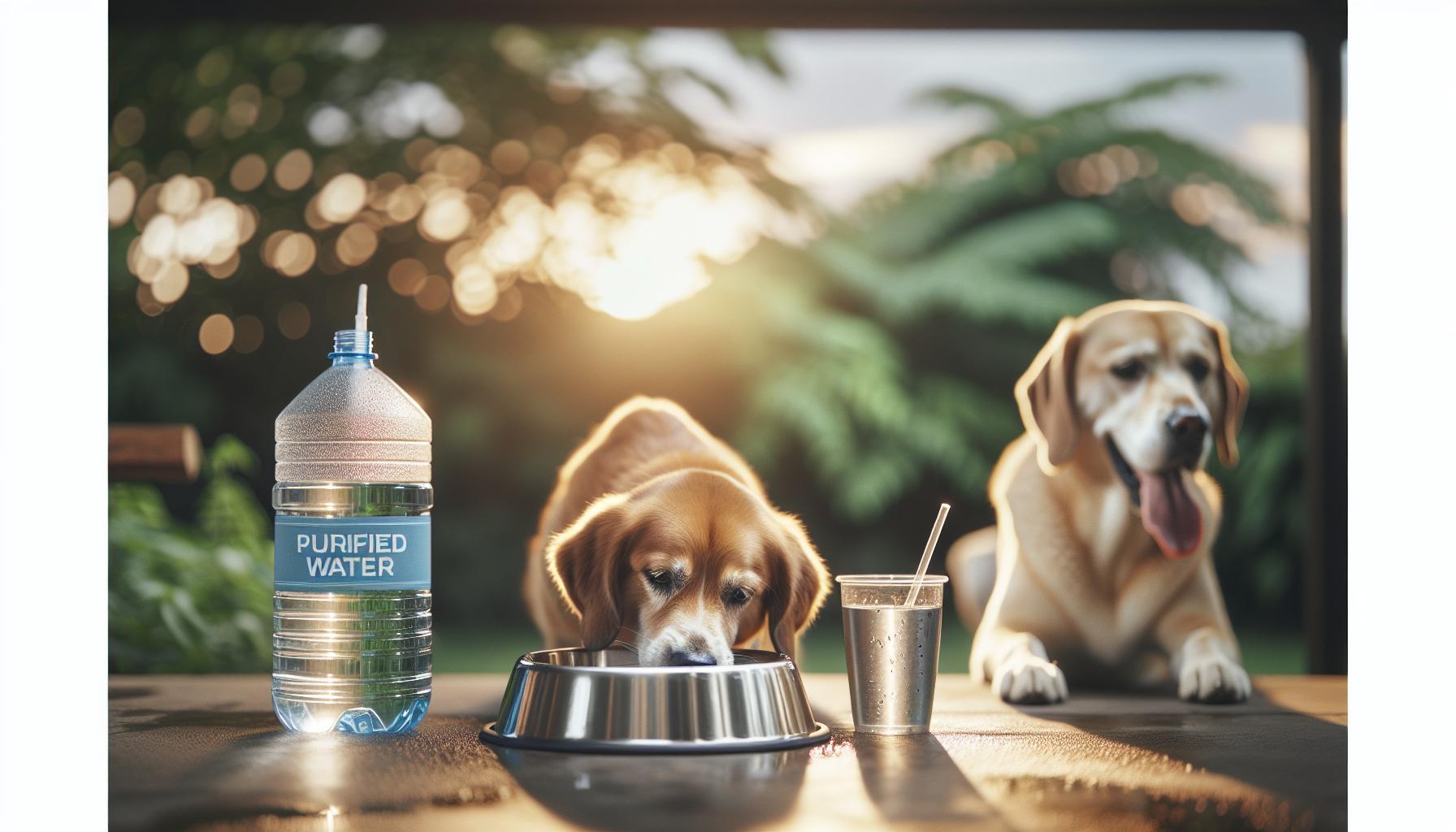
Is Purified Water Safe for Dogs? Understanding the Basics
Ensuring your dog stays well-hydrated is fundamental to their overall health, and the type of water they consume plays a vital role in this. Many pet owners often wonder if purified water is safe for dogs. The good news is that purified water is not only safe but can also be a critical component of your dog’s diet. Unlike tap water, which can contain chemicals such as chlorine, fluoride, and heavy metals, purified water undergoes a rigorous filtration process that removes these potentially harmful substances. This means that when you provide your dog with purified water, you can have peace of mind knowing that it is cleaner, safer, and more suitable for their sensitive systems.
When selecting the best water for your canine companion, it’s essential to understand that dogs, much like humans, can be adversely affected by contaminants in their drinking water. Studies have shown that the presence of certain minerals and chemicals can lead to health issues over time. For instance, dogs with kidney disease are often recommended to consume purified or distilled water because these types contain fewer minerals that could exacerbate kidney problems [2]. Furthermore, purified water can be beneficial for pets with skin conditions or allergies, as avoiding impurities can help reduce flare-ups.
Ultimately, transitioning to purified water is a straightforward process that can enhance your dog’s hydration experience. Observing your pet’s preferences and ensuring they have constant access to clean, fresh water will promote healthier hydration patterns. As you continue to provide your dog with purified water, you’ll likely notice positive changes in their overall vitality and well-being.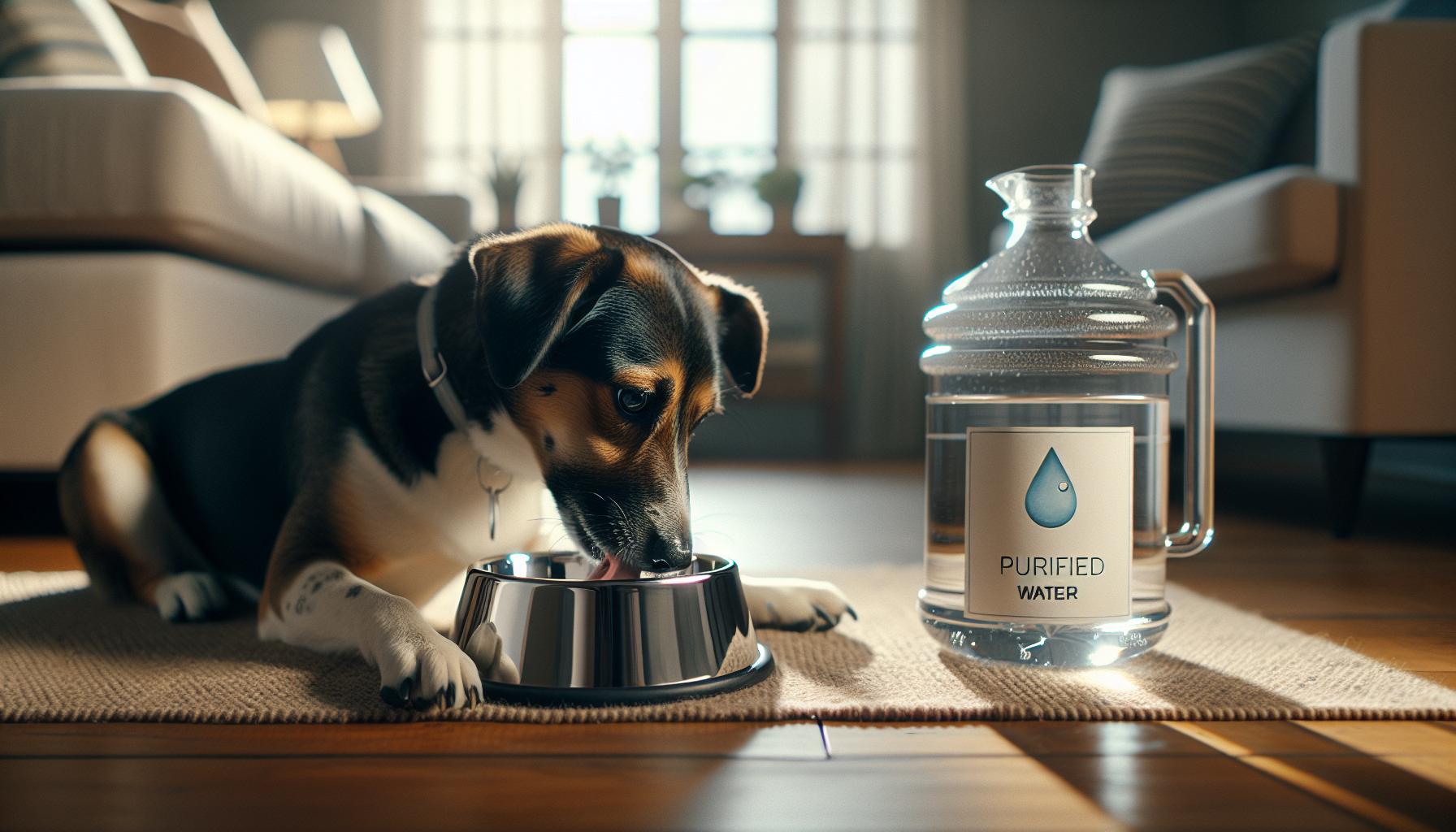
The Benefits of Purified Water for Canine Health
Providing your dog with purified water can significantly enhance their overall health and well-being. Many pet owners may not realize that the quality of water affects more than just hydration; it plays a crucial role in your dog’s nutritional intake and long-term health. Purified water undergoes a thorough filtration process that removes harmful contaminants such as chlorine, heavy metals, and other impurities that commonly exist in tap water. This ensures that your dog is not only drinking safer water but also one that supports their hydration needs more effectively.
One of the primary benefits of purified water is its positive impact on specific health conditions, particularly those affecting the kidneys. Dogs diagnosed with kidney disease often require a low-mineral diet, and this extends to their water intake as well. Veterinarians frequently recommend purified or distilled water for these pets to help avoid exacerbation of their condition due to excess minerals found in regular tap water [2]. Additionally, for dogs with sensitive stomachs or skin issues, purified water can minimize potential allergens and irritants, leading to a calmer digestive system and healthier skin.
Beyond individual health concerns, providing purified water can also play a significant role in promoting a healthy lifestyle for all breeds. Dogs that maintain proper hydration through cleaner water are generally more active, have better energy levels, and show improved digestion. This, in turn, can result in a shinier coat and a more vibrant demeanor. Furthermore, ensuring access to purified water encourages better drinking habits, especially for breeds that are prone to dehydration or those that are more active and require higher fluid intake.
To make it easier for your dog to choose purified water, consider using a water fountain specifically designed for pets. These fountains keep the water circulating and fresh, which can entice pets to drink more throughout the day. Having a designated space for their water, along with regular cleaning and maintenance of their water dish, can make a significant difference in how much they consume. By prioritizing purified water in your dog’s diet, you’re taking an essential step towards their overall health and happiness.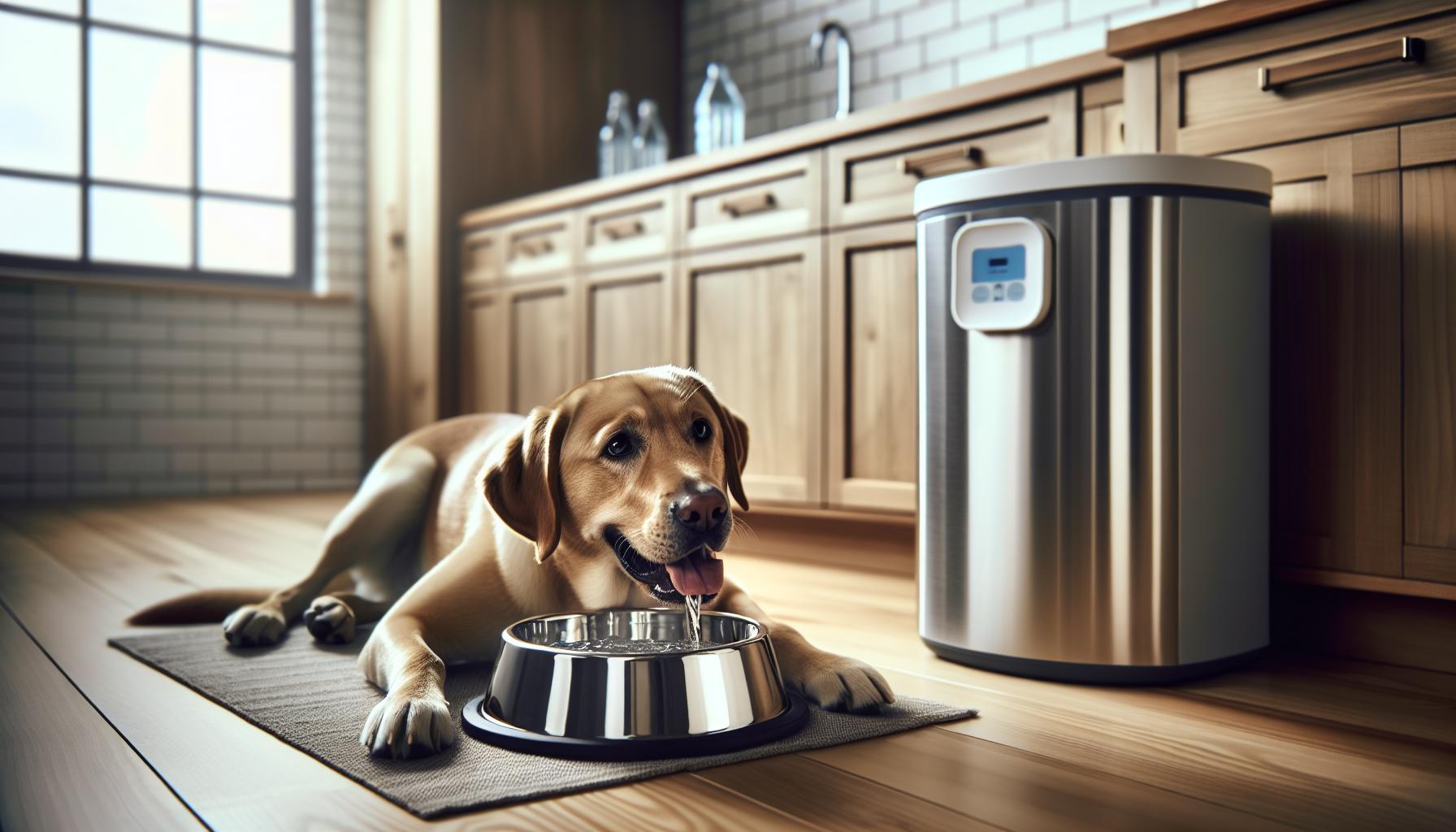
Comparing Purified Water and Tap Water for Dogs
When it comes to keeping our furry friends hydrated, the choice between purified water and tap water can make a significant difference in their health and well-being. Interestingly, many pet owners may not realize that tap water varies greatly depending on location. It often contains various minerals, chlorine, and even pollutants that can affect a dog’s health over time. In contrast, purified water undergoes a more stringent filtration process, removing these potential hazards and providing a cleaner, safer option for hydration.
One of the primary concerns with tap water is its potential for containing harmful contaminants such as lead, bacteria, and chemicals. These can lead to gastrointestinal issues, skin irritations, and long-term health problems in dogs, especially those with sensitive systems or pre-existing health conditions. In a recent article, experts noted how unfiltered tap water can hold hidden pollutants, which is why they advocate for using purified water as the safer alternative for dogs [[3]](https://www.pipewrenchplumbing.com/blog/here-s-why-you-should-only-give-your-dog-purifie/).
In stark contrast, purified water, whether distilled or processed through a reverse osmosis system, is specifically designed to be free from these dangers. Dogs suffering from kidney disease, for example, benefit tremendously from purified water as it reduces their mineral intake, thereby easing the strain on their kidneys [[1]](https://www.justanswer.com/dog-health/9ne58-dog-drinks-distilled-water-does-prevent-eye-discharge.html). Moreover, providing purified water can have a broader impact, promoting better overall hydration and leading to improved digestion, healthier skin and coat, and a more active lifestyle.
Ultimately, making the switch to purified water can be straightforward and genuinely beneficial. Pet owners should consider not only the immediate safety of hydration but also the long-term health advantages it brings. Regularly evaluating the quality of water available for your dog is essential; it might be one of the easiest changes you can make to enhance their quality of life significantly. By opting for purified water, you are taking a proactive step toward ensuring your companion stays healthy and happy.
Signs Your Dog Needs Purified Water
It’s surprising how often pet owners overlook the importance of the water their dogs drink. Observing your dog’s drinking habits and their overall health can provide key insights into their hydration needs. If your dog is frequently thirsty or seems uninterested in drinking water, it may be a sign that their current water source isn’t meeting their needs. Purified water can significantly enhance their hydration experience, making it crucial to recognize when your dog might benefit from a cleaner, safer option.
One of the most telling signs is increased thirst. If you notice your dog drinking more frequently than usual, it may be a response to the contaminants in tap water. Dogs may instinctively seek different sources of water if they sense their current one isn’t fresh or palatable. Additionally, if your dog exhibits digestive issues such as vomiting or diarrhea, unfiltered water could be a culprit, as contaminants may cause gastrointestinal distress. Switching to purified water can alleviate these symptoms and promote digestive health.
Another indicator can be changes in your dog’s skin and coat health. If you’ve observed dry skin, excessive shedding, or dull fur, impurities in their water might be amplifying these issues. Purified water helps maintain hydration in their skin, promoting a shiny, healthy coat. Lastly, certain breeds, particularly those prone to kidney issues, may benefit greatly from purified water. For example, breeds like Shih Tzus or Dachshunds, which often face kidney problems, should be given the cleanest water possible to reduce the risk of worsening their condition. Consulting your veterinarian for specific breed-related hydration guidelines can also offer valuable insights.
In essence, watching for signs like increased thirst, gastrointestinal upset, skin problems, or breed-specific health issues can guide your decision about switching to purified water. By prioritizing your dog’s hydration with purified water, you’ll be taking an essential step in ensuring their overall well-being and happiness.
How to Transition Your Dog to Purified Water
Transitioning your dog to purified water doesn’t have to be a daunting task; in fact, it can be a seamless change with a little patience and strategy. Many dogs can be quite picky about their water sources, so introducing them to purified water might require some creativity. To start, you might want to observe how your dog responds to their usual water. If you suspect they are dissatisfied or if they’re showing signs of dehydration, such as excess thirst or dry skin, it’s time to make the switch.
Begin the transition gradually. Mix a small amount of purified water with your dog’s regular tap water. This blend can help your dog adjust to the new taste without a sudden change that might deter them from drinking. Over the course of several days, increase the ratio of purified water until it completely replaces tap water. Dogs are naturally curious, so enhancing their water experience with a few ice cubes or even freezing small pieces of their favorite treats in the water can encourage them to drink more.
It’s also important to keep the water fresh and clean. Dogs can be sensitive to odors, so ensure the bowl is washed regularly to prevent any negative associations with the water source. If your dog is hesitant to drink from their usual bowl, try using a different style – some dogs prefer a fountain-style bowl, which keeps the water circulating and may make it more appealing.
Breed-Specific Tips
Transitioning might vary based on specific breeds and their health needs. For example, breeds prone to kidney issues, like Shih Tzus or Dachshunds, can be especially impacted by the quality of their water and, therefore, may require a more focused approach. Here’s a simple chart to help guide your transition based on breed characteristics:
| Breed | Hydration Needs | Transition Tips |
|---|---|---|
| Shih Tzu | High (due to prone kidney issues) | Mix purified water with a splash of low-sodium broth to start. |
| Dachshund | Moderate to High | Utilize ice cubes as a flavorful introduction to the new water. |
| Labrador | High (active breed) | Keep water bowls in multiple locations. Use a big bowl to encourage more drinking. |
| Bichon Frise | Moderate | Introduce side-to-side water changes slowly, maintaining their health-enhancing diet. |
By following these steps, you can ensure that your furry friend remains hydrated and healthy. Being mindful of their preferences and adjusting accordingly shows your love and commitment to their well-being! Remember, every dog is unique, so pay attention to their cues throughout this transition process. If you notice any reluctance or unusual behavior, consider consulting your veterinarian for tailored advice.
Purified Water vs. Other Bottled Options for Dogs
When considering what to offer your furry friend for hydration, it’s essential to weigh the options, particularly between purified water and other bottled selections available on the market. Many pet owners navigate the myriad of choices, often under the impression that all bottled water is created equal. However, that couldn’t be further from the truth! Purified water, purified through osmosis or distillation processes, is devoid of harmful chemicals and contaminants that may linger in tap water. In contrast, other bottled options, such as spring or mineral water, may not necessarily offer the same level of safety and suitability for your dog.
Bottled spring water, while it may sound appealing, often contains natural minerals that could potentially upset a dog’s digestive system. For instance, the sodium content in certain spring waters can be high, and for breeds prone to issues like kidney disease, this can be detrimental. As a best practice, it’s vital to check labels to ensure your chosen water aligns with your dog’s health needs. Additionally, bottled waters may vary significantly in terms of source and quality, leaving your pet’s health to chance rather than opting for the consistent benefits of purified water.
Benefits of Choosing Purified Water
Opting for purified water offers several advantages that directly contribute to your dog’s health, including:
- Consistent Quality: Purified water is treated to remove impurities, ensuring your dog has access to clean and safe hydration.
- No Contaminants: Unlike some bottled waters that may harbor pollutants, purified water eliminates the risk of harmful chemicals.
- Neutral Taste: Dogs can be particular about taste; purified water is often more appealing for them, encouraging better hydration.
If you’re contemplating using other bottled options, consider their impact on your dog’s well-being. For example, flavored or electrolyte-enhanced waters marketed for pets might seem like a fun alternative, yet they often contain additives and sugars that could lead to weight gain or gastrointestinal upset. It’s always worthwhile to prioritize water that maximizes your dog’s hydration without any risks.
In summary, while other bottled options may provide variety, purified water consistently stands out as the safest and healthiest choice for keeping your dog well-hydrated. Making that choice not only supports your pet’s health but also simplifies your responsibility as a pet owner, allowing you to focus more on the joyful moments spent together!
Breed-Specific Considerations for Hydration
When it comes to hydration, understanding the specific needs of different dog breeds can make a significant difference in their health and well-being. Just like humans, dogs have unique physiological characteristics and health concerns that can influence their hydration needs. For instance, certain breeds may be more prone to specific health issues, such as kidney problems or obesity, which can affect how much and what kind of water you should provide.
For breeds like Bulldogs or Pugs, which are brachycephalic (short-muzzled), keeping them hydrated is particularly crucial. These dogs can struggle with overheating, especially in hot weather. Purified water not only helps to ensure they are hydrated but its purity means you’re not introducing any unnecessary additives that could upset their sensitive systems. On the other hand, larger breeds such as Great Danes or St. Bernards have higher fluid requirements due to their size and energy levels; ensuring they have access to plenty of clean, purified water can help prevent issues like dehydration during vigorous activity.
H3: Essential Considerations by Breed
Some breeds may have specific guidelines related to hydration:
- Small Breeds (e.g., Chihuahuas, Dachshunds): These pups have tiny bladders and may need more frequent access to water throughout the day. Ensure purified water is readily available to accommodate their small size.
- Active Breeds (e.g., Border Collies, Retrievers): High-energy dogs benefit from larger water supplies post-activity. Their hydration needs increase with their exercise levels; thus, fresh, purified water should be on hand to replenish lost fluids quickly.
- Older Dogs: As dogs age, kidney health becomes a concern, especially in breeds predisposed to renal issues, like Cocker Spaniels. Purified water without additives or contaminants is ideal for helping to maintain kidney function.
H3: Keeping Your Dog Hydrated
When managing your dog’s hydration, remember to monitor their water bowl and encourage them to drink regularly. If your dog seems hesitant to drink, consider the following tips to ensure they’re getting enough fluids:
- Flavor it Up: If your dog is reluctant, mixing in a little low-sodium chicken broth can entice them to drink more.
- Hydration Stations: Set up multiple water bowls around your living spaces to make hydration more accessible.
- Regular Refills: Make sure to replace the water daily and clean the bowls to prevent bacterial growth.
By taking these breed-specific considerations into account, you can better support your dog’s hydration needs and overall health, ensuring they thrive as joyful companions in your life!
Common Misconceptions About Purified Water for Dogs
Many pet owners find themselves questioning whether purified water is truly necessary for their dogs. One common misconception is that all water sources are essentially the same, but in reality, the quality of water can significantly impact your dog’s health. For instance, many tap waters contain additives like chlorine and minerals that, while generally safe for humans in low doses, may not sit well with your furry friend, especially in the long term. These substances might lead to gastrointestinal issues or cause discomfort in dogs with sensitive systems, making the clarity and safety of purified water an excellent option.
Another myth revolves around the idea that pricing is the only difference between purified water and regular tap water. While it is true that purified water can be more expensive, the benefits often outweigh the cost. Purified water undergoes a thorough filtration process that removes impurities, contaminants, and harmful chemicals, ensuring that what’s left is safe for your pet. This can be particularly crucial for breeds predisposed to health issues, such as Bulldogs or Cocker Spaniels, where consistent, contaminant-free hydration is critical for maintaining their health.
Additionally, some owners believe that their dogs will drink enough water from any source, but dogs can be finicky. If the water doesn’t taste clean, or if it’s been sitting for too long, they might avoid drinking altogether. This can lead to dehydration, especially in active breeds or those at risk for urinary tract issues. Providing fresh, purified water encourages regular drinking habits, promoting overall health.
Finally, there’s a concern about environmental impact. Many dog owners hesitate to use bottled purified water for ecological reasons, yet there are sustainable alternatives, such as refillable water stations or using filtration systems at home. This means you can provide your dog with high-quality water while also being conscious of your environmental footprint. By addressing these misconceptions, pet owners can better understand the value of purified water in their dog’s diet, leading to happier, healthier canines.
Environmental Impact of Using Purified Water for Pets
Using purified water for your furry friend is not just a matter of health but also a significant consideration for our environment. As pet owners increasingly choose bottled purified water for their dogs, it’s essential to evaluate the environmental implications of such choices. For those passionate about eco-friendliness, the steps you take can make a real difference for both your dog’s well-being and our planet’s health.
One of the primary concerns with bottled water is plastic waste. While convenient, the use of single-use plastic bottles contributes substantially to pollution, especially in oceans and landfill sites. According to studies, millions of tons of plastic waste end up in oceans every year, harming wildlife, including aquatic life that dogs might encounter when swimming. Shifting to more sustainable practices can help mitigate this impact. Consider using multi-gallon jugs that can be refilled, or invest in a home-based filtration system that purifies your tap water, drastically reducing the need for bottled options. This not only lessens your carbon footprint but also saves you money in the long run.
Additionally, let’s not overlook the resources involved in producing those bottles. From the extraction of crude oil to the energy-consuming manufacturing processes, every step wears down the planet’s resources. By choosing to use refillable containers and home filtration systems, you significantly cut down on waste and energy use. It’s a small switch that can lead to a larger positive change when many dog owners commit to this practice.
As we embrace these sustainable alternatives, it’s also an opportunity to educate fellow dog owners. Sharing tips on sustainable pet hydration can foster a community that values both pet health and environmental responsibility. Encourage others to consider how much their choices impact the planet. Perhaps even host a doggy hydration day where pet owners can bring their own refillable water bottles to share clean purified water for their dogs!
In essence, while providing your dog with purified water enhances its health, being mindful about how you source that water can create a ripple effect. Each responsible choice not only supports your dog’s hydration needs but also champions a healthier environment for us all. Together, we can create a sustainable future-one happy, hydrated dog at a time!
Tips for Keeping Your Dog Hydrated with Purified Water
Keeping your dog well-hydrated is essential for their overall health and well-being. Purified water is a fantastic choice because it eliminates impurities often found in tap water, ensuring your pet stays hydrated without unwanted chemicals or contaminants. To help you maintain optimal hydration for your furry friend, here are some personalized tips that will encourage your dog to drink more purified water.
First, make the water as appealing as possible. Dogs, like humans, can be choosy about their water source. Using a clean and attractive bowl can make a significant difference. Opt for stainless steel or ceramic bowls over plastic, as these materials don’t retain odors and are easier to keep clean. You might also try placing multiple water stations around your home, especially if you have a larger breed or multiple dogs. This way, they won’t have to travel far to get their hydration fix.
Create a Routine
Establishing a routine can also help your dog develop a habit of drinking more water. Dogs thrive on consistency, so try to refill their water bowl with fresh purified water at the same times each day, such as after meals and before walks. Additionally, consider using a pet water fountain, which provides a constant flow of filtered water, enticing your dog to drink more often. This is particularly beneficial for breeds prone to urinary problems, like Dachshunds or Bulldogs, as it encourages regular hydration.
Hydration Through Food
It’s also a good idea to incorporate moisture into your dog’s diet. If you feed your dog dry kibble, consider adding a little bit of water or mixing in wet food, enriching their meals while contributing to their daily hydration needs. In warm weather or during playtime, locking in some hydration through treats like ice cubes or frozen broth can be a delightful way to promote drinking. Remember, small dogs or breeds with specific health problems may require a more tailored approach to their hydration, so consulting your vet for personalized advice is always a smart move.
By paying attention to these simple yet effective strategies, you can ensure your dog stays hydrated and healthy. Making purified water the norm in your dog’s life is an easy change that comes with substantial benefits, keeping them happy, active, and ready for adventures together!
Faq
Q: Is purified water safe for dogs to drink?
A: Yes, purified water is safe for dogs. It undergoes filtration processes that remove harmful contaminants and impurities, ensuring that your pet has access to clean and safe drinking water. For full guidance on safety, refer to the section “Is Purified Water Safe for Dogs? Understanding the Basics.”
Q: Can purified water improve my dog’s health?
A: Absolutely! Purified water can enhance your dog’s hydration and support digestion, promoting overall health. It may also reduce the risk of waterborne illnesses. Discover more benefits in the article’s section titled “The Benefits of Purified Water for Canine Health.”
Q: How does purified water compare to other drinking water options for dogs?
A: Purified water is typically cleaner than tap water, which may contain chemicals and contaminants. Unlike some bottled water, purified water is specifically filtered to eliminate impurities. For a detailed comparison, check the “Comparing Purified Water and Tap Water for Dogs” section.
Q: What are the signs that my dog may need purified water?
A: If your dog seems lethargic, has a decreased appetite, or exhibits digestive issues, it may benefit from purified water. Monitoring these signs can help ensure your dog’s hydration needs are met. Read more about identifying these signs in the “Signs Your Dog Needs Purified Water” section.
Q: How can I transition my dog from tap water to purified water?
A: To transition your dog, gradually mix purified water with their regular tap water, increasing the ratio of purified water over a week. This method helps them acclimate without stress. For more tips, refer to the “How to Transition Your Dog to Purified Water” section.
Q: Are there any misconceptions about dogs drinking purified water?
A: Yes, one common misconception is that all bottled water is suitable for dogs. In reality, many bottled waters contain minerals and additives that may not be ideal for canine consumption. Clarify these points in the “Common Misconceptions About Purified Water for Dogs” section.
Q: How often should I offer my dog purified water?
A: You should provide fresh purified water throughout the day, especially after meals and exercise. Regular access promotes hydration and overall health. See “Tips for Keeping Your Dog Hydrated with Purified Water” for more detailed advice.
Q: Is there an environmental impact associated with using purified water for my dog?
A: Using purified water can have an environmental impact, primarily due to plastic waste from bottled water. Choosing a home purification system can mitigate this issue. Dive deeper into this topic in the “Environmental Impact of Using Purified Water for Pets” section.
Feel free to explore more detailed insights in the full article for additional tips and information tailored to your dog’s hydration needs!
Final Thoughts
In conclusion, ensuring your dog drinks purified water can greatly enhance their health and hydration. Remember, the benefits we discussed today-like better taste, fewer contaminants, and improved digestion-are essential for keeping your furry friend happy and healthy. If you’re still unsure, consider consulting with your vet or exploring our guide on “Choosing the Best Water for Your Dog” for tailored advice on breeds and age-specific needs.
Ready to take the next step? Sign up for our newsletter for more pet care tips, or check out our articles on “Balanced Diets for Dogs” and “Understanding Dog Nutrition” to ensure your pup gets the best care possible. Don’t forget to share your thoughts in the comments below; we love hearing from fellow dog lovers and your insights can help others too! By learning and sharing, we build a community that prioritizes our pets’ well-being. Let’s keep the conversation going!