Did you know that while many dogs adore splashing in the waves, not all ocean adventures are safe for our furry friends? In fact, salt water can pose several health risks that every dog owner should be aware of. From dehydration to skin irritations and even gastrointestinal issues, ocean swimming can lead to serious concerns for your dog. Understanding these hazards is essential for responsible pet ownership, especially if you’re planning a beach day. This article will delve into the potential dangers of salt water for dogs, offering practical advice on how to keep your canine companion safe while still enjoying those sunny seaside moments. Let’s ensure that your dog has fun in the sun without the salty side effects!
Is Salt Water Bad for Dogs? Understanding the Risks
Dogs love the beach, but many owners are unaware of the potential risks associated with salt water. While a splash in the waves may seem harmless, ingesting salt water can lead to serious health issues for our furry friends. Salt water contains sodium chloride, which, although not detrimental in small amounts, can become highly toxic when consumed in larger quantities. The immediate effect of ingesting salt water includes vomiting and diarrhea, which can quickly lead to dehydration-a serious concern on hot, sunny days. Moreover, more severe symptoms, known as saltwater intoxication, can manifest if your dog indulges in excessive drinking or swimming.
Understanding how these risks can affect different breeds is equally important. For instance, breeds with shorter muzzles, like Bulldogs and Pugs, may struggle with swimming in ocean waves due to their respiratory shape. In contrast, larger breeds like Labradors and retrievers may enjoy splashing around but are also at risk of overindulging in salty water. Observing your dog’s behavior at the beach is crucial; signs such as excessive thirst, lethargy, or coordination issues may indicate they’re experiencing saltwater intoxication and require prompt veterinary attention.
To create a safe and enjoyable beach outing for your dog, consider these preventative measures: always supervise your pet while they swim, discourage them from drinking salt water, and introduce them to the ocean gradually. Additionally, make sure to have plenty of fresh water on hand to keep them hydrated. Familiarizing yourself with the local environment, such as the type of beach and any restrictions on dog access, is also advisable. By being proactive, you can help your canine companion enjoy the surf while minimizing potential health risks.
What Happens When Dogs Swim in Salt Water?
Dogs often seem to mirror the joy of ocean waves crashing on the shore, but what happens to them when they plunge into salt water? Initially, the experience is exhilarating for our furry friends, as they bound into the surf, splashing and frolicking with natural instincts that are both playful and instinctual. However, alongside this excitement lies a hidden danger: salt water can lead to serious health issues if consumed or inhaled in excessive amounts.
When dogs swim in salt water, they are exposed to high levels of sodium chloride, which can be harmful if ingested. After a swim, dogs may instinctively lap up the seawater, leading to swift absorption of salt. As a result, the body attempts to balance the sodium levels, often causing them to become thirsty and drink more fresh water. However, if they continue to ingest salt water, complications can escalate quickly. Symptoms can include vomiting, diarrhea, and overwhelming thirst, which are immediate red flags. This chain reaction can ultimately lead to dehydration, especially in warm weather conditions when hydration is crucial.
Moreover, the dangers don’t stop at ingestion. Dogs can also suffer from inhaling salt water while swimming or playing in the waves, which may irritate their lungs. Additionally, the life-threatening condition known as saltwater intoxication can occur when a dog consumes an excessive amount of seawater, resulting in neurological problems. It’s critical for owners to keep a watchful eye on their pets to recognize any signs of distress. Learning to spot symptoms such as confusion, seizures, or unusual behavior is invaluable, as early intervention can be the difference between a beach day to remember and a dire health emergency.
To ensure your dog has a memorable beach outing while minimizing risks, be prepared with fresh water and take frequent breaks to allow them to hydrate. Establishing boundaries for your dog in the surf, encouraging them to play near the shore rather than diving into deeper water, and knowing when to call a halt to ocean fun can help safeguard their health. By understanding the nuances of how salt water affects dogs and staying vigilant, you can create a safe environment that promotes both joy and well-being while enjoying beach adventures together.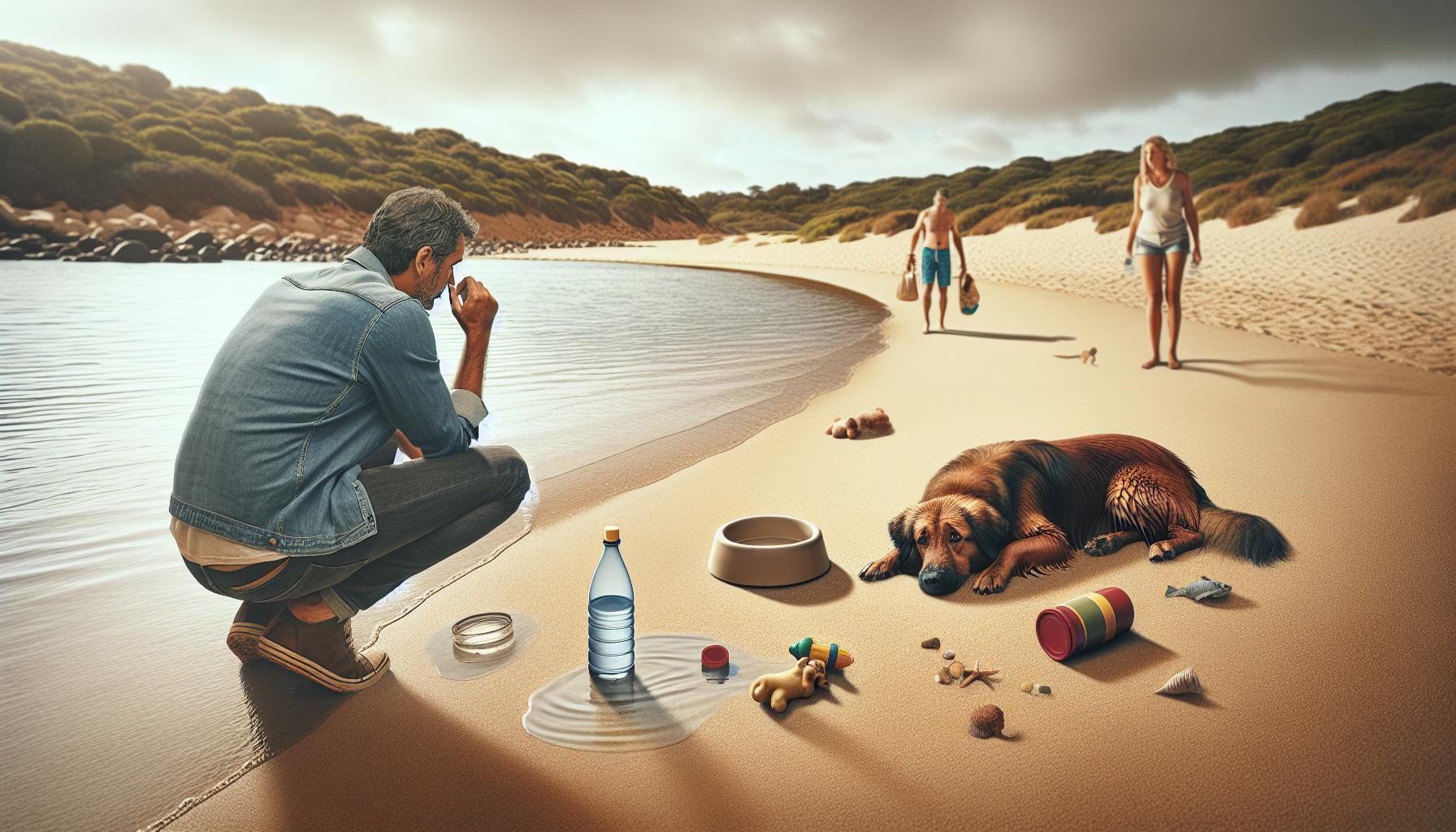
Signs of Salt Water Intoxication in Dogs
When dogs enjoy a day at the beach, their excitement can sometimes cloud the risks involved, particularly when it comes to salt water ingestion. One of the most serious dangers is salt water intoxication, which can lead to severe health issues if not recognized and treated promptly. Understanding the signs of salt water intoxication is crucial for any pet owner looking to keep their furry friend safe during their ocean escapades.
Symptoms often emerge soon after a dog has ingested an excessive amount of seawater. The early indicators include excessive thirst, which might prompt your dog to drink more fresh water in a bid to flush out the salt. You might also notice vomiting or diarrhea, as the body attempts to rid itself of the harmful salt. In more severe cases, dogs may exhibit signs of confusion or lethargy, which can escalate quickly to muscle tremors or seizures as sodium levels disrupt neurological function.
To help distinguish between mild sulfate related issues and serious concerns, here’s a quick reference guide:
| Symptom | Severity |
|---|---|
| Excessive thirst | Mild |
| Vomiting or diarrhea | Moderate |
| Confusion or lethargy | Severe |
| Muscle tremors or seizures | Critical |
In addition to observing these symptoms, it’s essential to keep watch on your dog while they’re playing in the surf. If you notice your dog exhibiting any unusual behaviors or displaying signs of distress, take immediate action. rinsing your dog’s mouth out with fresh water can help remove excess salt from their system. In more serious cases, visiting the veterinarian becomes necessary to ensure a thorough evaluation and appropriate treatment.
Being aware of how salt water affects dogs empowers you to enjoy those sunny beach days with ease, knowing you can swiftly respond to your pet’s needs. Always keep fresh water accessible, and encourage your dog to take breaks in the shade, ensuring they remain hydrated and safe while they bask in the joy of ocean fun.
Breeds Most Affected by Ocean Swimming Hazards
Some dog breeds are more prone to the potential hazards of ocean swimming due to their physical and behavioral traits. Understanding which breeds may face greater risks can help owners take appropriate precautions during beach outings.
Breeds generally affected by salt water issues include:
- Bulldogs: With their brachycephalic (short-nosed) structure, Bulldogs are at a higher risk of respiratory issues. While enjoying the surf, these dogs may struggle to breathe, become lethargic or even choke if they ingest too much seawater.
- Boxers: This energetic breed loves to play, but their excitement can lead to excessive water ingestion, increasing the risk of saltwater intoxication. Keeping a close eye on them while swimming is essential.
- Retrievers: Golden and Labrador Retrievers often adore water, but their tendency to gulp down seawater while splashing about makes them vulnerable to the harmful effects of salt.
- Schnauzers: With their curious nature, Schnauzers may be more inclined to explore the ocean, which can lead to unintentional drinking of saltwater.
It’s important to remember that although certain breeds may be more susceptible, every dog can be impacted by saltwater exposure. Therefore, all owners should be vigilant. Keeping dogs hydrated with plenty of fresh water and monitoring their swimming habits can mitigate the risks associated with ocean visits. Additionally, breed-specific fitness levels and energy should guide how long and in what conditions your pet should play in the ocean.
As you plan your beach day, consider your dog’s breed and individual health history. Consult with your veterinarian for tailored advice, especially for breeds known to have pre-existing conditions or those particularly sensitive to environmental factors. Building strong beach safety practices will ensure happy, healthy outings for both you and your furry friend.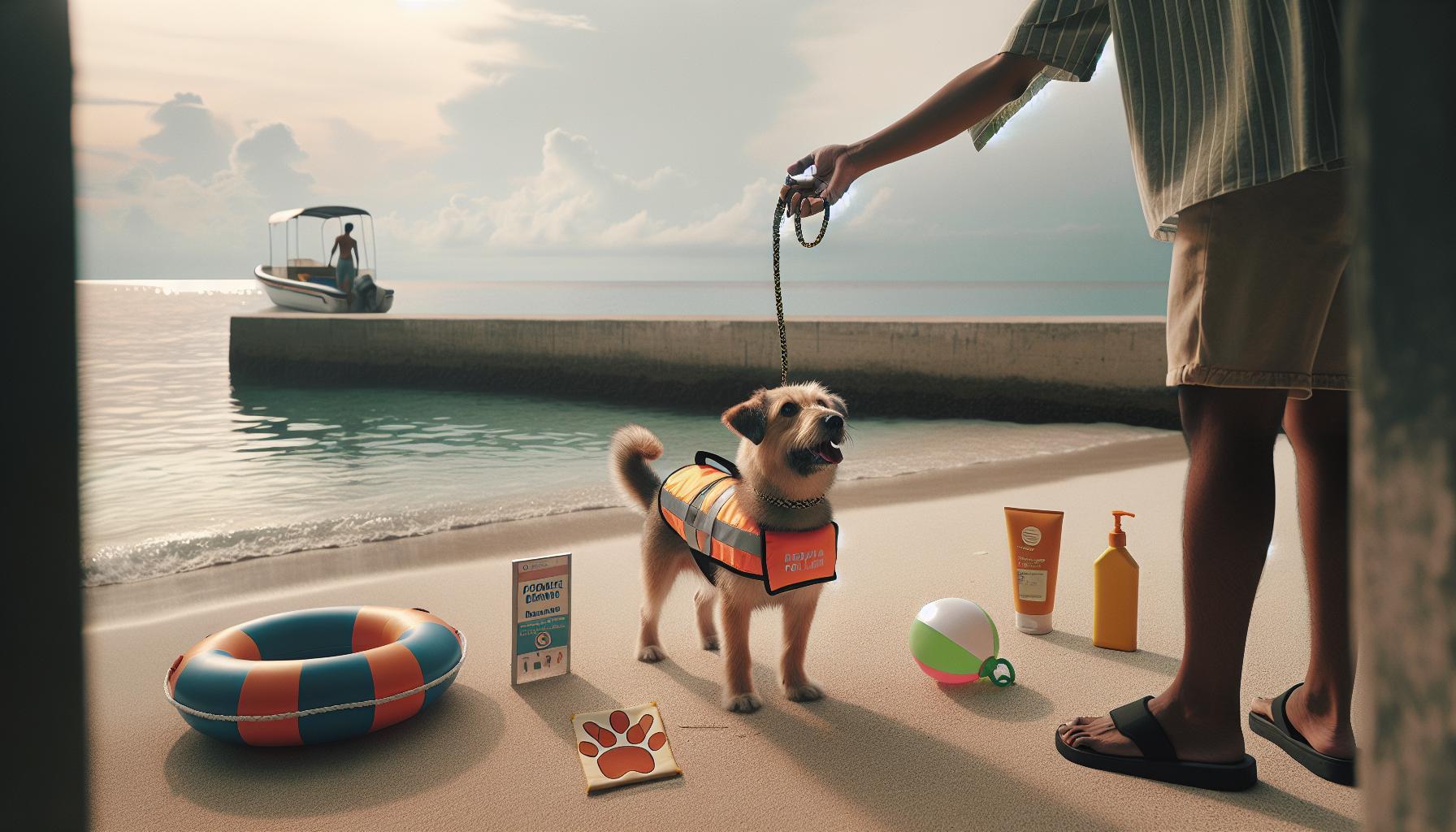
How to Prepare Your Dog for Ocean Fun
Before heading to the beach with your furry friend, it’s essential to adequately prepare for a fun and safe day in the surf. Ensuring your dog is ready not only enhances their enjoyment but also promotes their well-being amid the potential hazards of saltwater. Here’s a checklist to get you started!
Assessing Your Dog’s Readiness
Each dog is unique, and understanding their individual needs is crucial. Consider your dog’s breed, age, and health status. Take note of any pre-existing conditions such as allergies or respiratory issues that could be exacerbated by ocean activities. If you’re uncertain about your dog’s fitness for beach outings, consult your veterinarian for personalized advice.
Essential Gear for Ocean Adventures
Choosing the right equipment can make all the difference in your dog’s comfort and safety. Here’s what you might consider packing:
- Life Jacket: Particularly for breeds that may struggle with swimming, a properly fitting life vest can provide security and confidence. Look for jackets with handles for easy lifting if needed.
- Leash and Harness: A sturdy leash and comfortable harness are vital for controlling your dog-especially in crowded beach settings. Consider a quick-release harness for easier handling.
- Water Bowl: Always have a portable, collapsible bowl on hand to offer fresh water. Keeping your dog hydrated will help prevent them from drinking seawater.
- Towel: Bring a towel for drying off after swimming. Not only will this help eliminate excess salt and sand from their coat, but it’s also handy for keeping your car clean!
Training and Acclimatization
If your dog is new to the ocean, gradual exposure is key. Start with short visits where they can become familiar with the sights and sounds of the beach. Use positive reinforcement like treats and praise to encourage them when they interact with the water. Always monitor how they react, ensuring that they’re not overwhelmed or scared.
Timing Your Visit
Consider the time of day you plan your beach visit. Early mornings or later afternoons can be ideal, avoiding the harsh sun and peak crowd hours. This also reduces the likelihood of overheating, which can be a concern for dogs, especially in breeds more susceptible to heat stress.
By following these steps, you’re not only preparing for an enjoyable trip but also prioritizing your dog’s health and safety. With the right preparations, beach days can be a joyful bonding experience for you and your canine companion!
First Aid Tips for Salt Water Ingestion Issues
In your adventures at the beach, it’s not uncommon for dogs to inadvertently swallow salt water. While a few sips may just result in some discomfort, excessive salt water ingestion can lead to serious health issues, including saltwater poisoning. Recognizing the signs and knowing how to respond can make all the difference in ensuring your furry friend’s safety.
If your dog has consumed too much salt water, begin by observing their behavior for any abnormal symptoms. Dogs may display signs such as excessive thirst, vomiting, diarrhea, lethargy, or even a lack of coordination. If you notice any of these symptoms, it’s essential to take action quickly. Offer your dog fresh drinking water immediately to help dilute the salt in their system. If they refuse to drink or continue to vomit, contact your veterinarian for advice tailored to your situation.
For dogs that display more severe reactions-such as tremors, seizures, or difficulty breathing-this is a medical emergency. Seek veterinary help right away. In such cases, the vet may need to administer intravenous fluids and electrolytes to manage their salt levels. Keeping a close eye on your dog’s health after a beach visit is crucial, as symptoms can manifest hours after exposure.
Preventing these issues is just as important as knowing how to treat them. Always ensure your dog has access to fresh water during beach outings to reduce the likelihood of salt water ingestion. A portable bowl can be invaluable in keeping your pup hydrated and healthy. Additionally, closely monitor your dog while they’re swimming; if they seem to be swallowing a lot of water, it might be best to call them back to shore or switch to a safer water play option. Balancing fun with safety is key to a fabulous day at the beach!
The Role of Hydration During Beach Visits
During beach outings, it’s vital to remember that hydration plays a crucial role in your dog’s overall well-being and safety. Did you know that dogs can become dehydrated just as quickly as humans when exposed to the sun and salt water? This makes providing fresh water a top priority. Ensuring that your dog has constant access to fresh drinking water not only helps prevent salt water ingestion but also combats the hot weather conditions they may encounter on sunny beach days.
When you head to the beach, bring along a portable, collapsible water bowl and enough fresh water for the entire outing. You can also make hydration fun-try adding a splash of low-sodium chicken broth to their water to entice picky drinkers or turn it into a refreshing treat. Always encourage your furry friend to drink water frequently, especially after playing in the waves or lying in the sun. This proactive approach can significantly reduce the chances of dehydration and make hydration an enjoyable part of your beach adventure.
Another key point to consider is your dog’s size and breed, as these factors can affect their hydration needs. Larger breeds, like a Labrador Retriever, tend to require more water compared to smaller breeds, like a French Bulldog. Know your dog’s specific needs and adjust the amount of water accordingly. Keeping a close watch on signs of dehydration-such as excessive panting, dry gums, or lethargy-is equally important, as early recognition can prevent more serious issues.
Incorporating regular breaks for hydration during your beach visit minimizes the risk of salt water ingestion and keeps your pup happy and energetic throughout the day. Whether splashing in the surf or lounging in the shade, a well-hydrated dog is guaranteed to have a more enjoyable beach experience!
Post-Swim Care: Rinsing Off Your Dog
After a day of fun splashing in the waves, your dog deserves some extra care to ensure they come home happy and healthy. Rinsing off your dog after they’ve spent time in salt water is not just about cleanliness; it’s an essential part of maintaining their skin and coat health. Salt water can be harsh, leading to dryness, irritation, and other skin issues if left unattended.
Start by ensuring you have fresh water ready for rinsing. A portable water container or a garden hose with a spray nozzle works perfectly. Make the rinsing experience enjoyable! Use a gentle approach, and consider bringing along their favorite toy to keep them engaged. Begin by wetting their coat thoroughly, focusing on areas prone to salt residue, like the belly, paws, and underbelly. Gently massage the fresh water into their fur, which helps dislodge any salt or sand clinging to their skin.
Why Rinsing is Crucial
Salt can draw moisture out of your dog’s skin, leading to irritation or even conditions like dermatitis. Here are some points to keep in mind:
- Prevent Irritation: Salt can cause soreness and discomfort, especially for sensitive skin.
- Stop Allergens: Rinsing helps remove potential allergens that may have been picked up from the environment.
- Reduce Shedding: Regular rinsing can help control shedding by keeping your dog’s coat clean and healthy.
After rinsing, follow up with a soft towel to dry your pup off and inspect their skin. Look for any signs of irritation or unusual behavior, like excessive scratching. If you notice any unusual spots or rashes, consult your veterinarian for advice.
Doing this simple post-swim ritual not only helps maintain your dog’s skin and coat but also sets the stage for bonding time after a day of adventure. With a little attentiveness and care, you and your dog can enjoy many safe and fun-filled days at the beach!
Alternatives to Ocean Swimming for Dogs
In the quest for fun-filled days with your furry friend, the ocean may not always be the safest option. For those concerned about salt water, there are plenty of delightful alternatives that can keep your dog happy and healthy while avoiding the hazards of ocean swimming. From freshwater lakes to dog-friendly splash parks, exploring these options can lead to just as much joy and excitement without the risks associated with salt water exposure.
One excellent alternative is visiting freshwater lakes or rivers. These natural settings often feature shallow areas perfect for splashing and playing fetch, while the absence of salt reduces the likelihood of skin irritation and ingestion issues. Bring along a floating toy to spark your pup’s interest in swimming-you’ll soon see their instincts kick in! Additionally, many lakes have dog-friendly off-leash areas, allowing your dog to roam freely and socialize with other pups.
Dog parks with water features are another fantastic option. Many parks now include splash pads or kiddie pools specifically designed for dogs, providing a safe, controlled environment for water play. This setting allows for supervised fun, eliminating concerns about salt water exposure while promoting socialization with other dogs. Don’t forget to pack some fresh water for drinking and a towel for drying off after the fun!
When planning your outings, consider the breed and age of your dog. For instance, small or brachycephalic breeds may struggle with water activities due to their physical structures. In these cases, engaging them in land activities like frisbee or agility games can be equally rewarding. Always tailor activities to suit your dog’s abilities and energy levels.
Finally, engaging in indoor water play can be just as enjoyable, particularly during extreme weather conditions. Filling a small kiddie pool or even using a bathtub can create a safe space for your dog to splash around while staying cool. Add toys or floating balls to increase their interest and keep them entertained. This alternative prevents exposure to challenging outdoor conditions while still allowing for playful adventures.
Preventing Salt Water Related Health Problems
In the joyful moments spent with our canine companions at the beach, the potential risks associated with salt water should never be overlooked. The health of our dogs is paramount, and there are proactive steps owners can take to minimize salt water-related health issues. Familiarizing yourself with these methods can ensure that fun-filled days at the ocean don’t come at the cost of your dog’s well-being.
One of the most effective ways to prevent problems is to keep a close eye on your dog while they are swimming. Watch for signs of excessive drinking or abnormal behavior, such as lethargy or unusual groaning. Setting time limits on how long your dog spends in the water can also reduce the chance of salt water intoxication. After swimming, make it a habit to rinse your dog off with fresh water immediately. This not only helps remove salt from their fur and skin but also reduces the risk of irritation and skin infections.
Moreover, ensure your dog has constant access to fresh water before, during, and after beach outings. Keeping them hydrated can decrease their tendency to drink salt water while swimming. Always bring along a portable bowl and plenty of fresh water-this way, your dog can rehydrate without risking adverse effects. If you notice that your dog has ingested a significant amount of salt water, it is advisable to contact your veterinarian promptly for guidance.
For dogs that may be more vulnerable, such as those with certain health conditions or breeds prone to respiratory issues, consider using a canine life jacket. These can help them stay afloat with less effort, potentially reducing salt water ingestion. Additionally, breeds known to struggle with swimming, like Bulldogs or Pugs, may need extra supervision or to skip the ocean entirely in favor of shallower freshwater activities. Always tailor your approach based on your dog’s age, breed, and health status to ensure a safe and enjoyable beach experience.
Expert Advice: Veterinarian Perspectives on Ocean Safety
Veterinarians often emphasize the importance of understanding the unique challenges that ocean swimming poses for dogs. While many dogs love the thrill of splashing in waves, exposure to salt water can lead to several health issues if proper precautions aren’t taken. It’s paramount for dog owners to recognize that not all dogs will react the same way to salt water; factors such as age, breed, and pre-existing health conditions can significantly influence how a dog might fare during and after an ocean adventure.
One critical piece of advice from veterinarians is to assess your dog’s swimming abilities and energy levels before heading to the beach. For breeds with less buoyancy or inherent breathing difficulties, like Bulldogs or Pugs, using a life jacket can drastically improve their safety and enjoyment in the water. Furthermore, these dogs should be monitored closely for fatigue and signs of stress, as they may tire more quickly than others.
When it comes to hydration, competent veterinary professionals stress that providing fresh water should become a ritual before, during, and after a beach outing. Dogs often drink salt water either out of curiosity or thirst, leading to salt water intoxication, which can manifest in vomiting, diarrhea, and more severe conditions as discussed earlier in the article. Owners should ensure that their dogs are hydrated with fresh water available at all times, and they should be encouraged to drink after swimming.
Finally, a common recommendation among veterinarians is the importance of rinsing your dog with fresh water after they exit the ocean. This simple step helps remove salt residues that can irritate their skin and coat, as well as minimize the risk of skin infections. Making this a part of your routine beach day procedures not only promotes better hygiene but also enhances the overall health and comfort of your furry companion, allowing for many more joyful ocean outings together.
Owner Experiences: Beach Adventures with Dogs
Planning a day at the beach with your dog can be one of the most rewarding experiences for both of you, but it’s crucial to be prepared for the unique challenges that come with ocean swimming. Many dog owners find joy in watching their furry friends frolic in the waves, but there’s more to enjoying the beach than simply letting them dive in. For instance, did you know that certain breeds are more prone to salt water complications due to their body structure? Understanding these nuances can help create safer and more enjoyable beach outings.
Before you set off, consider your dog’s breed and swimming ability. Breeds like Golden Retrievers and Labrador Retrievers typically thrive in water and can be great for ocean adventures. However, brachycephalic breeds such as Bulldogs, Pugs, and Shih Tzus may struggle more in the salty surf and should wear life jackets to aid their buoyancy. Monitoring young and energetic dogs is also vital; they may not recognize their limits, leading to exhaustion or potential salt water intoxication.
To ensure a fun day, establish a routine around hydration and care. Bring fresh water to keep your dog hydrated, and encourage them to drink frequently, especially if they show interest in the ocean. After each swim session, make it a habit to rinse off your pet with fresh water. This simple practice not only helps remove salt and sand from their coat but also soothes their skin, preventing irritation or infections. Personal stories from other dog owners reveal that creating a pre-swim ritual-like a fresh water drink followed by a quick rinse-can transform a stressful beach day into one filled with happiness and ease.
Ultimately, beach adventures can be safely enjoyed by all when owners are informed and proactive. Many shared experiences highlight the joy of watching dogs play in the surf, from leaps over waves to exciting fetch sessions on the shore. By preparing properly, showing love in your care practices, and being attentive to your pet’s needs, you can forge delightful memories that both you and your four-legged companion will cherish for years to come.
Q&A
Q: Is it safe for dogs to swim in the ocean?
A: While many dogs enjoy swimming in the ocean, it’s important to monitor them closely. Saltwater can dehydrate dogs and cause saltwater poisoning. Always rinse your dog off with fresh water after they swim to remove salt and prevent skin irritation.
Q: What are the signs of saltwater poisoning in dogs?
A: Signs of saltwater poisoning include excessive drooling, vomiting, diarrhea, lethargy, and seizures. If you notice any of these symptoms after your dog has accessed saltwater, contact your veterinarian immediately for guidance.
Q: How can I protect my dog from ocean hazards?
A: To protect your dog while at the beach, always keep them on a leash, watch for strong currents, and avoid letting them eat sand or debris. Consider using a canine life jacket if they’re not strong swimmers.
Q: Are certain dog breeds more susceptible to ocean swimming hazards?
A: Yes, breeds with shorter snouts, like Bulldogs and Pugs, are more prone to breathing difficulties in waves. Additionally, some breeds may be more sensitive to saltwater, so it’s essential to know your dog’s limits. For more details, see the section on “Breeds Most Affected by Ocean Swimming Hazards.”
Q: How should I prepare my dog for a day at the beach?
A: Before heading to the beach, ensure your dog is well-hydrated and has had a good meal. Bring fresh water, a bowl, and beach-safe toys. Familiarize your dog with the surroundings before letting them swim. Check out our “How to Prepare Your Dog for Ocean Fun” section for more tips.
Q: What immediate first aid can I provide if my dog ingests saltwater?
A: If your dog has ingested saltwater, start by rinsing their mouth with fresh water. Monitor them for signs of saltwater poisoning. If symptoms appear, contact your veterinarian for further assistance. More tips can be found in “First Aid Tips for Salt Water Ingestion Issues.”
Q: How often should I let my dog swim in saltwater?
A: Limit saltwater swimming sessions to prevent dehydration and exposure to saltwater hazards. Ideally, allow your dog to swim for short periods, alternating with freshwater breaks. Always supervise and assess their condition regularly.
Q: What are safe alternatives to ocean swimming for dogs?
A: Safe alternatives to ocean swimming include dog-friendly lakes, rivers, or kiddie pools filled with fresh water. Coastal dog parks or designated pet areas near the beach can also provide safe environments for fun without the risks associated with saltwater. For further insights, check the section on “Alternatives to Ocean Swimming for Dogs.”
Key Takeaways
As you consider allowing your furry friend to enjoy the ocean, remember that while saltwater fun can be tempting, knowing the potential hazards is crucial for their safety. Always monitor your dog’s swimming habits and provide fresh water to drink afterward. If you’re looking to learn more about keeping your dog safe during beach days or understanding the effects of other environments, check out our detailed guides on “Common Beach Hazards” and “Hydration Tips for Dogs.”
Don’t forget to subscribe to our newsletter for the latest tips and insights on dog care so you can be the best owner possible. Have questions or experiences to share? We’d love to hear from you in the comments below! By educating yourself and taking action, you can create joyful and safe outings for your dog while reinforcing responsible pet ownership. Keep exploring our site for more valuable resources, and let’s make those beach adventures a wonderful experience for both you and your beloved companion!