
As a dog owner, you may wonder if it’s safe to share your refreshing sparkling water with your furry friend. While sparkling water can be intriguing for your dog, it’s essential to know what experts say about its safety and potential effects. Understanding the implications of giving your dog carbonated beverages helps you make informed decisions for their health and happiness. By exploring this topic, you’ll uncover the key considerations and best practices, ensuring that your pup stays hydrated and healthy without compromising their well-being. So, let’s dive into the bubbly world of sparkling water and see if it’s a treat your dog can enjoy!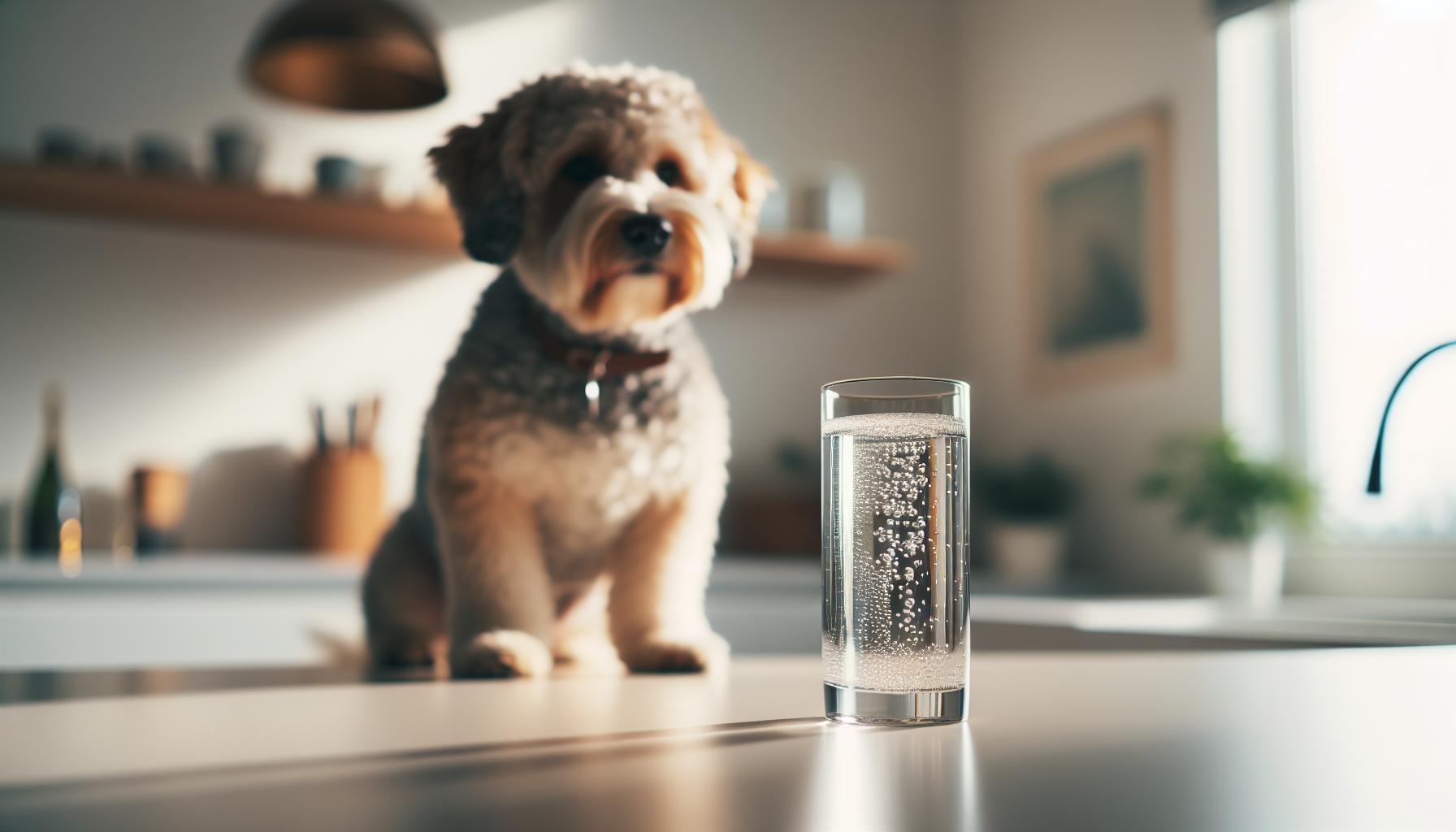
Is Sparkling Water Safe for Dogs? Expert Insights
While the bubbly fizz of sparkling water can be tantalizing for us humans, many dog owners find themselves wondering: is it safe for our furry friends? The good news is that plain, unsweetened sparkling water is generally considered safe for dogs in moderation. Many pet experts state that it can even be a fun and refreshing treat for pups, especially during hot weather. Dogs, like people, can sometimes enjoy a little fizzy drink, and their curiosity often leads them to sample it when offered. Just imagine the delightful sight of a dog taking its first sip, their ears perked with surprise as they experience bubbles tickling their tongue! However, this fun should be approached with caution.
It’s essential to ensure that the sparkling water is free from any additives or flavorings, particularly those that can be harmful. Citrus flavors, such as grapefruit, have been noted to cause mild gastrointestinal upset in some dogs [[2]](https://www.justanswer.com/dog-health/nsdib-licked-grapefruit-sparkling-water-minutes.html). Experts emphasize the importance of sticking to plain sparkling water to minimize risks. Additionally, you should monitor your dog for any signs of discomfort after consuming sparkling water for the first time, keeping a close eye on their reactions.
Before introducing sparkling water into your dog’s diet, consider their individual health needs and sensitivities. For instance, breeds prone to sensitive stomachs or those with pre-existing health issues should be introduced to new foods and drinks thoughtfully. If in doubt, consulting a veterinarian can provide tailored advice based on your dog’s specific health profile. Overall, while sparkling water can be a fun novelty, ensuring it’s part of a balanced approach to hydration is paramount for your dog’s health and happiness.
Potential Benefits of Sparkling Water for Dogs
While most people might associate sparkling water with a refreshing drink on a hot day, it can also pique the curiosity of our canine companions. Many dog owners have reported that their pets seem fascinated by the fizz, making it a fun experience when offered a tiny taste. This interaction can lead to some potential benefits. For example, plain sparkling water can serve as an enticing alternative to still water, particularly for dogs that can be picky drinkers. The bubbles may stimulate their interest, encouraging higher water intake, which is crucial for hydration.
Moreover, sparkling water lacks the sugars and calories of many flavored drinks, making it a minimally invasive treat for dogs. Including it responsibly can add variety to their water consumption without introducing excessive additives. On hot days, a little bit of carbonated water might not only refresh your pet but also enhance their enjoyment of hydration. Additionally, dogs with specific dietary restrictions or goals might find that plain sparkling water can be a palatable enhancement to their feeding routine, especially if it’s served as an occasional treat mixed with their regular food to promote interest.
As you consider introducing sparkling water into your dog’s diet, it’s vital to remember that moderation is key. While the occasional sip can be enjoyable and beneficial, it should never replace fresh, still water, which should always be readily available. And keep a keen eye on your dog’s reactions; their overall health and comfort should always be the primary concern. The sparkle of the bubbles might add some brightness to their day, but it’s essential to ensure that it’s an addition to their hydration routine rather than a substitute.
Health Risks of Sparkling Water Consumption
While the bubbly effervescence of sparkling water might delight our taste buds, this fizzy drink can pose specific risks to our canine companions. Although a splash of carbonated water may seem like a fun treat for dogs, it’s essential to understand the potential health implications before sharing. The primary concerns revolve around digestion and discomfort, as the carbonation may lead to bloating or gastrointestinal distress. Dogs have sensitive stomachs, and the introduction of bubbles can upset their digestive processes, particularly if they’re not accustomed to it.
Moreover, the enjoyment of those sparkling bubbles might backfire if the fizz causes nausea or gas. Larger breeds or dogs with existing digestive issues may face more severe reactions, making it critical to monitor your pup closely. Reactions to carbonated beverages can vary by individual dog; some may simply find the sensation strange or even uncomfortable, while others could develop more significant issues if they consume too much at once. As responsible pet owners, we should be vigilant about recognizing these signs, such as excessive drooling, restlessness, or attempts to vomit.
It’s also vital to avoid flavored sparkling waters, which can further complicate matters. Many commercially available varieties contain artificial sweeteners or flavorings that can be toxic to dogs, such as xylitol. Therefore, plain sparkling water should always be the go-to option when considering this treat. Additionally, as exciting as a fizzy beverage might seem, it’s crucial to remember that regular, still water is the best and most natural hydration source for dogs.
In summary, while an occasional sip of sparkling water might add a bit of joy to your dog’s day, moderation is vital. Always prioritize your dog’s overall health and comfort, ensuring that their hydration routine remains sound and safe. If you’re unsure of how your dog may react to carbonated drinks, consulting with a veterinarian can offer peace of mind and tailored advice on maintaining your furry friend’s hydration strategy.
How Sparkling Water Compares to Still Water
While the effervescent appeal of sparkling water can seem tempting, particularly when enjoying a refreshing beverage on a hot day, it’s crucial to understand how this bubbly drink measures up against plain, still water for our furry friends. Dogs, like humans, rely on proper hydration, but their bodies react differently to carbonated beverages due to their unique digestive systems. While both sparkling and still water can quench thirst, there are important distinctions and considerations for our canine companions.
First and foremost, the primary role of any water-sparkling or still-is hydration. However, when it comes to dogs, plain water is far more beneficial and safe. Sparkling water introduces carbonation, which, while generally harmless to us, can lead to discomfort in dogs. Bloating and gas are common reactions that can arise from the carbon dioxide bubbles, especially in breeds predisposed to gastrointestinal issues or those with sensitive stomachs. Larger breeds or those with existing digestive problems may experience more severe reactions, so observing your dog’s behavior after offering sparkling water is essential.
Despite the playful allure of carbonation, still water is easily absorbed and digested. Dogs typically prefer still water, as many find the fizzing sensation of sparkling water unexpected and potentially off-putting. To ensure your pup remains adequately hydrated, it’s wise to stick to fresh, clean water, which best supports their health. Here are a few key points to consider when comparing the two options:
- Hydration Efficiency: Still water effectively hydrates dogs without any complications. Sparkling water may not hydrate as effectively due to the potential discomfort from carbonation.
- Digestive Comfort: Many dogs can experience gastrointestinal distress from carbonated drinks, making plain water the safer option.
- Preference: Dogs generally prefer still water. If you’re testing your dog’s taste preferences, try offering them both kinds at different times to see what they enjoy most.
- Health Risks: Avoid flavored sparkling waters, which can contain ingredients harmful to dogs, such as xylitol and other artificial sweeteners.
In conclusion, while an exciting fizz may appeal to our senses, it’s critical to prioritize our dogs’ comfort and health by providing them with still water as their main hydration source. Making the switch is an easy yet impactful decision on their well-being. Always consult with your veterinarian for tailored advice on your dog’s specific hydration needs. Ultimately, for your furry friend, hydration is key, and plain water reigns supreme.
Signs of Sparkling Water Intolerance in Dogs
Navigating your dog’s dietary preferences can often feel like a guessing game, especially when it comes to introducing new and exciting options like sparkling water. However, not all fizzes and bubbles agree with every pup. Recognizing the is crucial for their well-being. Just as some people experience discomfort after drinking carbonated beverages, our furry friends can react similarly, making it essential for dog owners to stay informed.
One of the first indicators that your dog may be intolerant to sparkling water is digestive distress, which can manifest as bloating or gas. Since dogs’ stomachs are not accustomed to carbonation, the introduction of bubbles can create discomfort. You might notice your dog pacing, whimpering, or even attempting to lie down but struggling to find a comfortable position. Additionally, excessive drooling or a sudden disinterest in normal activities can be a sign that something isn’t sitting well.
Other symptoms to watch for include vomiting or diarrhea, which can significantly affect your dog’s overall health and hydration. If you notice either of these symptoms occurring shortly after they’ve consumed sparkling water, it’s best to remove it from their diet immediately. Behavioral changes are also important to note; if your usually playful dog becomes lethargic or seems withdrawn after trying sparkling water, it might indicate discomfort.
For dogs particularly sensitive to gastrointestinal issues, such as Bulldogs, Dachshunds, or Bichon Frises, being cautious with sparkling water is imperative. Monitoring your dog’s reactions when testing new foods or drinks can help you discern if a particular item is not suitable for them. Remember, always consult with your veterinarian if you’re unsure about introducing any new dietary elements. It’s always better to err on the side of caution when it comes to your dog’s health and happiness.
Best Practices for Introducing Sparkling Water
Introducing sparkling water into your dog’s diet can truly be a bubbly adventure, but it requires careful planning to ensure your furry friend stays happy and healthy. Start by selecting a high-quality, plain sparkling water without any additives, flavorings, or sugars. Dogs are sensitive to certain ingredients often found in flavored sparkling waters, so less is certainly more when it comes to what’s in the bottle.
Begin the introduction slowly. Fill a separate bowl with just a small amount of sparkling water mixed with their usual water to dilute the carbonation. Observe your pup’s reaction with curiosity! Does she paw at the bowl? Does he take a hesitant sip? Keep a close eye on their behavior-if they seem to enjoy it, gradually increase the proportion of sparkling water over several days. Always ensure they have plenty of still water available as well, so they can choose what they prefer.
Monitor Reactions
As with any new food or drink, it’s essential to monitor for signs of intolerance. Look for symptoms such as excessive drooling, lethargy, or digestive distress, like bloating and gassiness. If your pup shows any signs of discomfort, discontinue the sparkling water immediately and give your vet a call.
You might find that certain breeds are more sensitive to carbonation. For example, brachycephalic breeds like Bulldogs or Pugs, which have unique respiratory and digestive systems, may have an even tougher time handling sparkling water. Consulting your vet before making any dietary changes is always a wise approach, especially for these more sensitive pups.
Starting your dog on sparkling water can be a delightful experiment that opens doors to new experiences, provided it’s done thoughtfully. With patience, observation, and attention to your dog’s needs, you can enjoy this fizzy journey together!
Breeds That May Be More Sensitive to Carbonation
Certain dog breeds may be more sensitive to the effects of carbonation, making it essential for pet owners to approach sparkling water with caution. For instance, brachycephalic breeds-such as Bulldogs, Pugs, and Boxers-have short snouts and unique respiratory structures, which can make them more susceptible to discomfort from the bubbles in sparkling water. Their anatomy can lead to difficulty in managing excess gas, leading to symptoms like bloating or excessive flatulence. These breeds may struggle with any gastrointestinal disturbance, so it’s advisable to introduce anything new-especially carbonated beverages-slowly and under supervision.
Moreover, older dogs or those with pre-existing digestive issues might find it hard to cope with sparkling water as well. Dogs with sensitive stomachs or histories of pancreatitis should be closely monitored; even small amounts of carbonation can lead to tummy troubles. If your dog falls into a sensitive category, you might want to consider diluting the sparkling water with still water to reduce carbonation levels effectively before offering it.
Here’s a brief look at some breeds that might be more sensitive to carbonation:
| Breed | Special Considerations |
|---|---|
| Bulldog | Short snout; prone to respiratory issues |
| Pug | Short airway; potential for digestive discomfort |
| Boxer | Prone to bloat; cautious with carbonated beverages |
| Basset Hound | Long ears can trap excess gas; sensitive digestion |
| Shih Tzu | Short muzzle; gassiness may be intensified |
In practice, it’s best to keep an eye out for any unusual behavior-such as excessive drooling, lethargy, or changes in appetite-after introducing sparkling water. You can also consult with a veterinarian to discuss any specific concerns regarding your dog’s health history. Remember, hydration is key, so ensure that any new venture into bubbly beverages doesn’t replace fresh, still water, which should always be readily available for your furry friend!
Hydration Tips for Dogs: What You Need to Know
Ensuring your dog stays hydrated is vital for their overall health and well-being. Providing fresh, clean water should always be your first choice, but many pet owners ponder the suitability of other hydration options like sparkling water. While some dogs may enjoy the fizz, it’s essential to consider a few factors, especially regarding the carbonation and any potential additives in flavored sparkling waters.
When it comes to hydration, dogs have specific needs that differ from humans. Their ideal water intake can vary based on their size, age, diet, and activity level. As a general rule, dogs should drink about one ounce of water per pound of body weight each day. Keeping a clean bowl filled with fresh water available at all times is crucial. If you’re considering adding variety to their hydration options, remember that sparkling water-with its carbonation-might not be suitable for all dogs, particularly those with sensitivity to gas or any underlying digestive issues.
Here are a few tips for promoting better hydration in your dog:
- Introduce Water Gradually: If transitioning to flavored or carbonated waters, start with a minuscule amount mixed with still water to gauge your dog’s reaction.
- Use Designated Water Bowls: If offering flavored sparkling water, use separate bowls for these beverages and always provide plain water as their main source.
- Monitor Intake: Observe how much your dog drinks-excessive thirst or refusal to drink may signify discomfort or intolerance to new offerings.
- Stay Cautious with Additives: Avoid sparkling waters that contain sugars, sweeteners, or citric acid, as these can be harmful to dogs.
Ultimately, while a splash of sparkling water might add a little excitement to your dog’s hydration routine, it should never replace their primary water source. Regularly check in with your veterinarian to discuss any plans for altering your dog’s hydration habits, especially considering their individual health needs. Quality hydration keeps your canine companion energetic and happy, which is what every dog owner strives for!
Alternatives to Sparkling Water for Your Dog
If you’re looking for refreshing , you’ll be glad to know there are several options that can not only hydrate but also excite your pup’s taste buds! Many dogs enjoy a bit of variety in their drinking routine, and fortunately, you can offer them healthy and safe choices that cater to their hydration needs.
One popular alternative is coconut water. This natural drink not only hydrates but is also packed with electrolytes, making it a great choice, especially after playtime or exercise. Ensure that you select plain coconut water, avoiding any that contain added sugars or flavors. Similarly, infused water is another delightful option; you can infuse still water with slices of dog-safe fruits like apple, watermelon, or cucumber. This not only adds a hint of flavor but also makes hydration more appealing for your furry friend.
For dogs who might be bored with plain water, consider homemade broths. Making a chicken or beef broth without any onions or strong seasonings can be a cozy treat. Freeze the broth in ice cubes for an enjoyable snack on warmer days. Diluted herbal teas (such as chamomile) can also be offered, though it’s best to consult with your veterinarian before introducing new herbal elements into your dog’s diet.
Quick Guide to Alternatives
| Alternative | Benefits | Precautions |
|---|---|---|
| Coconut Water | Hydration; contains electrolytes | Ensure it’s pure, with no added sugars |
| Infused Water | Flavored hydration; appealing | Use only dog-safe fruits |
| Homemade Broth | Tasty treat; hydrating | Avoid onions and excess salt |
| Diluted Herbal Teas | Unique flavors; soothing properties | Consult vet on herbs |
When introducing any new beverage to your dog’s diet, always start small to monitor for any adverse reactions. Each dog is unique, and some may have sensitivities or preferences. Ultimately, these alternatives serve as fun ways to keep your pup hydrated while ensuring their health and happiness!
Understanding Dog Diet: Incorporating Carbonated Water
Incorporating carbonated water into your dog’s diet may seem like a novel way to add excitement to their hydration routine, but it’s essential to tread carefully. While dogs are known for their curiosity, their digestive systems are quite different from ours, and carbonation can pose a variety of challenges. Veterinarians generally advise against offering sparkling water to dogs due to the potential for discomfort and digestive upset. Thus, it’s crucial to weigh the reasons why some might consider it against the associated risks.
Although carbonation can be a fun experience, dogs often lack the ability to tolerate it well. If you’re inclined to experiment, ensure that the sparkling water is free from any added flavors or sweeteners, which can be harmful. Always introduce any new treat-carbonated or not-gradually. Start with a few sips and monitor for any signs of gastrointestinal distress, like drooling or vomiting, which can indicate intolerance to the bubbles in sparkling water. Regular water should always be the primary source of hydration, as it is vital for your dog’s overall health.
For those who enjoy the idea of adding some fizz to their dog’s life, consider alternatives that offer a similar experience without the risks. For example, creating a busy bowl with water and popsicle-style treats made from pureed dog-safe fruits can provide both hydration and a fun, interactive element. Water infused with fruits can also be enticing and provide a boost of flavor while remaining safe and healthy.
When introducing any new beverage, whether it’s carbonated or otherwise, keep in mind that every dog is unique. What works for one may not work for another. A cautious approach involving small quantities and attentive observation can help ensure their enjoyment without jeopardizing their health. Always seek advice from your veterinarian if you have concerns or specific questions about your dog’s dietary choices.
Veterinarian Recommendations on Dog Hydration
Ensuring your dog stays well-hydrated is paramount for their overall health, but the question arises: is sparkling water a suitable option? While it may seem like a novel way to keep your furry friend excited during hydration breaks, veterinarians generally recommend sticking to plain, fresh water as the primary source of hydration. It’s essential to understand that while dogs are curious creatures who might enjoy the fizz of carbonated beverages, their digestive systems are not built to handle carbonation effectively.
Veterinary experts emphasize the critical importance of hydration. For healthy dogs, fresh water is crucial, especially during hot weather or after exercise. The best practice is to provide clean, filtered, or tap water and ensure it is readily available throughout the day. If you’re looking to motivate your dog to drink more, consider infusing their water with safe fruits like watermelon or blueberries, which can enhance flavor without introducing harmful additives contained in some flavored sparkling waters. It’s also a good idea to provide fresh water after exercise or meals to encourage hydration.
When curious about incorporating variety into your dog’s diet, keep in mind that following specific recommendations for hydration can vary by breed. Larger breeds, like Great Danes and Labrador Retrievers, may have different hydration needs compared to smaller breeds like Chihuahuas or Dachshunds. For instance, larger breeds generally require more water due to their size and metabolic rate. Always consult your veterinarian for personalized recommendations tailored to your dog’s unique needs, taking into account factors such as age, weight, and level of activity.
Lastly, if your dog shows interest in a bubbly drink, ensure it is free from any potentially harmful ingredients like artificial sweeteners or added sugars. If you’re uncertain, it’s advisable to err on the side of caution and consult your veterinarian for guidance on your dog’s hydration strategy and diet. This way, you can foster a healthy and enjoyable approach to your dog’s hydration without the risks associated with sparkling water.
Real Stories: Dogs and Their Sparkling Water Experiences
It’s fascinating to observe how our canine friends react to new and unusual experiences, like tasting sparkling water. Many dog owners have shared playful anecdotes about their pets’ initial interactions with carbonated beverages, making these experiences both entertaining and enlightening. For example, one Labrador Retriever named Max took a cautious sip of his owner’s sparkling water, promptly making a face of confusion, as if to say, “What in the world is this?” His owner found it amusing yet concerning, realizing that while Max was curious, the carbonation might not sit well with his tummy-an all-too-common reaction among dogs.
In another amusing story, a French Bulldog named Bella discovered fizzy water during a family picnic. Enchanted by the bubbles, she quickly pawed at the glass, then jumped back in surprise when a bubble popped! This playful interaction led to a brief series of cautious sniffs followed by a curious lick. Bella’s owner noted that as much as she enjoyed the novelty, they were cautious not to let her indulge too much, mindful of potential gastrointestinal upset. This reflects the importance of observing your dog’s reactions-while some may be curious, others might be more sensitive.
When it comes to different breeds, reactions can vary. Smaller breeds like Chihuahuas tend to be more sensitive to changes in their diet and hydration. A Chihuahua named Coco tried sparkling water at a family gathering and ended up with a little tummy trouble afterward. Her owner learned the hard way that while Coco was eager to join in on the fun, sticking with still water was the safer option. On the flip side, larger breeds may not show immediate distress, but their hydration needs must still be a priority.
For those considering allowing their dogs to have a taste, it’s crucial to introduce any new item-carbonated or not-gradually. Owning a dog can often feel like a series of learning experiences, and sharing these quirky moments with fellow pet owners not only enriches the community but also highlights the shared responsibility of ensuring our dogs stay healthy and happy, even during playful experimentation.
FAQ
Q: Can dogs safely drink sparkling water?
A: While dogs can occasionally sip small amounts of sparkling water, it’s generally not safe for them. The carbonation can lead to digestive discomfort and may result in symptoms like bloating or vomiting. For safety, stick to plain water for your pet’s hydration needs.
Q: What are the health risks of sparkling water for dogs?
A: The primary health risks include gastrointestinal irritation, increased gas, and potential vomiting. Certain flavored sparkling waters, especially those with citrus or artificial sweeteners, can be toxic to dogs. Always consult your veterinarian before offering anything outside their usual diet.
Q: What should you do if your dog drinks too much sparkling water?
A: If your dog consumes a large amount of sparkling water, monitor for signs of distress, such as bloating or vomiting. Contact your veterinarian immediately for advice to ensure your dog’s safety and well-being.
Q: Are there any benefits to giving dogs sparkling water?
A: Sparkling water may entice some dogs to drink more fluids, but its potential benefits are outweighed by risks. Instead, provide flavored still water using safe ingredients like low-sodium broth if you’re looking to encourage hydration.
Q: How does sparkling water affect different dog breeds?
A: Some breeds, particularly those prone to gastric sensitivity (like Boxers or Bulldogs), may react more negatively to carbonation. Always be cautious and consult your vet if your dog’s breed is known to have digestive issues.
Q: What alternatives can I offer my dog instead of sparkling water?
A: Instead of sparkling water, provide your dog with fresh, still water. You can also try safe infusions, like a splash of low-sodium broth or a few pieces of fruit, to enhance the flavor and encourage hydration.
Q: How can I tell if my dog is intolerant to sparkling water?
A: Signs of intolerance in dogs may include excessive drooling, vomiting, diarrhea, or abnormal behaviors after consumption. If any of these occur, discontinue giving sparkling water and consult your veterinarian.
Q: Why do some dogs enjoy sparkling water?
A: Dogs may be attracted to sparkling water due to its intriguing bubbles and fizz, which can mimic the excitement seen during play. However, this curiosity should be managed carefully to prevent potential health issues.
The Conclusion
As we wrap up our discussion on whether sparkling water is good for dogs, remember that hydration is key for your furry friends. While a splash of sparkling water might be safe occasionally, it’s crucial to prioritize plain water for their daily needs. If you’re still unsure, consider consulting with your veterinarian to ensure your pup’s dietary choices are the best for their health and well-being.
For more guidance on your dog’s nutrition and care, check out our articles on “Best Hydration Practices for Dogs” and “Dog Diet Myths Debunked.” Don’t forget to subscribe to our newsletter for the latest tips and insights tailored just for dog owners like you! We’d love to hear your thoughts-share your experiences in the comments below, and let’s keep the conversation going. Exploring our site will help you become the best pet parent you can be, so dive in and discover more resources to support your dog’s happiness.