Did you know that about 60% of a dog’s body weight is water? Just like us, our furry friends need hydration to stay healthy and vibrant. As a responsible pet owner, you might wonder whether tap water is safe for your dog. While it can often be a convenient source, the quality of tap water varies significantly depending on your location and local water treatment practices. This can leave you with questions about potential contaminants or impurities that could affect your dog’s well-being. In this article, we’ll explore the safety and quality of tap water for dogs, providing essential tips and insights to ensure you’re making the best choices for your beloved pet. Join us as we delve into what every dog owner should know about tap water, so you can hydrate with confidence!
Is Tap Water Safe for Dogs? Understanding the Basics
Is tap water a safe choice for your furry friend? As everyday as it may seem, there are many factors that can affect the quality of the water we provide to our dogs. In general, tap water is safe for most dogs, as it undergoes rigorous testing and treatment to meet health standards. However, variations in local water quality, plumbing systems, and potential contaminants can raise concerns that every pet owner should be aware of.
First and foremost, it’s important to consider where you live. Cities often have well-managed water systems, ensuring high safety standards, while rural areas may have wells that can introduce bacteria or other hazards. Regularly checking the quality of your local tap water is wise, as fluctuations can happen. Look for annual Consumer Confidence Reports released by your water supplier, which provide valuable information about what’s in your drinking water.
Another aspect often overlooked is the material of the pipes in your home. Older homes might have lead pipes, which can contaminate the water. If you suspect your plumbing might be a concern, consider using a water filter certified to remove specific contaminants or investing in lead-testing kits. Consulting with your veterinarian can also help you determine whether your dog’s breed or health condition may require particular attention to their hydration sources.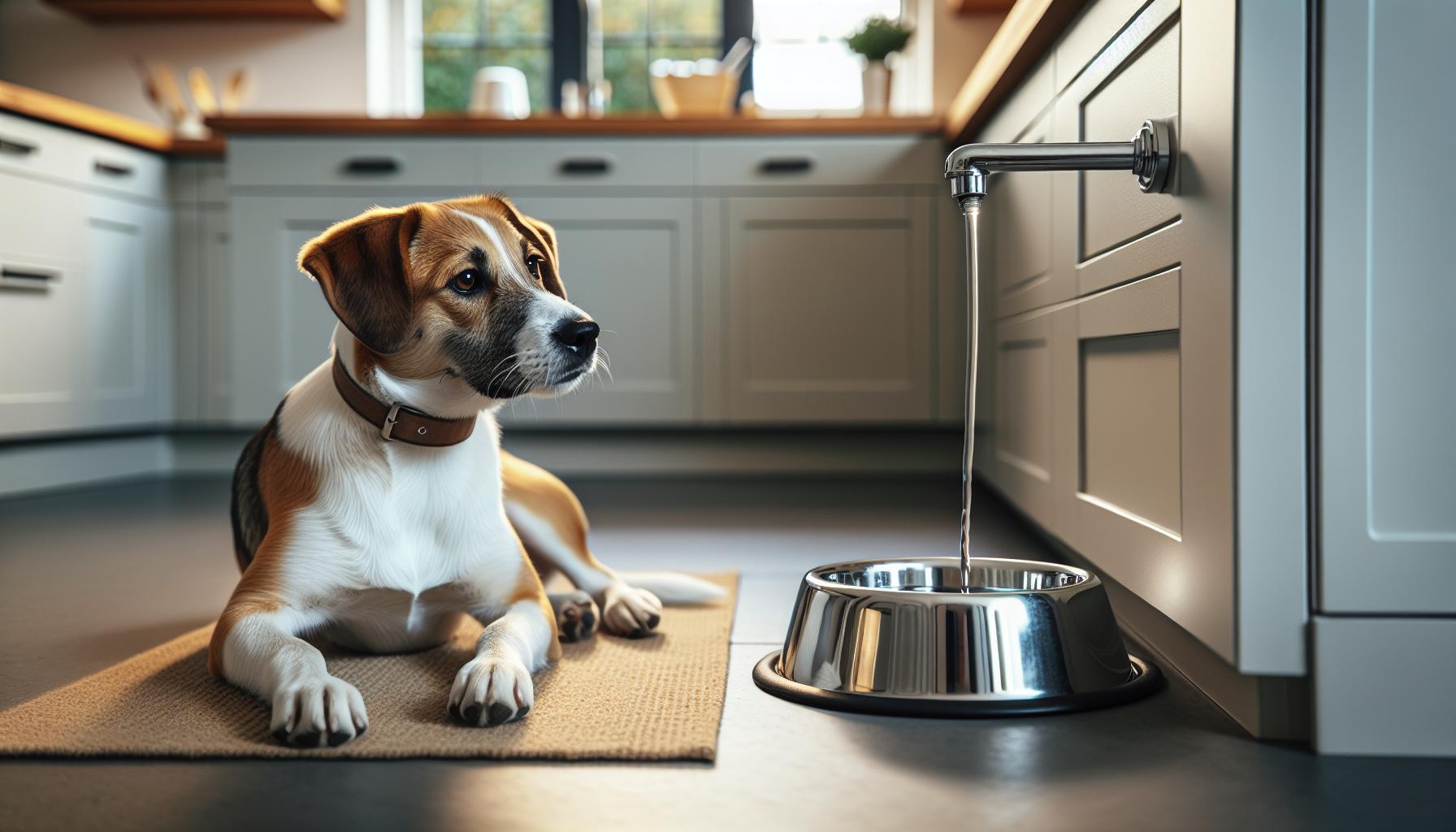
The Benefits of Tap Water for Your Dog
Providing your dog with fresh, clean water is essential for their well-being, and many pet owners often overlook the benefits of tap water. It’s quite remarkable to know that in many places, tap water is not only safe but also rich in essential minerals that can contribute to your dog’s health. Unlike bottled water, which can sometimes be stripped of beneficial elements during processing, tap water often contains natural minerals like calcium and magnesium. These are important for maintaining your dog’s hydration levels and supporting overall health.
Moreover, tap water is incredibly convenient. It’s readily available and free for most households, making it an easy choice for keeping your dog hydrated throughout the day. This is particularly beneficial for busy pet owners who may not always have time to refill bowls with bottled water. Establishing a routine of offering tap water encourages your dog to drink more, which is vital for digestive health and prevents conditions such as urinary tract infections and kidney stones.
It’s also worth noting that many municipal water systems rigorously monitor water quality. Regular testing helps ensure that tap water adheres to safety standards, making it a reliable choice in urban areas. However, to enhance the safety of your tap water, consider using a filter that specifically targets contaminants of concern, especially if your plumbing is old or if you’re unsure about the water quality in your area. This easy step can help provide you with peace of mind while you prioritize your dog’s hydration.
In addition to these advantages, tap water can play a role in environmental sustainability. By opting for tap water rather than bottled, you’re reducing plastic waste, contributing positively to the environment, and setting a good example for others about making mindful choices. Encouraging your dog to drink tap water not only serves their health needs but also supports eco-friendly habits that benefit the planet.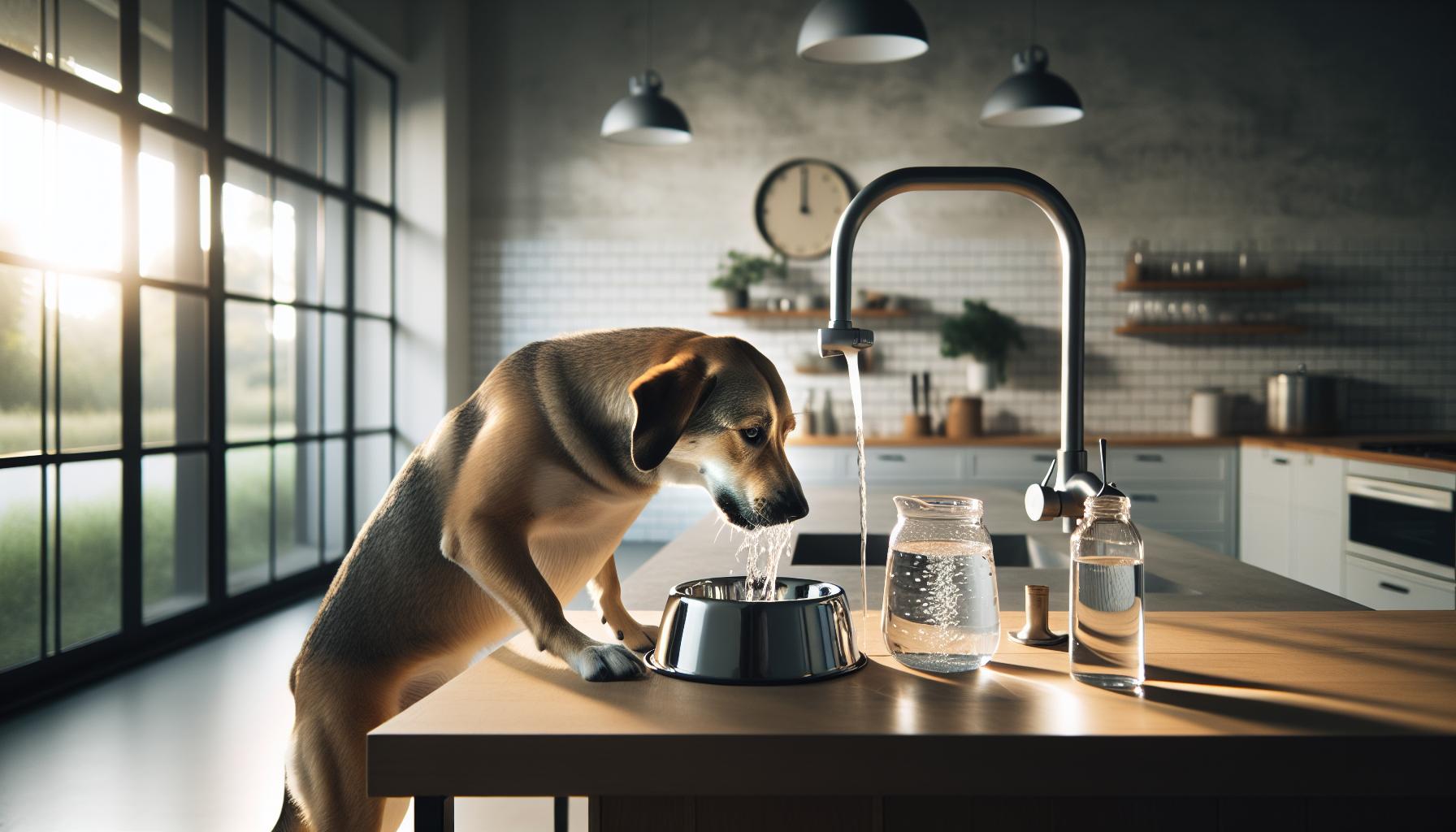
Common Contaminants in Tap Water to Watch For
It’s surprising to learn that harmful contaminants can sometimes lurk in tap water, even when it appears crystal clear. Pet owners need to be vigilant, as certain substances in drinking water can pose risks to your furry friend’s health. Understanding what can potentially be in your tap water is crucial for ensuring your dog’s well-being.
Municipal water supplies can contain a variety of contaminants, including heavy metals such as lead and copper, which often enter the water supply from old pipes. Chronic exposure to these metals can lead to serious health issues in dogs, including gastrointestinal problems and neurological damage. Additionally, chlorine and its byproducts, used to disinfect water, can irritate your dog’s digestive system and potentially cause long-term health problems.
Another common issue is pesticides and herbicides, which can seep into water supplies from agricultural runoff. These chemicals can disrupt your dog’s hormonal balance and may lead to reproductive issues over time. Fluoride, though often added to tap water for dental health benefits in humans, can be harmful to dogs in higher concentrations, potentially leading to bone-related disorders.
As a proactive measure, consider using a simple water filter designed to remove these contaminants. Regular testing of your tap water, or using a home testing kit, can help you identify any specific issues in your supply. Moreover, keeping an eye on your local water quality reports can offer additional insights. Ensuring your dog has access to clean, safe water is a responsibility every pet owner shares, and by being informed about potential contaminants, you can take meaningful steps to safeguard your furry companion’s health.
How to Test Your Tap Water Quality for Safety
It’s essential for pet owners to ensure that the water their furry friends consume is safe and clean. Did you know that even slight contamination in tap water can impact your dog’s health significantly? To safeguard against potential health risks, regularly testing your tap water quality is a crucial step every responsible dog owner should take. Here’s how you can ensure your dog’s water is safe.
Start by obtaining a home water testing kit, which is widely available at pet stores or online. These kits usually come with test strips or vials that will allow you to check for common contaminants such as bacteria, lead, pesticides, and chlorine levels. Follow the instructions carefully for accurate results. For example, you might need to let a sample sit for a specific time or compare color changes against a chart provided in the kit. Regular testing, perhaps once every few months or after significant changes in your water supply, can help you keep track of any issues.
In addition to DIY testing, don’t overlook the value of your local water quality report. Municipalities are required to provide annual water quality reports that detail contaminants detected in the water supply. These reports typically include information about levels of specific contaminants and whether they exceed EPA guidelines. Accessing this report can be as simple as visiting your city’s water department website. Knowing what’s in your water supply empowers you to make informed decisions about your dog’s hydration.
Lastly, consider consulting with your veterinarian if you find concerning levels of any contaminants. They can provide advice specific to your dog’s breed and health needs, helping you explore options like installing filters or switching to bottled water if necessary. By taking these proactive steps, you’re not just ensuring your dog’s health today but also investing in their well-being for the future.
Comparing Tap Water with Bottled Water for Dogs
Comparing tap water to bottled water for your dog is an important consideration for any responsible pet owner. Many might assume that bottled water is always the better choice; however, this isn’t universally true. Understanding the differences can help you make the best decision for your furry friend.
First, let’s talk about tap water. In many municipal areas, tap water is regulated and must meet strict safety standards set by the Environmental Protection Agency (EPA). This means that for the most part, it contains essential minerals and is generally safe for pets. However, depending on where you live, tap water can contain contaminants like chlorine, lead, or other chemicals that might not be suitable for your dog in the long run. Regularly testing your tap water can help you understand its quality and cleanliness, ensuring that any potential issues are addressed proactively.
On the flip side, bottled water is oftentimes marketed as a purer alternative, especially for pets. Many of these products undergo additional processes to remove contaminants-this can include reverse osmosis or distillation. However, it’s essential to note that bottled water is not always necessary. Some brands may lack vital minerals that are beneficial for dogs, so it’s crucial to read the labels carefully. Additionally, relying on bottled water can be more costly and environmentally unfriendly due to plastic waste.
Here are a few key points to consider when deciding between the two options:
- Source Quality: Investigate where the bottled water is sourced. Spring water may contain beneficial minerals, while distilled water may lack these essential nutrients.
- Cost: Consider your budget; tap water is significantly less expensive than bottled water.
- Environmental Impact: Bottled water contributes to plastic waste. Switching to tap water and using a reusable container can be more eco-friendly.
- Consult Your Vet: If your dog has specific health issues, consult your veterinarian for tailored advice on water choices.
Ultimately, the choice between tap and bottled water for your dog should be based on careful consideration of your local water quality, your dog’s specific needs, and your environmental impact. Both options can be safe with the right precautions, so make an informed decision that works best for you and your beloved pet!
Tips for Keeping Your Dog Hydrated with Tap Water
Keeping your dog properly hydrated is essential for their health and well-being, and tap water can be a safe and effective way to ensure they get enough fluids. Dogs, like humans, need a consistent intake of water to maintain their energy levels and support vital bodily functions. It’s particularly important for active dog breeds, such as Labradors and border collies, which may need more hydration during playtime or training sessions. Here are some practical tips to help you keep your furry friend hydrated with tap water.
First, consider the temperature and quality of the tap water you provide. Dogs are more likely to drink water that is cool and fresh. If your tap water tends to be warm or stale, try filling their bowl with cold water from the tap and refreshing it several times a day. This habit encourages them to drink more frequently. You can also entice them further by adding ice cubes to their water bowl-many dogs enjoy the crunch, and it helps keep their water cool.
In addition to just offering plain water, you can occasionally enhance their drinking experience. For a flavorful twist, try adding a splash of low-sodium chicken or beef broth to the water. This can be particularly useful if your dog seems reluctant to drink enough fluids, especially in warmer months or if they are feeling under the weather. Just be sure to monitor the ingredients in the broth to avoid harmful additives like onions or excessive salt.
### Consideration for Specific Breeds
It’s essential to tailor hydration strategies based on your dog’s specific breed and lifestyle. For instance:
| Breed | Hydration Tips |
|---|---|
| Labrador Retriever | Increase water intake during intense play; provide frequent refreshes after exercise. |
| Shih Tzu | Add flavored water occasionally; more prone to dehydration in hot weather. |
| Greyhound | Ensure water is easily accessible post-exercise; monitor for signs of dehydration. |
Lastly, make water more accessible by placing multiple bowls around your home or yard. This simple step can encourage your dog to drink more throughout the day, particularly if they are out exploring or playing in different areas. Ensure that these bowls are sturdy and not easily tipped over-opt for heavy ceramic or stainless steel bowls to prevent spills.
By considering these tips and being proactive about your dog’s hydration needs, you can help promote their health and happiness while ensuring that tap water remains an integral part of their daily routine. Remember to consult your veterinarian if you have any concerns about your dog’s drinking habits, especially if you notice changes in their behavior or health.
Breed-Specific Considerations for Water Safety
Providing fresh, safe drinking water is crucial for your dog’s health, and understanding the specific hydration needs of different breeds can optimize their wellbeing. Just like humans, dogs can have varying sensitivities to water quality based on breed characteristics and individual health conditions. For instance, some breeds are more predisposed to certain health issues that may be aggravated by impurities in tap water.
Hydration Needs by Breed
Each breed has unique hydration requirements influenced by factors like body size, fur type, and activity level. Larger breeds, such as Labrador Retrievers, tend to require more water, particularly after exercise or play. Ensuring they have access to cool, fresh tap water regularly can make a significant difference in their hydration levels. As they are commonly active dogs that love outdoor play, consider regularly replacing their water or using a bowl with a built-in filtration system to keep their drinking water as clean as possible.
On the other hand, smaller breeds like Shih Tzus may not drink as much, making it crucial to monitor their intake closely. Because of their dense fur coats, they can be more susceptible to overheating, especially in warmer weather. Offering flavored water or ice cubes can entice them to drink more often. In addition, regular consultations with a vet can help identify if any changes in water quality are adversely affecting your dog’s health.
For swift and agile breeds such as Greyhounds, ensuring hydration post-exercise is key. As they have lower body fat percentages, they can sometimes show signs of dehydration faster than other breeds. Make sure fresh water is readily available immediately after they run, and consider setting reminders to check their water levels, especially after play sessions.
Breed-Specific Care Tips
To help you tailor your approach to each breed, here’s a handy comparison:
| Breed | Hydration Tips |
|---|---|
| Labrador Retriever | Provide extra water after play; consider a self-filling water bowl. |
| Shih Tzu | Monitor intake; offer flavored water to encourage drinking. |
| Greyhound | Ensure they have immediate access to water after runs; check for shiny gums to monitor hydration. |
By understanding the unique hydration needs of your dog’s breed, you can make informed decisions about keeping their water safe and appealing. Incorporating these care tips not only enhances your dog’s hydration experience but also contributes to their overall health and vitality.
Signs Your Dog May Have Water-Related Issues
When it comes to your furry friend’s health, drinking water is as crucial as their diet. While tap water is generally safe for dogs, it’s essential for pet owners to observe any signs that their dog may be experiencing water-related issues. Changes in their behavior, physical condition, or digestion can be indicators that their hydration sources may not be as pure as they ought to be.
One of the first symptoms to watch for is increased thirst or changes in drinking habits. If your dog seems more dehydrated than usual, despite having access to water, it may suggest that the water quality isn’t meeting their needs. This can manifest in other ways as well. Look out for signs such as vomiting, diarrhea, or lethargy. All these symptoms can arise from drinking contaminated water, leading to digestive disturbances that might require veterinary attention.
Another key area to monitor is the condition of your dog’s coat and skin. A dull, dry coat or excessive shedding can indicate that their hydration isn’t optimal. Additionally, pay attention to the texture of your dog’s gums. Healthy gums should be moist and shiny; if they appear dry or tacky, this can signal dehydration, possibly provoked by poor water quality. Regularly assess your dog’s overall vitality-fluctuations in energy levels, such as unusual sluggishness or hyperactivity, can also indicate an underlying hydration issue.
If you suspect that your dog’s tap water may be affecting their health, consider consulting your veterinarian for advice tailored to your specific situation. Keeping track of any behavioral changes and sharing these observations can help your vet determine the best course of action. Remember, prompt attention to water-related signs can make a significant difference in your dog’s overall health and wellbeing.
How to Transition Your Dog to Tap Water
Transitioning your dog to tap water can be a simple and beneficial process, helping your furry friend stay hydrated while you ensure they’re drinking safe, quality water. Many dog owners worry about the quality of tap water and the potential for contaminants, but with careful steps, you can help your dog adjust seamlessly. It’s like switching from bottled water to freshly filtered water; they deserve the best while keeping hydration convenient!
Start by introducing tap water gradually, especially if your dog is accustomed to bottled or filtered water. Begin by mixing a small amount of tap water with their current drinking water. This will allow them to acclimate to the taste and smell without overwhelming them. Over a week or so, progressively increase the tap water ratio until you’re serving completely tap water. Monitor your dog’s reaction throughout this process; some dogs may be more sensitive to changes than others.
Tips for a Smooth Transition
Consider the following tips to ease the transition:
- Hydration Station: Ensure you have multiple fresh water bowls around your home filled with tap water. This encourages your dog to drink as they explore their space.
- Flavor Boost: If your dog is reluctant to drink tap water, adding a little flavor can help. A splash of low-sodium chicken broth can entice them to drink more.
- Consistent Routine: Establish a consistent routine for water availability. Dogs thrive on routine, so having a set time for refilling their water bowls can help them feel comfortable.
- Behavioral Monitoring: Keep an eye on your dog’s body language. If they seem hesitant or refuse to drink, consider reverting to a mixed approach until they’re more comfortable.
Don’t forget to take your dog’s breed and age into account during this transition. Smaller breeds or puppies may take longer to adjust to the new water source due to their sensitive systems. Older dogs may experience changes in their digestion, so be watchful for any signs of discomfort, which could indicate the need for a slower transition or additional vet consultation. Ensuring your dog has access to clean, safe water is paramount, and with a little patience, they can thrive on tap water just as well as on bottled varieties!
Myths about Dogs Drinking Tap Water Debunked
Many dog owners harbor concerns about their pets drinking tap water, often fueled by misconceptions and myths. One prevalent belief is that tap water is inherently unsafe for dogs compared to bottled water. In reality, tap water in many areas is treated and monitored regularly for contaminants, making it safe for both humans and our canine companions. For example, municipal water supplies often exceed safety standards set by agencies like the Environmental Protection Agency (EPA), increasing its reliability. However, water quality can vary by location, and staying informed about local water quality reports is crucial.
Another common myth is that all tap water contains harmful chemicals, such as chlorine and heavy metals, which can harm dogs. While it’s true that some municipalities use chlorine to disinfect water, the levels are typically safe and well-regulated. Understanding that a small amount of these substances is often present makes it easier for dog owners to accept tap water as a viable hydration option. Moreover, regular testing of tap water through at-home kits can help identify any specific contaminants, allowing you to address concerns if necessary.
Some pet owners believe that their dogs might be more susceptible to tap water-related illnesses than themselves. Dogs, like humans, have evolved to handle certain environmental factors, and they often have strong immune systems. If transitioning to tap water, monitoring your pet for any adverse reactions during the adjustment period will ensure they adapt well. If you notice anything unusual, consulting with a veterinarian can provide peace of mind.
Finally, there’s a misconception that dogs only thrive on bottled or filtered water. While these options can be excellent in some circumstances, tap water can provide the same hydration benefits. It’s also often more sustainable and cost-effective. By dispelling these myths, pet owners can confidently offer their dogs access to tap water, ensuring their furry friends remain hydrated without unnecessary worry.
Recommended Water Sources for Dogs in Urban Areas
In bustling urban environments, dog owners often face unique challenges when it comes to providing their pets with safe and clean drinking water. The good news is that there are several effective sources and strategies to ensure your furry friend stays hydrated and healthy. Urban areas typically have public water supplies that meet safety standards, but how can you be sure the water is good for your pup?
One simple yet effective way to ensure the quality of tap water is to regularly consult your city’s water quality reports, usually available online. These reports provide insights into any contaminants and the overall safety of the water. However, if you’re still concerned about tap water quality, consider using a water filter specifically designed for removing impurities like chlorine, heavy metals, and sediment. Filters such as activated carbon systems or reverse osmosis units can significantly improve the taste and safety of tap water for your dog.
Additionally, providing fresh water from other safe sources can be beneficial. Many urban parks have fountains that are specifically designed for pet use, often equipped with dog-friendly spouts. Locator apps can help you find these amenities nearby. If your dog enjoys outings in nature, plan a trip to areas with clean, flowing water sources-such as lakes or clear streams-while ensuring that local regulations permit pet access.
Remember, hydration is crucial for your dog’s well-being, especially in warmer months or after vigorous play. To keep your dog engaged and excited about drinking, try adding a splash of low-sodium broth to their water or using a pet water fountain that keeps water fresh and flowing. These methods encourage your dog to drink more and can be particularly appealing for picky drinkers.
By staying informed and proactive about your dog’s hydration, you can foster a healthy lifestyle for your urban pet while ensuring they have access to safe and enjoyable drinking water options.
Expert Tips for Reducing Tap Water Contaminants
To ensure your furry friend is not only hydrated but also consuming safe water, it’s essential to take proactive steps in reducing potential contaminants in tap water. Did you know that many common household contaminants can sneak into your tap water, potentially impacting both you and your dog’s health? Armed with a few expert tips, you can easily mitigate these risks and provide your pup with the clean water they deserve.
One of the most effective approaches is to invest in a quality water filtration system. Filters such as activated carbon filters are highly beneficial, as they can remove chlorine, sediment, and volatile organic compounds (VOCs) commonly found in municipal water supplies. For those looking for even more comprehensive purification, reverse osmosis systems can eliminate a broader range of contaminants, including heavy metals like lead and arsenic, which could pose serious health risks. While it may seem like an investment, the peace of mind knowing your dog is drinking cleaner and better-tasting water is invaluable.
Regular maintenance of your plumbing system is also key to ensuring water quality. Periodically check for leaks and corrosion in pipes, as these issues can lead to increased levels of impurities. Additionally, flushing your pipes by letting the water run for a minute before filling your dog’s bowl can help remove stagnant water and any contaminants that settled. If your home has older plumbing, consider having it assessed by a professional to identify any areas that may need upgrading or repair.
Lastly, don’t overlook the importance of monitoring local water quality reports. Many municipalities provide annual reports detailing the contaminants detected in the water supply. Familiarize yourself with these reports, and stay informed about any potential issues that could affect your tap water. If you notice any alarming changes or spikes in contaminant levels, consult with your veterinarian for guidance on alternative water sources for your pup.
By incorporating these simple yet effective strategies, you can significantly reduce tap water contaminants and ensure your dog has access to safe, clean drinking water. Your pup’s health is tied to their hydration, so making these adjustments can lead to a happier, healthier life for your four-legged companion.
Guidelines for Traveling with Your Dog and Water Choices
When embarking on an adventure with your furry companion, one of the key considerations is keeping your pup hydrated and healthy, especially when it comes to choosing the right water source. Travel can expose your dog to varying water conditions, and knowing how to navigate these changes can ensure their well-being. A striking fact to remember is that dogs, like humans, can exhibit sensitivity to water quality, which can lead to digestive issues or more serious health concerns.
Before you set out, it’s beneficial to investigate your destination’s water quality. Many urban areas provide annual water reports that outline contaminant levels, while rural locations might have their own unique challenges, such as unregulated sources. If your travels take you to a new locale, consider carrying bottled water or bringing a portable water filter designed for travel. This allows you to provide a consistent water source that aligns with your dog’s dietary needs. Investing in a quality portable water bottle with a built-in bowl can make it easy for your pup to hydrate during stops.
If you’re in a situation where tap water is your only option, always ensure it’s safe by letting it run for a few moments before filling your dog’s bowl. This helps eliminate any stagnant water that could contain impurities, particularly in older plumbing systems. It’s also wise to monitor your dog’s reaction to new water sources; signs such as vomiting or diarrhea are strong indicators that something may be wrong. When in doubt, consult your veterinarian ahead of your trip to discuss potential alternatives.
Lastly, consider your dog’s breed and specific health needs while traveling. For certain breeds prone to sensitivities, such as Bulldogs or French Bulldogs, even minor water changes can affect their digestion more severely. Always observe your dog’s health closely when trying new water and don’t hesitate to err on the side of caution-ensuring your pup remains hydrated is crucial to a fun and safe adventure. Travel doesn’t have to be stressful; with the right preparation and knowledge, both you and your four-legged friend can enjoy exploring without a hitch.
Q&A
Q: Is tap water safe for dogs to drink?
A: Yes, in most cases, tap water is safe for dogs to drink. However, you should check your local water quality reports for contaminants. Always ensure the water is clean and filtered if necessary, especially for sensitive breeds or those with health issues.
Q: What are the signs my dog is having a reaction to tap water?
A: Signs include vomiting, diarrhea, or unusual lethargy. These symptoms could indicate a reaction to impurities in the water. If you notice these signs, consult your veterinarian immediately. Regularly monitoring your dog’s health can help you catch any issues early.
Q: How can I improve my dog’s hydration with tap water?
A: To improve hydration, ensure your dog has easy access to fresh tap water at all times. Consider adding a splash of low-sodium broth to make it more appealing. Encourage regular drinking sessions, especially during hot weather or after walks.
Q: Should I switch my dog to bottled water instead of tap water?
A: Bottled water can be an option if your tap water has high levels of contaminants. However, it’s often more expensive and may not provide significant health benefits over filtered tap water. Evaluate your tap water’s quality before making the switch.
Q: What specific contaminants in tap water can affect dogs?
A: Common contaminants include chlorine, lead, and nitrates. High levels of these can lead to health issues in dogs. Use a water filter that removes these contaminants, and regularly check water quality reports from your local supplier for safety.
Q: How often should I test my tap water for safety?
A: It’s advisable to test your tap water at least once a year or more frequently if you notice changes in taste or odor. Regular testing can help ensure that your dog’s water remains safe. You can use home testing kits or send samples to a lab.
Q: Are there any breeds that are more sensitive to tap water?
A: Some breeds, like Bulldogs and small breeds, may have sensitive systems prone to gastrointestinal disturbances. Monitor their reactions to tap water closely and consult your vet for personalized advice based on your dog’s specific needs.
Q: Can tap water cause long-term health issues in dogs?
A: Long-term exposure to contaminants in tap water can lead to health issues, such as kidney damage or gastrointestinal problems. Ensuring your dog’s water is clean and testing it regularly can mitigate these risks for better long-term health.
Future Outlook
As we’ve explored, ensuring your dog’s water is safe and of high quality is crucial for their health and happiness. Now that you’re equipped with tips on tap water safety, consider providing filtered water or exploring branded dog water solutions for added peace of mind. If you’re looking for more ways to keep your furry friend hydrated safely, check out our articles on the best dog water dispensers and the health benefits of a proper diet.
Don’t forget to drop a comment below sharing your experiences or questions! We love hearing from fellow dog owners like you. Also, sign up for our newsletter to receive the latest tips and advice straight to your inbox-because your dog deserves nothing but the best. For more insights, revisit our guide on identifying common water contaminants that could affect your dog’s health. Cheers to many happy and healthy walks with your canine companion!