
When it comes to our furry friends, hydration is crucial for their health and well-being. But should dogs drink bottled water? Many pet owners are curious about this topic, considering the safety and quality of their dog’s drinking water can significantly impact their overall health. With various opinions circulating, it can be confusing to know what’s best.
Understanding your dog’s hydration needs and the potential risks associated with tap water can help you make informed decisions. Bottled water is often seen as a cleaner alternative, but is it really necessary? In this article, we’ll explore the expert recommendations on whether dogs should drink bottled water and what factors you should consider when it comes to keeping your beloved pet hydrated. So, let’s dive in and ensure your canine companion stays healthy and happy!
Should You Offer Your Dog Bottled Water?
Offering your dog bottled water can be a topic of interest and concern for many pet owners. In specific situations, especially during travel or in areas with questionable water quality, bottled water may provide reassurance that your dog is drinking safe and clean water. The convenience of bottled water can’t be denied; it’s easy to transport, and many brands offer purified options that might be less likely to contain contaminants that could harm your furry friend. Moreover, dogs often have sensitive stomachs, and a sudden change in water quality can lead to gastrointestinal issues. When offering bottled water, it’s essential to choose varieties that are free from additives and preservatives, focusing on purified spring water or purified water without any artificial flavors or minerals.
However, for the everyday hydration of your dog, tap water may be perfectly suitable, depending on your local water quality. Performing occasional water testing at home can eliminate the guesswork-something as simple as using a home water testing kit will help ensure your tap water is free of harmful bacteria, lead, and chlorine. That said, in hotter climates or during summertime outdoor activities, some dogs may show a preference for the cooler temperature of bottled water, which may encourage them to drink more frequently.
When introducing bottled water to your dog’s routine, it’s best done gradually. Start by mixing it with their usual water to acclimate them to the new taste and hydrate them more efficiently. Always monitor their reactions, keeping an eye out for any unusual behaviors or health issues. Staying attentive to your dog’s hydration needs is particularly crucial in extreme weather, and knowing when to offer bottled water could make a significant difference in their overall health and well-being.
Understanding the Benefits of Bottled Water for Dogs
Offering bottled water to your dog can be a smart choice, particularly in situations where you want to ensure their hydration is safe and contaminant-free. For pet owners, the idea of providing bottled water evokes a sense of care, especially when traveling, during outdoor adventures, or in areas where tap water quality is uncertain. Bottled water can also cater to pets with sensitive stomachs; a sudden change in water composition can lead to digestive issues. By selecting quality bottled water, free from additives and preservatives, you not only prioritize your dog’s health but also make hydration a more appealing experience.
One of the significant benefits of bottled water is its convenience. Whether you’re on a road trip with your furry friend or just heading to the park for a day of fun, bottled water is easy to carry and typically comes in sizes that fit seamlessly into your pet’s travel gear. Dogs can be picky about their water, and many prefer the freshness of bottled water over stagnant tap water. This preference can encourage them to drink more, which is crucial during warm weather or after exercise.
Moreover, some bottled waters are specifically designed for pets, which may contain added electrolytes or come in flavors that appeal to canine taste buds. However, it’s essential to read labels carefully to ensure any added ingredients are safe and suitable for your dog’s consumption. For instance, some brands offer enhanced water intended for canine hydration that promotes better health and recovery after intense activities.
Ultimately, while your dog may thrive on clean, well-managed tap water in many cases, having a reliable bottled water option can provide peace of mind and flexibility in how you manage their hydration needs. Always observe your dog’s reactions to different water types and adjust accordingly, ensuring they stay happy and healthy.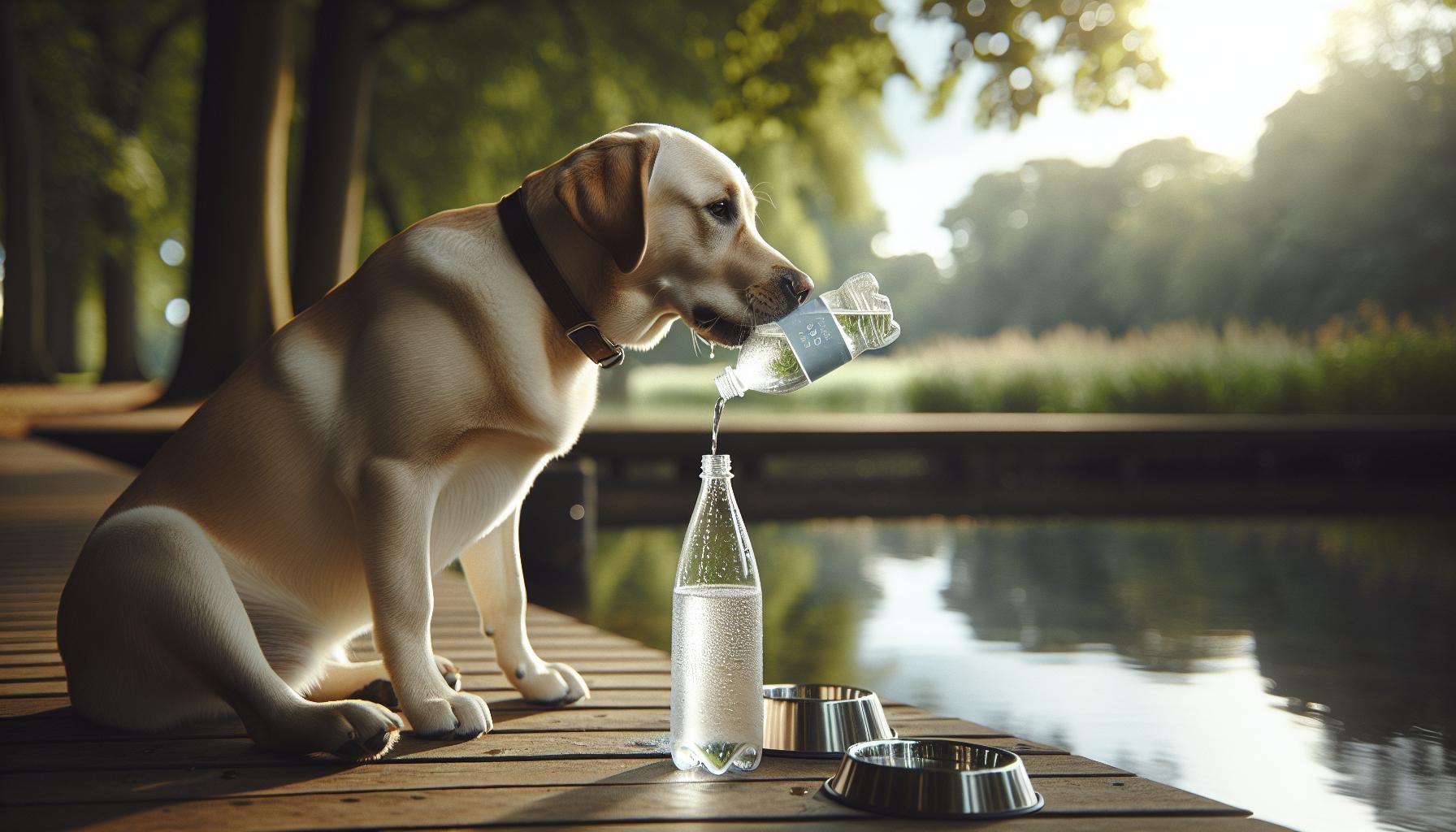
Comparing Bottled Water to Tap Water: What’s Best?
When it comes to choosing the right water for your dog, the debate between bottled water and tap water often arises. Many pet owners may not realize that the quality of water can significantly impact their furry friends’ health and hydration. Water is not just a necessity; it can also influence your dog’s overall wellbeing. Understanding the pros and cons of both options can help you make an informed decision.
Bottled water is commonly perceived as a safe and convenient choice. It’s particularly beneficial when traveling or during outdoor activities where the local water quality is uncertain. Most bottled waters undergo rigorous purification processes, which can eliminate impurities and contaminants, making them more appealing to many dogs. Additionally, bottled water is often free from chlorine and other chemicals found in some municipal supplies. This can make a significant difference for dogs with sensitive stomachs who may react negatively to tap water additives. Dogs also tend to prefer the taste of bottled water, which can encourage them to drink more-a crucial factor during hot weather or after vigorous exercise.
On the other hand, tap water is generally safe to drink, especially in areas with stringent water quality regulations. It is often treated and monitored to ensure it meets safety standards. For many dogs, clean and fresh tap water from a well-maintained source can provide all the hydration they need. However, the quality can vary dramatically depending on location, and some pet owners may notice adverse reactions in their dogs if the water is hard or contains high levels of certain minerals or chlorine.
Ultimately, the best choice for your dog can depend on various factors, including your dog’s individual health needs, your local water supply’s quality, and your lifestyle. If you choose tap water, consider using a water filter to remove unpleasant tastes and impurities. Regularly monitor and switch to bottled water in situations where you’re unsure of the tap water’s safety or during travel. Remember, your dog’s hydration is paramount, so being attentive to their preferences and health will guide you in making the right choice for their drinking water.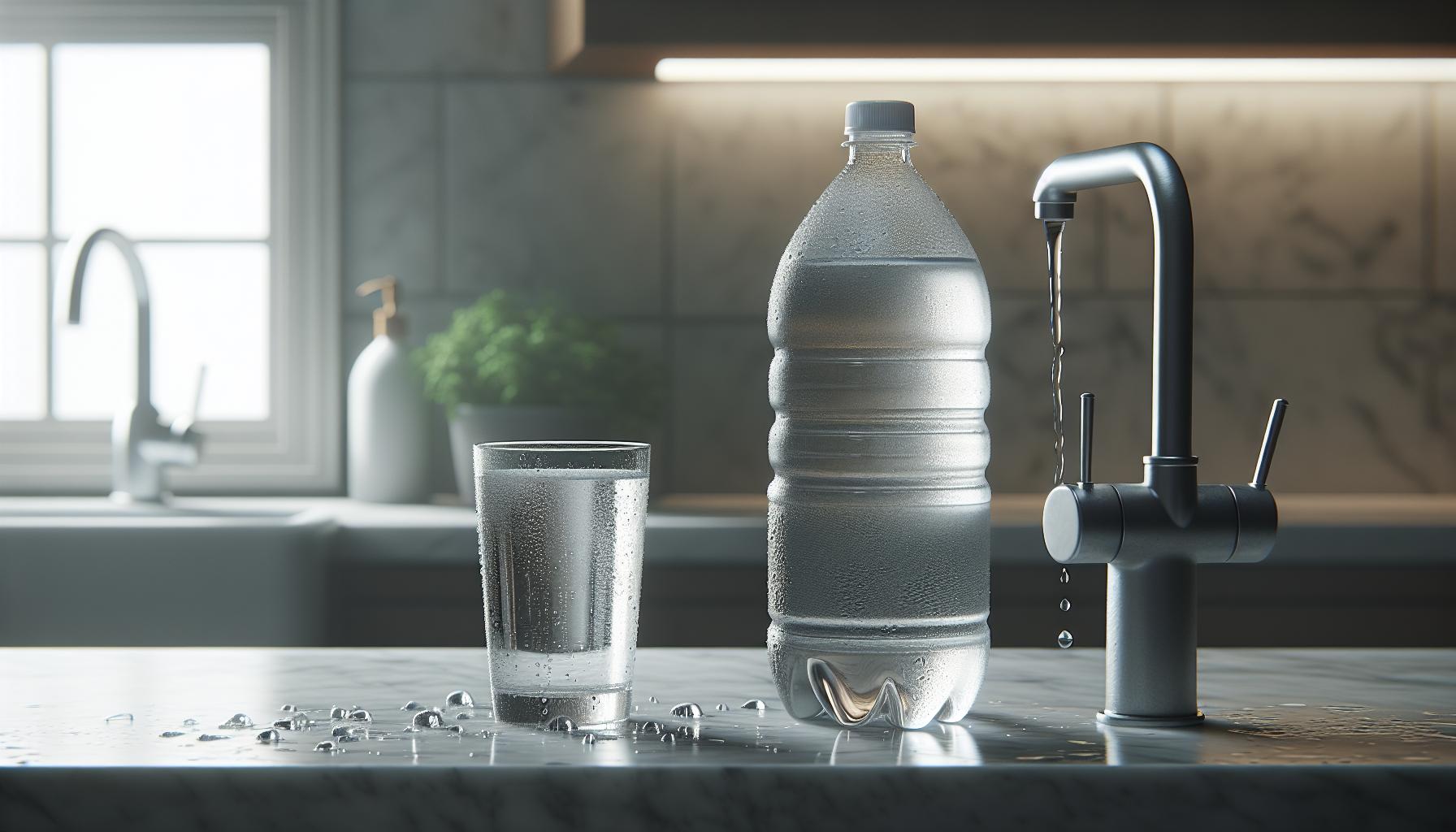
Expert Insights: Veterinarians Weigh In on Dog Hydration
Veterinarians emphasize the critical importance of proper hydration for dogs, particularly in understanding the best sources of water for their health. A common recommendation is to assess your local water quality: clear, clean water is essential, regardless of whether it comes from tap or bottled sources. For many dogs, especially those with sensitive digestive systems or specific health concerns, the perceived purity of bottled water can be appealing. Veterinary experts often point out that while bottled water can be a convenient alternative, it’s crucial to ensure that any brand chosen meets safety standards and is free from potential contaminants.
Veterinarians often advise pet owners to pay attention to their dog’s water intake and behavior. Some dogs may develop preferences for taste, and if they seem reluctant to drink tap water, trying a bottle with a different or filtered source may prompt them to hydrate more willingly. Hydration is particularly vital during hot weather or after exercise; in such cases, offering dogs bottled water can generally encourage them to drink more, promoting better overall health. Moreover, a veterinarian may suggest a simple test: offering both types of water to see which your dog prefers, while monitoring their overall hydration levels regularly.
It’s equally important to consider any breed-specific needs. Certain breeds, like the Bulldog or Pug, are more prone to dehydration due to their unique physiological traits. For these dogs, providing consistent access to high-quality water, whether bottled or filtered tap, becomes even more critical. To cater to their needs, veterinarians recommend keeping a close eye on environmental conditions, ensuring dogs have easy access to water, especially during vigorous play or warmer weather.
Ultimately, while both bottled and tap water can be suitable for dogs, regular vet check-ups and observations of drinking habits can help you make the best choice for your furry friend’s hydration. An optimized hydration routine not only helps maintain physical health but also contributes to your dog’s overall well-being, ensuring they remain active, happy, and healthy.
Potential Risks of Feeding Dogs Bottled Water
When considering bottled water for your dog, it’s vital to be aware of potential risks that might accompany this seemingly innocent choice. While many dog owners opt for bottled water believing it to be a cleaner and safer option, certain factors can complicate that assumption. For instance, there’s the issue of plastic waste; single-use bottles contribute significantly to environmental pollution, and even though this isn’t directly harmful to your pet, it’s worth considering our larger responsibility as pet owners.
Another concern involves bacterial contamination. Bottled water, especially if left open or improperly stored, can become a breeding ground for bacteria. A study published in the Journal of Environmental Health found that water bottles could harbor bacteria like E. coli, potentially posing health risks if consumed by your dog. It’s important to check expiration dates and ensure bottles are sealed correctly. If you’re using bottled water during outdoor activities, be conscious of how long the bottles have been exposed to heat; excessive warmth can encourage bacterial growth.
Additionally, some bottled water brands use allergy-inducing minerals or compounds that might not be suitable for all dogs. Certain minerals like fluoride, found in some bottled waters, can be detrimental to dogs, particularly smaller breeds that are more sensitive to higher concentrations. Always read labels carefully, and if unsure, consult your veterinarian for guidance on appropriate water sources tailored to your dog’s specific needs.
Lastly, there’s the factor of taste preferences. While one might assume that dogs will prefer bottled water over tap water, some dogs can develop an aversion to certain brands or even the taste of plastic. If your dog consistently shows reluctance to drink bottled water, it’s prudent to explore other options. Offering both bottled and filtered tap water side by side may help you identify their preference, ensuring they stay hydrated without compromising their health.
Opting for bottled water can be beneficial in some situations, but staying informed about these risks allows you to make a safe and educated choice for your furry friend’s hydration needs.
Bottled Water Brands: What to Look For
When choosing bottled water for your furry friend, it’s essential to look beyond the labels and understand what truly matters for their hydration. Dogs, just like humans, can be sensitive to the quality of their water, and selecting the right brand can make a substantial difference in their health and well-being. Here are some key factors to consider while shopping for bottled water for your dog.
Quality of Water Source
Start by researching the source of the bottled water. Ideally, you want water that is derived from natural springs or filtered through reputable processes to ensure purity. Look for brands that disclose their sourcing methods and offer transparency about their water quality checks. Avoid waters sourced from municipal sources unless they have undergone additional purification steps. Using trusted brands can provide peace of mind, knowing that you are offering your pet the best quality.
Mineral Content
It’s crucial to examine the mineral content listed on the label. Certain minerals, like calcium and magnesium, can be beneficial, but others, such as fluoride and chlorinated compounds, might not be suitable for your dog. Smaller breeds, in particular, can be sensitive to higher concentrations of certain minerals, potentially leading to health issues over time. Always check if the water includes excessive levels of these minerals and opt for brands with balanced mineral profiles that are dog-safe.
Packaging Considerations
Packaging choices also matter significantly. Plastic bottles are the most common, but they can leach chemicals, especially when exposed to heat or sunlight. Look for brands that use BPA-free bottles or, better yet, those that offer water in glass containers. This helps prevent any contaminants from leaching into the water while ensuring your dog stays hydrated safely.
Brand Reputation
Finally, consider the brand’s reputation and customer reviews. Engaging with other pet owners or consulting your veterinarian can lead you to trusted brands that prioritize your pet’s health. Websites and forums dedicated to dog care often share insights and experiences that can guide your decision.
Offering your dog the right bottled water can be an excellent way to maintain their hydration, especially in hot weather or while on the go. By taking these considerations into account, you can confidently select a bottled water brand that aligns with your dog’s health needs.
Dog-Specific Water Recommendations by Breed
When it comes to ensuring that our furry companions stay properly hydrated, the type of water we offer can be surprisingly important. Different dog breeds have varying sensitivities and needs that can influence the best water choices for them. Understanding these breed-specific requirements can help you make informed decisions about whether to provide bottled water or stick with tap water.
### Small Breeds: Understanding Their Sensitivity
Toy breeds like Chihuahuas and Pomeranians have small bodies and delicate systems, making them especially sensitive to high mineral content. For these breeds, bottled water that is low in minerals and free from additives like fluoride is recommended. Look for brands that specifically cater to pet hydration, as they often offer formulations that are safer for small dogs. Hydration is crucial for their tiny frames, so opting for pure, spring-fed sources will help maintain their health.
### Medium to Large Breeds: Active Hydration
On the other hand, medium and large breeds such as Labrador Retrievers and German Shepherds can usually tolerate a wider range of water types. However, they require higher volumes of water due to their size and activity levels. For these breeds, bottled water can be a good option during travel or in hot weather, as it ensures they always have access to clean water. Look for brands that denote clean sourcing and minimal processing, making sure that the water is free from harmful chemicals.
### Senior Dogs: Special Considerations
Senior dogs, regardless of breed, may experience changes in their digestive health, making them more susceptible to gastrointestinal issues. For older dogs, bottled water that is specifically formulated to be gentle on sensitive stomachs can be beneficial. Opt for water that is low in sodium and has a balanced mineral mix. Consulting your veterinarian for personalized recommendations based on your pet’s health can provide guidance tailored to your dog’s specific needs.
### Summary of Recommendations
To help you navigate the best options for your dog, here’s a quick summary:
| Breed Type | Bottled Water Recommendations |
|---|---|
| Small Breeds (e.g., Chihuahua, Pomeranian) | Low mineral content, pet-specific brands |
| Medium Breeds (e.g., Beagle, Bulldog) | Standard bottled water, watch for sodium levels |
| Large Breeds (e.g., Labrador Retriever, German Shepherd) | Quality sourced water for hydration on-the-go |
| Senior Dogs | Low sodium, balanced mineral content, vet-recommended |
Adopting these guidelines can help ensure that your dog stays well-hydrated and healthy. Remember, offering quality water is a simple yet impactful way to contribute to your pet’s overall well-being!
How to Safely Introduce Bottled Water to Your Dog
Introducing your dog to bottled water can be a seamless process that enriches their hydration routine, especially when you’re mindful of their preferences and needs. It’s important to remember that not all canines will immediately embrace a new water source. To ease the transition, consider starting with a blend of their current water with bottled water. This gradual approach allows your dog to acclimate to the taste and smell without overwhelming their senses.
Begin by mixing a small amount of bottled water into their regular water dish. For instance, you might use a ratio of 3:1 (three parts tap water to one part bottled water). Observe your dog’s reaction-if they drink eagerly, you can slowly increase the ratio of bottled water over the days. If your dog shows hesitation or doesn’t drink as much, it’s a sign to slow down the transition. Be patient; dogs can be particular about their water sources, and it might take time for them to accept something new.
It’s also beneficial to make the bottled water routine appealing. You might want to serve it in a clean, fresh bowl that they associate with special treats or after playtime. Reinforcing good hydration habits with praise can encourage them to drink more. For active dogs or those prone to dehydration, you can even offer bottled water during walks or outings, ensuring hydration while giving them something familiar and safe.
Always monitor how your dog responds, especially if they have known sensitivities. If any issues arise, switching brands or types of bottled water might be necessary. Opt for those that are free from additives and low in sodium, particularly for breeds with sensitive systems. Your dog’s health and comfort are paramount, so keep these transitions positive and stress-free!
To sum up, introducing bottled water can easily enhance your dog’s hydration experience. Focus on gradual adjustments, maintaining a supportive environment, and observing their reactions. With these strategies, you’ll not only help them stay hydrated but also contribute to their overall well-being.
Hydration Tips for Active Dogs in Hot Weather
To keep your furry friend well-hydrated during those sweltering summer days, it’s essential to understand their specific hydration needs. Dogs can become dehydrated quickly, particularly when engaged in physical activity or exposed to heat. Did you know that dogs can lose a significant amount of water through panting? This means they’re constantly in need of fresh, clean water to replacing the fluids they lose. When considering whether bottled water is a suitable option, the key is to provide readily available hydration that your active dog will enjoy.
First, always have fresh water accessible before and after activities. Carry a portable water bottle designed for dogs along with a collapsible bowl during walks or hikes, and make frequent stops to offer water. If you’re opting for bottled water, look for brands that contain no additives or excessive sodium. Many dogs enjoy the fresh taste of bottled water, which can make them more eager to drink, especially after a long run in the heat. If you’re using tap water, be cautious of its quality-ensure it’s filtered, as contaminants can affect both your dog’s health and their willingness to hydrate.
Another excellent way to encourage hydration on hot days is by providing ice cubes or frozen treats made from dog-friendly broth. Some dogs adore crunching on ice cubes during play, and it can be a refreshing way to cool them down while increasing their water intake. Remember, active breeds, such as Retrievers or Border Collies, usually have higher hydration needs, so it’s crucial to monitor their water consumption and adjust accordingly.
Finally, observe your dog for signs of dehydration, which includes dry gums, lethargy, or loss of appetite. If you’re ever in doubt, consult your veterinarian for more tailored advice based on your dog’s breed, age, and activity level. Keeping them hydrated not only enhances their performance during activities but also supports their overall health and vitality.
The Impact of Water Quality on Your Dog’s Health
The quality of the water your dog drinks can significantly influence their overall health and well-being. Just like humans, dogs are highly susceptible to the negative effects of contaminated or poor-quality water. While it may seem trivial, the water your furry friend consumes plays a critical role in maintaining their hydration, supporting digestion, and ensuring proper nutrient absorption.
When considering bottled water as an option, it’s crucial to choose brands that prioritize purity and safety. Not all bottled waters are created equal; some may contain additives, excessive minerals, or impurities that could be harmful to your pet. For instance, high sodium levels can lead to increased thirst and potential health issues, especially for dogs with specific health problems like kidney disease or heart conditions. Therefore, always look for bottles labeled as “purified” or “filtered,” ensuring they’re free from additives that may compromise your dog’s health.
On the other hand, tap water quality can vary dramatically depending on your location. For many, municipal water supplies, while treated, can still harbor contaminants like chlorine, heavy metals, or bacteria. These impurities not only pose risks but can also make tap water taste less appealing, leading to decreased hydration in dogs. Investing in a good water filtration system for your home can be a worthwhile endeavor, providing cleaner, safer water for your beloved pet. You might even notice your dog drinking more water once the quality improves!
To help monitor your dog’s hydration, observe their drinking behaviors and general health. Incorporating water quality checks into your routine can become a powerful ally in promoting your dog’s wellness. If you have specific concerns about your local water supply, or if your dog exhibits any unusual symptoms, consulting with your veterinarian is always a sensible move. By ensuring your dog has access to clean, safe water, you’re not just meeting a basic need; you’re taking a crucial step towards enhancing their quality of life.
DIY: Purifying Your Dog’s Drinking Water at Home
Ensuring your dog has access to clean drinking water at home doesn’t have to be a daunting task. In fact, with a few simple methods, you can purify your dog’s water supply and provide them with the best possible hydration. Just like you, your furry friend deserves clean, safe water without any harmful contaminants. Let’s dive into some easy DIY methods for purifying your dog’s drinking water at home.
One popular method is using a water filtration system. There are various options available, from pitcher filters to faucet-mounted systems. These filters typically remove chlorine, heavy metals, and other impurities commonly found in tap water. Choose one that is certified for removing contaminants and easy to use. Simply pour the tap water into the filtration system, and within minutes, you’ll have fresh, purified water ready for your pet.
Another method is to boil the water. Boiling is a straightforward way to kill bacteria and parasites that may be lurking in your water supply. Bring the water to a rolling boil for at least a minute, then let it cool down before filling your dog’s bowl. This technique can be particularly useful if you’re dealing with an area known for questionable water quality.
If you’re looking for a quick and affordable solution, consider using activated charcoal. You can purchase activated charcoal filters or use charcoal sticks in your water container. The activated charcoal will absorb impurities and help improve the taste of the water. Just be sure to replace the charcoal regularly to maintain its effectiveness.
Routine Water Maintenance Tips
To keep your dog’s water clean and safe, here are some additional tips you can implement:
- Change the water daily: Stale water can harbor bacteria. Fresh water will encourage better hydration.
- Clean bowls frequently: Regularly wash your dog’s water bowl with soap and hot water to avoid buildup of slime and bacteria.
- Check water temperature: Make sure the water is at a comfortable temperature-dogs often prefer cooler water.
- Store water properly: Ensure bottled water is kept in a cool, dark place to prevent contamination from sunlight.
With just a little effort, you can ensure your dog enjoys clean, safe drinking water at home. Keeping an eye on the quality of their water not only supports their hydration but also plays a crucial role in their overall health and well-being. Dogs thrive when they have healthy habits, and having access to pure drinking water is fundamental to that.
Common Misconceptions About Dogs and Water Preferences
When it comes to our canine companions, there’s often a lot of confusion surrounding their preferences for drinking water. One prevalent misconception is that dogs only drink when they are thirsty, leading many pet owners to overlook the importance of consistent access to clean water. Unlike humans, dogs may not always signal their need for hydration effectively, especially in the heat or after vigorous play. A happy, active dog should be consistently encouraged to drink water, regardless of apparent thirst.
Another common belief is that bottled water is inherently superior to tap water for dogs. While bottled water can be a convenient and sometimes cleaner option due to its rigorous testing, it isn’t universally better. The safety and quality of tap water can vary drastically depending on location. For instance, many municipalities provide high-quality water that is just as safe for dogs, if not safer than certain bottled brands. It’s vital to know the specifics about your local water supply and the ingredients in bottled water. Some bottled waters may contain high levels of sodium or other minerals that could be harmful to your dog, particularly if they have pre-existing health conditions.
Moreover, some owners assume that their dogs have a “favorite” type of water, whether it’s cold, room temperature, or from a specific source. In reality, while dogs may show preferences, these are often influenced by training and habits. A dog accustomed to drinking from the kitchen tap may reject bottled water simply because it’s unfamiliar. Instead of worrying about catering to a perceived preference, focus on consistently providing clean, palatable water, regardless of the source. To ensure your dog stays hydrated, consider switching between tap and bottled water or using a water filter that enhances the taste without harmful contaminants.
Lastly, many believe that all dogs will drink as much water as they need, but hydration needs can differ from breed to breed and even within individuals. Active breeds or those participating in strenuous activities require more frequent hydration. Breeds prone to specific health issues, like kidney problems or urinary issues, might need tailored water management. Always consult a veterinarian regarding your dog’s specific hydration needs, taking into account their age, activity level, and overall health to determine the best hydration strategies.
Q&A
Q: Should I give my dog bottled water during a road trip?
A: Yes, providing bottled water during a road trip is a great idea to ensure your dog stays hydrated. It helps avoid gastrointestinal upset that may occur from sudden changes in water quality. Always offer fresh water and check the temperature to avoid giving your dog extremely cold water.
Q: What are the risks of giving my dog bottled water?
A: While most bottled water is safe, some may contain high mineral content which can be harmful to dogs, especially those with kidney issues. Additionally, if the bottle is left in a hot car, chemicals from the plastic could leach into the water. Always check for proper storage and product quality during your selection.
Q: How can I tell if my dog’s water quality is acceptable?
A: Assess the clarity, odor, and taste of the water. Clean water should be clear without any floating particles or bad smells. If you’re unsure, consider testing the water for contaminants or consult your veterinarian if you notice any health issues related to hydration.
Q: Is tap water better than bottled water for dogs?
A: The answer varies depending on local tap water quality. Generally, if your tap water is safe for human consumption, it’s likely fine for dogs too. However, if your area has issues like high chlorine levels or contaminants, bottled water may be the safer option. Compare your local water quality reports with bottled brands.
Q: Can my dog be allergic to bottled water?
A: While rare, dogs can react to additives in flavored bottled waters or certain minerals. If you notice signs of allergies, such as itching or digestive issues, discontinue use and opt for plain bottled water or filtered tap water. Consult your vet for guidance.
Q: How often should I change my dog’s drinking water?
A: It’s recommended to change your dog’s water at least once a day to keep it fresh and free from bacteria. In hotter climates or for active dogs, more frequent changes may be necessary. If using bottled water, replace it regularly to ensure optimal hydration.
Q: What should I look for in bottled water for my dog?
A: Opt for bottled water that is labeled as spring water or purified water without added minerals or flavors. Check for the absence of harmful additives and opt for brands that undergo rigorous testing. Always verify the source for quality assurance.
Q: Can I mix bottled water with my dog’s regular water?
A: Yes, mixing bottled water with your dog’s regular water can help transition your pet if you’re switching to bottled water. Start by adding a small amount of bottled water to the regular supply, gradually increasing it while reducing tap water to help your dog adapt to the new taste.
The Conclusion
As you consider whether bottled water is the best hydration option for your furry friend, remember the key recommendations we discussed-prioritize clean, safe water that supports their health. If you’re still unsure, don’t hesitate to consult your veterinarian for personalized guidance. Your dog’s well-being is too important to leave to chance!
For more tips on pet care, check out our articles on ways to handle dog anxiety and the best hydration practices. We’re dedicated to providing you with the resources you need to become the best pet parent possible. If you found this information helpful, please subscribe to our newsletter for the latest insights and updates. Share your thoughts in the comments below-let’s keep the conversation going! Your dog deserves the best, and together, we can ensure they live a happy, healthy life.