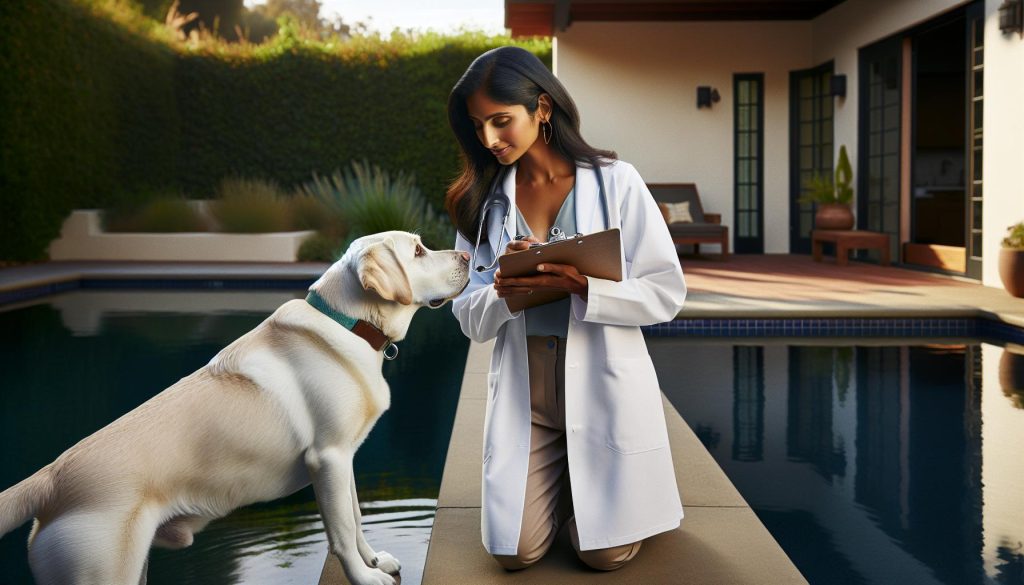
As the temperature rises and your furry friend takes a joyful leap into the pool, you might wonder: is it safe for dogs to drink pool water? While the refreshing splash can be fun for your pup, there are serious health considerations lurking beneath the surface. Pool water often contains chemicals like chlorine, which can lead to gastrointestinal issues and other health concerns if ingested. Understanding the potential risks not only ensures your dog’s safety but can also deepen your bond as you prioritize their well-being during the hottest months. Stay tuned as we explore the veterinary warnings surrounding dogs and pool water, equipping you with vital knowledge to enjoy summer splashes while keeping your beloved companion healthy!
Should You Let Dogs Drink Pool Water? Understanding the Risks
Many dog owners relish those sunny days by the poolside, eager to share the experience with their furry friends. However, indulging your pup in pool water can pose several serious health risks. While the idea of their playful splashes may be appealing, the chemicals used to sanitize pools, primarily chlorine, can cause gastrointestinal upset and, in some cases, even lead to more severe health issues.
The primary danger arises when a dog drinks a significant amount of pool water, which often contains a cocktail of chemicals designed to keep it clean and safe for human usage. These include not only chlorine but also algaecides and other treatments that can irritate your dog’s stomach and intestines. Symptoms such as vomiting, diarrhea, and lethargy may manifest if your dog ingests this water, particularly if they are already prone to sensitive stomachs or if they are smaller breeds.
Additionally, the risks don’t end at chemical ingestion. Pool water can also harbor harmful microorganisms, especially if the pool is not well maintained. If a dog drinks contaminated water, they might be at risk of infections from parasites like Giardia or harmful bacteria that can lead to serious illness. Therefore, it becomes paramount for every dog owner to understand these risks and implement strategies that can prevent their pets from drinking pool water while ensuring they stay properly hydrated during those hot, sunny days.
Engaging your dog with appropriate alternatives, such as fresh water nearby or interactive toys specifically designed for pool play, can keep them safe and comfortable without compromising their well-being.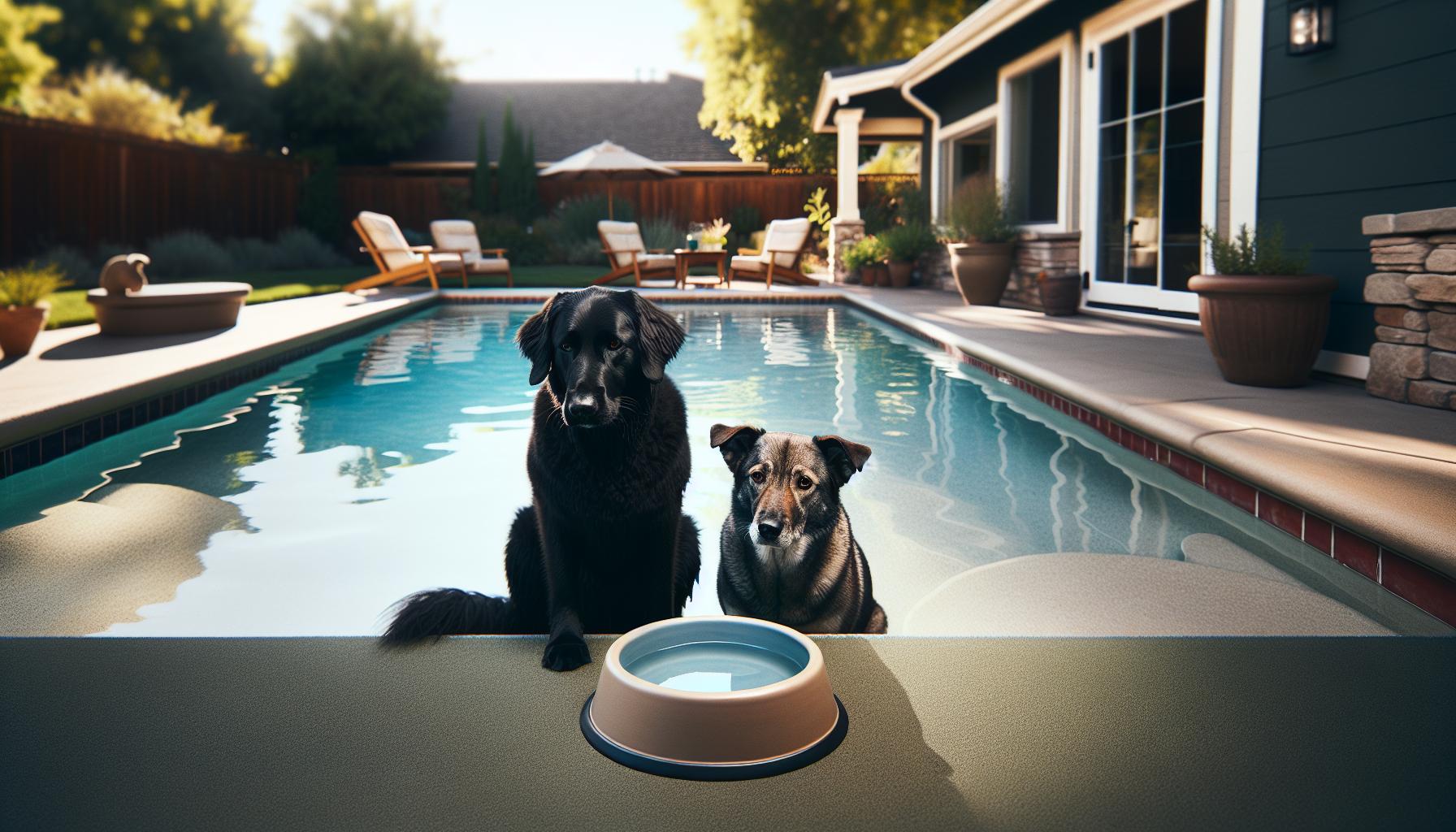
What Chemicals Are in Pool Water? A Vet’s Insight
Pool water isn’t just refreshing on a hot day; it’s typically treated with various chemicals that can be harmful to our furry friends. Understanding what these substances are can help dog owners make informed decisions about their pets’ health. The most common chemical found in pool water is chlorine, a powerful disinfectant that kills bacteria and keeps the water clean for human swimmers. However, when ingested by dogs, chlorine can lead to adverse reactions.
Chlorine can irritate a dog’s gastrointestinal tract, causing symptoms like vomiting and diarrhea. Furthermore, the levels of chlorine in swimming pools may fluctuate and can be more concentrated than what is considered safe for pets. In pools that use alternative sanitizers, such as bromine or ozone, the risks can vary but are often still present. Bromine, for instance, is less harsh than chlorine, but it can also lead to gastrointestinal distress if consumed in large amounts.
In addition to chlorine and its alternatives, many pools use algaecides and other cleaning agents to maintain water quality. These chemicals can further worsen diarrhea and upset stomach symptoms when ingested by dogs. It’s essential to recognize that even small sips of pool water can lead to discomfort and potential health issues, especially for smaller breeds or dogs with sensitive stomachs.
To keep your dog safe during pool time, always have fresh water available nearby. This ensures your dog stays hydrated without the need to dip their tongue into potentially hazardous pool water. As a responsible dog owner, it’s important to monitor your pet closely while enjoying those sunny days by the pool-your vigilance can protect them from health dangers that lurk in that seemingly inviting water.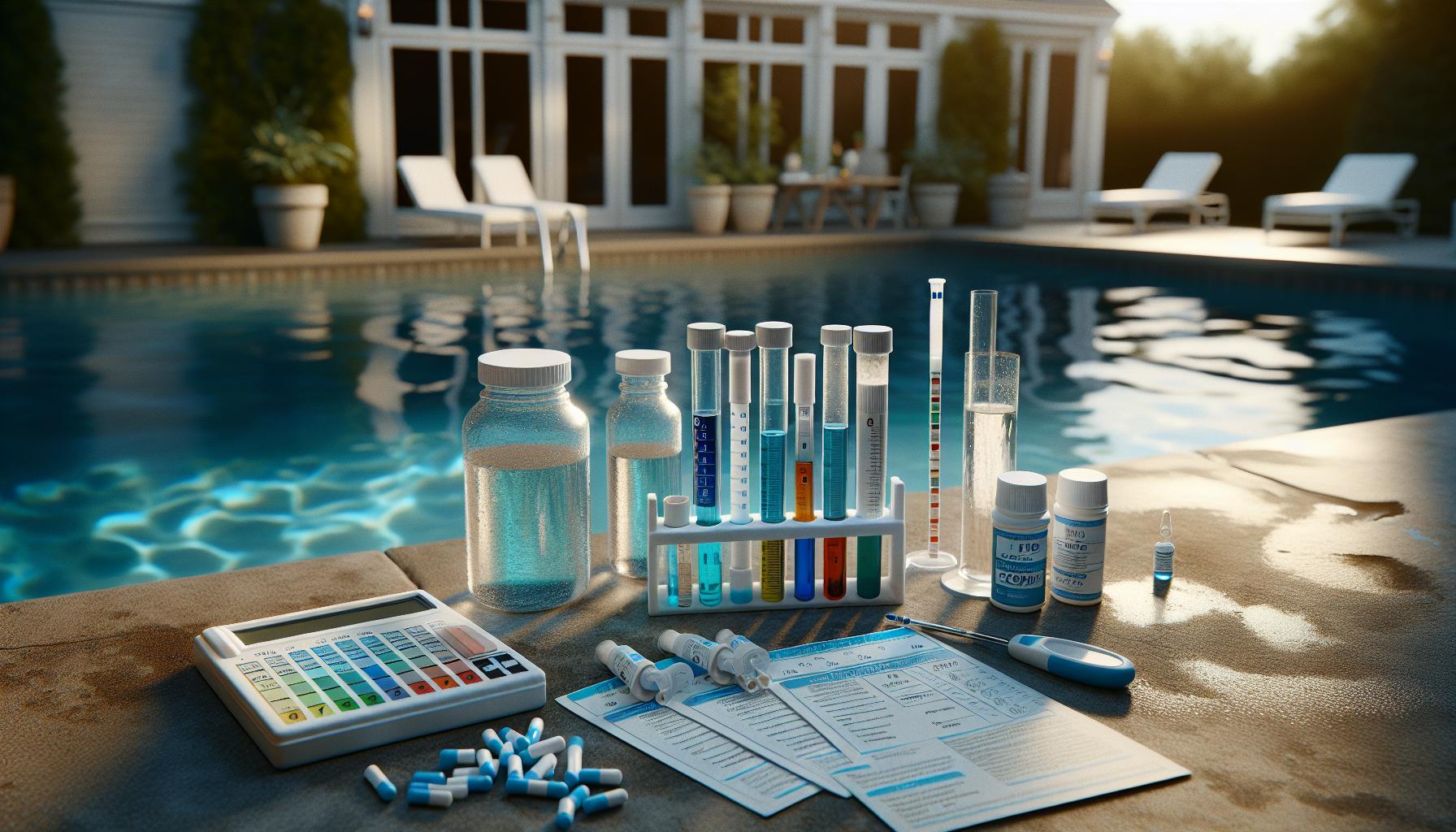
Symptoms of Pool Water Poisoning in Dogs
When dogs take a refreshing sip from the pool, it might seem harmless, but it can lead to serious health issues. Understanding the symptoms of pool water poisoning is crucial for every dog owner. Pets can exhibit a variety of responses when they ingest pool water tainted with chemicals like chlorine, bromine, and algaecides. Recognizing these symptoms early can make a significant difference in treatment and outcomes.
Common signs that your dog may have ingested pool water include:
- Gastrointestinal Distress: If you notice your dog vomiting or having diarrhea shortly after they’ve been around the pool, this may be a sign of stomach irritation due to harmful chemicals.
- Lethargy: A sudden drop in energy levels can indicate malaise. If your normally active dog is less interactive or seems unusually tired, it’s worth keeping an eye on them.
- Appetite Changes: Watch for signs of loss of appetite or reluctance to eat, which can often accompany gastrointestinal upset.
- Excessive Thirst: Dogs may attempt to drink more water if they’ve ingested pool water, thinking it will alleviate their discomfort caused by the chemicals.
- Drooling: Increased salivation can also be a red flag, as it may indicate nausea.
If your dog is showing any of these symptoms after drinking pool water, it’s important to consult a veterinarian promptly. The veterinarian can provide guidance specific to the chemicals involved and recommend appropriate treatment.
Moreover, some breeds may be more susceptible to pool water poisoning due to their size or inherent sensitivities. For instance, smaller breeds often have a lower tolerance for toxins and may experience symptoms more acutely than larger breeds. Being proactive and keeping a close eye on your dog during pool time can prevent these potentially harmful situations.
Taking these steps seriously not only protects your beloved pet from distressing health issues but also ensures enjoyable and safe aquatic fun for both of you!
Which Breeds Are More Susceptible to Pool Water Issues?
Certain dog breeds are more vulnerable to the dangers posed by pool water, particularly due to their size, physiology, and sensitivity to chemicals. It’s essential for dog owners to be aware of these predispositions, as preventive measures can help safeguard their furry companions while enjoying summer fun.
Small breeds, such as Chihuahuas and Dachshunds, often have a more pronounced reaction to toxins due to their lower body weight. Their small size means that they can experience symptoms of poisoning more acutely, even with a relatively small amount of harmful chemicals. Similarly, brachycephalic breeds like Bulldogs and Pugs, due to their compromised respiratory function, can struggle more when exposed to irritants, including those found in chlorinated water. Not only are they at greater risk of gastrointestinal issues, but these breeds also have increased chances of respiratory distress stemming from irritation in their throats and airways.
Furthermore, puppies and senior dogs may also fall into high-risk categories. Young pups might not have fully developed immune systems, making them more susceptible to chemical exposure. Older dogs can suffer from pre-existing health conditions that may heighten the severity of symptoms like lethargy or dehydration caused by pool water ingestion.
To support your dog effectively, understanding their specific risk factors is paramount. Here are some actionable strategies to mitigate risks:
- Monitor Water Intake: Keep an eye on your pet’s drinking habits around the pool. Encourage them to drink fresh water instead, especially after they’ve been swimming.
- Provide Supervision: When your dog is near the pool, supervise their activities to prevent them from drinking pool water.
- Training and Commands: Teaching your dog commands like “leave it” can help in discouraging them from venturing too close to the pool’s edge.
- Access to Fresh Water: Always have clean, fresh water available for your dog, especially on hot days when they might be tempted to drink from the pool.
By being proactive and aware of your dog’s breed-specific needs, you can create a safer environment for your pet while allowing both of you to enjoy the summer’s joys.
How to Prevent Your Dog from Drinking Pool Water
While summer fun by the pool can be an exhilarating experience for both you and your dog, it’s crucial to be proactive in preventing your furry friend from sipping pool water. This seemingly harmless act can lead to unwanted health issues due to the chemicals present in pool water, such as chlorine and algae preventatives. Establishing a few precautionary measures can ensure your pup stays safe, happy, and hydrated while enjoying sunny days.
One effective strategy is to set up designated hydration stations around the pool area. By providing multiple bowls of fresh, clean water, you can entice your dog to drink from them instead of the pool. Consider using non-spill bowls or outdoor-friendly water dispensers that keep water fresh and cool, making it more appealing for your dog.
Training plays a fundamental role as well. Teaching your dog essential commands like “leave it” can be invaluable. This training helps you manage their behavior around the pool, discouraging them from approaching the water’s edge or attempting to drink from it. Incorporate positive reinforcement techniques, rewarding your dog when they choose their water bowl over the pool.
Lastly, supervision is key. Always keep an eye on your dog when they’re outside and near the pool. The more attentive you are, the lower the chances of them taking a sip of the chemically-treated water. Engaging your dog in fun, alternative activities, such as fetching a ball or playing with floating toys, can shift their focus from the pool to healthier play, keeping them hydrated and entertained.
By implementing these proactive measures, you create a safer environment for your dog to enjoy, while minimizing the risks associated with pool water ingestion. It’s all about balance-enabling them to have fun in the sun while ensuring their health and well-being remain a top priority!
Alternatives to Keep Dogs Hydrated During Pool Time
During hot summer days when your dog is splashing around the pool, ensuring proper hydration can be a fun and creative challenge. Instead of relying on pool water-which can be harmful due to chemicals like chlorine-there are several enjoyable alternatives to keep your furry friend hydrated and happy.
One appealing option is to create a water play station. Set up a kiddie pool filled with fresh water that your dog can wade in, drink from, and enjoy splashing around. This not only keeps them cooler but also entices them to hydrate without the risks associated with pool water. Additionally, consider adding a few toys into the kiddie pool to make it even more enticing; floating balls or rubber toys can encourage them to play and drink.
Leveraging frozen treats is another delightful way to keep your dog hydrated. Preparing ice cubes made from dog-friendly ingredients, such as chicken or beef broth, can provide hydration in a fun and tasty form. Simply pour broth into ice trays, freeze, and offer these treats on hot days. You can also blend fruits like watermelon or blueberries into a smoothie, freeze, and then serve as a refreshing snack.
In addition to playstations and treats, maintaining multiple hydration stations around your outdoor area is essential. Invest in durable, spill-proof bowls, and refill them regularly to ensure the water stays cool and inviting. You might even consider using a pet water fountain, which can keep water circulating and fresh, attracting your dog to drink more often.
Engaging your dog in other activities, such as fetch or agility games, can also keep them active and hydrated. By rotating playtime away from the pool, you redirect their attention and encourage them to hydrate in other, safer ways. With these creative strategies, you can help your dog stay refreshed and avoid any risks associated with drinking pool water while enjoying summer fun together.
First Aid: What to Do If Your Dog Drinks Pool Water
When your dog splashes around the pool, it’s easy to overlook the risks associated with drinking pool water. If you suspect your furry friend has gulped down some pool water, acting quickly and calmly is essential. Many swimming pools contain chemicals like chlorine and salt, which can be harmful, especially in large amounts. The immediate step is to assess whether your dog exhibits any concerning symptoms.
If you notice your dog is lethargic, vomiting, or showing signs of distress, it’s vital to contact your veterinarian right away. Describing your dog’s behavior and the amount of pool water they may have consumed can aid the vet in determining the appropriate course of action. Until you can get professional advice, make sure to provide your pup with fresh water and encourage them to drink it. This helps dilute any chemicals in their system.
In the meantime, keep an eye out for specific symptoms of potential poisoning or distress. Common signs include:
- Vomiting or Diarrhea: This could indicate that their stomach is reacting negatively to the chemicals.
- Lethargy: If your dog seems unusually tired or unresponsive, it could signal an issue.
- Excessive Thirst: If they are drinking more than usual, it might be a sign of dehydration or an adverse reaction.
- Drooling: Excess saliva can be a reaction to nausea or distress.
If your dog seems to be having a mild reaction, you might want to help settle their stomach. Feeding them a bland diet of boiled chicken and rice can help soothe any digestive upset. However, always consult with your veterinarian before administering any home treatment, especially in the case of possible poisoning.
Remember, prevention is always better than cure. Regularly monitor your dog while at the pool and provide plenty of fresh drinking water around the area. A watchful eye not only keeps them safe but also allows you and your furry companion to enjoy those sunny days together worry-free!
The Importance of Fresh Water for Dogs in Summer
On hot summer days, keeping your dog well-hydrated is crucial for their health and well-being. While it might seem tempting to let your beloved furry friend sip from the pool, doing so could result in a host of issues. Instead, providing accessible and fresh drinking water is essential, not just for quenching thirst but also for ensuring their overall health, especially when they’re enjoying the sun and swimming.
Dogs are highly susceptible to dehydration, particularly during the summer months or after vigorous play. Adequate water intake supports vital functions such as temperature regulation, joint lubrication, and nutrient transportation. In fact, a dog’s body is composed of about 60% water, making hydration even more critical. A lack of sufficient water can lead to serious health risks like kidney problems, urinary tract infections, and overheating. Ensure that your dog has constant access to fresh, clean water, ideally in multiple locations for easy access.
To encourage your dog to stay hydrated, consider these helpful practices:
- Designate a Cooling Spot: Set up a sheltered area near your pool with a bowl of fresh water, encouraging them to drink regularly.
- Flavor the Water: Add a splash of low-sodium chicken broth to make the water more appealing.
- Use a Pet Fountain: Many dogs are attracted to running water, so a pet fountain might encourage them to drink more.
Regularly check the water bowl for cleanliness and refill it multiple times a day, especially on particularly hot days. By creating a positive hydration habit, you can help your dog enjoy both pool time and the summer heat while avoiding the risks associated with drinking pool water. Remember, the goal is to keep your confident swimmer hydrated and happy, ensuring every day is filled with fun and safety.
Behavioral Tips for Dogs Around Pools
When summer heats up and the pool beckons, it’s essential to keep your furry friend safe and sound while they enjoy the splashes and sun. One of the first steps to promoting positive behavior around pools is to create clear boundaries. Using barriers or baby gates can help ensure your dog doesn’t wander too close without supervision. This not only prevents them from accessing potentially harmful pool water but also keeps them safe from slipping near the edge.
Positive reinforcement goes a long way in training your dog to behave appropriately around the pool. Reward them for staying away from pool edges with treats or praise. Use commands like “stay” or “leave it” to guide their behavior, assuring them that there are fun activities elsewhere, such as fetch or chill time in their shaded spot. Providing plenty of engaging alternatives will help keep their attention away from the water. For example, bringing along toys they love can create distractions, making the pool area a place of enjoyment rather than temptation.
Another crucial aspect of keeping your dog content is ensuring they feel comfortable. Gradually acclimate them to the pool area before introducing them to the water itself. Short visits while on leash can help them explore the surroundings without overwhelming them. If they seem hesitant, lots of praise and treats will help them associate the pool with positive experiences. For those particularly nervous pups, consider offering a gentle introduction with shallow water play or a kiddie pool where they can splash around safely.
Finally, never underestimate the role of hydration. Keep fresh, clean water available close to the pool or provide a designated shade area for breaks. Hydration not only helps keep them healthy but can also deter them from drinking from the pool. It’s a summer win-win: your dog stays hydrated and happy while enjoying outdoor fun!
Veterinary Recommendations for Dog Owners with Pools
As a dog owner with a pool, it’s crucial to understand the impact of pool water on your furry friend’s health. While many dogs are natural swimmers and may love the water, the chemicals used in pool maintenance present several health risks. Veterinarians recommend taking a proactive approach to ensure that your dog enjoys poolside time safely while minimizing exposure to harmful substances.
One of the significant concerns is chemical exposure, specifically chlorine and other sanitizers that can irritate your dog’s skin and mucous membranes. It’s advisable to maintain a chemical balance in your pool, keeping chlorine levels within safe limits. This level should ideally range from 1.0 to 3.0 parts per million (ppm), as excessively high levels may cause skin irritation and lead to gastrointestinal issues for your pet. Ensure you regularly test the water and can consult with a pool service if you need assistance; this is a step that many pet owners overlook but can prevent harmful exposure.
While enjoying the pool, provide your dog with plenty of fresh water to drink. It’s not uncommon for dogs to prefer the taste of pool water, but that can lead to diluted symptoms of toxicity. Offer bowls of fresh water strategically placed around the pool area to encourage your pet to hydrate properly. If your dog accidentally ingests pool water, monitor for signs of distress, including excessive drooling, lethargy, vomiting, or diarrhea. If any of these symptoms arise, consult your veterinarian immediately.
In addition to protecting your dog’s health with hydration and balanced pool chemistry, consider your dog’s breed and their natural abilities. Breeds like Labrador Retrievers and Golden Retrievers typically enjoy swimming and can handle water better than some toy breeds, which might find the experience overwhelming. Always supervise your dog around the pool and consider gradual introductions for those less familiar with water. With these veterinary recommendations, you can create a safe and enjoyable summer environment for your dog while you both enjoy the cool respite of the pool.
Common Myths About Dogs and Pool Water Debunked
Many dog owners believe that allowing their furry friends to drink pool water is harmless, but this misconception can lead to health issues. While it’s tempting to think that the chlorine in pool water serves a sanitizing purpose that makes it safe, the reality is quite different. Here are some common myths about dogs drinking pool water that need debunking along with the truth that every responsible dog owner should know.
One prevalent myth is that chlorine protects dogs from getting sick from pool water. In reality, while chlorine does disinfect the pool, it can irritate a dog’s gastrointestinal tract and lead to symptoms like vomiting or diarrhea when swallowed in excess. Additionally, pool water often contains other chemicals, such as algaecides and stabilizers, which can be harmful if ingested. Regularly testing the pool water and maintaining proper chemical levels can help manage these risks, but it’s not an excuse to let dogs drink freely from the pool.
Another common belief is that dogs know intuitively which water is safe to drink. However, dogs often do not distinguish between fresh water and chemically-treated pool water. Their instinct might lead them to lapping up whatever water is available, particularly on hot summer days. This can be especially risky for dogs who are not good swimmers or those who consume pool water accidentally while playing. Always providing a clean, readily accessible water source is crucial to prevent them from seeking out the pool.
Lastly, many people assume that only certain breeds are susceptible to pool water issues. While some dogs, like Labrador Retrievers, may be more inclined to enjoy swimming, all breeds can experience adverse reactions from drinking pool water. Factors such as the size, age, and overall health of the dog can influence their ability to handle such chemicals. It’s important to monitor all dogs closely and intervene promptly if any signs of distress arise.
To mitigate the risks, owners should take proactive measures such as teaching their dogs to stay away from the pool’s edge and providing ample fresh water close to the pool area. This careful attention ensures that canines enjoy their time outdoors while minimizing hazardous interactions with pool water.
Frequently asked questions
Q: Can dogs get sick from drinking pool water?
A: Yes, dogs can get sick from drinking pool water, as it often contains chemicals like chlorine and other additives that can lead to digestive issues or more serious health concerns. Always provide your dog with fresh water instead, especially on hot days by the pool.
Q: What is the best way to keep dogs away from pool water?
A: The best way to keep dogs away from pool water is through supervision and training. Use positive reinforcement to teach commands like “leave it.” Additionally, providing fresh water in an accessible area can reduce their desire to drink from the pool.
Q: Are there specific dog breeds that react worse to pool water?
A: Yes, certain breeds like Bulldogs and Brachycephalic dogs may be more susceptible to pool water issues due to their physical structure, which can make them more prone to gastrointestinal problems. Regular check-ups with a vet are crucial for these breeds.
Q: How can I tell if my dog drank too much pool water?
A: If your dog drank too much pool water, signs may include vomiting, diarrhea, or lethargy. Monitor your dog’s behavior, and if these symptoms occur, consult your veterinarian for advice and possible treatment.
Q: What alternative hydration sources can I offer my dog while at the pool?
A: Offer your dog fresh, filtered water in a portable bowl for hydration while enjoying pool time. You can also use ice cubes as a fun treat to keep them cool and hydrated without the risks associated with pool water.
Q: How does pool water chemicals affect dogs?
A: Pool water contains chemicals like chlorine and bromine, which can irritate a dog’s stomach and skin. Prolonged exposure can lead to severe health issues, so it’s essential to limit your dog’s intake and monitor for signs of distress.
Q: What are the signs of chlorine poisoning in dogs?
A: Signs of chlorine poisoning in dogs include excessive drooling, vomiting, diarrhea, and difficulty breathing. If you suspect chlorine poisoning, seek veterinary care immediately. Quick action can make a significant difference in treatment outcomes.
Q: Should I give my dog fresh water after swimming in a pool?
A: Yes, it’s advisable to give your dog fresh water after swimming in a pool. This helps flush out any chemicals ingested and encourages hydration, preventing potential gastrointestinal upset from pool water. Regular access to clean water is essential, especially in summer.
Feel free to reach out to our article on “Which Breeds Are More Susceptible to Pool Water Issues?” for more insights or guidance tailored to your dog’s specific needs!
In Conclusion
As we’ve outlined, letting your dog drink pool water can pose serious health risks that every responsible pet owner should know. By keeping your furry friend safe and steering them toward fresh, clean water, you can avoid potential veterinary issues. If you’re concerned about maintaining hydration during playtime, check out our tips on keeping your dog hydrated in different environments.
Don’t forget to explore our articles on “Dog Hydration: Myths and Facts” and “Best Practices for Dog Safety Around Water” to deepen your understanding and ensure your pup’s well-being. Remember, your dog’s health is priority number one-share your thoughts or experiences in the comments below! For more actionable pet care advice, subscribe to our newsletter for your weekly dose of reliable tips and resources. Your canine companion deserves the best, so let’s make every moment count together!