
As dog lovers, we strive to provide the best for our furry friends, from nutrition to their daily care. One often-overlooked aspect is the water they drink. When it comes to softened water, many pet owners wonder about its safety and health implications. Research suggests that softened water can contain higher sodium levels, which may not be ideal for dogs, especially those with underlying health conditions.
This topic is not just about keeping their bowls filled; it’s about ensuring our pets thrive and stay healthy. Are you curious about how softened water could affect your dog’s well-being? Join us as we delve into the health considerations of softened water for dogs, providing you with insights and practical advice to make informed decisions for your beloved companion. Your dog’s health and happiness deserve the best, and understanding their hydration needs is a crucial step on that journey.
Should Dogs Drink Softened Water? Understanding the Basics
When it comes to ensuring your furry friend stays hydrated, the topic of softened water can sometimes spark confusion and concern among dog owners. Softened water is treated to remove minerals like calcium and magnesium, replacing them with sodium ions, which can alter its taste and composition. While softened water is often considered safe for human consumption, the implications for dogs are less clear-cut and warrant careful consideration.
To understand whether your dog should drink softened water, you need to consider several factors. Dogs are generally fine with small amounts of sodium, but an excessive intake can lead to health issues, especially for breeds prone to certain conditions. For example, breeds like the Dachshund or Toy Poodle may be more sensitive to sodium due to their smaller bodies and delicate systems. In these cases, it may be wise to limit their exposure to softened water and instead provide them with fresh, unsoftened water.
Moreover, some dogs may show preferences when it comes to taste. If you’ve noticed your pup turning away from the bowl after you’ve switched to softened water, it might be a sign that they’re not keen on the flavor. Keeping your dog well-hydrated is paramount, so experimenting with different water types could help you find one that your pet enjoys. Always monitor their reaction and consult your veterinarian if you have any doubts about their hydration needs.
In summary, while softened water isn’t outright harmful for dogs, it’s crucial to be cautious, especially with breeds sensitive to sodium. Providing a variety of water options can ensure your canine companion remains both happy and healthy.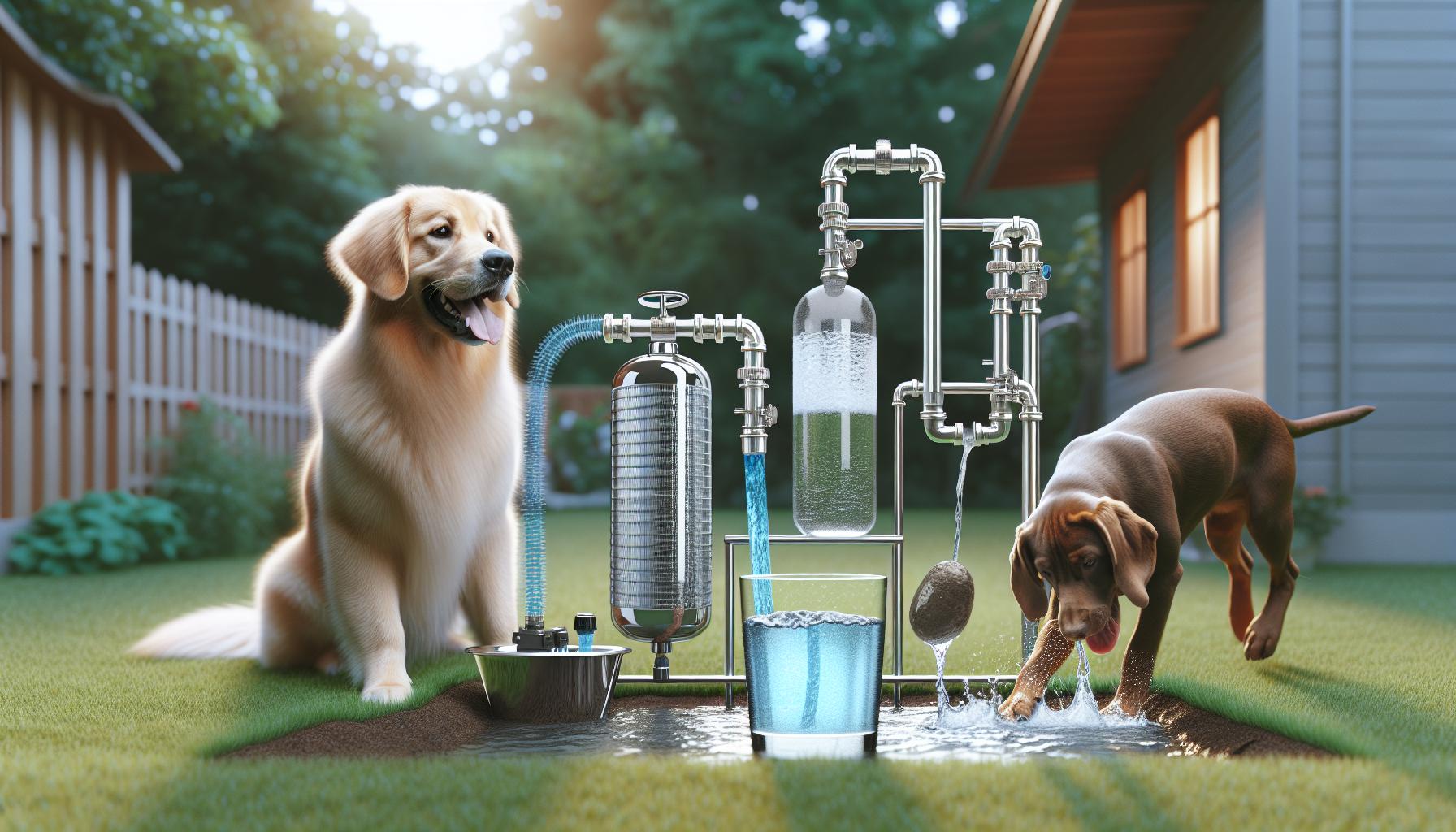
The Science Behind Softened Water and Dogs
When considering the hydration needs of our canine companions, the composition of their drinking water is a crucial factor that often gets overlooked. Softened water, commonly used in households to make drinking water more palatable for humans due to its lower mineral content, involves a process that replaces calcium and magnesium with sodium ions. This shift alters not just the chemical balance but also the taste of the water, which raises important questions about whether this type of water is suitable for dogs.
Dogs, unlike humans, have different tolerances and dietary needs. Sodium, while essential in small amounts, can be detrimental in larger quantities. The typical ion exchange process involved in softening water can increase sodium levels significantly, leading to a variety of health issues for dogs, particularly for those that are predisposed to specific health problems like heart disease or kidney issues. For instance, breeds such as the Dachshund, who are known for their delicate systems, may experience heightened risks when exposed to softened water over extended periods. It’s essential for pet owners to understand that excessive sodium intake can lead to increased thirst and urination, which can be misleading and result in dehydration if not monitored carefully.
Despite these risks, there are conditions where softened water might not pose an immediate threat. Some dogs may tolerate small amounts of sodium without showing adverse effects. However, it’s prudent to remain observant about how your dog reacts to softened water. If you notice a change in their drinking habits or a refusal to drink, it might signal discomfort with the taste or potential ingredient changes in the water. Always consult with your veterinarian regarding your dog’s hydration strategy, especially if they have known sensitivities or health issues.
In summary, while softened water can be an acceptable option for some dogs, being informed about its composition and the specific needs of your dog is vital. Establishing a hydration routine that considers all aspects of their health will not only enhance their overall well-being but also ensure that every sip contributes positively to their health.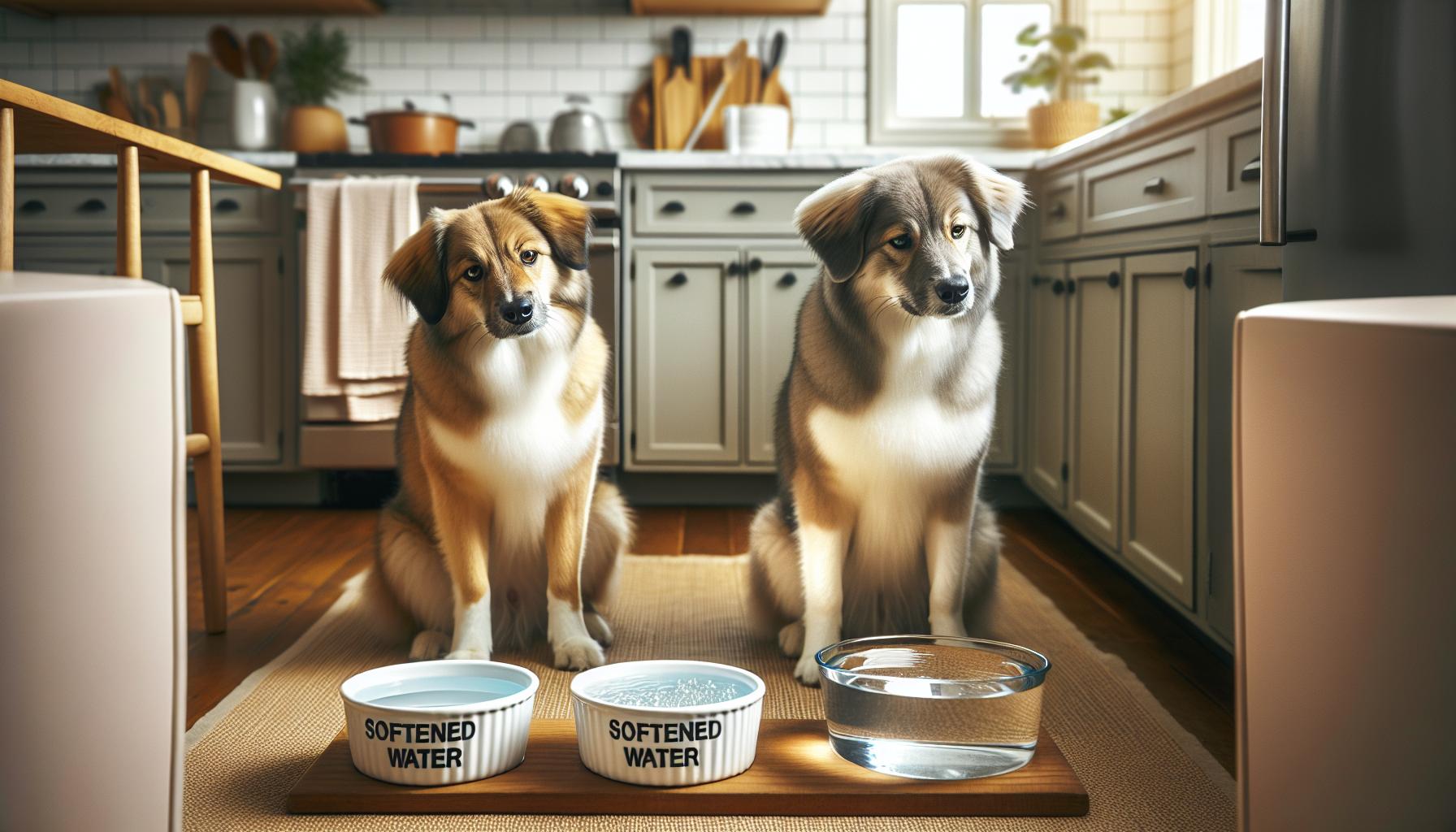
Potential Health Risks of Softened Water for Dogs
The choice of drinking water for our furry friends can significantly impact their health and well-being. While softened water may be a popular solution for households looking to improve water palatability and reduce mineral buildup, it’s essential to consider the potential health risks associated with its sodium content. For dogs, especially those with preexisting health conditions, drinking softened water might lead to unexpected complications.
One significant concern with softened water revolves around sodium levels. The ion exchange process, which replaces calcium and magnesium with sodium ions, can substantially increase the sodium concentration in the water your dog drinks. While sodium is a necessary mineral, too much can trigger serious health issues, particularly in dogs predisposed to heart and kidney problems. For example, breeds like the Dachshund, prone to spinal disease and obesity, may also be at risk of elevated blood pressure or other sodium-related health concerns when exposed to softened water over time.
Moreover, a dog’s body responds differently to increased sodium. Excess sodium can cause dogs to drink more water to compensate, leading to increased urination. This compensation might be misleading, as it can result in dehydration if their water intake is not carefully monitored. Additionally, dogs with certain sensitivities may refuse to drink softened water altogether. If a pet owner notices changes in their dog’s drinking habits or signs of discomfort, such as excessive thirst or lethargy, it may be time to reconsider the water they’re providing.
To navigate these risks, it’s crucial for dog owners to monitor their pet’s health closely and consult with a veterinarian about the best hydration strategy. A balanced approach may involve a combination of regular tap water and softened water or opting for alternatives that ensure safety and hydration adequacy for specific breeds. Understanding individual canine needs and being proactive can promote a lifetime of health and happiness for our four-legged companions.
Comparison: Softened Water vs. Regular Tap Water
Choosing the right water for your dog can often feel like navigating a perplexing maze, especially when weighing options like softened water versus regular tap water. It’s essential to understand that while softened water may seem like a solution for reducing mineral buildup and improving taste, its sodium content can pose health risks for our furry friends. In contrast, regular tap water, typically treated and regulated, often provides a more balanced hydration option that is safer for dogs, particularly those with certain health concerns.
Softened water is produced through a process that replaces hard minerals like calcium and magnesium with sodium ions. This alteration can lead to a significant increase in sodium levels, which may not affect all dogs equally. For breeds such as the Dachshund, Bulldog, or Cavalier King Charles Spaniel, which can be predisposed to heart and kidney issues, excessive sodium may exacerbate these conditions. On the other hand, regular tap water, depending on the area, usually contains essential minerals without the added sodium, making it a safer choice for day-to-day hydration.
When considering the practical differences, here are a few aspects to weigh:
- Sodium Content: Softened water can have higher sodium levels, which may not be suitable for all dogs, especially those with existing health issues.
- Flavor and Acceptance: While some dogs may prefer softened water due to its smooth taste, others might reject it if they detect a change. Regular tap water often has a familiar taste that most dogs readily accept.
- Health Implications: Increased sodium intake may lead to dehydration due to excessive thirst and urination, potentially leading to health complications.
- Cost and Accessibility: Softened water systems can require installation and maintenance, while tap water is widely available and usually free.
To summarize, while softened water might seem like an easy fix for enhancing the drinking experience for dogs, the risks associated with its sodium content should not be overlooked. Regular tap water generally provides a reliable hydration option that supports your dog’s health. If you are unsure about which option is best for your dog, consulting with your veterinarian can provide personalized guidance tailored to your pet’s specific needs. Investing a bit of time in understanding your dog’s water preferences and health considerations today can lead to a happier, healthier pet tomorrow.
Breeds That May Be Sensitive to Softened Water
Certain dog breeds may be particularly vulnerable to the potential risks associated with softened water, primarily due to their unique health profiles. It’s essential for pet owners to be aware of these sensitivities, as the increased sodium content in softened water can pose health risks for some dogs, especially those with pre-existing conditions. For instance, breeds like the Cavalier King Charles Spaniel and the Bulldog are known to have predispositions to heart disease and other cardiac issues. Increased sodium intake may exacerbate their conditions, leading to more severe health complications.
Breeds at Higher Risk
Some breeds particularly susceptible to the effects of softened water include:
- Dachshunds: Prone to intervertebral disc disease and other spinal issues, excess sodium can lead to higher blood pressure, which complicates their condition.
- Boxers: This breed has a higher tendency toward heart issues. Consuming sodium-rich softened water can worsen cardiovascular strain.
- Chihuahuas: Small in size, these little dogs can be highly sensitive to sodium changes in their diet or water, potentially leading to dehydration or kidney strain.
- Pugs: Known for their respiratory issues, increased sodium can lead to additional strain on their overall health and wellbeing.
Why Awareness is Key
Being proactive and mindful of hydration choices can help prevent unnecessary health risks. If you notice any changes in your dog’s drinking habits or overall behavior, it might be worthwhile to reassess their water source. Simply switching to regular tap water, which often contains essential minerals and lower sodium, could make a substantial difference in keeping your dog happy and healthy.
As you navigate your dog’s hydration needs, consulting with your veterinarian can provide valuable insights tailored to their specific breed and health conditions. Making informed choices today can positively impact your pet’s long-term health and happiness.
Expert Insights: Veterinarian Recommendations
When it comes to your dog’s health, making informed choices about their water sources is crucial. Veterinarians emphasize that, while softened water may seem like a convenient solution for avoiding hard minerals, the increased sodium content it typically contains can pose risks to certain dog breeds. For instance, breeds with predispositions to heart disease, such as Boxers and Cavalier King Charles Spaniels, should generally avoid sodium-rich softened water. This is especially important if they’re already managing health issues where sodium can exacerbate their conditions.
Veterinarians often recommend monitoring your dog’s overall water intake and being cautious with any sudden changes to their hydration routine. For small breeds like Chihuahuas and Pugs, even a slight increase in sodium can lead to serious health consequences. Dr. Andrea Smith, a veterinarian from the Canine Health Foundation, advises pet owners to prioritize natural sources of hydration, stating, “Regular tap water, which usually has more balanced mineral content, is preferred for many dogs. If your area has particularly hard water, consider investing in a water filtration system rather than using a water softener.”
Documentation can play a key role in understanding your dog’s unique hydration needs. Keeping track of their drinking habits can reveal if they are uncomfortable with softened water. If you notice changes in their drinking patterns-be it a decreased intake or signs of lethargy-it’s worth discussing with your vet. They may suggest alternatives or adjustments tailored to your dog’s specific health profile.
Lastly, always consult your veterinarian before making significant changes to your dog’s diet or hydration sources. They can provide personalized advice based on breed-specific concerns and any underlying health issues. By collaborating with your vet, you can create a hydration plan that not only keeps your furry friend hydrated but also supports their overall health and well-being.
Signs Your Dog May Be Affected by Softened Water
Noticing subtle changes in your dog’s behavior can be critical when it comes to their health. If you’ve recently switched to softened water for your pup, it’s wise to monitor them closely for any signs that indicate an adverse reaction. Dogs, like human beings, can react differently to changes in their hydration sources, especially if the new water contains higher sodium levels common in softened water.
Pay attention to these potential indicators:
- Changes in Drinking Habits: A notable reduction in your dog’s water intake can signify discomfort. If they were once eager to drink and suddenly seem hesitant, it could be a red flag.
- Gastrointestinal Symptoms: Watch for signs of stomach upset, such as vomiting, diarrhea, or excessive gas, which may result from a change in their water source.
- Lethargy or Decreased Energy: If your usually playful dog seems unusually tired or disinterested in their favorite activities, consider evaluating their water intake and quality.
- Skin or Coat Changes: A shift in hydration can sometimes affect your dog’s skin health. Look for dryness, itching, or a dull coat.
- Increased Thirst: If they seem thirstier than normal, it could indicate that their body is responding to the saltier softened water.
If you suspect that your dog is experiencing any of these symptoms, it’s essential to consult your veterinarian. They can provide insights and possibly recommend a switch back to regular tap water or suggest other hydration sources that suit your dog’s specific needs. Keeping track of your dog’s behavior in conjunction with their water consumption is vital in ensuring they remain happy and healthy. Remember, your furry friend’s well-being is always worth the effort of a little extra observation!
Tips for Safely Introducing Softened Water
Introducing softened water to your dog’s routine can be a significant transition, but doing so with care can ensure a positive experience for both you and your furry friend. Start by mixing softened water with their usual drinking water to lessen the impact of the change. Gradually increasing the proportion of softened water over several days can help your dog adjust without overwhelming their system. This approach also allows you to monitor their response more easily, making it easier to spot any signs of discomfort.
- Monitor Sodium Levels: Softened water often contains higher sodium levels, which can be concerning for certain breeds, especially those prone to heart issues or those with kidney problems. Be mindful of your dog’s specific needs and consider consulting your veterinarian about how to balance their hydration sources.
- Gradual Transition: Start with a small amount of softened water mixed with regular water. If your dog adapts well after a few days, you can gradually increase the ratio of softened water.
- Observe Behavior: Keep a close eye on your dog’s drinking habits and overall health during this transition. Positive signs include an eagerness to drink and no gastrointestinal disturbances.
- Hydration Variety: Provide options. Some dogs prefer cold water or may enjoy water flavored with a tiny amount of low-sodium broth, encouraging them to drink more and ensuring they stay hydrated.
For breeds susceptible to sodium-related health issues, such as Dachshunds or Cocker Spaniels, a careful approach is crucial. Always have their vet’s advice on hand for tailored hydration plans, especially if your dog has existing health concerns. Being observant and responsive to your dog’s needs during this switch will help you maintain their well-being while ensuring they stay hydrated and happy. Remember, each dog is unique, and your attentive care makes all the difference!
Alternatives to Softened Water for Dogs
While it might seem convenient to use softened water for your furry friends, many dog owners seek alternatives for various health reasons. It’s essential to ensure that your dog stays hydrated with the best water option that suits their needs. Regular tap water is often the most straightforward choice, as it usually doesn’t contain the higher sodium levels found in softened water. Additionally, using filtered water can provide peace of mind regarding contaminants while maintaining the necessary minerals vital for your dog’s health.
There are several alternatives to consider if you want to keep your dog hydrated without relying on softened water:
- Filtered Water: Using a water filter can help remove impurities and chlorine while maintaining essential minerals. Filters can come as jug filters, faucet attachments, or even whole-home systems, making them versatile for any setup.
- Spring Water: Naturally sourced spring water can be a great option, rich in minerals and free from the sodium often present in softened varieties. Always check for quality, ensuring it’s from a reputable source.
- Low-Sodium Broth: For dogs who are more selective drinkers, lightly flavoring their water with a low-sodium broth can encourage hydration. Mix just a splash into their regular water to entice them and make the water more appealing.
- Homemade Electrolyte Solutions: For active dogs or those recovering from illness, homemade electrolyte drinks made from water, a pinch of salt, and a dash of sugar can be replenishing. This should be used sparingly and not as a regular replacement for their main water source.
When considering these options, it’s essential to pay attention to your dog’s unique health needs. For instance, certain breeds, such as those predisposed to kidney issues-like Cocker Spaniels or Bull Terriers-may benefit from the added minerals found in filtered or spring water rather than softened water. Keeping varieties available can help meet your dog’s preferences and hydration habits, ensuring they feel good and thrive.
Creating a water routine that includes these alternatives allows dog owners to confidently provide hydration choices tailored to their pet’s needs. Through observation and understanding of your dog’s responses to different water types, you can develop a hydration strategy that encourages healthy drinking habits while avoiding the potential pitfalls of softened water.
Hydration Best Practices for Your Furry Friend
Ensuring your dog remains hydrated is one of the most fundamental aspects of pet care, and water quality plays a significant role in their overall health. Just like us, dogs need clean, safe water to thrive. While softened water might seem convenient, it often contains higher sodium content, which can pose health risks for certain breeds, particularly those with underlying health conditions. As pet owners, it’s essential to recognize these considerations and implement best practices for hydration that prioritize your furry friend’s well-being.
To maintain optimal hydration, consider introducing a variety of water options into your dog’s routine. One effective approach is to offer fresh, filtered spring water as it tends to be free from harmful contaminants and enriched with beneficial minerals. For pups that may be selective drinkers, you can mix a splash of low-sodium broth into their water – this not only adds flavor but also encourages them to drink more. Remember, hydration isn’t just about access to water; it also involves ensuring it meets their dietary needs and preferences.
Monitor your dog’s water intake and adjust accordingly, especially during periods of increased activity or heat. A good tip is to provide multiple water sources around your home, particularly in areas where your dog spends a lot of time, to make access to hydration as easy as possible. Regularly change their water and clean bowls to prevent any buildup of bacteria. If your dog seems disinterested in drinking, try changing the water temperature; some dogs prefer cooler water, while others may like it at room temperature.
Ultimately, the goal is to develop a hydration routine that keeps your dog happy and healthy. Take note of any changes in their drinking behavior and consult your vet if you have concerns regarding their water habits or any health issues that may arise from softened water. By being proactive and attentive, you’re not only enhancing your dog’s hydration but also strengthening your bond with them through mindful care.
Real-Life Experiences: Dogs and Water Choices
Many dog owners are unaware that their furry friends can have strong preferences when it comes to water sources, and these choices can significantly impact their health. For instance, some dogs can be quite particular about the taste and quality of water they consume. A tale shared by a Labrador owner illustrates this point well: after their dog rejected softened water from a home system, they switched to filtered water and noticed an immediate increase in hydration levels and overall energy. This highlights the importance of experimenting with different water sources to find the right fit for your pup.
Dogs, much like humans, can develop preferences based on their experiences. A Shih Tzu owner found that their pet shied away from softened water, exhibiting signs of discomfort and reluctance to hydrate. They began offering spring water and even incorporated ice cubes into their dog’s bowl, which triggered a newfound enthusiasm for drinking. Such changes not only improved hydration but also transformed their dog’s overall demeanor. This showcases the need for pet parents to be observant and responsive to their dogs’ water habits.
To better understand how different breeds respond to varying water types, consider the following points:
- Smaller Breeds: Dogs like Chihuahuas and Pomeranians may be more sensitive to sodium levels in softened water due to their smaller size.
- Large Breeds: Larger dogs like Great Danes might not show immediate adverse effects but can still benefit from better hydration with filtered or spring water.
- Aging Dogs: Senior dogs may have existing health issues that make them particularly sensitive to what they drink; switching to low-sodium options is recommended.
Providing alternatives to softened water doesn’t just involve switching brands; it can also include enriching the drinking experience. Mixing in a teaspoon of low-sodium chicken broth or cooling down the water can entice even the pickiest drinkers to hydrate more effectively. Remember, maintaining a keen eye on your dog’s hydration and being proactive in adjusting water sources can make a world of difference in their daily vitality and health. Always consult a veterinarian when you have concerns about how your dog’s specific needs might be impacted by their water choices.
Building a Water Routine for Happy, Healthy Dogs
Establishing a consistent water routine for your dog is essential for maintaining their hydration and overall health. Just like humans, dogs benefit from having fresh, clean water readily available throughout the day. Many pet owners may overlook the importance of water quality, especially when it comes to softened water, which can contain higher sodium levels that may not be suitable for all breeds. Therefore, it’s crucial to not only provide water but to ensure it meets your dog’s specific needs.
Start by evaluating your dog’s preferences and needs. Observational cues can guide you in identifying what type of water makes them most enthusiastic about hydrating. Some dogs, particularly small breeds like Chihuahuas, can be sensitive to the sodium content in softened water. In contrast, larger breeds often require ample hydration, so offering different water types can help determine what they drink best.
To build a systematic water routine, implement the following strategies:
- Regular Schedule: Set specific times for water refills to ensure your dog’s bowl is always full and fresh. This could include refilling in the morning, after walks, and before bed.
- Cooling Techniques: On particularly warm days, consider adding ice cubes to their water bowl. This not only cools the water down but also adds an element of fun that can encourage them to drink more.
- Alternative Water Sources: Explore different types of water, such as spring or filtered water, and see if your dog shows a preference. Offering a variety helps mitigate any issues with softened water.
- Flavor Enhancements: For picky drinkers, introducing low-sodium broth can make water more appealing. Mixing in just a teaspoon can trigger hydration enthusiasm, especially in dogs that may otherwise resist drinking.
Additionally, it’s important to monitor hydration levels and health. Keep an eye out for any signs of dehydration, such as lethargy, dry gums, or decreased urination. If your dog appears to be drinking less than usual or showing signs of discomfort, don’t hesitate to consult your veterinarian. They can provide tailored advice and ensure that your dog’s water routine is aligned with their health needs, especially for aging pups or those with specific health concerns.
Establishing and maintaining a thoughtful water routine can significantly impact your dog’s well-being. A proactive approach to hydration fosters a happier, healthier companion and helps build a loving, responsible relationship with your furry friend.
FAQ
Q: Can softened water affect my dog’s health?
A: Yes, softened water can affect a dog’s health due to higher sodium levels. This can be particularly concerning for dogs with certain health conditions, such as heart disease or kidney issues. Always consult a veterinarian before making significant changes to your dog’s water supply.
Q: What are the alternatives to softened water for dogs?
A: Alternatives to softened water include filtered water, distilled water, or simply using regular tap water that has been tested for contaminants. These options can help ensure your dog receives safe hydration without the risks associated with softened water.
Q: How can I tell if my dog is affected by softened water?
A: Signs that your dog may be affected by softened water include excessive thirst, vomiting, or unusual changes in behavior. If you notice these symptoms, consult your veterinarian for guidance and possible water alternatives.
Q: Should I switch my dog’s water to softened water if I have hard water?
A: Switching to softened water from hard water isn’t recommended without consulting a veterinarian. While hard water contains minerals, softened water can introduce sodium, which may pose health risks to your dog. Always assess what’s best based on your dog’s specific health needs.
Q: Is it safe to mix softened water with my dog’s food?
A: Mixing softened water with your dog’s food is not recommended, especially for dogs with existing health issues. The sodium levels in softened water can lead to health complications over time, so opt for filtered or fresh water instead.
Q: What should I look for when choosing water for my dog?
A: When choosing water for your dog, look for options that are free from contaminants and have balanced mineral content. Filtered or fresh water is usually the best choice, as it provides hydration without excess sodium or chemicals found in softened water.
Q: Does softened water lose nutrients important for dogs?
A: Softened water does not typically lose nutrients, but it may introduce excess sodium, which can be harmful to dogs. The focus should be on ensuring your dog gets adequate hydration from sources that are both safe and nutritious.
Q: Are there specific dog breeds that should avoid softened water?
A: Yes, breeds that are prone to heart conditions, such as Cavalier King Charles Spaniels or small breeds like Dachshunds, should avoid softened water due to its higher sodium content. Consult with a vet to determine the best hydration practices for your dog’s breed.
These FAQs are designed to provide clear, helpful answers that align with common user queries while maintaining focus on health considerations regarding softened water for dogs. For more details, explore related sections about hydration best practices and expert recommendations.
The Conclusion
As we wrap up our discussion on whether dogs should drink softened water, it’s clear that understanding your pet’s hydration needs is essential for their health. While softened water can pose some risks, balancing those against your dog’s specific needs will help you make the best choice. If you’re still unsure, consider consulting with a veterinarian for personalized advice tailored to your furry friend.
For more insights on canine care, don’t miss our articles on nutrition tips for dogs and best water options for pets. Be sure to join our newsletter for ongoing tips and updates that will empower you to provide the best care possible. Have thoughts or questions? We’d love to hear from you in the comments below! Your dog’s health is our priority, and together we can ensure they thrive.