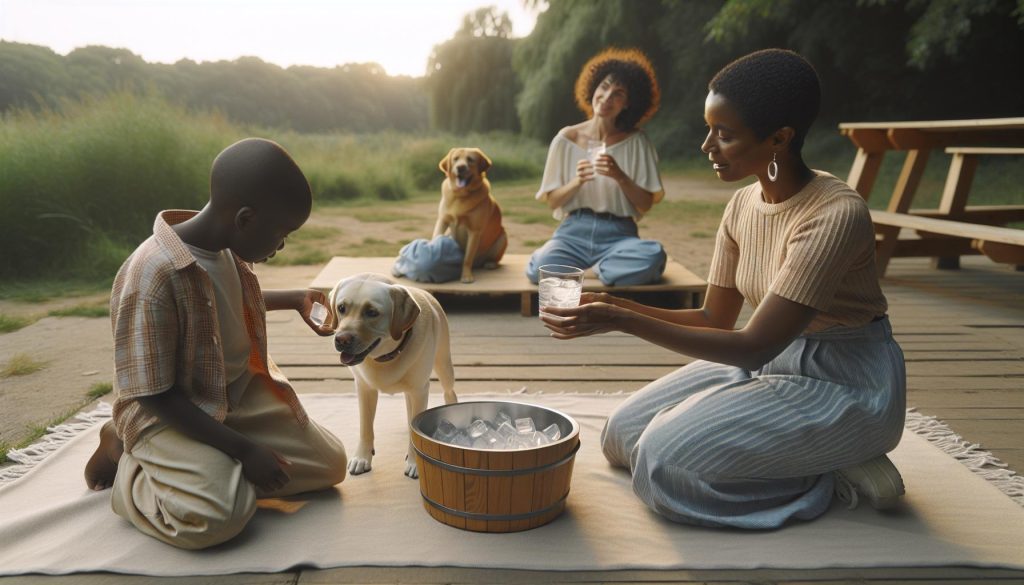
When the warm sun beats down, it’s only natural to want to offer your furry friend a refreshing drink of ice water. However, many dog owners are left wondering whether this cool treat is actually beneficial or harmful for their pets. In this article, we dive into the science and myths surrounding giving ice water to dogs, helping you make informed choices that prioritize your dog’s health and well-being. By debunking common misconceptions, we aim to ease your concerns and provide practical advice, ensuring that your beloved companion stays hydrated and happy during those hot days. So, let’s explore the facts together and discover what’s best for your four-legged family member!
Should You Give Ice Water to Dogs? Understanding the Risks
The idea of giving your dog ice water on a hot day might seem refreshing, but it’s important to understand the potential risks associated with this practice. While many dogs enjoy the sensation of cold water, rapidly giving them ice-cold water can lead to abrupt temperature changes in their bodies, which might not be all that beneficial for them. Dogs have a unique way of regulating their body temperature, and sudden exposure to cold can sometimes cause shock or digestive upset. It’s particularly concerning for breeds that are sensitive to temperature changes, such as small breeds or those with short snouts.
In addition to the risk of shock, there’s the potential for complications such as bloat, especially in large breeds. Bloat, also known as gastric torsion, is a serious condition that can occur when a dog’s stomach fills with gas and twists. While ice water alone isn’t a direct cause, consuming large volumes of water too quickly, especially if chilled, can contribute to the problem. Therefore, it’s generally advisable to provide water at a moderate temperature, allowing your dog to hydrate without overwhelming their system.
If you live in a particularly hot climate or engage in outdoor activities during summer, consider offering your dog cool-rather than ice-cold-water instead. This helps maintain hydration while minimizing any risks associated with sudden temperature changes. Additionally, ensure that your dog has access to fresh water throughout the day and encourage regular breaks in the shade to help them cool off gradually.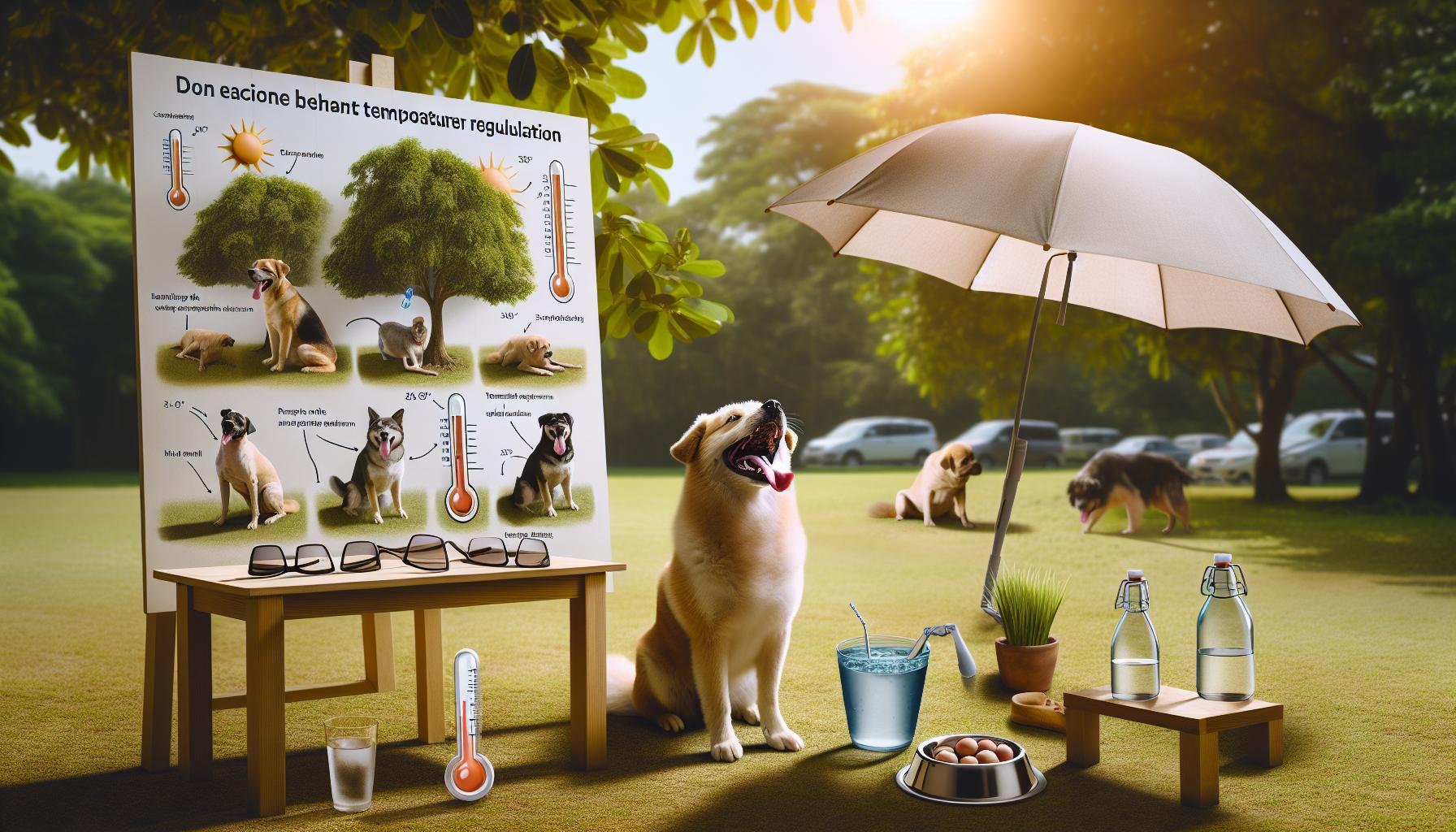
The Science Behind Dogs and Temperature Regulation
Dogs have a remarkable ability to regulate their body temperature, but their methods can differ significantly from ours. This understanding is essential when considering how best to hydrate them, especially in hot weather. Dogs primarily cool themselves through panting, which allows moisture to evaporate from their tongues and lining of their lungs. Unlike humans, who sweat through their skin, dogs rely heavily on this panting mechanism. However, this can become less effective in extreme heat or if the dog suffers from certain health issues, making hydration crucial.
When dogs drink cold or ice water, it can pose a potential challenge to their temperature regulation. Their stomachs can experience a sudden shock from the drastic temperature change, which might lead to vomiting or discomfort. For breeds that are particularly sensitive to temperature changes-like Bulldogs and Pugs, which have shorter snouts and less efficient cooling mechanisms-this risk is heightened. Thus, it’s advisable to opt for water that is cool but not ice-cold to prevent such reactions.
Here are some important considerations for effective temperature regulation in dogs:
- Hydration Frequency: Ensure your dog has multiple opportunities to drink water throughout the day, particularly after walks or play sessions.
- Water Temperature: Serve cool, not icy, water to avoid shock; room temperature is ideal during extreme heat.
- Environmental Factors: Be aware of your dog’s surroundings and adjust their hydration methods accordingly, such as providing shade during outdoor activities.
By understanding the science behind canine temperature regulation, dog owners can make informed decisions to keep their pets safe and comfortable. Always monitor your dog’s behavior and hydration habits closely-if you notice excessive panting or lethargy, it’s crucial to provide assistance and consult your veterinarian if needed.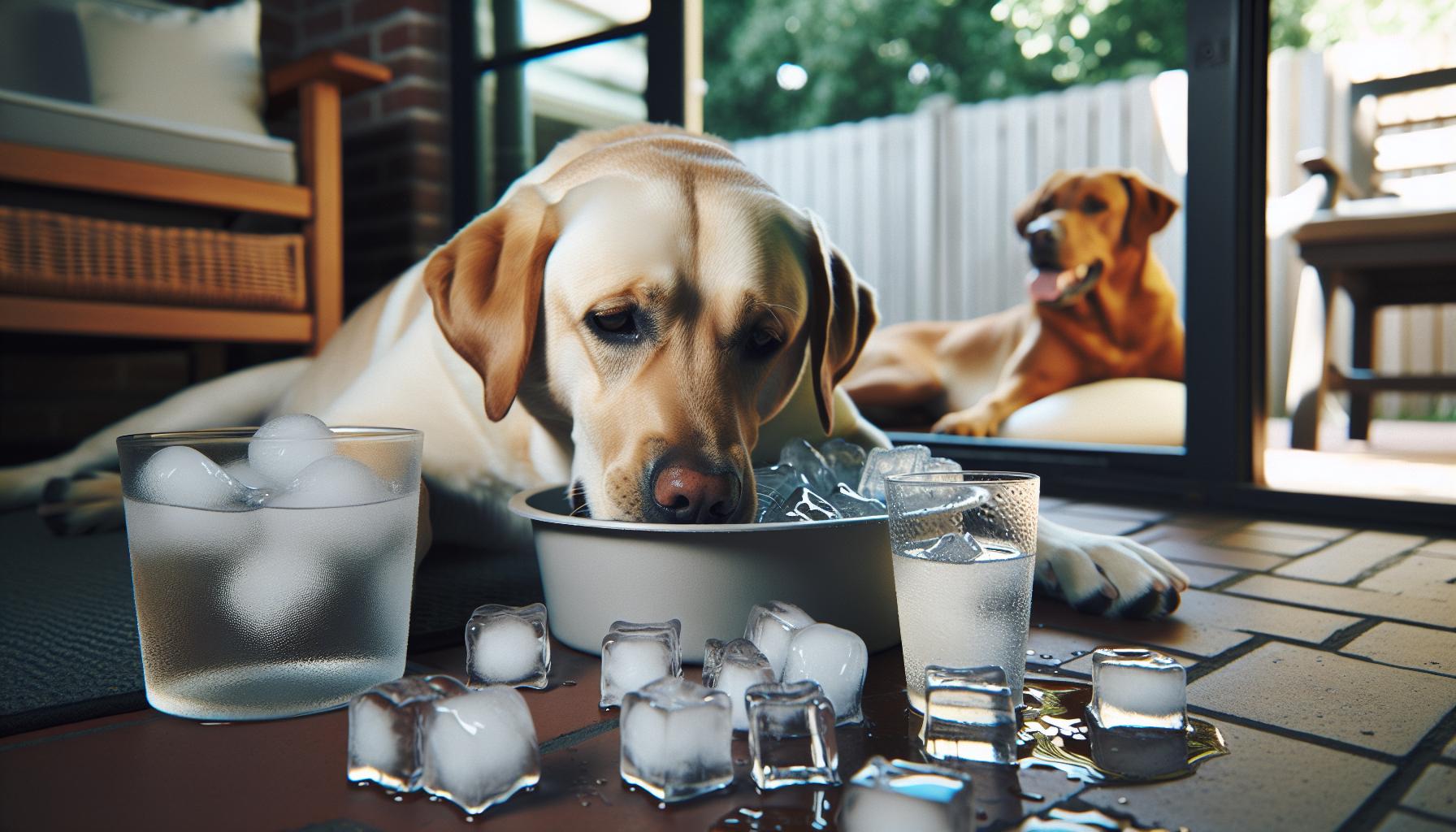
Common Myths About Ice Water and Dogs
Many dog owners worry about what effects giving cold or ice water to their pets might have, often leading to widespread myths about this practice. One common belief is that allowing a dog to drink cold water can cause serious health issues. While it’s true that dogs have different cooling mechanisms compared to humans, the idea that ice-cold water is inherently harmful is largely exaggerated. Contrary to some beliefs, most healthy dogs can enjoy a small amount of cold water without adverse effects.
Another prevalent myth is that cold water can induce bloat, a serious condition where the stomach fills with gas, fluid, or food. While it’s critical to note that bloat can be life-threatening, the myth that drinking cold water alone causes this issue lacks scientific backing. Bloat is more commonly associated with rapid eating or drinking, especially in deep-chested breeds, regardless of water temperature. It’s always good practice to supervise your dog while they drink and to encourage them to take their time.
Some owners think that giving their pets ice water will help cool them down faster. However, a temperature shock can sometimes occur, especially in breeds with shorter snouts like Bulldogs or Pugs. These breeds can struggle with efficient temperature regulation, and sudden changes can lead to discomfort or vomiting. It’s best to offer water that is cool-think slightly chilled rather than icy-so that your dog can rehydrate comfortably without shock.
Lastly, some pet parents might feel that their dogs prefer warmer water, as they instinctively know what is best. While it’s true that some dogs may have preferences, it’s essential to provide fresh, cool water regularly, especially during hot weather. Monitoring your dog’s drinking habits and preferences can go a long way in keeping them hydrated and healthy. Whether you choose to serve room temperature or cool water, consistency and fresh supply are key.
Ultimately, understanding your dog’s unique needs and preferences should guide your hydration decisions, rather than myths that often circulate. By staying informed and cautious, you can make the best choices for your furry friend’s well-being.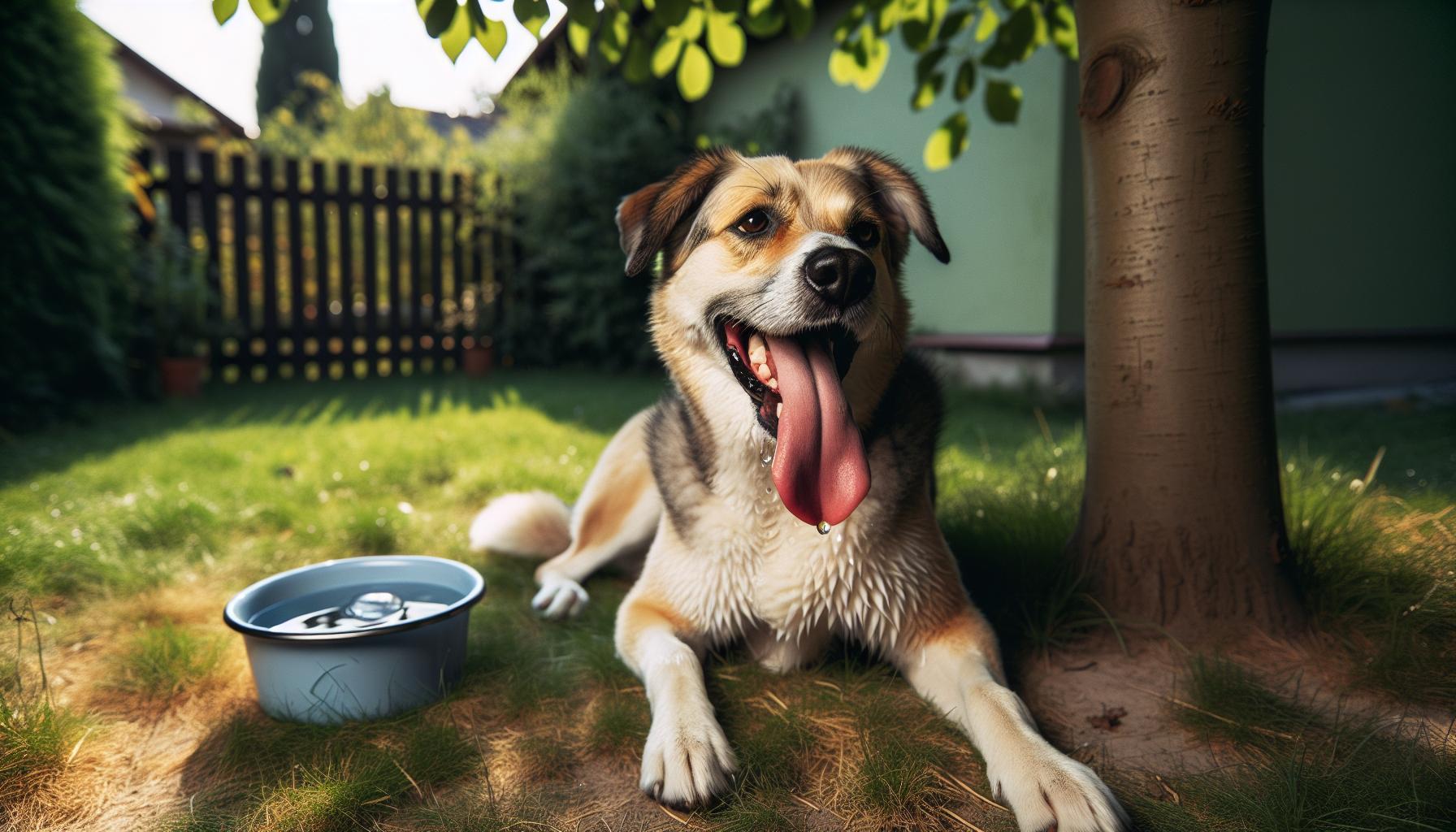
Signs Your Dog May be Too Hot or Dehydrated
It’s crucial for dog owners to recognize when their furry companions might be suffering from heat or dehydration, especially during the warmer months or after vigorous exercise. Dogs can’t regulate their body temperature as efficiently as humans do, and they rely heavily on panting and drinking water to cool off. Observing your dog’s behavior can help you identify potential signs of overheating or dehydration, ensuring you can take prompt action to protect their health.
Some key warning signs to watch for include:
- Panting and Excessive Drooling: If your dog is panting heavily or drooling more than usual, it may be struggling to cool down.
- Warm Skin: Feel your dog’s ears and the pads of their feet. If they feel hot to the touch, this could indicate overheating.
- Fatigue: If your dog is unusually lethargic or seems unwilling to engage in their favorite activities, they may be feeling the effects of heat.
- Rapid Heart Rate: An increased heart rate can signal that your dog is overheated, especially if it accompanies other symptoms.
- Dehydration: Check your dog’s gums; they should be moist and pink. If they’re dry or tacky, your dog may be dehydrated.
- Behavioral Changes: If your normally energetic dog is suddenly disinterested in play or seems restless, take note of their hydration and temperature levels.
If you notice these signs, it’s important to act quickly. Move your dog to a cooler area and offer them fresh, cool water-ideally not ice-cold, as that may shock their system. Encouraging slow, steady hydration is essential. If your dog continues to exhibit signs of distress, contacting a veterinarian should be your next step.
Being proactive about prevention is just as important. Make sure your dog has access to fresh water at all times, particularly when it’s hot outside. Offering a shaded space during outdoor activities and limiting exercise to cooler parts of the day can also help keep your furry friend safe. Remember, every dog is different; some breeds, like Bulldogs and Pugs, are more susceptible to heat-related issues due to their short snouts, while others may handle warm temperatures better. Paying attention to your dog’s unique needs and preferences will go a long way toward keeping them healthy and happy in any season.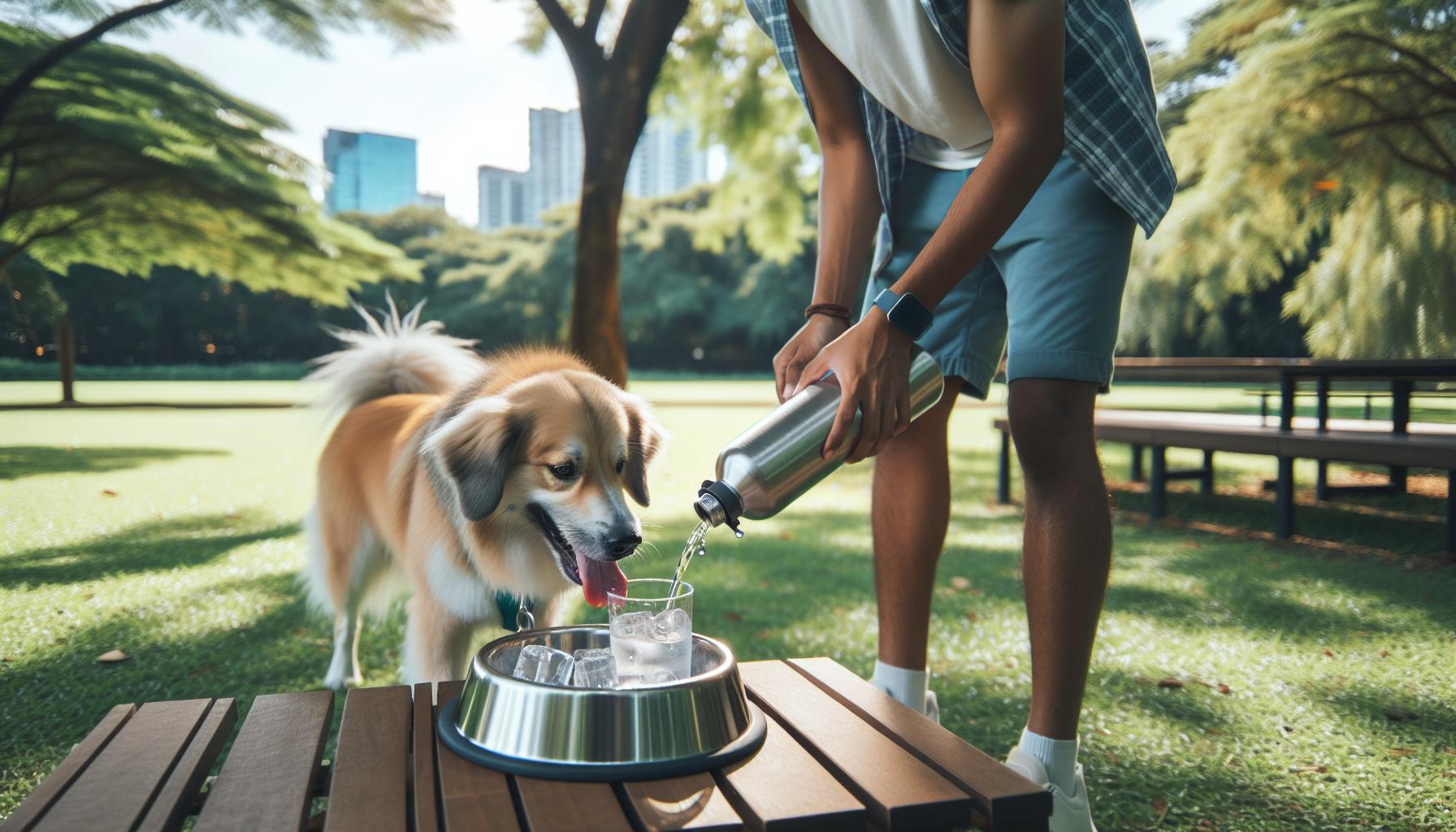
Cooling Alternatives: Safe Ways to Hydrate Your Dog
Keeping your dog hydrated is crucial, especially during hot days or after exercise. While the idea of offering ice water might be tempting, there are safer and more effective methods to ensure your furry friend stays refreshed. Instead of ice water, try the following cooling alternatives that promote proper hydration without the shock of extreme temperatures.
One great option is cool, fresh water. Offer water at a comfortable temperature, ideally slightly cooler than room temperature. You can also enhance the hydration experience by adding flavor to the water; for instance, a splash of low-sodium chicken or beef broth can entice your dog to drink more. Always check that the water bowl is clean and refill it regularly to encourage hydration.
Ice cubes can also be a fun way to cool down your dog. Instead of filling their bowl with ice water, toss in a few ice cubes for them to lick and play with. You might even freeze small pieces of their favorite fruits, like blueberries or watermelon, in the ice cubes-a delicious treat that helps hydrate! However, be mindful of small dogs as they might choke on larger pieces.
Another effective method is to provide a cooling mat. These mats are designed to lower your dog’s body temperature by absorbing and dissipating heat. Placing the mat in a shaded area encourages your dog to lie down and cool off rather than panting under the sun. Additionally, consider filling a kiddie pool with a few inches of water. Many dogs love to wade and play in water, which not only cools them down but also keeps them hydrated as they splash around.
Finally, don’t underestimate the power of wet food! If your dog eats kibble, consider mixing in some wet food or bone broth. These additions not only provide valuable hydration but also add variety to their diet, making mealtime more appealing.
By adopting these safe cooling strategies, you can ensure your dog stays hydrated and comfortable, helping them manage the heat effectively. Always observe your pup’s reactions to these changes and adjust as needed. Happy hydrating!
Breed-Specific Considerations for Giving Cold Water
When it comes to keeping our furry friends hydrated, the approach can vary significantly based on their breed. Not all dogs react the same way to cold water, and understanding these breed-specific nuances can help ensure their health and well-being. For instance, breeds with short snouts, like bulldogs and pugs, often struggle with overheating and may benefit from hydration methods that are less shocking to their systems, such as room temperature or slightly cool water. Introducing ice water could lead to gastrointestinal upset owing to their sensitive digestive systems, so it’s best to avoid it.
On the other hand, larger, more active breeds like Labrador Retrievers and German Shepherds tend to tolerate cold water better. Due to their size and higher metabolism, these dogs often enjoy the refreshing taste of cool water, especially after strenuous activities. However, it’s still important to introduce any cold water gradually. You might start with cool rather than icy water and observe their reactions. Always consider individual preferences; some dogs might simply be pickier about their hydration options.
Breed Considerations
Here’s a handy comparison of different breeds and their hydration needs regarding cold water:
| Breed | Cold Water Tolerance | Hydration Tips |
|---|---|---|
| Bulldog | Low | Offer water at room temperature, consider ice cubes for fun. |
| Labrador Retriever | High | Ice water after exercise is fine; they enjoy licking ice cubes too. |
| Pug | Low | Stick to cool or room temperature water to avoid upset. |
| German Shepherd | Moderate | Cool down with slightly chilled water; avoid very cold water after intense activity. |
When selecting hydration methods, consider your dog’s history of dehydration or heat sensitivity. Older dogs and those with pre-existing health conditions might also warrant extra caution. As a responsible pet owner, continually watch for signs of discomfort or changes in behavior after introducing any new hydration practices. Engaging with your dog during these moments can further inform you about their preferences, ultimately leading to a happier, healthier life.
How to Read Your Dog’s Water Preferences
Observing your dog’s behavior can reveal a lot about their hydration preferences. Just like people, dogs have individual likes and dislikes, especially when it comes to what they drink. The temperature of the water can significantly affect their willingness to hydrate. For instance, while some dogs might jump at the chance to lap up ice-cold water, others may turn away in disinterest. This discrepancy can often be traced back to breed-specific traits and personal experiences.
To determine your dog’s water preferences, start by experimenting with different temperatures. Offer them options: a bowl of room temperature water, slightly cool water, and even ice cubes. Watch how they react to each choice. For example, many larger breeds like Labradors may enthusiastically guzzle cold water after playtime, while smaller or brachycephalic breeds like bulldogs might prefer it warm to avoid potential stomach upset. Pay attention to their posture and body language; if they enthusiastically approach a certain water bowl, that’s a good indicator of their preference!
If your dog seems to ignore cold water altogether, it might simply be too shocking for their system. In such cases, consider mixing cool water with room temperature water to find a happy medium that encourages them to drink without discomfort. Additionally, incorporating fun elements, such as floating treats or ice cubes in the water bowl, can pique their interest, making hydration an enjoyable experience rather than a chore.
Engaging with your dog during hydration time can also provide valuable insight. Offer praise and encouragement when they drink, reinforcing positive behavior. Establishing a consistent routine around water breaks, especially after exercise or outdoor activities, will help them associate hydration with comfort and care. Ultimately, becoming attuned to your dog’s unique preferences leads not only to better hydration but also to a deeper connection between you and your beloved pet.
Things to Keep in Mind
- Observe your dog’s reactions to different water temperatures.
- Gradually introduce cold water and monitor for any signs of distress.
- Incorporate fun elements, like toys or flavors, to encourage drinking.
- Maintain a routine for hydration, especially after play or exercise.
Veterinary Insights: Expert Opinions on Cold Water
Veterinary experts emphasize that hydration is crucial for our canine companions, especially during warm weather or after exercise. Surprisingly, offering ice-cold water to dogs isn’t as universally harmful as some might think. In fact, many dogs enjoy cold water and may even prefer it after a vigorous play session or on a hot day. However, some breeds, especially those with short muzzles like bulldogs or pugs, may find very cold water uncomfortable or even distressing, leading to potential digestive upset. According to veterinarians, the key lies in the individual dog’s response.
It’s important to observe each dog’s behavior when presented with cold water. Experts recommend starting with slightly cool water before introducing ice cubes, as a sudden temperature shock may deter some dogs from drinking altogether. For puppies or more sensitive breeds, mixing room temperature water with cold can create a more comfortable experience. This cautious approach not only helps in easing them into colder temperatures but also encourages more consistent hydration habits, which is vital for their health and well-being.
Moreover, veterinarians suggest that hydration routines can be enhanced by incorporating fun elements. Adding ice cubes to water can make it more engaging, especially during playtime in hot weather. Offering flavored ice cubes made from low-sodium broth can turn hydration into a treat, making it particularly appealing. This approach not only fosters a positive association with drinking water but also helps ensure that active dogs stay hydrated throughout the day.
Ultimately, a dog’s hydration needs can vary widely based on factors such as age, activity level, and breed. By tailoring water temperature preferences to the dog’s individual needs and being attentive to any signs of discomfort, pet owners can promote healthier habits and enhance their furry friend’s quality of life. Listening to veterinary advice and observing your dog’s reactions will ensure that you find the best hydration practices for your unique companion.
Best Practices for Keeping Your Dog Hydrated
Providing your dog with consistent and appropriate hydration is essential for their health, especially in warmer weather or after vigorous play. Did you know that many dogs can develop a preference for specific water temperatures? This preference can play a significant role in how well they stay hydrated. While it might be tempting to offer ice-cold water, especially on a hot day, understanding the can help prevent discomfort and promote a lifelong habit of healthy drinking.
To ensure your dog maintains optimal hydration, consider these effective practices:
- Variety in Water Temperature: Start with slightly cool water and gradually introduce colder options. For sensitive breeds such as bulldogs or pugs, warmer water may be more comforting. Mixing room temperature with cold water can ease the transition. This not only mitigates the risk of digestive upset but encourages regular drinking.
- Frequent Water Changes: Change your dog’s water at least once a day, preferably more often, to keep it fresh and appealing. Dogs are more likely to drink when the water is clean and inviting.
- Use Fun Elements: Enhance the drinking experience by adding ice cubes or creating delightful flavored water with low-sodium broth. Many dogs find it entertaining to chew on the ice, which can increase their water intake, especially during play.
- Encourage Drinking After Play: After play sessions or exercise, offer your dog water immediately. Dogs often need to rehydrate but may not shift their focus from play to drinking. Prompting them can help instill a habit of drinking regularly.
- Monitor Their Intake: Keep an eye on how much your dog drinks. Changes in drinking habits can signal health issues, so if you notice excessive thirst or a decrease, consult a veterinarian.
Tailor Practices to Your Dog’s Needs
Individual hydration needs can vary significantly based on your dog’s size, age, breed, and activity level. Keeping a personalized hydration log can be helpful. For example:
| Breed | Recommended Water Intake | Best Water Temperature |
|---|---|---|
| Small Breeds (e.g., Chihuahua) | 1/2 to 1 ounce per pound | Cool to room temperature |
| Medium Breeds (e.g., Beagle) | 1 ounce per pound | Cool to cold |
| Large Breeds (e.g., Labrador) | 1 to 2 ounces per pound | Cold, as tolerated |
By being mindful of your dog’s specific hydration preferences and needs, you can foster a positive and proactive approach to their health. Remember that a well-hydrated dog is a happy dog, and making hydration enjoyable will go a long way in establishing this important habit!
Real Pet Owners’ Experiences with Cold Water
Many pet owners have shared their experiences regarding the use of cold water for their furry companions, revealing a spectrum of preferences and outcomes. For instance, one Labrador retriever owner found that their dog thrives on ice-cold water after intense play sessions. “After a long run at the park, he’ll eagerly drink ice water straight from the bowl,” they shared, noting improvement in his energy levels and hydration. This anecdote emphasizes how certain breeds, particularly the more active ones, might actually enjoy and benefit from colder water temperatures.
Conversely, other owners have reported mixed reactions. A Boston Terrier enthusiast mentioned that their pup avoids ice-cold water altogether, preferring it at room temperature. “At first, I didn’t think much of it, but after some research, I realized that it might be uncomfortable for her digestive system,” they explained. This perspective aligns with veterinary insights suggesting that sensitive breeds may respond better to slightly warmed water to avoid potential gastric upset.
To make hydration more appealing for dogs, several owners have turned to fun and creative ways to encourage drinking. Adding ice cubes turned out to be a hit with a Cockapoo parent, who described how their dog enjoys pawing at and chewing the ice, making drinking feel like a game. This technique not only attracts their dog’s interest but also encourages better hydration during warmer months.
Ultimately, it’s clear that understanding your dog’s unique preferences is vital. As one pet owner succinctly put it, “Every dog is different, and observing their reactions is key.” By paying attention to how your dog interacts with water-be it warm, cool, or cold-you can provide the best hydration experience tailored to their needs, ensuring they stay happy and healthy.
Hydration Tips for Active Dogs in Hot Weather
On hot days, keeping your active dog hydrated is crucial not just for comfort but for their overall health and safety. Dogs can quickly become overheated due to their furry coats and limited ability to sweat, making fluid intake essential. While many dog owners wonder about the appropriateness of giving ice water, there are practical strategies that cater to your furry friend’s hydration needs while ensuring they stay cool and energized during outdoor activities.
One effective way to encourage hydration is to offer fresh water frequently. Try to provide water breaks every 30 minutes during play or exercise. Keeping a portable water bowl on hand during outings can make it easier to offer your pup a refreshing drink. Additionally, adding ice cubes to the water bowl can make the water more enticing. Many dogs enjoy the challenge of nibbling ice, which can also gradually cool them down.
Another great option is to make use of flavored water. Adding a splash of low-sodium chicken or beef broth to the water can entice even the fussiest drinkers. For breeds prone to dehydration, like Greyhounds or elderly dogs, this can make a significant difference in their fluid intake. If your dog tends to be more sensitive to temperature changes, ensure the water is cool but not icy cold to prevent any digestive issues.
Consider also enriching your pooch’s environment with cool-down mats or shaded areas where they can relax after playing. Providing a variety of water sources, such as a kiddie pool or a sprinkler set-up, may encourage spontaneous drinking and cooling off. Always monitor your dog’s behavior closely; if they appear overly fatigued or uninterested in water, gently usher them indoors for a break.
Lastly, keep a watchful eye on both water availability and the outdoor temperature. Signs of dehydration can include excessive panting, dry gums, and lethargy. For active pups, a quick assessment can be made by pinching the skin at the back of their neck – if it doesn’t spring back quickly, it might indicate dehydration. By integrating these simple yet effective practices, you can ensure your dog stays hydrated and safe, enabling them to enjoy their summer adventures to the fullest.
Frequently asked questions
Q: Can ice water cause bloat in dogs?
A: While bloat, or gastric torsion, is a serious condition, giving ice water to dogs does not directly cause it. However, large amounts of cold water consumed quickly can contribute to digestive upset, especially in deep-chested breeds. Gradually offering cool water is safer. For more on breed-specific considerations, see our article section on this topic.
Q: Should dogs drink cold water in hot weather?
A: Yes, dogs can drink cold water in hot weather, as it helps regulate their body temperature. Ensure that the water is not ice-cold to avoid shock. Providing cool, refreshing water throughout the day is essential to keep your dog hydrated and comfortable in the heat.
Q: How does cold water affect a dog’s digestion?
A: Cold water can temporarily slow down digestion in dogs, but it is not harmful when consumed in moderation. Watch for signs of discomfort; if your dog seems unsettled, try offering room-temperature water instead. For more insights, check our section on signs of dehydration.
Q: Is it safe to give puppies ice water?
A: It’s generally safe to give puppies cool water, but avoid ice-cold water, as it may be too shocking for their developing systems. Providing water at room temperature encourages hydration without discomfort. For more about caring for puppies, refer to our section on hydration tips for active dogs.
Q: What are the benefits of providing room temperature water for dogs?
A: Room temperature water is easier on a dog’s digestive system and encourages them to drink more, especially in hot weather. It prevents temperature shock and is particularly beneficial for sensitive dogs. For alternative cooling methods, see our section on safe ways to hydrate your dog.
Q: How can I tell if my dog prefers cold or warm water?
A: Observe your dog’s drinking habits. If they consistently choose the water bowl with cooler water or show more enthusiasm when drinking cold water, they may prefer it. Experiment by gradually changing the temperature of the water offered. Check our guide on reading your dog’s water preferences for more tips.
Q: Are there any dog breeds that should avoid ice water?
A: Yes, deep-chested breeds like Great Danes and Boxers may be more susceptible to gastric issues when consuming cold water. It’s best to provide them with water at a moderate temperature to avoid any potential problems. Our breed-specific considerations section offers detailed guidance on this.
Q: What should I do if my dog refuses to drink water?
A: If your dog refuses to drink water, try offering it in various forms, such as ice cubes, flavored water, or providing fresh water in different containers. Ensure the water is clean and appealing. If the refusal persists, consult your veterinarian for further advice. Check our section on signs of dehydration for warning signs to watch for.
Key Takeaways
As we’ve debunked the myths around giving ice water to dogs, it’s clear that moderation and understanding your dog’s needs are key. Cold water isn’t harmful; in fact, it can be refreshing for your furry friend, especially after playtime or during warm weather. If you’re still unsure or have more questions about your dog’s care, consider exploring our detailed guides on hydration, optimal feeding routines, and tips for selecting the best foods for your pet’s breed.
Don’t miss out on enhancing your dog’s well-being! Sign up for our newsletter for regular tips and resources that help you nurture your loyal companion. We invite you to check out our articles on common misconceptions in dog care and best practices for keeping your pet cool during hot days. Your journey toward being the best pet parent starts here-let’s keep the conversation going! Share your experiences or ask questions in the comments below, and join our community of passionate dog lovers.