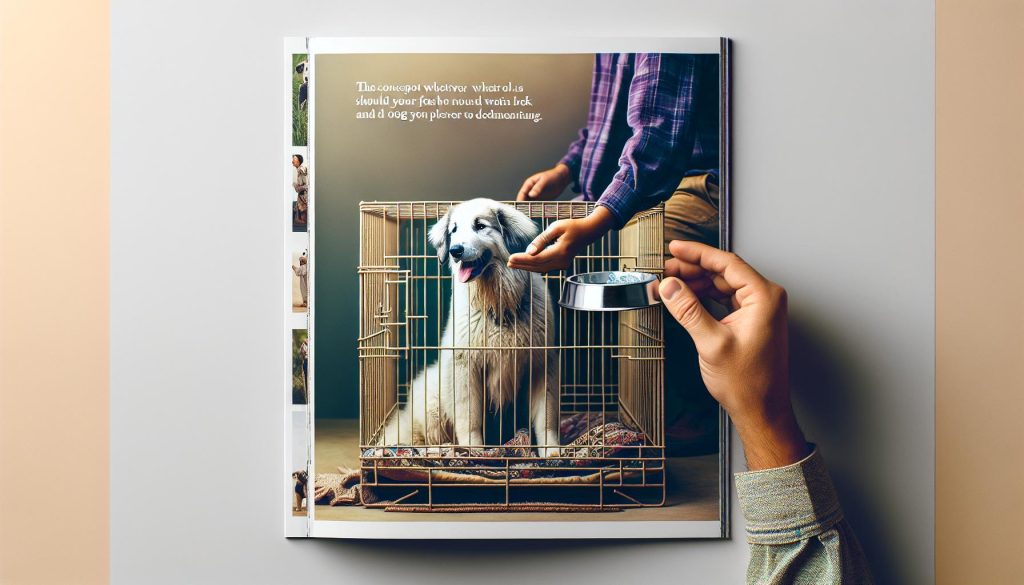
When it comes to keeping your dog comfortable and safe, hydration is essential, yet many pet owners wonder if they should put water in their dog’s crate. Did you know that offering water in a crate can both support your pup’s needs and prevent potential accidents? Understanding the best practices for hydration in a crate can help you make informed choices that cater to your dog’s well-being. Whether you’re a new dog parent or have years of experience, your dog’s hydration strategy can directly affect their comfort and health during travel or crate time. In this guide, we’ll explore the pros and cons of providing water in crates, share expert insights, and offer practical tips to ensure your furry friend stays happily hydrated. Keep reading to discover how you can create a safe and comfortable environment for your canine companion!
Should You Put Water in Your Dog’s Crate?
When it comes to your dog’s crate, the question of whether to provide water can spark a lot of debate among pet owners. While hydration is crucial for your dog’s health, water in the crate can lead to spills, messes, or even safety hazards depending on your dog’s behavior. Not all dogs feel comfortable having water in their confined space, especially if they are prone to play with or knock over the bowl.
For many dog owners, especially those new to crate training, the best practice may involve weighing the benefits of providing easy access to water against the potential downsides. For puppies or newly adopted dogs, ensuring a system of accessibility without mess becomes essential. You might consider using a heavy, non-tip water bowl to alleviate some concerns about spills, or exploring special crate water bottles designed to reduce the risk of mess while keeping your dog hydrated.
It’s important to acknowledge that each dog is unique, so observing your dog’s behavior is key. Some dogs might feel anxious or confined with a bowl in their crate, while others might love the extra comfort of having water available at all times. If you decide to add water to the crate, ensure it’s only during periods when you are monitoring them. For extended periods, it’s often better to hydrate them just before crating and immediately after, especially before bed to avoid restless nights.
Furthermore, think about your dog’s specific needs. For active breeds that require higher hydration levels, keeping water accessible might be more crucial than for smaller, less active breeds. Always remember to consult with your veterinarian about your dog’s hydration requirements, especially in unusual situations, like during travel or warm weather, which can greatly influence their needs. Making informed choices about water in your dog’s crate will support their well-being and comfort while respecting the nuances of their behavior.
Understanding Your Dog’s Hydration Needs
Ensuring your dog stays hydrated is paramount to their health and well-being, especially when they’re spending time in their crate. Dogs, much like humans, have a variety of hydration needs based on factors such as age, size, activity level, and the climate in which they live. A well-hydrated dog is often brighter, more energetic, and behaves better, meaning that keeping an eye on their water intake should be part of your daily routine.
Factors influencing your dog’s hydration needs include their diet, activity level, and environmental conditions. For example, dogs that eat dry kibble will require more water compared to those on a wet diet. Active breeds, such as working dogs or high-energy terriers, may need additional hydration, particularly after playtime or exercise. On the other hand, passive or older dogs may require less but still need regular access to fresh water to prevent dehydration.
To monitor your dog’s hydration effectively, consider these practical tips:
- Check Their Urine: A healthy dog’s urine should be light yellow. Darker urine may indicate dehydration.
- Physical Signs: Dry gums or loss of skin elasticity can signal dehydration. Gently pinch your dog’s skin; it should snap back quickly if hydrated.
- Regular Drinking Schedule: Establish a routine to remind yourself to provide them fresh water before and after crating, especially after meals and playtime.
If you’re ever uncertain about your dog’s hydration needs, do not hesitate to reach out to your veterinarian. They can offer tailored advice based on your pet’s specific circumstances and health conditions, ensuring you provide the best care for your furry friend. By understanding and addressing your dog’s hydration needs, you create a more comfortable and healthier environment, helping them thrive both in and out of the crate.
The Risks of Leaving Water in the Crate

Leaving water in your dog’s crate might seem like a simple solution to ensure hydration, but it can lead to several potential risks that every dog owner should consider. One of the primary concerns is the risk of spills. Dogs, especially those that are energetic or anxious, can easily tip or knock over their water bowl. This not only creates a mess but can also turn the crate into a wet, uncomfortable environment that can lead to stress and anxiety for your pup.
Moreover, stagnant water poses a health risk. Water left in a crate can quickly become contaminated with fur, food particles, or even fecal matter, especially if your dog has a habit of playing in their crate. This unsanitary condition increases the risk of gastrointestinal issues, as your dog may drink from this contaminated bowl. To avoid these issues, it’s essential to ensure that if water is provided, it remains clean and fresh.
Another consideration is the crate space itself. Some crates, particularly smaller ones, have limited room for a water bowl. This can force your dog into awkward positions, leading to discomfort or stress. Without enough space, your dog may feel cramped, which could hinder their ability to relax during crate time. Instead, consider providing water at specific intervals outside of the crate or using a spill-proof water bottle designed for crates.
In some cases, certain breeds might handle water in the crate better than others. For instance, breeds that are known for being more anxious, like the Chihuahua or Greyhound, may do better without a water bowl in their crate. On the other hand, larger or more relaxed breeds may be more tolerant of having water available, provided it’s managed carefully. Assess your dog’s personality and habits as you determine the best hydration solution for their crate experience.
Alternative Ways to Keep Your Dog Hydrated
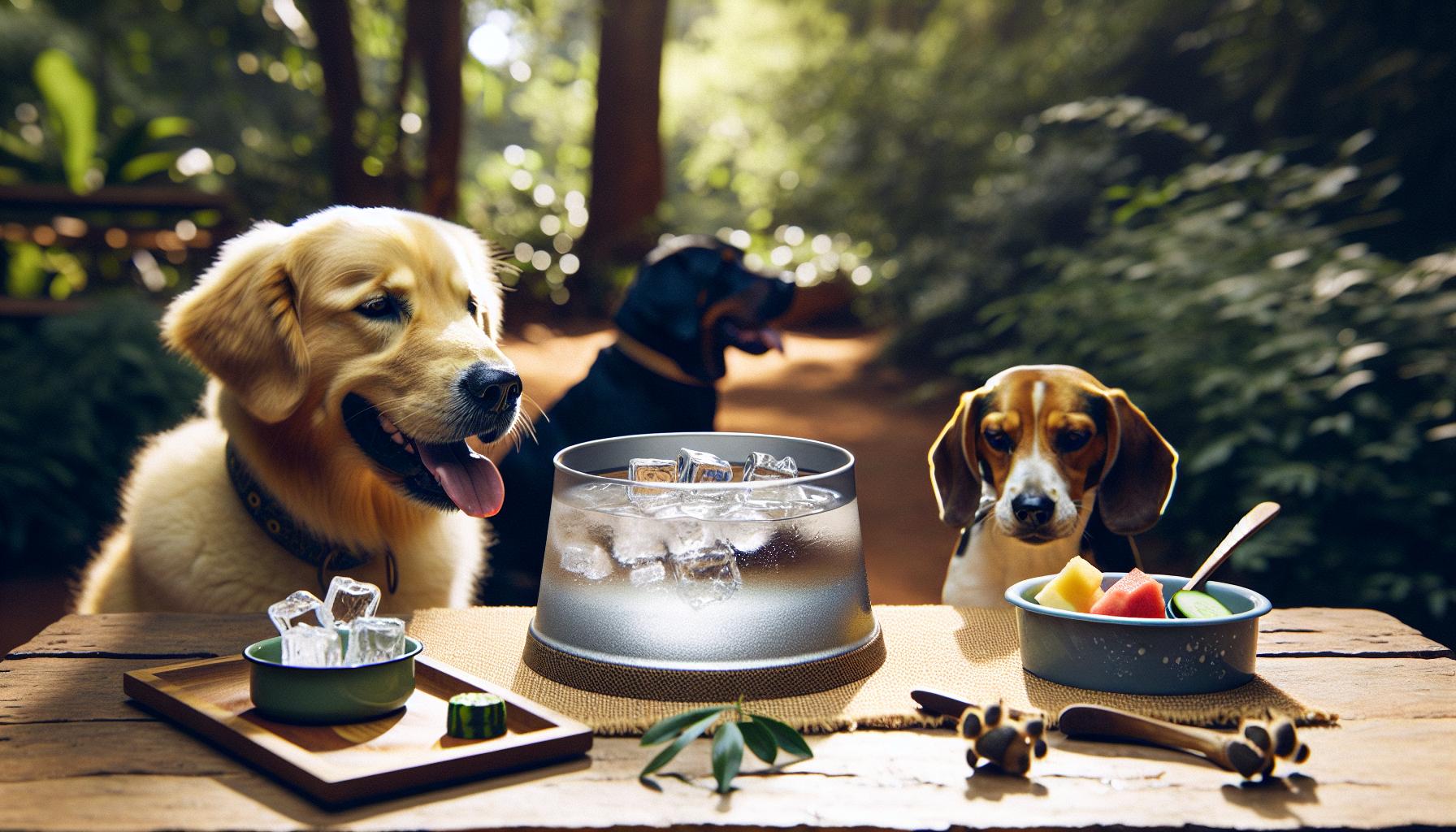
Keeping your dog adequately hydrated is crucial to their health and comfort, yet it can be a challenge, especially in crate management. Instead of relying solely on a water bowl inside the crate, consider alternative methods to ensure your furry friend has access to fresh water. One effective approach is to use a spill-proof water bottle specifically designed for crates. These bottles can be securely mounted to the crate and provide a steady supply of fresh water without the risk of spills or contamination.
Another option is to provide water outside the crate at regular intervals. Establish a routine during which you allow your dog to hydrate before or after crating sessions. This is particularly effective for high-energy breeds, as they often need more frequent breaks to rehydrate. For example, you could incorporate water breaks into your dog’s playtime or after walks to ensure they are drinking enough throughout the day.
Additionally, consider wet food or water-rich treats as part of your dog’s diet. Incorporating foods such as canned dog food or even some fruits and vegetables like watermelon or cucumbers can increase their overall water intake. Not only does this add hydration, but it also makes mealtime more enjoyable for your pup. If you’re unsure about incorporating these treats, consult with your veterinarian for recommendations tailored to your dog’s specific needs.
Ultimately, being proactive about your dog’s hydration can greatly improve their comfort and well-being. By understanding your dog’s unique behavior and needs, you can create a tailored hydration plan that works for both your pup and your lifestyle. Remember, staying attentive to their hydration will lead to a happier, healthier dog!
How to Choose the Right Crate for Hydration

Choosing a crate that meets your dog’s hydration needs can make a significant difference in ensuring their comfort and health while crated. The right crate should not only provide a safe and secure space for your dog but also facilitate hydration in a practical, mess-free way. To start with, consider the size of your crate; it should be spacious enough for your dog to stand and turn around comfortably, but not so large that they feel insecure. A snug fit allows them to feel safe while encouraging them to drink when water is provided.
When selecting a crate, look for features that promote easy hydration. Spill-proof water bottles designed for crates can be an excellent choice, as they keep the water contained and prevent messes. These bottles usually attach securely to the side of the crate and dispense water as your dog drinks, ensuring they have continuous access without the risk of tipping over a bowl. Some crates come with integrated water dishes or have a place designed for removable dishes, making it easier to provide fresh water.
Additionally, think about the material and construction of the crate. Plastic crates tend to be easier to clean and maintain than metal ones, especially if spills occur. If you choose a metal crate, consider using a water-tight liner to contain any spills and keep the crate dry. Another innovative option is a crate with built-in cooling features; these can help maintain an appropriate temperature for your dog, especially in warmer climates, and can indirectly encourage them to stay refreshed and hydrated.
Lastly, take into account your dog’s specific breed needs. High-energy breeds may require more frequent access to water, while older dogs or those with health concerns might need a steady supply without a mess. Tailoring the hydration setup to their unique needs not only promotes their well-being but also makes the crate a comfortable space they feel secure in. By thoughtfully choosing the right crate, you’re ensuring that hydration is one less thing for you to worry about while providing a cozy refuge for your furry friend.
Hydration Solutions for Different Dog Breeds
It’s crucial to understand that different dog breeds have unique hydration needs, influenced by their size, activity level, and overall health. For instance, a high-energy dog like a Border Collie will require more frequent access to water compared to a more sedentary breed like a Bulldog. Recognizing these differences can help you develop effective hydration solutions tailored to your dog’s specific requirements.
Hydration by Breed Type
- Large Breeds (e.g., Labrador Retriever, Great Dane): These dogs need ample hydration, especially after exercise. A spill-proof water bottle attached to the side of the crate can ensure they have access without creating a mess.
- Small Breeds (e.g., Chihuahua, Pomeranian): Small dogs typically drink less water, but they can also become dehydrated quickly. Consider using a water dish that’s easy for them to drink from, ensuring it’s low and stable to prevent spills.
- Active Breeds (e.g., Border Collie, Australian Shepherd): High-energy dogs may require more frequent water breaks, particularly during playtime. Using a crate designed with a built-in water bowl or a leash to allow quick access to water can help keep them hydrated.
- Senior Dogs (irrespective of breed): Older dogs often have lower hydration needs but may need more consistent access to water due to potential health issues. A stable, accessible system for hydration helps prevent dehydration without the risks of spills.
Practical Hydration Tips
While tackling hydration, remember to offer water on a schedule, especially if your dog is crated for long periods. For instance:
- For Puppies: Ensure they have access to water throughout the day, but limit water intake right before crating to help with accidents.
- For Senior Dogs: Regularly check for signs of dehydration such as dry gums or lethargy; they may need more water throughout the day.
In addition to basic hydration requirements, always observe your dog’s behavior and make adjustments as necessary. A dog that is more active will need immediate access to fresh water after exercise. Furthermore, external conditions like heat or humidity can significantly alter hydration needs, so it’s essential to stay vigilant about these factors.
Incorporating these breed-specific hydration strategies not only meets your dog’s physical needs but also enhances their overall comfort and well-being in their crate. Ensuring that your dog’s crate is an inviting space reflects your commitment to their happiness and health.
Creating a Comfortable Crate Environment
Creating a peaceful retreat for your dog in their crate can significantly influence their comfort and hydration. A well-thought-out crate environment not only alleviates anxiety but also ensures that your dog remains hydrated during their rest periods. Remember, a crate isn’t just a tool for confinement-it’s your dog’s own personal sanctuary. To make this space inviting, consider incorporating a cozy blanket or bed that suits their size and comfort preferences. This softness can help them associate their crate with safety and relaxation, which in turn encourages better hydration habits.
It’s also important to consider temperature regulation. Dogs are extremely sensitive to heat and cold, so placing their crate away from direct sunlight or drafts helps maintain a comfortable temperature. For added comfort, you might set up a fan for circulation during warmer months or a heater in colder seasons. A stable environment helps reduce stress, which can positively impact their overall hydration needs. Ensuring that they feel safe can encourage them to drink more water consistently, as a relaxed dog is more likely to take sips as needed.
Another useful tip is to integrate a routine for crate time that includes regular hydration breaks. Use a spill-proof water bowl or bottle attached to the crate to make it easier for them to access water without mess, particularly for longer periods away from home. Establish a habit of offering water before crating and after they wake, reinforcing the idea that their crate is a safe and welcoming space for body and mind. Additionally, keeping a close eye on their behavior will help you detect any changes in hydration levels; if they seem lethargic or uninterested in water, it may be time to reevaluate their crate setup or hydration routine.
Overall, nurturing a comfortable crate environment is about more than just convenience; it’s also about making your dog feel cared for and secure. The balance of comfort, safety, and regular access to water plays a crucial role in your dog’s health and happiness, leading to better hydration habits over time.
Signs Your Dog Needs More Water
Recognizing when your dog needs more water is crucial to maintaining their health and well-being. Dogs, like humans, require adequate hydration to support vital bodily functions, and sometimes the signs of dehydration can be subtle yet critical. If you notice your furry friend acting unusually, it could be a signal that it’s time to assess their water intake.
Some common signs that indicate your dog might need more water include:
- Decreased Energy Levels: If your dog seems lethargic or less enthusiastic about activities they typically enjoy, this may suggest they are not adequately hydrated.
- Dry Mouth or Gums: A quick check of your dog’s mouth can reveal signs of dehydration. If their gums feel dry or tacky rather than moist, it’s an important cue.
- Reduced Appetite: If your dog is less interested in food or avoids eating altogether, dehydration could be a factor impacting their appetite.
- Changes in Urination: Monitoring how often your dog is urinating can help you gauge their hydration. If they are urinating less frequently or the urine appears concentrated and darker, they may be dehydrated.
- Skin Elasticity: A simple test can be performed by gently pulling up on the skin at the back of their neck. If it doesn’t quickly return to normal, it’s a sign your dog may need more fluids.
In addition to these physical signs, behavioral changes can also indicate the necessity for more water. For instance, if your dog seeks out water more frequently or appears to be panting without physical exertion, it’s essential to ensure they have access to clean, fresh water at all times. Keeping your dog’s crate equipped with a spill-proof water bowl can facilitate easy access, especially during warmer weather or lengthy periods when they are away from you.
Ultimately, being attuned to these signs allows proactive steps to be taken in ensuring your dog stays properly hydrated, contributing to their overall health and happiness.
Tips for Travel: Keeping Your Dog Hydrated
Traveling with your dog can be a delightful adventure, bringing you closer together and creating lasting memories. However, ensuring your furry friend remains hydrated throughout the journey is crucial for their health and well-being. On hot days or long trips, dogs are at risk of dehydration, which can lead to serious health issues. With a little planning, you can keep your pup hydrated and comfortable on the road.
Start by bringing plenty of fresh water and a portable water bowl. Collapsible travel bowls are particularly handy, as they take up little space and are easy to use. Regular breaks every couple of hours offer not just an opportunity for bathroom stops but also a chance to hydrate. Remember that dogs, especially larger breeds or those with thick coats, can sweat through their pads, so it’s vital to offer them water frequently, even if they don’t seem thirsty.
If your journey involves long stretches in a car crate, consider adding a spill-proof water dispenser designed for pet crates. These devices can provide a continuous flow of water without the risk of creating a mess. Make sure your dog is accustomed to using it before hitting the road to ensure they can hydrate easily when needed. Additionally, during summer trips, opt for timing your travel to cooler parts of the day and always keep your car well-ventilated.
Whenever you stop, make it a habit to check your dog’s hydration status. Look for signs of dehydration such as dry gums or excessive panting, and encourage them to drink during those pit stops. Remember, properly hydrating your dog not only supports their health during travels but can also make the experience more enjoyable for both of you. A well-hydrated dog is happier, more energetic, and ready to explore new places with you!
Best Practices for Overnight Crating
Ensuring your dog is comfortable and well-hydrated while crated overnight is essential for their overall health and well-being. Many pet owners face the dilemma of whether to provide water in the crate during these extended periods. The answer often depends on several factors, including your dog’s individual needs, the crate’s design, and the length of time they will be crated.
One effective approach is to establish a routine that supports your dog’s hydration without creating a mess in the crate. Try to ensure your dog drinks plenty of water before settling down for the night. You can also feed your dog earlier in the evening, as hydration needs can vary based on their diet-some dry foods can be high in sodium, making your pup thirstier. A quick bathroom break right before crating can be beneficial, allowing them to relieve themselves and get comfortable without the worry of needing to go during the night.
Consider using a spill-proof water bowl specifically designed for crates. These bowls can help minimize spills while providing a constant source of hydration. However, it is crucial to monitor your dog’s chewing habits; if you’re crating a puppy or an enthusiastic chewer, a water bottle attached to the crate may be a safer option. Many dogs quickly learn how to use these, making it easier for them to hydrate without needing a full bowl that may end up splashed everywhere.
Lastly, keep an eye out for signs of dehydration. Even during the night, you can check your dog’s hydration levels by gently feeling their gums. If they appear dry or sticky, your dog may need more water. Additionally, observe their behavior when they wake up in the morning; if they’re unusually lethargic or seem to have difficulty moving around, it might be a sign that they need more opportunities to hydrate. Overall, the goal is to create a balance between hydration and a clutter-free environment in the crate, ensuring your furry friend rests comfortably throughout the night.
Addressing Common Concerns About Crate Use
To ease the minds of dog owners who are anxious about crate use, it’s essential to recognize that crates can be an excellent tool for both safety and comfort when used properly. However, several common concerns often arise about their implications, particularly regarding hydration and overall well-being. Many owners worry that crating their dog for extended periods might lead to stress or dehydration, while others fear that their pup might associate the crate with negative experiences. Understanding how to address these concerns can significantly improve both the dog’s crate experience and the owner’s peace of mind.
One of the most frequently cited worries is that a dog left in a crate without water for too long could potentially become dehydrated. This is a valid concern; however, it can be managed effectively with careful planning. It’s beneficial to set a routine that includes frequent breaks for your dog to relieve itself and hydrate. A good approach is to ensure your dog has ample access to water before being crated. Additionally, using a spill-proof bowl or a specially designed water bottle attached to the crate can provide a continuous water source that minimizes mess while keeping your dog hydrated.
Another concern revolves around the idea that crating may create anxiety or stress for the dog. While it’s important to allow your pet to feel safe and comfortable in their crate, introducing the crate gradually can help mitigate this anxiety. Utilize positive reinforcement techniques, such as treats and praise, to encourage your dog to view the crate as a cozy den rather than a place of isolation. Making the crate an inviting space with their favorite blanket or toys can also promote positive associations.
Lastly, staying observant of your dog’s behavior can help you identify if they need more water or restroom breaks. Look for signs such as excessive panting, lethargy, or restlessness, which may indicate dehydration or discomfort. Regular check-ins during crating times, whether you’re at home or on the go, can give you insights into your dog’s needs and help create a supportive environment that emphasizes health and happiness. By proactively addressing these common concerns, you can ensure that crate time is a safe and enjoyable experience for your furry friend.
Consulting a Veterinarian: When to Seek Advice
Consulting your veterinarian is an essential step in ensuring your dog’s health and comfort, especially when it comes to hydration and crate use. It’s not uncommon for dog owners to have lingering questions or concerns about their pet’s needs, particularly regarding water intake while crated. If you’re ever uncertain about the right amount of water your dog should have or if crating practices might be affecting their hydration, an open line of communication with your vet can be invaluable.
Your veterinarian can provide personalized guidance based on your dog’s specific breed, age, and health condition. For instance, puppies and senior dogs may have different hydration requirements, and certain breeds can be more sensitive to dehydration than others. If you notice signs of distress in your dog, like excessive panting or fatigue, it’s crucial to consult your vet promptly. They can help determine whether these symptoms might be linked to insufficient hydration or if there might be underlying health issues that need attention.
Moreover, if you’re considering using specialized hydration solutions for travel or long crating periods-like spill-proof water bowls or attached water bottles-your vet can recommend the best options suited for your dog’s particular needs. They might also guide you on developing a hydration routine that accommodates your lifestyle without compromising your pet’s health. The advice of a veterinarian can put your mind at ease, ensuring you’re making informed choices for your furry friend’s well-being.
Remember, creating a supportive environment for your dog is not just about crating and hydration-it’s also about knowing when to seek professional advice. If you’re ever in doubt about your dog’s hydration needs or their behavior while crated, don’t hesitate to reach out to your vet. Their expertise can help you navigate these concerns effectively, ensuring your dog remains happy and hydrated.
Frequently Asked Questions
Q: Should I put water in my dog’s crate during the day?
A: It’s generally not recommended to leave water in your dog’s crate all day, as it can lead to spills and create a mess. Instead, ensure your dog has access to fresh water outside of the crate and let them out regularly to hydrate. For longer periods, consider using a spill-proof water bowl.
Q: How long can a dog safely go without water in a crate?
A: Dogs should not go more than a few hours without water, especially in warm weather or during exercise. If crated for extended periods, ensure they have access to water before and after crating sessions. Refer to our section on “Hydration Needs” for detailed guidelines.
Q: What type of water bowl is best for a crate?
A: A spill-proof or crate-mounted water bowl is best for crates. These options reduce the chance of mess while ensuring your dog stays hydrated. Look for bowls with attachments designed for crates, allowing for easy access while minimizing spills.
Q: Can I use ice cubes instead of water in a crate?
A: Ice cubes can be a good option for keeping your dog cool during hot weather, but ensure that your dog can safely chew them. Use them alongside water sources to prevent dehydration, especially if crate time is extended.
Q: Should I consult my vet about my dog’s hydration needs?
A: Yes, consulting your veterinarian is advisable, especially if your dog has specific health concerns or conditions that affect hydration. They can provide tailored advice based on your dog’s age, weight, and breed.
Q: How can I tell if my dog is dehydrated in their crate?
A: Signs of dehydration include dry gums, lethargy, and lack of skin elasticity. If your dog shows any concerning symptoms, consult a veterinarian immediately. Regularly assess your dog’s hydration to ensure they remain healthy and comfortable.
Q: What if my dog refuses to drink water in their crate?
A: If your dog avoids drinking in their crate, try enticing them with fresh water or adding a splash of low-sodium broth. Gradually acclimate them to the crate with positive reinforcement. See our section on “Creating a Comfortable Crate Environment” for more tips.
Q: Is it safe to leave my dog alone in the crate overnight without water?
A: Leaving water in the crate overnight can be risky due to spills, but if your dog is crate-trained and stays there for shorter periods, it’s typically acceptable. Ensure they are well-hydrated before bedtime. For significant overnight crating, evaluate your dog’s needs carefully.
These FAQs aim to provide clear and concise answers, promoting practical advice while encouraging pet owners to ensure proper hydration levels for their dogs. For more tips, explore our sections dedicated to hydration and crate comfort.
In Retrospect
In summary, ensuring your dog stays hydrated while crated is essential for their health and comfort. Remember that factors like the duration of crating and your dog’s specific needs play a significant role in determining whether to offer water. If you have concerns about water spilling or encouraging accidents, consider alternatives like spill-proof bowls or timed hydration routines.
Take action today by checking out our detailed guides on crate training fundamentals and dog enrichment methods to enhance your pup’s experience! If you have any questions or insights, feel free to share them in the comments below. Don’t miss out on more tips-sign up for our newsletter for expert advice delivered straight to your inbox, and explore related articles to become the best pet owner you can be. Your furry friend deserves the best, and staying informed is a crucial step in providing that care!