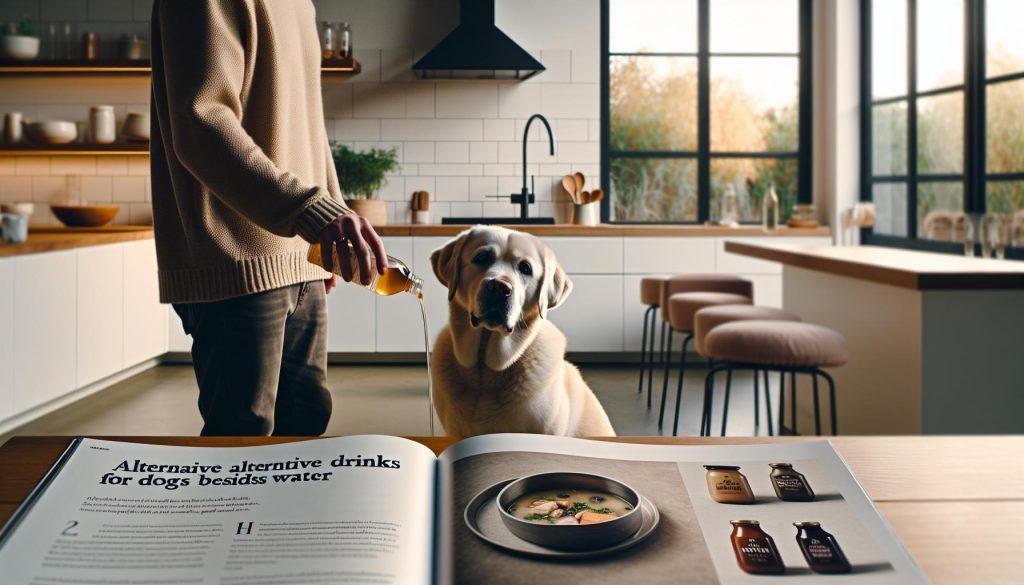
Did you know that keeping your dog hydrated doesn’t just mean providing water? Many pet owners may not realize that a variety of alternative drinks can help boost hydration while adding flavor and excitement to their dog’s routine. With warmer weather or an active lifestyle, ensuring your furry friend stays properly hydrated can significantly impact their health and happiness. In this article, we’ll explore seven vet-approved options beyond plain water, catering to both your dog’s taste buds and their nutritional needs. Whether you’re managing a picky eater or simply want to mix things up, these alternatives can provide valuable health benefits and keep your pup refreshed. Join us as we dive into these delightful drinks that can enhance your dog’s well-being!
What Other Drinks Are Safe for Dogs?
When it comes to keeping our furry friends hydrated, water is the gold standard, but there are some delightful alternatives that can add a little zest to their routine! Many dog owners often wonder what else they can offer besides plain water. Luckily, there are several tasty and safe options that your dog might enjoy.
One popular choice is unsalted bone broth. This savory liquid is not only appealing to dogs but also offers a plethora of nutrients. It’s typically rich in minerals such as calcium and magnesium, which can contribute to joint and bone health. Just make sure to choose a broth free from onions and garlic, as these can be harmful to dogs. Another fantastic option is caffeine-free herbal tea, which can be soothing and hydrating. Flavors like chamomile or peppermint can be delightful, but ensure that they don’t contain any additives or sweeteners.
Coconut water stands out as an excellent alternative too. It’s packed with electrolytes and can be a refreshing treat for active dogs, especially in warm weather. Just be cautious with portion sizes, as too much can lead to stomach upset. For a fun or celebratory occasion, you might consider serving an alcohol-free dog beer or energy brew. These beverages are specifically designed for canine consumption, offering flavors that dogs love without any harmful ingredients.
Lastly, you can make homemade options like fruit or vegetable juices, ensuring they are devoid of any added sugars. Just remember to dilute them to prevent excessive sugar intake, as moderation is key. By introducing these alternatives thoughtfully, you can keep your dog hydrated in fun and varied ways!
Benefits of Alternative Dog Beverages
Offering your canine companion alternatives to water can provide not only hydration but also extra flavor and nutrition that can enhance their overall health. Just like humans, dogs can enjoy a variety of beverages that offer benefits beyond simple hydration. Incorporating these alternatives into your dog’s routine can elevate their mealtime experience and even contribute to their wellness in delightful ways.
Increased Hydration: While water is essential, many dogs, especially those who are picky drinkers, may not consume enough of it. By providing options like coconut water or herbal tea, you’re encouraging them to hydrate more effectively. Coconut water, rich in electrolytes, can help replenish lost fluids after exercise or on hotter days, making it an excellent choice for active dogs.
Enhanced Nutritional Benefits: Some alternative drinks are packed with nutrients that can support your dog’s health. For instance, bone broth is not only tasty but also packed with minerals that promote joint health and digestion. It’s ideal for older dogs or those with specific dietary needs, providing both hydration and nutrition in a soothing format. Herbal teas can also convey antioxidants, offering another dimension of health benefits.
Enjoyment and Enrichment: Dogs thrive on variety, and introducing new flavors can stimulate their palate and make mealtime more exciting. Imagine their delight when you serve a refreshing bowl of herbal tea or a special dog-friendly brew during a hot day! This can also be great for bonding time, as you can create moments of joy for both of you while reinforcing good hydration habits.
Homemade Options: Making beverages at home allows you to control the ingredients and tailor them to fit your dog’s tastes. Simple fruit-infused water can give a refreshing twist without added sugars, while blending vegetables into a savory drink can be a nutritious snack. This not only ensures your dog is consuming healthy options but also can help prevent dietary sensitivities to commercial products.
By thoughtfully integrating these alternative drinks into your dog’s routine, you ensure they stay happy, healthy, and well-hydrated!
Fruits and Vegetables Dogs Can Enjoy
Providing your dog with fruits and vegetables not only adds variety to their diet but can also enhance their hydration, especially when incorporated into creative drink options. Many fruits and veggies are safe for dogs and can offer both flavor and health benefits, making them excellent additions to your dog’s beverage routine. As a dedicated pet owner, you can boost your pup’s nutritional intake while treating them to some delicious flavors they’ll love.
Fruits like apples, watermelon, and blueberries are packed with vitamins and antioxidants that can aid your dog’s overall health. You can blend these fruits into smoothies or freeze them into ice cubes for a refreshing treat on hot days. Vegetables such as carrots and cucumbers can also be blended into savory drinks, providing hydration along with essential nutrients. For example, carrots are known to improve vision and provide fiber, while cucumbers are low in calories and high in water content, making them perfect for keeping your dog hydrated.
To keep it fun and engaging, consider rotating the fruits and veggies you offer. This not only helps in keeping mealtime exciting but also introduces a variety of nutrients to your dog’s diet. Just make sure to prepare them appropriately-remove seeds and cores, and chop them into manageable pieces-or mash them for small breeds. Remember, while many fruits and vegetables are safe, some can be harmful. Always do your research and consult with your veterinarian to ensure the selections are beneficial for your dog’s unique dietary needs.
Incorporating fruits and vegetables into your dog’s drink options is a wonderful way to enhance their diet. Not only does this practice contribute to improved hydration and nutritional benefits, but it also creates enjoyable and delectable experiences for your furry friend. So next time you’re sipping your smoothie, consider blending some dog-friendly ingredients that your canine companion can enjoy too!
Is Dog-Friendly Broth a Good Option?
A warm, savory bowl of broth can be an enticing alternative for our furry companions, especially when they might be reluctant to drink plain water. Dog-friendly broth made from safe, wholesome ingredients can offer hydration and a flavorful treat that many dogs adore. This nutrient-rich liquid is not just tasty; it also provides essential vitamins and minerals that can support your dog’s overall health. It’s an excellent option for picky eaters, post-surgery recovery, or anytime your furry friend needs a little extra encouragement to hydrate.
When considering broth for your dog, opt for homemade versions using dog-safe ingredients. You can easily make broth by simmering meat (like chicken or beef) or vegetables (like carrots and celery) in water, with no added salts, onions, or garlic-ingredients that can be harmful to dogs. Allow the mixture to cool and strain it before serving, ensuring that it’s safe and delicious for your pup. Many pet owners use broth as a base for hydration during hot weather or as a tempting topper on dry kibble to increase palatability, enhancing both hydration and enjoyment at mealtime.
In addition to being a tasty drink, dog-friendly broths can have specific health benefits. For example, bone broth is rich in glucosamine and chondroitin, which may help support joint health in senior dogs and active breeds. Similarly, pumpkin or sweet potato broth can provide fiber, aiding in digestion. When introducing broth into your dog’s diet, start with a small amount to see how they react, and always consider any dietary restrictions they may have.
Ultimately, incorporating broth as an option for hydration can be a nourishing, tasty supplement to your dog’s diet-turning hydration into an enjoyable experience while supporting their nutritional needs. Whether enjoyed on its own or used creatively in meals, dog-friendly broth is undoubtedly a win-win for both pet owners and their beloved companions.
How to Prepare Homemade Dog Drinks
Did you know that dogs can enjoy a variety of flavorful beverages beyond plain water? Homemade dog drinks can be a delightful way to keep your furry friend hydrated and entertained, especially on hot days or during special occasions. Here’s a practical guide to creating tasty dog-friendly drinks that are not only safe but can also provide nutritional benefits.
To kick off your homemade drink-making journey, consider easy recipes that incorporate ingredients already in your kitchen. For a refreshing twist, try making a fruit smoothie for dogs. Simply blend together dog-safe fruits like bananas, blueberries, or watermelon (without the seeds) with plain yogurt or coconut milk. This blend not only tastes great but also packs a nutritious punch. Pour it into ice cube trays and freeze for a cool treat your pup will love on a warm day.
Another fantastic option is herbal tea, which can be served iced. Brew caffeine-free herbal teas such as chamomile or peppermint and allow the tea to cool. Herbal teas can help soothe your dog’s stomach and may have calming effects, making them an excellent choice for anxious pups. Just be sure to check that the herbs used are safe for canines and serve them without additives like sweeteners or citrus zests.
Bone broth is a classic favorite and super easy to prepare. Simply simmer bones (chicken or beef) with water and dog-friendly vegetables such as carrots or celery for several hours, allowing all the nutrients to seep into the liquid. Strain the broth, let it cool, and serve it on its own or as an enticing addition to your dog’s kibble. Not only does bone broth enhance flavor, but it provides essential amino acids and minerals beneficial for joint and gut health.
For some real creative fun, why not whip up some “pup-tails”? Combine blended fruits and yogurt, then mix in a small dollop of peanut butter. Pour this mixture into glasses (or your pup’s favorite dish) for a special treat during your next summer barbeque or birthday celebration for your canine companion. Just remember, moderation is key-these drinks should complement a balanced diet, not replace water as the primary hydration source.
Making homemade dog drinks not only offers your pet delicious flavors and textures but also strengthens the bond you share through the joy of preparing treats just for them. As you embark on this refreshing adventure, always keep an eye on ingredient safety, and tailor the recipes to meet your dog’s specific dietary needs or preferences. Your furry friend will be wagging their tail in appreciation!
Risks of Sugary and Caffeinated Beverages
While it may be tempting to share sweetened drinks or caffeinated beverages with your furry friend, it’s crucial to recognize the significant risks these options pose. Dogs metabolize substances differently than humans, and sugar and caffeine can lead to serious health issues. For instance, sugary beverages can contribute to obesity, diabetes, and dental problems, not to mention the sugar crash that follows which may leave your dog lethargic and unwell.
Caffeinated drinks, including coffee, tea, and certain sodas, can be even more dangerous. Caffeine is a stimulant that affects dogs similarly to how it affects humans, but they are far more sensitive to its effects. Just a small amount of caffeine can cause restlessness, rapid breathing, heart palpitations, muscle tremors, and even seizures in severe cases. The ASPCA has flagged caffeine as toxic to dogs, which is a compelling reason to keep any caffeinated beverages far from their reach.
When it comes to flavored drinks designed for humans, it’s essential to read labels carefully. Many beverages contained sweeteners like xylitol, which is highly toxic to dogs. Consuming even tiny amounts can lead to hypoglycemia, seizures, and liver failure, making it crucial to stick to beverages that are specifically formulated for dogs or natural options like water, bone broth, and certain homemade beverages.
In summary, while sharing your favorite drink might feel like a gesture of love, opting for safe alternatives ensures your dog’s health and well-being. Always prioritize their nutritional needs and consult with your veterinarian if you’re unsure about what drinks are safe for your pet. Your pup’s health is worth it!
Hydration Tips for Active Dogs
Keeping your active dog properly hydrated is essential for their health, performance, and overall enjoyment of playtime or outdoor adventures. Did you know that dogs can lose significant amounts of moisture during vigorous exercise, especially on warm days? To help ensure your furry friend stays hydrated, consider incorporating some practical tips and options other than just water.
First, always have fresh water available, especially if your dog engages in activities like hiking, running, or playing fetch. But if your pup is picky about drinking water or is frequently on the go, adding some variety can be a great way to encourage hydration. Alternatives like dog-friendly broths or infused water (like a splash of coconut water for hydration) can be enticing. You can even freeze some low-sodium broth into cubes for a cooling treat on hot days, or mix some peas or carrots into their water for a flavor boost.
Here are some effective strategies to help keep your active dog hydrated:
- Frequent Breaks: During play sessions, take regular breaks for water. It’s especially beneficial in warm weather to ensure they don’t overheat.
- Portable Bowls: Invest in collapsible water bowls for outings. They are easy to carry and make it convenient for your dog to hydrate when you’re out and about.
- Hydration Supplements: If your dog enjoys broth, consider opting for store-bought options or homemade versions that are low in sodium and made specifically for dogs.
- Monitor Their Urination: A hydrated dog typically has a consistent and healthy urine output. If you notice any changes in frequency or color, consult your veterinarian.
To encourage your dog to drink more during play, drawing them in with flavorful alternatives can make drinking water more appealing. Always remember that while flavor is a great addition, monitoring their overall fluid intake is crucial to avoid potential health risks. Adjust their hydration strategy based on their activity level, breed, and the weather conditions to keep them happy, healthy, and active!
Understanding Your Dog’s Nutritional Needs
is essential to keeping your furry companion healthy and happy. Just as with humans, hydration plays a crucial role in their overall well-being. While water is the foundation of hydration, considering other beverages can add variety and promote higher fluid intake, especially for picky drinkers or dogs needing extra encouragement.
Different breeds can have varying hydration needs based on their size, activity level, and health status. For example, a highly active Border Collie will require different hydration strategies compared to a more sedentary Bulldog. You can tailor your approach based on these factors, ensuring you’re not only meeting their fluid requirements but also providing options that contribute to their dietary needs.
In addition to water, incorporating flavored broth into their regimen can be an excellent way to boost hydration. Low-sodium chicken or beef broth can entice even the pickiest eater. This approach encourages liquid intake while also offering some additional nutrients. If you’re considering alternative drinks, it’s important to check for ingredients; ensure that any options you provide are safe, containing no harmful additives or excessive sodium.
To help you keep track of your dog’s dietary hydration, here’s a brief checklist:
- Assess Activity Level: Determine how active your dog is to understand their hydration needs.
- Offer Variety: Introduce options like broths or diluted coconut water to make hydration more enticing.
- Monitor Urination: Keep an eye on your dog’s bathroom habits as an indicator of proper hydration.
- Consult Your Vet: Always discuss your dog’s dietary changes with a veterinarian to ensure they align with their overall health needs.
Providing your dog with a diversity of drinks can make hydration enjoyable while encouraging them to stay hydrated. By recognizing and addressing their individual nutritional needs, you’ll foster a balanced and proactive approach to care that supports their health and happiness.
Frequently asked questions
Q: What are some safe drink options for dogs besides water?
A: Besides water, dogs can safely drink low-sodium bone broth, unsweetened coconut water, or pet-friendly electrolyte solutions. Homemade fruit smoothies made from dog-safe ingredients and certain herbal teas, like peppermint, are also good alternatives. For detailed options, refer to the section on safe drinks in your guide.
Q: Can dogs drink milk? Is it safe?
A: Dogs can drink small amounts of goat’s milk or cow’s milk if tolerated. However, some dogs are lactose intolerant and may experience digestive upset. Always introduce any new drink gradually and monitor for adverse reactions to ensure their comfort and health.
Q: How can I prepare homemade dog drinks?
A: You can create homemade dog drinks by blending fruits like bananas or apples with water or creating broth by simmering low-sodium ingredients like chicken or beef. Make sure to avoid toxic foods, and always use dog-friendly ingredients to ensure safety and palatability.
Q: Are there any risks of giving dogs sugary drinks?
A: Yes, sugary drinks can lead to obesity and dental issues in dogs. Additionally, some artificial sweeteners, like xylitol, are highly toxic to dogs. It’s best to avoid any drink high in sugar and stick to the vet-approved options for a healthy diet.
Q: How often should I offer alternative drinks to my dog?
A: Alternative drinks can be offered occasionally, but water should always be the primary source of hydration. Use alternative drinks as an occasional treat or supplement during special circumstances, such as hot weather or after exercise, to keep your dog hydrated and happy.
Q: What fruits can dogs safely enjoy in drinks?
A: Dogs can safely enjoy carrots, blueberries, watermelon, and apples (without seeds) in their beverages. These fruits are hydrating and provide vitamins and antioxidants; just ensure they are blended with water or used in moderation.
Q: What are the signs my dog is dehydrated?
A: Signs of dehydration in dogs include excessive panting, dry gums, lethargy, and decreased skin elasticity. If you notice these symptoms, offer water or alternative drinks and consult your veterinarian for further advice.
Q: Should I consult my vet before changing my dog’s drink?
A: Yes, it’s always a good idea to consult your vet before introducing new drinks into your dog’s diet, especially if your pet has specific health concerns or dietary restrictions. Getting professional advice ensures their safety and well-being.
Feel free to explore more about hydration tips for active dogs and understanding their nutritional needs for a comprehensive approach to your pet’s health!
In Retrospect
Now that you’re equipped with seven vet-approved alternatives to keep your dog hydrated, it’s time to put this knowledge to good use! Remember, while these options can add variety to your dog’s diet, always introduce new drinks gradually and observe how your furry friend responds. If you’re interested in enhancing your dog’s diet further, check out our guide on “Top Healthy Treats for Dogs” or explore tips on “Building an Effective Dog Care Routine.”
Don’t forget to subscribe to our newsletter for more expert advice and insights on dog care. Have questions or experiences to share? We’d love to hear from you in the comments below! Your journey in keeping your pet happy and healthy doesn’t end here; explore our site for more resources, and let’s ensure every sip your dog takes is beneficial!