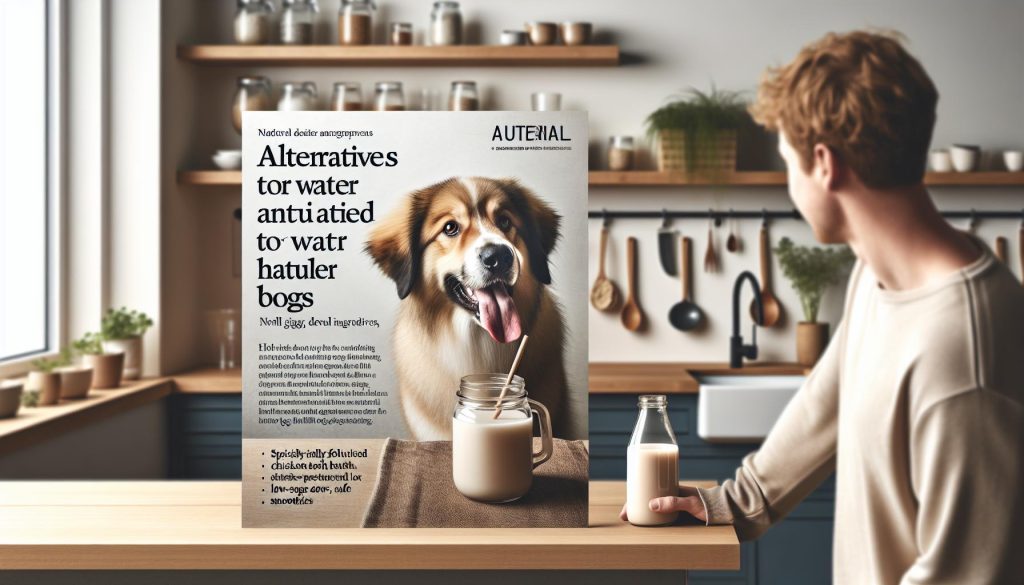
Did you know that staying hydrated is just as crucial for dogs as it is for us? While water is the primary source of hydration, many dog owners wonder what safe alternatives exist to keep their furry friends refreshed and satisfied. Offering your dog variety in their drinks can not only enhance their enjoyment but also provide essential nutrients that water alone may lack. In this article, we will explore eight safe alternatives to water, ensuring you have the best options for your canine companion. Whether you’re trying to encourage a picky drinker or simply want to treat your dog to something special, these alternatives are both practical and nutritious. Let’s dive in and uncover the possibilities for keeping your dog happily hydrated!
What Can Dogs Drink Besides Water?
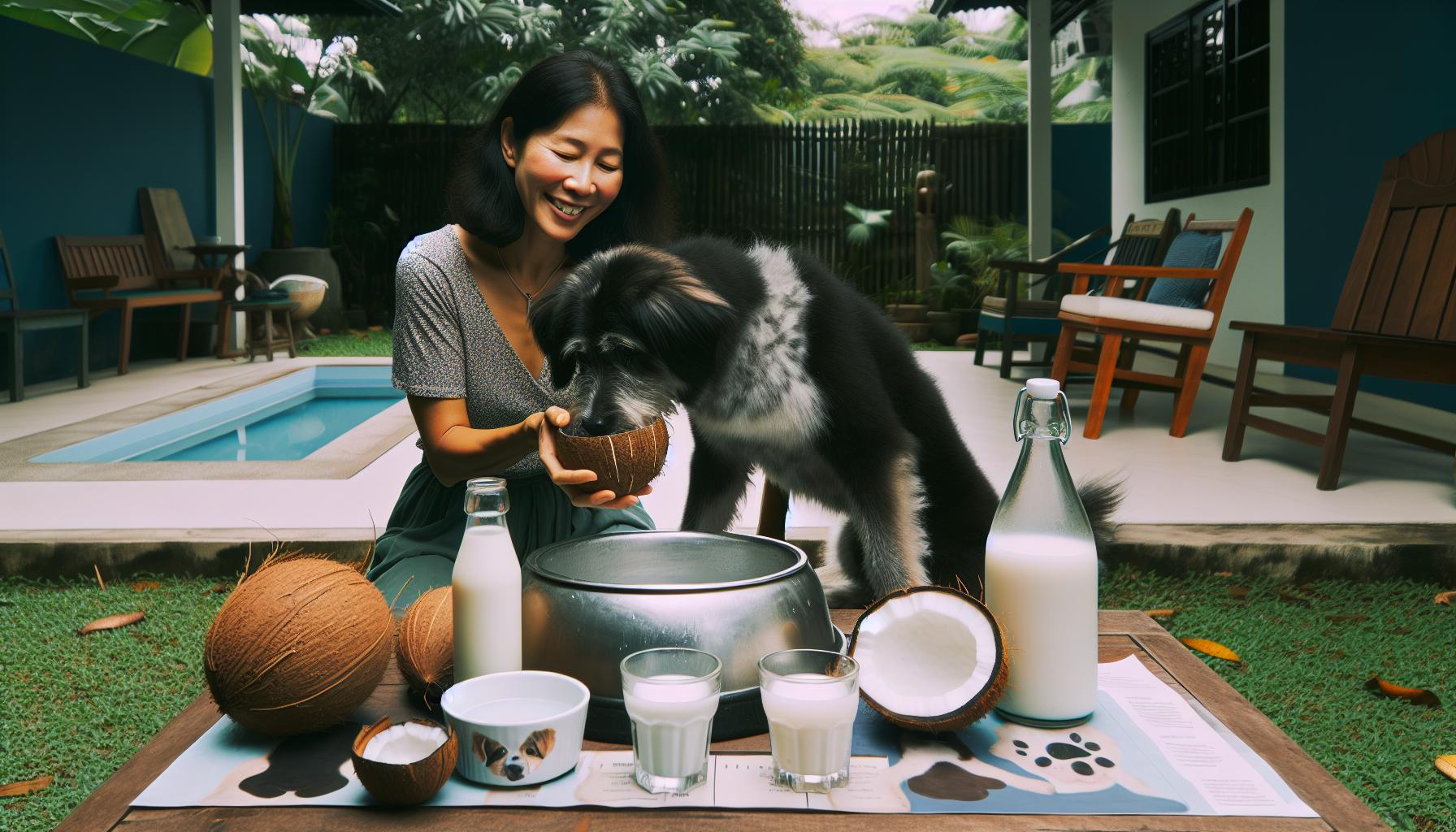
Many dog owners might be surprised to learn that while water is crucial for their pets, there are indeed other liquids that can complement canine hydration. Just like humans, dogs can enjoy a variety of beverages that are not only safe but can also provide additional nutrition. Finding the right alternative to plain water can make hydration more exciting for your furry friend, especially during those hot summer days or after an active play session.
One popular option is low-sodium bone broth. Not only does it add flavor, but it’s also packed with nutrients, promoting joint health and improving digestion. Make sure the broth is free from onions and garlic, which are toxic to dogs. Coconut water is another delightful choice; it’s rich in electrolytes and can offer a refreshing taste boost, especially after exercise. Just remember to serve it in moderation due to its natural sugar content.
Vegetable juices, such as carrot or pumpkin juice, can also be great additions to your dog’s beverage routine. These juices can provide essential vitamins and are typically low in calories. Always dilute them with water to prevent extra sugars from overwhelming their system. For those who want to get creative, homemade smoothies that incorporate safe fruits like bananas or blueberries can serve as a delicious treat while keeping your pet hydrated. As with any new drink or food introduction, it’s wise to observe how your dog reacts and consult with your veterinarian for tailored advice. By diversifying your dog’s drink options, you can enhance their hydration experience and promote overall health.
The Health Benefits of Alternative Beverages for Dogs

While water is essential for your dog’s health, introducing alternative beverages can provide various nutritional benefits and enhance their hydration experience. This not only keeps them interested but also offers essential nutrients that might be lacking in their regular diet. For instance, the inclusion of low-sodium bone broth can be particularly beneficial, as it supports joint health and aids digestion-perfect for senior dogs or those with joint concerns. Dogs often find the rich flavor of bone broth irresistible, which can make it a great way to encourage hydration, especially if they are reluctant to drink water.
Another excellent option is coconut water. This refreshing drink is naturally rich in electrolytes, which can be especially helpful after a high-energy play session or during hot weather. Just be sure to offer it in moderation due to its sugar content. For those looking to infuse some variety into their dog’s hydration routine, vegetable juices like diluted carrot or pumpkin juice can add important vitamins without excessive calories. It’s a fun way to blend nutrition with hydration-just remember to dilute these juices to keep sugar levels in check.
When exploring these new beverage options, it’s crucial to monitor your dog’s reactions and consult your veterinarian for tailored recommendations. Each dog has unique hydration needs based on factors like breed, age, and activity level. By thoughtfully incorporating these alternative drinks, you can provide a more exciting and nutritious hydration experience, helping your furry friend thrive in both health and happiness.
Top 8 Safe Drink Options for Your Dog
Looking to spice up your dog’s hydration options? While water is the cornerstone of your dog’s diet, offering safe alternatives can enhance their nutrition and keep their spirits high. Here are eight great options that can add variety and flavor to your pet’s drinking routine, enhancing both their health and hydration experience.
Bone Broth
Bone broth is a nutrient-rich beverage packed with minerals like calcium and phosphorus, great for joint health and digestion. It’s easy to make by simmering bones with water, or you can buy it premade. Ideally, choose a low-sodium option to avoid any potential health issues. Dogs typically love the rich, savory flavor, making it an excellent way to encourage those who are picky drinkers.
Coconut Water
Coconut water is a refreshing drink that is high in electrolytes, which are fantastic for rehydrating after exercise or in hot weather. However, moderation is key-this drink contains sugars that, while natural, can still contribute to weight gain if overconsumed. A few ounces after a vigorous play session can serve as a delightful reward for your furry friend!
Vegetable Juices
Diluted vegetable juices, such as carrot or pumpkin juice, are great options that provide vitamins A and C while being low in calories. Ensure you dilute the juices with water to keep sugar levels in check. This can also help introduce new flavors into your dog’s diet, making hydration more enjoyable.
Herbal Tea
Certain herbal teas, such as chamomile or peppermint, can be a pleasant treat for dogs. Brew them, let them cool down completely, and offer them to your dog in moderation. They can help with digestion or simply serve as a calming beverage for anxious pups.
Fruit-Infused Water
A fun way to make water more interesting is by adding slices of dog-safe fruits like watermelon, blueberries, or strawberries. Just ensure you remove any seeds or pits! This adds a subtle flavor without the sugar overload, keeping hydration both interesting and healthy.
Unsweetened Almond Milk
Unsweetened almond milk in small quantities can be a creamy treat for dogs who appreciate the taste. It’s dairy-free, which is better for those sensitive to lactose, but make sure your dog isn’t allergic to nuts. Just a few tablespoons can make for an exciting change of pace.
Pedialyte
In certain situations, especially after illness or prolonged periods of vomiting or diarrhea, diluted Pedialyte can help restore electrolytes. Always consult with your vet before introducing this option to ensure it’s suitable for your dog’s needs.
Commercial Dog Drinks
There are several commercial dog drink options available that provide hydration and nutrients. These drinks are designed specifically for dogs and often contain added vitamins and minerals. Just ensure they are made from whole-food ingredients without harmful additives.
In summary, diversifying your dog’s drink options can invigorate their hydration practices. Always introduce any new drinks gradually, and observe your dog for any adverse reactions. Consulting your veterinarian can also provide personalized guidance tailored to your dog’s individual needs. Keeping your furry friend hydrated is essential to their overall health and happiness!
Nutritional Value: Comparing Dog-Friendly Drinks
Did you know that the beverages you offer your dog can significantly impact their overall health? While water remains the essential foundation for hydration, exploring dog-friendly alternatives can provide various nutritional benefits tailored to your dog’s unique needs. Each option serves up different vitamins, minerals, and hydration benefits, making it essential to understand what’s on the menu.
Bone Broth
Bone broth is a powerhouse of nutrients. Loaded with minerals like calcium, magnesium, and phosphorus, it can support joint health and digestion. It’s particularly beneficial for older dogs and those with joint issues. The savory flavor often entices even the pickiest eaters to drink more, promoting hydration while delivering important nutrients. Just be sure to choose or make a low-sodium version to prevent health issues.
Coconut Water
Coconut water offers a refreshing boost of electrolytes, making it a perfect post-exercise beverage for dogs. It contains potassium, sodium, and magnesium, which can replenish lost electrolytes after a hot day of play or during recovery from illness. Moderate serving sizes are key, as its natural sugars can contribute to weight gain if consumed in excess.
Vegetable Juices
Diluted vegetable juices – think carrot or pumpkin – are not only hydrating but also low in calories and packed with vitamins A and C. A simple 1:1 dilution with water helps manage sugar levels while introducing your dog to exciting flavors. This can also aid in improving your pup’s skin and coat health.
Herbal Tea
Herbal teas, such as chamomile or peppermint, can serve more than just refreshments – they may aid digestion and provide calming effects for anxious dogs. The key is ensuring the tea is served cool and in moderation, avoiding any additives that might not be dog-friendly.
Fruit-Infused Water
Is your dog often uninterested in plain water? Try adding slices of dog-safe fruits like watermelon or blueberries! This not only improves the water taste but can also introduce fiber and vitamins into their diet without excess calories. Just avoid any seeds or pits, and watch as your pup enjoys this simple twist on hydration.
Unsweetened Almond Milk
If your dog enjoys creaminess in their drinks, unsweetened almond milk can be a fun treat. It’s lactose-free and lower in calories than regular milk, but serve only small amounts to ensure there are no allergy issues, as some dogs may react to nuts.
Pedialyte
In situations where your dog requires quicker hydration, especially after sending their tummy on a rollercoaster ride, diluted Pedialyte can be a lifesaver. It helps restore electrolytes lost through vomiting or diarrhea, but always consult your veterinarian before introducing this into your dog’s routine.
Commercial Dog Drinks
For busy pet parents, various commercial dog drinks are on the market that balance hydration with flavor. These typically contain essential nutrients and are formulated specifically for dogs. As with any product, look for those made from whole-food ingredients devoid of harmful additives.
By comparing these beverages, you can find the right mix to keep your dog happy and healthy. Always strive for a balanced approach, introducing new drinks gradually and observing your dog for any adverse reactions. Keeping your furry friend properly hydrated is vital for their overall well-being, and these flavorful alternatives can make that task a lot more enjoyable for both you and your pup!
Hydration Tips: How to Keep Your Dog Hydrated
Ensuring your dog stays hydrated goes beyond just placing a bowl of water out. Just like us, dogs need tasty and enticing beverages to keep them interested in drinking. One engaging method is to think of hydration as a mix of creativity and routine. For instance, offering beverages like bone broth or coconut water not only provides hydration but also adds a flavorful twist that many dogs find irresistible.
To keep the hydration game strong, consider these effective strategies:
- Always Have Fresh Water Available: Ensure your pup’s water bowl is always filled with fresh water. Dogs, especially active breeds or those in warmer climates, may drink more if their access to water is consistent and appealing.
- Flavor It Up: Occasionally add some dog-friendly flavor enhancers, like a splash of low-sodium chicken broth, to your dog’s water. This can encourage them to drink more if they’re hesitant about plain water.
- Fruit-Infused Options: Try adding slices of dog-safe fruits like watermelon or strawberries to their water. This not only jazzes up the flavor but can make water visually appealing, increasing their chances of drinking.
- Monitor Their Intake: Pay attention to how much your dog drinks daily. Different breeds have varying hydration needs; for example, smaller breeds tend to drink less than larger breeds. Tracking their intake can guide you in adjusting their beverage options as needed.
- Temperature Matters: Some dogs prefer their drinks chilled, especially in hot weather. Experiment with serving water, bone broth, or even herbal tea at cooler temperatures to see if your dog enjoys these more.
- Encourage Play Breaks: During playtime, especially in hot weather, encourage water breaks. After a good run, offer them coconut water or a small amount of electrolyte solutions like Pedialyte to help replenish their energy and hydration levels.
By implementing these tips, you can turn hydration into an enjoyable part of your dog’s day, supporting their health and happiness. Make hydration a fun and varied experience with different safe beverages, keeping your dog excited and well-hydrated every day!
Signs Your Dog Needs More Hydration
Recognizing when your dog needs more hydration is crucial for their health and well-being. Just like humans, dogs can experience dehydration, especially in warmer weather or after vigorous exercise. Keeping an eye out for certain signs can help you ensure your furry friend stays adequately hydrated and healthy.
One of the most noticeable signs of dehydration is a change in your dog’s behavior. If they seem lethargic, less playful, or reluctant to engage in their usual activities, they might not be getting enough fluids. Additionally, pay attention to their eating habits; a significant decrease in appetite can also be a signal that they need more hydration.
Another telltale sign is dry or sticky gums. To check your dog’s hydration levels, gently lift their lip and examine their gums. If they look dry or lack that moist, glossy appearance, it’s time to offer them a drink. Additionally, you can perform a simple skin test: gently pinch the skin between their shoulder blades. If it doesn’t quickly return to its original position, your dog might be dehydrated.
Other physical signs to look for include a decreased frequency of urination and darker-than-normal urine. Healthy dogs should urinate at least a couple of times a day, and the urine should be light yellow. If your dog hasn’t peed much or their urine looks dark and concentrated, consider encouraging them to drink more, possibly with flavored alternatives like bone broth or coconut water to stimulate their interest.
Finally, pay attention to their panting. Increased panting, especially in hot conditions, can indicate your dog is not only hot but also possibly dehydrated. Keep your four-legged friend healthy and happy by watching for these signs, and don’t hesitate to provide them with refreshing, hydrating drink alternatives. After all, a well-hydrated dog is a happy dog!
What to Avoid: Unsafe Drinks for Dogs
Making sure your furry friend stays hydrated is critical, but it’s equally important to know what liquids are off-limits. While it might be tempting to share your favorite beverages with your dog, some drinks can be downright dangerous for their health. It’s essential to steer clear of certain options to ensure your pup remains happy and healthy.
One major category of beverages to avoid is anything containing caffeine. This includes coffee, tea, and energy drinks. Caffeine is toxic to dogs and can lead to serious health issues, including increased heart rate, restlessness, and even seizures in extreme cases. Dogs are much more sensitive to caffeine than humans, so it’s best to keep these drinks completely out of reach.
Another common beverage that poses a risk is alcohol. Even small amounts of alcohol can cause significant harm to dogs, leading to symptoms like vomiting, disorientation, and in severe cases, coma or death. Make sure to keep drinks containing alcohol stored securely and to never share them with your pet, even if they seem eager to try a sip.
Dairy products are also something to be careful with. While some dogs can tolerate small amounts of plain yogurt or cheese, many adult dogs are lactose intolerant, which means they can experience upset stomach, diarrhea, and gas when consuming milk or cream. Instead of dairy-laden drinks, stick to dog-friendly alternatives if you’re looking to give your pup a treat.
Finally, it’s crucial to avoid feeding your dog any drinks that contain additives like artificial sweeteners, especially xylitol. Found in many sugar-free products, xylitol can cause a rapid insulin release in dogs, which may lead to hypoglycemia (low blood sugar), seizures, or liver failure. Always read labels carefully and consult your vet if you’re unsure about a specific drink.
By remaining vigilant about what you offer your dog, you can not only keep them safely hydrated but also protect their health from potentially harmful beverages. When in doubt, sticking with plain water is always the safest option.
Homemade Dog Drink Recipes for Thriving Pets
When it comes to keeping your beloved dog hydrated, creativity in the kitchen can make a world of difference! Homemade dog drinks not only provide hydration but also surprise your pup with new flavors, contributing to their overall well-being. By crafting tailored beverages using dog-safe ingredients, you can enhance your pet’s hydration routine and offer them an enriching experience.
One delightful option is broth-based drinks. Simply simmer some low-sodium chicken or beef broth, ensuring it’s free from onions and garlic, which are toxic to dogs. Let it cool, then serve it chilled or at room temperature. This savory treat can be incredibly enticing and offers extra nourishment. You can also freeze the broth into ice cubes for a refreshing summer snack!
Fruity drinks can be equally appealing. Consider blending water with pureed fruits like watermelon, blueberries, or apples (without seeds!). These refreshing mixtures provide hydration while adding vitamins and antioxidants to your dog’s diet. Just remember to use fruits in moderation, as too much sugar can upset your dog’s stomach.
You might also try making a yogurt smoothie. Unsweetened, plain Greek yogurt is a great source of protein and probiotics. Blend half a cup of yogurt with a banana or a handful of berries and some water to thin it out. This creamy concoction is not only delicious but also beneficial for your dog’s digestive health.
Simple Recipes to Try
- Chicken Broth Freeze: Combine 2 cups of low-sodium chicken broth with 1 cup water, pour into ice cube trays, and freeze! Serve as a cool treat on hot days.
- Watermelon Punch: Blend 2 cups of seedless watermelon with 1 cup of water. Strain if desired, and serve chilled.
- Berry Yogurt Delight: Mix 1/2 cup plain Greek yogurt with 1/2 cup of your dog’s favorite berries. Blend with a splash of water for a smoothie consistency.
By offering these homemade drink recipes, you can help your dog stay hydrated in a fun and nutritious way. Always introduce new drinks gradually and in moderate amounts to observe how your dog reacts. Remember, consulting with your veterinarian before adding new foods or drinks to your dog’s diet is always a smart practice to ensure their health and safety.
Breed-Specific Hydration Needs and Preferences
Understanding your dog’s unique hydration needs can be as important as their diet, especially when it comes to breed-specific preferences. Different breeds have varying activity levels, body sizes, and even taste preferences, which all influence their hydration habits. For example, larger breeds like Great Danes may require more fluids due to their size, while smaller breeds like Dachshunds may need less but still benefit from flavorful alternatives that encourage drinking.
Some breeds, like Labrador Retrievers, are known for their love of water, which makes introducing alternative drinks like chicken or beef broth particularly appealing. These dogs often enjoy the added flavor and can be more motivated to stay hydrated. On the other hand, breeds such as Bulldogs may tend to be less active and require close monitoring of their hydration levels, especially in warmer weather. Offering these dogs refreshing, ice-cold fruity blends can provide not only hydration but also a delightful treat that perks them up and encourages sipping.
It’s crucial to consider each dog’s needs when introducing new drink options. For instance, active working breeds like Border Collies or Australian Shepherds might benefit from electrolyte-infused drinks after intense sessions of play or training, aiding in their recovery and hydration. In contrast, less active breeds may thrive on simple, low-sodium broths or fruit-infused waters. Whatever the choice, regular vet check-ups can help ensure that you’re meeting your dog’s hydration needs effectively.
Regardless of breed, familiarizing dogs with new flavors is essential. Start gradually, perhaps by mixing a splash of broth with their regular water, allowing them to adapt to the different tastes and encouraging them to drink more. This approach not only enhances their hydration routine but also strengthens your bond as you tune into their individual preferences and help them thrive.
Seasonal Drinks: Refreshing Options for Hot Days
As temperatures rise and the sun shines brightly, keeping our furry companions hydrated becomes even more crucial. Dogs, just like us, can suffer from dehydration, particularly during hot days. Understanding how to provide them with refreshing drink options can make a significant difference in their comfort and well-being.
One great way to offer hydration is through ice-cold, dog-friendly smoothies made from pureed fruits such as watermelon, blueberries, and bananas. Not only do these refreshing options help cool your dog down, but they also provide essential vitamins and antioxidants. You can easily prepare these treats by blending fruit with ice and a splash of low-sodium chicken broth – a perfect balance of flavor and hydration that dogs love!
For breeds with water-loving tendencies, such as Labradors or Golden Retrievers, you can get creative by freezing treats. Consider putting a mix of their favorite fruits and some broth in ice cube trays or silicone molds. Once frozen, these treats serve as a delightful way to keep your pup cool while also offering hydration. On the other hand, less active breeds may appreciate simple, low-calorie options, like blending cucumber with a bit of low-sodium broth, creating a hydrating drink that’s light yet tasty.
It’s also worth remembering that some dogs can be picky about their drinks, especially when it comes to temperatures. Some may prefer their beverages cold, while others find warmth more appealing. Bridging the gap between preferences can encourage more drinking; try tubing some warm, low-sodium chicken broth on a hot day to see if it entices your dog to drink more! By offering a variety of seasonal drinks tailored to your dog’s unique tastes and needs, you can make hydration an enjoyable and refreshing experience for them.
How to Introduce New Drinks to Your Dog
Introducing new drinks to your dog can be a delightful and rewarding process, turning hydration into a fun experience. Dogs, much like humans, can be hesitant to try new flavors, especially when it comes to their drinks. So, gradually introducing these alternatives in a positive manner can ensure your furry friend is happy and willing to explore new options. Start by mixing a small amount of the new drink with their regular water. This not only familiarizes them with the taste but also encourages a gradual acceptance. Over time, you can increase the proportion of the new drink.
Another effective tactic is to use positive reinforcement. Every time your pup tries or drinks the new beverage, shower them with affection, praise, or even a small treat. This association of something positive with the new drink can work wonders. For instance, if you’re introducing coconut water, let your dog have a little taste in a fun setting-like after a play session in the park. It’s important to monitor their reaction closely; if they seem hesitant or dissatisfied, don’t push it. You could also try serving the drink in different types of bowls, as some dogs may prefer a specific style or texture.
Understanding your dog’s unique preference is key. Different breeds or individual dogs can have distinct likes and dislikes. For example, while Labradors often enjoy a cold drink post-fetch, smaller breeds like Chihuahuas may stick to room temperature beverages. To cater to these differences, try presenting various drinks at different temperatures or with different add-ins, such as a splash of unseasoned broth or a few ice cubes. This trial and error approach can be both playful and beneficial.
Lastly, be patient and observant. It might take several attempts before your dog embraces a new drink, and that’s perfectly okay! Each dog is an individual, and understanding their preferences will create a more enjoyable experience for both of you. Celebrate the little wins, whether it’s your pup finally slurping down some fresh watermelon juice or eagerly choosing cucumber-flavored water over their standard bowl. Hydration can become a special part of your dog’s daily routine with these thoughtful approaches!
Understanding Your Dog’s Taste Preferences
Dogs, much like us, each have their unique preferences when it comes to taste. Understanding these preferences can make a significant difference in keeping your furry friend excited about their hydration options. While it might seem that all dogs would gravitate towards the same flavors, many factors influence their choices, including breed, age, and past experiences. For example, some dogs may relish sweet flavors like pumpkin or watermelon, while others might prefer savory tastes such as chicken broth. By observing how your dog reacts to different drinks, you can uncover their distinct likes and dislikes.
It’s also essential to consider how presentation can affect your dog’s willingness to try new beverages. Just as some humans enjoy their drinks chilled or served in elegant glassware, dogs can be particular too. Experimenting with the temperature of various drinks can be enlightening. Larger breeds like Golden Retrievers may enjoy ice-cold drinks after playtime, while smaller breeds such as French Bulldogs might prefer room temperature. Additionally, offering drinks in different types of bowls – ceramic, stainless steel, or even playful shapes – can create a more engaging experience.
To delve deeper into understanding these tastes, you might want to keep a simple log of your dog’s reactions. Note the drinks they seem most interested in and the ones they ignore. For instance, if your dog devours every drop of coconut water but snubs herbal teas, it’s worth sticking to those coconut-infused delights. This not only helps you cater to their taste buds but also reinforces positive hydration habits. Engaging with your veterinarian can provide insights into health considerations that align with your dog’s specific needs, ensuring their preferences are also health-conscious.
Lastly, it’s crucial to recognize that dogs, like humans, can develop varying tastes over time. A flavor that your pup hated last summer may suddenly become appealing as their palate matures. The key is patience and kindness. If your dog isn’t keen on a newly introduced drink, don’t be discouraged. Continue exploring safe alternatives, considering that variety can spice up their hydration routine while ensuring they stay happy and healthy. By nurturing this process, you can enhance the bond with your dog while making sure they enjoy every moment of their hydration journey.
FAQ
Q: What can dogs drink besides water?
A: Dogs can safely drink several alternatives to water, including low-sodium chicken or beef broth, coconut water, herbal teas, unsweetened almond or coconut milk, and specific dog-friendly smoothies. Always ensure that the drinks are free from harmful additives and consult with your veterinarian before introducing new beverages.
Q: Are there any health benefits to alternative drinks for dogs?
A: Yes, alternative drinks like low-sodium broth provide hydration and additional nutrients, while coconut water contains electrolytes that can aid in hydration, particularly after exercise. Herbal teas can also have soothing properties, helping with digestion and calming your dog.
Q: Can I give my dog fruit juice?
A: While some fruit juices might seem safe, it’s best to avoid them as they often contain high levels of sugar and preservatives. If you want to introduce something fruity, stick to small portions of pureed fresh fruits or dog-safe beverages that use fruits without added sugars.
Q: Is it safe for dogs to drink milk?
A: Many dogs can tolerate small amounts of lactose-free milk or non-dairy options like almond milk. However, some dogs are lactose intolerant, so it’s crucial to introduce milk gradually to check for any digestive issues. Always choose unsweetened versions to avoid additives.
Q: How can I ensure my dog stays hydrated?
A: To keep your dog hydrated, offer them fresh water consistently and tempt them with safe alternative drinks when it’s hot or after exercise. Additionally, incorporating wet dog food into their diet can also help with hydration levels.
Q: What signs indicate my dog needs more hydration?
A: Signs your dog may need more hydration include dry gums, lethargy, loss of appetite, and decreased skin elasticity. Regularly monitor their water consumption and urine output to ensure they are hydrated.
Q: What drinks should I avoid giving to my dog?
A: Avoid giving your dog drinks that contain caffeine, alcohol, chocolate, sugar, or artificial sweeteners like xylitol as they can be toxic. Always check labels on packaged drinks to ensure safety.
Q: How do I introduce new drinks to my dog?
A: Introduce new drinks gradually by mixing a small amount with their regular water or food. Observe your dog’s reaction and adjust the portions based on their comfort. Ensure that any new beverage is safe and vet-approved.
Closing Remarks
In conclusion, while water remains the staple for hydration, you now have a range of eight safe alternatives that can quench your dog’s thirst and provide additional health benefits. Remember, the key is moderation and monitoring your dog’s reaction to any new drink. If you have any concerns about your dog’s diet or hydration, consulting with a veterinarian can provide peace of mind.
Explore more about enhancing your dog’s nutrition by checking out our articles on the best treats for dogs and understanding canine dietary needs. Don’t forget to subscribe to our newsletter for regular updates and tips tailored to improve your dog’s health and happiness! Join the conversation in the comments below; we’d love to hear your experiences and any alternative drinks your furry friends enjoy. Your adventurous approach to your dog’s hydration could inspire others in our community! Remember, every small step you take towards an informed pet parenting strategy helps create a happier, healthier life for your pup.