Have you ever noticed your dog drinking more water than usual? This can be a common concern for pet owners, as excessive thirst, or polydipsia, can signal underlying medical issues. Understanding why your furry friend is guzzling down water is crucial for their health and well-being. In this article, we’ll explore ten potential medical reasons for this behavior, from diabetes to kidney disease. By the end, you’ll be better informed to monitor your dog’s hydration needs and can recognize when a trip to the vet is necessary. Join us as we dive into the reasons behind your dog’s thirst and what steps you can take to ensure their health!
What Does Excessive Thirst in Dogs Mean?
Excessive thirst in dogs, also known as polydipsia, can be a cause for concern among pet owners. Did you know that on average, a dog should drink about 1 ounce of water per pound of body weight each day? When this intake significantly increases, it may indicate underlying health issues that merit attention. Observing your dog’s drinking habits can be an indispensable part of monitoring their health. Understanding what constitutes excessive thirst is the first step in ensuring your furry friend stays healthy and happy.
There are several factors that contribute to increased thirst in dogs, ranging from environmental conditions to medical concerns. If your dog is suddenly drinking much more water than usual, it’s crucial to consider their recent changes in routine or diet, as these can play a significant role. For example, heat, exercise, or high-sodium treats may temporarily spike their water intake. However, persistent excessive thirst could signal conditions such as diabetes mellitus, kidney disease, or Cushing’s disease. In these cases, the body may not be able to properly regulate water balance, leading to an overwhelming thirst response.
To help you better understand your dog’s hydration needs, it’s helpful to keep a close eye on their drinking patterns. Here are some practical tips to monitor and manage your dog’s hydration effectively:
- Track Water Intake: Use a measuring cup to gauge how much water your dog consumes daily. This can reveal changes that may require a vet’s attention.
- Observe for Other Symptoms: Look for accompanying signs such as frequent urination, lethargy, or changes in appetite that might indicate a health issue.
- Consult a Veterinarian: If you notice significant changes in thirst or any unusual behaviors, seeking professional advice is always a wise decision.
With any changes in drinking habits, early action can make a substantial difference in diagnosis and treatment, ensuring your dog leads a healthy and fulfilling life.
Understanding Normal Water Intake for Dogs
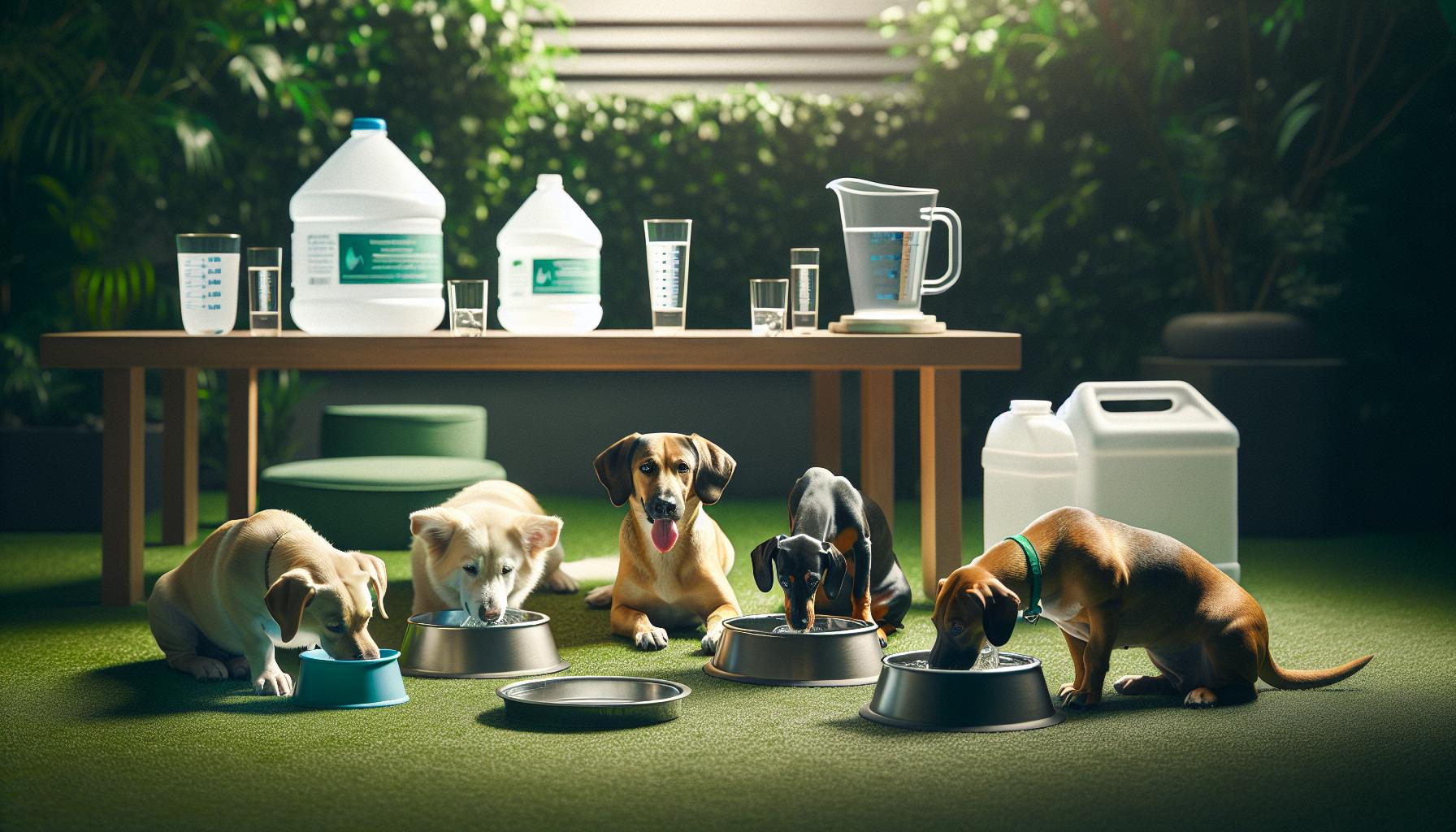
Understanding how much water your dog needs daily is crucial for their health and well-being. Generally speaking, dogs should drink about one ounce of water per pound of body weight each day. For example, a 50-pound dog should ideally consume around 50 ounces of water. This measurement can vary based on factors like activity level, diet, age, and even the season. For instance, a highly active or working dog may require more hydration, particularly in warmer months, while a senior dog may have different needs due to slower metabolism or health conditions.
Several factors play a role in a dog’s hydration needs, and understanding these can help you gauge what’s normal for your furry friend. Dogs that consume dry kibble will naturally need more water than those on a wet diet, as the latter contains a significant amount of moisture. Similarly, environmental conditions-such as increased heat or humidity-can also lead to greater water consumption. If you’ve recently changed your dog’s diet or exercise routine, keep an eye on their drinking habits, as this might temporarily increase their thirst.
One essential aspect of managing your dog’s hydration is to develop a routine for monitoring their water intake. A simple way to do this is to refill their water bowl at the same time every day and measure how much they drink over 24 hours. If you notice a consistent increase in their intake or if they appear thirstier than usual, it might be time for a vet visit.
Being attentive to your dog’s water consumption can help prevent serious health issues down the line. Remember, a well-hydrated dog is a happy dog, so ensuring they have constant access to fresh, clean water is vital for maintaining their overall health.
10 Medical Reasons Your Dog Might Drink More Water
Have you ever noticed your furry friend lapping up water like there’s no tomorrow? While dogs are known to enjoy their hydration, excessive thirst can sometimes signal underlying health issues. Understanding the reasons behind your dog’s increased water intake is essential for their well-being. Here are some common medical conditions that might lead to your pup drinking more than usual.
Medical Conditions Linked to Increased Thirst
- Diabetes Mellitus: One of the most common causes of excessive thirst (polydipsia) in dogs, diabetes occurs when a dog’s body cannot effectively utilize insulin. Symptoms may include increased thirst, frequent urination, weight loss despite a good appetite, and lethargy. If you suspect diabetes, a vet visit is essential for blood and urine tests.
- Kidney Disease: As kidney function declines, the body struggles to conserve water, leading to increased thirst. Dogs with kidney disease may also exhibit weight loss, decreased appetite, and vomiting. Regular check-ups are crucial for early detection and management.
- Cushing’s Disease: In this condition, the adrenal glands produce too much cortisol, resulting in increased thirst and urination, weight gain, and a pot-bellied appearance. Cushing’s can affect dogs of any age but is more common in older dogs.
- Liver Disease: A compromised liver can influence your dog’s thirst and overall hydration levels. Symptoms of liver problems may include increased thirst, vomiting, diarrhea, jaundice (yellowing of the skin and eyes), and behavioral changes.
- Infection or Inflammation: Conditions such as urinary tract infections (UTIs) or pyometra (a severe infection of the uterus in female dogs) can cause increased thirst. Other signs may include frequent urination, blood in the urine, and lethargy.
- Medication Side Effects: Certain medications, especially corticosteroids or diuretics, can lead to increased thirst and urination. Always discuss potential side effects with your vet if your dog starts a new medication.
- Hyperthyroidism: Although more common in cats, dogs can also suffer from this condition. Increased metabolic rate leads to excessive thirst, weight loss despite an increased appetite, and hyperactivity.
- Environmental Factors: Sometimes, thirst can be exacerbated by hot weather or increased activity levels. Ensure your dog always has access to water, especially during warmer months.
- Dietary Factors: A diet high in salt can lead to increased thirst. If you’ve recently switched to a new food, monitor your dog’s water consumption.
- Certain Metabolic Disorders: Conditions affecting electrolyte balance or leading to high blood sugar levels can impact thirst. Regular testing can help identify these issues early.
Recognizing these signs and conditions enables proactive care for your dog. If you notice significant changes in your pet’s drinking behavior, consult your veterinarian promptly. They can provide appropriate testing and treatment to ensure your four-legged friend stays healthy and hydrated.
Signs Your Dog is Drinking Excessive Water
Noticing your dog continuously guzzling water can be puzzling and concerning. While dogs generally need a good amount of water to stay healthy, there’s a fine line between typical hydration habits and excessive drinking – a condition known as polydipsia. Understanding how to identify when your dog is drinking too much water is crucial for their health and can help you alert your veterinarian to potential underlying issues.
Some clear signs that your dog may be drinking excessively include a dramatic increase in their normal water intake-especially if they suddenly empty their water bowl multiple times a day. You might also notice frequent trips outside, particularly if they are urinating more than usual. If your usually playful pup seems lethargic and isn’t engaged in their usual activities, this can coincide with increased thirst or urination, signaling a possible health concern.
Changes in behavior can also be telling. If your dog seems restless and is constantly searching for water or displaying signs of anxiety, combined with heavy drinking, it might indicate that something is amiss. Additionally, watch for any physical signs such as vomiting, diarrhea, or a distended abdomen, which may suggest more serious conditions that could be affecting their hydration levels.
Record keeping can be incredibly helpful. Track your dog’s daily water consumption and any unusual behaviors. This information is invaluable to your veterinarian, who can offer appropriate tests and insights. Even as a dedicated pet owner, it’s essential to remain observant and proactive about changes in your dog’s drinking habits to ensure their safety and well-being.
How Age and Breed Influence Water Consumption
As dogs age, their hydration needs can shift dramatically due to changes in activity levels, health conditions, and even metabolism. Puppies, while energetic, often require more frequent hydration as they are typically more physically active and may not yet understand their own thirst cues. Conversely, senior dogs might drink less water due to a decrease in activity but may experience health challenges that require them to drink more, such as kidney disease or diabetes. Understanding these variations is essential for ensuring your dog’s health across different life stages.
Additionally, certain breeds tend to have specific hydration needs based on their size, activity levels, and even inherent health issues. For instance, larger breeds like Great Danes or Saint Bernards generally require more water due to their size, while smaller breeds may need less. However, some small breeds, such as Chihuahuas, can also exhibit significant drinking habits if they are particularly active. Here’s a quick comparison of different breed tendencies:
| Breed Size | Common Water Consumption Characteristics |
|---|---|
| Small Breeds (e.g., Chihuahua, Pomeranian) | Often drink less but may dehydrate quickly, especially with high activity. |
| Medium Breeds (e.g., Beagle, Bulldog) | Balanced hydration needs; observe for increased thirst in hot weather. |
| Large Breeds (e.g., Labrador Retriever, German Shepherd) | Require more water; at risk of bloating if they drink excessive amounts too quickly. |
Monitoring how your dog drinks can reveal a lot about their overall health, especially as they grow older. If you notice a shift in their drinking habits, it’s crucial to check for underlying health issues that might be at play. Always consider factors like diet, exercise, and environmental conditions, and feel free to consult your veterinarian if you have concerns about your dog’s hydration needs. A proactive approach will ensure your furry friend remains healthy and hydrated, regardless of age or breed.
The Role of Diet in Your Dog’s Hydration
Many dog owners are surprised to learn that a dog’s diet plays a crucial role in its hydration levels. Just like humans, dogs need proper nutrition not only to support their overall health but also to maintain optimal hydration. A balanced diet can reduce the chances of excessive thirst, while an inappropriate or unbalanced diet may contribute to increased water consumption.
A key factor in your dog’s hydration is the moisture content of their food. Dry kibble typically has low moisture levels, often around 10%, which means dogs that eat solely kibble may need to drink more water to compensate. In contrast, wet food can contain over 70% moisture, making it a great option for enhancing hydration. If you’re noticing your pup drinking more water than usual, consider switching to a high-quality wet food or incorporating it into your dog’s diet.
Additionally, the ingredients in your dog’s food can influence hydration needs. Foods high in salt or certain preservatives can lead to increased thirst, as dogs may seek to balance their sodium intake with more water. As a rule, check the nutritional labels and choose dog foods that list quality ingredients without excessive fillers or artificial additives. A diet that supports your dog’s needs can have a lasting impact on their hydration habits.
To provide a clear understanding of how different types of food can affect your dog’s hydration, here’s a brief comparison:
| Food Type | Moisture Content | Hydration Impact |
|---|---|---|
| Dry Kibble | 10-12% | May require more water intake to stay hydrated. |
| Canned/Wet Food | 60-80% | Helps maintain hydration; reduces thirst. |
| Raw Diet | 70-80% | Provides sufficient moisture; encourages natural hydration. |
Ultimately, understanding the connection between diet and hydration can empower you as a dog owner to make informed choices for your furry friend. Incorporating a well-balanced diet with the right moisture levels not only satisfies their nutritional needs but also can help prevent the need for excessive drinking. Always consult with your veterinarian to tailor a diet that fits your dog’s specific needs, whether it’s based on age, breed, or health concerns. Making these adjustments can lead to a healthier, happier pup!
Common Health Issues Leading to Increased Thirst
Feeling concerned about your dog’s excessive thirst? It could be a sign of underlying health issues that need attention. Dogs, like humans, can experience various medical conditions that lead to increased water consumption, and being aware of these can help you respond appropriately.
A common culprit for increased thirst in dogs is diabetes mellitus, where the body cannot regulate blood sugar levels properly. This condition often results in higher glucose levels in the blood, which makes the kidneys work harder to filter it out, leading to increased urine production and subsequently more water intake. Symptoms to watch for include weight loss, increased appetite, and frequent urination. Managing diabetes often requires dietary adjustments, insulin therapy, and regular veterinary check-ups.
Another significant health issue to consider is kidney disease. When the kidneys are compromised, they may struggle to concentrate urine effectively, causing dogs to urinate more and, therefore, drink more to compensate. You’ll notice additional signs such as lethargy, decreased appetite, and foul-smelling breath. Early diagnosis can lead to better management through diet changes, fluid therapies, and medications that support kidney function.
There are also hormonal disorders, such as Cushing’s disease (hyperadrenocorticism), which can lead to excessive thirst. This is due to the overproduction of cortisol by the adrenal glands, resulting in increased urination and constant thirst. Symptoms often include a pot-bellied appearance, thinning skin, and muscle weakness. Consultation with a veterinarian is crucial for proper diagnosis and to discuss treatment options, which may include medication or, in some cases, surgery.
Lastly, certain medications prescribed for dogs, such as corticosteroids, can lead to increased thirst and urination as side effects. It’s essential to monitor any changes in your dog’s drinking habits if they start a new medication and discuss concerns with your veterinarian.
By keeping a close eye on your dog’s drinking habits and being mindful of these potential health issues, you can take proactive steps to ensure their well-being. If you notice any concerning behaviors or symptoms, consult with your veterinarian for tailored advice and treatment. Remember, it’s better to be safe than sorry when it comes to your furry friend’s health!
Diabetes in Dogs: Symptoms and Management
Diabetes in dogs is a condition that is often overlooked, yet it can significantly impact their quality of life. Just like in humans, diabetes mellitus in dogs occurs when their bodies cannot produce enough insulin or effectively use it, leading to high blood sugar levels. This imbalance prompts a series of symptoms that dog owners should be aware of, particularly an increase in thirst-a telltale sign that something may be amiss.
When assessing your dog for potential diabetes, be mindful of several key symptoms:
- Increased thirst and urination: If your furry friend seems to be drinking more water than usual and needing to go outside frequently, it could indicate diabetes.
- Weight loss: Even while eating normally or more than usual, diabetic dogs can lose weight due to their body’s inability to effectively utilize glucose for energy.
- Increased appetite: Many diabetic dogs may exhibit a healthy appetite but still lose weight or appear gaunt.
- Lethargy: A general lack of energy or increased tiredness can also suggest that your dog may be unwell.
Managing Diabetes in Dogs
Successfully managing diabetes in dogs involves a multifaceted approach. Regular veterinary check-ups are crucial to monitor blood sugar levels and overall health. Many pet owners find that working closely with their veterinarians can lead to tailored management plans that fit their dog’s unique needs. Here are some important management strategies:
- Dietary Adjustments: Offering a consistent diet, low in simple carbohydrates and high in fiber, can help regulate your dog’s blood sugar levels. Consult your veterinarian for recommendations on appropriate dog food that meets these specifications.
- Insulin Therapy: If your vet prescribes insulin, it’s essential to learn how to administer the injections correctly. This is typically done subcutaneously (just under the skin) and may be required one or two times a day.
- Regular Monitoring: Keeping track of your dog’s blood sugar levels at home can be beneficial. There are glucose monitors designed specifically for pets that provide quick readings after a small blood sample.
- Exercise: Regular physical activity helps reduce blood glucose levels and maintains a healthy weight, which is crucial for diabetic dogs. However, any exercise plan should be consistent and ideally discussed with your veterinarian to tailor it to your dog’s condition.
Understanding the symptoms and management of diabetes can empower pet owners to provide the necessary care for their beloved companions. By staying vigilant and proactive, you can ensure that your dog maintains a healthy and happy life, even amid the challenges posed by this chronic condition. Always remember, prompt action and regular veterinary guidance are key to navigating your dog’s diabetes effectively.
Kidney Disease: Understanding the Impact on Hydration
Chronic kidney disease (CKD) in dogs can significantly affect their hydration needs and lead to increased thirst. As the kidneys lose their ability to filter waste and regulate fluid balance, dogs often exhibit signs of polydipsia, or excessive drinking. This shift in hydration directly results from the kidneys’ compromised function, as affected dogs will try to compensate for the body’s inability to retain water effectively. Understanding how kidney disease impacts hydration can help you recognize symptoms earlier and seek veterinary care when necessary.
In dogs with CKD, the kidneys struggle to concentrate urine, leading to frequent urination and subsequent thirst. This cycle can create a seemingly insatiable need for water, which may alarm pet owners. Signs of kidney disease can vary, but common symptoms include:
- Increased thirst and urination: Noticeable water consumption and more frequent trips outside.
- Weight loss: Dogs may lose weight due to decreased appetite or poor nutrient absorption.
- Vomiting and lethargy: General malaise or lack of energy can indicate underlying health issues.
- Poor coat condition: A dull coat may also reflect your dog’s declining health.
Managing a dog with kidney disease requires careful attention to hydration. Providing fresh, clean water at all times is crucial, as is offering food designed for dogs with renal issues. Many veterinary diets are formulated to support kidney function and help manage hydration through controlled protein levels and added moisture content. Regular check-ups with your veterinarian are vital, as they can monitor the progression of the disease and adjust treatment plans accordingly.
Incorporating hydration strategies into your dog’s care can make a significant difference. Some dogs may prefer wet food or water-rich snacks, which can help increase their total fluid intake. It’s also beneficial to encourage drinking by using behavior modifications, such as placing multiple water bowls around the house or using pet water fountains, which may entice your dog to drink more. By staying attuned to your dog’s needs and symptoms, you can help manage their hydration and overall well-being effectively.
Medications That May Increase Your Dog’s Thirst
In the world of canine health, medications can play a crucial role in managing various conditions-but one common side effect of certain drugs is increased thirst in dogs. If you’ve noticed your furry friend guzzling water more than usual, it may not necessarily indicate an underlying medical issue; it could simply be a reaction to their medication. This underscores the importance of understanding your dog’s prescriptions and being vigilant about their hydration habits.
Many types of medications can lead to increased thirst. For example, corticosteroids, often prescribed to reduce inflammation or manage autoimmune disorders, can cause dogs to experience polydipsia. Diuretics, which help the body expel excess fluids, can also increase thirst as they result in more frequent urination. Similarly, some antibiotics and treatments for conditions like Cushing’s disease or diabetes may have diuretic effects, leading to a cycle of urination and thirst.
It’s essential to monitor your dog’s water intake, especially if they are on any of the following medications:
- Corticosteroids: Known to elevate thirst and urination levels.
- Diuretics: Increase urine output and result in compensatory thirst.
- Phenobarbital: Often used for seizure control may also elevate thirst.
- Antibiotics: Certain types can impact hydration levels.
Staying proactive about your dog’s hydration is vital. Make sure fresh water is always accessible and consider using wet food or water-rich treats to encourage fluid intake. However, if the increase in thirst seems excessive or is accompanied by other concerning symptoms-like lethargy, vomiting, or changes in appetite-it’s wise to consult your veterinarian. They can assess whether the medication is suitable for your dog’s needs or if an adjustment is necessary to manage any side effects effectively. Always keep open lines of communication with your vet regarding your dog’s medication and health to ensure they remain happy and hydrated.
When to Consult a Veterinarian About Thirst Levels
If you’ve noticed your dog frequently drinking more water than usual, it’s essential to pay attention to this behavior. Increased thirst, known as polydipsia, can sometimes be your dog’s way of signaling that something may not be right. While dogs naturally drink more after exercise or on hot days, excessive thirst can also indicate underlying health issues that need veterinary attention. So, when should you consult a veterinarian about your dog’s thirst levels?
First, observe the amount of water your dog is consuming. Generally, dogs should drink about 0.5 to 1 ounce of water per pound of body weight daily. If your furry friend consistently exceeds this amount, especially if it’s significantly more, it’s time for a chat with your vet. Look for additional signs that may accompany increased thirst, such as lethargy, a change in appetite, vomiting, or noticeable weight loss. These symptoms can suggest serious health conditions like diabetes or kidney disease, which require immediate medical evaluation.
Regular check-ups are important, especially if your dog is on certain medications known to increase thirst, like corticosteroids or diuretics. But even if your dog isn’t taking any medications, be mindful of any drastic behavioral changes. For example, if your typically active pup becomes sedentary or shows signs of discomfort, this could signal a health issue. Keep a journal or notes on your dog’s drinking habits and any other symptoms to provide your vet with comprehensive information, allowing for a more accurate diagnosis.
Encouraging healthy hydration is essential, but it should never replace prompt veterinary advice when patterns change. Remember, your dog’s health is paramount; staying attuned to their needs and involving your vet can help you address potential issues before they escalate, ensuring your canine companion remains happy and healthy for years to come.
Tips for Encouraging Healthy Hydration in Dogs
To keep your canine companion well-hydrated and happy, it’s essential to encourage healthy drinking habits. Dogs require consistent access to fresh, clean water, especially if they are active or live in warmer climates. One captivating fact to consider is that some breeds, like Greyhounds or Labrador Retrievers, can be predisposed to dehydration if they don’t drink enough, making it vital to monitor their water intake closely.
Here are some practical tips to help boost your dog’s hydration:
- Always Provide Fresh Water: Make it a habit to refresh your dog’s water bowl at least twice a day. This not only encourages them to drink more but also keeps the water clean and appealing. Consider investing in a pet water fountain, which can encourage drinking due to the appealing flowing water.
- Monitor Water Intake: Keep an eye on how much water your dog drinks daily. Knowing their normal intake will help you detect any significant changes, which could indicate health issues.
- Incorporate Wet Food: If your dog is open to different textures, consider mixing wet food with dry kibble or introducing canned food to their diet. Wet food contains a higher moisture content and can significantly contribute to their overall hydration.
- Create a Routine: Encourage hydration at specific times, such as after walks, playtime, or meals. Associating drinking water with other enjoyable activities can make it a preferred part of their routine.
- Flavor It Up: If your dog is reluctant to drink, try adding a splash of low-sodium chicken broth or bone broth to their water. This can make the water more enticing and increase their desire to drink.
### Breed-Specific Guidance
Different breeds may require unique approaches to hydration:
| Breed | Hydration Tips |
|---|---|
| Greyhounds | Regular access to fresh water is crucial due to their lean body structure. |
| Labrador Retrievers | This energetic breed benefits from additional hydration after exercise-offer water immediately after playtime. |
| Chihuahuas | Smaller breeds may not drink as much; consider incorporating wet food to increase moisture intake. |
Being attuned to your dog’s hydration needs not only helps prevent potential health issues but also promotes a healthier, happier life. By staying engaged and proactive about your dog’s water intake, you’re laying the foundation for better overall health and well-being. Remember, every dog is unique, and it’s essential to adjust these strategies based on your dog’s lifestyle and preferences.
Faq
Q: What are common symptoms of excessive thirst in dogs?
A: Common symptoms of excessive thirst in dogs include frequent drinking, urination, lethargy, and sometimes changes in appetite. If your dog shows these signs, it’s crucial to monitor their behavior and consult a veterinarian for a proper diagnosis and treatment [2].
Q: Why might my dog drink water excessively during hot weather?
A: Excessive drinking during hot weather can be normal, as dogs may need to hydrate more due to increased body temperature. Ensure your dog has access to fresh water, but if the increase in thirst is significant, consult your vet to rule out health issues [2].
Q: How does dog breed affect water intake?
A: Different breeds have varying hydration needs; larger breeds or active dogs often require more water. For instance, a Labrador Retriever may need more water than a smaller breed. Understanding your dog’s specific needs can help manage their hydration levels effectively [2].
Q: Could medications cause my dog to drink more water?
A: Yes, certain medications, such as steroids or diuretics, can lead to increased thirst in dogs. If you notice changes in drinking habits after starting a new medication, consult your veterinarian for advice [2].
Q: When should I worry about my dog’s thirst levels?
A: You should be concerned if your dog’s thirst is suddenly excessive or accompanied by other symptoms like vomiting, weight loss, or lethargy. It is important to consult a veterinarian promptly, as these can be signs of serious health issues [3].
Q: How can I help my dog stay hydrated?
A: Encourage hydration by providing fresh water daily and considering wet food options, which can enhance moisture intake. You can also use water bowls designed to keep water cool and attract your dog to drink more. Monitoring your dog’s hydration habits is key to their health [2].
Q: What is the connection between diabetes and excessive thirst in dogs?
A: Diabetes mellitus in dogs often leads to excessive thirst and urination due to high blood sugar levels. If you notice these symptoms alongside weight changes or lethargy, schedule a visit with your veterinarian to explore possible conditions [1].
Q: Can liver disease cause increased water consumption in dogs?
A: Yes, liver disease can result in increased thirst as the body loses its ability to process toxins and maintain proper fluid balance. If you suspect liver issues, consult your veterinarian for diagnostic testing and treatment options [1].
For further information on hydration and health monitoring, feel free to explore more sections of the article.
Final Thoughts
Understanding why your dog is drinking more water than usual is crucial for their health and wellbeing. With the insights shared in “What Causes A Dog To Drink A Lot Of Water: 10 Medical Reasons,” you now have the knowledge to identify potential medical conditions that may require attention. If you notice your furry friend’s water intake continuing to rise, don’t hesitate to consult with your veterinarian for a thorough evaluation.
For more detailed insights on dog health, check out our articles on “Understanding Dog Hydration Needs” and “Signs Your Dog May Be Unwell.” Additionally, consider subscribing to our newsletter for the latest tips and resources on dog care. Every dog is unique, and staying informed is the best way to ensure a happy, healthy life for your companion. Feel free to leave a comment below sharing your experience or ask any questions; we’re here to help!