
In the ever-evolving world of gaming, slang terms often emerge that carry specific meanings and cultural significance. One such term is “dog water,” a phrase that has gained traction among players to denote something that is considered worthless or of low quality. Understanding the context and implications of this phrase can enhance your gaming experience and keep you in the loop with fellow gamers.
Whether you’re a casual player or a competitive gamer, grasping this terminology is vital for effective communication and community engagement. Misunderstanding slang can lead to confusion or misinterpretation during gameplay. By delving into what “dog water” truly signifies, you not only improve your gaming lexicon but also gain insights into the attitudes and humor shared within the gaming community. Curious about its origin and how it’s used in various gaming scenarios? Let’s explore further!
What is Dog Water in Gaming Slang?
In the fast-paced world of gaming, slang is more than just a way to communicate; it’s a cultural phenomenon that helps define a community’s personality. One of the more colorful phrases to emerge recently is “dog water.” This term is used to describe someone or something that is perceived as being of very low skill or quality. When a player is called “dog water,” it essentially means they are playing poorly, failing to meet the expectations of their peers, or contributing minimally to the team’s success. This phrase encapsulates a mix of humor and frustration, serving as a light-hearted jab among gamers while still carrying a sting.
The expression can be especially prevalent in competitive settings, where emotions run high and every mistake can lead to playful banter or serious critiques. Often, “dog water” is used in games that have a strong team dynamic, highlighting an individual’s performance compared to the overall team effort. Understanding the context is crucial; it emphasizes not just skill level but also the camaraderie and dynamic interactions that define gaming sessions. Whether it’s a missed shot in a first-person shooter or a strategic blunder in a battle royale, the label can fly during intense moments, often adding a layer of levity to an otherwise tense situation.
Engaging with the phrase “dog water” means immersing oneself in a shared language that transcends mere gameplay. Players often embrace this slang as part of their identity, using it to joke among friends or vent about frustrations within a match. While it may sound harsh, it ultimately fosters a sense of belonging and understanding among gamers, who all know the highs and lows that come with competitive play. As with any slang, its meaning and usage evolve, reflecting the constantly shifting landscape of gaming culture and the relationships that form within it.
The Origin of the Term “Dog Water
The term “dog water” in gaming slang is a colorful expression whose origins may not be precisely documented, but it reflects a sense of humor and relatability within the gaming community. It’s believed to have emerged in more casual gaming environments, possibly as players sought to communicate their frustrations or playful jabs at one another’s performance without delving into more serious or hurtful insults. The imagery of “dog water” evokes something undesirable or low-quality, paralleling other insults that use animal references, like “trash” or “garbage.”
When analyzing the phrase, one can see how it captures the competitive spirit of many gaming sessions. Players often find themselves caught up in the heat of battle, and in tense moments, using a light-hearted insult like “dog water” can serve to alleviate some of that pressure. This phrase has particularly gained traction in competitive multiplayer games, where team dynamics are key, and every player’s performance impacts the overall success of the group. As such, calling someone “dog water” often highlights not just individual skill but also the social context of gameplay, where jesting helps to maintain camaraderie despite the frustrations that can arise.
As with many phrases in gaming culture, “dog water” continues to evolve, drawing from shared experiences and inside jokes unique to the gaming community. Its ease of use and catchy nature have led to its adoption across various gaming platforms and social media, further embedding it in the lexicon of gamers. This organic development of slang fosters a sense of belonging among players, as they collectively navigate the highs and lows of gaming together.
Understanding the Context: When is “Dog Water” Used?
In the fast-paced world of online gaming, where emotions run high and competitive spirit surges, playful insults like “dog water” are often employed to inject humor into intense situations. This lighthearted phrase typically arises during moments of frustration or banter among players. For instance, it might be tossed around after a teammate makes a crucial mistake or fails to secure a critical objective. This usage fosters a sense of camaraderie while allowing players to vent their frustrations without crossing the line into genuinely hurtful remarks.
The phrase is particularly prevalent in competitive multiplayer games, such as first-person shooters or battle royales. Here, the stakes are high, and performance is constantly under scrutiny. Players may call each other “dog water” during heated moments, such as when one fails to secure a kill or when a team suffers a devastating loss. This not only serves to highlight individual performance but also establishes a shared lexicon that conveys emotions swiftly and effectively. When a player hears “dog water,” they often know exactly the kind of friendly ribbing or criticism being conveyed, which can lighten the mood and keep the experience enjoyable.
It’s important to recognize that the context matters greatly when using or encountering the term. While “dog water” might be used in good humor among friends, it could be taken offensively if directed at someone who isn’t familiar with the gaming culture or doesn’t appreciate the playful nature of such remarks. Therefore, understanding the dynamics between players is crucial. The phrase thrives in environments where players share rapport and similar experiences, creating an atmosphere where humor can dilute frustrations and enhance the overall gaming experience.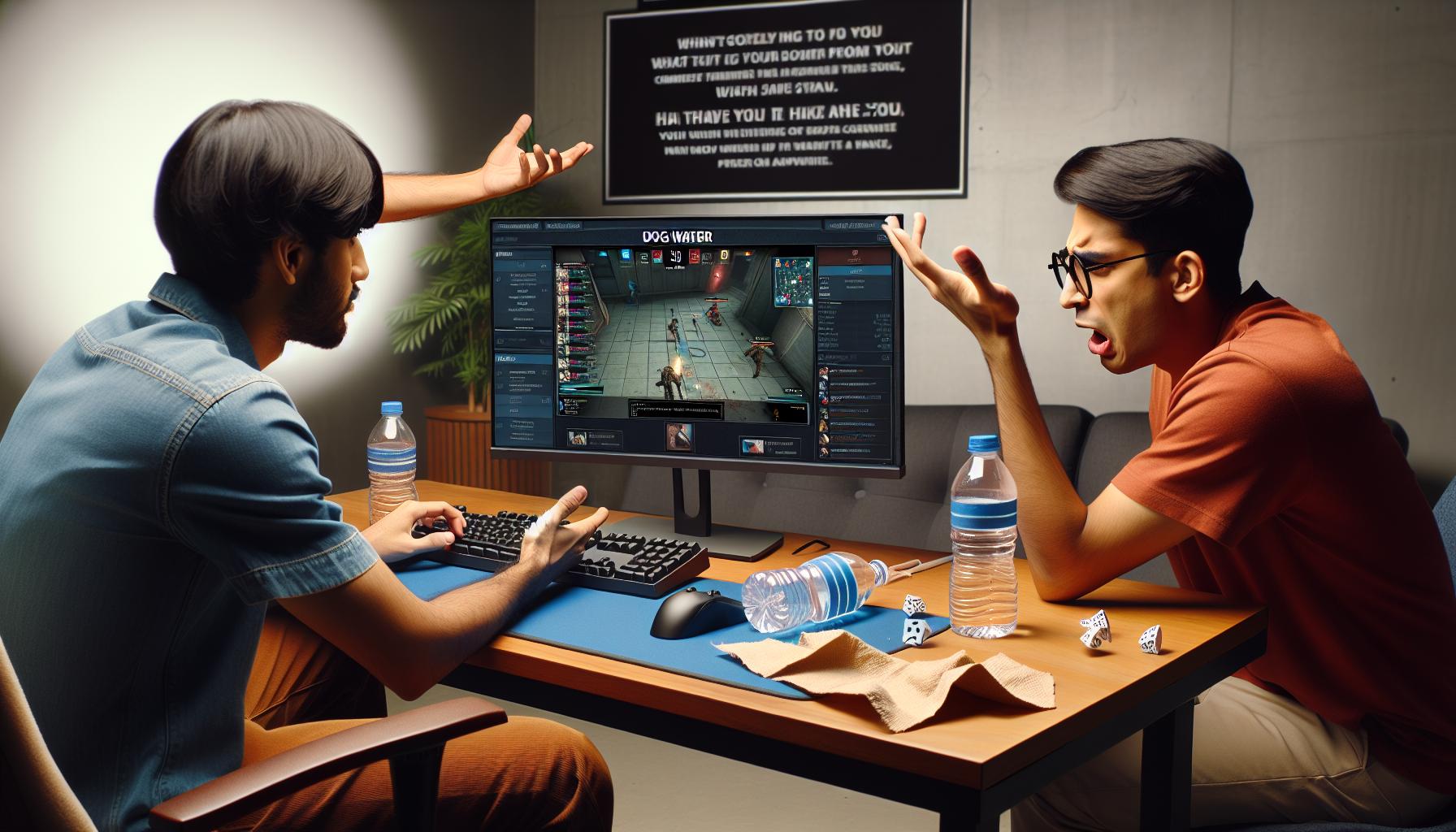
Examples of “Dog Water” in Gaming Conversations
In the fast-paced world of gaming, the phrase “dog water” has emerged as a staple humorous insult, often popping up in various scenarios among friends and teammates. Imagine a tense moment in a battle royale, where one player dramatically misses a vital shot, leading to their team’s demise. In the ensuing chat, a teammate might quip, “Nice shot! That was straight-up dog water!” This playful jab serves not only to lighten the mood after what could be a frustrating experience but also reinforces a sense of camaraderie among players who share the ups and downs of competitive play.
The use of “dog water” is versatile and can appear in multiple gaming contexts. For example, during a heated match in a first-person shooter, if a player fumbles a critical objective, fellow gamers might respond with: “Dude, you’re playing like you’re swimming in dog water today!” This expression captures both the disappointment of the moment and the lighthearted banter that helps maintain an enjoyable gaming atmosphere. It’s a way for players to critique one another without crossing into genuinely hurtful realms, preserving the competitive spirit while also promoting fun interactions.
Another common scenario for this term arises in casual games where the stakes are lower, but the competitive spirit still thrives. Picture a group of friends playing a fun party game. If one player consistently performs poorly, another might jokingly say, “Your skills are a shining example of dog water!” Here, the phrase extends beyond pure critique, becoming a source of inside jokes that can deepen friendships and encourage everyone to improve while sharing a laugh.
Ultimately, the inclusion of “dog water” in gaming conversations highlights an essential aspect of online interactions: the balance between competitiveness and camaraderie. This playful insult not only serves as a tool for friendly ribbing but also cultivates a unique culture where gamers can express frustration and encouragement simultaneously, making the gaming experience more enjoyable for all involved.
Exploring Related Gaming Slang and Terms
In the dynamic world of gaming, “dog water” is just one cornerstone of a broader lexicon filled with colorful, often humorous idioms. Understanding related terms not only enriches gameplay conversations but also fosters a sense of community among players. Much like “dog water,” which affectionately pokes fun at someone’s incompetence, other gaming slang phrases become a part of the shared language that enhances the social experience.
Common phrases include “noob,” which refers to a new or inexperienced player. While often used pejoratively, it can also serve as an invitation to guide someone through the learning curve. Then there’s “GG” (Good Game), an expression of sportsmanship that acknowledges the enjoyment of the match, whether victorious or not. Another popular term is “clutch,” which describes a moment when a player performs exceptionally well under pressure, often turning the tide of a game in a critical moment. This juxtaposition of terms – from light-hearted insults to affirmations of skill – illustrates the vibrant and varied nature of gaming slang.
The context surrounding terms like “dog water” is crucial. For example, a player might say, “Don’t go full dog water on us!” during a tense match to both humorously challenge a player while keeping the mood relaxed. This blend of camaraderie and competition helps build relationships within gaming communities, making each session memorable. Moreover, players often create humorous backstories or memes around these terms, solidifying their place in gaming culture.
In exploring this linguistic landscape, players can better navigate conversations, understand the nuances in banter, and even inject their personality into interactions. Engaging with these terms adds depth to the gaming experience, allowing players to express themselves, connect with others, and foster a playful yet competitive environment that everyone can enjoy.
The Impact of Dog Water on Gaming Culture
In the vibrant world of gaming, phrases like “dog water” have become more than just casual insults-they symbolize a shared understanding among players that transcends individual games. This term encapsulates a playful yet competitive spirit, enabling gamers to express both frustration and camaraderie in a way that fosters community cohesion. The lighthearted nature of “dog water” serves as a reflection of how gaming culture thrives on banter, creating an environment where players can connect over shared experiences, whether they’re celebrating a victory or laughing off a defeat.
The impact of such slang reaches beyond mere words; it shapes interactions within gaming communities. When players use “dog water,” they engage in a form of social commentary that communicates not just their thoughts on a fellow player’s performance, but also their own experiences within the game. This expression becomes a vehicle for humor, allowing players to poke fun at themselves and their teammates, thereby reducing tension and building morale. For instance, in a team-oriented game where coordination is crucial, a levity-filled remark about being “full dog water” can diffuse the frustration of a mishap that might otherwise lead to negative feelings.
Moreover, the phrase has inspired a wave of memes and social media trends, further embedding it in the gaming culture. Memes that humorously depict characters or scenarios as “dog water” circulate widely, often serving to unify players around a shared lexicon. These communal experiences amplify the sense of belonging and identity within gaming circles, where the exchange of memes and jokes becomes a critical part of the interaction. Players often find themselves repeating these phrases, which helps perpetuate the culture and makes it more accessible to newcomers.
Ultimately, the use of “dog water” and similar slang doesn’t just enhance the play experience; it also highlights the evolution of communication in the gaming community. Each term reflects deeper sentiments and attitudes towards gameplay, competition, and personal interaction, allowing gamers of all skill levels to partake in a dialogue that enriches both their gaming and social experiences. Understanding these terms is vital, as it encourages inclusivity, fosters friendships, and cultivates a friendly environment where players can grow and thrive together.
How to Respond to Being Called “Dog Water
When faced with being called “dog water,” it’s essential to approach the situation with a mix of humor, self-awareness, and a pinch of confidence. The term itself, while derogatory, is often used playfully within gaming communities, so responding in kind can help diffuse any tension. Embracing the humor of the moment not only shows that you’re secure in your abilities but also that you understand the playful banter that defines gaming culture.
One effective response could be:
- Laugh it off: A simple, good-natured laugh can transform the insult into a bonding moment. You might say, “I’m just practicing my ‘dog water’ moves, give me a few rounds!” This can shift the focus from the insult to a shared experience, fostering camaraderie among players.
- Turn it into motivation: Consider responding with something like, “Guess I need to step up my game then! Watch out next round!” This not only acknowledges the comment but also shows your determination to improve.
- Self-deprecating humor: If you can poke fun at yourself, it helps to lighten the mood. A response like, “True! I’ve been drinking my own ‘dog water’ lately!” keeps the tone light while acknowledging the comment.
Engaging in this playful discourse keeps the atmosphere friendly while allowing you to express your feelings about gameplay-whether that’s frustration, acceptance, or a commitment to improvement. Remember, the key is to maintain a positive attitude and keep the game enjoyable for yourself and others. By embracing the banter, you contribute to the vibrant tapestry of gaming culture where laughter and community thrive.
Community Reactions: Memes and Trends around Dog Water
The phrase “dog water” has become a popular term within gaming communities, often expressed through memes and playful banter, reflecting a shared understanding of its humorous yet derogatory connotation. What originally might have sounded like an obscure term gained traction due to its vivid imagery and relatability. Gamers seized upon it to describe someone who is underperforming or playing poorly, equating their skill level to something as lackluster as dirty water.
Memes surrounding “dog water” often feature exaggerated reactions, images of dogs with comically large bowls of water, or players showcasing epic fails in games, with captions like “When your skills are just as refreshing as dog water.” These not only illustrate the phrase’s meaning but also promote a light-hearted atmosphere in which players can poke fun at each other without crossing the line into serious insult. Platforms like Twitter, Instagram, and TikTok have further fueled this trend, allowing gamers to share their own experiences of feeling like “dog water” after a rough match.
Additionally, live streams on platforms like Twitch have become fertile ground for “dog water” references. Streamers might use the term after a blunder or as a humorous self-assessment, often accompanied by a playful tone that resonates with their audience. The term has even inspired a variety of reactions from gamers, including specific emotes or soundbites that signify an epic fail. This creates an interactive experience where viewers are encouraged to engage, share, and laugh together, fostering community spirit even during those moments of self-deprecation.
As the phrase continues to spread, it also highlights the importance of memes and trends in shaping communication within the gaming culture. These expressions not only serve as a language within the community but also reinforce the playful nature of gaming interactions, where everyone is encouraged to have fun and not take themselves too seriously. By participating in this light-hearted dialogue, players forge connections and share a deeper bond over the ups and downs of their gaming experiences.
Comparative Analysis: Dog Water vs Other Gaming Insults
In the vibrant world of gaming slang, “dog water” stands out as a colorful insult, but it often raises questions about how it compares to other derogatory terms used within the community. This term conveys a playful yet pointed commentary on a player’s skill level, often implying they are performing at a significantly subpar level, akin to something undesirable. In contrast, other gaming insults also convey frustration or disappointment but may carry different connotations or levels of severity.
To start with, consider terms like “noob” and “scrub.” While “noob” refers to a newcomer who is inexperienced-generally not meant to be particularly harsh-“dog water” takes aim directly at performance, suggesting that even a beginner should be doing better. “Scrub,” on the other hand, is often used to describe someone who is seen as not making an effort to improve, further deepening the insult. It’s more about attitude than ability, which can make it feel harsher in competitive contexts.
To add nuance, we can look at expressions such as “trash” or “garbage.” These terms are typically more blunt and can feel more offensive due to their straightforward nature. They imply a complete lack of merit, whereas calling someone “dog water” carries a hint of humor, often used in a more playful context among friends. This distinction is crucial, as it can influence how players respond to being insulted; a light-hearted jab might be taken less to heart compared to a more straightforward putdown.
Ultimately, the playful nature of “dog water” demonstrates how language evolves in gaming. Insults like this foster a sense of camaraderie and community among players, as they can share a laugh over their mutual performances while engaging in friendly competition. This reflects a broader trend where the best insults come wrapped in humor, allowing for banter without crossing the line into overt offense, making “dog water” an integral part of the gaming lexicon.
Why Understanding Gaming Slang is Important for Gamers
Understanding gaming slang, like the term “dog water,” is essential for anyone looking to immerse themselves in the vibrant culture of gaming. This language serves as an informal code, enabling players to communicate effectively, share experiences, and form connections. As games continue to evolve, so does the terminology surrounding them; thus, being familiar with these expressions can significantly enhance your interaction with the community.
When a player calls someone “dog water,” it’s not just an insult; it reflects an entire subtext of gameplay experiences, rivalries, and camaraderie. Familiarity with such phrases can help players understand the emotions and intentions behind in-game communication. For example, “dog water” is often used in a light-hearted context among friends, pointing out a poor performance in a way that invites laughter rather than offense. Recognizing this context helps maintain a fun atmosphere and can prevent misunderstandings that might lead to toxic behaviors.
Moreover, engaging with gaming slang enriches the overall gaming experience. It allows gamers to participate more fully in discussions about strategies, lore, and competitiveness. Players who understand the nuances of terms can join conversations more confidently, whether on forums, streaming platforms, or in-game chats. This shared language fosters a sense of belonging and community, making it easier to forge friendships and build a support network among fellow gamers.
Lastly, navigating the world of gaming slang contributes to a broader understanding of pop culture and social interactions in digital spaces. As gaming becomes more mainstream, the terminology used within these communities permeates popular culture, influencing everything from memes to marketing strategies. Being knowledgeable about phrases like “dog water” not only serves practical purposes in gaming but enriches your cultural literacy in an increasingly interconnected world.
Kid-Friendly Explanation: Talking about Gaming Slang with Children
When it comes to gaming, words and phrases can sometimes be a little confusing, especially for younger players. One such phrase, “dog water,” might sound a bit strange at first. Essentially, it’s a playful way to say that someone isn’t performing very well in a game. Imagine if your friend didn’t make the best plays in a video game and you jokingly said, “Come on, that was dog water!” It’s all in good fun and not meant to hurt anyone’s feelings.
Explaining this term can be a great way to open a conversation about how to communicate positively during games. It’s important to remind kids that while it’s okay to be light-hearted, words can still impact others. Encouraging players to use phrases like “dog water” in a friendly way helps create a relaxed atmosphere. They can also learn to give constructive tips instead of just making fun of someone’s mistakes. For instance, instead of saying “you’re dog water,” they could say, “Let’s try that again together; I can help you with that level!”
Engaging with slang not only helps kids understand their friends better but also keeps gaming experiences fun and collaborative. It’s about building a community where everyone feels included, whether they’re winning or learning from their mistakes. So next time they hear “dog water,” you can explain it’s just a quirky slang for a rough moment in the game, and remind them that kindness goes a long way in making gaming enjoyable for everyone.
The Evolution of Gaming Language: From Old School to New
The landscape of gaming language has transformed dramatically over the years, much like the games themselves. From the early days of arcade gaming to the sophisticated online multiplayer environments of today, players have created a rich lexicon that reflects their experiences, frustrations, and camaraderie. One standout example of this evolution is the expression “dog water,” which epitomizes newer, informal slang that has become popular among younger gamers.
In the past, terms like “noob” or “lame” were commonly used to describe a player’s poor performance. These expressions often lacked the playful charm that more recent terms bring. “Dog water,” however, is more than just a jab; it evokes imagery of something that is inherently low quality, reminiscent of the casual banter that occurs in a relaxed gaming session among friends. This shift towards more creative and humorous insults reflects a broader change in gaming culture, where community interaction and joking rivalry have become key elements of the gaming experience.
With various platforms and social media amplifying these colloquial phrases, the use of “dog water” has exploded, especially in popular titles like Fortnite and Call of Duty. Players can now communicate not only through gameplay but also through a shared language that fosters a sense of belonging. This communal aspect keeps the environment light-hearted, encouraging players to tease each other while maintaining friendships.
It’s fascinating to see how new expressions replace older terms, often reflecting broader societal changes and technological advancements. As players continue to innovate and adapt their language, phrases like “dog water” will likely evolve, but the core idea remains: gaming language is a living, breathing entity that brings players together, enriches their interactions, and adds depth to the overall experience.
Frequently Asked Questions
Q: What does “dog water” mean in gaming culture?
A: “Dog water” is a slang term in gaming used to describe someone who is perceived as bad at the game. It’s often said in a mocking context, indicating that a player’s performance is subpar or disappointing compared to others. It’s akin to saying someone is useless or lacks skill.
Q: How did the term “dog water” originate in gaming?
A: The term “dog water” likely originated from the gaming community as a playful insult, with “dog” referencing something unpleasant associated with a dog. Although exact origins are unclear, it reflects the informal, often humorous language gamers use to criticize one another’s skills during competitive play.
Q: When should I avoid using “dog water”?
A: You should avoid using “dog water” in gaming contexts where it might escalate tensions or hurt someone’s feelings. It’s best used among friends or in a light-hearted manner to prevent misunderstandings. In competitive environments, respectful communication is always preferable.
Q: Are there alternative phrases to “dog water” in gaming?
A: Yes, alternative phrases include “trash,” “garbage,” or “booty,” which also convey the idea of poor performance. However, it’s important to choose your words wisely based on the gaming environment and the relationships you have with other players.
Q: How can I respond if someone calls me “dog water”?
A: If someone calls you “dog water,” consider responding humorously to diffuse the situation or use it as motivation to improve. You can say something like, “I guess I need to practice more!” This shows you can take it lightly while still taking your gaming seriously.
Q: What impact does “dog water” have on gaming communities?
A: The term “dog water” can foster camaraderie through shared jokes among friends but may also contribute to a toxic environment if overused or directed at inexperienced players. Encouraging a supportive atmosphere is crucial for maintaining healthy gaming communities.
Q: Why is understanding gaming slang like “dog water” important?
A: Understanding gaming slang, such as “dog water,” is important for effective communication within the gaming community and to ensure you can engage in conversations and jokes. It also helps in navigating the social aspects of gaming, enhancing your overall experience.
Q: How can I introduce gaming slang to children?
A: When introducing gaming slang like “dog water” to children, explain the meanings in a kid-friendly way, focusing on context. Ensure they understand that while slang can be humorous, respectful communication is vital in gaming interactions.
In Summary
Now that you understand what “dog water” means in the gaming world, you can confidently join the conversation and impress your friends with your newfound knowledge! This slang adds a fun layer to gaming chats, but remember, using it wisely keeps your interactions positive and engaging. If you found this explanation helpful, check out our posts on other gaming slang terms and tips for improving your gameplay.
For a deeper dive into gaming culture, don’t miss our guides on understanding meme language or navigating the world of online multiplayer games. Stay connected and explore our resources to level up your gaming experience! And if you have any questions or want to share your thoughts, drop a comment below-we’d love to hear your take! Your journey into gaming slang doesn’t have to end here; keep exploring and stay ahead of the game!