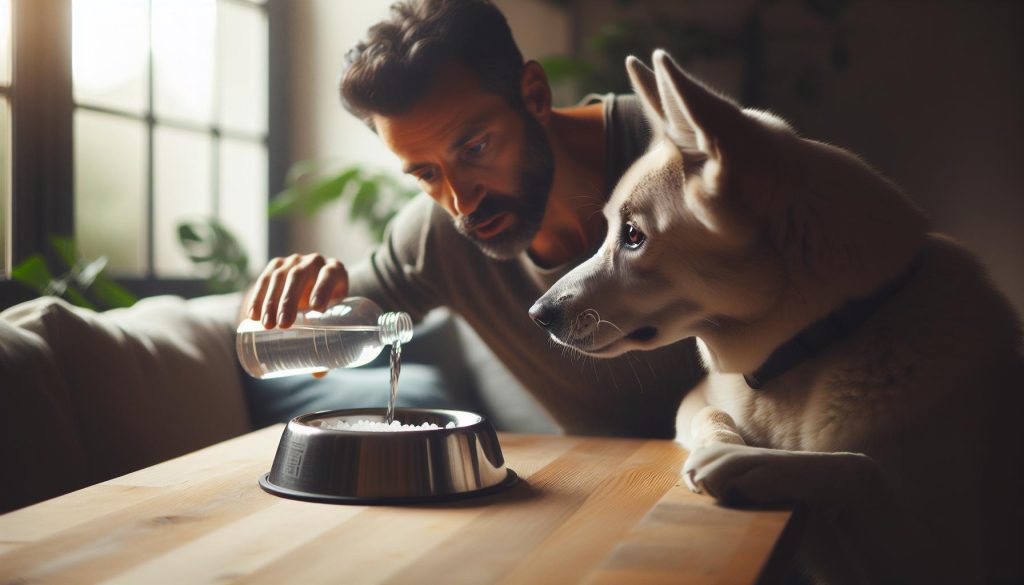
Did you know that gulping down water too quickly can pose serious health risks for your dog? While it might seem like a harmless quirk, fast drinking can lead to complications such as bloating or even life-threatening conditions. As responsible pet owners, it’s essential to understand how our furry friends can be affected by their drinking habits. This article will explore the potential dangers of rapid water consumption, helping you identify the signs of distress and providing practical tips to ensure your pup stays healthy and hydrated. Let’s dive into how you can keep your beloved companion safe while they quench their thirst!
Health Risks of Dogs Drinking Water Quickly
Dogs can be eager creatures, often gulping down water much faster than we’d like. This enthusiasm can lead to some alarming health risks, primarily due to a condition known as bloat, or gastric dilatation-volvulus (GDV). When a dog drinks water too quickly, it might ingest a significant amount of air along with the water, which can cause the stomach to expand unexpectedly. This bloating can lead to twisting of the stomach, a medical emergency that requires immediate veterinary attention. The twisting blocks the blood flow to vital organs and can lead to shock or even death if not addressed promptly.
In addition to the risk of bloat, drinking water too fast can also result in vomiting. This not only creates the potential for dehydration (which might seem counterintuitive) but also poses a risk of aspiration pneumonia, as water may accidentally enter the lungs. It’s crucial to be aware of the dangers such rapid consumption poses, as some breeds are more susceptible to these issues than others. Large, deep-chested breeds like Great Danes and Boxers are particularly at risk, but any dog can experience complications from drinking too quickly if the circumstances are right.
To help mitigate these risks, pet owners should actively monitor their dogs’ drinking habits. Employing a slow-feed bowl or placing a large stone in the water dish can encourage your dog to drink more slowly. Taking breaks during playtime for water, rather than allowing a free-for-all at the water bowl, can also help them pace their drinking. With a little effort and observation, you can keep your furry friend hydrated while minimizing the risk of health complications. Remember, your vigilance saves them from potential emergencies, ensuring a healthier, happier life for your canine companion.
Signs of Distress When Dogs Drink Too Fast
Dogs can be remarkably enthusiastic drinkers, but this eagerness can sometimes lead to distressing signs that every dog owner should recognize. Noticing how your furry friend behaves at the water bowl is crucial; if they seem to gulp down water in excessive amounts, it can quickly raise a red flag. One of the first signs to watch for is retching or gagging. If your dog suddenly stops drinking and starts to cough or make choking sounds, this could indicate they have swallowed too quickly, leading to discomfort or airway obstruction.
Furthermore, observe your dog for signs of restlessness or discomfort post-drinking. If they appear more agitated than usual-pacing around the room or appearing unable to settle-this could be an early indication of bloat, an agonizing condition that worsens with time. Physical symptoms like a distended abdomen or excessive drooling are also concerning signals that might warrant immediate veterinary attention. If your dog attempts to vomit but cannot, this should be treated as an emergency, as it constitutes a serious case where the stomach may be undergoing extreme distress.
Some breeds are particularly prone to drinking-related issues, especially large or deep-chested varieties like Great Danes and Boxers. Understanding your dog’s specific predispositions can help in monitoring their drinking behavior effectively. Should you notice any unusual patterns such as rapid panting after drinking or lethargy that seems out of character, it’s essential to take these seriously. These symptoms could point toward more significant complications like aspiration pneumonia or severe gastrointestinal distress.
Lastly, keeping a close eye on your dog’s drinking habits is essential, as prevention is the best approach. Consider using specialized drinking bowls designed to slow down consumption or engaging in structured drinking routines that encourage frequent, smaller sips rather than a frantic gulp. By fostering a mindful environment around hydration, you not only promote better health but also contribute to your companion’s overall well-being.
How Fast Should a Dog Drink Water?
Understanding the right pace at which your dog should drink water is crucial for their health and safety. Ideally, dogs should be able to drink at a moderate speed without gulping down large quantities at once. A general rule of thumb is that your dog should take sips rather than gulps. While there is no specific time frame that applies universally to all dogs, you should observe your pet to ensure they are drinking slowly enough to minimize any risk of distress or health issues.
Factors that influence how fast a dog should drink include their size, age, and any existing health conditions. For instance, larger breeds, particularly those prone to bloat like Great Danes or Boxers, can be especially sensitive to drinking habits. They should ideally be encouraged to drink in shorter sips to alleviate the risk of excessive air intake, which can lead to a dangerous condition known as gastric dilatation volvulus (GDV). In contrast, smaller dogs might manage faster drinking better, but it’s still advisable to monitor their drinking speed closely.
To help your dog maintain a safe drinking speed, consider implementing the following practical strategies:
- Use a Slow Feeder Bowl: These bowls can help reduce the speed at which your dog drinks by creating obstacles that require them to eat or drink in smaller portions.
- Encourage Breaks: If your dog has been exercising or is particularly thirsty, encourage them to take breaks during drinking sessions. This will give their stomach time to adjust and reduce the risk of bloat.
- Instill Good Habits: Monitor your dog’s drinking habits and gently redirect them if they begin to gulp. Praise them for taking smaller sips to reinforce positive behavior.
By adopting these practices, you can ensure that your furry friend stays hydrated while minimizing potential health risks associated with drinking water too quickly. Remember, being proactive in your dog’s hydration habits contributes greatly to their overall well-being!
Impact of Breed on Drinking Habits
Different dog breeds exhibit varying drinking habits, influenced by their size, anatomy, and health predispositions. For instance, large breeds like Great Danes and Boxers are particularly susceptible to the dangers of drinking too quickly. Their large stomachs can hold significant amounts of water, which, if gulped down rapidly, can increase the risk of bloat or gastric dilatation volvulus (GDV). These conditions are serious and can lead to severe health complications, so it’s crucial for owners of larger breeds to monitor their drinking speed vigilantly.
On the other hand, smaller breeds, such as Chihuahuas or Dachshunds, may not face the same level of risk from fast drinking but can still be affected by rapid water intake. Since these smaller dogs have smaller stomachs, drinking too quickly can lead to discomfort or even vomiting. To reduce these risks, observe your dog’s drinking habits, regardless of their breed, and encourage a more measured intake whenever possible.
This breed-specific guidance is essential, especially for new dog owners. Consider using tools like slow feeder bowls or specially designed water dishes that promote slower drinking habits. These items can create a barrier, making it more challenging for dogs to gulp down their water. Here’s a quick comparison highlighting breed tendencies:
| Breed Type | Susceptibility to Fast Drinking Risks | Recommended Drinking Strategies |
|---|---|---|
| Large Breeds (e.g., Great Danes, Boxers) | High (Risk of GDV) | Encourage slow sips; use slow feeder bowls. |
| Medium Breeds (e.g., Beagles, Bulldogs) | Moderate | Monitor intake; provide breaks while drinking. |
| Small Breeds (e.g., Chihuahuas, Dachshunds) | Low to Moderate | Use shallow bowls; encourage slower drinking. |
Creating a safe and enjoyable drinking experience for your dog not only protects their health but also promotes good habits. With careful observation and some practical adjustments, you can help your furry friend hydrate safely, regardless of their breed.
Dehydration and Its Effects on Dog Health
Dehydration is a serious concern for dogs, just as it is for humans, and it can significantly affect their health and well-being. Dogs lose water through normal functions such as panting, urination, and bowel movements. When they drink water too quickly, the risk of dehydration can paradoxically increase; rapid intake can lead to excessive vomiting, preventing the body from effectively retaining the needed fluids. Furthermore, if a dog gulps down water hurriedly after being active or during hot weather, it may exacerbate the risk of dehydration while also causing other severe health issues such as bloat.
The signs of dehydration in dogs are crucial for owners to recognize. Common symptoms include:
- Lethargy or decreased energy levels
- Dry mouth and sticky gums
- Sunken eyes
- Loss of appetite
- A noticeable decrease in skin elasticity (skin does not spring back when pinched)
If owners notice these symptoms, it’s essential to address them promptly. The best practice is to offer water freely but encourage slower drinking strategies. This approach not only aids in preventing water intoxication but ensures their hydration practices keep pace with their physical activity levels and environmental conditions.
Maintaining proper hydration is fundamentally linked to various bodily functions, directly impacting a dog’s energy levels, temperature regulation, and nutrient absorption processes. Dogs that are dehydrated may struggle with increased heart rates, elevated body temperatures, and even complications in organ functions. It is especially vital for sporting, working, or older dogs to have continuous access to fresh, clean water to mitigate these risks.
Taking preventive measures is key. Owners might consider utilizing slow feeder bowls or special water bowls designed to reduce the speed at which dogs drink. Such simple tools can make a significant difference in promoting cautious water intake. Additionally, monitoring water intake during both routine and high-activity scenarios can help maintain a dog’s hydration status, promoting overall health and preventing the adverse effects associated with both dehydration and rapid drinking.
Importance of Hydration for Canine Well-being
Hydration plays a crucial role in maintaining your dog’s overall health and well-being, akin to how water sustains life for all living beings. Dogs, like humans, are composed of a large percentage of water, and this vital resource is essential for nearly every bodily function. Proper hydration aids in digesting food, regulating body temperature, transporting nutrients, and eliminating waste. When dogs drink water slowly and in moderation, they maximize absorption and efficiency, supporting their health in numerous ways.
Given its importance, monitoring your dog’s water intake can help prevent serious health issues. Dogs typically need about one ounce of water per pound of body weight daily, but this can increase with activity or in hot weather. However, when dogs drink water too quickly, they may bring in excess air along with the liquid, leading to complications such as vomiting or a dangerous condition known as bloat, particularly in susceptible breeds like Great Danes or Boxers. This rapid intake can ironically increase dehydration risk, as excessive vomiting prevents the body from retaining necessary fluids.
To promote healthy hydration habits, consider implementing practical strategies. Providing fresh, clean water at all times is essential, but you might also explore using tools like slow-feeder bowls or specially designed water bowls to control drinking speed. These methods not only help prevent gulping but also encourage your dog to drink as needed throughout the day, particularly after high-energy activities or during warmer weather. A balanced approach ensures your dog remains hydrated and energized while minimizing the risks associated with drinking too fast.
Remember that each dog is unique; their hydration needs can vary based on age, activity level, and breed. For instance, active sporting dogs like Labrador Retrievers or Cocker Spaniels may require more frequent access to water compared to laid-back breeds like Bulldogs or Basset Hounds. Continuously observe your dog’s drinking habits and make adjustments according to their specific needs. Be proactive in fostering a healthy relationship with hydration, and you’ll help your furry friend thrive in life.
Strategies to Slow Down Your Dog’s Drinking
One of the most effective ways to ensure your dog remains healthy and hydrated is to manage how quickly they drink water. Dogs that gulp down large amounts of water can inadvertently take in air along with the liquid, leading to gas and potential bloating, a serious condition that can threaten their health. Fortunately, there are several proactive strategies you can implement to slow down your dog’s drinking and promote safer hydration habits.
Start by introducing a slow-feeder water bowl. These specially designed bowls have obstacles that encourage dogs to drink more slowly by forcing them to navigate around the barriers to access the water. They not only reduce the risk of gulping but also turn the act of drinking into a more engaging and leisurely activity for your furry friend. If you’re feeling crafty, you can create a DIY version by placing clean stones or marbles in a standard bowl-just ensure the stones are large enough to prevent accidental swallowing.
Another great tactic is to provide multiple smaller bowls of water throughout your home. This way, your dog is encouraged to drink in moderation and can sip throughout the day instead of having a single large bowl that they might drain too quickly. It’s also beneficial to place these bowls in various locations, as it can help your dog develop a habit of drinking regularly without overwhelming themselves.
You can also incorporate ice cubes or frozen treats into your dog’s hydration routine. Filling their bowl with ice cubes can slow down their drinking pace as they chew through the ice to get to the water below. Alternatively, you could freeze small amounts of water with dog-safe treats inside-this not only keeps them entertained but adds a flavorful twist to their hydration routine.
Lastly, always keep an eye on your dog during drinking time, especially after play sessions or during hot weather. Encourage them to take breaks if they seem to be drinking too quickly. For breeds prone to bloat, like Great Danes or Boxers, this vigilant monitoring is even more critical. Adjust their routines as needed, and consult with your vet if you notice signs of excessive drinking or distress.
By employing these strategies, you are taking proactive steps not only to enhance your dog’s drinking habits but also to safeguard their overall well-being. A little patience and creativity go a long way in ensuring your pup stays healthy and hydrated!
Home Remedies for Over-Eager Drinkers
It’s surprising how quickly a dog can gulp down water, often without realizing the potential dangers involved. When dogs drink too fast, they can take in excess air along with the water, leading to gas buildup and increasing the risk of a life-threatening condition known as bloat. Luckily, there are several home remedies and methods to encourage a more measured approach to hydration that can protect your pup’s health.
One effective remedy is to provide your dog with a slow-feeder water bowl. These bowls are designed with obstacles that make it challenging for dogs to drink quickly. As they navigate around the barriers, dogs tend to sip more slowly, reducing the chances of gulping air. If purchasing a new bowl isn’t an option, consider creating a DIY version by placing large, clean stones in a regular bowl-just ensure the stones are big enough to prevent swallowing.
Another practical strategy is to distribute multiple shallow water bowls around your home and yard. This setup can help your dog hydrate steadily throughout the day without feeling the urge to rush. Positioning bowls in various locations encourages a calmer drinking pace and minimizes the risk of overwhelming their system all at once, especially for larger breeds like Labrador Retrievers or Great Danes, which are more prone to bloat.
Incorporating ice cubes or frozen treats into their hydration routine is not only a fun twist but is a smart way to slow down their drinking speed. Dogs love the challenge of gnawing on ice to access water, and it also keeps them cool during hot days. You can even freeze dog-friendly treats in ice cubes as a tasty enticement that turns hydration into a rewarding experience.
Lastly, be vigilant about monitoring your dog’s drinking habits. If they seem overly eager, gently control their pace by encouraging breaks during drinking sessions. Giving them a calm environment can also help manage any anxious behaviors that lead to fast drinking. Should you observe consistent signs of distress or excessive drinking, don’t hesitate to consult your veterinarian for tailored advice or potential underlying issues.
By implementing these simple yet effective home remedies, you create a healthier, happier drinking environment for your furry friend. Not only do these methods help prevent the dangers associated with rapid drinking, but they also enrich your dog’s overall hydration experience.
When to Seek Veterinary Attention
It’s not unusual to witness your furry friend guzzle water with an enthusiasm that could rival that of a thirsty marathon runner! However, it’s crucial to recognize when such behavior veers into the territory of concern. Rapid drinking can lead to serious health issues, including the risk of bloat-a life-threatening condition where the stomach fills with gas and twists on itself. This condition can develop quickly and may require immediate veterinary intervention.
If you notice any of the following signs following your dog’s fast drinking, it’s time to reach out to your vet:
- Excessive panting or drooling: While thirst can make a dog pant, excessive panting or drooling may indicate distress.
- Abdomen swelling: A noticeable distension or hardening of the abdomen is a classic indicator of bloat.
- Unproductive vomiting: If your dog attempts to vomit but produces nothing, this could signal a blockage or bloat.
- Lethargy or weakness: If your dog seems unusually tired or unfocused, it could be a warning sign that something is amiss.
- Restlessness or pacing: An inability to settle down can indicate discomfort, which might prompt you to investigate further.
If your dog exhibits any of these symptoms, don’t hesitate to seek veterinary care. Early intervention can make a significant difference in outcomes. Remember, if your intuition tells you something is not right, it’s always best to err on the side of caution. Engaging with your vet not only helps address immediate concerns but also provides valuable insights into managing your dog’s drinking habits for their long-term health and safety.
Besides managing acute situations, regular check-ups can help ensure your dog is healthy enough to tolerate their drinking habits. Your vet might suggest strategies tailored to your dog’s breed and individual behavior, potentially incorporating diet adjustments or behavioral training. Keeping your dog healthy and happy is a team effort-your active participation in monitoring their behaviors can be pivotal!
Preventing Bloat in Dogs: A Guide
Rapid drinking can be a concerning habit for our furry companions, particularly in regards to the risk of bloat, a serious condition that can arise with alarming speed. Understanding how to prevent this potentially life-threatening issue is paramount for any dog owner. Bloat, or gastric dilatation-volvulus (GDV), occurs when the stomach fills with gas and twists, cutting off blood flow. This condition often requires emergency veterinary intervention, making prevention a critical focus.
One effective strategy for reducing the risk of bloat associated with rapid drinking is to modify your dog’s feeding and watering routine. implementing smaller meals throughout the day can help manage their intake and reduce their urgency when it comes to hydration. It’s beneficial to allow your dog to drink in a calm environment and avoid exercise for at least one to two hours after meals. This approach ensures that their stomach remains calm and less prone to uncomfortable gassing or twisting.
For breeds particularly prone to bloat, such as Great Danes, Boxers, and Doberman Pinschers, additional measures can be helpful. Using specially designed slow-feed bowls can encourage a more measured drinking pace. Moreover, some owners have found success with adding a tennis ball in their dog’s water bowl, which forces them to navigate around the ball, slowing down their drinking. Additionally, monitoring their water intake is crucial; dogs should have access to water throughout the day but should be encouraged to take sips rather than gulping large amounts all at once.
Another essential factor in preventing bloat is minimizing stress during feeding and drinking times. Rushing to the water dish following play or exercise can heighten anxiety and encourage fast drinking. Establishing a quiet and calm atmosphere around mealtime can support a more relaxed drinking habit. Through a combination of these strategies, you can help ensure your dog remains hydrated while also safeguarding their health against bloat.
The Role of Feeding Method in Drinking Speed
When it comes to dogs and their drinking habits, the method by which they are served their water can make a significant difference in how quickly they gulp it down. Many dog owners may not realize that simple adjustments in feeding and watering routines can play a crucial role in controlling drinking speed. For example, dogs that drink rapidly are often those that are overly excited or anxious, which can lead them to take in too much water too quickly, risking not only discomfort but also more serious conditions like bloat.
To address this, it can be beneficial to implement feeding practices that encourage a calmer drinking environment. One effective approach is to use slow-feed bowls or elevated water dispensers designed to minimize gulping. These types of bowls encourage dogs to engage with their water in a more measured way. For those breeds particularly prone to bloat, like Great Danes or German Shepherds, these adjustments can be critical. In fact, a slow-feed bowl can help prolong mealtime and drinking periods, allowing your dog to hydrate more gently.
Another strategy is to avoid serving water at the same time as meals. By separating drinking from feeding, you can help lower your dog’s urgency to drink fast. After meals, give your pup time to relax and digest before allowing them access to water. This delay can help manage their thirst and reduce the tendency to gulp down large amounts in a hurry.
The environment plays a crucial role as well. Dogs often drink faster when there are distractions around, such as other pets or children. Creating a quiet, stress-free area where your dog can drink can significantly slow them down. Additionally, incorporating techniques like placing a tennis ball in the water bowl can slow down drinking as dogs maneuver around it, encouraging them to take smaller sips rather than diving in with gusto. These practical adjustments not only promote better hydration practices but also safeguard your pet’s health in the long run.
Behavioral Tips for Curbing Fast Drinking
Dogs can be surprisingly ingenious when it comes to how they approach their hydration, but if they’re gulping water too quickly, it can lead to serious health risks. There are many practical steps pet owners can take to encourage slower drinking behavior while still ensuring their furry friends stay hydrated.
One effective strategy is to opt for puzzle bowls or slow-feed water dishes. These bowls are designed to make it more challenging for your dog to drink quickly, prompting them to take smaller sips instead. Dogs like Great Danes or Doberman Pinschers, which are more prone to bloat, can greatly benefit from this approach. You can also try placing a large, sturdy ball in the water bowl, which forces your dog to navigate around it, slowing down their drinking pace.
Creating a calming environment can make a world of difference as well. Minimize distractions in the area where your dog drinks, whether that’s separating them from other pets or choosing a quieter corner of your home. Some dogs feel anxious or excited about drinking, which can lead them to gulp their water. Establishing a quiet drinking ritual-such as using the same designated spot and time for drinking-can help your dog relax and be more mindful during hydration.
Additionally, consider the timing of meals and hydration. To curb fast drinking, it’s wise to avoid letting your dog drink immediately after eating. Allow some time-about 30 minutes-to pass before they have access to water again. This practice not only aids in digestion but also helps reduce the likelihood of them gulping water quickly, as their digestive systems won’t be competing with their thirst.
To put it all into action, here’s a quick checklist you can use to encourage slower drinking habits:
- Implement puzzle or slow-feed water bowls.
- Place a ball in your dog’s water bowl.
- Designate a quiet, distraction-free area for drinking.
- Avoid giving access to water right after meals.
- Monitor your dog’s water intake patterns and adjust as necessary.
Taking these steps not only promotes healthier drinking practices but also contributes to your dog’s overall well-being. The shift from a fast-paced drinking habit to a more measured approach can significantly reduce the risk of bloat and keep your beloved pet healthier for years to come.
Q&A
Q: What are the risks of a dog drinking water too fast?
A: A dog drinking water too fast can lead to serious health risks, including bloat, which is a life-threatening condition where the stomach expands with gas and may twist. This can cause vomiting, lethargy, and in severe cases, may require emergency surgery [2].
Q: How can I tell if my dog is drinking water too fast?
A: Signs that your dog is drinking water too fast include gagging, coughing, or immediate vomiting after drinking. If you notice these symptoms, it may indicate that your dog is ingesting water too quickly [3].
Q: What should I do if my dog drinks too fast?
A: If your dog drinks too fast, consider using a slow-feed bowl to encourage slower drinking. Also, monitor your dog for signs of discomfort or vomiting, and consult your veterinarian if issues persist [1].
Q: Can the breed of my dog affect how fast they drink water?
A: Yes, different breeds may have varying drinking habits influenced by their size and temperament. For example, larger breeds may be more prone to bloat if they drink rapidly compared to smaller breeds [2].
Q: Is there a safe way to monitor my dog’s drinking speed?
A: To monitor your dog’s drinking speed safely, observe them during water breaks. Measure the time it takes to finish their bowl and reduce bowl size if necessary, guiding them to drink more slowly [3].
Q: What water bowl designs help slow down a fast-drinking dog?
A: Special slow-feed water bowls, which have dividers or obstacles, can encourage dogs to take their time drinking. This prevents gulping and reduces the risk of bloat [2].
Q: When should I be concerned about my dog’s drinking habits?
A: You should be concerned if your dog consistently drinks water very quickly and shows signs of distress, such as vomiting or lethargy. It’s advisable to seek veterinary advice if these symptoms continue [1].
Q: How can I prevent my dog from bloat associated with rapid drinking?
A: To prevent bloat, ensure your dog drinks in a calm environment. Avoid allowing them to drink large quantities of water rapidly after meals and consider using slow-feed bowls [3].
Closing Remarks
Thanks for joining us in exploring the critical health dangers associated with a dog drinking water too fast! As you’ve learned, this seemingly innocent habit can lead to serious health issues, including bloat. It’s essential to monitor your pet’s hydration habits closely to prevent these risks. If you have further concerns or want to share your experiences, feel free to leave a comment below!
For more insights on optimizing your dog’s health, check out our guides on proper nutrition and exercise techniques, or learn about common canine behavioral issues and how to address them effectively. Don’t forget to subscribe to our newsletter for the latest tips and expert advice right in your inbox! Your furry friend’s health is too important-take action now and ensure they thrive!