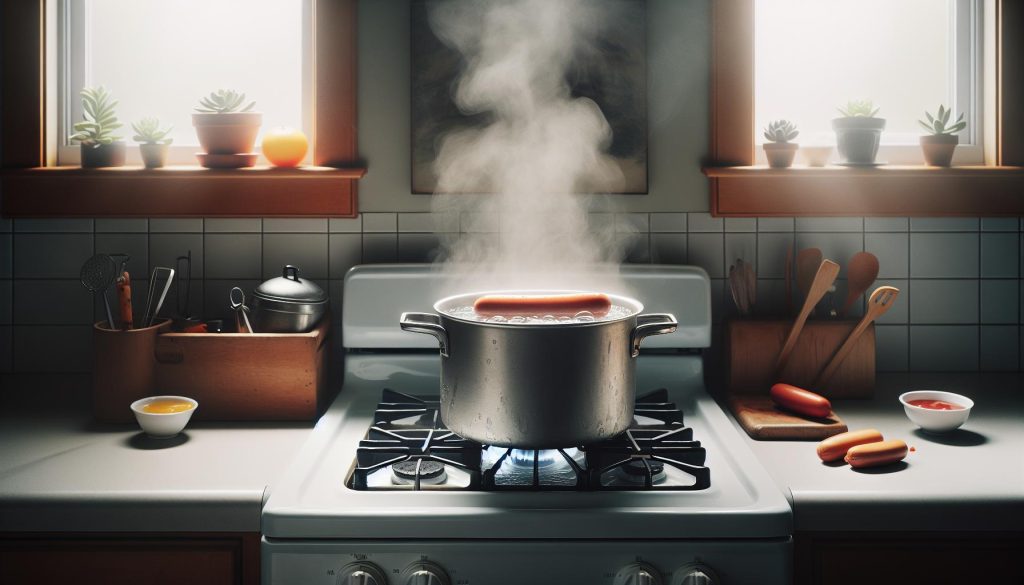
Did you know that boiling hot dogs can significantly enhance their flavor and texture? While it may seem like a simple task, the type of water you use can make a big difference in your hot dog experience. If you’re looking to serve a juicy, perfectly cooked hot dog at your next gathering, understanding the nuances of water quality, seasoning, and boiling methods is essential. Whether you’re a seasoned grill master or a beginner in the kitchen, knowing what kind of water to boil hot dogs in can help achieve the best results, ensuring your meal is not only delicious but also memorable. Join us as we dive into this flavorful journey and uncover the secrets to preparing hot dogs that are sure to impress your friends and family!
What Type of Water Is Best for Boiling Hot Dogs?
When it comes to boiling hot dogs, the type of water you use can significantly influence the final flavor and texture. While it might seem straightforward to simply reach for the tap, considering your water source can elevate your hot dog experience. For the best results, using filtered or spring water is often recommended, as these options are typically purer and devoid of chemicals like chlorine or heavy metals commonly found in municipal tap water. This choice ensures that the natural flavors of the hot dogs aren’t masked by any off-tastes from the water.
Additionally, if you’re boiling your hot dogs for a gathering, consider the water temperature. Start with cold water, as it heats evenly and prevents the hot dogs from cooking too quickly on the outside while remaining cold inside. If you opt for flavorful enhancements, you can also infuse your boiling water with spices or broth to impart extra taste to the hot dogs themselves. Ultimately, the quality and temperature of the water can make a meaningful difference, helping you serve up a deliciously juicy dog every time.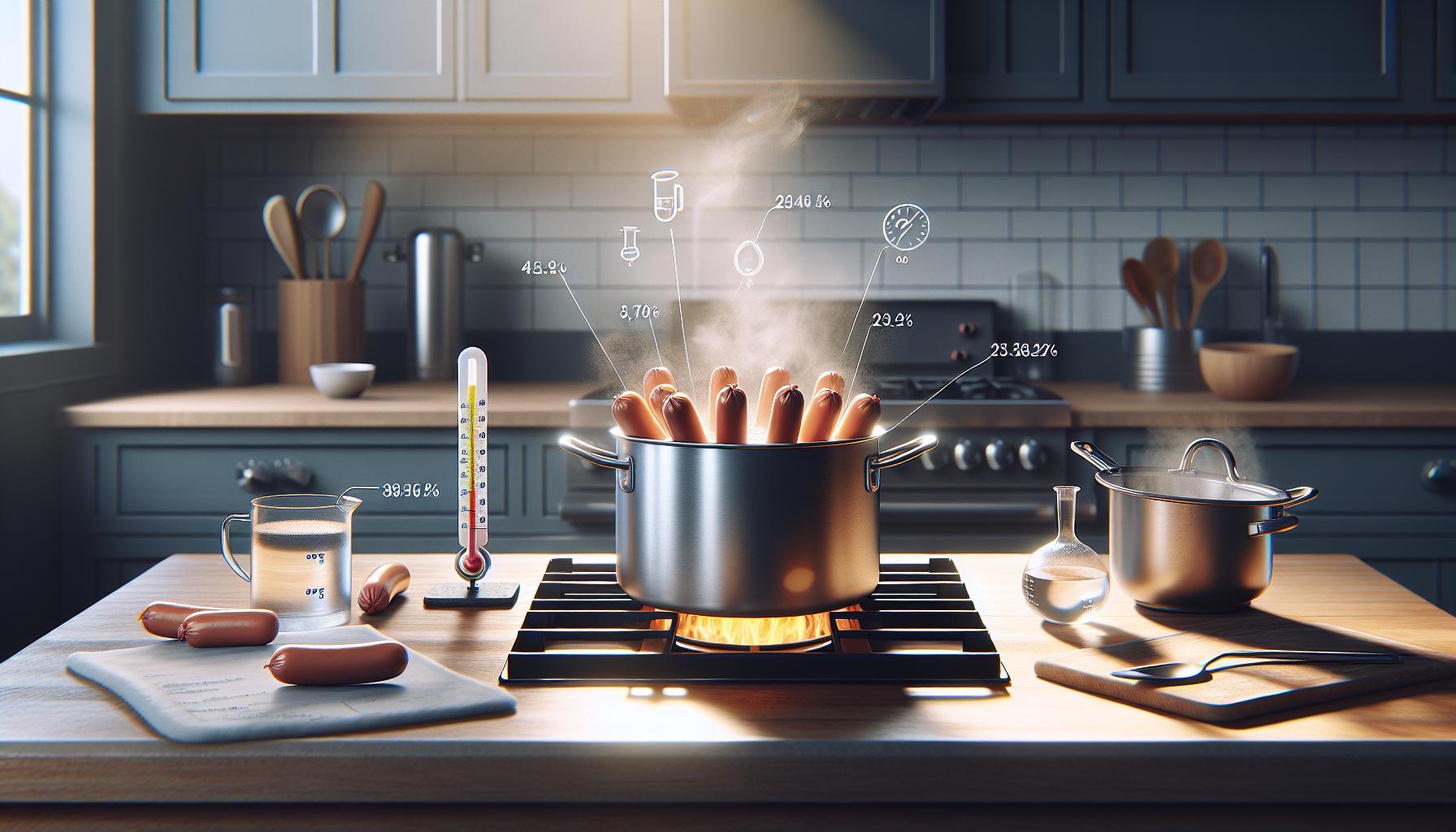
The Science Behind Boiling Hot Dogs
Boiling hot dogs may seem like a straightforward task, but there’s actually a fascinating science at play that can make your cooking results remarkably better. When you heat water, it begins to transfer heat to the hot dogs, causing their proteins to denature and fats to render. This process transforms the texture and juiciness of the hot dog, but the type of water you use can significantly impact these outcomes.
Starting with pure, filtered water is ideal, as it tends to lack impurities that could alter the flavor. For instance, municipal tap water may contain chlorine or other chemicals that can leave an unpleasant taste on the hot dogs. This is where the science blends with culinary art-using high-quality water means you’re tasting the hot dog itself, not the “leftovers” from your water source. Additionally, using cold water initially allows for a gradual, even heating process, which prevents the casing from bursting and keeps the hot dogs juicy rather than rubbery.
It’s also worth noting that the temperature of the boiling water influences how the hot dogs cook. Hot dogs can become tough if cooked at a rolling boil for too long, so a gentle simmer is often more effective for getting that perfect snap while retaining flavor. For added flair, consider infusing the water with herbs or spices; this allows those flavors to penetrate the surface of the hot dog, creating a more flavorful bite. Understanding these nuances not only enhances your cooking technique but also turns a simple meal into a tasty experience.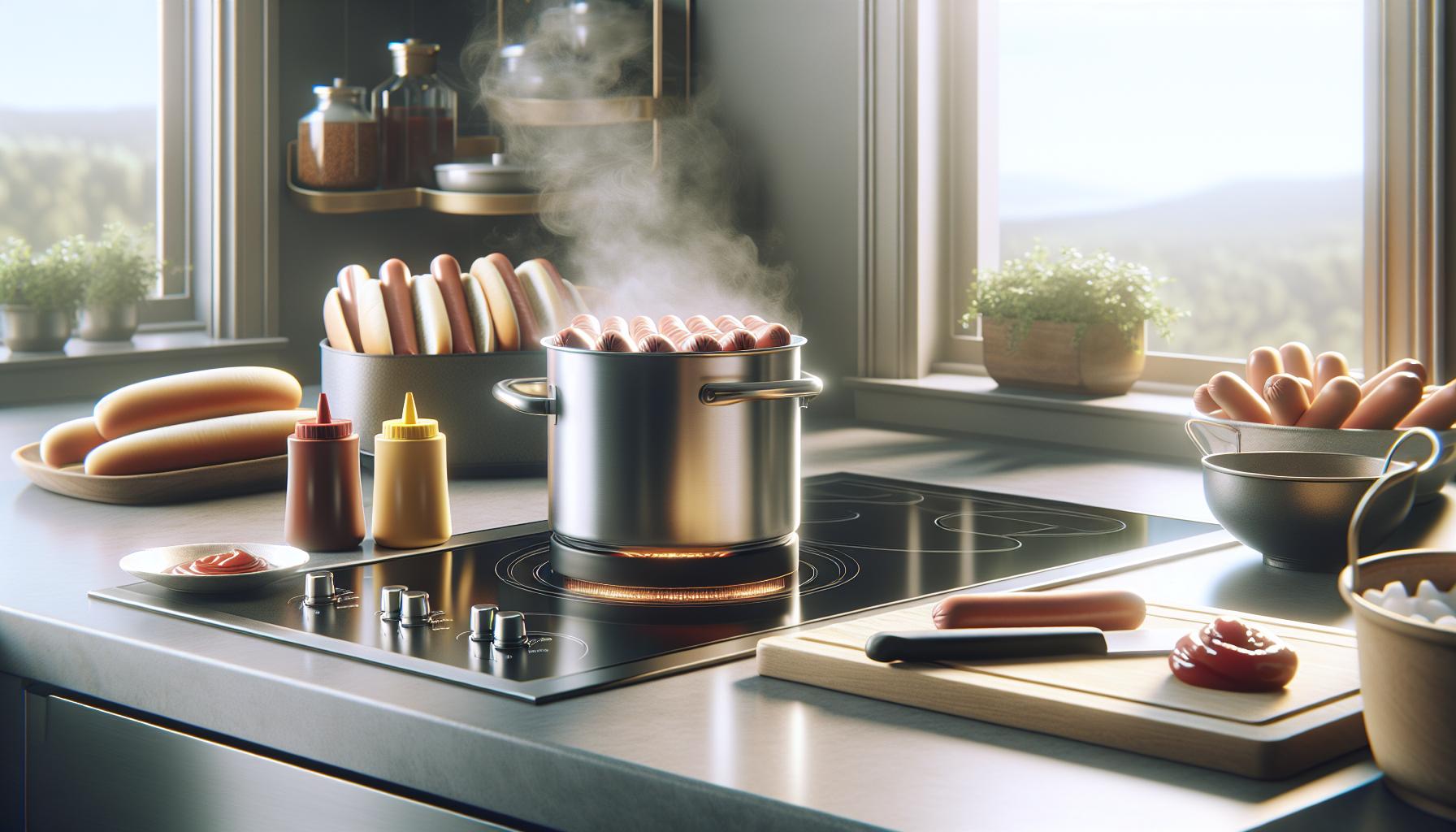
Essential Tips for Perfectly Boiled Hot Dogs
To achieve perfectly boiled hot dogs, following a few essential tips can make all the difference in flavor and texture. One of the foundational aspects is the type of water you choose. Using filtered water enhances the taste by eliminating any impurities or chemicals found in municipal water, which can affect the flavor of your hot dogs. The clarity of your water is akin to a fine wine-it allows the true character of the hot dog to shine through without unwanted aftertastes.
When preparing your hot dogs, it’s crucial to start with cold water. This method ensures a gradual heating process, allowing the hot dogs to cook evenly without bursting their casings. Once the water reaches a gentle boil, drop in the hot dogs carefully, making sure not to overcrowd the pot. An overcrowded pot can lead to uneven cooking and a less pleasant texture. Instead of a rolling boil, opt for a happy medium-a simmer that keeps the hot dogs warm and tender without toughening them up.
To elevate the flavors further, consider adding seasonings to your boiling water. Simple ingredients like garlic powder, onion powder, or even a few sprigs of fresh herbs can infuse the hot dogs with extra zest. Similarly, using a splash of beer or apple cider add complexities that can impress your taste buds and those of your guests. Remember to keep an eye on the timing; typically, hot dogs need about 4-6 minutes to cook through, so setting a timer can help you achieve that perfect snap.
Lastly, always remember to let the hot dogs rest for a minute after boiling. This extra time allows the juices to redistribute within the sausage, ensuring each bite remains juicy and flavorful. With these tips in mind, you’ll serve up hot dogs that bear the hallmark of a true culinary delight!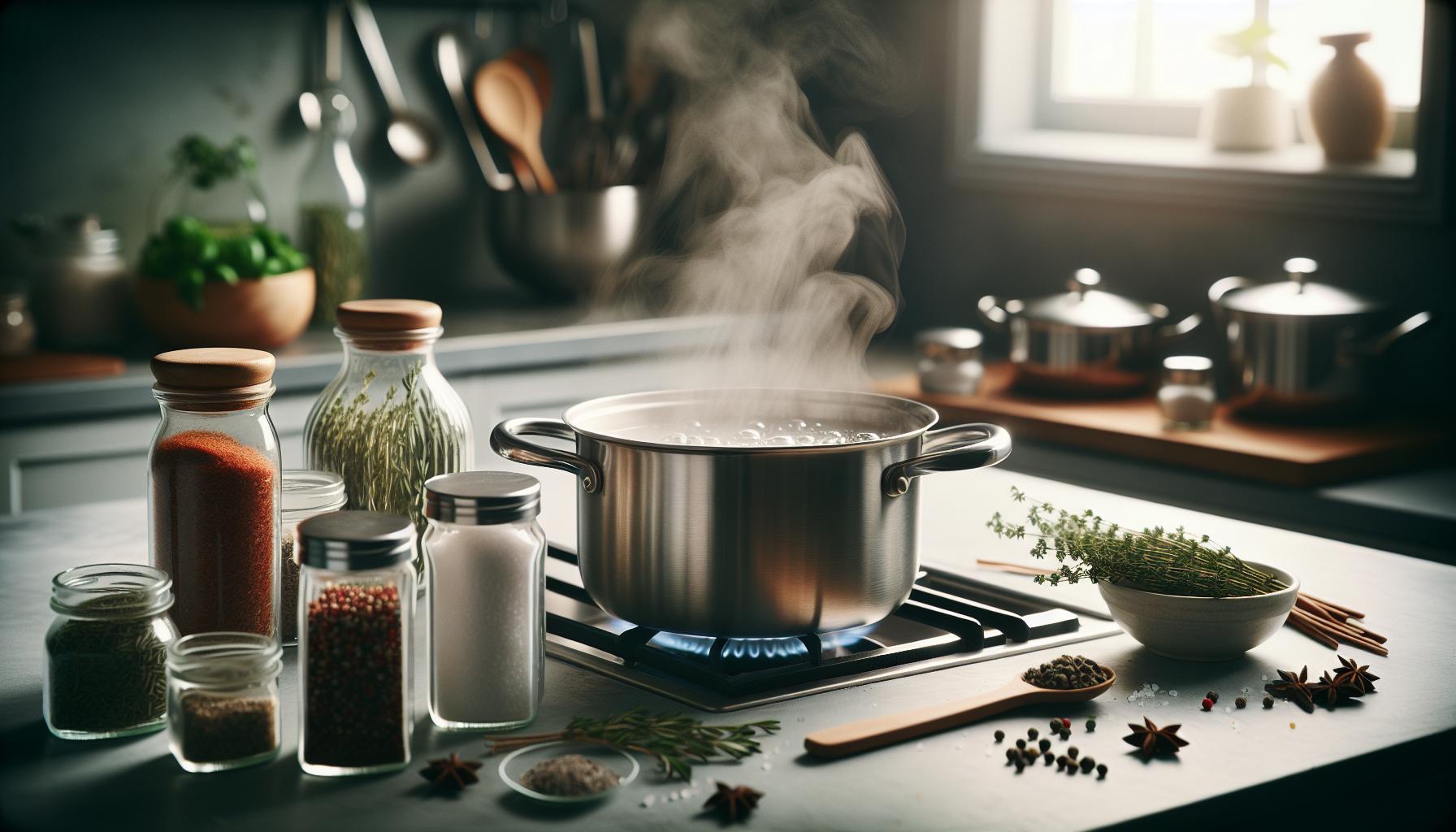
Enhancing Flavor: Seasoning Your Boiling Water
To truly elevate the experience of enjoying hot dogs, consider infusing the boiling water with flavor that enhances the sausages instead of merely cooking them. By seasoning your boiling water, you can unlock a deeper, more satisfying taste that complements the natural flavors of your hot dogs. One approach is to think of your boiling water as a simple broth where the hot dogs will soak up all the nuanced flavors drifting through the water during cooking.
When it comes to adding seasonings, there’s a wide array of choices to consider. Simple yet effective options include:
- Garlic Powder and Onion Powder: Just a teaspoon of each can add a delicious earthiness to your hot dogs.
- Herbs: Fresh herbs like thyme or rosemary can offer a fragrant touch. If you’re pressed for time, dried herbs also work wonderfully.
- Spices: A pinch of paprika or cayenne can introduce a mild kick, perfect for those who enjoy a little spice.
- Liquid Enhancers: Consider adding a splash of beer, apple cider, or even a bit of Worcestershire sauce for a complex, satisfying flavor. These ingredients can transform your hot dog experience from ordinary to extraordinary.
Not only do these additions contribute unique tastes, but they also enhance the overall aroma of your kitchen while cooking, making the process more enjoyable. As your hot dogs simmer away in this flavorful bath, they absorb these delightful essences, resulting in a final product that’s far more than just a simple sausage nestled in a bun. The next time you’re boiling hot dogs, take a moment to experiment with these enhancements-your taste buds will thank you!
Is It Okay to Use Tap Water?
Using tap water to boil hot dogs might seem like a no-brainer, but it’s a good idea to pause and consider just what’s in that water before submerging your sausages. While tap water is generally safe and convenient for cooking, its quality can vary significantly based on your location. Some municipal water supplies are treated with chemicals, like chlorine or chloramine, which may not impact your health but can affect the flavor of your hot dogs. If you want to ensure a pure and tasty result, testing your tap water’s taste could be beneficial.
In cases where the taste of tap water in your area leaves something to be desired, it might be worthwhile to explore alternatives. Filtering your tap water is a simple solution that can dramatically improve flavor. A basic pitcher filter or a more permanent under-sink system can help remove unpleasant flavors and improve the overall water quality. This is an especially great option if you frequently boil hot dogs or use water in cooking and baking.
Moreover, be mindful of the temperature at which you boil your hot dogs. While the actual boiling process doesn’t rely on the type of water, using fresh, quality water can enhance the overall texture and flavor of your hot dogs. A good practice is to bring the water to a full boil before adding the hot dogs; this not only helps achieve even cooking but also ensures that the dogs don’t soak up any undesirable flavors from lower-quality water. By taking these small steps, you can turn an ordinary meal into something truly delicious.
How Water Temperature Affects Hot Dog Texture
The temperature of the water you use to boil hot dogs is a crucial factor that can take your frankfurter experience from mediocre to memorable. When water reaches a rolling boil, it ensures that the hot dogs cook evenly, locking in moisture while allowing the sausages to plump up beautifully. It’s fascinating how just a few degrees can alter the texture of your favorite snack!
When hot dogs are plunged into fully boiling water, they experience an immediate shock that helps retain their juiciness. If the water isn’t hot enough at the time of cooking, it can lead to a rubbery texture as the collagen in the sausages doesn’t fully break down, resulting in a less appealing bite. This is why the primary step is to make sure that the water is at a full boil before adding your hot dogs. As a rule of thumb, boiling them for about 4-6 minutes ensures they are heated throughout without compromising their texture.
Tips for Managing Water Temperature:
- Start with cold water and bring it to a vigorous boil to prepare the hot dogs perfectly.
- Avoid overcrowding the pot, as too many sausages can lower the water temperature, leading to uneven cooking.
- For best results, use a pot that allows for plenty of surface area, which will help maintain a consistent temperature.
By mastering water temperature, you not only enhance the texture and taste of the hot dogs but also elevate your confidence in cooking them, making the whole process enjoyable. Happy boiling!
Alternative Methods: Steaming vs. Boiling
When it comes to cooking hot dogs, the method you choose can significantly affect the final taste and texture. Steaming and boiling are popular techniques, each offering unique advantages that cater to different preferences. Steaming is often regarded as a gentler method, preserving the hot dog’s natural flavors and juices. The hot dogs sit above boiling water, and the steam circulates around them, cooking them evenly without the risk of bursting. This method can result in a plump, juicy hot dog with a tender bite, making it an excellent choice for those focused on flavor and texture.
On the other hand, boiling can be a quicker option, getting your hot dogs ready in just a few minutes. However, this method can sometimes lead to a rubbery texture if the hot dogs are boiled for too long, or if they’re added to water that wasn’t boiling enough initially. The intense heat of boiling water can cause the collagen in hot dogs to break down too quickly, sometimes resulting in a less satisfying bite. Boiling is ideal for those who don’t mind a bit of a fuss and want to cook multiple hot dogs at once. Just be sure to keep an eye on the time and the water temperature to achieve that perfect snap when you bite into them.
To decide which method suits you best, consider your priorities in cooking: Do you prefer the ease and speed of boiling, or the delicate flavor profile that steaming can bring? Many chefs recommend trying both methods to discover which one aligns with your taste preferences. Ultimately, whether you opt to steam or boil, using quality hot dogs and fresh water will enhance your culinary experience, ensuring everyone gets to savor a delicious treat straight from the pot.
Common Mistakes When Boiling Hot Dogs
When boiling hot dogs, even small mistakes can lead to disappointing results-whether it’s a lackluster flavor or undesirable texture. One common error is skipping the essential step of bringing the water to a proper boil before adding your hot dogs. This mistake can result in uneven cooking and a rubbery texture, as the hot dogs are often subjected to fluctuations in temperature. Always wait for the water to reach a rolling boil before gently placing your hot dogs inside for optimal results.
Another frequent misstep involves cooking them too long. It’s tempting to leave hot dogs in the water for extended periods, especially if multi-tasking in the kitchen, but overcooking can cause them to burst, leaking all those delicious juices. Generally, 4 to 6 minutes is sufficient once the hot dogs are in the boiling water, so set a timer to keep track.
Using the wrong type of water can also impact your hot dog experience. For example, while tap water is often convenient, it may contain impurities that can affect flavor-especially in areas with hard water. If possible, filtered water can help enhance the overall taste, ensuring your hot dogs shine in their simplest form.
Finally, don’t forget to season! Adding a pinch of salt or spices to the boiling water can surprisingly elevate the flavor of your hot dogs. Many people overlook this step, but remember that the boiling liquid is an opportunity to infuse your favorite flavors into the hot dogs, resulting in a more rounded and satisfying meal. By avoiding these common pitfalls, you’re sure to achieve tasty, perfectly boiled hot dogs every time!
Popular Hot Dog Brands: Water Recommendations
When it comes to boiling hot dogs, not all water is created equal. The choice of water can subtly influence the flavor and overall quality of your beloved franks. To get the most satisfying results, it’s worth considering how different brands of hot dogs recommend preparing the water for boiling.
Many popular hot dog brands, including Nathan’s, Hebrew National, and Oscar Mayer, suggest using clean, filtered water to enhance the taste of their products. Filtered water is preferred because it generally lacks impurities and unpleasant tastes that can come from tap water, especially in areas with hard water. Hard water may contain minerals that can affect the flavor of the hot dogs, sometimes leading to a slightly metallic or off taste.
Another consideration is the temperature of the water. These brands often recommend bringing the water to a rolling boil before adding the hot dogs to ensure even cooking. Some hot dog aficionados even suggest trying different water types or enhancements, like adding a bit of broth or a splash of apple cider vinegar, to infuse even more flavor into the franks while they cook.
If you’re boiling gourmet or specialty hot dogs, brands may have specific water recommendations based on their ingredients. For instance, artisanal hot dogs made with natural casings might benefit from less chlorine in the water. Some consumers also swear by using sparkling water for boiling, claiming it results in a juicier and more flavorful hot dog due to the carbonation’s slight effect on texture. Testing these different approaches can lead to delightful discoveries in your hot dog boiling journey.
Creative Additions to Your Boiling Water
There are countless ways to elevate your hot dog experience, and one of the simplest yet most effective methods is by being creative with what you add to your boiling water. Whether you’re hosting a backyard barbecue or just enjoying a weeknight meal, these enhancements can turn a classic hot dog into a gourmet treat.
To start, consider adding a touch of flavor by incorporating broth into the water. A light chicken or vegetable broth can infuse your hot dogs with savory depth, enhancing their natural taste. Alternatively, a splash of apple cider vinegar not only lends a subtle tang but can also help keep the hot dogs juicy. Many chefs recommend peppercorns or fresh herbs like thyme or rosemary for a fragrant touch. Just toss a handful into the water for a delightful aroma that will make your kitchen smell divine!
Another inventive option is to use infused water. You can steep slices of onion, garlic, or even jalapeño peppers in water before boiling your hot dogs. This will impart a distinct flavor profile that pairs perfectly with a variety of toppings. If you’re feeling adventurous, experiment with aromatics like ginger or citrus peel for a refreshing twist.
Lastly, consider the carbonation effect! Some of the best results come from boiling hot dogs in sparkling water. The bubbles not only can help keep the hot dogs from becoming too soggy but also add a unique texture and flavor that many find appealing.
With these creative tricks, not only will your hot dogs taste fantastic, but they’ll also be the talk of your next gathering. So don’t be afraid to think outside the box when boiling your franks; your taste buds will thank you!
When to Consider Other Cooking Methods
When considering the best cooking methods for hot dogs, it’s essential to recognize that boiling isn’t the only option. Depending on your preferences and circumstances, other methods like grilling, steaming, or even microwaving can yield delicious results while ensuring your hot dogs are cooked just the way you like them.
One significant factor to think about is the texture and flavor you desire. Grilling, for instance, can add a wonderful smoky flavor and char that boiling simply cannot replicate. If you’re cooking outdoors or at a barbecue, firing up the grill not only lets the meat develop a satisfying crust but also opens up an opportunity for tasty additions like barbecue sauce or jalapeño slices placed directly on the grill. The result is a crispy dog with a juicy interior that’s perfect for summer gatherings.
Steaming is another alternative that many overlook. This gentle cooking method retains moisture without soaking your hot dogs like boiling can. Place the hot dogs in a steaming basket over boiling water and watch as they plump up beautifully while keeping their natural juices intact. This method is especially useful if you’re aiming to maintain that desirable snap when you bite into your hot dog, particularly for those gourmet-style franks.
Microwaving can be a quick and convenient option, especially during busy weeknights. Place your hot dog in a microwave-safe dish with a splash of water, cover it with a microwave-safe lid or plate, and heat for about 30 seconds to a minute. This method is especially useful if you’re in a hurry, but keep an eye on the time to avoid overcooking.
Lastly, if you want to elevate your hot dog game even further, consider combining methods. You can start by steaming or boiling your hot dogs briefly, enhancing the flavor and moisture, and then finishing them off on the grill for that irresistible charred flavor. This hybrid approach allows you to enjoy the best of both worlds, making your hot dogs the star of any meal!
The Best Cooking Equipment for Hot Dogs
When it comes to cooking hot dogs, having the right equipment can make all the difference in achieving that perfect bite. With boiling being one of the quickest and easiest methods, it’s essential to know what tools can help you on this culinary journey. First and foremost, a good-quality pot or saucepan is crucial. Opt for one that’s large enough to hold your hot dogs comfortably, allowing them to float freely rather than crowding them together. This will help ensure even cooking and prevent some from overcooking while others remain cold.
A reliable lid is another essential piece of equipment. Covering your pot after bringing the water to a boil will help maintain the temperature, allowing the hot dogs to heat through more efficiently. If you don’t have a lid, a splatter screen can serve the purpose of controlling steam, though it’s not as effective in retaining heat. For those who enjoy their hot dogs with that classic, plump texture, using a pot with a thinner base can help you monitor the water temperature better, preventing overheating, which can lead to rubbery dogs.
Always keep a set of tongs or a slotted spoon handy. These tools allow you to gently add and remove hot dogs from boiling water without splashing. They’re also useful for turning your hot dogs if you’re boiling them for a longer duration or if you’re cooking them in batches. Additionally, consider having a separate bowl or plate lined with paper towels ready for draining; this method helps remove excess water afterward.
Lastly, if you’re a frequent hot dog enthusiast, investing in specialized hot dog cookers or steaming devices can be a game-changer. These appliances streamline the cooking process and often come with features that help retain flavor and moisture. Using the right equipment, from a good pot to handy utensils, will not only enhance your cooking experience but also ensure your hot dogs are cooked perfectly every time!
Q&A
Q: What is the best water temperature for boiling hot dogs?
A: The ideal water temperature for boiling hot dogs is around 185°F to 190°F (85°C to 88°C). This temperature allows the hot dogs to cook evenly without bursting, maintaining their juicy texture. For the best results, avoid letting the water reach a rolling boil.
Q: Can you boil hot dogs in flavored water?
A: Yes, boiling hot dogs in flavored water, such as broth or adding spices, can enhance their taste. This technique allows the hot dogs to absorb additional flavors, resulting in a more delicious final product. Consider experimenting with seasonings to find your perfect combination.
Q: Should I salt the water when boiling hot dogs?
A: Salting the water when boiling hot dogs is not necessary, as the hot dogs themselves contain enough sodium. However, a small amount of salt can slightly enhance the flavor. Make sure to balance the salt if you’re planning to season the hot dogs later.
Q: How long should I boil hot dogs for the best results?
A: Boil hot dogs for about 5 to 7 minutes for optimal results. If using frozen hot dogs, increase the time to 8 to 10 minutes. This ensures they are heated through and tender while preventing them from becoming overcooked or tough.
Q: Can boiling hot dogs destroy their nutrients?
A: Boiling hot dogs can lead to some nutrient loss, but the impact is minimal. To preserve as much nutrition as possible, avoid overcooking. Additionally, consider steaming as an alternative cooking method, which may help retain more nutrients.
Q: Why do some people prefer grilling hot dogs instead of boiling?
A: Many people prefer grilling hot dogs because it adds a smoky flavor and enhances their texture with a crispy exterior. Boiling can make them soft and sometimes mushy, while grilling creates a more appealing taste and appearance.
Q: Is it safe to reuse boiling water for hot dogs?
A: Reusing boiling water for hot dogs is generally safe if the water has not been contaminated, but the flavor might diminish after the first use. For the best taste, it’s recommended to use fresh water each time or adjust seasonings if reusing.
Q: Can I boil hot dogs in beer instead of water?
A: Yes, boiling hot dogs in beer is a popular method that infuses them with a unique flavor. Choose a light lager or ale, and boil the dogs for 5 to 7 minutes for a delectable twist on the traditional preparation.
Closing Remarks
Now that you know the best methods for boiling hot dogs, it’s time to elevate your grilling game and impress your friends and family at your next cookout. Remember, the type of water you choose can significantly impact flavor and texture. Whether you prefer plain water or adding spices for an extra punch, the key takeaway is to experiment and find what you love best!
If you’re curious about other cooking techniques that enhance flavor, check out our articles on unique grilling methods and marinades that will take your hot dogs to the next level. Don’t forget to sign up for our newsletter for more tips and recipes delivered right to your inbox.
Ready to make a delicious batch of hot dogs? Dive into your kitchen and start boiling! And feel free to share your favorite boiling tips or recipes in the comments below-we’d love to hear from you!