
Did you know that dogs, like humans, can face serious health risks if they don’t drink enough water? It’s essential for their wellbeing, but sometimes our furry friends may refuse to hydrate, raising red flags that require your attention. Understanding when to worry about your dog’s water intake is crucial for safeguarding their health. Factors such as climate, exercise levels, and underlying health conditions can influence their hydration needs. As a responsible pet owner, recognizing the signs that indicate a potential issue-like lethargy, dry gums, or lack of appetite-can make all the difference. In this guide, we’ll explore the key warning signs that signal when your dog’s hydration levels should be a cause for concern, empowering you to take proactive steps. Let’s dive into this important topic that every dog owner should know!
Understanding Normal Dog Drinking Behavior
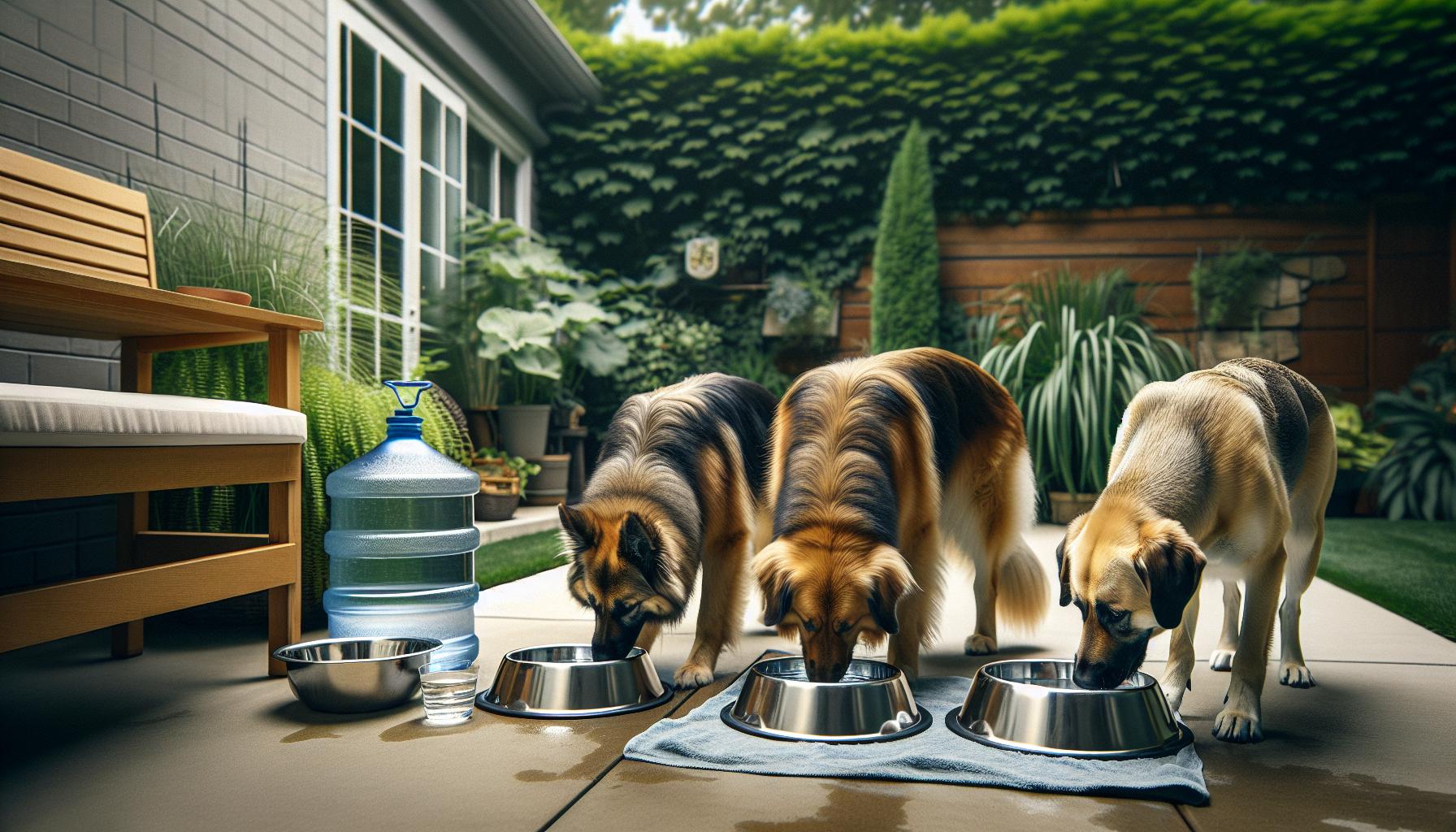
Understanding your dog’s drinking behavior is crucial for their overall health and well-being. Most dogs will drink about one ounce of water per pound of body weight daily, although this can vary depending on factors such as activity level, age, and even the weather. For example, a 50-pound dog might drink around 50 ounces of water a day. It’s fascinating to note that dogs often instinctively adjust their water intake based on their needs; however, changes in this pattern can be a cause for concern.
Typically, normal drinking behavior includes the dog approaching their water bowl several times throughout the day, especially after meals or vigorous play. You may notice your furry friend prefers fresh, clean water, as many dogs won’t drink if the water is stale or dirty. Additionally, breed variations come into play-larger breeds like Great Danes might require more water, especially after exercise, while smaller breeds such as Chihuahuas may need less, but should still demonstrate a consistent drinking pattern.
If you observe that your dog has suddenly decreased or stopped drinking altogether, it’s vital to investigate further. Dehydration can escalate quickly and lead to serious health issues. Know your dog well; look for changes in behavior, such as lethargy or signs of dry mouth and gums. If your pup typically drinks well but suddenly stops, consider environmental factors, recent changes in diet, or stress, which could be affecting their desire to drink. As a proactive pet parent, keeping a close watch on your dog’s water intake is a fundamental aspect of responsible care that ensures their vitality and happiness.
Signs Your Dog is Dehydrated
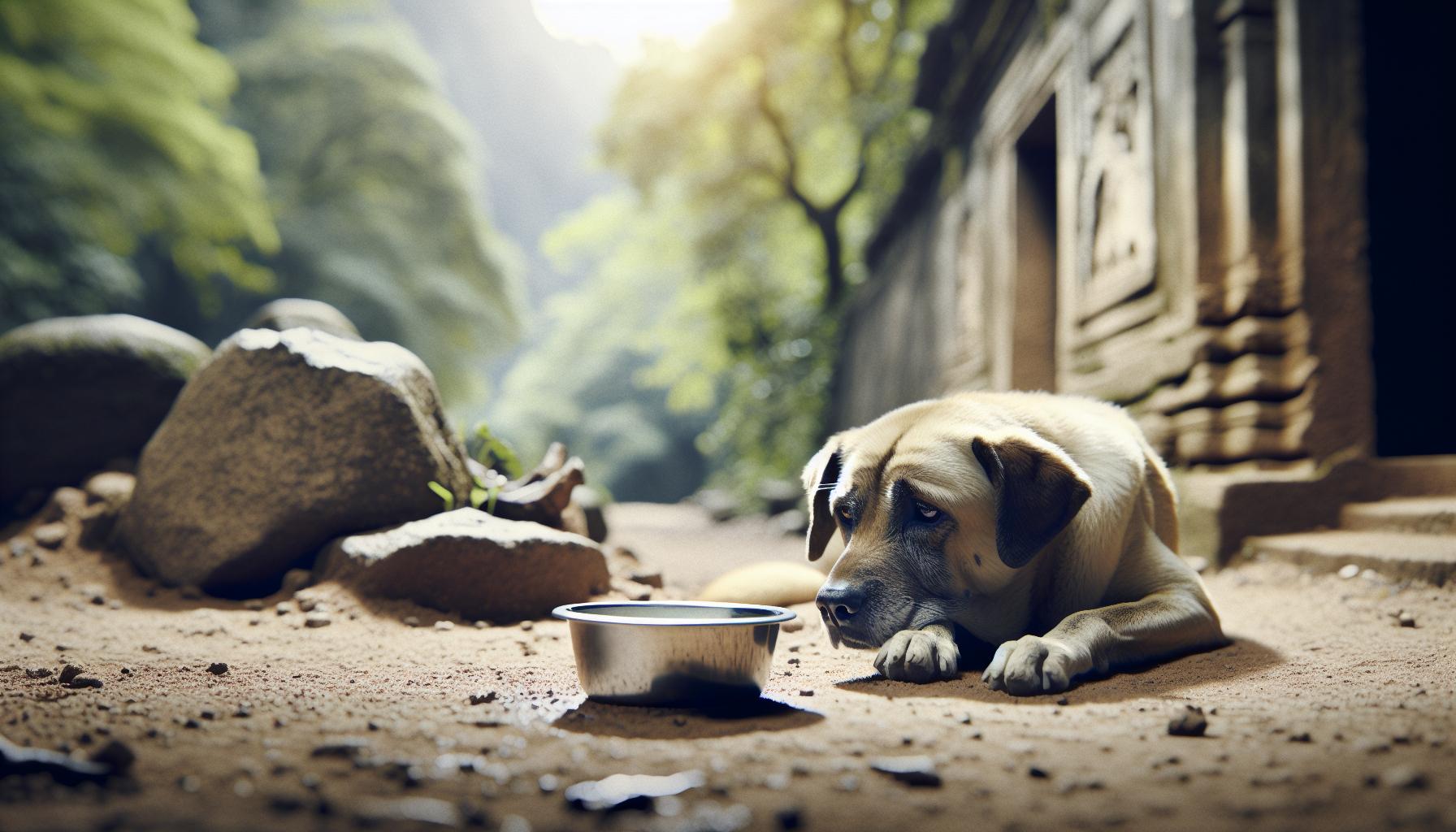
Recognizing the signs of dehydration in dogs can be the difference between a quick recovery and a serious health issue. Did you know that even mild dehydration can affect your pup’s energy levels and overall mood? Dogs can lose a surprising amount of water every day, and understanding the warning signs is crucial for maintaining their health.
One of the first signs to watch for is dryness in the mouth and gums. If you gently rub your finger along your dog’s gums and they feel sticky or tacky instead of moist, it’s a red flag. Another effective method is the skin tent test: gently pinch the skin between your dog’s shoulder blades and release it. In a well-hydrated dog, the skin should spring back quickly. If it remains elevated, your dog may be experiencing dehydration. Additionally, observe their energy levels; lethargy or reluctance to play can indicate that they’re not getting enough fluids.
Other physical signs of dehydration include sunken eyes and a loss of elasticity in the skin. Keep an eye on their drinking habits too-if your dog is noticeably drinking less than usual or if you notice changes in their urination patterns, such as darker urine or less frequent trips outside, it’s time to take action. If you suspect that your dog is dehydrated, it’s always best to consult with your veterinarian, especially if these symptoms persist.
To help your dog stay well-hydrated, ensure they always have access to fresh, clean water. You might also want to introduce moisture into their diet through wet food or watery treats like cucumber or watermelon. Understanding these signs not only helps you respond promptly to dehydration but also allows you to care for your furry friend with more confidence and love!
Common Causes of Dogs Not Drinking Water
There can be several reasons why your furry friend might be shying away from their water bowl, and understanding these causes is crucial for ensuring their health and well-being. First and foremost, changes in the environment can significantly impact a dog’s drinking habits. Have you recently moved homes, introduced a new pet, or had renovations done? Dogs can be sensitive to changes in their surroundings, which can cause stress or anxiety, making them less inclined to drink. Additionally, if the weather has turned hot or humid, some dogs may require extra encouragement to hydrate properly.
Certain medical conditions can also contribute to your dog’s reluctance to drink. Oral pain-whether from dental issues, injuries, or infections-can deter your pup from sipping water due to discomfort. Conditions like kidney disease or diabetes can alter a dog’s thirst levels, leading to increased or decreased water intake. In particular, older dogs might experience changes in their hydration needs, prompting owners to stay vigilant about their drinking habits.
Diet can play a crucial role in your dog’s water consumption as well. If you’ve switched to dry kibble or treats that are low in moisture, your dog may need to drink more to compensate. Conversely, if they consume a high-moisture diet, like wet food or fresh fruits, they might not feel the need to drink as much water. Keeping track of your dog’s diet and any recent changes is essential for maintaining their hydration.
Finally, simply not liking the taste or smell of the water can be a factor. Some dogs are picky about their water source-whether it be fresh tap water, filtered water, or even bottled water. Experimenting with different options may help encourage your dog to drink more. In summary, addressing these common causes while maintaining a supportive environment can make a significant difference in your dog’s hydration habits, ensuring they stay healthy and happy.
When to Act: Timeline for Concern

Recognizing when to be concerned about your dog’s water intake is essential for their health and well-being. Dogs can easily become dehydrated, and understanding the timeline for concern can empower you to take prompt action to support your furry friend. If your dog has not been drinking water for more than a few hours, it’s time to start monitoring their behavior closely. Most dogs should drink a minimum of half an ounce of water per pound of body weight each day. If you notice they are significantly under that amount, it’s important to investigate further.
After 24 hours without water, you should consult your veterinarian. Dehydration can lead to serious health issues if not addressed promptly. Look for red flags such as lethargy, dry gums, or excessive panting. These signs can indicate that your dog is not just dehydrated but potentially in distress. For a more structured approach, keep track of your dog’s drinking habits over the course of two days. If you notice a significant reduction in water consumption or any concerning symptoms like vomiting or diarrhea, don’t hesitate to contact a vet.
It’s also crucial to consider your dog’s specific breed when assessing their hydration needs. Certain breeds, such as brachycephalic (flat-faced) dogs, may have unique challenges with drinking due to their anatomy, which can affect their overall hydration. For instance, a Bulldog may struggle more than a Labrador to maintain proper hydration levels.
In summary, monitor your dog’s drinking trends closely, especially if they haven’t sipped water for more than a few hours. A 24-hour mark without drinking is a clear signal to seek veterinary assistance, particularly if you observe any other concerning signs. Prioritizing your dog’s hydration should be a fundamental part of their care routine, ensuring they lead healthy, vibrant lives.
Identifying Red Flags in Different Breeds
When it comes to understanding your dog’s hydration needs, recognizing the unique characteristics of different breeds can be crucial. Certain breeds may display specific signs of dehydration or reluctance to drink water due to their physical traits or temperamental differences. For instance, brachycephalic breeds like Bulldogs, Pugs, and Shih Tzus often struggle with drinking due to their short snouts, which can lead to difficulty reaching down into water bowls. This anatomical feature can make them more prone to dehydration, so it’s essential to keep a close eye on their drinking habits.
Large breeds, such as Great Danes and St. Bernards, can also exhibit red flags if their water intake declines. Despite their size, they might experience lethargy if dehydrated-often misattributed to their natural calm demeanor. Watch for signs like dry mouth, loss of skin elasticity, and decreased activity levels in these dogs. On the other side, smaller breeds like Chihuahuas may show acute symptoms more rapidly due to their smaller body size, making even the slightest dip in hydration serious.
It’s vital for dog owners to adapt their care routines based on breed-specific needs. Here are some actionable tips to consider:
- Brachycephalic Breeds: Use wide, shallow bowls to ensure easy access; consider investing in a pet fountain, which may entice them to drink more.
- Large Breeds: Observe for subtle signs of lethargy, especially after exercise. Ensure quick access to fresh water, especially during hot weather.
- Small Breeds: Pay attention to their drinking frequency, as they may become dehydrated quickly. Serve water in a small, familiar container to encourage drinking.
By tailoring your approach according to your dog’s breed, you can more effectively monitor their hydration status and recognize when it’s time to consult a veterinarian. Always remember: the most critical aspect of hydration is being attentive to changes in behavior or health, as they can manifest differently across breeds.
Health Issues Linked to Low Water Intake
Lack of sufficient water can lead to a host of health issues for your dog, some of which can develop rapidly and become serious if not addressed. Just as humans are affected by dehydration, dogs rely on consistent hydration to maintain their overall health and vitality. Dogs that drink less than their required amount of water may face risks such as urinary tract infections, kidney stones, and even kidney failure over time. Therefore, it’s crucial for owners to be vigilant about their dog’s drinking habits and the potential consequences of low water intake.
An important health issue linked to insufficient hydration is renal failure. The kidneys play a significant role in filtering waste and maintaining fluid balance. When dogs do not have enough water, their kidneys must work overtime to concentrate urine, which can cause strain and long-term damage. Brachycephalic breeds, such as Bulldogs and Pugs, are particularly at risk as their anatomical features can hinder their ability to drink enough water. For these dogs, even short periods of reduced water intake can lead to complications, which is why it’s vital for their owners to provide easy access to fresh water.
Additionally, dehydration can exacerbate health problems such as diabetes and cushing’s disease. Dogs with diabetes require additional water intake to help flush excess glucose from their systems, while cushing’s disease can disrupt the body’s hormonal balance, often leading to increased thirst and urination. A failure to meet these increased hydration needs can result in severe complications, including diabetic ketoacidosis, which is life-threatening.
In addition to severe health implications, dehydration can manifest as decreased energy levels, increased lethargy, and noticeable changes in behavior. Owners should be particularly alert to signs such as a dry nose, sticky gums, and a lack of interest in favorite activities. Regular veterinary check-ups can help track any changes in hydration status and ensure that any potential problems are caught early.
To mitigate these risks, dog owners can adopt practical strategies to keep their pets hydrated. Providing multiple water sources throughout the home, incorporating wet dog food into their diets, and using pet water fountains can entice even the pickiest drinkers to stay hydrated. Your dog’s health largely depends on consistent attention to their hydration needs-after all, your pup’s wellbeing is in your hands!
How to Encourage Your Dog to Drink More
Keeping your dog well-hydrated is vital to their health, and knowing how to encourage them to drink more can be a game changer. Did you know that many dogs actually prefer their water fresh and clean? This simple preference means that ensuring your pup has access to enticing water can motivate them to drink more often. Dogs, much like their human companions, can develop preferences for how their water is presented. Here are some practical strategies to increase your dog’s water intake:
Make Water Convenient and Appealing
Start by placing water bowls in various locations around your home. Dogs may be more inclined to drink if they don’t have to search far for fresh water. You can also consider elevating the bowls for more comfortable access, especially for larger breeds, or for older dogs who may have mobility issues. Another excellent option is to invest in a pet water fountain. The sound of running water can attract your dog’s attention and encourage them to hydrate more often, mimicking the natural streams they might instinctively be drawn to.
Add Flavor to Their Water
If your dog is particularly finicky, try adding a bit of flavor to their water. Some owners have success by mixing in low-sodium chicken broth or using dog-friendly flavor enhancers available at pet stores. Just be cautious with the quantities and choose products without added salts or artificial ingredients. These enticing variations can make drinking feel more rewarding for your furry friend, leading to better hydration.
Incorporate Hydrating Foods
Consider including wet dog food or hydration-rich snacks in their diet. Foods with higher water content, such as melons, cucumbers, or even specially formulated hydration snacks, can significantly contribute to their overall fluid intake. Especially for breeds that may not drink as much, ensuring they’re consuming wet foods can help maintain their hydration levels effectively.
Routine and Encouragement
Create a routine around water breaks, especially during playtime or after walks. Pair hydration with positive reinforcement; give treats, praise, or even gentle encouragement when your dog drinks successfully. Some dogs respond well to rituals, so establishing a consistent “water time” can signal to them to drink up regularly.
By being proactive and attentive to your dog’s hydration needs, you can help avoid the serious health complications that arise from dehydration. Remember, staying well-hydrated is a significant part of having a healthy, happy pup!
Hydration Alternatives: Foods and Water Sources
Ensuring your furry friend is properly hydrated is crucial for their health, especially in situations when they’re reluctant to drink water. Did you know that certain foods can not only provide essential nutrients but also help keep your dog hydrated? Just like us, dogs can benefit from consuming water-rich foods that complement their daily water intake. Here are some creative hydration alternatives that can entice your pup to drink more and help prevent dehydration.
Water-Rich Vegetables and Fruits
Incorporating fruits and vegetables with high water content into your dog’s diet is a fantastic strategy for boosting hydration. Consider these options:
- Cucumbers: Crunchy and refreshing, cucumbers are about 95% water and can be a great low-calorie snack.
- Watermelon: Remove the seeds and rind, and you’ll have a sweet treat with about 92% water content. Plus, it’s packed with vitamins A, B6, and C!
- Celery: Another hydrating crisp, celery is not only low in calories but also has vitamins and fiber.
By mixing these fruits and veggies into your dog’s meals or offering them as treats, you can increase their fluid intake while keeping mealtime exciting.
Wet Dog Foods and Broths
Switching to or supplementing with wet dog food can significantly boost hydration levels. Canned dog food contains about 75-80% moisture, making it a perfect choice for hydration. If your dog prefers kibble, consider adding some low-sodium chicken or beef broth to their meal. Make sure to choose broth without onions or garlic, which can be harmful to dogs. Not only does this enhance the flavor, but it also adds essential hydration.
Hydration Snacks
There are also specialized hydration snacks available in pet stores. These snacks are designed to increase water intake and often contain electrolytes to help maintain your dog’s balance. They can be particularly useful during hot weather or after vigorous exercise when your pup might need a bit more help to stay hydrated.
Homemade Hydration Solutions
If you’re feeling creative, crafting homemade ice treats can be a fun way to encourage hydration during warmer months. Mix some water with dog-safe pureed fruits, pour it into molds, and freeze. Serve these refreshing bites as a reward or simply a cool treat on a hot day.
By being mindful of your dog’s hydration, you can help them thrive and prevent health complications associated with insufficient water intake. Experimenting with these alternatives can make water more appealing and enjoyable, keeping your pup happy and hydrated.
Home Remedies for Helping a Dog Drink
When dogs are hesitant to drink water, it can be concerning for any pet owner. Luckily, there are several home remedies you can use to encourage your furry friend to stay hydrated. One effective approach is to enhance the appeal of water by adding flavorful additives. Try mixing a little low-sodium chicken or beef broth with water, which not only makes it smell tempting but also adds a savory taste that can entice your dog to drink more. Just ensure you choose a broth that is free from harmful ingredients like onions and garlic.
Another fun idea is to create hydration-friendly frozen treats. Blend some dog-safe fruits like blueberries or bananas with water, pour the mixture into ice cube trays, and freeze. These flavorful ice pops are not only a delicious way for your dog to hydrate but also serve as an engaging summer snack that helps keep them cool. You could also consider using yogurt (that is low in sugar and free from artificial sweeteners) as a base; it’s usually a crowd-pleaser for dogs and can be frozen into delightful snacks.
For dogs who are particularly difficult to encourage, try changing the environment a bit. Some dogs are picky about their water bowl – they prefer fresh water from a pet fountain, or they might just be more inclined to drink from a different type of bowl. Experiment with different options like ceramic, stainless steel, or even glass bowls, or place multiple water stations around your house to see if it encourages them to dip their paws in for a drink.
Lastly, incorporating water-rich foods into their diet can significantly boost hydration. Consider including treats like cucumber or watermelon in their meals. Dogs generally find these options tasty, plus they are high in water content, helping keep your pup hydrated without needing to drink as much. By being proactive and making hydration fun, you can encourage your dog to drink more and maintain their overall health.
Vet Visits: What to Expect During an Examination
It’s never easy to see your furry companion unwell, and the thought of them not drinking water can heighten your worry. If you’ve reached the point of considering a vet visit, you’re on the right track. Knowing what to expect during the examination can ease your mind and prepare you for the discussion on your dog’s hydration status.
When you arrive at the veterinary clinic, your dog’s medical history will be one of the first topics addressed. Be prepared to discuss any changes in drinking habits, appetite, behavior, and any specific symptoms you’ve noticed, such as lethargy or vomiting. Keeping a diary of these signs can be helpful, allowing the vet to have a clear picture of your dog’s condition. The vet may also perform a thorough physical examination, checking your dog’s mouth for gum color, skin elasticity, and overall hydration status. These checks can reveal whether your dog is dehydrated, which can happen rapidly if they stop drinking.
After the physical examination, your veterinarian might recommend specific diagnostic tests based on their initial findings. Common tests include blood work to assess kidney function and electrolyte levels and a urinalysis to determine hydration status and rule out underlying medical conditions. It’s important to ask questions and express any concerns-your vet is there not only to treat but also to educate you about your dog’s health.
To empower your decision-making, consider bringing a list of hydration-related questions to your appointment. Examples include:
- What are the potential causes of my dog’s decreased water intake?
- How can I encourage my dog to drink more?
- Are there specific signs of dehydration I should monitor in different dog breeds?
A vet visit can provide clarity and reassurance when you’re worried about your dog’s health. Remember, you’re your dog’s best advocate, and being proactive in your approach can lead to more informed care and a happier, healthier pup.
Preventative Care: Keeping Your Dog Hydrated
It’s crucial to take an active role in ensuring your dog’s hydration, as many health issues stem from not drinking enough water. As a dog owner, you hold the key to your furry companion’s well-being, and recognizing the signs and implementing preventative measures can save you both from unnecessary stress. Dogs may not instinctively drink the water they need, especially if they’re busy, anxious, or simply picky. Therefore, creating an environment that promotes hydration is fundamental.
Start by ensuring water is always accessible. Use a clean bowl and refill it daily, keeping the water fresh and inviting. Dogs are more likely to drink when they have a preferred drinking location. Experiment with different types of water bowls-some dogs prefer ceramic or stainless steel to plastic due to taste or reduced odor. For those pets that seem disinterested, consider elevating their bowl or using a fountain-style water dispenser, which keeps water oxygenated and moving, making it more appealing.
Incorporating hydration into your dog’s diet can also be beneficial. Certain dog-friendly fruits and vegetables, such as watermelon and cucumbers, can boost their fluid intake. Adding low-sodium broth to their meals or soaking dry kibble can also encourage more drinking. If your dog enjoys wet food, that could be a good option as it contains more moisture than kibble. Regularly rotating between different food types can help maintain their interest in drinking.
To reinforce these habits, always monitor your dog’s drinking patterns. Regular check-ins such as measuring the amount of water they consume daily or noticing changes in their appetite are key indicators of their hydration status. Make it fun-provide praise or treats when they drink from their bowl, or make water breaks part of your playtime routine. Ultimately, being proactive about your dog’s hydration not only enhances their health but also strengthens the bond you share. As with any health concern, if you notice persistent changes in your dog’s drinking behavior, don’t hesitate to consult your veterinarian for further guidance.
Long-Term Impacts of Dehydration on Dogs
Long-term dehydration can have serious consequences for our canine friends, and as a responsible dog owner, it’s crucial to understand these impacts. Over time, inadequate fluid intake can lead to a range of health issues that may compromise not only the quality of life of your dog but also its longevity. For instance, chronic dehydration can strain vital organs such as the kidneys and liver. The kidneys, essential for filtering waste from the blood, require adequate hydration to function optimally. If they consistently operate under stress due to low water levels, it can lead to kidney disease, which is irreversible and often fatal.
Additionally, dehydration can result in more subtle yet significant changes, including a disrupted metabolism and decreased digestive efficiency. Dogs that do not consume enough water may experience constipation, elevated blood urea nitrogen levels, and an overall decline in nutrient absorption. For example, breeds predisposed to certain gastrointestinal issues, like the Dachshund or Boxer, may find their conditions exacerbated by insufficient hydration. These consequences can create a cycle of health problems that leads to more frequent vet visits or costly treatments, creating stress for both the pet and the owner.
Moreover, dehydration can impact your dog’s mood and behavior. A persistently dehydrated dog may appear lethargic or disinterested in playtime, which can be particularly concerning for active breeds like Border Collies or Labrador Retrievers, known for their high energy levels. This reduction in activity not only affects their physical health but can also lead to behavioral issues stemming from boredom or discomfort.
To mitigate these risks, it’s essential to monitor your dog’s water intake regularly. Create a hydration checklist that includes ensuring fresh water is accessible, encouraging hydration-rich foods, and recognizing signs of dehydration early. Simple actions like offering water after each play session or during walks can promote better habits. By becoming proactive about your dog’s hydration, you can help protect them from the long-term impacts of dehydration, ensuring they stay healthy, vibrant, and full of life.
Faq
Q: How can I tell if my dog is dehydrated?
A: Signs of dehydration in dogs include dry gums, excessive thirst, lethargy, and decreased skin elasticity. If you pinch the skin over your dog’s shoulder and it doesn’t return quickly, that’s another indicator. For more detailed signs, visit the “Signs Your Dog is Dehydrated” section of our article.
Q: What are common reasons a dog might stop drinking water?
A: Dogs may stop drinking due to health issues, such as dental problems, kidney disease, or digestive upset. Additionally, changes in the environment, stress, or a dislike for the water bowl can contribute. Check out the “Common Causes of Dogs Not Drinking Water” section for more insights.
Q: When should I take my dog to the vet for not drinking water?
A: You should take your dog to the vet if they haven’t consumed water for more than 24 hours or if they show signs of severe dehydration, like fainting. Immediate veterinary attention is also necessary if you observe unusual behavior or extreme lethargy.
Q: How does breed affect a dog’s drinking habits?
A: Different breeds may have varying hydration needs. For example, larger breeds may require more water than smaller ones. It’s important to monitor your dog’s water intake, noting any changes specific to their breed-detailed information can be found in the “Identifying Red Flags in Different Breeds” section.
Q: What are the long-term effects of dehydration in dogs?
A: Long-term dehydration can lead to kidney damage, urinary tract infections, and other serious health issues. It’s vital to maintain your dog’s hydration to prevent such complications-learn more in the “Long-Term Impacts of Dehydration on Dogs” section.
Q: How can I encourage my dog to drink more water?
A: You can encourage your dog to drink more water by providing fresh water regularly, adding water or broth to their food, and using water fountains that appeal to their playful nature. For more tips, visit the “How to Encourage Your Dog to Drink More” section.
Q: Is it normal for my dog to drink less water in winter?
A: Yes, it is normal for dogs to drink less water in cooler months due to lower activity levels and moisture-rich food. However, if drinking significantly decreases or if you notice signs of dehydration, consult your vet.
Q: What should I do if my dog refuses to drink water?
A: If your dog refuses to drink, try offering different water sources, such as a bowl with fresh water or a dog-friendly water fountain. You can also consult the “Home Remedies for Helping a Dog Drink” section for more strategies.
In Summary
Ensuring your dog stays hydrated is crucial for their health, so if you notice them drinking less water, don’t wait-act swiftly! In our guide on “When Should I Worry About My Dog Not Drinking Water: Red Flags,” we’ve highlighted essential signs to watch for. Remember, early intervention can make all the difference. If you’re still concerned or unsure about your pet’s hydration, consider consulting a vet for tailored advice.
For more valuable insights, check out our articles on common dog health issues and how to keep your furry friend happy and healthy. You might also enjoy our breed-specific care guides that delve deeper into the unique needs of different dog breeds. Join our community by signing up for our newsletter to receive the latest tips and updates straight to your inbox. Your dog’s health is worth every moment of your attention-let’s ensure they thrive together!