Did you know that a dog’s water intake is just as crucial to its health as proper nutrition? When dogs suddenly stop drinking water, it can be concerning for any owner. Understanding why this behavior occurs is essential for maintaining your furry friend’s well-being. It can stem from a variety of behavioral or medical reasons, each necessitating a different response. Whether you’re a new dog owner worried about your pup’s hydration levels or an experienced handler looking to fine-tune your pet care routine, recognizing the signs and causes behind decreased water intake is vital. This article delves into the factors influencing your dog’s drinking habits and offers practical advice to ensure they stay hydrated and healthy. Curious about how you can keep your four-legged companion thriving? Let’s find out together!
Common Behavioral Reasons Dogs Stop Drinking Water
One of the fascinating aspects of dog behavior is their water intake, which can sometimes become inconsistent. Dogs may stop drinking water for a variety of behavioral reasons, and understanding these can be key to maintaining their health. Dogs are creatures of habit, and any change in their environment, routine, or emotional state can influence their drinking habits significantly.
A common reason dogs might reduce their water intake is due to stress. Changes such as moving to a new home, the addition of a new pet, or even loud noises like thunderstorms can create anxiety in dogs. This anxiety might lead them to avoid drinking, as stress can suppress their instinctive need for hydration. Additionally, certain dogs may become distracted during play or when there are exciting things happening around them, such as visitors or other animals, affecting their regular drinking schedule.
Another noteworthy factor is the conditioning from previous experiences. For example, if a dog had a negative experience with a certain type of water bowl or if the water was not clean during a previous encounter, they may hesitate to drink from that bowl again. It’s essential to keep water fresh and change it frequently to avoid any potential aversion your dog might develop over time.
Lastly, environmental changes, such as high temperatures or increased activity levels, can also lead to behavioral shifts in drinking patterns. Dogs may become less inclined to drink if they feel uncomfortable in their surroundings or if the temperature is too high. Thus, keeping a close eye on their behavior, especially during hot weather or after vigorous play, is crucial. Encouraging regular hydration not only supports their overall health but also keeps their behavior in check.
Understanding Medical Conditions That Affect Drinking
One of the critical aspects of your dog’s health that can often go unnoticed is their hydration status, and it’s important to recognize that medical conditions may significantly impact their drinking behavior. For instance, conditions such as diabetes mellitus or kidney disease can lead to increased thirst, prompting changes in your dog’s water consumption. Conversely, certain ailments may produce a decrease in water intake, signaling the need for immediate attention.
Conditions like kidney disease compromise the kidneys’ ability to filter waste effectively, leading to both increased urination and thirst. On the flip side, dogs suffering from dental issues may experience pain while drinking, which can deter them from consuming water. This aversion may also stem from mouth infections or oral tumors, making a vet visit essential if you suspect a dental problem. In older dogs, cognitive dysfunction syndrome could influence their drinking habits, where confusion leads to forgetting basic routines, including when or how much to drink.
To address any possible medical concerns, it’s essential to monitor your dog’s drinking patterns closely. Here are some signs that might indicate a health issue related to their hydration:
- Significant changes in water intake (either more or less than usual)
- Changes in urination frequency or appearance of urine
- Loss of appetite or lethargy
- Signs of pain, especially when drinking or around the mouth
If you observe any of these symptoms, seeking veterinary advice can be vital for your dog’s well-being. Early intervention can make a dramatic difference, transforming a concerning trend into a manageable issue. Remember, your dog relies on you to notice these subtle changes in behavior-a vigilant owner can mean the difference between a minor problem and a significant health crisis. By understanding the medical conditions that could affect drinking habits, you’re equipped to ensure your furry friend stays hydrated and healthy.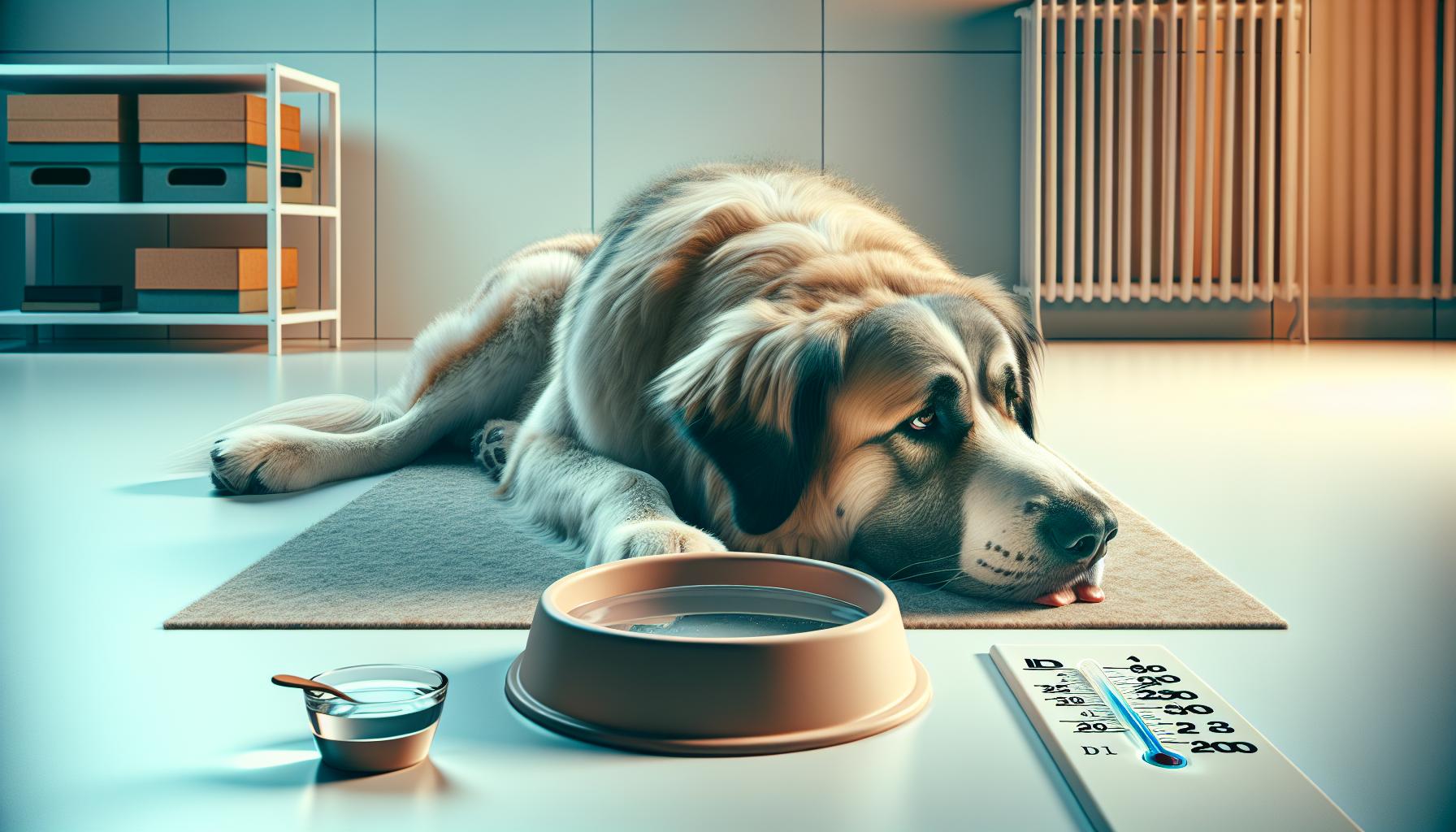
Signs Your Dog Might Be Dehydrated
It’s surprising how quickly a dog can become dehydrated, especially since our furry friends can’t communicate their needs in the same way we do. Recognizing the signs of dehydration early is crucial; it can prevent serious health issues or even save your dog’s life. Dogs can lose moisture through various means such as heat, exercise, and even illness, making awareness on this topic vital for all dog owners.
One of the first indicators that your dog might be dehydrated is a change in behavior. If your normally active dog seems lethargic or disinterested in play, it’s worth investigating their hydration status. A good rule of thumb is to observe changes in their energy levels and activity. Additionally, check their skin elasticity by gently pulling up on the skin between the shoulder blades. If the skin does not quickly return to its normal position, this may be a sign of dehydration. Another straightforward test involves examining your dog’s gums; dry or sticky gums can indicate they need more water. Ideally, healthy gums should be moist and a light pink in color.
Keep an eye out for more evident symptoms as well. Dogs that are dehydrated may also exhibit increased panting, especially during periods of rest, and they may refuse food or show a reduced appetite. In severe cases, dehydration can lead to more serious signs such as vomiting, diarrhea, or even shock. If you notice any of these symptoms, it’s essential to consult your veterinarian promptly.
In recognizing these signs, you empower yourself to take action, ensuring your dog stays happy and healthy. Regularly encouraging your dog to drink water-especially during hot weather or after exercise-can significantly mitigate the risk of dehydration. By checking for these signs and maintaining a routine hydration regimen, you’ll create a supportive environment that promotes your dog’s overall well-being.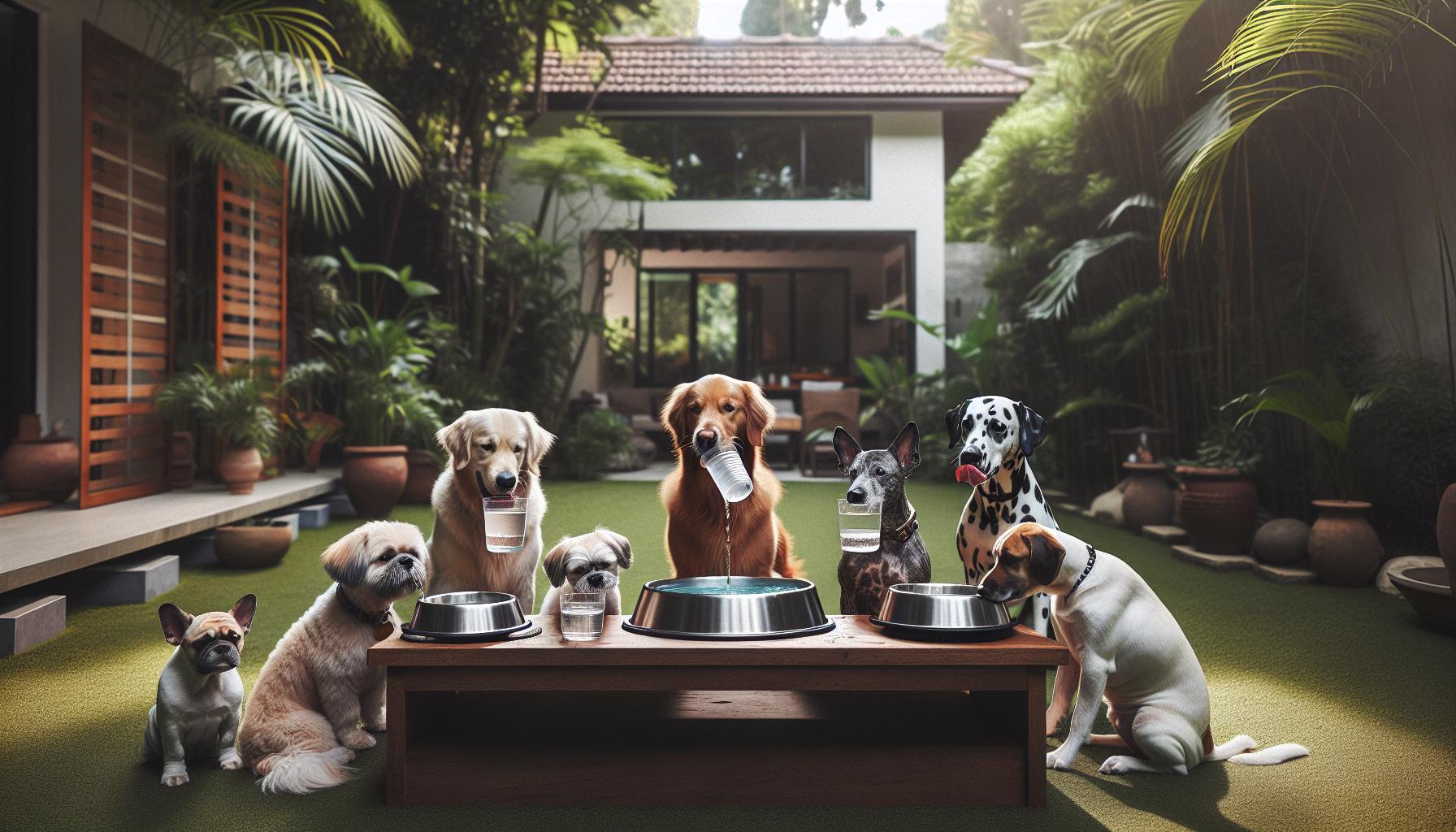
The Importance of Hydration for Different Dog Breeds
It’s a well-known fact that dogs can quickly become dehydrated, but did you know that different breeds can have varying hydration needs? Understanding the unique requirements of your dog based on its breed can help you ensure they are drinking enough water to stay healthy. For instance, small breeds like Chihuahuas and Pomeranians generally consume less water compared to larger breeds such as Great Danes or Saint Bernards, which have higher water intake needs due to their size and activity level.
Hydration Needs by Breed Size
Dogs are often categorized by size, and this categorization can significantly impact their hydration needs:
| Breed Size | Average Daily Water Intake | Factors Affecting Intake |
|---|---|---|
| Small (e.g., Chihuahua, Pomeranian) | 0.5 – 1 cup | Activity level, heat sensitivity |
| Medium (e.g., Beagle, Bulldog) | 1 – 2 cups | Playtime, exercise |
| Large (e.g., Labrador, Golden Retriever) | 2 – 4 cups | Active lifestyle, outdoor temperature |
| Giant (e.g., Great Dane, Mastiff) | 4 – 8 cups | Size, weight, metabolic rate |
Understanding these differences is critical, particularly as some breeds are more at risk for dehydration. Dogs who are flat-faced, like Boxers and Bulldogs, may struggle to drink adequately due to their anatomical structure, making it essential for owners to monitor their hydration closely. Also, high-energy breeds like Border Collies or Australian Shepherds may require more water, as their active lifestyles lead to higher fluid loss.
Tailoring Hydration Strategies
Practical strategies for ensuring your dog stays hydrated vary by breed. Here are some actionable tips:
- Make Water Accessible: Always have a fresh bowl of water available, and consider using larger containers for larger breeds.
- Enhance Appeal: If your dog is reluctant to drink, try adding a splash of low-sodium broth to entice them.
- Observe Intake: Track your dog’s water intake, especially during hot weather or after vigorous activity, to ensure they’re meeting their needs.
- Regular Vet Checks: Schedule routine veterinary exams to address any potential health issues that could affect drinking habits.
Recognizing the importance of hydration tailored to your dog’s breed and lifestyle can make a profound difference. By staying vigilant and proactive about your dog’s hydration needs, you set them up for a healthier, happier life. Remember, hydration is not just a matter of filling up the water bowl; it’s an essential component of your dog’s overall health and well-being.
How Environmental Factors Influence Water Intake
Many pet owners might be surprised to learn that environmental factors play a significant role in their dog’s water consumption. Just like people, dogs respond to their surroundings, and these influences can affect their hydration levels profoundly. For instance, hot weather can lead to increased thirst, while colder climates might cause dogs to drink less. Additionally, the type of environment-be it a bustling household or a quiet, serene space-can also impact a dog’s drinking habits.
Temperature and Humidity
In hotter temperatures or high humidity, dogs are more prone to dehydration, making it crucial to offer ample fresh water. Even indoor dogs can experience increased thirst on sweltering days, as their bodies work harder to regulate temperature. If you notice your dog panting excessively or seeking cooler areas in your home, it’s a clear sign they’re feeling the heat. Owners should ensure they have access to water at all times and consider providing ice cubes or frozen treats to encourage drinking.
Type of Living Space
The nature of a dog’s living environment can influence how much they drink as well. For example, dogs that spend time outdoors during the day may drink more than those who remain inside. An active dog enjoying a fun-filled day at the park will naturally need to replenish fluids lost through play and heat. Additionally, stressors such as loud noises from traffic, construction, or other pets can affect a dog’s comfort level, which may lead to a decrease in water intake. Creating a calm, quiet space can help alleviate stress, encouraging your dog to drink more.
Comparative Notes on Breeds
Different breeds react differently to environmental factors as well. Flat-faced breeds may struggle more in hot weather due to their respiratory challenges and might require extra care to ensure they stay hydrated. On the other hand, working breeds, like Shepherds and Retrievers, that are usually highly active may need more water during exercise or warm weather.
Offering a simple checklist can help dog owners keep their furry friends well-hydrated:
- Monitor Temperature: Ensure water is available during hot days.
- Create a Calming Environment: Minimize stressors in your dog’s surroundings.
- Encourage Outdoor Time: Promote regular, supervised outdoor activity to support healthy drinking habits.
- Check Water Bowls Regularly: Make sure they are clean and filled with fresh water.
By being attentive to these environmental cues, dog owners can better support their pet’s hydration needs, ensuring their dog remains happy and healthy in any setting. Remember, small adjustments in the environment can lead to significant improvements in your dog’s hydration habits!
Tips for Encouraging Dogs to Drink More Water
Encouraging your dog to drink more water is crucial for their overall health and well-being, particularly when you notice them becoming less interested in hydration. Dogs can be finicky drinkers for various reasons, including boredom with their water source, discomfort, or even behavior influenced by their mood or environment. Fortunately, there are fun and engaging strategies to promote better drinking habits.
One highly effective approach is to enhance the flavor of their water. You can do this by adding a splash of low-sodium chicken or beef broth, which not only entices your dog but also adds some flavor to their hydration routine. For a little extra fun, consider using ice cubes made from flavored water, which can turn a hot day into an exciting drinking game! Dogs often love the added texture and taste of ice, making it more enjoyable to drink as they lick and chew on their frozen treats.
It’s also beneficial to experiment with different types of water bowls. Some dogs prefer running water, so investing in a pet water fountain can be a game-changer. The continuous flow mimics a natural water source and may entice your dog to drink more frequently. Additionally, ensure that their drinking area is free from distractions. Moving the bowl to a quieter spot can make them feel more comfortable and encourage them to take a sip without external stressors.
To create a consistent drinking habit, consider establishing a routine. Regularly scheduled breaks for water, especially after walks or playtime, help reinforce good hydration practices. Use positive reinforcement by rewarding your dog with treats or affection when they drink, which creates a positive association with the act itself. This can be particularly effective for breeds that might be more stubborn or resistant.
Finally, pay attention to your dog’s daily activities and environment. For instance, if you have a more active breed, such as a Labrador or a Border Collie, they may require additional hydration. Ensure their water bowl is always filled with clean, fresh water and change it multiple times a day to encourage drinking. Additionally, customizing water intake strategies based on their activity levels or warm weather can make a significant difference in their hydration habits.
By integrating these creative strategies into your daily routine, you can effectively support your dog’s hydration needs, ensuring they remain happy and healthy. Always remember that each dog is unique, so it may take some experimentation to find what works best for your furry friend!
The Role of Age in Your Dog’s Drinking Habits
While puppies may appear to drink eagerly from their water bowl, age can significantly influence a dog’s hydration habits throughout its life. Just like humans, dogs undergo various changes as they age that can affect their thirst and willingness to drink. For younger dogs, hydration is critical for growth and energy. However, as dogs transition into their senior years, it’s common for owners to notice a decline in drinking habits, which can sometimes be alarming. Understanding these changes can help you better support your dog’s hydration needs.
In senior dogs, the sensation of thirst can diminish, often due to physical changes such as a decreased metabolic rate or changes in kidney function. This may lead to a reduced desire to drink water, posing risks for dehydration. Despite this natural decline, it is vital for owners to remain vigilant. Senior dogs, especially large breeds like Great Danes and smaller breeds such as Chihuahuas, should have easy access to clean, fresh water at all times. Regular encouragement and monitoring can help them maintain adequate hydration. Consider adding water to their food or providing wet food varieties, which can significantly increase their intake without them needing to drink more frequently on their own.
Additionally, age-related health conditions like arthritis can make it physically uncomfortable for older dogs to access their water bowls, especially if they’re positioned low to the ground. Taking proactive steps, like raising the bowl or providing water in multiple locations throughout the house, can make drinking easier for them. A lot of senior dogs also tend to experience cognitive decline, affecting their habits and routines. A consistent schedule for water breaks can assist in prompting them to drink at regular intervals and combat forgetfulness.
It’s also essential to recognize that every breed has its unique needs concerning hydration. Small breeds like Dachshunds may not drink as much as larger breeds like Golden Retrievers, but they still need consistent access to water. Regular veterinary check-ups can help determine specific hydration needs based on your dog’s individual health and age. Keeping an eye on changes in their drinking habits, and noting how they correlate with their overall health can cluster important behavioral information that is invaluable for your vet consultations. Ultimately, fostering good hydration practices tailored to your dog’s age will support their health and quality of life throughout every stage.
Assessing Your Dog’s Diet: Dry vs. Wet Food
Assessing your dog’s diet is a crucial step in understanding their hydration habits and overall well-being. Did you know that a dog’s food type can directly affect their water intake? Dogs primarily consume either dry kibble or wet food, each with distinct properties influencing hydration and health. While dry foods offer convenience and are often more economical, wet foods can provide more moisture content, making them an essential factor to consider for dogs that may not drink enough water.
One of the most significant differences between dry and wet food is their moisture content. Dry kibble typically contains about 10% moisture, while wet food can contain between 75% to 85% moisture. This difference ensures that dogs eating wet food may receive a significant portion of their daily hydration from their meals rather than relying solely on drinking water. For senior dogs or those with specific health conditions, incorporating wet food can be a game-changer in preventing dehydration and promoting better kidney and urinary tract health.
To help you make the best dietary decisions for your furry friend, here are some practical tips:
- Rotation of Diets: Consider alternating between dry and wet food or combining both to ensure that your dog receives hydration from their diet while still enjoying the crunchiness of kibble.
- Monitor Water Intake: If you notice your dog is less interested in drinking water, especially after switching to dry food, try adding a splash of water or low-sodium broth to the kibble to enhance its palatability and hydration.
- Consult Your Vet: Discuss with your veterinarian the best nutritional plan for your dog’s specific breed, age, and health needs. Some breeds, like Bulldogs, may benefit more from wet food in hotter climates due to their brachycephalic nature.
- Age Considerations: Senior dogs may have decreased thirst drives, making wet food a preferred option, as it requires less effort for hydration.
In conclusion, understanding the type of food your dog eats plays a vital role in ensuring that they remain adequately hydrated. Paying attention to their dietary habits and providing options that encourage fluid intake can help keep your canine companion happy and healthy. Remember, hydration needs can change with activity levels, age, and breed, so being observant and flexible in your approach is key to promoting optimal health for your furry friend!
Identifying Changes in Behavior: When to Consult a Vet
Changes in your dog’s behavior can be an important signal that something is awry, especially when it comes to their drinking habits. If you’ve noticed your furry friend is suddenly less interested in water, it’s crucial to pay attention to other behavioral changes that might accompany this hydration issue. Changes in eating patterns, energy levels, or social interactions can be indicators of underlying health concerns that warrant a visit to the veterinarian.
One significant factor to watch is if your dog exhibits signs of lethargy or becomes less playful. For instance, if your usually active Labrador suddenly prefers lounging over playing fetch, it’s essential to assess their hydration status and overall health. Additionally, if you observe any changes in bathroom habits, such as increased urination or difficulty urinating, these could signify a medical condition impacting their water intake. Another behavioral change to consider is any increase in anxiety or restlessness, especially if accompanied by a refusal to drink. Stress can manifest in pets for various reasons-new environments, changes in routine, or other household pets-and might lead to decreased fluid consumption.
Regular veterinary check-ups are essential for early detection of health issues. In particular, if your warm and friendly Golden Retriever has started hiding or seems irritable, these changes might indicate discomfort or illness. Don’t hesitate to consult a vet if your dog’s non-drinking behavior persists for more than a day or two, even if they don’t show other obvious symptoms. A vet can help rule out serious conditions such as kidney problems, diabetes, or even anxiety-induced issues.
Red Flags for Vet Visits
Here are some warning signs that should prompt you to make an appointment with your veterinarian:
- Persistent Lethargy: Lack of energy or interest in activities they usually enjoy.
- Changes in Eating: Noticeable increase or decrease in appetite.
- Bathroom Issues: Changes in urination frequency or effort.
- Behavioral Changes: Increased anxiety, aggression, or depression.
- Physical Symptoms: Vomiting, diarrhea, or noticeable weight loss.
Always trust your instincts as a pet parent-you’re in the best position to notice the subtle shifts in your dog’s behavior. Taking prompt action can not only improve their hydration habits but also safeguard their overall health and well-being.
Hydration Myths: Debunking Common Misconceptions
Many pet owners have heard various myths surrounding their dogs’ hydration needs, and it’s easy to feel unsure about what’s true. For instance, a common misconception is that dogs will drink water as needed and don’t require assistance from their owners to stay hydrated. While dogs have a natural instinct to drink when thirsty, they can overlook their water needs, especially if there are underlying health issues or environmental factors at play.
Another prevalent myth is that dogs can get sufficient hydration solely from their food, particularly if they’re on a wet food diet. Although wet food does contain water, it may not provide enough moisture for all dogs, especially those who primarily eat dry kibble. Dogs, like humans, require a continuous supply of fresh water to maintain optimal health. It’s crucial to regularly monitor your dog’s water intake regardless of their diet.
The idea that certain breeds are immune to dehydration is also misleading. All dogs, regardless of their breed, can face hydration issues due to factors like age, health conditions, and activity levels. For example, older dogs may have a reduced thirst drive and might not drink enough unless encouraged. Ensuring that all dogs, whether it’s an energetic Labrador or a more laid-back Bulldog, have constant access to fresh water is essential to keeping them healthy.
Lastly, some owners believe that if a dog refuses to drink, it’s simply being finicky or stubborn. This viewpoint can overlook serious health concerns that may be influencing a dog’s behavior, such as dental pain, gastrointestinal issues, or even anxiety. If you notice any changes in your dog’s drinking habits, it’s essential to consult your veterinarian. They can help determine whether there’s an underlying medical issue that needs addressing, allowing you to better care for your canine companion.
Breeds Prone to Drinking Issues and Their Needs
Certain dog breeds are known to be more prone to drinking issues, making it crucial for owners to stay vigilant about their hydration needs. Breeds such as Bulldogs, Basset Hounds, and Dachshunds often face unique challenges due to their physical characteristics and health predispositions. For instance, Bulldogs tend to have a flat face (brachycephalic), which can make it difficult for them to drink comfortably, leading to potential reluctance to hydrate. Similarly, Basset Hounds may have a less active lifestyle, reducing their thirst drive and making it important for owners to encourage water intake actively.
To ensure that dogs prone to hydration issues receive adequate water, here are some practical steps you can take:
- Invest in a Water Fountain: Many dogs prefer running water, which can make a pet water fountain an appealing option. This can stimulate their interest in drinking regularly.
- Flavor the Water: Adding low-sodium broth or a splash of natural fruit juice can entice certain breeds to drink more, especially if they are picky.
- Frequent Check-ins: Regularly check their water bowl to ensure it’s clean and full. Some breeds, like Dachshunds, might be less likely to drink if the water is stale or dirty.
It’s also worth noting that older dogs, regardless of their breed, are at a higher risk for dehydration. As dogs age, their sense of thirst can diminish, and they may also experience health issues that complicate hydration. Consequently, owners should be proactive in monitoring water intake and providing ample fresh water throughout the day.
Additionally, always be on the lookout for specific signs related to hydration needs. Dogs that are lethargic, have dry gums, or exhibit a loss of skin elasticity may be showing indicators of dehydration. If these signs are present, seek veterinary advice promptly. Ultimately, understanding the unique needs of different breeds and providing targeted care can make a significant difference in maintaining your dog’s health and hydration levels.
Q&A
Q: What should I do if my dog suddenly stops drinking water?
A: If your dog suddenly stops drinking water, assess its environment and health. Ensure fresh water is accessible and consider potential stressors. If the behavior persists beyond a day or is accompanied by other symptoms, consult your veterinarian for a thorough evaluation and check for underlying health issues.
Q: Can certain medications affect my dog’s water intake?
A: Yes, some medications can influence your dog’s thirst levels. Diuretics, for example, increase water loss, while others may cause side effects like nausea, leading to reduced water intake. Always discuss any concerns about medications with your veterinarian to understand possible effects on hydration.
Q: How do I know if my dog is drinking enough water?
A: Monitor your dog for signs of hydration, such as skin elasticity and moist gums. Additionally, observe the frequency of urination. For tips on assessing hydration specific to breeds, refer to the “Signs Your Dog Might Be Dehydrated” section of your article.
Q: Are there specific breeds that struggle with drinking enough water?
A: Yes, some breeds, like Bulldogs and Pugs, can be prone to dehydration due to health issues or behavioral tendencies. Tailoring your approach to hydration based on your dog’s breed needs can enhance their overall health and well-being.
Q: What environmental factors can impact my dog’s water intake?
A: Environmental factors such as temperature, humidity, and even the presence of other pets can affect your dog’s desire to drink. Ensure that your dog’s water bowl remains clean and accessible, especially during hotter months, to encourage proper hydration.
Q: How can I encourage my dog to drink more water?
A: To encourage your dog to drink more water, try adding water or low-sodium broth to food, using a pet water fountain, or providing multiple water stations. These strategies can help stimulate their interest in drinking. Check “Tips for Encouraging Dogs to Drink More Water” in your article for additional ideas.
Q: What are the health risks if my dog isn’t drinking enough water?
A: Insufficient water intake can lead to dehydration, urinary tract infections, and kidney issues. Long-term dehydration can compromise your dog’s overall health, so it’s essential to monitor its drinking habits and seek veterinary advice if you notice changes.
Q: When should I be concerned about my dog’s drinking habits?
A: You should be concerned if your dog stops drinking for more than 24 hours, shows signs of dehydration, or exhibits other sudden behavioral changes. Immediate veterinary consultation is recommended in these cases to rule out serious health issues.
Concluding Remarks
Understanding why dogs stop drinking water-whether due to behavioral habits or medical issues-is crucial for ensuring their health and happiness. Remember, timely action can make all the difference. If you notice changes in your pup’s drinking habits, don’t hesitate to consult with a veterinarian for personalized advice and solutions.
For more tips on promoting your dog’s well-being, explore our articles on dog health symptoms [[2]] and essential care practices at [[3]]. If you found this information valuable, consider subscribing to our newsletter for ongoing insights and support. Your furry friend relies on you, and with a little extra knowledge, you can ensure they remain vibrant and hydrated. Join the conversation below-share your experiences, questions, or tips to create a community of informed pet owners!