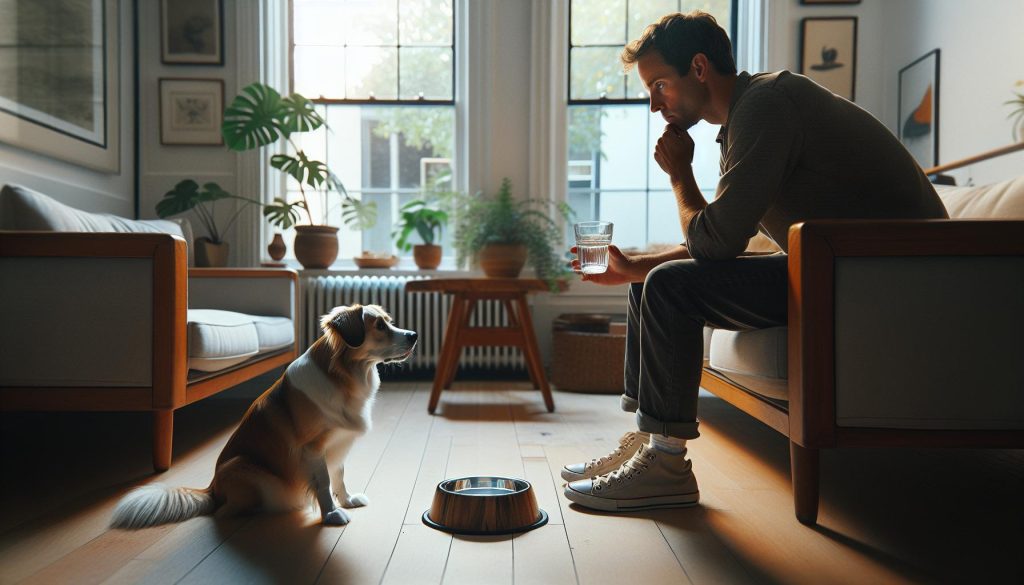
Have you ever been bewildered by the symphony of sounds your dog makes while drinking water? This quirky behavior is more common than you might think, sparking curiosity among dog owners everywhere. Understanding why your furry friend slurps, gulps, or even splashes around can shed light on their health and comfort levels. Dogs have unique drinking habits that can indicate everything from their training to their hydration needs. In this article, we’ll explore the reasons behind this noisy ritual, offering insights that not only satisfy your curiosity but also help you enhance your dog’s drinking experience. Dive in, and let’s unravel the mystery together, ensuring both you and your canine companion enjoy each sip!
Understanding Your Dog’s Water Drinking Behavior
Dogs are wonderful companions, and their quirky behaviors can often leave us fascinated-and sometimes even puzzled. One such curious behavior is the way they drink water, which can be surprisingly noisy. Understanding the reasons behind different water drinking behaviors can help you ensure your furry friend remains healthy and hydrated while also putting your mind at ease.
One of the primary reasons dogs make noise while drinking is the way they use their tongues to lap up water. Dogs have a unique drinking style: they create a scoop with their tongues and rapidly bring it back, often resulting in slurping sounds. This action can vary significantly based on the dog’s size and breed. For instance, larger breeds tend to have a wider tongue surface that creates more noise compared to smaller breeds. In addition, certain breeds may have anatomical features, like shorter snouts or differently shaped mouths, that affect how they drink and produce sound. Understanding these nuances can help dog owners appreciate their pet’s individual quirks while keeping hydration a priority.
It’s important to observe your dog’s drinking habits closely. While some noisy drinking is normal, excessive slurping and other irregular sounds can sometimes indicate discomfort or even health issues. For instance, if a dog seems to be struggling to drink or is making unusual noises, it may be a sign of dental problems or throat discomfort. Therefore, having regular veterinary check-ups is essential to catch any underlying issues early. By being aware of your dog’s drinking behavior and knowing when something seems off, you can better advocate for their health and well-being.
Incorporating these insights into your daily routine can make a positive difference. Offering fresh water in a calm environment can help reduce anxiety while drinking, and choosing the right water bowl design can mitigate noise levels. Each small step contributes greatly to your dog’s hydration experience, ensuring that it’s not only healthy but also pleasant for both of you.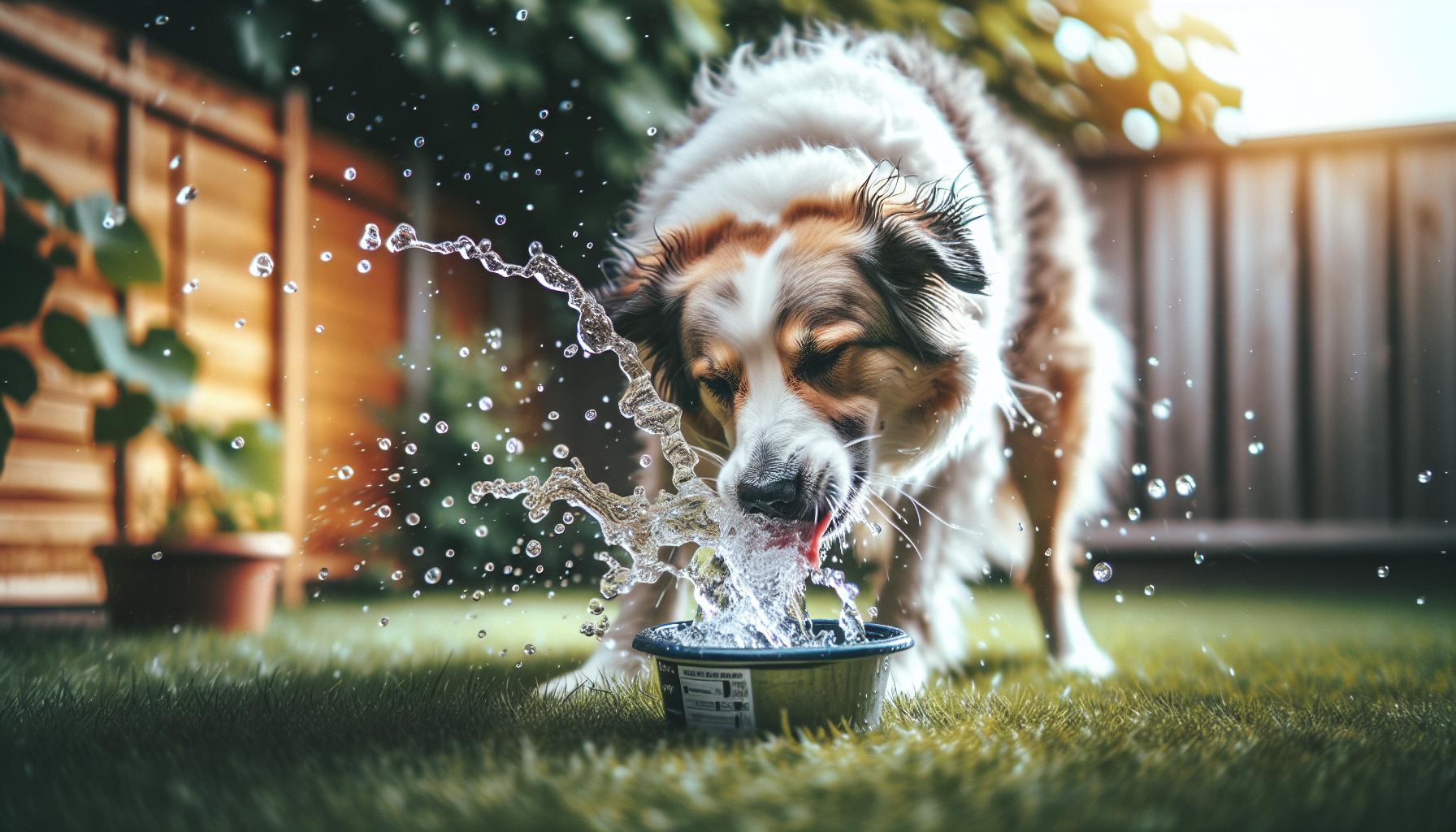
Why Do Some Dogs Slurp While Drinking?
Dogs are wonderfully unique creatures, and their behaviors can often be both amusing and perplexing. One common quirk many dog owners notice is the slurping sound their furry friends make while drinking water. This behavior, while sometimes a source of minor annoyance, is entirely natural and stems from the design of a dog’s anatomy and their instinctual drinking method. When a dog drinks, they initiate a process that is quite different from how humans sip water.
The primary reason dogs slurp is due to their use of their tongues. Unlike humans, whose lips create a seal when drinking, dogs flick their tongues rapidly to create a scoop of water. As they draw their tongues back into their mouths, the water is pulled in, leading to that signature slurping noise. This method is not only how they hydrate, but it’s also rooted in instinct, ensuring they can drink efficiently in the wild. The energy and speed of this action can produce varying sound levels, depending on a few factors including the dog’s size, tongue shape, and mouth structure.
For instance, larger breeds such as Golden Retrievers or Rottweilers, with their broader tongues, often create more noise compared to smaller breeds like Chihuahuas. Furthermore, certain breed traits, like a shorter snout in Bulldogs, may further amplify the sound of their drinking habits. Understanding these differences can help dog owners appreciate their pets’ individuality rather than viewing noisy drinking as a nuisance. By observing their dog’s unique slurping style, owners can also gauge how comfortable their pet is while drinking, acknowledging that for some, that happy slurp is simply a sign of a thirsty pup enjoying their hydration break!
So, if your dog’s drinking habits have ever left you chuckling or scratching your head in confusion, rest assured that this quirky behavior is just a testament to their nature. Embracing and understanding these sounds not only brings a smile but also reinforces the bond between you and your beloved pet!
Common Reasons for Noisy Drinking Habits
Dogs can be wonderfully loud when it comes to drinking, and this can often leave owners scratching their heads in amusement or annoyance. While the slurping sounds may seem excessive, there are several reasons behind this noisy behavior. Understanding these can help you appreciate your dog’s unique drinking style and perhaps find ways to accommodate their needs.
One prominent factor contributing to a dog’s noisy drinking habit is their tongue structure and drinking technique. Unlike humans who sip quietly, dogs have evolved to use their tongues as scooping tools, rapidly flicking them to draw water into their mouths. This flicking action can create significant sounds, especially in larger breeds with broader tongues, like Golden Retrievers or Labradors, compared to smaller breeds like Chihuahuas or Pomeranians. A gentle reminder for new pet owners: those cute, little slurps are your pup’s way of enjoying hydration!
Additionally, your dog’s enthusiasm for hydration plays a role. Dogs often show excitement when they drink, especially after playtime or a long walk. This excitement can lead to faster and noisier drinking. If your dog seems a bit too eager or is gulping more than usual, it might be helpful to allow them to take breaks between sips. Consider monitoring how much water they consume in one session to prevent gulping-related issues, such as bloating.
Finally, consider the environment and set-up of their drinking area. The sound can be amplified by the type of bowl used-ceramic or metal bowls tend to create more noise than softer options like silicone or plastic. Implementing a non-slip mat under their bowl can also minimize movement and noise, making for a quieter drinking experience. If noise continues to be a concern, experimenting with different bowl shapes and materials may yield more favorable results.
By becoming more attuned to the reasons behind your dog’s noisy drinking practices, you can create a more harmonious environment for both you and your beloved four-legged friend. Embracing these sounds as part of their natural behavior not only enhances your bond but also allows you to manage their hydration habits more effectively.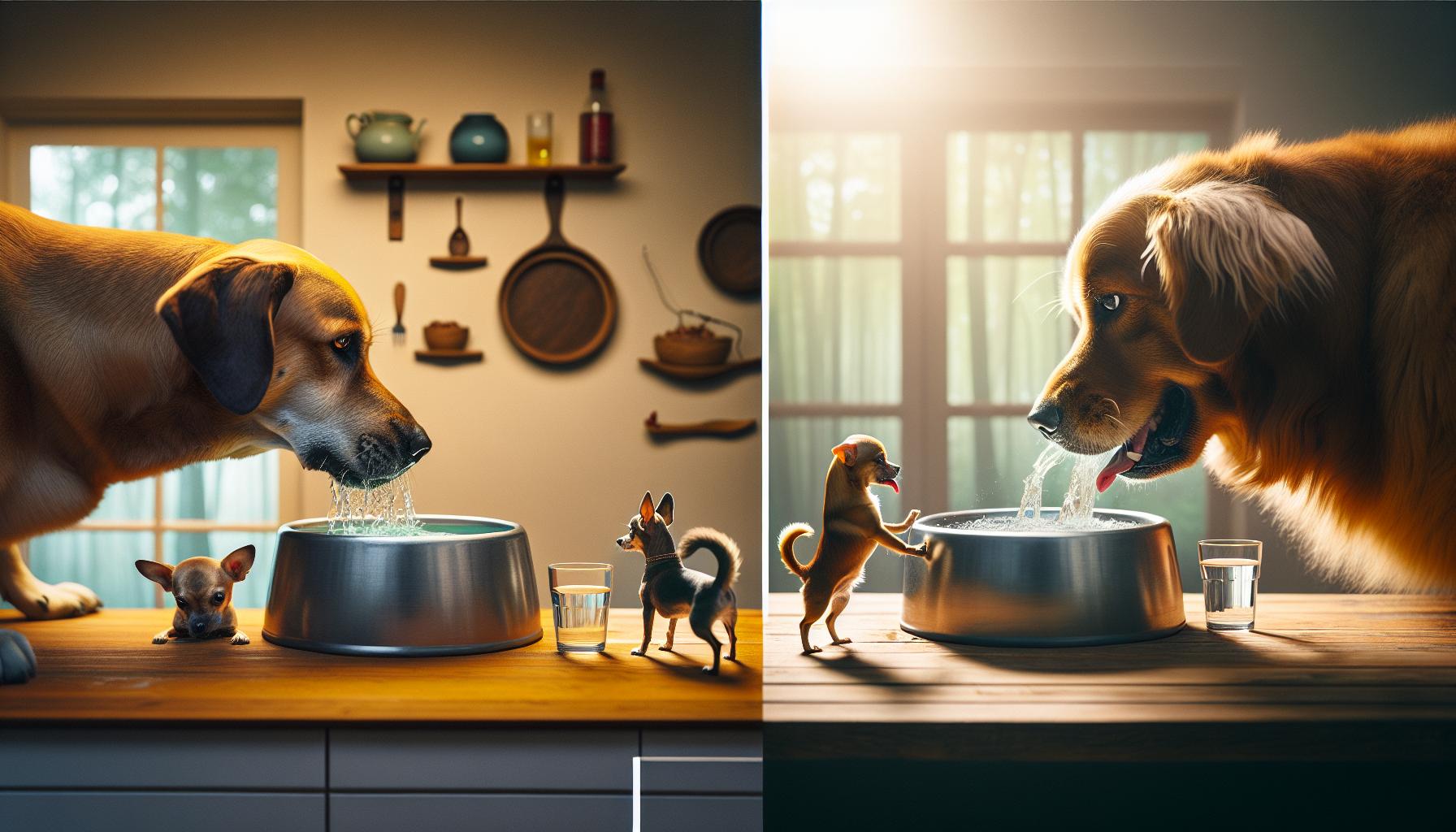
The Impact of Dog Size on Drinking Sounds
Dogs come in all shapes and sizes, and this variation plays a significant role in their drinking habits. Larger breeds, such as Saint Bernards and Great Danes, tend to generate more noise while drinking compared to smaller breeds like Chihuahuas or Dachshunds. The primary reason for this difference lies in their anatomical features and drinking techniques. Large dogs often have broader tongues and bigger mouths, which can create a greater splashing effect and lead to more pronounced slurping sounds as they scoop up water.
In addition to tongue size, the height and posture of the dog when drinking can also influence noise levels. For example, larger dogs may need to bend further down to reach their water bowl, which can create additional noise as they adjust their movements to get closer to the bowl. On the other hand, smaller dogs are usually able to access their water more easily without bending as much, which can lead to a quieter drinking experience. Watching how your dog approaches their water can provide insights into their specific drinking habits and noises.
Breed-Specific Examples
To illustrate the differences in drinking sounds, consider the following comparison of a few popular breeds:
| Breed | Size | Noisiness of Drinking |
|---|---|---|
| Labrador Retriever | Large | High – often slurps energetically |
| Pug | Small | Moderate – small sips, quieter |
| Yorkshire Terrier | Toy | Low – delicate sipping |
| Greyhound | Large | Medium – quick, but quieter |
By observing these differences, you can understand which factors contribute to the unique sound your dog makes while drinking. It’s also important to note that individual personality plays a role; some dogs are simply more enthusiastic drinkers than others. If you notice your larger breed making an excessive amount of noise, consider their drinking posture and the bowl design to find ways to reduce the clamor.
Ultimately, recognizing the impact of size on drinking behavior helps in fostering a more peaceful drinking environment for both you and your furry friend. If you’re looking for ways to create a quieter drinking experience, evaluating their bowl height and trying different materials can be effective strategies to implement.
Veterinary Insights: When Noise Indicates a Problem
When it comes to our furry friends, the sounds they make while drinking can be both amusing and puzzling. However, if your dog’s drinking noises seem louder or more frantic than usual, it could signal underlying health issues that warrant attention. For instance, excessive slurping could indicate problems like dental disease or oral discomfort, which can lead to loud drinking as the dog tries to compensate for pain or discomfort. It’s essential to stay vigilant and pay attention to any changes in your pet’s drinking habits or behaviors.
It’s also crucial to distinguish between normal and abnormal drinking sounds. Dogs with respiratory problems might exhibit more noise due to difficulty breathing while they drink. If your pooch is suddenly slurping or making unusual sounds that were not previously present, it may be time for a check-up to rule out problems such as infections or obstructive conditions. Regular vet visits can help catch these issues early, ensuring that your pet remains healthy and happy.
### Common Indicators to Watch For
Here’s a brief checklist of symptoms that could indicate something more serious beyond just noisy drinking:
- Change in Drinking Pattern: If your dog suddenly drinks much more or less than usual.
- Change in Eating Habits: If they also exhibit changes when eating, it might suggest oral issues.
- Discomfort Signs: Signs of pain, such as whining or sensitivity when drinking.
- Persistent Noises: Continuous loud drinking sounds over several days without explanation.
If you notice any of these signs, it’s best to consult your veterinarian promptly. Early diagnosis can help address potential issues before they escalate into more significant health concerns. After all, ensuring the well-being of your furry friend is a vital part of responsible pet ownership.
Do Breed Traits Influence Drinking Sounds?
Certain dog breeds exhibit distinctive drinking habits, and this can certainly affect the sounds they make while quenching their thirst. For example, larger breeds, like Great Danes and Mastiffs, might create a more pronounced slurping noise due to their size and the mechanics of their drinking style. Their longer tongues and larger mouths can lead to more water being taken in at once, resulting in a louder drinking session. On the other hand, smaller breeds, like Chihuahuas or Yorkshire Terriers, may drink more delicately, making quieter sounds.
To understand these breed-specific traits, it’s helpful to consider their anatomical differences. Breeds with short snouts, such as Bulldogs or Pugs, often experience difficulty in managing larger water bowls, which can lead to more splashing and slurping as they navigate their drinking routine. In contrast, breeds with longer snouts, like Greyhounds, may naturally drink more quietly as they have better leverage to scoop water without significant noise.
Breed Comparison: Drinking Sounds
| Breed Type | Typical Drinking Sound | Reason |
|---|---|---|
| Large Breeds (e.g., Great Danes) | loud slurping and splashing | Larger size and wider mouth lead to more water intake at once. |
| Small Breeds (e.g., Chihuahuas) | soft sipping | Small size allows for a more delicate drinking approach. |
| Brachycephalic Breeds (e.g., Bulldogs) | gurgling noises | Short snouts can cause awkward angles while drinking. |
| Long-Snouted Breeds (e.g., Greyhounds) | quiet sipping | Longer snouts facilitate a more controlled drinking format. |
Being aware of these tendencies provides insight into how you can adjust your dog’s drinking environment for greater comfort. For example, using shallow bowls for flat-faced breeds can help make drinking more efficient and less noisy. Observing your dog’s specific behavior while drinking can help you identify what adjustments may be necessary-ultimately enhancing their hydration experience while minimizing noise and mess.
How to Minimize Noise While Drinking
Many dog owners have experienced that slightly awkward moment when their furry friend makes an exaggerated slurping sound while drinking water. Not only can this be noisy, but it can also create a mess! Luckily, there are several effective strategies you can employ to help minimize those sounds and keep your home quieter during hydration time.
One of the easiest solutions is to choose the right water bowl. Dogs with shorter snouts, such as Bulldogs or Pugs, often struggle with deep bowls that lead to awkward angles and thus, more noise. Opt for a shallow bowl that allows them to comfortably reach the water without splashing. For breeds with longer snouts, like Greyhounds, a taller, more elongated bowl may work better, as it suits their natural drinking angle. You might even consider bowls designed to reduce noise or create a better flow of water, like those made from softer materials or designed with lower sides.
Another practical tip is to consider the type of water your dog is drinking. Some dogs may be less noisy when drinking from running water sources, like a pet fountain. The continuous flow can encourage them to drink quickly and quietly, plus many dogs find it more enticing than stagnant water. If you opt for a fountain, ensure it’s easy to clean, as bacteria can thrive in standing water.
Take note of your dog’s drinking habits-does he tend to gulp? If so, you can train him to sip more quietly. Start by encouraging slower drinking through positive reinforcement. For example, when you observe your dog drinking calmly, offer a treat or praise. This method gradually teaches them that quieter behavior earns rewards. You might also try breaking up their drinking time by encouraging them to take short breaks in between sips.
Finally, always keep your dog’s hydration needs in mind. While it’s important to minimize noise and mess, ensure that your pet remains well-hydrated. If you find a particular method that helps reduce drinking noise while still allowing them to drink comfortably, embrace it! Each dog is unique, and finding the right balance between quiet and hydration is key to a happy, healthy pet.
Can Water Bowl Design Affect Noise Levels?
Choosing the right water bowl for your dog can significantly influence not only their drinking experience but also the amount of noise they make while hydrating. A well-designed water bowl can help mitigate slurping sounds, allowing you to keep your home quieter and make mealtime a more pleasant experience for both you and your furry friend.
For many dogs, the bowl’s height and shape play crucial roles. For instance, breeds with shorter snouts, like Bulldogs and Pugs, often struggle with deep bowls, which lead them to awkwardly position their heads and create more splashing and slurping sounds. Instead, opting for a shallow, wider bowl helps them access the water without straining, resulting in a more serene drinking session. In contrast, breeds with longer snouts, such as Greyhounds, may benefit from taller, elongated bowls that align better with their natural drinking posture. Finding a suitable design tailored to your dog’s specific needs can make all the difference.
Additionally, consider the material and construction of the water bowl. Some bowls are made of softer materials or are designed with lower edges, which can provide a smoother surface for drinking and reduce noise levels. Noise-reducing bowls, specifically marketed for this purpose, often feature unique designs that help contain splashes and minimize echoes. You might experiment with different styles to see which your dog prefers while also observing if it impacts the noise they produce!
To further enhance their drinking experience, you might explore innovative options like pet fountains. These devices provide a continuous flow of water, which not only appeals to most dogs but can also lead to quieter drinking habits. Since many dogs are attracted to moving water, a fountain can encourage them to drink more while simultaneously reducing slurping sounds.
In summary, the design of your dog’s water bowl plays a pivotal role in their hydration routine. By selecting the right bowl and exploring various materials and styles, you can contribute both to their comfort and your home’s tranquility during those all-important hydration breaks.
Hydration Tips for Noisy Drinkers
When it comes to noisy drinking habits in dogs, understanding their hydration preferences and behavior can make a world of difference. Just like humans, dogs have their quirks, and some may slurp and splash their way to hydration. An estimated 60% of dog owners report that their pets are noisy drinkers, leading to a desire for quieter solutions. Here, we’ll explore practical hydration tips to help reduce the noise without compromising on their necessary water intake.
One way to create a calmer drinking environment is to invest in a high-quality water bowl. Look for bowls that are specifically designed to minimize noise. Options with a wider base and textured surfaces can reduce slippage and splashing, making sipping more discreet. For breeds like Dachshunds or Bulldogs, shallow bowls will allow them to drink comfortably without excessive slurping, whereas taller bowls that align with the neck can assist breeds such as Greyhounds or Labradors. A simple change in bowl design can significantly impact the noise level during those hydration breaks.
Another engaging approach involves introducing pet water fountains. These little devices mimic a flowing, natural water source that many dogs find appealing. The moving water not only entices them to drink more but also tends to make less noise than traditional bowls because they don’t have to plunge their snouts into still water. Plus, fountains often have filtration systems that keep the water clean and fresh, encouraging more frequent drinking, which is essential for their health.
Lastly, keeping the drinking area calm and distraction-free can also help minimize noise. Dogs that are anxious or excited may gulp water noisily as part of their energy release. Creating a comfortable drinking zone, away from the hustle and bustle of household activities, allows them to focus. Consider offering rewards for quiet drinking behavior; for instance, a treat or praise when they use their bowl calmly. This not only cultivates good habits but can enhance their overall drinking experience, making hydration a more pleasant task for both of you.
By making thoughtful adjustments to your dog’s drinking routine, you can enjoy a quieter home while ensuring your furry friend stays hydrated and healthy. With a little creativity and observation, reducing your dog’s drinking noise is not only feasible but can also deepen your bond with your beloved companion.
Recognizing Unusual Drinking Behavior in Dogs
Recognizing changes in your dog’s drinking behavior can be crucial for their overall health. While some noise during water breaks is perfectly normal, any significant alterations in drinking habits warrant attention. For example, if your typically loud drinker suddenly becomes quiet, or conversely, if a usually calm drinker starts slurping and gulping excessively, this could signal an underlying issue. Dogs thrive on routine, and deviations can indicate either discomfort or a response to environmental changes.
Keep a close eye on your dog’s hydration patterns. Is there a change in the amount they drink-are they consuming excessively high amounts of water, or are they showing a reluctance to drink altogether? These factors can be meaningful. Excessive drinking might point towards diabetes or kidney issues, while avoiding water could signal dental pain or nausea. Watch for the following behaviors that could suggest unusual drinking habits:
- Excessive slurping or gulping: If your dog is causing noise levels to spike significantly when drinking, this might indicate anxiety or excitement.
- Hydration aversion: If your dog appears hesitant to drink, pacing near their bowl but then walking away, this behavior merits further investigation.
- Post-drinking behavior: Observe how your dog behaves after drinking. Signs of discomfort or distress, like pacing or whining, may suggest that drinking is causing pain.
If these unusual behaviors persist, it’s advisable to consult your veterinarian. They can examine your dog for possible physical issues and recommend appropriate actions. It’s always better to err on the side of caution and ensure your furry friend is healthy. Establishing a habit of monitoring drinking behavior not only fosters a proactive approach to health management but also strengthens the bond you share with your dog through attentive care.
When to Consult a Veterinarian About Drinking Issues
When your dog seems to be making more noise than usual while drinking, it may be easy to brush it off as quirky behavior. However, it’s crucial not to overlook potential underlying health issues. For instance, if your furry friend goes from an occasional slurp to a full-on noisy gulping session, it might indicate discomfort. Observing changes in drinking habits, along with the sounds they make, can provide essential clues about your dog’s health. If you notice behaviors like excessive slurping, sudden reluctance to drink, or distress after drinking, it’s a signal that merits further investigation.
Monitoring hydration patterns can provide valuable insights. If your dog suddenly starts drinking significantly more or less than usual, or shows signs of anxiety about their water bowl, this could indicate serious health concerns such as diabetes or kidney disease. Additionally, if their drinking sounds are accompanied by other abnormal behaviors, like pacing or whining post-drink, these may be signs of pain, often linked to dental issues. It’s vital to be responsive to these signals, prioritizing your dog’s well-being over assumptions about their behavior.
Consulting a veterinarian is the best way to ensure your dog’s noise while drinking isn’t a sign of larger issues. A check-up can help identify any physical problems, allowing your veterinarian to recommend appropriate treatment or modifications in care. Always remember, a little due diligence can go a long way in maintaining your dog’s health and happiness. Regular check-ins about your dog’s drinking habits not only promote a healthier lifestyle but also fortify the bond between you and your beloved companion.
Training Your Dog for Quieter Drinking
One fascinating aspect of dog behavior is how they drink water, often creating sounds that can be less than discreet. While some owners might find these noises endearing, others may seek to minimize the distraction they cause. isn’t just about the noise-it’s also an opportunity to reinforce good habits and enhance your dog’s comfort and health.
One effective strategy is to teach your dog to approach their water bowl in a calm manner. Begin by practicing “quiet” commands in a distraction-free environment. Reward them with a treat when they approach the bowl quietly. Over time, they will learn that calm behavior leads to positive outcomes. Use the following steps to create a training routine:
- Choose the Right Time: Start training when your dog is thirsty but not overly excited, such as after a walk.
- Use the Command: Introduce a specific command like “easy” or “gentle” as you guide them to the bowl. Be consistent with the word used.
- Reward Quiet Drinking: As they start to drink quietly or in a less noisy manner, provide positive reinforcement with treats and praise.
- Gradually Increase Distractions: As your dog becomes more reliable, practice in different environments to strengthen their understanding.
It’s important to tailor the training approach to your dog’s specific characteristics, such as their breed and previous drinking habits. For instance, larger breeds may require different techniques than smaller ones due to their size and drinking style. Engaging with them during training can also make the process delightful-for both of you!
Sometimes, a more significant factor at play might be the water bowl itself. Certain designs can amplify drinking sounds, so consider using bowls with wider, flatter bases. These can help reduce splashing and noise, allowing for a quieter drinking experience. Training becomes easier when you combine it with practical tools that support your goals.
By focusing on a gentle, positive reinforcement approach, you empower your dog to make better choices at the water bowl. Not only does this foster quieter drinking habits, but it also strengthens your bond, as you encourage and support one another through the learning process.
Q&A
Q: Why does my dog make slurping sounds when drinking water?
A: Dogs often slurp their water due to the shape of their tongues, which are designed to scoop up water. This natural behavior can vary based on the dog’s size and breed specifics. If the noise bothers you, consider using a quieter water bowl design to reduce splashing.
Q: Is my dog’s noisy drinking a sign of a health issue?
A: While noise during drinking is generally normal, excessive slurping or choking could indicate discomfort or an underlying health problem. Monitor your dog’s behavior and consult your veterinarian if the noise is accompanied by other symptoms, such as coughing or refusal to drink.
Q: How does my dog’s bowl type affect their drinking noise?
A: The design and material of a dog’s water bowl can significantly impact the noise made during drinking. For example, deeper bowls or those with wider openings may reduce splashing and slurping sounds. Experimenting with different bowl types can lead to quieter drinking habits.
Q: What can I do to minimize noise while my dog drinks?
A: To reduce noise, try using a flat or wide bowl, which can help catch splashes. Additionally, training your dog to take smaller sips can help. Gradually encourage quieter drinking by rewarding them for calm behavior at the water bowl.
Q: Do certain dog breeds drink noisier than others?
A: Yes, some dog breeds, particularly those with shorter snouts like Bulldogs or Pugs, may make more noise while drinking. Their physical structure affects how they lap water. Observing these breed traits can help you understand your dog’s unique drinking habits.
Q: Why does my dog gulp air while drinking?
A: If your dog gulps air when drinking, it may be due to excitement or eagerness. Encourage slower drinking habits by providing smaller portions of water more frequently, or try using specially designed bowls that discourage fast drinking and air gulping.
Q: How often should I check my dog’s drinking habits?
A: Regularly monitoring your dog’s drinking habits is vital. Pay attention to changes in noise levels, frequency, or quantity consumed, as these can indicate health issues. If you notice unusual behavior, consult your veterinarian to rule out any concerns.
Q: Can training help my dog drink more quietly?
A: Yes, training can be effective in encouraging quieter drinking. Use positive reinforcement to reward your dog for calm behavior at the water bowl. Gradually introduce quieter feeding times, reinforcing the behavior you want to see, which can lead to a more pleasant drinking routine.
The Conclusion
Understanding why your dog might make noise while drinking water can ensure a more peaceful environment and enhance their hydration experience. Remember, it could be due to excitement, sensitivity, or simply their unique way of enjoying their favorite beverage. If you have lingering questions about your dog’s behavior or health, don’t hesitate to consult with a vet for personalized advice.
For more in-depth insights, explore our articles on “Common Dog Behavior Issues” and “Tips for Keeping Your Dog Hydrated.” And if you’re keen on staying updated with the latest tips and dog care strategies, consider signing up for our newsletter! Your journey in understanding your furry friend doesn’t stop here-dive deeper into our resources and join the conversation in the comments below!