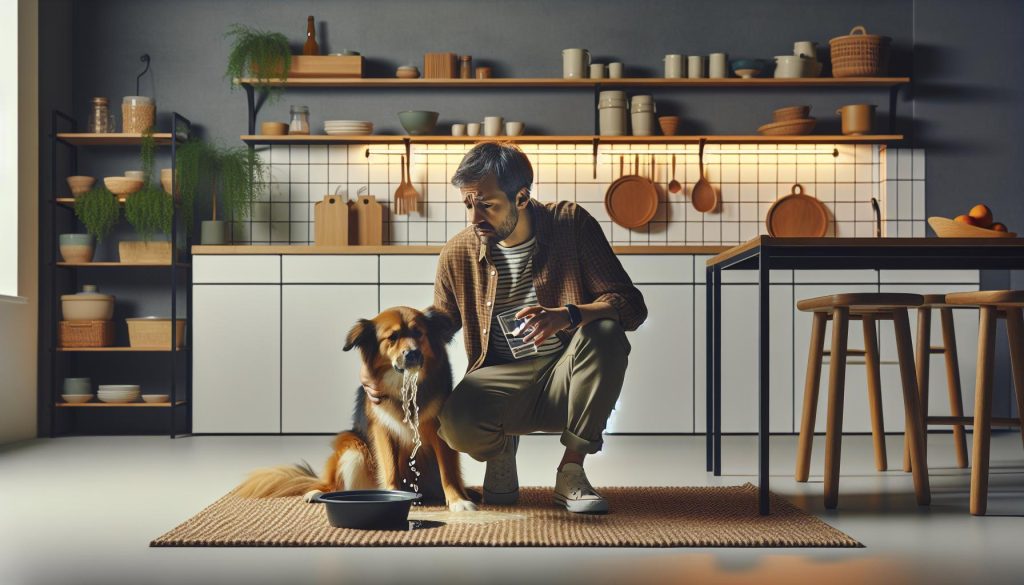
As a loving dog owner, it can be alarming to see your furry friend throw up after drinking water. Did you know that this peculiar behavior can stem from various underlying causes? Understanding why dogs vomit after hydration is crucial not only for your dog’s health but also for your peace of mind. From simply drinking too quickly to more serious health concerns, recognizing the signs and reasons behind this issue can help you take appropriate action. In this article, we’ll delve into the seven common causes of why your dog might be experiencing this troubling symptom. By the end, you’ll gain valuable insights to ensure your pup stays healthy and happy, giving you both a sense of reassurance and a stronger bond. Let’s explore these potential explanations together!
Why Your Dog May Throw Up After Drinking Water
It’s surprising how many dog owners experience the distressing situation of their furry friend vomiting after drinking water. This common yet concerning issue can often leave pet parents puzzled and worried. Understanding the reasons behind this behavior can pave the way to not only clarify your dog’s health status but also help you take proactive steps to prevent future occurrences.
Several factors can contribute to a dog throwing up after drinking water. One of the most frequent causes is gulping or drinking too quickly, especially after vigorous play or exercise. When dogs rush to drink, they can ingest large amounts of air along with the water, leading to a buildup of pressure in their stomach, causing them to vomit. Paying attention to the manner your dog drinks can be a simple yet effective way to mitigate this issue. If you notice your pup seems eager to gulp down water, consider using a specially designed slow-feed bowl to encourage a calmer drinking pace.
Moreover, gastrointestinal distress can also trigger vomiting. This might stem from dietary indiscretions, such as eating something inappropriate outdoors or a sudden change in their diet. Some dogs are also sensitive to temperature changes-drinking cold water after being outside in the heat can irritate their stomachs. If your dog experiences frequent vomiting, it’s essential to evaluate these dietary habits and adjust them as necessary. Offering smaller amounts of water at intervals can help maintain hydration without overwhelming their stomach.
In more serious cases, health concerns like infections or underlying conditions could be at play, necessitating a consultation with your veterinarian. By being observant and proactive, you not only keep your dog comfortable but also contribute to their overall well-being. Little adjustments in habits, paired with awareness of your dog’s individual needs, can ensure that your pup stays happy and healthy.
Understanding the Causes of Dog Vomiting
Did you know that many dogs vomit after drinking water, and it often leaves their owners scratching their heads in confusion? Understanding the various reasons your dog may experience this unfortunate situation can help you provide better care and take proactive steps.
One prevalent cause of vomiting after drinking is gulping water too quickly. Dogs can become overly excited or thirsty, especially after playtime or exercise, leading them to drink rapidly. This behavior can cause them to swallow air along with water, leading to stomach discomfort and, ultimately, vomiting. To alleviate this, consider using a slow-feed bowl designed to encourage a more measured drinking pace, allowing your furry friend to hydrate more comfortably.
Another factor that may contribute to this vomiting behavior is dietary indiscretion. Dogs are naturally inquisitive and sometimes eat strange objects or spoiled food, which can irritate their stomachs and lead to vomiting. Additionally, sudden changes in their diet can also upset their digestive system. To minimize the risk, try to maintain a consistent feeding schedule and avoid introducing new foods too quickly. Offer smaller amounts of water and food more frequently to help regulate their intake and support overall digestive health.
In certain scenarios, health issues might be the underlying culprit. Conditions like gastrointestinal infections, pancreatitis, or even food allergies can cause virtual distress in dogs, manifesting as vomiting after drinking water. If vomiting becomes frequent or is accompanied by other symptoms like lethargy, diarrhea, or changes in appetite, it’s crucial to consult your veterinarian. Regular check-ups and being attuned to your dog’s health can aid in early detection of these issues, leading to timely intervention.
By understanding these causes, you can better support your dog’s hydration and health while finding strategies to reduce the likelihood of vomiting. Remember, little changes in their habits can make a significant difference in their well-being!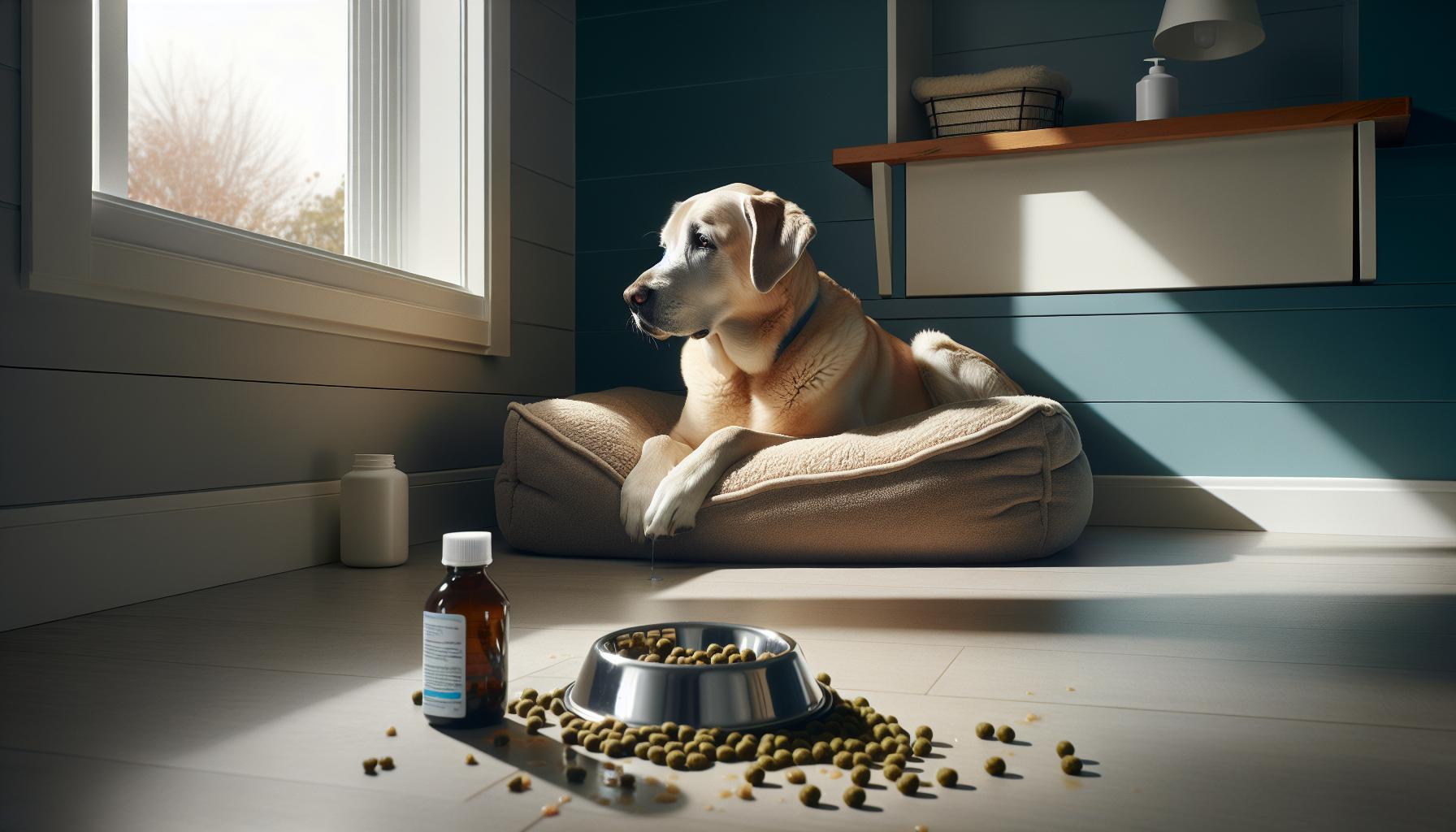
Signs Your Dog is Drinking Too Quickly
It’s not uncommon for dog owners to notice their furry friends gulping down water in a hurry, often leading to worries about potential vomiting afterward. Understanding the signs that indicate a dog is drinking too quickly can help you manage their hydration in a more controlled manner, reducing the chances of discomfort or vomiting.
Typically, if your dog is drinking too fast, you may observe behaviors such as frantic lapping or gobbling at the water bowl, where they seem almost eager to finish the water all at once. You might hear them slurping loudly or notice water splashing out of the bowl. If you see them panting excessively or displaying signs of urgency after playtime or exercise, they may be prone to drinking too rapidly as a means to quench their thirst. Another key indicator is if they periodically cough or hack after drinking, as this can suggest they are swallowing air along with the water, leading to discomfort.
To create a better drinking experience for your dog, consider implementing some of the following strategies:
- Try a Slow-Feed Bowl: These bowls are designed to encourage your dog to drink at a more measured pace, which can reduce the risk of gulping.
- Regular Breaks: After heavy play, allow your dog to take breaks before providing water, so their thirst isn’t overwhelming and they can drink more slowly.
- Frequent Small Portions: Offer smaller amounts of water more frequently throughout the day, helping to keep them hydrated without the need to gulp large quantities at once.
In some cases, adjusting your dog’s environment can also help. Keeping the water bowl in a calm, quiet area can reduce excitement and encourage more relaxed drinking habits. Remember, monitoring their drinking behavior closely can not only help prevent vomiting but also contribute to their overall well-being. By paying attention to these signs and taking action, you can ensure your dog remains hydrated and healthy without the discomfort of drinking too quickly.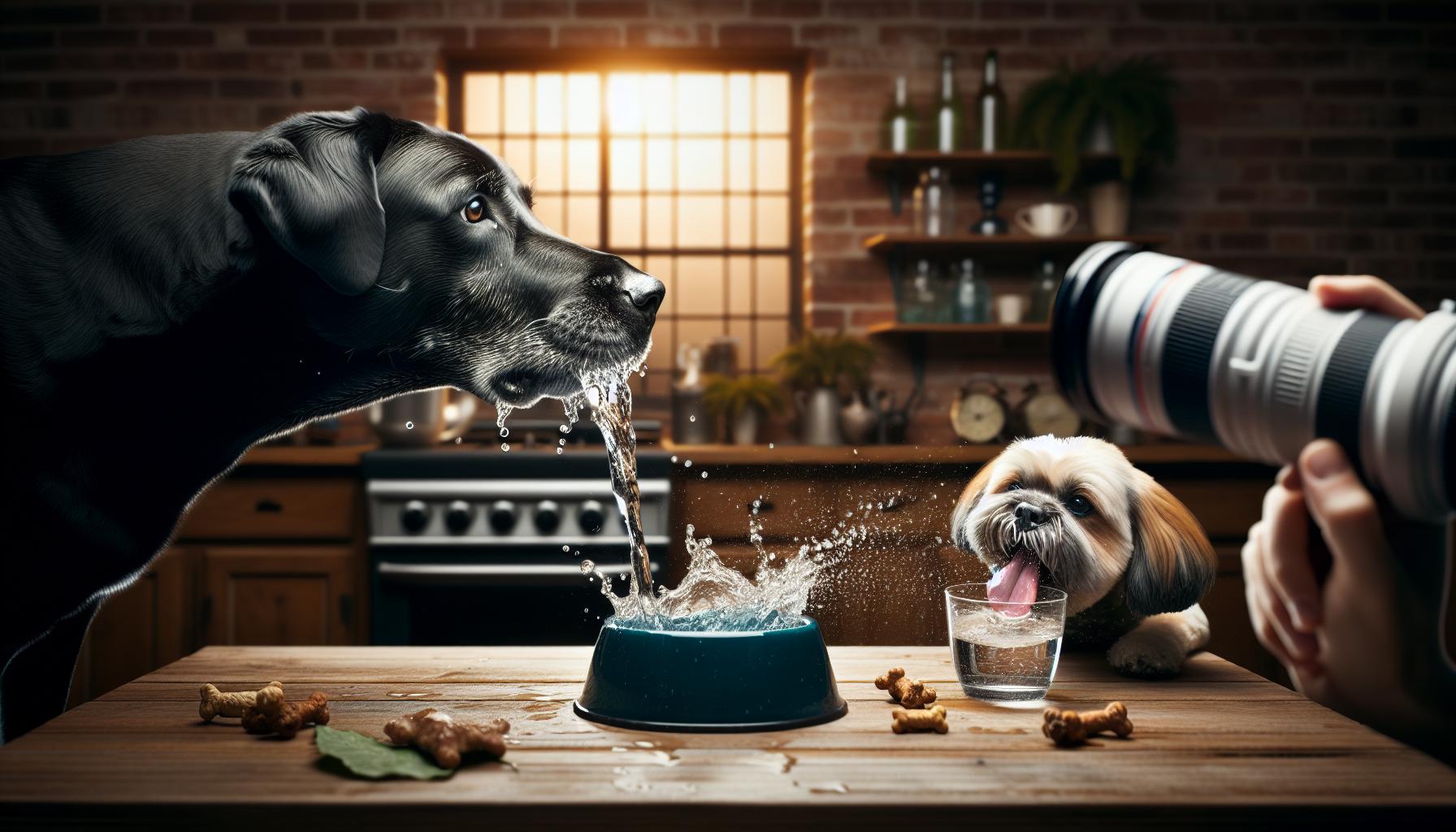
Dehydration: A Hidden Danger for Dogs
Dehydration can sneak up on our furry friends, often masked by other symptoms or behavioral changes. It’s startling to realize that even mild dehydration can lead to significant health issues for dogs. Unlike us, dogs may not always show clear signs of thirst or may not drink enough water throughout the day, particularly if they have been playing vigorously or if the weather is warm. This underestimation can result in a range of complications, including vomiting, which is often misattributed solely to dietary choices or undigested food.
When a dog becomes dehydrated, their body becomes unable to function efficiently, which can lead to a compounding effect on their well-being. More than just a simple lack of water, dehydration can cause the body’s internal systems to struggle. If a dog drinks too much water at once, particularly when dehydrated, it can create a shock to their system, increasing the likelihood of vomiting shortly after consumption. To mitigate this risk, it’s essential to ensure your dog has easy and consistent access to fresh water throughout the day.
One effective strategy to monitor hydration is by checking your dog’s skin elasticity. Gently pinch a bit of skin on the back of their neck; if it doesn’t return to its original position quickly, this may indicate dehydration. Additionally, keep a close eye on their energy levels and bathroom habits. A drop in energy or less frequent urination can be major red flags indicating your dog may not be getting enough fluids.
For more proactive owners, consider enriching your dog’s diet with wet food or adding water to their dry kibble to encourage hydration. Hydration stations can also be beneficial; using multiple water bowls around the house allows your pet to hydrate more easily. As a loving dog owner, striving to keep your pup hydrated is not just about quenching thirst; it’s about promoting overall health and preventing uncomfortable situations that can lead to vomiting. Make the effort to familiarize yourself with your dog’s normal drinking habits, and stay attuned to any changes that may arise. This simple attentiveness can go a long way in keeping your companion happy and healthy.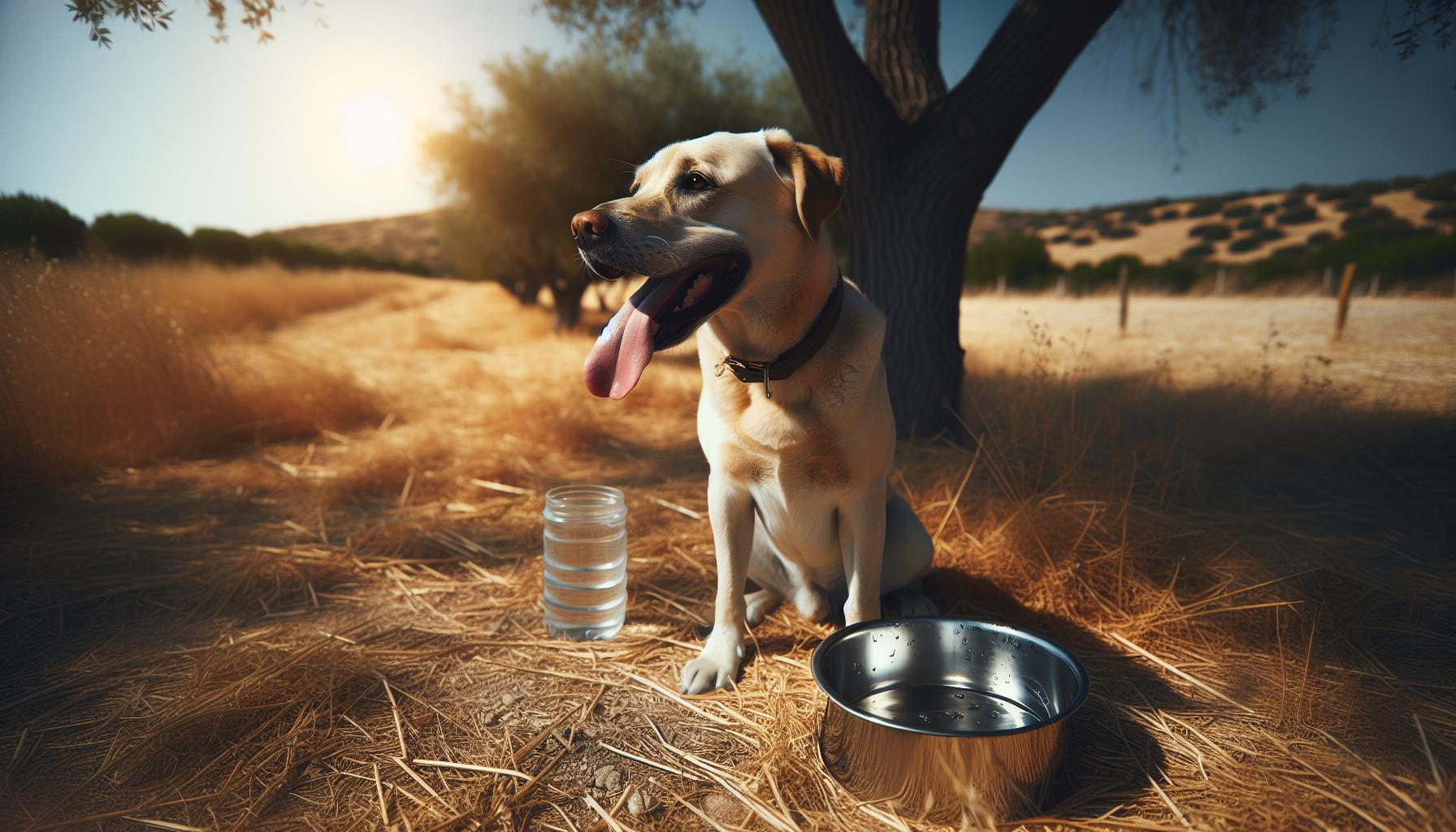
Dietary Factors That Impact Water Intake
Understanding how your dog’s diet influences their water intake is crucial for preventing unwanted vomiting episodes. Just like us, dogs require a balanced intake of nutrients and hydration for optimal health. One of the primary dietary factors impacting their water needs is the moisture content of their food. Dogs fed a diet consisting mainly of dry kibble-often lower in moisture-will need to consume more water to stay hydrated. In contrast, those on wet food diets or raw diets containing high water content may not drink water as frequently, as their food already contributes significantly to their hydration.
It’s also essential to consider the ingredients in your dog’s food. Some ingredients can lead to increased thirst. For instance, highly salty or processed foods can prompt your pup to drink more water, placing them at risk of gulping down too much at once, which can lead to vomiting, especially if they drink quickly. Therefore, choosing high-quality, nutritionally balanced dog food tailored to their needs, is not just about providing energy; it’s also about ensuring they maintain their hydration levels effectively.
Another important aspect is portion control. Feeding your dog smaller, more frequent meals throughout the day can not only help manage their overall water intake but also reduce the likelihood of them gulping water immediately after a big meal. Large quantities of food can stretch the stomach; if your dog then drinks a lot of water, it might trigger vomiting due to the added pressure on their gastrointestinal tract.
If you’re unsure about what diet suits your furry friend best, consult with your veterinarian. They can help you tailor a feeding regimen that supports both hydration and overall health, reducing the risk of vomiting and ensuring your pup stays happy and comfortable. Remember, attentive monitoring of your dog’s eating habits, food choices, and water intake can significantly impact their well-being.
Common Health Issues Leading to Vomiting
It’s startling to see your beloved dog vomit after taking a drink, and understanding the potential health issues behind this can help you navigate these concerns effectively. Various conditions can lead to your dog projecting its last meal or, at times, just water. Recognizing these health issues is critical for providing the best care for your furry friend.
One common cause of vomiting is gastroenteritis, which is inflammation of the stomach and intestines. This can occur for many reasons, including dietary indiscretion-when a dog eats something they shouldn’t, from table scraps to foreign objects. Symptoms often include diarrhea and lethargy alongside vomiting. If your pup digs into leftovers or scavenges during walks, keep a keen eye on their behavior and digestive health.
Another possibility is pancreatitis, an inflammation of the pancreas that can arise from high-fat diets or certain medications. Dogs suffering from this condition often show signs such as severe abdominal pain, loss of appetite, and vomiting that may occur after eating or drinking, leading to dehydration. Be vigilant for any unusual behaviors; recognizing these signs early can significantly improve treatment success.
For older dogs, underlying conditions like kidney disease or liver dysfunction should also be considered. Both of these issues can disrupt your dog’s overall health and lead to symptoms including vomiting, increased thirst, and changes in urination. A prompt veterinary visit is essential for diagnosing these serious conditions, which often require specialized treatment and diet adjustments.
In addition to the above, food allergies or intolerances can cause stomach upset, resulting in vomiting after meals or water intake. If your dog exhibits signs of itching, gastrointestinal distress, or simply seems increasingly picky about their food, these could be indicators of a sensitivity. A dog food elimination trial under your vet’s guidance can help pinpoint any dietary culprits.
As a dog owner, being attentive to your pet’s behavior and health is paramount. Document any changes, such as frequency of vomiting, accompanying symptoms, and eating habits, to share with your veterinarian. Early intervention is key in making a difference in your dog’s health and ensuring they remain happy and comfortable.
When to Seek Veterinary Help for Your Dog
When a beloved dog experiences vomiting after drinking water, it can evoke a wave of concern for their health. It’s crucial to know when these situations warrant a trip to the veterinarian. As a general rule, if your dog vomits occasionally and appears otherwise healthy-playing, eating, and drinking normally-the cause may not be serious. However, there are specific indicators that should prompt immediate veterinary attention.
Firstly, persistent vomiting or multiple episodes in a short timeframe are red flags. If your dog vomits water repeatedly or shows signs of discomfort, such as whining or a hunched posture, it’s time to reach out to your vet. Additionally, if your dog exhibits any of the following symptoms alongside vomiting, it is essential to seek professional help:
- Signs of dehydration (such as dry gums, lethargy, or excessive thirst)
- Blood in vomit or stools
- Severe abdominal pain or bloating
- Lethargy or unresponsiveness
- Loss of appetite lasting more than 24 hours
Certain dog breeds may be more prone to conditions that can cause vomiting, making awareness particularly essential. For instance, larger breeds like Great Danes or Boxers are at risk for bloat, a serious condition that can occur when a dog drinks excessively. If your large breed companion drinks rapidly and exhibits signs of distress, get them to a veterinary clinic immediately.
Moreover, if your dog has a known medical condition, such as pancreatitis or liver disease, even minor episodes of vomiting could be symptomatic of a larger issue. Keeping your veterinarian informed about any medication changes or new dietary experiments can help them assess the situation more effectively.
Remember, when it comes to your dog’s health, you are their best advocate. Your attentiveness to their behaviors and habits can make all the difference in ensuring they remain happy and healthy. Keep a health log for your dog to track behaviors, drinking habits, and any episodes of vomiting, and don’t hesitate to consult your veterinarian with any concerns-they’re there to help you and your furry friend navigate these situations with care and expertise.
Home Remedies to Help Your Dog Stay Hydrated
When your furry friend is feeling under the weather and struggles with hydration, it’s essential to explore some effective home remedies. Keeping your dog well-hydrated can prevent further health complications, especially if vomiting follows water consumption. Fortunately, you can try several techniques in the comfort of your home to help your dog stay hydrated.
One simple yet effective method is to serve ice cubes or ice chips. Many dogs find chewing on ice to be an enjoyable and refreshing activity. Just ensure that your dog is not overheating or excessively gulping down ice cubes, as this can lead to more discomfort. Additionally, you might consider offering diluted chicken or beef broth (without onions or excessive salt), as the taste can entice your dog to drink more fluids. Start with a 1:1 ratio of broth to water, gradually increasing the concentration as your dog adjusts.
If your dog seems to be drinking too quickly, try using a slow feeder bowl or a specially designed puzzle bowl. These bowls can encourage your pup to take their time while drinking, reducing the risk of vomiting. For smaller breeds or those susceptible to gulping water, using a dish that forces them to work a bit harder for their hydration can be particularly beneficial.
Another useful tip is to infuse water with natural flavorings to encourage your dog to drink more. You can add small pieces of fruits like watermelon, blueberries, or cucumber to their water bowl. Make sure these additions are safe for dogs, as not all fruits are appropriate for canine consumption. This little twist can make a significant difference in enticing your dog to hydrate better.
Lastly, pay close attention to your dog’s behavior and overall condition. Keep a close eye on any symptoms of dehydration, like dry gums or excessive lethargy. If your dog continues to refuse water or experiences ongoing vomiting, it’s time to consult a veterinarian. They can provide a tailored approach to rehydration, potentially recommending oral electrolyte solutions designed for pets. By being proactive and attentive, you can effectively support your dog’s hydration needs at home while ensuring they remain comfortable and happy.
Preventing Vomiting: Tips for Dog Owners
When it comes to keeping our furry companions healthy, preventing vomiting is a top concern for dog owners. For many dogs, drinking water too quickly can lead to unpleasant outcomes, but there are practical strategies to help make hydrating a more comfortable experience. For example, implementing a few simple feeding and hydration techniques can significantly reduce the chances of your dog throwing up after drinking.
One effective method is to use a slow feeder bowl or a specialized hydration bowl designed to slow down your dog’s drinking pace. These bowls often feature obstacles or intricate designs that encourage your dog to take smaller, more manageable sips. This not only minimizes the risk of gulping and subsequent vomiting but also promotes mindful drinking habits. Additionally, if you notice that certain breeds, especially those with shorter snouts like Bulldogs or Pugs, struggle more with fast drinking, opting for an elevated bowl can also help.
It’s also beneficial to regulate the environment in which your dog drinks. Make sure they are calm and not overly excited when it’s time for hydration. A quiet spot with low distractions can provide a more relaxed atmosphere, helping to prevent any rapid intake of water. You might consider using a water fountain, as the sound and movement encourage drinking while allowing your dog to drink at their own pace. Furthermore, consistent monitoring of their overall eating and drinking habits is key. Keeping a diary or logs of their behaviors can highlight any patterns, allowing you to adjust their routine as needed.
Finally, it’s important to remember that hydration can be influenced by your dog’s diet. Ensure that they have access to high-quality dog food that meets their nutritional needs, as this can affect their overall moisture intake. Foods with higher moisture content, like wet dog food, can help keep your dog hydrated without the need for excessive drinking. If you suspect a specific breed may have sensitivities or drinking issues, researching dietary options tailored to their needs can prove invaluable. Addressing these aspects can lead to a happier, healthier pet who is less likely to face the discomfort of vomiting.
Understanding Breed-Specific Sensitivities
One fascinating aspect of dog care is recognizing that different breeds can have unique sensitivities, especially when it comes to hydration and digesting water. Certain breeds, due to their anatomy and physiology, are more prone to issues like vomiting after drinking. For instance, brachycephalic breeds-those with shorter muzzles like Bulldogs and Pugs-often have difficulty managing the intake of water due to their unique mouth structure. This can lead to gulping air along with water, which may contribute to vomiting.
In contrast, larger breeds, such as Great Danes, can also face challenges. Their size can result in a larger volume of air being ingested while drinking, which can subsequently create a risk for bloating and vomiting. It’s essential for owners of these breeds to implement specific strategies aimed at reducing rapid drinking. For example, using an elevated bowl can help slow down their drinking speed, making it easier for them to manage the volume and prevent gulping.
To better support your dog’s needs based on their breed, consider these tailored approaches:
Breed-Specific Hydration Tips
- Brachycephalic Breeds: Use a shallow, wide bowl to assist in stabilizing their drinking posture. A slow feeder bowl can also help avoid gulping.
- Large Breeds: Elevate their food and water bowls and consider giving them smaller amounts of water more frequently throughout the day.
- Active Breeds: For breeds with high energy, like Border Collies, providing a water fountain can encourage them to take smaller sips rather than gulping after a long play session.
Additionally, monitoring your dog’s overall health and hydration patterns is crucial. Keeping a log of what works best for your dog can highlight effective strategies and help you make necessary adjustments. Regular veterinary check-ups can also uncover underlying health issues influencing your dog’s sensitivity to water intake. Understanding these breed-specific nuances will not only help mitigate the risk of vomiting after drinking but also promote a healthier and happier lifestyle for your furry friend.
The Role of Stress and Anxiety in Dog Vomiting
Stress and anxiety can significantly impact your dog’s health and behavior, revealing themselves in surprising ways, including through vomiting after drinking water. Just like humans, dogs can experience nervousness and stress, which may be triggered by various factors such as changes in their environment, loud noises, new people, or other pets. When under stress, dogs often exhibit physical reactions, and one common response can be an upset stomach leading to vomiting, especially if they drink water too quickly during or after a stressful event.
Many dogs will gulp water in a hurry when they’re anxious, either due to the excitement or discomfort of a situation. This rapid intake can lead to excessive air swallowing, which can create a bloated feeling and trigger vomiting. For example, if a dog is anxious about a thunderstorm or the approach of unknown guests, they might rush to the water bowl to hydrate before retreating to their safe space. As a proactive measure, owners should create a calm and secure environment for their pets, using soothing techniques like soft music, calming pheromone diffusers, or familiar toys to help ease their anxiety.
Recognizing Signs of Stress
Understanding how to identify stress in your dog is essential for effective management. Look for signs such as:
- Excessive panting or pacing
- Hiding or seeking isolation
- Destructive behavior or loss of appetite
- Increased barking or whining
If you notice these signs, try to address the source of stress. Gradual desensitization to triggers or professional training can significantly help in reducing anxiety levels. In some cases, consulting with a veterinarian about potential calming supplements or medications might be appropriate for managing your dog’s stress.
The takeaway is to be attentive to your dog’s emotional state and modify their environment to diminish stressors as much as possible. By ensuring a peaceful setting and employing supportive strategies, you can help your dog feel more secure and, consequently, decrease the likelihood of vomiting after drinking water. Regularly monitoring your dog’s behavior and addressing any stressors will not only aid in reducing vomiting but contribute to their overall well-being.
Monitoring Your Dog’s Overall Health and Behavior
Monitoring your dog’s health is crucial, especially when you notice unusual behaviors like vomiting after drinking water. Dogs can’t verbally communicate their discomfort, making it essential for owners to be observant of their pet’s daily habits and overall demeanor. One of the first things to consider is their drinking behavior; if your dog often gulps water quickly, it can introduce air into their stomach, leading to bloating and vomiting. Keeping an eye on how and when your dog drinks can help identify potential issues.
Another aspect to focus on is your dog’s eating routine. If they seem excessively hungry or thirsty, it could indicate underlying health concerns such as diabetes or kidney issues. Monitoring their appetite and water intake will provide valuable insights into their health. Additionally, keeping track of any changes in bathroom habits-such as increased urination or straining-could signal a need for veterinary attention.
Regular vet check-ups should be on every dog owner’s calendar, as routine examinations can catch health issues early on. Maintaining a pet health journal can also be beneficial. Documenting changes in appetite, behavior, and any incidents of vomiting will help create a more comprehensive picture for your veterinarian.
In summary, regular monitoring of your dog’s behavior, drinking habits, and overall health is essential in preventing and addressing issues that could lead to vomit. By being proactive and attentive, you can ensure a happier, healthier life for your furry companion.
Q&A
Q: Why does my dog throw up clear liquid after drinking water?
A: If your dog throws up clear liquid after drinking water, it might indicate an empty stomach or drinking too quickly. Try offering smaller amounts of water more frequently. If it continues, consider consulting your vet for a comprehensive health evaluation.
Q: Can my dog’s diet affect vomiting after drinking water?
A: Yes, a diet high in fat or low-quality ingredients can upset your dog’s stomach and lead to vomiting after drinking. Evaluating the ingredients in your dog’s food and considering a diet change may help address the issue. Check the dietary factors section for more insights.
Q: How can I tell if my dog is drinking too fast?
A: Signs that your dog is drinking too fast include gulping, choking sounds, or immediate vomiting after drinking. To help, provide a bowl designed to slow down their drinking or offer smaller amounts of water more frequently. Refer to the signs section for more details.
Q: When should I take my dog to the vet for vomiting?
A: You should seek veterinary help if vomiting persists for more than 24 hours, is accompanied by lethargy, diarrhea, or blood in the vomit. Early intervention can prevent serious health issues. This is covered in greater detail in the veterinary help section.
Q: Can anxiety cause my dog to vomit after drinking water?
A: Yes, anxiety can cause vomiting in dogs, including after drinking water. If you notice signs of stress or anxiety, consider behavioral training or consulting a vet for stress management strategies. For more on this, check the stress role section.
Q: What are some home remedies to help my dog stay hydrated?
A: To help your dog stay hydrated, try offering ice cubes or adding a bit of low-sodium broth to their water. Ensure they have access to fresh water at all times. More home remedies are discussed in the hydration tips section.
Q: Are certain dog breeds more prone to vomiting?
A: Yes, some breeds have sensitivities that increase the likelihood of vomiting, especially in stress-prone or brachycephalic breeds that struggle with pacing their food and water intake. Exploring breed-specific tendencies may help in prevention strategies.
Q: What are the long-term effects of repeated vomiting in dogs?
A: Repeated vomiting can lead to dehydration, weight loss, and potentially more severe gastrointestinal issues. If vomiting becomes a regular occurrence, it’s essential to consult your veterinarian to identify any underlying health problems.
To Wrap It Up
Understanding why your dog throws up after drinking water is crucial to ensuring their well-being. By recognizing the common causes, you can take proactive steps to help your furry friend feel better and prevent future incidents. If you’re still concerned about your dog’s health or need personalized advice, scheduling a visit with your veterinarian is a wise next step.
For more insights on maintaining your dog’s health, check out our articles on common dog health problems and preventive health care guidelines. Remember, every dog is unique, so knowing their specific needs is essential. Don’t hesitate to share your experiences or questions in the comments below-your insights could help other pet owners! Explore our resources and keep your dog happy and healthy today!