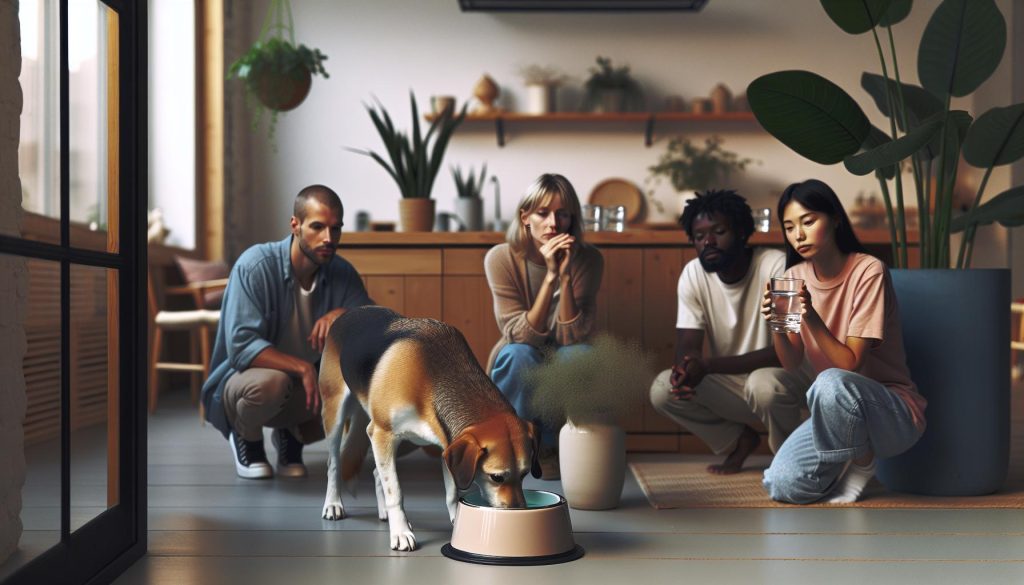
Did you know that an increase in your dog’s water consumption can signal important health changes? While it’s natural for dogs to drink more after exercise or in hot weather, excessive drinking, known as polydipsia, can indicate underlying health issues. Understanding why your furry friend may be guzzling more water than usual is crucial not just for their hydration but also for their overall well-being. As a responsible pet owner, it’s essential to recognize the signs that could lead to serious health conditions and to take proactive steps in monitoring their habits. Join us as we explore the reasons behind polydipsia, turning a simple habit into an opportunity for better care and enriched lives for our beloved companions.
Why Dogs Drink a Lot of Water: Understanding Polydipsia
Did you know that a dog’s thirst can tell you a lot about their health? Just as we recognize the need for hydration, our furry companions also rely on water to thrive. Understanding polydipsia-excessive thirst in dogs-can help you determine whether their drinking habits are normal or signify a potential health issue. Dogs might drink more water for various reasons, from environmental factors like heat and exercise to health conditions that warrant attention.
Typically, a healthy dog will drink about one ounce of water per pound of body weight per day, but this can vary based on size, activity level, and diet. Notably, a dog that is consuming significantly more water than usual might be experiencing polydipsia, a condition that can arise from factors such as diabetes, kidney disease, or certain medications. It’s essential for dog owners to monitor their pets’ water intake. If your dog seems excessively thirsty, it’s a good practice to evaluate their behavior and consult with a veterinarian, as this could lead to early detection of underlying health issues.
To help you manage your dog’s hydration effectively, keep in mind that factors such as their activity level, climate, and diet play vital roles. For instance, dogs that exercise vigorously or live in warmer climates will naturally require more fluids. Additionally, consider the type of food they consume; dry kibble can lead to increased thirst compared to a wet food diet. If a dog is adjusting to a new diet or experiencing increased physical activity, it’s vital to ensure they have constant access to fresh water to stay hydrated and healthy.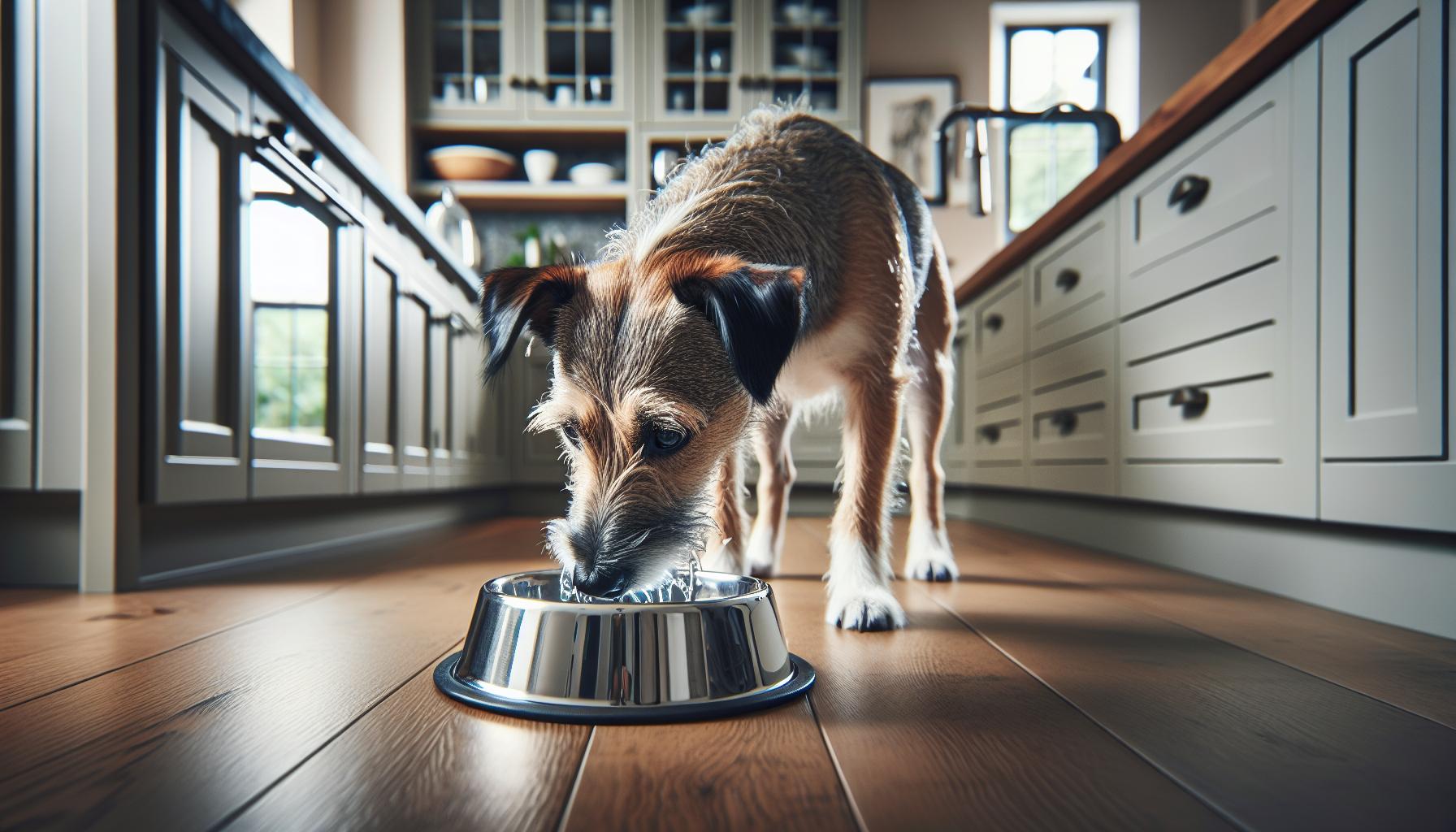
What Is Polydipsia in Dogs?
Dogs, much like humans, have their own unique ways of expressing their needs. One of the more pivotal signals they communicate is their thirst. When a dog drinks more water than usual, it may indicate a condition called polydipsia-a term that refers to excessive thirst. This behavior is not just a whim; it can be an important indicator of the dog’s health status. Understanding polydipsia can help you differentiate between normal hydration habits and potential underlying issues that may require attention.
Polydipsia in dogs can result from a variety of factors. It is often a response to environmental conditions, dietary choices, or health problems. For instance, when dogs consume dry kibble, they may feel the need to drink more water compared to those eating a wet food diet. Additionally, factors like high temperatures or increased physical activity usually lead to heightened thirst. However, polydipsia can also be a flag for serious health concerns, such as kidney disease, diabetes mellitus, or certain medications that alter thirst perception. Monitoring your dog’s drinking habits can provide valuable insight; for example, if you notice a normal drinker suddenly consuming significantly more water, it’s worth investigating further.
It’s essential to understand that while some breeds naturally require more water than others, a sudden change in your dog’s drinking patterns can be concerning. For example, larger breeds may exhibit different hydration needs compared to smaller ones, but any abrupt shift should raise a red flag. If your dog is exhibiting signs of excessive thirst associated with other symptoms like frequent urination or lethargy, it’s best to consult a veterinarian promptly.
Lastly, fostering a proper understanding of your dog’s thirst can improve their overall well-being. Fulfilling their hydration needs is crucial, so ensure they have access to fresh, clean water at all times. Maintaining a proactive approach by keeping track of their drinking habits, understanding factors affecting their thirst, and recognizing the signs that may indicate a need for veterinary care is the key to a healthy, happy pup. Encourage your furry friend to hydrate appropriately, and remember, a well-hydrated dog is a healthier dog!
Common Causes of Increased Thirst in Dogs
Increased thirst in dogs, or polydipsia, can stem from a variety of factors that dog owners should be aware of. Understanding these causes is crucial to ensuring your furry friend remains healthy and happy. One common culprit is diet; dogs on a dry kibble diet typically drink more water than those consuming wet food. This requirement increases because dry food provides less moisture, prompting an increase in water intake to maintain hydration.
Other everyday factors include environmental conditions and activity levels. Hot weather or high humidity can lead to excessive panting, which increases thirst as your dog attempts to cool down. Likewise, if your dog has been particularly active, such as during a long walk or after a game of fetch, it will likely need extra water to replenish lost fluids. Keeping this in mind will help you adjust their water supply based on their daily activities.
Health conditions can also play a significant role in increased thirst. Several medical issues may lead to polydipsia, including diabetes mellitus, kidney disease, or certain medications that alter water balance. For instance, diabetes can cause excessive urination, leading to increased thirst as your dog tries to compensate for lost fluids. Symptoms like lethargy or additional changes in behavior, alongside increased thirst, should cause you to consult a veterinarian for a thorough examination.
To help you track your dog’s hydration needs, consider a routine check-in with your vet regarding ideal water intake based on their breed and lifestyle. You might find yourself keeping a watchful eye on how much your dog drinks each day, ensuring they’re feeling their best and remaining hydrated. Remember that healthy hydration is key to a healthy dog, and staying informed about the causes of increased thirst can assist you in providing the best care possible.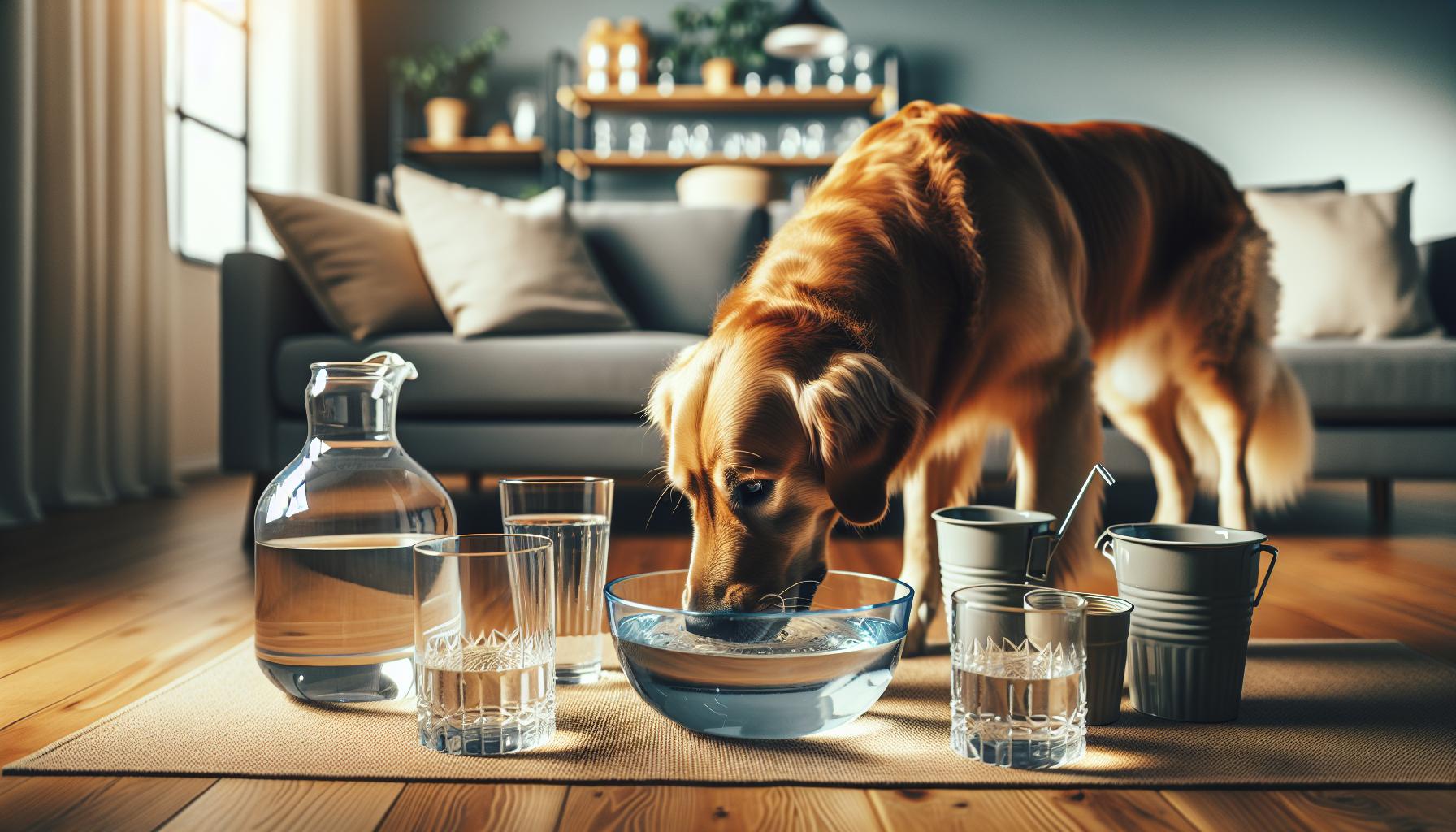
Is Your Dog Drinking Too Much Water? Signs to Look For
If you’ve noticed your furry friend making frequent trips to the water bowl, it might spark some concern. While dogs naturally drink more water after exercise or during warmer weather, it’s important to recognize when their thirst might signal something more serious. Understanding the signs that indicate your dog may be drinking too much water is essential in promoting their health and well-being.
One of the primary indicators is the frequency of water consumption. Dogs typically need around 1 ounce of water per pound of body weight daily, but if you find your pup continually lapping up water or consistently emptying their bowl, it could be a cause for concern. Other signs to watch for include excessive urination, which might manifest as frequent bathroom breaks or even accidents in the house. If your dog is constantly asking to go outside, it could indicate a significant increase in water intake.
Behavioral changes can also provide clues. Is your dog showing signs of lethargy or discomfort? Increased thirst can sometimes be accompanied by other symptoms like vomiting, diarrhea, or loss of appetite, which warrant immediate veterinary attention. By closely monitoring their behavior, you can gain insights into their health.
If you suspect your dog may be drinking excessively due to a health issue, consider keeping a daily log of their water intake alongside any behavioral changes. This record can be invaluable when discussing your concerns with your veterinarian, who can perform tests to rule out conditions such as diabetes, kidney disease, or thyroid problems. Remember, your attentive nature as a dog owner is your best asset in ensuring a happy, healthy life for your beloved companion.
Understanding the Link Between Diet and Thirst
Providing the right diet for your dog is essential not only for their overall health but also plays a significant role in their hydration levels. Did you know that the water content in your dog’s food can greatly influence how much they drink? Dogs consuming dry kibble, which typically contains around 10% moisture, may require significantly more water compared to those eating wet food-often boasting moisture levels of 70% or more. Understanding this relationship between diet and thirst is critical for ensuring your canine companion stays well-hydrated.
The type of ingredients in your dog’s diet also affects their thirst. High-protein diets, particularly those rich in meat and animal by-products, can increase a dog’s metabolic water needs, leading them to seek more water. Conversely, foods high in fiber may help with digestion but can also lead to increased fluid requirements. It’s worth noting that some dogs with sensitive stomachs may not handle certain ingredients well, resulting in symptoms like dehydration or increased thirst due to gastrointestinal upset. Always opt for a balanced diet suitable for your dog’s specific breed, age, and health status.
For dog owners looking to tailor their pet’s diet to better manage thirst, consider integrating wet food options or adding moisture to dry kibble by mixing in water or broths. This approach not only aids hydration but can also enhance palatability, making mealtime more enjoyable for your dog. Pay attention to your dog’s individual preferences; some may prefer a mix, while others might be strict in their food choices. Regularly assess their food label and, if needed, consult with your veterinarian to ensure their dietary needs align with their hydration habits.
In conclusion, by understanding the intricacies of your dog’s diet and its influence on thirst, you can take proactive steps to maintain their hydration levels. Observing your dog’s drinking behavior and adjusting their diet accordingly can significantly impact their health and happiness. Keep in mind that if you notice any sudden changes in thirst or urination, it’s always wise to consult a veterinarian, as these could be signs of an underlying health issue.
How Health Conditions Affect Your Dog’s Water Intake
Excessive thirst in dogs can often be a perplexing concern for pet owners, but it usually signals underlying health conditions that demand attention. Conditions like diabetes mellitus, kidney disease, and Cushing’s disease can substantially increase a dog’s water intake, leading to symptoms of polydipsia. In diabetes, for example, the body struggles to regulate blood sugar levels, prompting the kidneys to expel excess sugar into the urine, drawing more water out with it, which leads to increased thirst and urination.
Kidney disease, another common issue, hampers the kidney’s ability to concentrate urine effectively, meaning that dogs may need to drink more to compensate for fluid loss. Dogs with Cushing’s disease have hormonal imbalances that also stimulate excessive thirst as a part of their condition. Each of these health problems necessitates not just increased hydration, but also the guidance of a veterinarian for a thorough diagnostic evaluation and tailored treatment plan.
When observing your dog’s drinking behavior, it’s essential to take note of changes that occur suddenly. Consistently increased water intake, particularly accompanied by other symptoms like changes in appetite, weight loss, or lethargy, are reminders that your furry friend may need a check-up. Likewise, it can be beneficial to monitor their urination patterns; if your dog is drinking more and urinating more often, it’s a clear sign that there could be an underlying health issue at play.
Moreover, it’s worthwhile to consider the impact of any medications your dog might be taking. Certain medications, particularly corticosteroids, are known to induce increased thirst and urination. Understanding your dog’s medical history, along with their current lifestyle and dietary habits, can aid in pinpointing why they may be drinking more water than usual. If there’s any concern or uncertainty, don’t hesitate to reach out to your veterinarian, who can provide insight and direction tailored specifically to your dog’s needs.
Hydration Needs: How Much Water Should Your Dog Drink?
It’s essential for dog owners to understand that hydration is key to their furry companions’ overall health and well-being. A well-hydrated dog is more likely to be active, energetic, and happy. But how much water should your dog actually drink? While the classic rule of thumb suggests that dogs require about one ounce of water per pound of body weight each day, several factors can influence this general guideline, making it important to adjust based on your dog’s specific needs.
Daily Water Intake Factors
When determining water needs, consider these factors that can affect how much your dog should drink:
- Size and Weight: Larger breeds naturally require more water to stay hydrated compared to smaller ones. For instance, a Great Dane may need significantly more water than a Chihuahua.
- Activity Level: Dogs that are highly active or those that engage in strenuous activities, such as running or playing fetch, typically need more water to replace fluids lost through panting and sweating.
- Diet: If your dog eats dry kibble, they will need to drink more water compared to those consuming wet food, which contains high moisture content.
- Climate: Hotter weather can increase a dog’s water needs. During warm months, be vigilant about providing ample water, as dogs may need more hydration to cool down.
To keep track of your dog’s hydration, use simple strategies like measuring their daily water intake. You can refill their bowl with a known quantity of water and note how much is left at the end of the day. If they are consistently consuming more water than usual, it might be wise to consult with your veterinarian.
Monitoring Hydration
In addition to quantity, quality matters. Ensure your dog has access to clean, fresh water at all times. It’s helpful to establish a routine so that your dog associates certain times of the day with drinking, especially after meals or walks. If you notice any signs of dehydration, such as dry gums, lethargy, or reduced skin elasticity, act quickly by encouraging water intake or offering ice cubes, which many dogs enjoy chewing on.
By remaining proactive about your dog’s hydration needs and considering their unique lifestyle factors, you can help prevent issues related to dehydration and ensure your furry friend stays happy and healthy.
The Role of Climate and Activity Level on Thirst
When considering why dogs may drink more water than usual, the impact of climate and activity level cannot be overstated. Just like humans, dogs adapt their water intake based on their surroundings and how much they move around. On warmer days, for example, dogs can become thirsty much more rapidly, as they rely on water not only for hydration but also for cooling down through panting. Recognizing that your dog’s hydration needs may spike during a heatwave is crucial. Providing shade during playtime and ensuring fresh, cool water is always accessible can help reduce the risk of dehydration.
In addition to climate, the level of activity your dog engages in plays a significant role in determining thirst. On days filled with energetic play, hiking, or long walks, dogs will need to replenish the fluids lost through panting and sweat (albeit minimal in dogs compared to humans). For instance, a Labrador retriever participating in a rigorous game of fetch will require significantly more water than a senior pug lounging at home. Understanding these differences helps pet owners anticipate their dogs’ needs in various situations.
To help quantify how much water your dog needs, consider keeping a log of their activity levels alongside their water intake. If you notice your pup downing larger amounts of water after a long run at the park versus a regular day at home, this will inform you about their hydration requirements. Regularly weighing your dog-especially for breeds prone to weight issues-could also indicate how their hydration fluctuates with their activity levels.
Lastly, be mindful that some dogs, particularly those with thicker coats or those that are brachycephalic (like Pugs and Bulldogs), might find it harder to regulate their body temperature. These breeds might need more water, especially during the hotter months or after vigorous play. By observing your dog’s behavior and adjusting their water supply according to their activity and environmental conditions, you can help ensure they stay hydrated and healthy all year round.
Breed-Specific Water Intake: What You Need to Know
Understanding how breed influences a dog’s water intake can empower you to provide the best care tailored to their unique needs. Different breeds come equipped with distinct traits that can significantly affect their hydration requirements. For example, large breeds like the Great Dane or Mastiff generally have higher water needs due to their body mass, while smaller breeds such as Chihuahuas may not need as much, but they still require a consistent supply of fresh water.
Factors Influencing Water Intake by Breed
Certain physiological traits also play a pivotal role in how much water a dog drinks. For instance, breeds with thick coats, such as Siberian Huskies, may become dehydrated quicker than short-haired breeds like the Dachshund during the warm months, requiring more frequent water breaks during outdoor activities. Additionally, brachycephalic breeds-like Bulldogs and Pugs-may experience increased thirst as they struggle with breathing, especially when over-exerted, leading to a higher need for hydration to prevent overheating.
Typical Water Intake by Breed
To help you monitor and adjust your dog’s water intake, here’s a quick reference based on some common breeds:
| Breed | Approx. Daily Water Intake |
|---|---|
| Great Dane | 1-2 gallons |
| Labrador Retriever | 1-2 quarts |
| Beagle | 0.5-1 quart |
| Chihuahua | 0.5-1 quart |
| French Bulldog | 0.5-1 quart |
By recognizing these differences, you’ll be better equipped to ensure that your furry friend stays hydrated. Maintain flexibility in your approach; observe their drinking habits under various conditions-during summer months, after play or exercise, and after meals. Adjust their water supply accordingly. For example, if your active Border Collie seems unusually thirsty after an extensive herding session, it’s vital to offer water promptly to prevent dehydration.
Ultimately, being attuned to your dog’s specific breed characteristics allows you to cater to their hydration needs effectively, promoting overall health and well-being. Always feel free to reach out to your veterinarian if you have concerns about your dog’s water intake, as they can provide personalized advice based on your dog’s health and lifestyle.
When to Consult a Veterinarian About Thirst
It’s not uncommon to feel concerned when your dog seems to drink more water than usual. While increased thirst can be a normal response to factors like heat or activity, it can also signal underlying health issues. Knowing when to seek veterinary advice can make all the difference in your pet’s health and happiness.
If you notice a marked increase in your dog’s thirst accompanied by other symptoms such as excessive urination, lethargy, changes in appetite, or vomiting, it’s crucial to consult your veterinarian. These could be signs of conditions like diabetes mellitus, kidney disease, or Cushing’s disease, which require prompt attention. Even subtle changes, such as increased urination frequency or changes in the volume of water consumed, should not be overlooked. Keeping a water intake diary can help you and your vet identify trends or concerns in your dog’s drinking habits.
Particular breeds might have associated health issues that make increased thirst more concerning. For example, larger breeds like Great Danes can be predisposed to certain endocrine disorders. On the other hand, small, brachycephalic breeds, such as Bulldogs, may drink more as a response to respiratory distress. Understanding these breed-specific tendencies can help you gauge whether your dog’s thirst is within a normal range.
Overall, if your dog exhibits sudden or drastic changes in their thirst, err on the side of caution and consult with your veterinarian. They can perform a thorough examination and necessary tests to determine the cause, providing peace of mind and ensuring your furry friend gets the appropriate care they need. Always remember that being proactive is key to maintaining your dog’s health and well-being.
Preventing Dehydration: Tips for Dog Owners
It’s essential to understand that proper hydration plays a crucial role in your dog’s overall health and wellbeing. Dogs can become dehydrated more quickly than humans, especially during hot weather or after intense physical activities. As a responsible owner, it’s your job to ensure your furry friend stays well-hydrated, especially if you notice signs of increased thirst, or polydipsia.
To help prevent dehydration in your dog, here are several actionable tips:
- Fresh Water Access: Always provide a bowl of clean, fresh water accessible to your dog, no matter where you are in the house. Regularly change the water to keep it appealing.
- Consider Multiple Water Bowls: If you have a large home or multiple floors, place water bowls in several locations. This ensures your dog doesn’t have to travel far when thirsty.
- Watch for Changes: Keep a close eye on your dog’s drinking habits. If you notice a sudden increase in thirst, it might be wise to consult with your veterinarian to rule out underlying health issues.
- Hydrating Foods: Incorporate high-water content foods into their diet. Many fruits and vegetables, such as cucumbers or watermelon, can contribute to your dog’s hydration.
- Encourage Drinking: If your dog isn’t drinking much water, consider adding a little flavor to it. A splash of low-sodium broth can entice them to drink more.
- Hydration During Exercise: Always have water on hand during walks or playtime. Take breaks to allow your dog to hydrate, especially in warm weather.
- Regular Vet Check-ups: Routine veterinary exams can help uncover any health problems that might affect your dog’s drinking habits, ensuring proactive care.
You might encounter specific breeds that require extra attention due to their predispositions. For instance, larger breeds, such as Great Danes or Mastiffs, often need higher water intake due to their size and metabolic rates. Conversely, brachycephalic breeds, like pugs or bulldogs, may drink more water as a response to respiratory challenges. Understanding your dog’s breed can guide you in tailoring their hydration needs effectively.
Ultimately, fostering good hydration habits can help your dog maintain optimal health. A well-informed pet parent is the best advocate for their furry companion’s health, ensuring that hydrating properly becomes a routine part of their daily care.
Choosing the Right Water Bowl for Your Dog
When it comes to keeping your dog well-hydrated, the right water bowl can make all the difference. Dogs are naturally curious and enthusiastic creatures, often leading to a messy water-drinking experience. Choosing a bowl that suits your dog’s personality and habits not only enhances their drinking experience but can also help you keep an eye on their liquid intake, especially if you’re monitoring for signs of polydipsia.
First, consider the size and breed of your dog. Larger breeds, like Great Danes or Labrador Retrievers, often require bigger, sturdier bowls that won’t tip over easily, while smaller breeds might benefit from a more petite, lower-side bowl that they can comfortably reach into. A wide, shallow bowl can prevent a dog’s long ears from drooping into the water, which is particularly important for breeds like Cocker Spaniels. If your dog is prone to sloshing water all over the floor, look into spill-proof or elevated water bowls. Elevated bowls can also be easier on the neck for senior dogs or those with mobility issues.
Material matters too! Stainless steel bowls are durable and easy to clean, while ceramic bowls offer a variety of designs that can fit your home’s decor. However, if your dog is prone to knocking over their dish, plastic might not be the best choice due to its tendency to scratch and harbor bacteria. Plus, some dogs may develop allergies to certain plastics, so it’s something to keep in mind while selecting their bowl.
Features to Consider
When browsing for the ideal water bowl, consider the following features:
- Anti-Slip Base: Helps keep the bowl in place while your dog drinks.
- Dishwasher Safe: Opt for bowls that are easy to clean, which is essential for maintaining your dog’s health.
- Water Fountain Bowls: These encourage more drinking by providing a continuous supply of fresh, filtered water, which can be especially beneficial for dogs that tend to drink little.
- Size Adjustable Bowls: Some bowls are designed to grow with your dog, adjustable for height as your puppy matures into adulthood.
As every dog has unique needs, it’s a good idea to observe their behavior with the water bowl. Are they more inclined to drink from one style over another? Noting these preferences will help you make informed decisions going forward. Remember, keeping your pup hydrated is a gradual process: if you suspect they are drinking more water than usual due to a medical condition, consult your veterinarian to discuss the right approach to managing both their health and hydration needs.
Understanding Water-Related Emergencies in Dogs
Understanding your dog’s hydration needs is crucial, as excessive drinking can indicate potential health issues, including serious emergencies. For instance, if you notice your dog guzzling water far beyond their normal intake, it may not just be polydipsia-but rather a sign of a more significant medical problem requiring immediate attention. It’s a common misconception that a sudden increase in thirst can simply be attributed to environmental changes or dietary shifts; in reality, it often signals underlying conditions such as diabetes, kidney disease, or even infections.
Being vigilant about your dog’s water consumption can help catch emergencies early. Look out for signs like excessive drinking combined with symptoms such as lethargy, vomiting, or changes in appetite. If you find your furry friend consistently drinking more than a typical 0.5 to 1 ounce of water per pound of body weight daily, it’s time to consult your veterinarian. They may recommend tests to rule out conditions that could lead to dehydration or other complications.
In certain emergencies, such as heatstroke or urinary blockages, rapid hydration can be critical. Dogs may drink excessively in an attempt to regulate their body temperature or flush out toxins. For breeds prone to these conditions, such as Bulldogs or Dachshunds, being proactive about hydration during hot weather or stressful situations is particularly important. Always ensure fresh water is readily available and consider taking extra precautions if your dog is at risk, such as bringing along a portable water bowl during outings.
If your dog displays sudden changes in thirst, remaining calm yet attentive is key. Accurate data on their drinking habits can provide your veterinarian with invaluable information when diagnosing potential problems. Keep a log of their intake and any accompanying symptoms to facilitate a productive conversation during vet visits, ultimately ensuring your beloved pet receives timely and appropriate care.
Frequently asked questions
Q: What causes dogs to drink excessive water?
A: Excessive water consumption in dogs, known as polydipsia, can be caused by various factors including diabetes mellitus, kidney disease, liver disease, and certain medications. It’s important to observe your dog’s overall behavior for additional symptoms and consider consulting your veterinarian for a thorough evaluation.
Q: How much water should a dog drink daily?
A: On average, dogs should consume about 1 ounce of water per pound of body weight daily. Factors such as size, activity level, and environment can influence this requirement. Keeping track of your dog’s water intake can help you ensure they’re staying properly hydrated.
Q: Can a dog’s diet affect its water intake?
A: Yes, a dog’s diet significantly impacts its hydration needs. Dry dog food typically requires more water intake compared to wet food, which contains higher moisture content. Understanding how these dietary factors affect your dog’s thirst can help you maintain their hydration.
Q: What signs indicate a dog is drinking too much water?
A: Signs that your dog may be drinking excessively include frequent urination, lethargy, vomiting, or signs of dehydration despite drinking plenty of water. If you notice these symptoms, it’s crucial to consult your veterinarian for advice and potential diagnosis.
Q: When should I be concerned about my dog’s thirst?
A: You should be concerned about your dog’s thirst if it suddenly increases, especially if it’s coupled with other symptoms like weight loss, changes in appetite, or behavioral changes. This could indicate a serious health condition, necessitating a visit to your veterinarian.
Q: Are certain dog breeds more prone to drinking excessive water?
A: Some dog breeds, like Labrador Retrievers and German Shepherds, may be more prone to polydipsia due to their size and activity levels. It’s essential to monitor their water intake and be aware of breed-specific health issues that could affect hydration needs.
Q: How can I encourage my dog to drink more water?
A: To encourage your dog to drink more water, provide fresh, clean water at all times and consider using a pet water fountain. You can also add water or low-sodium broth to their food and offer ice cubes or frozen treats on hot days to make hydration fun.
Q: What should I do if my dog shows signs of dehydration?
A: If your dog shows signs of dehydration, such as dry gums or lethargy, immediately provide fresh water and monitor their intake closely. If symptoms persist, contact your veterinarian for further assessment and advice to prevent serious health issues.
To Conclude
Understanding why dogs drink a lot of water is crucial for every pet owner. Remember, polydipsia may indicate underlying health issues that require prompt veterinary attention. If you’re noticing your furry friend drinking excessively, don’t hesitate; consult your vet for peace of mind and expert guidance.
To learn more about related topics, check out our articles on dog hydration tips and common health concerns in dogs. By staying well-informed, you can better care for your beloved pet. Don’t forget to subscribe to our newsletter for the latest insights and expert advice delivered directly to your inbox! Your dog’s health is paramount, and together, we can ensure they live a happy and hydrated life. Feel free to share your experiences or questions in the comments below; we’re here to support you on your dog parenting journey!