
Have you noticed your furry friend guzzling water like it’s going out of style? Increased thirst, or polydipsia, can be a sign of underlying health issues. Understanding why your dog is drinking more than usual is crucial for their well-being. Not only can this change in behavior signal dehydration or kidney problems, but it can also point to diabetes or hormonal imbalances. As a devoted pet owner, it’s natural to be concerned about your dog’s health. This guide will help you identify potential causes of excessive thirst, empowering you to take necessary actions for your beloved companion. Stick around to learn more about the signs you shouldn’t ignore and how to keep your pup happy and healthy!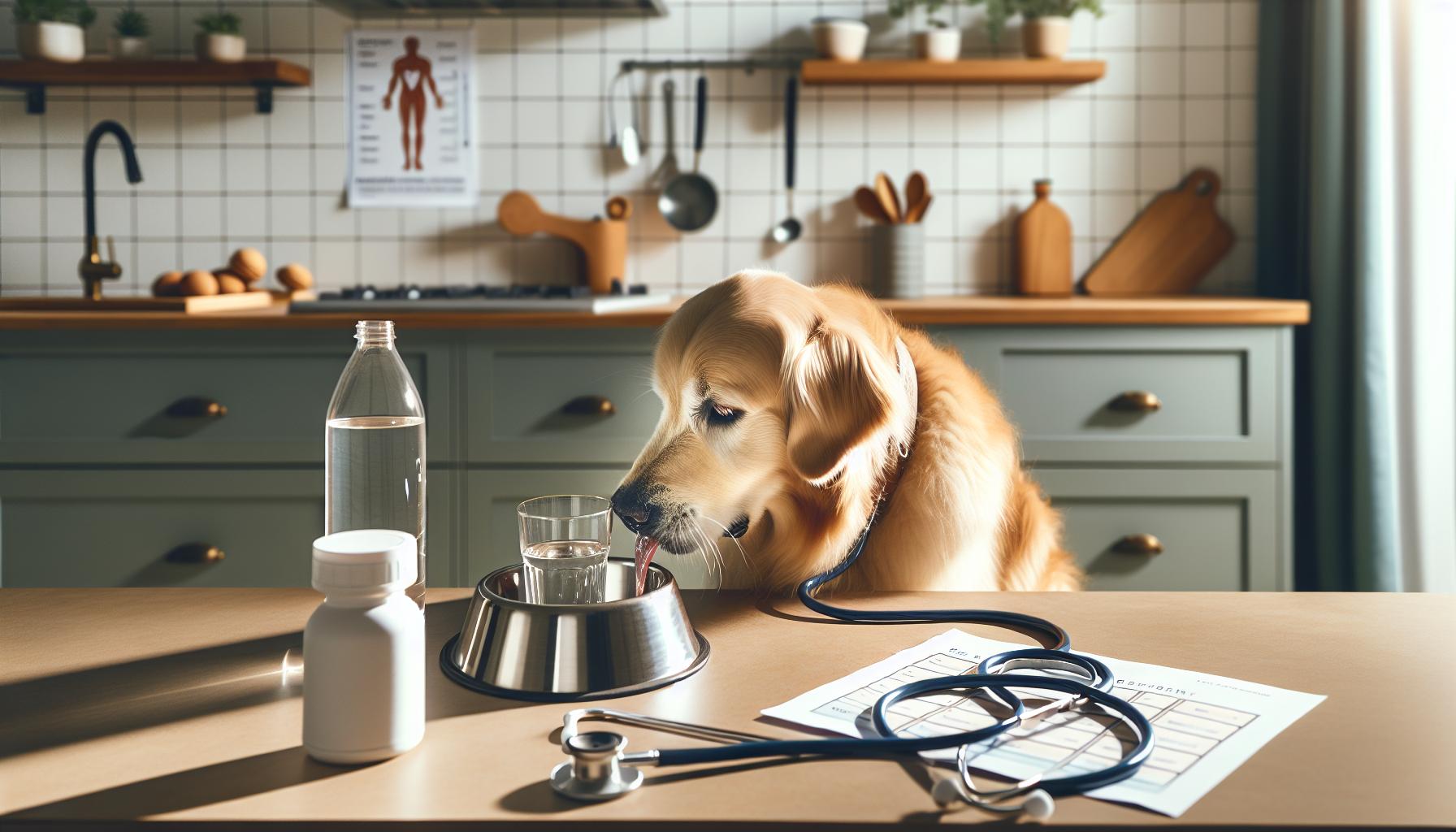
Why Is Your Dog Drinking More Water? Understanding the Signs
Understanding why your dog seems to be drinking more water than usual can provide essential insights into their health and well-being. Dogs typically require about an ounce of water per pound of body weight daily; however, individual needs can vary based on factors like size, activity level, and climate. If you notice your furry friend gulping from their bowl more frequently or letting you know they want to go outside just to hydrate, it’s essential to pay attention to these signs. Increased thirst, or polydipsia as it’s medically termed, can be a normal behavior in some instances but might also indicate underlying health issues that warrant investigation.
Several factors may contribute to your dog’s heightened water consumption. Environmental conditions, such as hot weather or heavy exercise, can naturally lead to an increase in thirst. Additionally, dietary changes might play a role; for example, a switch from dry kibble to wet food can reduce water intake, whereas salty treats might prompt your dog to drink more. It’s also important to observe their overall condition-if you notice any accompanying symptoms, such as changes in appetite, lethargy, or unusual urination patterns, these could signal a health problem.
High thirst levels can also be symptomatic of specific health concerns. Common culprits include conditions like diabetes mellitus or kidney disease, which critically affect how your dog’s body processes fluids. For instance, diabetes mellitus causes an excess of glucose in the bloodstream, which can lead to increased urination and consequently more thirst as the body tries to compensate. Similarly, kidney disease can impair your dog’s ability to concentrate urine, resulting in frequent drinking as they lose fluids. If your dog’s water intake suddenly spikes without an obvious explanation, it’s crucial to consult with your veterinarian to rule out potential health risks. Keeping a diary of your dog’s water intake and any other noticeable changes can be incredibly helpful during your vet visit.
In summary, observing your dog’s drinking habits closely and understanding the potential causes will not only help in keeping them comfortable and healthy but also act as a proactive measure in identifying any health concerns early on. Remember, your instincts and understanding of your dog’s normal behavior are invaluable in ensuring their well-being.
Common Causes of Increased Thirst in Dogs
Increased thirst in dogs is more common than you might think, and understanding its potential causes is key to ensuring your pup’s health. One of the most immediate factors to consider is their diet. A switch from dry kibble to wet food can significantly change how much water your dog needs. If your furry friend has been indulging in salty treats or a high-protein diet, they might find themselves needing to hydrate more frequently. Always observe their eating habits as changes here can signal other concerns.
Another important aspect to take into account is environmental factors. Hot weather, increased activity, or strenuous play can raise your dog’s thirst levels. Just like us, dogs will drink more to stay cool and hydrated, especially after a romp in the park. Consider how the season affects your dog’s hydration needs; during summer, ensure there’s always fresh water available.
Your dog’s health status can influence their thirst as well. Conditions like diabetes mellitus and kidney disease are common culprits for increased drinking. With diabetes, the body struggles to regulate blood sugar, leading to excessive urination and increased thirst. On the other hand, kidney disease can restrict the body’s ability to concentrate urine, resulting in your dog drinking more water to compensate. If you notice a sudden and unexplained change in thirst, don’t hesitate to consult your veterinarian. Documenting your dog’s water intake alongside any behavioral changes can be essential for proper diagnosis.
Additionally, certain medications may lead to increased thirst. Steroids and diuretics are known to affect fluid levels, causing your dog to drink more. If your dog has recently started a new medication, discussing potential side effects with your veterinarian is crucial.
Finally, as a proactive pet owner, being aware of your particular dog’s breed can also help. Some breeds, such as Siberian Huskies and Golden Retrievers, may be more prone to certain health issues that cause greater thirst. Keeping breed-specific considerations in mind allows you to spot early warning signs more effectively.
In summary, monitoring your dog’s water intake can help you identify potential health risks early on. By being aware of dietary changes, environmental factors, health conditions, medications, and breed-specific vulnerabilities, you can act swiftly to ensure your canine companion stays healthy and hydrated.
When to Worry: Identifying Potential Health Issues
Excessive drinking in dogs can be more than just a quench for their thirst; it can be a vital sign of underlying health issues that need immediate attention. If you’ve noticed your dog guzzling water like a fish out of water, it’s crucial to keep a vigilant eye on their behavior and health. Increased thirst often referred to as polydipsia, can be one of the first indicators of serious conditions like diabetes mellitus or kidney problems. If your dog’s drinking habits suddenly shift-like consuming more than a few cups a day-it’s time to dig deeper.
Recognizing Symptoms
Understanding when to worry involves being aware of additional symptoms that may accompany increased thirst. Look out for signs such as:
- Frequent urination, especially if it’s more than what’s usual for your dog.
- Weight loss or gain that seems sudden and unexplained.
- Changes in appetite-eating more or less than before.
- Lethargy or a noticeable drop in energy levels.
- Bad breath, which may indicate diabetes or kidney issues.
- Vomiting, diarrhea, or any digestive problems.
If you notice any of these symptoms in conjunction with excessive drinking, it’s imperative to seek veterinary advice.
Conditions to Watch For
Certain conditions can directly lead to an increase in your dog’s thirst. Here are a few that should prompt an immediate visit to the vet:
- Diabetes Mellitus: Insulin resistance results in high blood sugar levels, leading to increased thirst and urination.
- Kidney Disease: The kidneys struggle with their role in filtering toxins and regulating hydration, often causing excess drinking.
- Liver Problems: Liver disease can disrupt how the body processes fluids, potentially increasing thirst.
- Hyperadrenocorticism (Cushing’s Disease): Overproduction of cortisol can make dogs drink more than usual as their body’s hormone levels fluctuate.
Keep in mind that some breeds are more predisposed to these conditions than others. For instance, breeds like Golden Retrievers and Dachshunds may be more susceptible to diabetes, while older dogs of all breeds face a higher risk for kidney disease. Understanding your specific dog’s breed can guide you in spotting the early signs of such disorders.
Taking proactive steps can significantly benefit your dog’s health. Regular check-ups, maintaining a log of their water intake, and keeping an eye on their dietary habits will help ensure that if there’s a problem, it can be caught and managed early. Observing these signs and acting promptly can be key in helping your furry friend lead a healthy, happy life.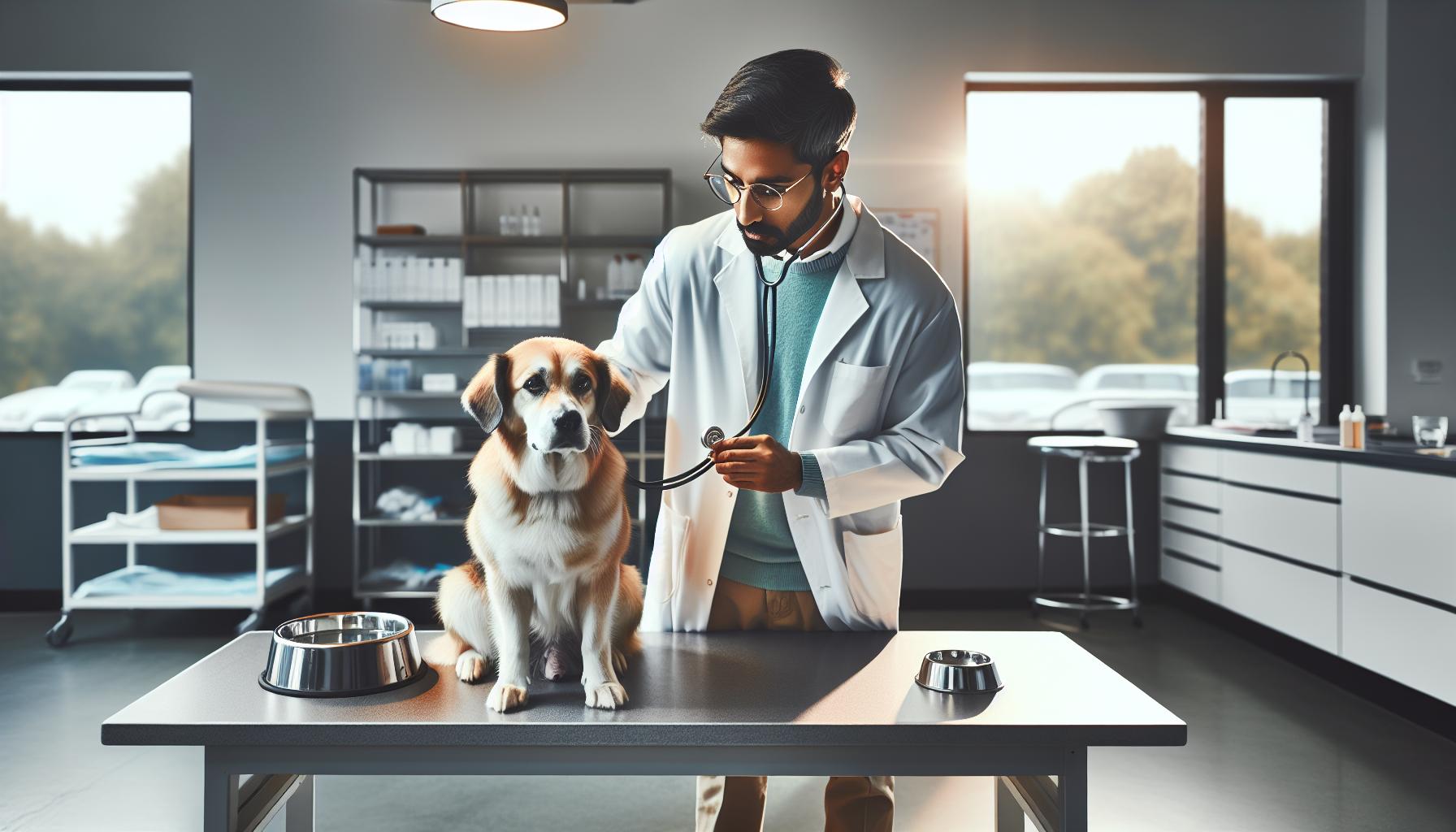
Understanding Diabetes Insipidus in Dogs
In monitoring your dog’s health, it’s essential to recognize the difference between diabetes mellitus and diabetes insipidus (DI), as both can lead to increased thirst, yet they stem from entirely different causes. While diabetes mellitus relates to insulin and blood sugar levels, diabetes insipidus arises from a deficiency of the hormone vasopressin, which is crucial for regulating water retention in the body. This means that dogs with diabetes insipidus will often drink excessively to compensate for their bodies’ inability to concentrate urine, resulting in frequent urination and thirst.
Navigating the symptoms can be overwhelming, but understanding the nuances will help you pinpoint issues more accurately. Dogs with diabetes insipidus typically don’t display the same signs of systemic illness you might see with diabetes mellitus. Instead, they may seem otherwise healthy aside from their seemingly insatiable thirst. However, you might notice signs like:
- Increased water intake that’s noticeably higher than normal
- Frequent urination, often leading to accidents in the house
- Occasional lethargy or reluctance to engage in usual activities
A visit to your veterinarian can clarify whether your dog is suffering from diabetes insipidus or another condition. The diagnosis usually involves a series of tests, including urinalysis to measure the concentration of urine and possibly imaging studies or blood tests to rule out other disorders.
H3: Managing Diabetes Insipidus
Living with a dog diagnosed with diabetes insipidus involves some adjustments but can be managed effectively. Treatment often includes medications such as desmopressin, which mimics the effect of vasopressin. Ensuring that your dog has constant access to fresh water is just as important as administering medication, as dehydration can quickly become a concern.
Consider creating a schedule for regular veterinary check-ups to monitor your dog’s condition closely. Keeping a log of their water intake and bathroom habits can also provide invaluable information to your vet, helping identify any changes that might necessitate treatment adjustments.
Lastly, maintaining a positive and supportive environment is crucial for your furry friend. Engage them with gentle exercise and mental stimulation to bolster their overall well-being, enabling them to lead a fulfilling life despite their condition. With the right care and attention, dogs diagnosed with diabetes insipidus can enjoy a happy and healthy life.
Kidney Disease and Its Impact on Drinking Habits
When it comes to our furry friends, increased thirst can often be a sign that something is amiss. Kidney disease is a common condition in dogs that can lead to significant changes in drinking habits. A fascinating yet alarming fact is that nearly 1 in 10 dogs may experience some form of kidney impairment as they age. The kidneys play a crucial role in filtering waste and balancing fluids within the body. When they’re not functioning properly, your dog might compensate by drinking more water, hoping to flush out toxins and maintain hydration.
In the early stages of kidney disease, you may notice that your dog is urinating more frequently and consuming higher amounts of water. This behavior is the body’s way of attempting to manage the excess waste that the kidneys are failing to eliminate. As a loving and attentive owner, it’s important to keep an eye on these changes. For instance, if your dog’s water bowl seems to be emptying more quickly than usual or if you find more puddles around the house, these could be telltale signs that your pup is struggling.
Recognizing the Signs
Be vigilant for accompanying symptoms that may indicate kidney issues. Signs such as:
- Loss of appetite
- Weight loss
- Vomiting or diarrhea
- Persistent bad breath or mouth ulcers
- Unusual lethargy or weakness
These could all indicate that your dog is suffering from kidney disease. It’s crucial to consult your veterinarian if you observe any of these signs alongside increased thirst.
Breed-Specific Considerations
Certain breeds are predisposed to kidney disease, such as Dachshunds, Boxers, and Shih Tzus. If your dog belongs to one of these breeds, being proactive about hydration and monitoring their drinking habits is even more important. Creating a routine that includes regular veterinary check-ups can help catch potential issues early. Keeping a diary of their water intake and any changes in urination can provide valuable insights for your vet during examinations.
Managing life with a dog facing kidney disease involves dietary modifications, increased access to fresh water, and regular veterinary evaluations. While monitoring increased thirst may initially seem concerning, with attentive care and proper veterinary guidance, many dogs can lead happy and fulfilling lives. Always remember, your veterinarian is your best resource for understanding these changes and ensuring your beloved companion remains as healthy as possible.
Liver Problems: How They Affect Your Dog’s Thirst
Liver health plays a crucial role in your dog’s overall well-being, and disturbances in liver function can lead to notable changes in drinking habits. This vital organ is responsible for filtering toxins, producing essential proteins, and regulating various metabolic processes. When the liver is not functioning optimally-whether due to disease, infection, or injury-it can manifest through increased thirst, as your dog attempts to compensate for the imbalance in their body.
A common indicator of liver problems is a condition known as hepatic insufficiency. This occurs when the liver can no longer perform its functions effectively, leading to a build-up of toxins in the bloodstream. As a result, your dog may drink more water in an effort to flush out these toxins. Additionally, liver disease can also affect the way your dog metabolizes nutrients, possibly leading to dehydration despite increased drinking. You might notice other troubling signs, such as a yellowing of the eyes or gums (jaundice), excessive drooling, or swelling in the abdomen, indicating that the liver is compromised.
Recognizing Symptoms of Liver Issues
Observing your dog’s drinking patterns along with other symptoms can be crucial in identifying potential liver problems. Look for:
- Abnormal thirst or urination
- Loss of appetite or weight loss
- Vomiting or diarrhea
- Stool color changes (pale or clay-colored)
- Increased lethargy or weakness
If you notice any of these signs alongside increased thirst, it’s important to consult your veterinarian promptly. They may recommend blood tests or imaging techniques to assess your dog’s liver function and determine the underlying cause.
Breed-Specific Considerations
It’s noteworthy that certain breeds are more susceptible to liver disease, including Bedlington Terriers, Dalmatians, and Labrador Retrievers. Being proactive about monitoring your dog’s water intake and overall health is especially crucial if you have a breed within these categories. Regular check-ups can help in early detection and management of liver conditions.
Creating a structured routine for your dog that includes ample fresh water, a balanced diet, and regular veterinary visits can make a significant difference in their health. If your dog is diagnosed with liver issues, dietary changes might be necessary, alongside medications to support liver function. With vigilant care and prompt action, dogs with liver complications can still enjoy a good quality of life, making it essential for owners to stay informed and observant of their furry companions’ needs.
Medications That Might Increase Your Dog’s Water Intake
Certain medications that our furry companions might need can inadvertently lead to an increase in their thirst. It’s a situation that many dog owners may encounter, especially when their pet is on a treatment plan. Understanding how these medications affect hydration is vital for providing the best care for your dog.
A common class of medications that can lead to increased water intake are corticosteroids. Used to treat conditions such as allergies, autoimmune diseases, and inflammation, corticosteroids like prednisone can significantly increase thirst and urination. Dogs on these medications often experience changes in their body’s ability to retain water, prompting them to drink more as a natural response to this diuretic effect.
Another group of medications is diuretics, which are sometimes prescribed for heart conditions or certain kidney issues. Drugs such as furosemide, commonly used to manage congestive heart failure, encourage urinary output. While they help remove excess fluid from the body, they can also lead to increased thirst as dogs compensate for the loss of fluids. Monitoring their water intake during such treatments is crucial, as dehydration can lead to further health issues.
Moreover, if your dog is receiving medications for managing diabetes or Cushings disease, you may notice changes in their drinking habits as well. Medications intended to regulate blood glucose levels can disrupt normal hydration, leading to increased thirst.
Practical Tips for Managing Medication-Induced Thirst
- Monitor Water Intake: Keep a daily log of how much water your dog drinks. This will help you gauge what’s typical for your pet and identify any sudden changes.
- Consult Your Veterinarian: If you notice a significant increase in thirst when starting a new medication, don’t hesitate to discuss this with your vet. They may want to adjust the dosage or consider alternative treatments.
- Encourage Healthy Hydration: Ensure fresh water is always available, and consider using a pet water fountain if your dog prefers running water, which can encourage them to drink more and stay hydrated.
By staying vigilant and proactive, you can ensure your dog remains healthy and comfortable, even when undergoing treatment that affects their thirst. Regular check-ups and open communication with your veterinarian are key to navigating these challenges effectively.
Environmental Factors Contributing to Increased Thirst
Dogs are sensitive creatures, and their drinking habits can be influenced by a range of environmental factors that owners might not immediately consider. For instance, changes in temperature and humidity can have a profound impact on your dog’s thirst. During warmer months, or in dry climates, dogs lose moisture more rapidly through panting and may require additional water to stay hydrated. Not only does increased exercise in the heat contribute to this increased thirst, but certain breeds, like Bulldogs and Pugs, are particularly susceptible to dehydration due to their brachycephalic nature.
Moreover, the dog’s living space plays a crucial role in its hydration needs. If your dog spends significant time outdoors in a sunny area without adequate shade, or if they’re confined to a hot indoor environment, they may drink more water to compensate for the heat. Providing access to cool, shaded areas or air-conditioned spaces can help mitigate these challenges.
Another often-overlooked factor is diet. If your dog primarily consumes dry kibble, it may require more water than a dog eating wet food, which contains higher moisture levels. Consider incorporating moisture-rich foods into their diet to help balance their hydration needs when noticing an uptick in thirst. Transitioning to a semi-moist food or adding water to dry kibble can offer a simple solution.
Lastly, consider any recent changes to your dog’s routine or environment, such as moving to a new home, the introduction of a new pet, or even taking a trip. Stress and anxiety can influence drinking behaviors. A stressed dog might drink more or less than usual, so keeping an eye on their water intake and behavior during such changes is essential. Recognizing these environmental factors can empower you to make adjustments that support your dog’s well-being and hydration needs.
How to Monitor Your Dog’s Water Intake Effectively
Monitoring how much water your dog consumes daily can be a vital aspect of their overall health care, especially if you’ve noticed they seem thirstier than usual. Establishing a routine for tracking your dog’s water intake doesn’t have to be a chore; it can be a straightforward process that provides insights into your pet’s health and well-being. An average dog should drink roughly one ounce of water per pound of body weight each day, but this can vary based on factors like activity level, diet, and environmental conditions.
To effectively keep tabs on your dog’s hydration, start by using a graduated container or water bowl marked with measurements. This way, you can note how much they drink during particular times of the day. Observe their habits over several days; does your dog usually drink more in the mornings or evenings? Providing a consistent water source in a designated area of your home can help you establish a baseline for their consumption. You might even consider using a water intake chart to record these observations, making it easier to spot any concerning trends over a longer period.
Another helpful tip is to monitor their behavior before and after walks or playtime. If you notice they’re chugging significantly more water after exercise, that could be normal, especially after a vigorous run. However, be wary of any sudden spikes in thirst or if your dog is drinking frequently without a clear exercise cause. It’s important to consider their diet, too; dry kibble can lead to higher water intake compared to wet food. Switching to a more hydrating diet or enriching their meals with water can help.
Using technology can be a game-changer for some dog owners. Smart water bowls equipped with sensors can track your dog’s water intake in real-time and even alert you if their drinking patterns change significantly. Remember, while monitoring water consumption is crucial, it’s equally important to observe other signs of health, such as changes in appetite or behavior. If you suspect your dog’s increased thirst is concerning, don’t hesitate to seek guidance from your veterinarian. They can provide a comprehensive assessment and help you determine if any underlying health issues are at play.
Breed-Specific Considerations: Are Some Dogs More Prone?
Certain dog breeds are particularly prone to various health conditions that can affect their thirst levels. Understanding these breed-specific nuances can help you better monitor your dog’s hydration needs and identify when increased water consumption might signal a larger problem.
For instance, breeds such as Siberian Huskies, Dachshunds, and Samoyeds can be predisposed to diabetes mellitus, which often leads to excessive thirst. If you own one of these breeds and notice your dog drinking more water than usual, it might be wise to consult your veterinarian, as these breeds might have a genetic predisposition to such issues. Similarly, large breeds like Great Danes and Newfoundlands can be more susceptible to kidney problems over time, which can also manifest as increased thirst.
To effectively monitor your dog’s drinking habits based on breed, here are some practical tips:
- Keep Records: Maintain a daily log of your dog’s water intake, noting any changes that coincide with diet, exercise, or environmental factors.
- Regular Vet Check-ups: Schedule biannual veterinary visits to catch any potential health issues early, especially for breeds prone to certain ailments.
- Tailored Diet: Provide a diet that supports your breed’s specific health needs. Breeds prone to kidney disease may benefit from lower protein diets.
- Hydration and Environment: Monitor the temperature and humidity of your dog’s environment, as breeds with thick coats like Saint Bernards may have different hydration needs than short-haired breeds like Boxers.
Also, it’s worth noting that some small breeds, like Chihuahuas and Yorkshire Terriers, might appear to drink less frequently, but their small size means they can quickly become dehydrated. Watch for signs of dehydration, such as lethargy or excessive panting, and ensure that your approach to hydration is tailored to their unique needs.
By being attentive to your dog’s breed-specific traits and conditions, you can ensure that their hydration habits remain within a healthy range. This approach not only promotes better health but also strengthens the bond you have with your furry friend, as you become more attuned to their needs.
Caring for Your Dog: Tips for Managing Increased Thirst
When it comes to our beloved canines, understanding their increased thirst can be a vital part of keeping them healthy. Every dog is unique, and several factors can influence a dog’s hydration needs, including age, breed, activity level, and overall health. If you find that your furry friend is guzzling more water than usual, taking proactive steps can help you keep their hydration in check while ensuring they remain comfortable and healthy.
One of the most effective ways to manage increased thirst is to regularly monitor your dog’s water intake. Keeping a simple log can provide invaluable insights into their drinking habits. Consider noting how much water they drink throughout the day and any accompanying behaviors or changes in mood. This can help you identify patterns, especially if your dog experiences bouts of increased thirst. Additionally, placing clean, fresh water in multiple locations around your home can encourage drinking without overwhelming them.
Nutrition also plays a crucial role in a dog’s hydration levels. Consider tailoring your pet’s diet to suit their needs, especially if they’re part of a breed prone to specific health issues. For instance, dogs predisposed to kidney problems might benefit from a diet lower in protein, which not only helps support kidney health but can also normalize their thirst levels. Likewise, incorporating wet food into their diet can help boost their overall water intake, making hydration easier and tastier for them.
Finally, be attentive to environmental factors that can result in excessive thirst. If your dog spends a lot of time outside in hot or humid weather, increase water access to prevent dehydration. Likewise, during winter, ensure their water supply doesn’t freeze if they are spending prolonged periods outdoors. A dog’s comfort level can often be linked directly to their hydration; keeping them cool and hydrated will help maintain their energy and health.
By being proactive and observant, you can effectively manage your dog’s increased thirst while building a deeper, more responsive relationship with your furry companion. Understanding their unique needs and making informed care decisions can lead to a happier, healthier life together.
Consulting Your Veterinarian: What to Expect During a Visit
When your furry friend starts drinking more water than usual, it can be concerning, and knowing what to expect during a veterinary visit can ease a lot of anxiety. Your vet will first appreciate any observations you’ve made, so come prepared with detailed notes. This includes the amount of water your dog is consuming, any changes in their behavior, appetite, or bathroom habits, and how long you’ve noticed these changes. Sharing this information not only helps your vet diagnose the issue more effectively but also shows how much you care about your dog’s well-being.
During the examination, the veterinarian will likely conduct a thorough physical checkup. This may involve checking your dog’s weight, hydration status by assessing their skin elasticity, and performing a temperature test. They might also ask you questions about your dog’s diet, exercise routine, and any recent changes in their environment or lifestyle. These factors can help pinpoint the cause of the increased thirst, whether it’s due to something benign or pointing to a more serious health condition.
Diagnostic Tests
To further investigate, your vet may recommend several diagnostic tests. Common tests include:
- Blood tests: These can check for underlying health issues such as diabetes, kidney disease, or liver problems.
- Urinalysis: This helps evaluate your dog’s kidney function and glucose levels, which can provide clues to their condition.
- Imaging: In some cases, your veterinarian may suggest X-rays or ultrasounds to assess organ health and size.
Receiving a diagnosis often requires teamwork. If your dog has a chronic condition, your vet may provide additional follow-up appointments to monitor their hydration and overall health regularly. For specific breeds known to have hereditary health issues that can lead to increased thirst, like Doberman Pinschers and Beagles, proactive management and regular vet visits are crucial.
Taking your dog to the vet when you notice they are drinking more water than usual can be a pivotal step in addressing potential health concerns early. By being observant and transparent about your dog’s habits, you’re not just being a responsible pet owner; you’re advocating for their health and happiness. With your vet’s expertise and your observations, you can work together to ensure your canine companion stays healthy and vibrant.
Faq
Q: What does it mean if my dog is drinking excessive amounts of water?
A: Excessive drinking, known as polydipsia, can indicate underlying health issues such as diabetes, kidney disease, or liver problems. Monitor your dog’s behavior and consult your vet if the increased thirst persists, as early detection is crucial for effective treatment.
Q: How can I tell if my dog’s increased thirst is a health issue?
A: Look for accompanying signs like frequent urination, weight loss, lethargy, or changes in appetite. If your dog shows these symptoms along with increased thirst, it’s essential to schedule a vet appointment for a comprehensive evaluation.
Q: Are certain dog breeds more likely to drink more water?
A: Yes, some breeds, such as Labrador Retrievers and Siberian Huskies, may drink more due to their size or activity level. Each breed may have different drinking habits influenced by their health and environmental factors. Regular monitoring of your dog’s water intake is advisable.
Q: What are some common health concerns linked to excessive drinking in dogs?
A: Common issues include diabetes mellitus, kidney disease, liver disease, and certain infections. If your dog is drinking unusually large amounts of water, it’s vital to consult your veterinarian for proper diagnosis and treatment.
Q: How can environmental factors affect my dog’s water intake?
A: Weather, humidity, and activity levels can influence how much water your dog drinks. Hot weather or increased exercise typically raises thirst levels. Always ensure fresh water is available and monitor changes in drinking habits related to these factors.
Q: What should I do if I notice my dog drinking more water suddenly?
A: Immediately assess other symptoms like lethargy or vomiting. If you notice sudden changes in thirst or accompanying health issues, consult your veterinarian quickly for diagnosis and potentially necessary treatment.
Q: Can certain medications cause my dog to drink more water?
A: Yes, medications such as corticosteroids and diuretics can lead to increased thirst. If you’ve recently started your dog on new medication and notice changes in water consumption, discuss this with your vet for insights and possible alternatives.
Q: How can I effectively monitor my dog’s water intake?
A: Use a measuring cup to track daily water consumption and note any changes. Keep a regular schedule for refilling their bowl and observe patterns. If you see significant fluctuations, record your findings and share them with your veterinarian for further evaluation.
In Summary
If you’ve noticed your dog drinking more water than usual, it’s crucial to take action now. This behavior could be a sign of underlying health issues that require timely attention. Don’t hesitate to consult with a veterinarian to ensure your furry friend stays healthy and happy. For more information on dog health, check out our articles on Recognizing Signs of Illness in Dogs and Understanding Canine Diabetes.
Remember, your dog’s hydration is not just about water intake but overall well-being. If you’re eager to learn how to adapt your dog’s diet and environment, explore our essential guide to Dog Nutrition and Wellness. Join our community of passionate pet owners by signing up for our newsletter, where you’ll receive invaluable tips and resources tailored to help you and your pup thrive.
Engage with us in the comments below-share your experiences or questions about your dog’s drinking habits! Your journey as a responsible dog owner is valuable, and we’re here to support you every step of the way. Together, let’s ensure our dogs lead fulfilling, healthy lives!