Is your dog suddenly picky about their water? This can be a common concern for pet owners, as staying hydrated is essential for your furry friend’s health. In this article, we’ll explore 11 reasons why your dog might not be drinking enough water and offer quick fixes to encourage hydration. Understanding the underlying causes can help you keep your canine companion healthy and happy. Whether it’s a simple issue like a dirty bowl or something more serious, knowing what to watch for can make a significant difference. So, if you’ve noticed your dog seems less interested in their water bowl lately, read on to uncover the potential reasons and solutions that can quickly get them back on track!
Understanding Why Dogs Stop Drinking Water
Understanding why your dog might stop drinking water can be quite puzzling, especially since hydration is vital for their health and well-being. One particularly eye-opening fact is that even mild dehydration can significantly impact your dog’s energy levels and overall mood. Dogs can be rather stubborn or sensitive creatures, and various factors can contribute to their reluctance to drink.
Changes in their environment, stress from new surroundings or situations, or even an aversion to their water dish can lead to decreased water intake. For example, if your dog has recently moved to a new home or experienced a stressful event, he may hesitate to drink due to anxiety. Additionally, the type of water bowl you use-plastic versus ceramic-can make a difference; many dogs have preferences and may refuse to drink from a bowl that doesn’t meet their liking.
Another crucial aspect to consider is the temperature of the water. Dogs, much like us, prefer their water to be at a comfortable temperature; they might shy away from very cold water or stagnant water they find unappealing. Also, consider their food; if they’re eating dry kibble, they’ll need more water than if they are on a wet food diet. Dogs can also be influenced by their breeds; some breeds, such as those with short snouts, may have more trouble drinking comfortably compared to others. Understanding these nuances can help pet owners implement changes that encourage their furry companions to hydrate properly.
Signs Your Dog Is Dehydrated: What to Look For
Awareness of your dog’s hydration status is crucial for their well-being. Dehydration can escalate quickly and lead to severe health issues. Knowing the signs of dehydration not only helps in recognizing when something is wrong but also empowers you to take immediate action. Here are key indicators to look for to ensure your furry friend stays hydrated.
One of the most noticeable signs is a change in your dog’s gums. Healthy gums should be moist and pink. If they appear dry, sticky, or have turned a pale color, this is a clear sign of dehydration. Additionally, you can perform the skin elasticity test: gently pinch the skin at the back of your dog’s neck and release it. If the skin doesn’t bounce back quickly, this can indicate that your dog is dehydrated.
Observe your dog’s drinking and urination habits. If they are drinking less water than usual or urinating less frequently, it could indicate dehydration. A dehydrated dog may also show signs of lethargy, exhibiting little interest in play or their usual activities. Other symptoms include:
- Loss of appetite: A decrease in appetite or refusal to eat can signal dehydration.
- Rapid breathing: An increase in respiration rate may occur in more serious cases of dehydration.
- Sunken eyes: Looking for sunken or dull eyes can help you assess hydration levels, especially in larger dogs.
- Dry nose: A dry, warm nose might also indicate dehydration, but keep in mind that a dog’s nose can vary throughout the day.
Being attentive to these signals is essential in maintaining your dog’s health. If you notice any of these signs, it’s important to encourage your dog to drink water and consult your veterinarian for guidance, especially if symptoms worsen or do not improve. Taking proactive steps in monitoring your dog’s hydration is a key part of responsible pet ownership and helps ensure a long, healthy life together.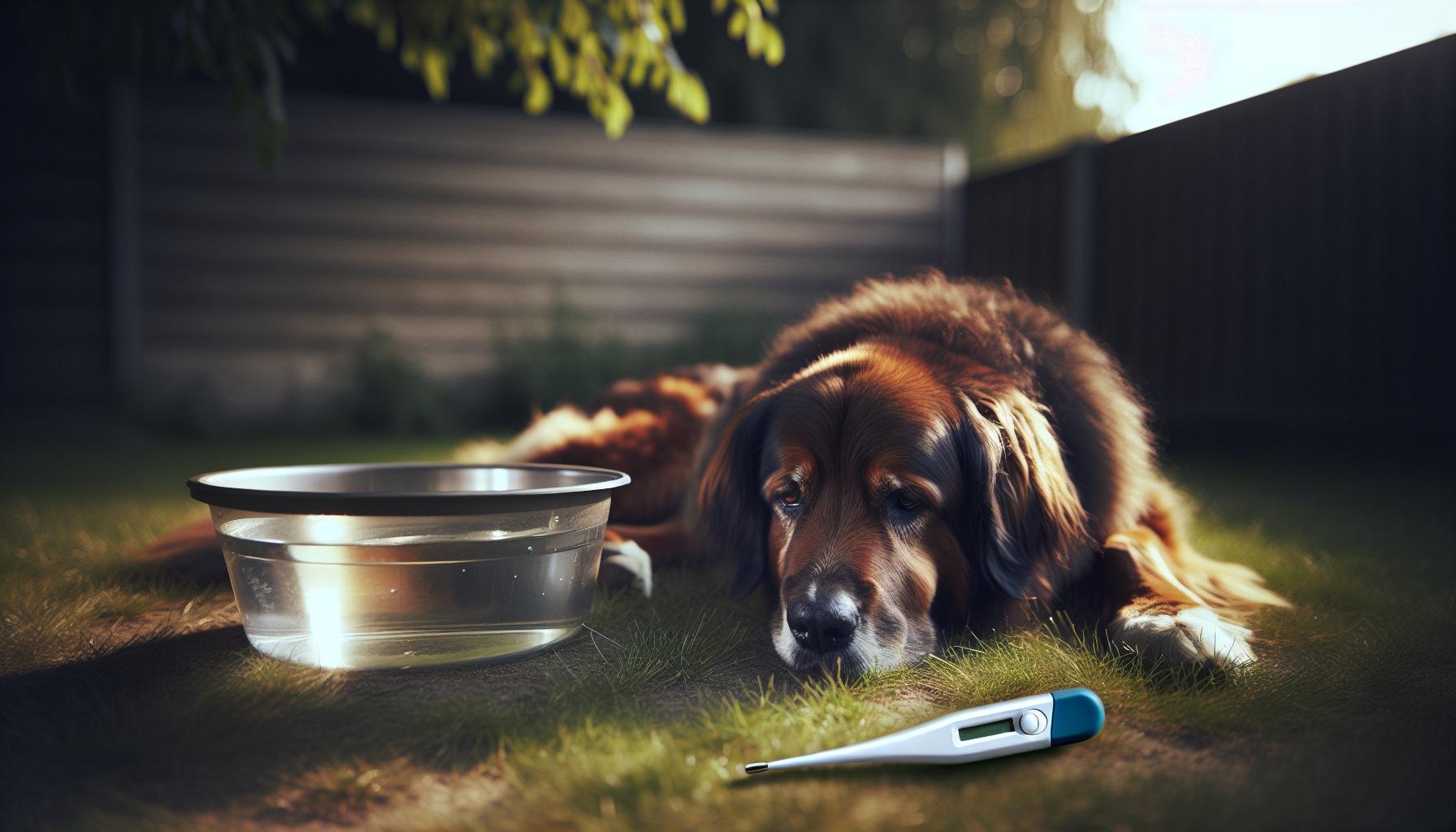
Common Reasons Dogs Avoid Water
Many dog owners have encountered the perplexing situation of their furry friend avoiding water. This behavior can be concerning, as proper hydration is essential for your dog’s health. Understanding the underlying reasons why dogs may refuse water can help you address the issue effectively.
One common reason is simply a matter of preference; some dogs might find their water bowl’s location, style, or even the type of water unappealing. For instance, a dog may prefer a fresh supply of water, leading them to avoid an old or stagnant bowl. Experimenting with different types of bowls-like ceramic, stainless steel, or even pet fountains-can make a big difference. Dogs can also be sensitive to the taste or smell of water, especially if it’s been sitting too long or if there are any residual scents in the bowl.
Additionally, environmental factors play a significant role in water intake. Dogs may avoid drinking when it’s too hot or too cold outside, as extremes in temperature can affect their comfort and desire to hydrate. Anxiety and behavioral issues are also important considerations. Changes in the household, such as a new pet, moving to a new home, or any family stress can lead to a dog being more anxious, which might manifest in reduced water consumption.
It’s also essential to consider health-related reasons. Conditions such as dental issues or even an upset stomach can make it uncomfortable for dogs to drink. If you suspect health problems, keeping a close eye on your dog’s eating habits, energy levels, and any changes in their behavior is crucial. If the problem persists, seeking advice from a veterinarian is always a prudent step to ensure your beloved pet’s well-being.
Breed-Specific Factors Affecting Water Intake
Understanding how a dog’s breed can influence their water intake is crucial for pet owners looking to ensure proper hydration. Different breeds have varying behaviors, physiological traits, and even preferences that can affect their willingness to drink water. For example, toy breeds like Chihuahuas may have smaller bladders and be less motivated to drink large quantities at once, while larger breeds such as Great Danes may drink more to sustain their size but can also suffer from bloat if they drink too rapidly.
Breed-Specific Preferences
- Herding Breeds: Breeds such as Border Collies and Australian Shepherds are active and require ample hydration, especially during exercise. These dogs often prefer fresh, cool water and may avoid still water that has been sitting for too long.
- Working Breeds: Dogs like Rottweilers and Siberian Huskies are known for their stamina and need consistent hydration during physical activities. It’s beneficial to provide them with multiple water sources to encourage drinking.
- Small Breeds: Toy breeds might have specific preferences for water containers. A shallow bowl might be more favorable for a Pomeranian, while others may prefer drinking from a fountain due to the moving water.
Hydration Needs Based on Coat Type
Dogs that are heavy shedders or have thick fur, like Huskies or Akitas, may tolerate heat differently and require more water during warmer months. Conversely, short-haired breeds, such as Greyhounds, might overheat more quickly and may need to be encouraged to drink more frequently. Owners should observe their pets’ behavior-if they seem lethargic or are panting excessively, it may be time to entice them with ice cubes or flavored water to stimulate their interest in drinking.
The Role of Size and Age
It’s important to recognize that age and size play significant roles in hydration needs. Puppies need frequent access to water for their developing bodies, while senior dogs might drink less due to dental issues or impaired renal function. If you notice changes in your dog’s drinking habits, consider if their breed traits or life stages could be contributing factors. Regular veterinary check-ups can help identify any underlying health issues that might affect hydration and make tailored recommendations based on your dog’s breed and health status.
By understanding these breed-specific factors, you can better address your dog’s hydration needs, ensuring they remain healthy and happy.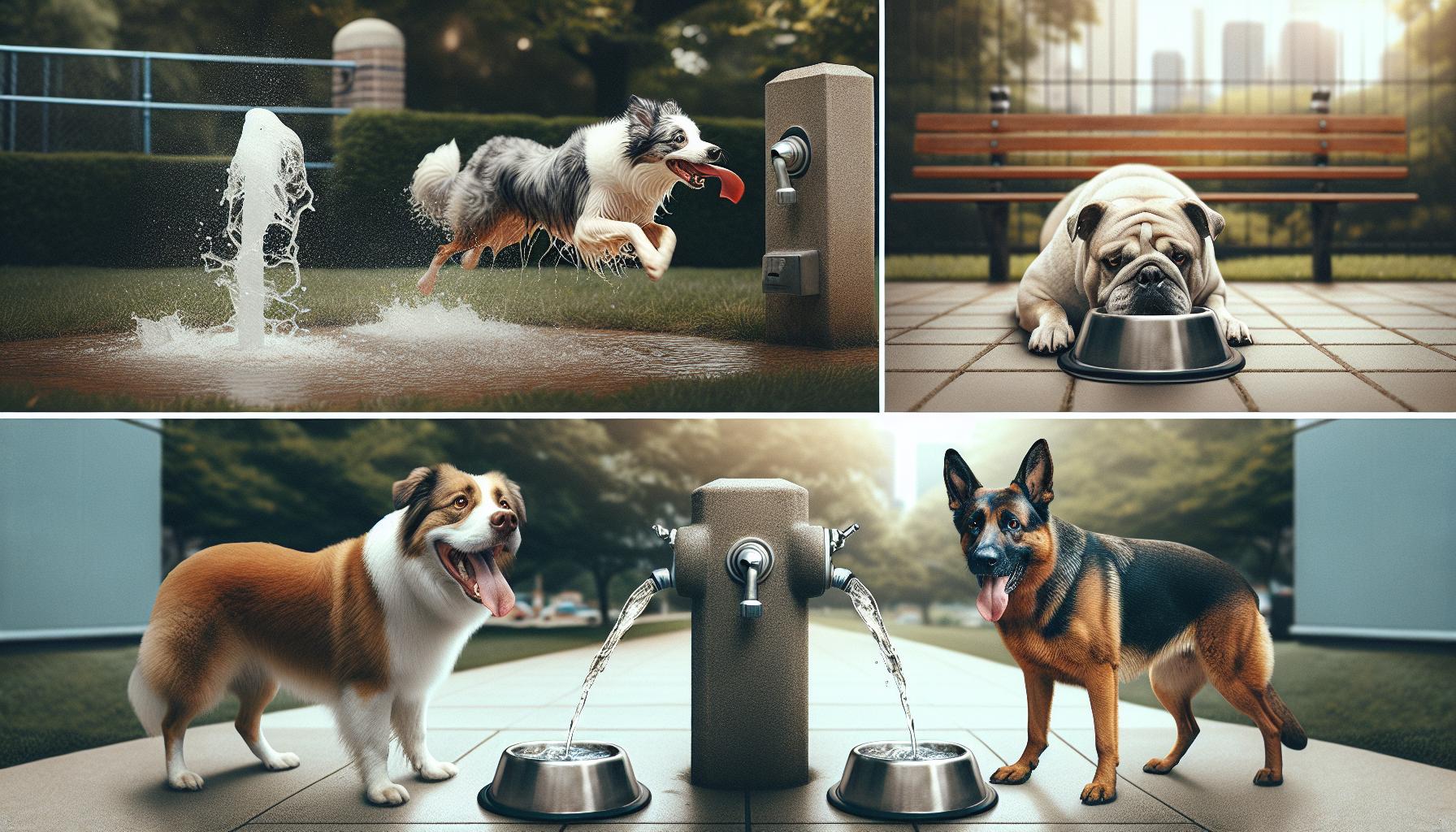
How Temperature and Weather Influence Hydration
When the temperature rises or the weather gets harsh, your dog’s hydration needs can dramatically change. Just like humans, dogs can feel the effects of heat and humidity, and it’s crucial to ensure they have constant access to fresh water. If the environment becomes too hot, dogs are more likely to experience dehydration, leading to health issues like heat exhaustion or heat stroke. Keeping their water intake constant is essential in maintaining their wellbeing.
In warmer months, active breeds such as Border Collies and Labrador Retrievers may require more water due to increased physical exertion. Dogs that are primarily indoor pets might not naturally seek water as frequently because they don’t engage in as much activity. It’s essential to monitor their drinking habits closely, especially during heat waves. One simple method to encourage hydration is to offer cool, refreshing water and even add ice cubes for interest.
Conversely, during colder months, some dogs may naturally drink less due to reduced outdoor activity and the cooler temperatures. Breeds with thicker coats, like Siberian Huskies, may tolerate low temperatures better but still need to stay hydrated. Owners should be vigilant, as even in winter, dogs can become dehydrated if they are indoors with heating that dries out the air. A good practice is to offer warm water, which can be more appealing in colder climates, and ensure their water bowl is clean and filled.
To further guide your efforts, here are some breed-specific tips:
- Herding Breeds: These dogs thrive on activity. Make sure to provide water after exercise to prevent dehydration.
- Small Breeds: Because of their size, toy breeds can be easily overlooked when it comes to hydration. Keep an eye on them, especially during hikes or warm days, and consider a water bowl that’s easy for them to access.
- Working Breeds: Throughout the year, these dogs need to be hydrated regularly. Carry a portable bowl for outdoor activities to encourage them to drink between tasks.
Remember, by being attentive to your dog’s hydration in relation to temperature and weather, you can help them stay healthy and happy throughout the seasons.
Health Issues That Might Affect Drinking Habits
When dogs suddenly stop drinking water, it can be more than just a passing phase-it’s often a signal that something is amiss health-wise. Just as humans can lose their thirst for various reasons, our canine companions can experience health issues that significantly affect their drinking habits. Identifying these problems early can be crucial in ensuring your dog remains healthy and hydrated.
One of the common health conditions that impact a dog’s desire to drink is renal disease. As the kidneys start to fail, they can lose their ability to concentrate urine, leading to frequent urination and increased thirst despite the dog refusing water at times. This can lead to dehydration if not monitored closely. If you notice your dog drinking excessively at odd times or showing signs like lethargy, it may be essential to consult a veterinarian.
Another culprit can be diabetes mellitus. Dogs with diabetes may drink excessive amounts of water and still appear dehydrated due to the increased glucose levels affecting their kidneys. This condition often requires careful management, including dietary adjustments and possible insulin therapy. If your dog is exhibiting this behavior, it’s essential to seek immediate veterinary advice.
Gastrointestinal issues can also play a role. Conditions like vomiting, diarrhea, or an upset stomach can lead to dehydration. In these cases, dogs might refuse water due to discomfort. Providing small amounts of enticing fluids, like a low-sodium broth, can sometimes encourage them to drink, but if symptoms persist, a veterinary visit is critical.
Finally, oral health problems-such as periodontal disease or oral tumors-can make drinking painful. Dogs that experience discomfort while drinking may associate their water bowl with pain and begin to avoid it. Regular dental check-ups are vital to prevent these issues. If your dog seems reluctant to drink and experiences bad breath or difficulty eating, schedule an appointment with your veterinarian.
Practical Tips for Monitoring Your Dog’s Health
To stay ahead of potential health issues affecting your dog’s hydration, consider these steps:
- Monitor Water Intake: Keep a log of how much water your dog consumes daily to notice any sudden changes.
- Observe Behavioral Changes: Take note if your dog is less active, loses weight, or has changes in appetite.
- Check Their Mouth: Regularly inspect your dog’s gums and teeth for any signs of redness, swelling, or bad breath.
- Vet Visits: Schedule routine vet check-ups and ensure vaccinations are up to date.
Understanding how health issues can affect your dog’s hydration needs is fundamental for every dog owner, as it allows you to provide better care and ensure a longer, healthier life for your furry friend. Regular health checks not only keep your pet hydrated but also help you catch any underlying issues before they escalate.
Behavioral Changes: Stress and Anxiety in Dogs
Many dog owners are surprised to learn just how sensitive their furry friends can be to changes in their environment. Stress and anxiety can significantly impact a dog’s behavior, including their desire to drink water. For many dogs, water is not just about hydration; it’s a routine part of their day, tied closely to their feelings of security and comfort. If your dog suddenly becomes hesitant to drink, it’s essential to consider their emotional state as a potential underlying cause.
Stressors can come from various sources-loud noises, new environments, or changes in household dynamics. For example, a newly adopted pet, moving to a new home, or even a shift in your schedule can create anxiety in your canine companion. Signs of stress in dogs can sometimes be subtle, manifesting as restlessness, excessive panting, or even hiding away. When dogs feel anxious, they may become less inclined to drink water, which can quickly lead to dehydration if not addressed. Observing your dog closely during these times and identifying stress triggers can help you develop strategies to ease their anxiety.
To promote a calming atmosphere, consider establishing a routine that includes designated quiet times and relaxation exercises. Providing a safe space for your dog, whether it’s a cozy bed in a quiet corner or a crate, can enhance their sense of security. Additionally, using interactive toys or engaging in gentle play can distract your dog from stressors and encourage them to drink more water. Incorporating calming music or pheromone diffusers can also create a soothing environment and may encourage your pet to resume their normal drinking habits.
If you notice that your dog continues to resist drinking despite your efforts, it may be time to consult with a veterinarian. They can help rule out any potential health issues that may be exacerbated by stress or anxiety and provide guidance tailored to your dog’s unique needs. Addressing behavioral changes early not only helps maintain hydration but also contributes to your dog’s overall well-being, ensuring they feel safe, secure, and happy in their environment.
The Role of Food in Your Dog’s Hydration
While many dog owners may focus solely on their pet’s water bowl, it’s important to recognize that food plays a significant role in maintaining your dog’s hydration levels. Surprisingly, the moisture content in your dog’s diet can contribute greatly to their overall water intake. For instance, dogs that eat wet or canned food often absorb a considerable amount of water from their meals, which can lessen their dependence on drinking water alone. This is especially relevant for breeds prone to dehydration or those who may be finicky about drinking.
In general, dry kibble contains around 10% moisture, while canned food can contain between 70% to 80% moisture. Therefore, integrating wet food into your dog’s diet can be a fantastic strategy to improve hydration, particularly if they’re not drinking as much water as they should. If you’re transitioning to wet food, try mixing it with their dry kibble to give them an enticing texture while enhancing flavor and moisture. However, always ensure that any adjustments are gradual to prevent digestive upset.
Balanced Diet Equals Proper Hydration
The nutritional make-up of your dog’s meals is not just about calories and proteins; it can also impact their overall thirst. A diet rich in salt or high in proteins can sometimes cause dogs to drink more water. Conversely, a well-balanced diet that meets all their nutritional needs can help regulate their hydration levels, making them less dependent on water intake alone. Look for foods that are formulated for your dog’s specific life stage and health needs, as these will often balance hydration with nutrient absorption more effectively.
For example, consider incorporating foods that naturally contain high water content, such as:
- Watermelon (in moderation and with seeds and rind removed)
- Cucumber
- Carrots
These snacks not only contribute to hydration but also offer additional vitamins and minerals that support your dog’s overall health.
Working with Veterinarians
If you notice that diet adjustments haven’t improved your dog’s drinking habits, it’s vital to consult with a veterinarian. They can evaluate potential underlying issues that may be affecting your dog’s hydration-whether it’s related to health, behavior, or even food preferences. Sometimes, recommending a specific diet can be beneficial, particularly for dogs with emerged health concerns or those requiring specialized nutrition. Take notes about your dog’s eating and drinking patterns before your vet visit; this information can aid in identifying potential issues.
By understanding the integral role that food plays in your dog’s hydration, you can proactively work to ensure that they are well-hydrated and healthy. Whether it means adjusting their diet or providing supplementary treats, these steps play a vital role in your dog’s overall well-being.
Quick Fixes to Encourage Your Dog to Drink
A common concern among dog owners is ensuring their furry friends stay hydrated, especially when they notice their pet avoiding the water bowl. In fact, many dogs might simply need a little encouragement to drink more water. Here are some practical solutions that could help turn that reluctant sipper into a hydration champion.
To start, consider enhancing the flavor of the water. Adding low-sodium chicken or beef broth can make drinking more enticing for your dog. Just a splash mixed into their regular water can do wonders! Alternatively, some dogs enjoy ice cubes, especially in warmer weather. You can freeze broth or even pieces of fruit like watermelon into cubes for a refreshing treat that promotes hydration. Just monitor your dog to ensure they’re not swallowing large chunks that could pose a choking hazard.
Another effective strategy is to invest in a pet water fountain. Many dogs are drawn to the running water, which can stimulate their natural instincts to drink more. The movement can also help keep the water fresh and cool, making it more appealing. If you’re on a budget, switching to a different type or bowl can also make a difference; some dogs prefer wider, flatter bowls, while others might like deeper ones. Experimenting with materials like stainless steel versus ceramic can help identify your dog’s preference.
Lastly, if food plays a significant role in your dog’s hydration, consider incorporating wet food into their diet. As mentioned previously, canned food contains a much higher moisture content than dry kibble, offering a practical way of increasing fluid intake. Additionally, adding water or broth directly to their kibble can make meal times more enticing while boosting hydration levels.
By using these quick fixes, you can help encourage your dog to drink more water. Maintaining optimal hydration is crucial for your dog’s overall health, and with a little creativity, you can turn a reluctant drinker into a happy, hydrated pup!
Hydration Tips for Picky Drinkers
When it comes to hydration, some dogs can be surprisingly picky about their water intake. Did you know that just like humans, dogs can have preferences for temperature, flavor, and even the type of bowl used for drinking? Understanding your dog’s unique tastes can be pivotal in ensuring they stay adequately hydrated. Here are some engaging tips and tricks to help even the most discerning canine drink more water.
First, consider the temperature of the water. Many dogs thrive on cool, refreshing drinks, especially after playtime. You can leave a water bowl outside during the day at a shaded spot, allowing it to cool in the breeze. Alternatively, try serving ice-cold water in a bowl that keeps it chilled longer, like stainless steel.
Flavoring the water is another effective way to entice picky drinkers. Adding a splash of low-sodium chicken or beef broth can transform plain water into a savory delight that your dog might eagerly sip. Be cautious with the amount, as too much sodium can be detrimental to your pet’s health, and always choose broth that’s free from harmful ingredients like onions and garlic.
Experiment with Different Bowls
The type of bowl can also make a difference in how much your dog drinks. Some dogs prefer wider bowls that allow for easy access, while others feel safer drinking from smaller, deeper containers. Here are a few materials to consider:
- Plastic: Lightweight and easy to clean, but can hold odors over time.
- Stainless Steel: Durable, non-porous, and keeps water cool.
- Ceramic: Often aesthetically pleasing, but can be heavy and fragile.
Observing your dog’s interactions with different bowls can guide you toward the right choice to encourage hydration. If your pup seems hesitant to drink at all, a water fountain could be a game-changer. These devices provide running water, which many dogs find irresistible due to their instinctual attraction to flowing streams.
Incorporate Hydration into Meals
Furthermore, the food you serve can significantly influence water intake. Many dogs enjoy wet food, which contains far more moisture than dry kibble, making it an excellent way to boost hydration. For those that prefer dry kibble, adding some water or broth to their meals can enhance flavor and encourage them to drink up. Measure out your dog’s food and adjust it accordingly to accommodate these additions, ensuring balanced nutrition while enhancing hydration.
Incorporating these simple yet effective strategies can create a pleasant drinking experience for your dog. Hydration is not just about quenching thirst; it’s essential for overall health and vitality. With a little creativity and observation, you can help your picky drinker stay happy and healthy!
When to Consult a Veterinarian About Hydration
While many dogs may skip a drink from time to time, prolonged or significant reductions in water intake can be a serious concern. Dehydration can escalate quickly in dogs, leading to potential risks that every pet owner should watch for. If you notice that your dog is refusing water for more than a day or shows other signs of distress, consulting a veterinarian becomes paramount. Quick action can save you from complications down the road, ensuring your dog’s health remains intact.
One of the first signs you may observe is lethargy or unusual behavior. If your normally vibrant pup seems more tired or less interested in play, it’s worth taking a closer look at their hydration habits. Additionally, pay attention to any physical indicators such as dry gums, sunken eyes, or loss of skin elasticity-these can all be indicative of dehydration. If these symptoms accompany a noticeable drop in water consumption, it’s time to seek professional help.
Certain health conditions can lead to decreased thirst, including kidney issues and gastrointestinal diseases. If your dog has a history of illness or if they’re on medications that could affect their water intake, don’t hesitate to reach out to your veterinarian. They can perform necessary examinations, like blood work, to determine if there’s an underlying condition necessitating intervention.
Furthermore, age can play a role in hydration needs and habits. Puppies and senior dogs often have different hydration requirements than young adults. For instance, a senior dog might not drink as regularly due to joint pain that makes it harder for them to access their water bowl. In these cases, providing multiple water sources and ensuring they are easily reachable is essential for encouraging hydration.
It’s crucial to stay vigilant and proactive. If you ever feel unsure about your dog’s health or hydration status, a quick call or visit to your vet can put your mind at ease and ensure your furry friend gets the care they need. Your dog’s well-being depends on you noticing small changes and responding quickly; after all, they rely on you to advocate for their health.
Maintaining Optimal Hydration for Different Breeds
Ensuring that every breed stays well-hydrated is crucial, as hydration needs can vary widely from one dog to another. For example, large breeds like the Great Dane or St. Bernard may require more water due to their size and higher metabolic rates, while smaller breeds like the Chihuahua often need less volume but may become dehydrated more quickly if they avoid drinking. Understanding the specific hydration needs of your dog’s breed will help you maintain optimal hydration levels.
Understanding Breed-Specific Needs
Different breeds have diverse physical characteristics and health predispositions that influence their hydration. Here’s a quick breakdown of a few common breeds:
| Breed | Average Water Intake (per day) | Hydration Considerations |
|---|---|---|
| Great Dane | 1-2 gallons | Extensive growth requires constant access to fresh water; prone to bloat. |
| Chihuahua | 0.5-1 gallon | Small size means higher risk of dehydration; often reluctant to drink if stressed. |
| Bulldog | 0.5-1.5 gallons | Short snouts may lead to difficulty drinking; monitor closely for heat control. |
| German Shepherd | 1-1.5 gallons | Active breed requiring more water after play; watch for health issues like hip dysplasia. |
Additionally, be mindful of the environmental factors that exacerbate hydration needs. For instance, breeds with heavy coats, such as Siberian Huskies, may initially show resistance to drinking during warmer months but will need consistent hydration to prevent overheating. On the other hand, brachycephalic breeds, like French Bulldogs, can struggle with temperature regulation and may need extra encouragement to stay hydrated.
Practical Tips for All Breeds
To encourage your pup to drink more, consider the following strategies:
- Provide Fresh Water Frequently: Change the water regularly, ensuring it’s always clean and cool.
- Use Multiple Bowls: Place water bowls in various locations, particularly accessible areas for older or mobility-challenged dogs.
- Flavor It Up: Adding low-sodium broth or wet food to their water can entice picky drinkers.
- Consider Water Fountains: Some dogs prefer running water; a pet fountain could be a great solution.
Incorporate these habits to create an environment conducive to drinking, helping every breed maintain optimal hydration. Ultimately, staying observant and proactive about your dog’s water intake and needs will ensure they lead a healthy and happy life, thriving in their unique ways.
Q&A
Q: What should I do if my dog refuses to drink water?
A: If your dog refuses to drink water, try offering fresh, clean water in a different bowl, or add water to their food. Providing ice cubes or ice chips can also encourage hydration. If the issue persists, consult your veterinarian to rule out underlying health problems.
Q: How can I tell if my dog is dehydrated?
A: Signs of dehydration in dogs include dry gums, lethargy, excessive panting, and decreased skin elasticity. You can check hydration by gently pulling the skin at the back of their neck. If it does not quickly return to its normal position, your dog may be dehydrated. For more details on dehydration signs, see our section on symptoms.
Q: Why does my dog only drink water outdoors?
A: Many dogs prefer drinking outside due to environmental factors like temperature or smells that make the water more appealing. They might also associate outdoor time with play or exercise. Consider using a fresh, clean bowl inside and adding flavor, like low-sodium broth, to entice them to hydrate indoors.
Q: Can stress cause a dog to stop drinking water?
A: Yes, stress can cause behavioral changes in dogs, including a decreased desire to drink water. Changes in environment, loud noises, or new experiences can contribute to stress. Providing a calm space and approaching them with patience can help ease their anxiety and encourage drinking. Refer to our section on behavioral changes for more tips.
Q: Why might older dogs drink less water?
A: Older dogs may drink less water due to a reduced sense of thirst, health issues like kidney disease, or dental problems that make drinking difficult. Staying aware of your senior dog’s drinking habits and providing moist food can help. If concerns arise, it’s advisable to consult a vet.
Q: Do certain dog breeds drink more water than others?
A: Yes, some breeds are more prone to dehydration and may require more water. For instance, larger breeds or those with thick fur tend to need more hydration. Researching breed-specific hydration needs can help you maintain optimal hydration. Check our section on breed-specific factors for detailed insights.
Q: How can I encourage my dog to drink more water?
A: You can encourage your dog to drink more water by providing fresh water frequently, adding wet food to their diet, or using pet-friendly flavor enhancers. Dehydrated dogs may also find drinking from a pet water fountain more appealing. For additional tips, visit our quick fixes section.
Q: When should I take my dog to the veterinarian for hydration issues?
A: If your dog shows signs of severe dehydration, such as persistent vomiting or lethargy, or if they refuse to drink for more than 24 hours, it’s important to contact your veterinarian. Prompt attention can prevent serious health issues. Refer to our section on when to consult a vet for further guidance.
Wrapping Up
Understanding why your dog may not be drinking enough water is crucial for their health, and we hope the 11 reasons and quick fixes we’ve discussed have provided you with valuable insights. If your furry friend still seems hesitant after trying these tips, we recommend reaching out to your vet for personalized advice. Remember, staying hydrated is essential to their well-being!
Want to dive deeper? Check out our related articles on keeping your dog healthy and understanding canine behavior. Don’t forget to join our newsletter for more helpful tips and dog care resources. We love hearing from fellow dog owners, so share your experiences in the comments below or connect with us on social media! Your next step towards better pet care starts right here.