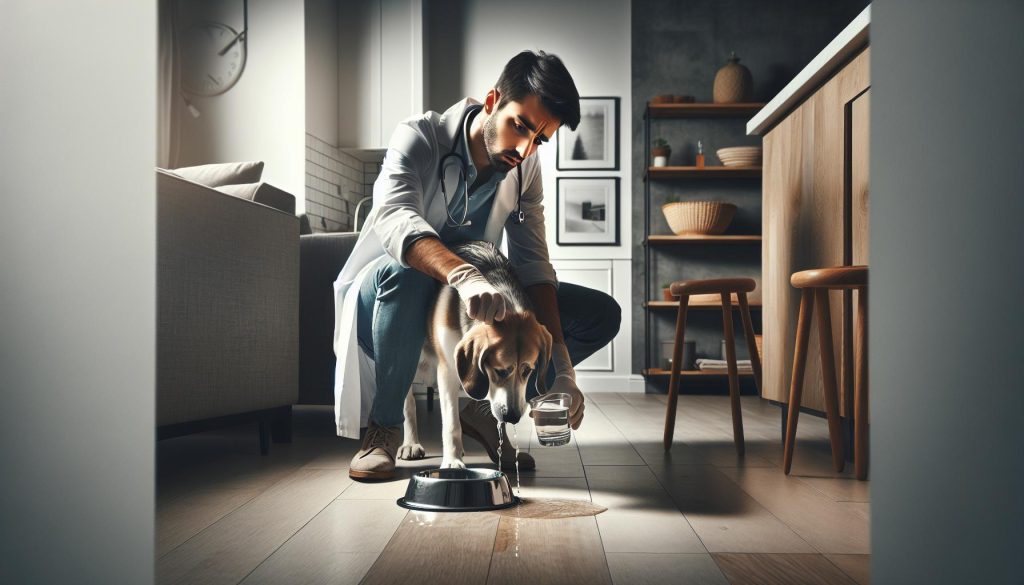
It can be alarming when your beloved dog starts throwing up after drinking water, and understanding the reasons behind this behavior is crucial for any pet owner. Dogs can experience vomiting for numerous reasons-ranging from benign to serious-and identifying the cause early can lead to effective solutions, ensuring your furry friend remains healthy and happy. Perhaps you’ve noticed your dog gulping down water too quickly, or maybe they suffer from an underlying health issue. Regardless of the cause, being proactive is essential. In this article, we’ll explore common reasons for this issue, along with practical tips and solutions you can implement to help alleviate your dog’s discomfort. Join us as we uncover what your dog is trying to tell you and how you can support their wellbeing!
Why Is My Dog Throwing Up After Drinking Water?
Many dog owners have experienced the unsettling moment when their furry friend tosses their cookies right after drinking water. This occurrence can be perplexing and concerning, making it essential to understand the reasons behind it. Although occasional vomiting after drinking may not always signify a serious issue, it can also be an indicator of digestive problems or other health concerns.
Several factors could contribute to vomiting shortly after drinking. One common culprit is the rapid consumption of water, especially if a dog has been playing vigorously or is overheated. Dogs may guzzle down water too quickly, leading to an upset stomach. Additionally, if your dog has any underlying health issues, such as gastrointestinal disorders or infections, these might manifest in this way. Other possibilities include food intolerances, allergies, or the ingestion of something inappropriate before drinking.
To assist your dog, consider adjusting their drinking habits. Offering smaller amounts of water more frequently during and after activities can help manage their hydration without overwhelming their stomach. Observing your dog’s behavior and making note of when they vomit can aid in identifying any patterns, which is crucial information to share with your veterinarian should the need arise. Keeping your dog’s environment clean and free from foreign objects they may accidentally consume is also a practical step towards reducing the risk of unexpected vomiting.
Recognizing these aspects can empower you as a dog owner to take proactive measures in maintaining your pet’s health. If vomiting becomes frequent or severe, it is important to consult a veterinarian, as they can provide insight and appropriate interventions tailored to your dog’s specific situation.
Common Causes of Vomiting After Drinking Water
It’s a common scenario many dog owners face: just moments after your furry friend joyfully gulps down fresh water, they suddenly erupt into a bout of vomiting. This unsettling behavior, while alarming, can often be traced back to a variety of common causes that dog lovers should be aware of. Understanding these causes can be vital in helping you support your pup’s health and well-being.
One of the primary reasons dogs might vomit after drinking water is simply due to the speed at which they consume it. Many dogs tend to drink too quickly, especially after a vigorous romp or playtime. This rapid intake can lead to an upset stomach, resulting in the watery expulsion shortly thereafter. It’s important to create a more controlled environment for hydration. Try offering smaller amounts of water more frequently, particularly after exercise, to prevent this from happening.
In some cases, a dog’s digestive system may be sensitive to abrupt changes, even in something as seemingly benign as water consumption. If your dog is also experiencing signs of distress, like lethargy or a decrease in appetite, it might indicate underlying issues such as gastrointestinal disorders. For instance, conditions like gastritis or infections can manifest in vomiting after drinking. Keeping a close eye on your dog’s behavior and dietary habits can help you identify if the vomiting is an isolated incident or a sign of a more serious concern.
Lastly, be mindful of potential food intolerances or allergies that could affect your dog’s digestive system. If they’ve been exposed to something they shouldn’t have ingested or have recently switched foods, these factors may also contribute to their tendency to vomit after drinking. Observing your dog’s response to different foods and drink situations can provide valuable insight into what might be causing these upsets, allowing you to make the necessary adjustments to their diet or hydration routine.
Whether you’re a seasoned pet owner or new to the journey, being aware of these common causes can help you make informed decisions that promote your dog’s health and comfort.
When to Be Concerned About Your Dog’s Vomiting
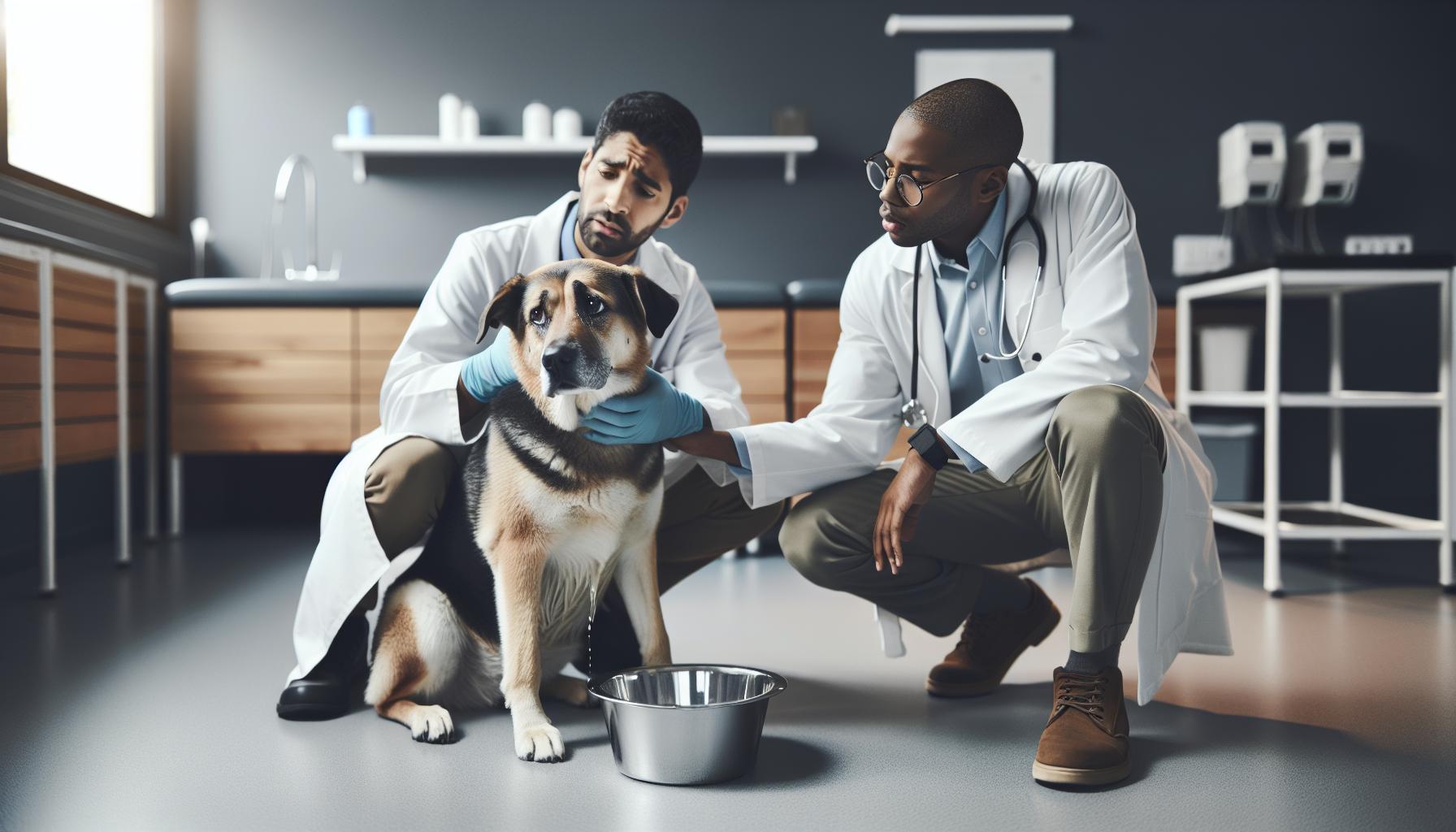
Recognizing when your dog’s vomiting is a red flag can be crucial for their health. While having an occasional episode of vomiting-especially after drinking water-may not always indicate a serious problem, there are certain situations that should alarm dog owners. For example, if your dog vomits frequently, experiences continuous bouts of vomiting, or shows accompanying symptoms such as lethargy, diarrhea, or abdominal pain, these could be signs of a more serious underlying issue that warrants immediate veterinary attention.
Pay close attention to the characteristics of the vomit as well. If it contains blood or appears to be coffee-ground-like, it’s crucial to consult your vet as soon as possible. Dogs can experience gastrointestinal bleeding, infections, or even toxic reactions to substances they may have ingested. Additionally, if your dog becomes unable to keep water down within a few hours, it could lead to dehydration, particularly in smaller breeds or those with underlying health issues.
A sudden change in behavior, such as hiding, unusual aggression, or restlessness, is another strong indicator that something may be wrong. Dogs are masters at hiding their discomfort, so any significant behavioral changes should be taken seriously. In these cases, especially if they’ve had access to potentially hazardous foods or substances, don’t hesitate to seek professional help.
Ultimately, being proactive and observant about your dog’s health can make all the difference. If you find yourself questioning whether your dog’s vomiting is normal, err on the side of caution and discuss your concerns with a veterinarian. Your furry friend relies on you to interpret their needs, and seeking guidance can ensure they receive the best care possible.
How to Differentiate Between Normal and Abnormal Vomiting
Understanding the differences between normal and abnormal vomiting in dogs can be pivotal for any pet owner. While it’s normal for dogs to occasionally regurgitate food or fluids, especially after drinking water too quickly, recognizing the signs that indicate a more serious issue is essential for their health. Typically, a dog may vomit from overeating, eating too fast, or as a reaction to stressful situations. However, if vomiting becomes frequent or is accompanied by concerning symptoms, it’s time to take a closer look.
Normal vomiting can be characterized by a one-time episode where your dog appears to feel well otherwise. For instance, if your dog gulps down water too rapidly after exercising, they might regurgitate it without any other alarming signs. This kind of vomiting often doesn’t cause your pet much distress and can simply be a reflex action. In cases like this, it’s essential to monitor your pet’s behavior afterward. If they bounce back quickly, drink normally again, and are eager to engage in play or daily activities, then it’s likely just an isolated incident.
On the other hand, abnormal vomiting can include repeated episodes or the presence of additional symptoms such as lethargy, diarrhea, abdominal discomfort, or changes in appetite. For instance, if your dog continues to vomit after drinking even small amounts of water or if the vomit contains blood or looks unusual (like coffee grounds), it’s critical to seek veterinary attention immediately. These signs may suggest a more severe underlying condition, such as gastrointestinal blockages, pancreatitis, or infections that require prompt care.
To help you differentiate between these two categories, keep an eye on the following criteria:
- Frequency: Is it a one-time incident or recurring?
- Accompanying symptoms: Look for lethargy, pain, or unusual behavior.
- Appearance of vomit: Is it undigested food, yellow bile, or has blood been observed?
- Recovery: Does your dog act normally after vomiting, or do they stay lethargic and disinterested?
By observing these details, you can better assess your dog’s health and determine when it’s necessary to consult a veterinarian. Always trust your instincts as a dog owner; if something feels off, it’s better to be safe and seek professional advice. Your furry companion depends on your vigilance and care to ensure they remain happy and healthy.
Immediate Steps to Take When Your Dog Vomits
When you notice your beloved dog vomiting, your heart may sink right along with your stomach. It’s a common concern among pet owners, and understanding how to react can make all the difference for your furry friend. The immediate aftermath of a vomiting incident is critical for assessment and care. Knowing the right steps to take can alleviate stress for both you and your dog, ensuring they remain comfortable and healthy.
First, stay calm and observe your dog. Monitor their behavior closely for any additional symptoms. Is your dog acting lethargic, or have they lost interest in their favorite toy? These signs can provide valuable information about their condition. If your dog seems otherwise normal, give them some space to recover but keep an eye on them. During this period, it’s important to remove food and water temporarily for about 12 hours. This helps prevent further irritation to their stomach, as their system may need time to settle.
After a brief fasting period, you can reintroduce small amounts of water in a controlled way. Offer a few teaspoons at a time to see if they can keep it down. If your dog successfully holds down the water after an hour, gradually increase the quantity. This gentle approach allows you to monitor their reaction, minimizing the risk of additional vomiting. If water stays down, you can introduce a bland diet-think plain boiled chicken and rice-before transitioning back to their regular food.
Should your dog continue to experience vomiting, or if you notice any concerning symptoms such as blood in the vomit or signs of a painful abdomen, it’s essential to consult your veterinarian as soon as possible. Quick action can help identify underlying health issues, while also providing peace of mind for you as a devoted dog owner. Ultimately, prompt attention and a calm approach can lead to a swift recovery, keeping your four-legged friend back to their playful self in no time.
Home Remedies for Dog Vomiting After Drinking Water
When your furry friend experiences vomiting after drinking water, it can be both alarming and distressing. Fortunately, several home remedies might help soothe their stomach and reduce the chances of recurrent vomiting. Here are some practical approaches you can take to assist your dog at home, promoting comfort while prioritizing their health.
First, consider using ginger, a natural remedy known for its anti-nausea properties. You can offer ginger in small amounts, such as ginger ale (ensure it’s caffeine-free and doesn’t contain artificial sweeteners) or a small piece of fresh ginger root. This could help settle your dog’s stomach and reduce vomiting episodes. However, always start with tiny amounts to gauge how your dog reacts before offering more.
Another excellent option is plain, unflavored yogurt. This can contribute beneficial probiotics to your dog’s diet, which may help restore digestive balance after an upset. Just ensure that your dog is not lactose intolerant, as this could exacerbate their symptoms. Additionally, consider feeding your dog small, bland foods once their vomiting has subsided. Options such as boiled chicken (without skin) and plain white rice are gentle on the stomach and easy to digest.
Hydration Considerations
Keeping your dog hydrated is crucial after they vomit. If they can’t keep water down, try offering ice chips instead of liquid. This way, they can slowly rehydrate without overwhelming their stomachs. Offer these in small amounts and observe how they respond; if they keep the ice down for about an hour, you can gradually introduce water again.
Other Practical Steps
You might also consider adjusting your dog’s drinking habits. Encourage them to take smaller sips rather than gulping large amounts of water at once. If your dog is prone to drinking too quickly, a slow feeder bowl can help. These bowls have raised sections that slow down the eating or drinking process, giving your dog a chance to hydrate without inducing vomiting due to rapid consumption.
Everyone wants their furry companions to feel their best, and implementing these home remedies ensures you’re addressing their discomfort compassionately and effectively. Always keep a close eye on them; if symptoms persist or worsen, don’t hesitate to reach out to your veterinarian for further guidance.
Dietary Changes to Prevent Vomiting in Dogs
Making thoughtful dietary changes can significantly help in preventing vomiting in dogs, especially after they drink water. Just like humans, dogs can be sensitive to sudden changes in their diet or to certain ingredients. One of the best preventative approaches is to gradually introduce a balanced diet that offsets irritants and promotes gut health.
To begin with, consider transitioning your dog to a high-quality, easily digestible food. Look for options specifically formulated for sensitive stomachs or those containing limited ingredients. Such foods often contain prebiotics and probiotics that can aid digestion and stabilize your pet’s stomach. Incorporating more fiber into your dog’s diet, such as pumpkin or sweet potatoes, can also support digestive health and help regulate their bowel movements.
Feeding Practices to Consider
Apart from the specific dog food, the way you feed your dog can make a big difference. Try implementing smaller, more frequent meals instead of one large meal. This can prevent your dog from feeling too full too quickly, which might limit the chances of vomiting after drinking water. Additionally, using raised bowls can help some dogs eat and drink more comfortably, reducing the likelihood of gulping air and water too fast.
If your dog tends to gulp their water rather than sip at it, consider offering water in a bowl that naturally slows them down. These bowls can be specifically designed with obstacles that encourage slower drinking rates, thereby allowing their stomach to better process the water intake.
Monitor Your Dog’s Response
Observing how your dog reacts to any dietary changes is pivotal. Keep a food diary to track what your dog eats and any instances of vomiting. This can help you or your veterinarian identify any particular food or ingredient that doesn’t agree with your dog. Always consult with a veterinarian before making significant changes to your dog’s diet to ensure it meets their nutritional needs and health status.
Lastly, keep in mind that environmental factors, such as stress or changes in routine, can also impact a dog’s digestive health. By creating a stable feeding environment, along with conscientious dietary selections, you can play a significant role in keeping your dog happy and healthy, minimizing the chances of vomiting after drinking water.
When to Consult a Veterinarian: Signs to Watch For
Recognizing when your dog needs veterinary attention can be a daunting experience for any pet owner. It’s essential to know the signs that indicate more serious underlying issues, especially when your dog is vomiting after drinking water. While occasional vomiting might be a minor concern, recurrent or severe situations can signal that there’s more going on. Always trust your instincts-if something feels off with your furry friend, don’t hesitate to consult a veterinarian.
If your dog is vomiting repeatedly, especially if they are also showing signs of lethargy, diarrhea, or loss of appetite, it’s time to seek professional advice. Other critical symptoms to watch for include excessive drooling, stomach bloating, or severe abdominal pain when touched. Any of these signs can indicate issues like gastrointestinal obstruction or pancreatitis that require immediate attention. Additionally, if the vomit contains blood or appears to be bilious (greenish), it is crucial to get your dog to the vet right away.
It’s also important to monitor your dog’s hydration status. If they are vomiting and not able to keep water down for several hours, dehydration can set in quickly, particularly in small or young dogs. Look for signs of dehydration, such as dry gums, excessive panting, or lethargy. If you notice these signs, contact your veterinarian immediately, as they may require fluids to help stabilize their condition.
In more specific terms, certain breeds can be predisposed to particular gastrointestinal issues. For example, larger breeds such as Great Danes and Boxers are prone to bloat, a potentially life-threatening condition that involves twisting of the stomach. Smaller breeds might have different sensitivities or risks, so knowing your dog’s breed-specific health concerns can inform your monitoring strategy. Always remember, preventive care is invaluable; regular veterinary check-ups can help you catch any conditions before they escalate into emergencies.
Breed-Specific Risks for Vomiting After Drinking Water
Understanding the unique health profiles of different dog breeds can empower pet owners to provide more tailored care. For example, certain breeds are more predisposed to gastrointestinal issues that may result in vomiting after drinking water, making it crucial to recognize these risks. Recognizing these breed-specific tendencies can inform monitoring and preventive strategies, ensuring your furry friend stays healthy and happy.
Large Breeds
Some of the largest breeds, like Great Danes and Boxers, are particularly vulnerable to a condition known as bloat or gastric dilatation-volvulus (GDV). This serious condition can occur when a dog drinks large amounts of water quickly, leading to dangerous stomach swelling and potentially twisting. Because these breeds have deep chests, the risk is significantly higher, requiring dog owners to be vigilant. If you have a large breed, consider offering water in smaller amounts more frequently to reduce the risk of bloat.
Small Breeds
On the other hand, smaller breeds, such as Chihuahuas and Yorkshire Terriers, may experience sensitivity in their digestive systems that can lead to vomiting after drinking water, especially if they gulp it down too quickly. These breeds can also be more prone to conditions like gastroenteritis, an inflammation of the stomach and intestines, which can trigger vomiting after drinking. To prevent this, offer a low-profile bowl that encourages calm drinking, or use a slow feeder to help them take smaller sips without the risk of gulping.
Common Breeds and Their Risks
| Breed | Common Risk Factors | Preventive Tips |
|---|---|---|
| Great Dane | Bloat (GDV), digestive sensitivity | Feed smaller, more frequent meals; avoid vigorous activity post-meal |
| Boxer | Bloat (GDV), acid reflux | Provide raised bowls; monitor water intake |
| Chihuahua | Gastroenteritis, rapid drinking | Use slow feeders; control drinking pace |
| Yorkshire Terrier | Gastrointestinal irritation, sensitivity | Feed high-quality foods; monitor water levels |
Ensuring your dog receives the right diet and hydration in an optimal manner can make a significant difference in their digestive health. Always remember to consult with your veterinarian for specific advice tailored to your dog’s breed and health status. By being proactive and attentive to your dog’s needs, you can help them lead a healthier and more comfortable life.
Understanding Your Dog’s Digestive Health
is essential for ensuring their overall well-being, especially if they experience vomiting after drinking water. Dogs, much like humans, have unique digestive systems, and variations exist among different breeds, making it crucial to comprehend what might trigger upset. Dogs can be prone to rapid drinking which might lead to swallowing air or consuming excessive amounts at once, resulting in discomfort or even vomiting. It’s important to pay attention to these behaviors and find strategies to manage them effectively.
The digestive system of a dog can be sensitive, particularly in breeds susceptible to gastrointestinal issues. For instance, large breeds like Great Danes and Boxers may be more prone to conditions like bloat if they drink too quickly. An understanding of how their bodies function can help caretakers prevent potentially serious complications. Opting for specially designed slow feeder bowls can help mitigate the risk by encouraging dogs to drink at a more measured pace. Small breeds, such as Chihuahuas and Yorkies, may experience irritation due to rapid water consumption, heightening the risk for vomiting. Their smaller stomachs can become easily overwhelmed, leading to an upset tummy.
A well-rounded approach to your dog’s digestive health involves monitoring not just their drinking habits but also their diet. Feeding high-quality dog food that supports digestive health and ensuring they stay hydrated can help maintain a stable digestive system. Regular veterinary check-ups are invaluable for catching any early signs of gastrointestinal distress. Your vet can advise on specific dietary needs based on breed and health conditions. Keeping a detailed log of your dog’s eating and drinking habits, along with any vomiting episodes, can provide insight when consulting with your veterinarian.
By prioritizing these aspects of your dog’s health, you’ll support their digestive system effectively. Creating a calm environment during meal and water times can further help alleviate digestive issues. Remember, each dog is unique, and what works for one may vary for another. Thus, tailoring approaches to fit your dog’s specific needs will lead to a happier and healthier furry friend.
Preventative Tips for a Happy, Healthy Dog
One of the most heartwarming aspects of dog ownership is seeing your furry friend thrive and enjoy life to the fullest. However, a common concern for many pet owners is ensuring that their dogs don’t experience gastrointestinal distress, particularly after drinking water. Taking proactive steps can not only promote better digestive health but also offer peace of mind.
Establish Slow Drinking Habits
Encouraging your dog to drink at a more deliberate pace can significantly reduce the chances of vomiting. Implementing tools like slow water bowls or puzzle feeders can help. These specially designed dishes make your dog work a bit to access their water, thereby slowing down their consumption. For high-energy breeds like *Labradors* and *Beagles*, which tend to gulp down water quickly, this method can be particularly effective.
Maintain a Balanced Diet
The saying “you are what you eat” rings especially true for our four-legged companions. Feeding a high-quality, easily digestible dog food supports a healthy digestive system. Consider selecting food that contains fiber, which can help regulate their digestion. Monitor how different brands and formulations affect your dog. For example, some breeds, like *Bulldogs* and *Boxers*, may be more prone to digestive issues and thus benefit from grain-free diets.
Create a Calming Environment
Stress can be a hidden culprit behind digestive issues. Ensure that your dog’s eating and drinking areas are tranquil. If your dog gets anxious during meal times – perhaps due to other pets or loud noises – consider creating a designated quiet space. This can be a cozy corner with their bed, where they can hydrate without distractions. Implementing a routine can also instill a sense of security, making meal times a pleasant experience.
Regular Veterinary Check-ups
Don’t underestimate the importance of regular visits to the vet. Even if your dog seems perfectly healthy, these check-ups allow for early detection of potential issues. Your veterinarian can provide tailored dietary advice and monitor your dog’s digestive health. Keeping a log of any unusual symptoms, like vomiting, can assist in these consultations, ensuring your dog receives the most effective care.
By integrating these preventative strategies, you’ll not only promote a healthier digestive system but also nurture a deeper bond with your dog. Remember, happy pets lead to happy owners, and your proactive involvement is a key ingredient in ensuring a vibrant and joyful life for your furry friend.
Expert Insights: Veterinarian Perspectives on Dog Vomiting
When it comes to our canine companions, understanding the nuances of their health is crucial, especially regarding gastrointestinal issues like vomiting after drinking water. Veterinarians often emphasize that this phenomenon can stem from a variety of factors, ranging from minor to potentially serious. For instance, it’s not uncommon for dogs to gulp water too quickly after exertion or play, which can lead to a simple case of regurgitation. As Dr. Emily Johnson, a veterinarian with over a decade of experience, points out, “Many dogs, particularly energetic breeds like Border Collies or Dachshunds, can quickly chug water and end up vomiting simply because their stomachs can’t handle the influx.”
Key Factors to Consider
In her practice, Dr. Johnson notes certain environmental factors that often go unnoticed. “Dogs in high-stress environments, such as loud homes or during car rides, may drink more rapidly, which can exacerbate vomiting.” Providing a calm and encouraging environment can significantly improve their drinking behaviors. Moreover, ensuring fresh and cool water, as well as accessible slow-feeding bowls, can help mitigate this issue.
Noteworthy Breed Characteristics
It’s also essential to recognize that some breeds may be more predisposed to vomiting after water intake. Breeds such as Great Danes and Giant Schnauzers are particularly vulnerable due to their deep chests and potential for bloat, a serious condition where the stomach expands and twists. Dr. Johnson advises owners of these breeds to be vigilant. “It’s always a good idea to observe how your dog behaves after drinking. If they seem anxious or uncomfortable, it may be time to consult your veterinarian.”
Practical Recommendations
Veterinary professionals often recommend taking a few proactive steps to help our four-legged friends. To start, consider establishing eating and drinking routines that promote slower water intake. Gradually introducing water after exercise or playtime and using tools like slow-drink bowls can make a big difference. Additionally, if your dog frequently vomits after drinking, dietary changes may be necessary. Low-fiber diets or specific formulations recommended by your vet can help ease digestive stress.
In summary, monitoring your dog’s hydration habits, environment, and reaction to food can play an essential role in maintaining their digestive health. Engaging with a trusted veterinarian regularly not only provides peace of mind but can enhance the overall wellbeing of your furry friend. As Dr. Johnson aptly put it, “An ounce of prevention is worth a pound of cure.” This proactive involvement is key to ensuring happy, healthy dogs.
Faq
Q: Why does my dog vomit immediately after drinking water?
A: Dogs may vomit after drinking water due to gulping it too quickly, leading to an upset stomach. Ensure your dog drinks slowly by using a specialized bowl that slows down intake. Monitor their drinking habits to help identify any concerns related to excessive thirst or other symptoms.
Q: What can I do at home to help my dog stop vomiting after drinking water?
A: To help reduce vomiting, try giving your dog smaller amounts of water more frequently rather than allowing them to drink a large amount at once. You can also encourage hydration through ice cubes or ice chips, which may promote slower consumption and alleviate nausea.
Q: When should I be worried about my dog throwing up after drinking water?
A: If your dog vomits frequently, shows signs of dehydration, or displays lethargy or distress, it’s important to consult a veterinarian. Ongoing vomiting could indicate underlying health issues that require immediate attention, as highlighted in the section on when to seek veterinary care.
Q: How can I tell if my dog’s vomiting is serious?
A: Serious vomiting may be indicated by additional symptoms like blood in the vomit, severe abdominal pain, or a change in appetite. If your dog exhibits any of these signs alongside vomiting, seek veterinary help promptly to rule out more serious conditions.
Q: Can dietary changes help prevent my dog from vomiting after drinking water?
A: Yes, making dietary adjustments can help. Consider transitioning to a diet that is easier on your dog’s stomach. Gradually introduce new foods and consult with your veterinarian about specific diets if your dog is prone to vomiting.
Q: Is there a connection between my dog’s breed and vomiting after drinking water?
A: Certain breeds, like large or deep-chested dogs, may be more prone to bloating and vomiting after drinking. Understanding breed-specific risks can aid in managing their health more effectively. Refer to the breed-specific risks section for more insights.
Q: What are common signs of dehydration in dogs?
A: Common signs of dehydration include dry gums, lethargy, decreased skin elasticity, and less frequent urination. If your dog exhibits these symptoms alongside vomiting, it’s crucial to seek veterinary care immediately to address the potential severity of their condition.
Q: How can I help ease my dog’s digestive health to prevent vomiting?
A: To support your dog’s digestive health, maintain a consistent diet, provide fresh water, and ensure regular exercise. Minimize stress and monitor for allergens or irritants in their food. Regular veterinary check-ups can also facilitate better overall wellness.
In Retrospect
If your dog is throwing up after drinking water, don’t panic! Understanding the potential causes and solutions can help you take the right steps toward ensuring your furry friend stays healthy. Remember, it’s crucial to monitor their behavior and consult a veterinarian if the problem persists. Explore our related articles, such as “Identify Common Dog Health Issues” and “Top Tips for Hydrating Your Dog,” to deepen your knowledge and stay proactive in your pet care journey.
We’d love to hear from you! Share your experiences in the comments below or connect with us through our newsletter for regular updates packed with tips and resources just for dog owners. Your dog’s well-being is our priority, and by staying informed, you can make the best choices for them. Click around our site for more insights, and let’s keep the conversation going about giving our dogs the best lives possible!