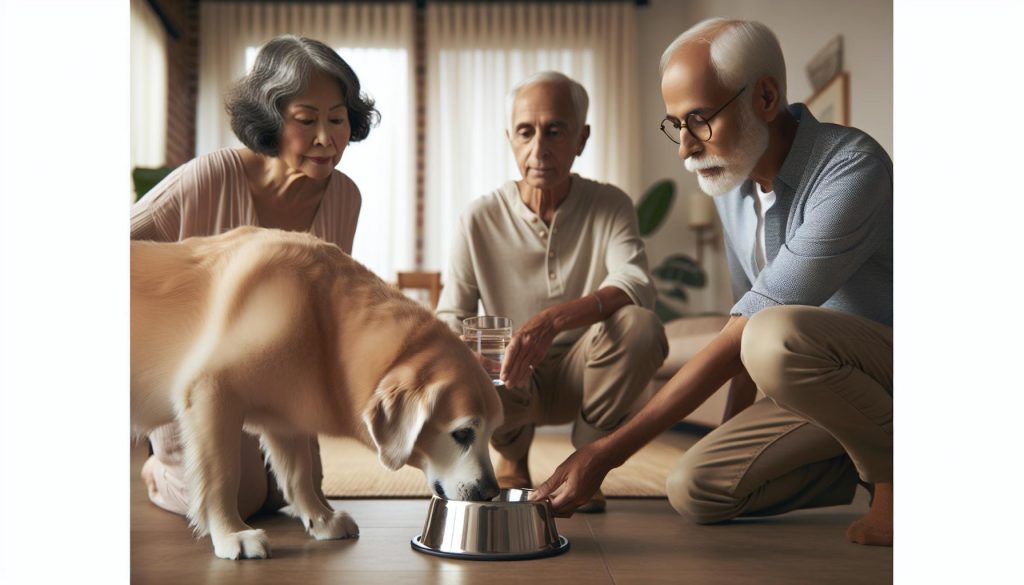
As our beloved dogs age, their health needs change, and one common concern many pet owners face is increased water intake. If you’ve noticed your senior dog drinking more water than usual, it’s essential to understand that this could be a signal of age-related issues, such as kidney disease, diabetes, or even simple dehydration. By recognizing these signs early, you can take proactive steps to ensure your furry friend stays comfortable and healthy. This article delves into the reasons behind your senior dog’s thirst, empowering you with knowledge and practical tips to address their needs effectively. Let’s explore what might be happening and how you can support your aging companion.
Understanding Senior Dog Hydration Needs
As dogs age, understanding their hydration needs becomes increasingly crucial. Senior dogs, much like humans, undergo a variety of physiological changes that can impact their ability to regulate thirst and hydration. Interestingly, an older dog may need more water than younger ones due to increased metabolic rates or health conditions that are more prevalent in age. Ensuring your dog remains well-hydrated is essential to maintaining their overall health and comfort.
It’s important to note that many senior dogs can be susceptible to dehydration, especially if their diet lacks sufficient moisture or if they have underlying health issues such as kidney disease or diabetes. Regularly monitoring your dog’s water intake can help you catch any concerning patterns early. For instance, a general guideline is that dogs should drink approximately one ounce of water per pound of body weight daily. However, this can vary based on factors such as activity level, age, and diet.
Additionally, senior dogs may benefit from flavored water or soaked kibble to encourage fluid intake. Adding wet food to their diet can also promote hydration. Hydration strategies could include providing access to fresh water at all times and considering water fountains that may entice your dog to drink more frequently. Always observe for changes in behavior, as they can be indicators of hydration levels, alongside their general activity and comfort. Keeping a close eye on these elements can significantly improve your senior dog’s quality of life.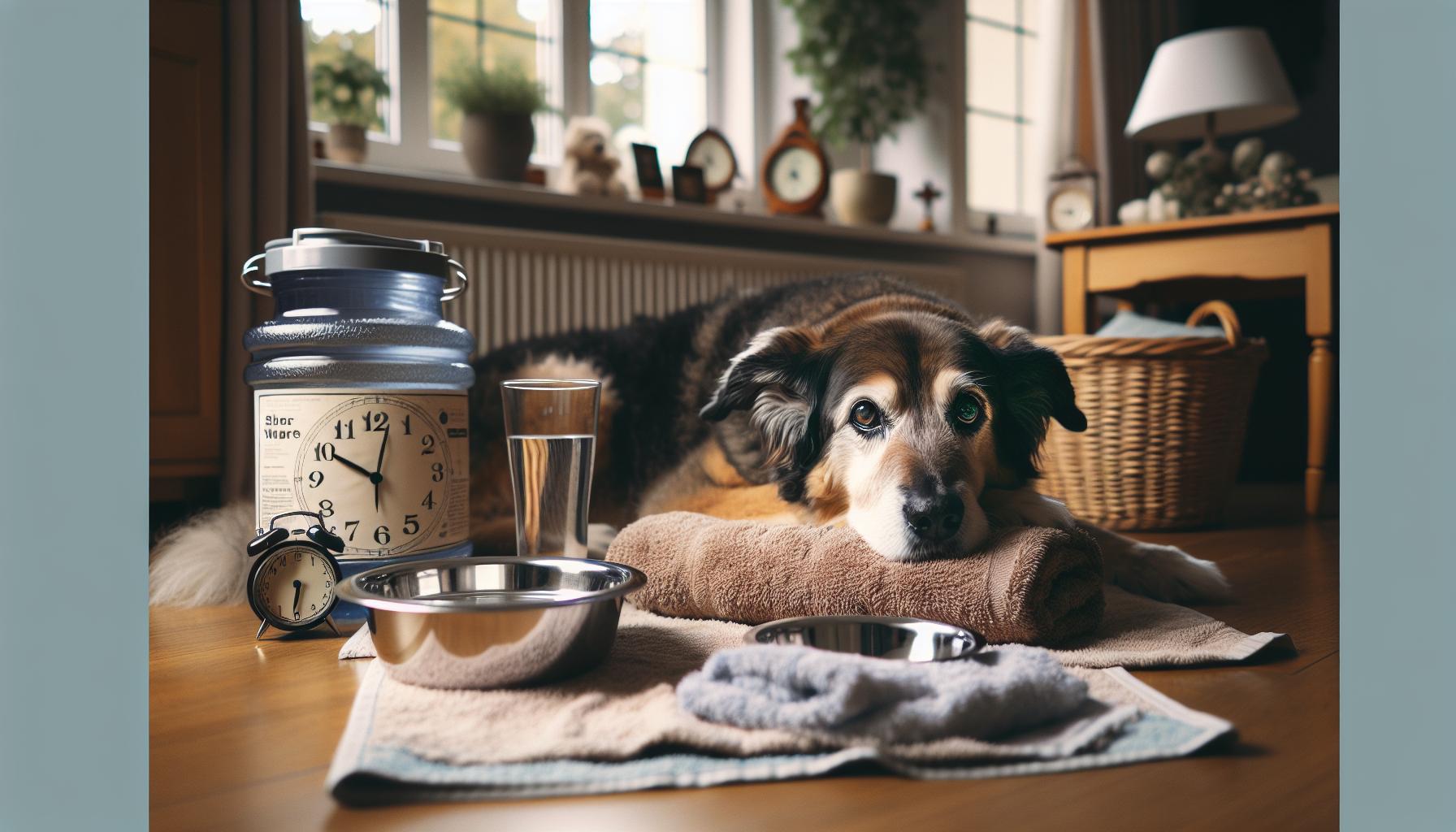
Common Age-Related Health Issues in Dogs
As your dog matures, you may notice changes in their behavior and health, especially when it comes to drinking water. Senior dogs can develop various age-related health issues that significantly impact their hydration needs. Understanding these concerns is essential for maintaining their well-being and comfort.
One of the most common issues is kidney disease. As dogs age, their kidneys may not function as efficiently, leading them to drink more water to compensate for reduced kidney function. Large amounts of water consumption might be the first noticeable sign of underlying kidney problems. Similarly, diabetes mellitus is another condition that becomes more prevalent in older dogs. Excessive thirst (polydipsia) is often coupled with increased urination, which can indicate diabetes and requires immediate veterinary attention.
In addition to these serious issues, older dogs can suffer from arthritis or joint pain, which can indirectly affect their drinking habits. If your dog experiences pain while moving to their water bowl, they might drink less than needed, leading to dehydration. Conversely, some medications prescribed for chronic ailments may also increase thirst as a side effect.
Taking proactive steps can help manage these issues. Regular vet check-ups can catch health problems early, and keeping a hydraulic log of your dog’s water intake can reveal any concerning changes. For more serious conditions like kidney disease, consider consulting your veterinarian about dietary adjustments that might help reduce the strain on your dog’s kidneys while still ensuring proper hydration. Adapting your dog’s drinking habits to include lower bowls or multiple water sources around the home can also encourage them to drink regularly and stay hydrated.
Signs Your Senior Dog Is Drinking Excessively
Noticing a senior dog suddenly drinking more water than usual can be an alarming sign for any owner. It helps to recognize the specifics of excessive drinking, as it can indicate underlying health issues that may need addressing. Typically, if your dog is drinking significantly more than usual – generally more than 1 ounce per pound of body weight per day – it may be time to investigate further.
Some signs to look out for include frequent trips to the water bowl and an increase in urination. If you observe wet spots in the house or find yourself refilling the bowl more often than before, these could be indicators of increased thirst. Pay attention to whether your dog seems restless or anxious, which can sometimes accompany a need to drink more frequently.
Another important aspect is behavioral changes; if your dog is suddenly lethargic or shows a lack of interest in activities they once enjoyed, combined with excessive drinking, it’s critical to consult your veterinarian. This change in behavior, along with heightened thirst, can point to conditions such as diabetes or kidney disease. Being proactive about these signs allows for timely interventions, ensuring your furry friend remains happy and healthy.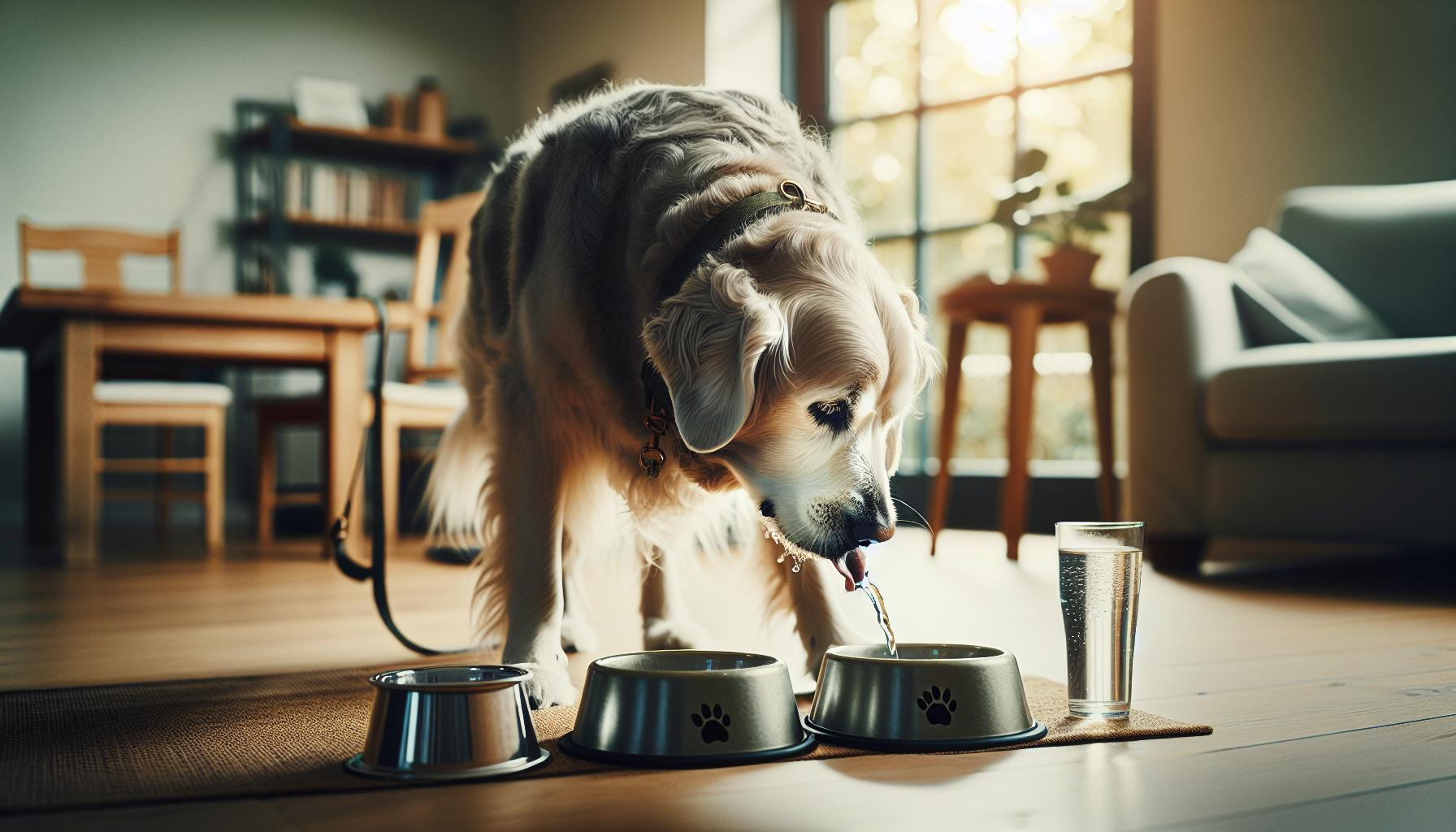
Why Increased Thirst May Indicate Health Problems
Noticing your senior dog drinking more water than usual can be concerning, as it may signal health issues that require attention. Increased thirst, known clinically as polydipsia, often arises in senior dogs due to various underlying conditions. If your furry friend starts guzzling water like a dehydrated marathon runner, it’s essential to consider what that increased thirst might mean.
Several health problems commonly affect older dogs and can lead to excessive drinking. For instance, diabetes mellitus causes high blood sugar levels, prompting your dog to drink more to cope with the excess glucose in the bloodstream. Similarly, kidney disease can impair the organ’s ability to concentrate urine, leading to more frequent urination and an increased need for hydration. Cushing’s disease, a condition where the adrenal glands produce too much cortisol, also manifests itself through increased thirst and urination. If you notice a combination of these symptoms, consulting a veterinarian for a thorough evaluation is crucial.
Moreover, it’s important to monitor not only the quantity of water your dog consumes but also any changes in behavior or physical condition. For example, if your senior dog exhibits signs of lethargy, weight loss, or an increased appetite alongside excessive thirst, these could be red flags pointing to serious health issues. Keeping a detailed diary of your pet’s drinking habits, behaviors, and any physical changes can be invaluable for your vet, helping them to diagnose the issue more effectively. Remember, proactive care is the key to maintaining your senior dog’s quality of life, so stay vigilant and don’t hesitate to seek veterinary advice if you encounter these concerns.
How Diet Affects Your Senior Dog’s Water Intake
Ensuring your senior dog stays hydrated is crucial, but it’s equally important to recognize how their diet plays a significant role in their overall water intake. Senior dogs often need tailored nutrition to meet their changing metabolic needs, and the food they eat directly affects how much water they consume. For instance, dry kibble typically contains about 10% moisture, while wet food can have up to 80%. This difference can dramatically alter your dog’s hydration levels. If your dog relies solely on dry food, they may need to drink more water to compensate for the lack of moisture in their diet.
Choosing the Right Food
When selecting a diet for your senior dog, consider both wet and dry options, as combining these can help optimize hydration. If your pup is a picky eater and usually shuns wet food, try mixing it with their preferred kibble. You might also consider foods enriched with nutrients that support kidney health and overall hydration, which are particularly beneficial for senior dogs facing age-related health issues. Always look for high-quality ingredients that don’t contain excessive fillers, as these may lead to dehydration and other health concerns.
Additionally, always provide fresh water alongside meals. Offering water immediately after feeding encourages your dog to drink, making it more likely they’ll stay adequately hydrated. Monitor your dog’s reaction to different diets; if you notice they drink more or less water with certain foods, it’s worth discussing with your veterinarian.
Reading Labels and Ingredients
Paying attention to the ingredient list on dog food packaging can prevent moisture-related issues. High protein and sodium levels may lead to increased drinking, especially in senior dogs. Aim for a balanced diet with proper ratios of protein, fats, and carbohydrates, tailored to your dog’s specific health condition. Engage with your veterinarian about the best dietary approach that supports not only hydration but also their overall health.
Remember, a gradual transition to any new diet should be done to avoid gastrointestinal upset. While dietary changes can have profound effects on hydration, it’s a holistic approach-considering diet, hydration strategies, and overall health-that ensures your senior dog remains happy and healthy in their golden years.
The Role of Kidney Function in Senior Dogs
The kidneys play a vital role in your senior dog’s overall health and hydration, acting as the body’s filtration system and regulating water balance. As dogs age, their kidney function can naturally decline, which might explain why you notice your dog drinking significantly more water. Understanding this connection can empower you to take proactive steps in managing your dog’s hydration and health.
When kidneys are functioning at their best, they effectively filter waste products from the bloodstream and concentrate urine, allowing dogs to retain more water. However, age-related kidney changes can lead to a decreased ability to concentrate urine, which means more water is lost through urination. This increased urination can prompt your dog to drink more frequently, creating a cycle that can often concern pet owners. For instance, breeds prone to kidney issues, such as the Labrador Retriever or the Dachshund, may be more susceptible to these changes as they age.
Regular veterinary check-ups should include assessments of kidney function, especially if you’re observing signs of excessive thirst. Your veterinarian may perform blood tests to check for elevated levels of certain waste products and conduct urine tests to evaluate the concentration and volume. Understanding whether your dog is facing chronic kidney disease (CKD) or other age-related kidney challenges is crucial, as appropriate treatment often involves dietary adjustments, increased hydration methods, and sometimes medications to support kidney health.
To help monitor your dog’s kidney health and hydration needs, consider establishing a routine. Keep track of their daily water intake by measuring how much water you’re filling their bowl each day and noting how much is left. Look for changes in appetite, energy levels, and urination frequency. If you suspect kidney issues or notice significant changes in drinking habits, consult your veterinarian promptly. Keeping a close eye on hydration and kidney health can improve your senior dog’s quality of life, ensuring that their golden years are as vibrant as they can be.
Behavioral Factors Behind Increased Water Consumption
It’s fascinating how our pets often reflect their feelings and needs through their behaviors, particularly when it comes to something as essential as water consumption. Many owners notice that their senior dogs seem to be drinking more water, which can sometimes be perplexing. Understanding the behavioral factors driving this increased thirst is vital in ensuring your canine companion remains healthy and comfortable in their golden years.
Dogs, like people, may develop habits that go beyond simple thirst. For some senior dogs, drinking more frequently can be linked to lifestyle changes. An older dog may become less active and spend more time resting, leading to a more sedentary lifestyle. This change can prompt a shift in hydration needs. Additionally, when dogs become less engaged with the world around them due to age, they may turn to drinking water for comfort or as a way to cope with boredom. Think about it: after years of wagging tails and playful romps in the yard, your dog’s relationship with water changes from a simple necessity to a comforting routine.
Another significant behavioral factor is the association between drinking and reward-based learning. Many dogs learn that when they drink water, it is often followed by something enjoyable, like a treat or a cuddle session. If your senior dog has learned to enjoy these moments after drinking, they may seek out water more frequently in anticipation of positive interactions. You can even enhance this behavior by incorporating a playful routine around water breaks, turning it into a special moment filled with praise or playtime.
It’s important to keep an eye on any changes in your dog’s behavior, especially regarding their drinking habits. Dogs can’t voice their discomfort, but they can certainly show it. If your dog is excessively drinking, consider keeping a daily log of their water intake alongside their behavioral patterns-like energy levels, mood, and activity. Not only will this provide useful data for your veterinarian, but it’ll also help you become more attuned to their needs. This proactive approach ensures that you can better address potential health issues while giving your beloved pet the attention and care they deserve in their senior years.
Monitoring Your Dog’s Water Intake: Tips and Tools
Monitoring your senior dog’s water intake is essential for understanding their hydration needs and overall health. Did you know that a sudden increase in your dog’s thirst could signal underlying health issues? By keeping track of their water consumption, you can catch these changes early and provide better care for your furry friend. With the right tools and techniques, monitoring can be as straightforward as it is necessary.
One effective way to keep tabs on your dog’s water intake is by using a measuring cup. Fill your dog’s water bowl with a known quantity of water, and note how much is consumed throughout the day. Make this a part of your routine-check the bowl at the same times every day to create consistency. Consider using a simple journal or app on your phone to log this information. This not only helps you assess patterns over time but also provides crucial data to share with your veterinarian during check-ups or if you notice any worrying symptoms.
Tools for Easy Monitoring
There are various tools specifically designed to make tracking your dog’s water intake easier. Here are some popular options:
- Spill-proof Water Bowls: These bowls are designed to minimize spillage, allowing you to better gauge how much your dog is drinking.
- Smart Water Dispensers: Some dispensers come equipped with apps that track water usage, sending you alerts if intake increases or decreases abnormal levels.
- Water-Tracking Apps: Available on smartphones, these apps can help you record daily water intake and even set reminders to refill your dog’s bowl.
Using these tools can simplify your monitoring efforts, allowing you to focus more on enjoying time with your dog. It’s also helpful to keep an eye on the water temperature; dogs often prefer fresh, cool water. Remember, every bit of data provides insight into your dog’s health, helping you understand not just their hydration needs but also their overall well-being.
Incorporating this monitoring into your daily routine doesn’t need to feel like a chore. It can be an opportunity to bond with your dog-make it a game! For example, after filling the bowl, encourage your dog to come drink by using treats or toys as lures. This playful approach allows you to track their intake while promoting hydration habits. By being proactive and attentive, you’re contributing positively to your senior dog’s quality of life, keeping them hydrated and healthy during their golden years.
When to Consult a Veterinarian About Thirst
When observing your senior dog, it’s vital to be attuned to their drinking habits, especially if it seems like they are consuming unusually high amounts of water. Did you know that increased thirst, known as polydipsia, can be more than just a quirk? It could indicate underlying health issues, particularly among dogs in their golden years. Consulting a veterinarian becomes crucial if you notice significant changes in your dog’s thirst patterns, as these changes can often signal conditions like diabetes, kidney disease, or Cushing’s disease.
If your dog is drinking more water than usual, consider the age-related changes they are experiencing. Factors such as decreased kidney function or hormonal changes can influence their hydration needs. Keep a close eye on additional symptoms that may accompany excessive thirst, such as frequent urination, weight loss, lethargy, or altered appetite. These signs are not only distressing but can also provide valuable information when consulted with a vet. Documenting these behaviors can create a clearer picture for your veterinarian, allowing them to make a more informed diagnosis.
Don’t wait until it becomes a serious issue; act proactively if you suspect something is amiss. Schedule a vet appointment if your dog’s thirst increases dramatically over a short period or if it is accompanied by concerning symptoms. Your vet will likely conduct tests to rule out any serious conditions and help you understand your dog’s unique hydrating needs.
Lastly, embrace the conversation with your vet as a collaborative one. They can provide tailored advice on managing your dog’s hydration based on their specific health status and breed-related needs. For instance, some breeds are more prone to certain health conditions that may affect hydration. By staying vigilant and engaged, you ensure your senior dog’s health remains a priority, enhancing their quality of life during these precious years together.
Hydration Strategies for Senior Dogs
As your canine companion ages, ensuring their hydration becomes increasingly crucial. Did you know that senior dogs are particularly susceptible to dehydration due to various age-related changes in their bodies? That’s why implementing sound hydration strategies is not just beneficial; it’s essential for their health and well-being. Here’s how you can help your senior dog stay well-hydrated.
First, consider their water accessibility. Make sure fresh water is always available, ideally in multiple easily reachable bowls around your home. Some dogs may prefer drinking from one location over another, so having options can encourage them to drink more. Additionally, consider using a dog water fountain; many dogs find running water more appealing than still water.
Enhancing Water Consumption
To boost your dog’s fluid intake, you can incorporate watery foods into their diet. Offering wet dog food or adding water or low-sodium broth to their kibble can make a difference. Many dogs enjoy frozen treats made from low-sodium broth with added vegetables or fruit, turning hydration into a tasty snack. For example, cucumber and watermelon are both safe and hydrating options that many dogs love.
If you’re dealing with a breed prone to hydration-related issues-like Bulldogs or Dachshunds that can suffer from obesity or kidney problems-monitor their water intake closely. Keeping a log of their daily water consumption can help you identify any concerning trends and will be invaluable information for your vet during check-ups.
Finally, during walks or playtime, especially on hot days, carry portable water bowls to ensure your dog stays hydrated. Just like us, dogs can expend a lot of energy and sweat through their paw pads, making them thirsty. Frequent breaks for hydration will keep them comfortable and energized during their outings.
By becoming vigilant about your senior dog’s hydration needs and implementing these strategies, you can help them enjoy their golden years with joy and vigor. Hydrated dogs are not only healthier but also happier, ensuring many more adventures together!
Myth-Busting: Water Intake and Dog Age
As dogs age, their bodies undergo numerous changes that can lead to alterations in their hydration needs. One common misconception is that older dogs simply need less water than their younger counterparts. In truth, the opposite is often true: many senior dogs require increased water intake to stay healthy. This heightened need arises from factors such as reduced kidney function, medication side effects, and diet changes. Understanding these dynamics can equip you with the knowledge to ensure your senior dog remains hydrated and experiences optimal health.
It’s also important to recognize that not all breeds have the same hydration requirements as they age. Large breeds, for instance, may drink more water simply because of their size and activity level, while smaller breeds can be more prone to dehydration due to their higher metabolic rates. Implementing a tailored hydration strategy based on your dog’s specific needs is essential. For example, breeds like Greyhounds may require more frequent hydration breaks during walks, while heavyset breeds like Bulldogs might need to be monitored closely to prevent obesity-related health issues.
Moreover, owners should be aware that senior dogs can exhibit behavioral changes that influence their water consumption. For instance, a dog accustomed to drinking from a certain bowl may suddenly refuse it due to discomfort or difficulty. Innovatively adapting their drinking environment-such as providing elevated bowls or a pet fountain-can make drinking more enjoyable.
Ultimately, keeping an eye on your senior dog’s water intake is crucial. Regularly checking their drinking habits and consulting with your veterinarian if you notice significant changes can help catch potential health issues early on. Keeping your dog hydrated is a key aspect of senior care that contributes not only to their physical health but also to their overall quality of life. By busting myths surrounding hydration and age, you can better support your furry friend’s well-being as they navigate their golden years.
Improving Your Senior Dog’s Overall Health and Hydration
As your furry friend transitions into their golden years, maintaining proper hydration becomes a critical component of their overall health and well-being. Did you know that many senior dogs show a greater need for water compared to their younger counterparts? This increased thirst can often be a reflection of age-related changes in their bodies, including shifting kidney function and dietary alterations. By understanding these hydration needs and adjusting your care practices accordingly, you can significantly enhance your senior dog’s quality of life.
One effective strategy to support your senior dog is to be proactive about their hydration routine. Ensure that clean, fresh water is available at all times, and consider investing in a pet water fountain. Many dogs are drawn to the sound of flowing water, which may encourage them to drink more. Additionally, if your dog has difficulty bending down to drink, try using elevated food and water bowls, which can reduce strain on their joints and make the act of drinking more comfortable.
Another critical aspect of hydration is the type of food your dog consumes. Wet foods typically have higher moisture content, contributing to overall water intake. Transitioning to a high-quality, moisture-rich diet can be beneficial in helping keep your dog hydrated. For those who prefer dry kibble, consider adding water or low-sodium broth to their meals to boost hydration. It’s also important to monitor their intake by keeping track of the amount of water consumed daily and watching for any significant changes.
Finally, creating a routine that incorporates regular bathroom breaks can help prevent urinary tract issues that seniors may be more susceptible to due to their increased thirst. Regular walks not only encourage drinking but also promote healthy digestion and active living. By staying vigilant about your senior dog’s hydration status and offering practical solutions tailored to their needs, you support not just their physical health, but also their happiness and comfort during this important stage of life.
FAQ
Q: Why is my senior dog suddenly drinking a lot of water?
A: Increased water intake in senior dogs can indicate underlying health issues such as kidney disease, diabetes, or Cushing’s disease. Monitor their behavior closely, and consult your veterinarian if you notice sudden changes in thirst or urination to rule out any serious conditions.
Q: What common health conditions cause excessive thirst in dogs?
A: Conditions such as diabetes mellitus, kidney disease, and hyperadrenocorticism (Cushing’s disease) are known to cause excessive thirst in senior dogs. Regular veterinary check-ups can help diagnose these issues early, ensuring your dog’s health is managed effectively.
Q: How can I tell if my dog is drinking too much water?
A: A clear sign of excessive water intake is increased urination, which may be accompanied by accidents in the house. If you notice your dog drinking significantly more than usual, it’s essential to monitor their water intake over a week and consult a veterinarian.
Q: Should I change my senior dog’s diet if they’re drinking more water?
A: If your senior dog is drinking more water, dietary adjustments may be necessary. Dry food can increase thirst; consider switching to a wet food formulation or adding water to their meals. Always consult your vet to tailor changes according to your dog’s specific health needs.
Q: When is it time to see a vet about my dog’s drinking habits?
A: If your senior dog is drinking excessively for more than a couple of days, or if you notice other symptoms like lethargy, weight loss, or vomiting, it’s crucial to see a vet. Early intervention can prevent complications associated with underlying health issues.
Q: Can medications increase my dog’s thirst?
A: Yes, certain medications, like corticosteroids or diuretics, can lead to increased thirst and urination in dogs. If your senior dog has started a new medication and you notice these changes, discuss it with your veterinarian to understand the implications for their health.
Q: What routine can help me monitor my senior dog’s water intake?
A: Establish a daily routine by measuring your dog’s water intake and noting any changes. Use a measuring cup to track how much water they drink in a day, and keep a log to discuss with your veterinarian during check-ups. This can help identify patterns and potential health issues.
Q: How does age affect a dog’s hydration needs?
A: Older dogs may require more hydration due to a decrease in kidney function and changes in metabolism. Their ability to retain water diminishes, which means they might drink more to compensate. Ensure they always have access to fresh water to meet their body’s needs.
The Way Forward
Understanding why your senior dog is drinking more water can be crucial for their health and well-being. Often, increased thirst can indicate underlying age-related issues that may require a veterinarian’s attention. Don’t wait-schedule a check-up today to ensure your furry friend receives the proper care they deserve. For additional insights, check out our resources on managing common senior dog health concerns and how to create a hydration plan tailored to their needs.
Curious about other signs of aging in dogs? Explore our guides on common behavioral changes in senior pets and nutritional adjustments for older dogs. Your dog is counting on you to help them navigate their golden years-start today! If you found this information helpful, consider signing up for our newsletter for tips and updates on senior dog care directly to your inbox. Let’s keep those tails wagging together!