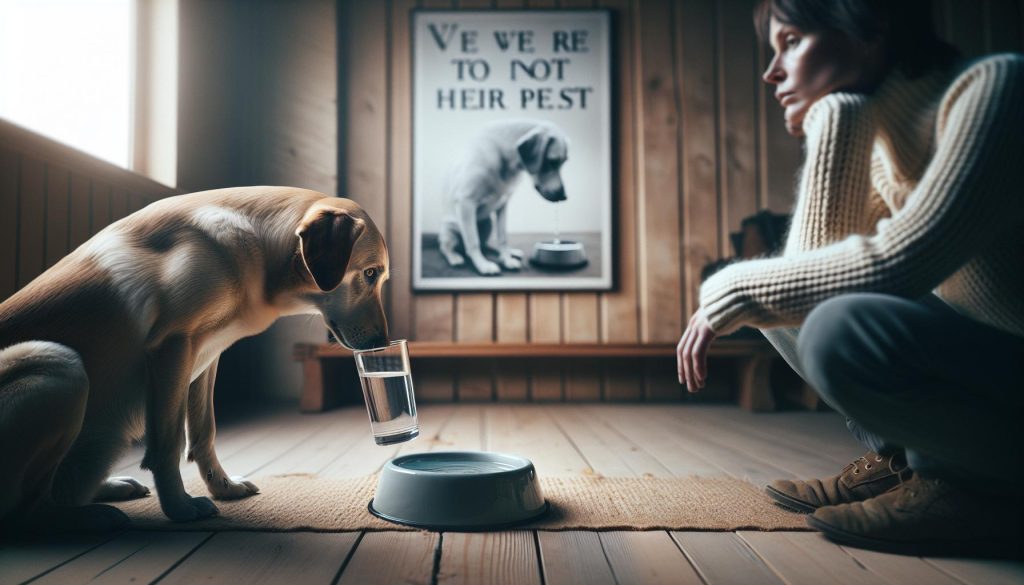
Did you know that just like humans, dogs can experience dehydration, which can be a serious health risk? If your furry friend suddenly stops drinking water, it’s essential to understand the potential warning signs and underlying reasons. Whether you’re a new dog owner or have years of experience, noticing changes in your dog’s drinking habits can be concerning. In this article, we’ll explore the various factors that may lead to decreased water intake, from health issues to environmental changes, helping you to pinpoint the cause and ensure your pet stays healthy and hydrated. Armed with this knowledge, you’ll be better equipped to support your dog’s well-being and foster a happy, thriving relationship.
Common Reasons Dogs Stop Drinking Water
When dogs suddenly stop drinking water, it can signal an underlying issue that needs attention. One common reason is a change in their environment. For instance, a new pet or person in the household, disruptive noises, or a shift to a different bowl might discourage them from hydrating. Dogs are creatures of habit, and any disruptions can lead to stress, which often affects their drinking habits. Moreover, some dogs are more sensitive to changes than others; for example, a nervous Chihuahua may react more severely to minor changes than a laid-back Labrador.
Another significant factor is the temperature of the water. Dogs may avoid drinking if the water is either too cold or too warm. Changing the bowl to a more insulated type or ensuring fresh water is offered regularly can help keep them more inclined to drink. Additionally, certain medications can also impact a dog’s thirst levels. Medications for pain, anxiety, or steroids may cause decreased hydration. Observing your dog’s behavior and coordinating with your veterinarian can clarify if medications are the cause.
Dental issues are also a critical aspect often overlooked. If your dog is experiencing pain while drinking or chewing, they may avoid water due to discomfort. A thorough dental check-up can reveal hidden problems like gum disease or broken teeth that might make drinking painful. Lastly, consider your dog’s diet; dry kibble can lead to varying hydration levels compared to wet food. If your dog primarily eats dry food, they may need to drink more water, so monitoring their intake and adjusting their diet accordingly can ensure proper hydration.
Ultimately, by staying attuned to your dog’s needs and behaviors, you can manage their water intake effectively and address any potential issues promptly. Remember, hydration is vital for your dog’s overall health, and being proactive is the best way to ensure they thrive.
Identifying Warning Signs of Dehydration

Recognizing when your dog is becoming dehydrated can make all the difference in ensuring their health and well-being. Every dog owner should be vigilant; knowing the signs that indicate your furry friend might not be getting enough water can prevent serious health issues down the road. Dogs are particularly susceptible to dehydration, and unlike humans, they can’t communicate their discomfort directly. Therefore, observing subtle changes in their behavior and physical condition is crucial.
One of the first warning signs of dehydration is a decrease in your dog’s energy levels. Is your usually playful pup suddenly lethargic or uninterested in their favorite games? Additionally, monitor their skin elasticity. You can perform a quick test by gently pinching the skin at the back of their neck. If it doesn’t snap back into place quickly, this could signal dehydration. Also, check your dog’s gums; they should be moist and pink. Dry, tacky gums and a change in color-like a pale hue-are also critical indicators of dehydration.
In more severe cases, look for additional signs such as excessive panting, sunken eyes, or a dry nose. A dog with severe dehydration may also have a decreased appetite and increased heart rate. If your dog displays any of these symptoms, it’s essential to act quickly. While mental and physical changes can be alarming, keeping a watchful eye on your dog’s drinking habits and being proactive can save them from experiencing the dangers of dehydration. Remember, making sure your dog has constant access to fresh water is key to preventing these warning signs from developing in the first place.
Ultimately, your ability to observe and respond to these signs can enhance your dog’s quality of life. Dogs thrive on our attentiveness and care, so staying informed and proactive is the best strategy for keeping them hydrated and healthy.
Health Issues That Affect Drinking Habits

Some health issues can significantly impact a dog’s drinking habits, leading to decreased water intake that can rapidly spiral into dehydration. It’s crucial for dog owners to understand these potential problems so they can proactively manage their pet’s hydration and address any underlying health concerns.
Conditions like kidney disease often manifest as excessive thirst initially, followed by a noticeable drop in drinking if the disease progresses. Similarly, diabetes mellitus can lead to increased thirst and urination; however, as the condition worsens, dogs may stop drinking adequately. Infections-especially urinary tract infections-can also cause discomfort when drinking, leading to a reluctance to hydrate. Other underlying issues include dental problems, which may make it painful for a dog to consume water, or gastrointestinal problems that can lead to nausea and decreased appetite for both food and water.
Furthermore, certain medications can alter a dog’s drinking habits. For example, steroids may increase thirst, while others might have the opposite effect. It’s vital for dog owners to monitor not only their dog’s water intake but also any changes in their health or behavior. If your dog shows signs of discomfort when drinking, such as whining or turning away from the bowl, it might be time to consult with a veterinarian. Always watch for additional signs such as lethargy, vomiting, or changes in urination patterns, as these can all indicate a deeper health concern that requires immediate veterinary attention.
By being observant and responsive, you can help ensure your furry companion stays hydrated and healthy, making the bond you share even stronger. Keeping detailed notes about your dog’s drinking habits can be incredibly beneficial during veterinary visits, as it provides a clear picture of your dog’s overall wellness and any possible health issues.
The Impact of Diet on Water Intake
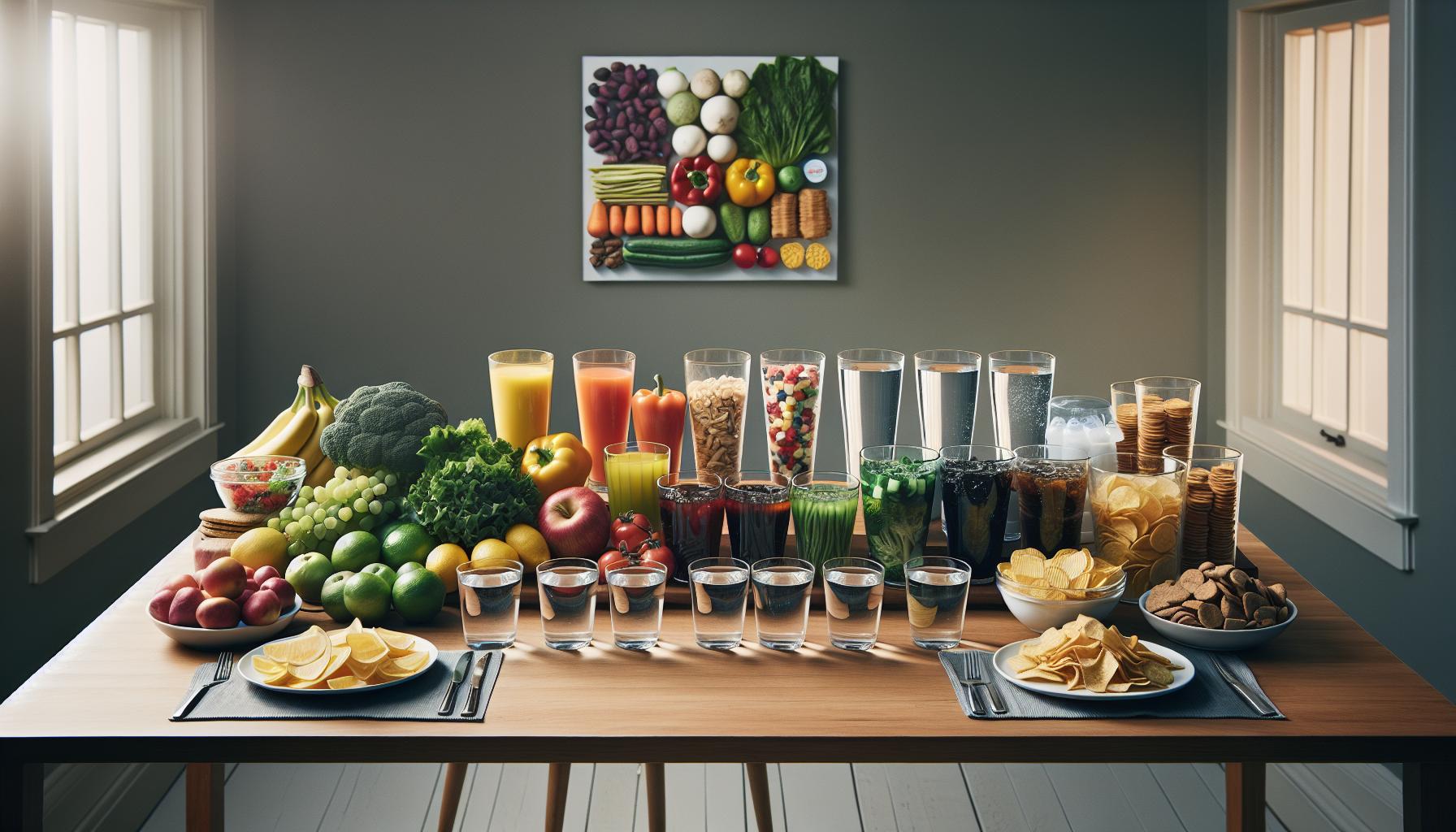
When delving into why some dogs may stop drinking water, it’s essential to consider the profound influence their diet can have on hydration. Did you know that the moisture content of your dog’s food can significantly impact their water intake? Dogs on a dry kibble diet might need to drink more water compared to those consuming wet or raw diets, which inherently provide a higher moisture content. This is crucial because if a dog is eating primarily dry food and not drinking enough water, it can quickly lead to dehydration.
Understanding Moisture Content in Dog Food
Dogs that consume wet food, such as canned varieties, typically get a significant portion of their hydration from their meals. This can reduce their overall water intake needs, making it seem like they’re drinking less when, in fact, they are still adequately hydrated. Conversely, dogs on a dry kibble diet may require more water to compensate for the lack of moisture in their food. If a breed known for having a more sensitive digestive system, like a Bulldog or a Shih Tzu, is fed a dry diet and drinking less, it could exacerbate gastrointestinal issues.
It’s worth noting that diet also affects the palatability of food and water. Some dogs are picky eaters, and if their food is bland or unappealing, they might also show less interest in drinking. Consider enhancing the taste of your dog’s water by adding low-sodium broth or providing ice cubes made from broth to make hydration more appealing.
Adapting Diet for Hydration
To ensure your dog stays hydrated, think about these dietary strategies:
- Incorporate Wet Food: Mixing wet and dry food can help increase moisture intake.
- Choose High-Quality Brands: Opt for premium dog foods that focus on wholesome ingredients and higher moisture content.
- Provide Fresh Water: Always ensure your dog has access to fresh, clean water. Change it frequently to encourage drinking.
- Monitor Food Changes: If you switch your dog’s food, observe any changes in their drinking habits.
Understanding the dietary patterns of your dog can be a game-changer in managing their hydration levels. By being mindful of both the food you offer and how it affects their water intake, you can ensure your furry friend remains healthy and happy, fostering that special bond you share. If concerns about hydration persist, consider consulting your veterinarian for tailored advice based on your dog’s specific dietary needs and health status.
Environmental Factors That Influence Hydration
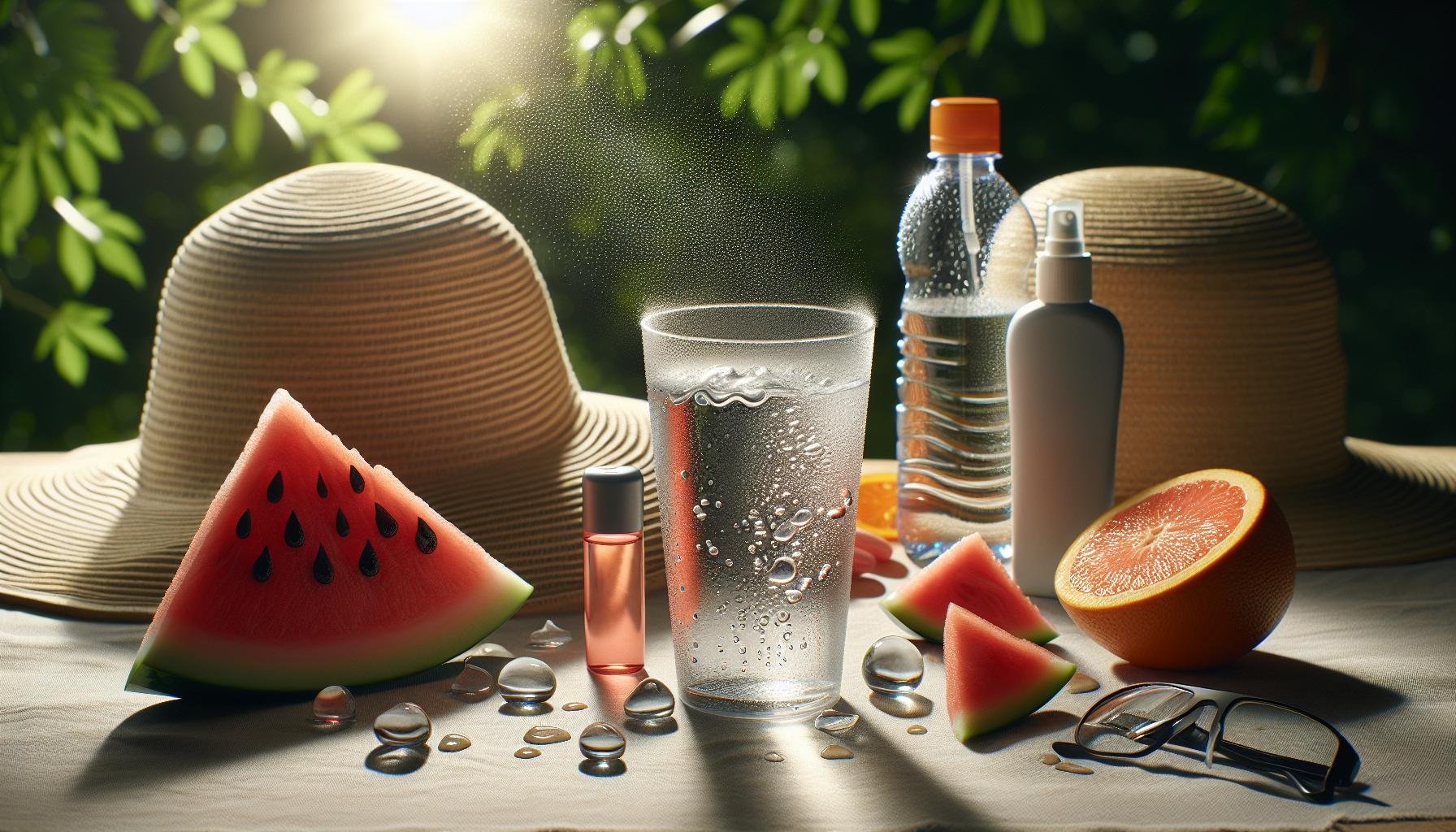
Understanding the environment in which your dog lives is crucial for ensuring they stay properly hydrated. Factors like temperature, humidity, and whether your dog primarily resides indoors or outdoors can drastically impact their water needs. For instance, during hot summer months, dogs can lose water quickly through panting, and you may notice they need more water than usual. Conversely, in cooler weather, some dogs might drink less, thinking they don’t need as much hydration to stay comfortable.
Another environmental consideration is the availability and accessibility of water. Dogs need to have a clean and fresh water supply accessible at all times. If water bowls are placed in busy areas, they might inadvertently get knocked over or become difficult for your dog to reach, leading to decreased water intake. Designate a quiet, comfortable spot for their water bowl where they can drink undisturbed. You might even want to invest in a pet water fountain, which not only keeps water fresh and cool but can also encourage dogs to drink more because of the movement.
Humidity levels in your home can also play a role in your dog’s hydration habits. For example, extremely dry air, often seen in winter months, can lead to increased water loss through your dog’s skin and respiratory system, signaling a need for water. Additionally, dogs that are more active or spend time outdoors in warm weather will require more water to counterbalance energy expenditures and moisture loss.
Lastly, consider any environmental stressors your dog may encounter, such as loud noises or changes in their living situation, like moving to a new home. Stress can significantly impact many pets, leading to changes in eating and drinking habits. If you observe that your dog seems more anxious or is retreating from their water bowl, it might be beneficial to provide a calming environment or introduce comforting items like toys or blankets to ease their stress.
Behavioral Changes Linked to Water Consumption
When it comes to our furry friends, hydration is a fundamental aspect of their health that can be surprisingly influenced by their behaviors and habits. If you notice changes in your dog’s water consumption, it could signal underlying behavioral shifts that warrant attention. Dogs are creatures of habit; thus, any departure from their usual drinking patterns can be particularly telling. For instance, if your normally enthusiastic drinker suddenly shows disinterest in water, it might not just be a matter of preference but could reflect changes in their emotional state or routine.
One common behavior linked to water consumption is anxiety. Just like humans, dogs can become stressed due to changes in their environment or routine. If you’ve recently moved, welcomed a new pet, or experienced a shift in family dynamics, your dog may be feeling anxious, which can lead to reluctance to drink. A personal anecdote comes to mind: after adopting a second dog, my first pup became wary of her surroundings and started avoiding her water bowl. Creating a calm, stable environment and maintaining routines can help. Consider using calming aids such as pheromone diffusers, which might ease their stress and encourage them to return to their normal drinking habits.
Another behavioral aspect to consider is learned behavior or association. If a dog has had a negative experience near their water bowl-maybe a loud noise occurred when they were drinking-they may associate drinking with that anxiety-inducing event. To alleviate this, try relocating their water bowl to a quieter space or introducing positive reinforcement when they do approach it. Offering treats or praise when they take a sip can help rebuild a positive association.
Lastly, it’s vital to recognize that aging can also alter a dog’s behavior towards drinking. Older dogs often face new challenges-such as joint pain-that may make it more difficult for them to get to their bowls. Encouraging hydration can require a little more creativity in these cases. Elevated water dishes may help or placing water bowls in various areas of the home to make drinking more convenient. Recognizing these shifts early allows for proactive measures, ensuring your dog remains happy and healthy.
In summary, being observant of your dog’s drinking habits can provide valuable insights into their emotional and physical well-being. Changes in behavior related to water consumption can stem from anxiety, learned behavior, or aging issues. By creating a supportive environment and encouraging positive interactions with their hydration, you can help ensure that your furry companion stays well hydrated and happy.
Age-Related Changes in Dogs’ Drinking Patterns
As dogs mature, their needs and behaviors can shift significantly, particularly when it comes to hydration. There’s a surprising statistic that reveals older dogs, particularly those over the age of seven, often decrease their water intake by as much as 30%. This drop in hydration can be attributed to a variety of factors associated with aging, making it essential for pet owners to be aware of these changes to ensure their furry companions remain healthy and hydrated.
One pivotal change in older dogs is decreased thirst drive. Just like humans, as dogs age, their kidneys may become less efficient at filtering and regulating water, which can dull the sensation of thirst. This decline can lead to an overall reduced desire to drink, putting older pups at a higher risk for dehydration. To combat this, consider creating a water regimen that encourages regular hydration, such as providing multiple water bowls in different locations. Offering fresh water frequently can also help, as dogs are more likely to drink if their water is always clean and appealing.
Older dogs may also face mobility issues that prevent them from accessing their water bowls easily. For instance, a dog suffering from arthritis might struggle to stand up or reach down to a low bowl. To assist them, try using elevated water dishes or placing bowls in areas where they can comfortably get to them without straining. Additionally, keep an eye on their environment; slippery floors can pose a threat to their safety and contribute to decreased water intake due to fear of falling.
Another factor affecting water consumption in senior dogs is dietary changes. Older dogs typically require diets that suit their metabolic needs, sometimes resulting in food that has lower moisture content. If your dog prefers dry kibble, consider mixing in some wet food to boost their overall hydration intake. Alternatively, offering ice cubes as a treat can encourage drinking in an enjoyable way, especially during warm weather.
In conclusion, recognizing that age-related changes can significantly impact a dog’s drinking patterns is vital for their well-being. Keep an attentive eye on your senior dog’s hydration needs and be proactive in addressing any obstacles they may face. By providing accessible water sources and adjusting their diet accordingly, you can help ensure your aging companion stays hydrated, happy, and healthy.
Hydration Strategies for Picky Drinkers
Keeping your dog well-hydrated can sometimes feel like a challenge, especially if you have a picky drinker on your hands. It’s surprising how some dogs exhibit strong preferences about their water sources, and pet owners often find themselves perplexed about how to encourage these finicky furballs to sip more water. A little creativity and some strategic adjustments can go a long way in making hydration a more appealing proposition for your pet.
One effective approach is to experiment with different types of water bowls. Some dogs prefer ceramic or stainless steel bowls over plastic, likely due to taste and smell. Additionally, consider the shape and depth of the bowl: shallow bowls may be better for smaller breeds, while larger, heavy-bottomed bowls can prevent spills and provide stability. Positioning these bowls in various locations around your home-such as near favorite resting spots-can also increase accessibility and encourage your pup to drink more frequently.
Don’t underestimate the power of enhancing the appeal of plain water. Dogs often enjoy flavored water! Try adding low-sodium broth or a splash of coconut water to their bowls. You can even freeze broth in ice cube trays to create enticing ice treats for hot days. These additions can make drinking feel like a special occasion rather than a mundane task. Alternatively, incorporate wet food into their diet which naturally increases hydration levels, or try water-rich fruits like watermelon as occasional treats.
Regular environmental adjustments can also foster more drinking. Make sure water is always fresh and clean; dogs are more likely to drink if they enjoy the taste and smell of their water. Change the water several times a day and consider using a pet water fountain that keeps the water flowing and aerated, mimicking a more natural source-many dogs find running water irresistible!
And finally, don’t forget to lead by example! Spend time alongside your dog while they drink, offering encouragement and affection. If you have a designated drinking time after walks or play sessions, reinforce this habit by maintaining a consistent routine. Combining these strategies can significantly boost your dog’s water intake while making hydration not just a necessity, but a delightful part of their day!
By incorporating these creative tips, you can turn drinking water from a chore into a more engaging and enjoyable activity for your dog. Remember, staying proactive about hydration can help ensure your furry friend remains energetic, healthy, and happy.
How to Encourage Your Dog to Drink More Water
Keeping your dog hydrated is essential for their overall health and well-being, but if your furry friend is reluctant to drink water, it can be concerning. Fortunately, there are several effective strategies to encourage them to drink more water and reduce the risk of dehydration.
One of the simplest yet most effective methods is to keep their water fresh and appealing. Dogs are more likely to drink when they enjoy the taste of their water, so changing it daily and thoroughly cleaning the water bowl can make a huge difference. For pet parents, investing in a pet water fountain might be worthwhile. Many dogs are attracted to flowing water, which can stimulate their natural instincts and encourage them to drink more frequently.
Another great way to entice your dog is by adding some flavor to their water. Mixing in a small amount of low-sodium broth, or even a hint of coconut water, can transform plain water into a tasty treat. Freezing broth into ice cubes or providing wet food as a part of their diet can also help increase their overall water intake. This is particularly beneficial for dogs that may not drink enough on their own, especially during hot weather or after vigorous exercise.
It’s also important to consider the environment where your dog drinks. Some dogs may feel uncomfortable drinking in a busy or noisy area. Try placing water bowls in quieter spaces where your dog feels safe. Positioning bowls near their favorite resting spots may also encourage them to drink more often. Additionally, you can create a routine around drinking by taking breaks during walks or playtime, making it a natural part of their day.
Lastly, leading by example can be surprisingly effective. If your dog sees you drinking water, they may be more inclined to do the same. Always remember to be patient and keep experimenting with different approaches, as each dog has their unique preferences. With a little effort, you can make hydration an enjoyable and regular part of your dog’s lifestyle.
When to Consult a Veterinarian
When a dog suddenly stops drinking water, it can be alarming for any pet parent. Hydration is fundamental to a dog’s health, and a marked decrease in their water intake can signal an underlying issue. If you notice that your canine companion is reluctant to drink, it’s essential to monitor their behavior closely. Specifically, watch for changes that coincide with their reluctance to hydrate. These might include lethargy, dry gums, signs of pain or discomfort, or any unusual changes in appetite or behavior.
Here are some critical signs that indicate it’s time to reach out to your veterinarian:
- Persistent Lack of Water Intake: If your dog hasn’t drunk water for more than 24 hours, it’s crucial to consult a veterinary professional, as this can quickly lead to severe dehydration.
- Physical Symptoms of Dehydration: Look out for dry gums, increased heart rate, or a loss of skin elasticity. A simple test to check skin elasticity is to gently pinch the skin at the back of your dog’s neck; if it doesn’t snap back quickly, it may indicate dehydration.
- Visible Discomfort or Pain: If your dog exhibits signs of distress such as whining, pacing, or reluctance to move, a vet visit is warranted. Pain can often impact a dog’s desire to drink.
- Accompanying Gastrointestinal Issues: Vomiting, diarrhea, or bloating alongside a refusal to drink necessitates immediate veterinary attention as these can exacerbate dehydration that needs to be treated promptly.
- Breed-Specific Concerns: Some breeds are more prone to specific health issues that can influence drinking habits. If you have a breed known for certain health conditions (like brachycephalic breeds struggling with breathing), keep these factors in mind when assessing their hydration needs.
It’s vital to take any of these signs seriously. Delaying a vet visit can lead to more severe health issues and complications. As responsible pet parents, staying observant and proactive about any changes in behavior is key to ensuring our dogs remain healthy and happy. Always trust your instincts; if you feel something isn’t right, it’s best to err on the side of caution and seek professional advice.
Understanding Breed-Specific Hydration Needs
Understanding the hydration needs of different dog breeds is crucial for maintaining their health, especially since various breeds can have distinct drinking habits and requirements. Some dogs are more prone to dehydration due to underlying health conditions or physical characteristics unique to their breed. For example, brachycephalic breeds like Bulldogs and Pugs often struggle with respiratory issues that can affect their thirst drive. Because these dogs may find it harder to drink comfortably, it’s essential for owners to be vigilant about their water intake.
Considerations for Specific Breeds
Different breeds have varying hydration benchmarks based on their size, age, activity level, and health background. Here’s how hydration needs can differ:
| Breed Type | Typical Daily Water Intake | Special Considerations |
|---|---|---|
| Small Breeds (e.g., Chihuahua, Dachshund) | 1/2 to 1 cup | Quick dehydration; monitor during hot weather. |
| Medium Breeds (e.g., Beagle, Bulldog) | 1 to 2 cups | Brachycephalic breeds may struggle; ensure easy access to water. |
| Large Breeds (e.g., Labrador, Golden Retriever) | 2 to 4 cups | Higher activity levels may increase water needs. |
Making hydration more appealing is particularly important for picky drinkers. Adding a splash of low-sodium broth to their water or offering ice cubes during hot weather can encourage heightened interest in drinking. Providing fresh water multiple times a day and ensuring bowls are clean can significantly impact their hydration habits.
Age and Health Impact
Age can also influence a dog’s hydration needs. Puppies, for instance, require more water relative to their size compared to adult dogs. Senior dogs may suffer from health conditions like kidney disease, affecting their thirst and leading to potential dehydration. If you notice your older dog drinking less, consult with a veterinarian about how to address these changes.
Being proactive about breed-specific hydration needs is not just beneficial-it’s essential. If you’re a new pet owner or are considering adopting, familiarize yourself with the typical drinking habits of your chosen breed to foster a happier, healthier pet.
Q&A
Q: Why has my dog suddenly stopped drinking water?
A: Your dog may stop drinking water suddenly due to various reasons, including stress, changes in environment, illness, or dental issues. Always monitor their behavior and consult a veterinarian if the change persists, as it could indicate underlying health problems.
Q: How can I tell if my dog is dehydrated?
A: Signs of dehydration in dogs include sunken eyes, dry gums, loss of skin elasticity, lethargy, and a reduction in urine production. If you notice these symptoms, encourage your dog to drink and consult your veterinarian promptly.
Q: What health issues can affect a dog’s drinking habits?
A: Health issues such as kidney disease, diabetes, or infections can significantly impact a dog’s thirst. Regular vet check-ups can help catch these problems early. It’s crucial to observe any sudden changes in water intake.
Q: Can changes in diet cause my dog to drink less water?
A: Yes, diet plays a crucial role in a dog’s hydration. Dry kibble can increase thirst, while wet food may lead to lower water intake. Monitor your dog’s diet and ensure they have access to fresh water, especially if switching food types.
Q: What environmental factors can influence my dog’s hydration?
A: High temperatures, low humidity, and exercise can increase a dog’s hydration needs, while a cooler environment may decrease it. Always provide fresh water and adjust intake based on the environment and activity level.
Q: Are there breed-specific hydration needs I should be aware of?
A: Certain breeds may require more water than others due to their size, activity level, or health conditions. For example, larger breeds might need more water than toy breeds. Understanding your dog’s specific needs can help ensure proper hydration.
Q: How can I encourage my dog to drink more water?
A: To encourage your dog to drink more, try offering fresh water frequently, using a pet fountain, adding water to their food, or providing ice cubes as a treat. Experiment with different bowls or locations to find what works best.
Q: When is it crucial to consult a veterinarian about my dog’s drinking habits?
A: You should consult a veterinarian if your dog hasn’t drunk water for more than 24 hours, shows signs of dehydration or illness, or has sudden changes in thirst patterns. Early intervention is key to preventing serious health issues.
In Conclusion
If your dog has suddenly stopped drinking water, it’s crucial to recognize the warning signs and act quickly. Hydration is vital for your pet’s health, and understanding the reasons behind this behavior can save them from serious health issues. Remember, if dehydration worsens, seek veterinary help immediately!
For additional insights, check out our articles on common signs of dog dehydration and essential care tips for your furry friend. Staying informed about your dog’s needs enables you to make the best decisions for their well-being. Don’t hesitate to explore our resources on choosing the right dog food or understanding the implications of dietary changes.
Engage with us by commenting below-share your experiences or ask questions, and let’s create a community that supports each other in raising happy, healthy dogs. Subscribe to our newsletter for expert tips straight to your inbox, and continue your journey towards being the best dog owner you can be!