
When considering adding an Australian Labradoodle to your family, understanding their size is crucial. These lovable dogs combine the charm of Labradors with the elegance of Poodles, resulting in a range of sizes that can surprise potential owners. Knowing how big Australian Labradoodles can grow helps in preparing your home, selecting the right gear, and ensuring a comfortable lifestyle for your furry companion.
With their friendly demeanor, Australian Labradoodles are not just pets; they’re family members that require space to play and grow. You’ll want to ensure that your living situation meets their needs as they transition from adorable puppies to full-sized adults. In this guide, we’ll explore the different size variations, key factors influencing their growth, and what you can anticipate as your puppy matures. Understanding these aspects will empower you to provide the best care for your new best friend, making your journey together even more rewarding. So, let’s dive in and discover how big your future Labradoodle can get!
Understanding the Size of Australian Labradoodles
Australian Labradoodles are known for their distinctive charm and loving nature, but many prospective owners often wonder just how big these delightful dogs can get. Understanding their size is essential not just for choosing the right breed for your home but also for planning their living space and exercise needs. A full-sized Australian Labradoodle can typically reach heights ranging from 21 to 24 inches, depending on their generation and lineage. Weighing between 50 to 65 pounds, these dogs boast a strong yet graceful build that appeals to many dog enthusiasts.
Genetics play a significant role in determining size, influenced by their parent breeds: the Standard Poodle and the Labrador Retriever. An added factor is the generation of the Labradoodle, which can include variations like F1, F1B, or multigenerational, each bringing unique size characteristics. For instance, F1 (first-generation) Labradoodles may vary more widely in size due to the genetic contributions of both parent breeds, whereas multigenerational pups tend to have more consistent sizes, typically falling within a predictable range.
Engaging with your Australian Labradoodle’s growth involves regular veterinary check-ups and ensuring you follow the best practices for feeding and exercise tailored to their developmental stage. By embracing this dynamic journey of growth and learning, owners can foster a healthy, well-adjusted dog while nurturing that adorable puppy energy that captured their hearts in the first place. Remember, regardless of their eventual size, the love and companionship they provide will always be immeasurable.
Factors Influencing Australian Labradoodle Size
Australian Labradoodles are a delightful blend of intelligence and charm, but their size can vary significantly due to several key factors. Understanding what influences their dimensions not only helps future owners set realistic expectations but also ensures they provide the best environment for their furry friends.
One of the primary determinants of an Australian Labradoodle’s size is genetics. This breed typically descends from two main parent breeds: the Standard Poodle and the Labrador Retriever. The size of the parents significantly impacts the eventual size of the puppies. For instance, if a Standard Poodle, which generally weighs between 45 to 70 pounds, is the sire, the resulting puppies are more likely to be on the higher end of the weight spectrum. Additionally, the size of the Labrador Retriever parent also plays a crucial role, as they can range from 55 to 80 pounds. The varied lineage within generations-such as F1 (first generation), F1B (backcrossed), or multigenerational Labradoodles-can also lead to different size outcomes. F1 puppies tend to show a wider range in height and weight due to the direct mixing of the two parental breeds, while multigenerational pups are often more predictable in size.
Another influential factor is the gender of the dog. Typically, male Labradoodles can be slightly larger than female Labradoodles. It’s essential to consider this when evaluating future growth and training needs. Furthermore, individual health and nutrition during their growth phase can cause variations in size. A well-balanced diet tailored to their specific life stage, along with regular exercise, will not only help in achieving a healthy size but also maintain optimal body condition throughout their life.
In summary, while genetics plays a primary role in determining the size of Australian Labradoodles, factors such as parental size, gender, and nutrition also contribute significantly. By recognizing these influences, owners can better prepare for the growth journey of their Australian Labradoodle, ensuring they provide the best care possible as they transition from cuddly puppies to full-sized companions.
Average Height and Weight by Age
As Australian Labradoodles grow, their height and weight change significantly, marking important milestones in their development. Understanding what to expect for their size at various life stages is crucial for nurturing a healthy and happy pup. Typically, these lovable companions will reach their full size by around 12 to 18 months of age, but this varies based on genetics, the specific generation, and overall health.
During the first few months, puppies grow rapidly. Here’s a general breakdown of what to expect:
| Age (Months) | Average Height (inches) | Average Weight (pounds) |
|---|---|---|
| 2 | 10 – 12 | 8 – 12 |
| 4 | 12 – 14 | 15 – 25 |
| 6 | 14 – 16 | 25 – 35 |
| 9 | 16 – 18 | 30 – 45 |
| 12 | 18 – 20 | 40 – 55 |
| 18 | 20 – 22 | 50 – 65 |
By the time they hit their first birthday, you might notice that the growth rate tapers off. Standard Australian Labradoodles can range significantly in height, averaging between 21 to 24 inches tall, and can weigh anywhere from 50 to 70 pounds, depending on their lineage. Miniature Labradoodles, on the other hand, typically weigh between 15 to 45 pounds and measure about 14 to 17 inches tall.
It’s vital to remember that every puppy is unique, and these numbers are just averages. Factors such as diet, environment, and genetics can influence individual growth trajectories. Regular vet check-ups can play a crucial role in monitoring their development, ensuring that your Australian Labradoodle is on the right track to being a healthy and well-adjusted adult. With a little patience and a lot of love, watching your fluffy companion grow into their adult form will undoubtedly be one of the highlights of your journey together!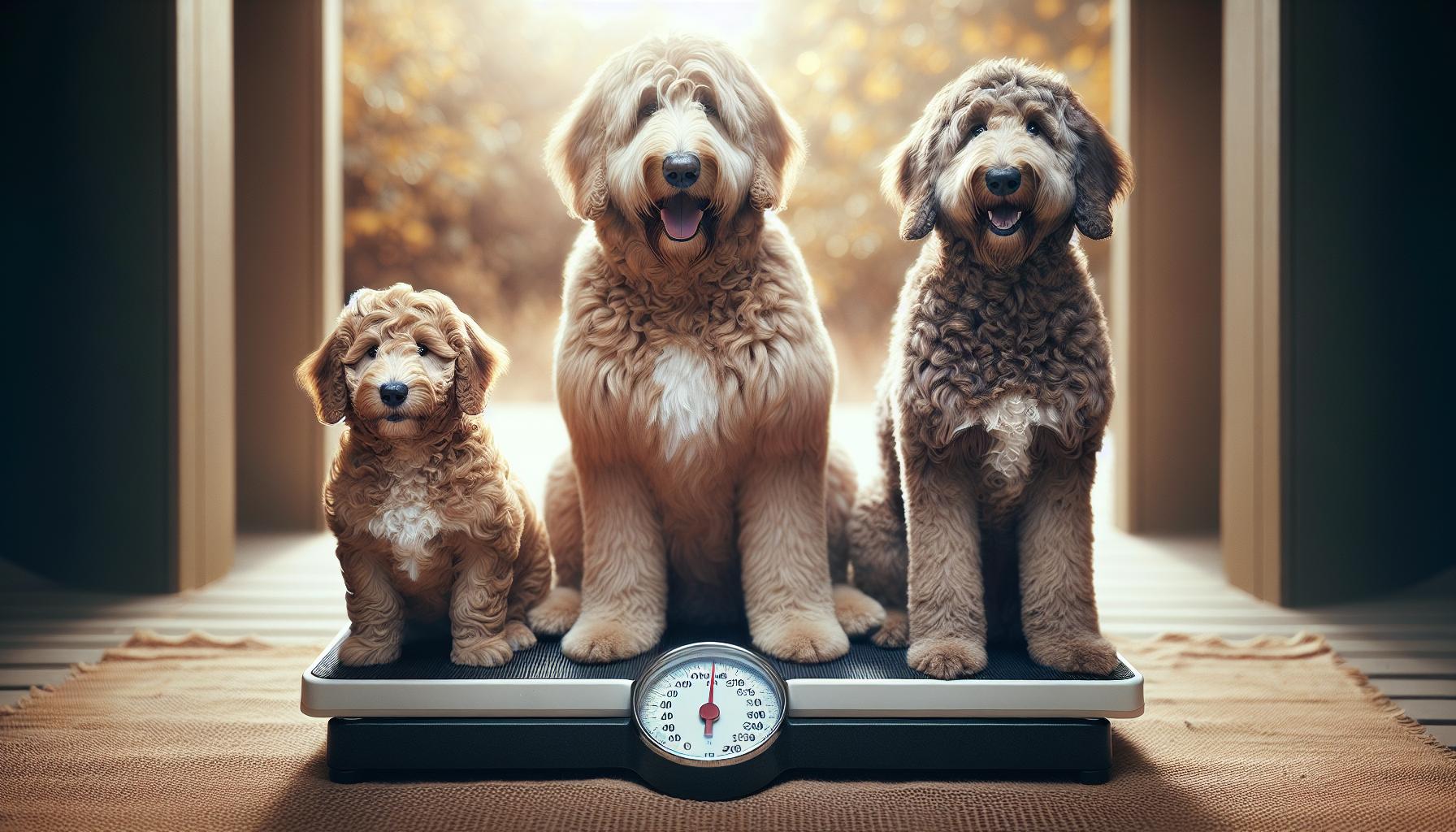
Weight Variations Among Australian Labradoodle Generations
As you embark on the delightful journey of raising an Australian Labradoodle, you may find yourself pondering how weight can vary among different generations of this wonderful breed. Understanding these variations is essential for setting realistic expectations and providing appropriate care for your furry friend. Australian Labradoodles come in three main sizes: Standard, Medium, and Miniature, each exhibiting distinct characteristics influenced not only by their lineage but also by their generational traits.
In general, Australian Labradoodles are a crossbreed, with their size variance often stemming from the Poodle parentage and the Australian breed lines from which they descend. In the F1 generation (the first cross of a Labradoodle), where both parents are of different purebreds, weights can range significantly. For instance, a Standard Australian Labradoodle typically weighs between 50-70 pounds, while the Medium might range from 30-45 pounds, and Minis will generally fall between 15-30 pounds. Each subsequent generation, whether F1b (where one parent is a Labradoodle and the other is a purebred Poodle) or backcrosses, may show more consistency in size, tending to align more closely with either parent breed’s characteristics.
To help clarify these weight distinctions, consider a comparison table that outlines the average weight for each size category across different generations:
| Generation | Standard (50-70 lbs) | Medium (30-45 lbs) | Miniature (15-30 lbs) |
|---|---|---|---|
| F1 | 55-70 | 35-50 | 20-30 |
| F1b | 50-65 | 30-45 | 15-25 |
| F2 | 55-70 | 30-40 | 15-25 |
As you consider which generation of Australian Labradoodle might be the best fit for your family, think about how each puppy’s genetic background can shape their ultimate size. It’s also crucial to remember that while genetics play a significant role, factors such as diet, exercise, and overall health can dramatically influence your pup’s growth trajectory. Regular veterinary check-ups can help monitor their progression, ensuring they develop at a healthy rate.
Every dog, regardless of its category, has a unique personality and physical makeup, making each one truly special. By understanding these weight variations, you can foster a nurturing environment that promotes long-term health and happiness for your Australian Labradoodle, bringing joy to your home for years to come!
Comparison: Australian Labradoodle vs. Standard Labradoodle
The lively Australian Labradoodle and the classic Standard Labradoodle share a charming lineage that reflects in their personalities and appearances, but they also have some key differences, especially when it comes to size. Understanding these variations can make a significant difference in helping prospective owners choose the perfect fit for their lifestyles and homes.
Both breeds are known for their playful, friendly nature and intelligence, yet the Australian Labradoodle tends to be slightly more varied in size due to its diverse lineage. This breed results from crossing the Labrador Retriever with different Poodle generations and, importantly, incorporating various Australian breeds, which can lead to a wider range of heights and weights. Australian Labradoodles typically fall into three categories: Standard, Medium, and Miniature, with the Standard size averaging around 50-70 pounds. In contrast, Standard Labradoodles-derived primarily from Labrador and Poodle crosses-generally maintain a more consistent size, typically weighing between 50 to 65 pounds.
When comparing these two charming breeds, it’s essential to consider not just their weights but also their growth patterns and potential health implications. The Australian Labradoodle’s unique breeding may lead to variances in growth rates and sizes, influenced by factors such as diet, exercise, and overall health. Consequently, an individual Australian Labradoodle’s final size can be less predictable. In contrast, a Standard Labradoodle often presents a more uniform growth pattern due to its more structured genetic background.
Another aspect to think about is the temperament and energy levels associated with each breed. The Australian Labradoodle may exhibit a broader range of energy levels depending on the specific breeds included in its lineage, which can influence its exercise needs. In comparison, Standard Labradoodles generally share similar exercise requirements and energy levels as their Labrador parent, thriving with daily walks and play sessions.
In summary, while both breeds are beloved for their affectionate and engaging nature, understanding the nuances in size and care can help you make the best decision for your environment. Whether you lean towards an Australian Labradoodle with its wide range of characteristics or a Standard Labradoodle with its consistent traits, both will bring joy and companionship to your life.
Miniature vs. Standard Australian Labradoodles: Size Differences
When considering bringing an Australian Labradoodle into your home, one of the primary distinctions you’ll encounter is the size difference between the Miniature and Standard varieties. Did you know that while both types share an endearing temperament and intelligence, they can vary significantly in height and weight? Understanding these differences will not only help you choose the right fit for your living situation but also prepare you for the unique needs that come with each size.
Miniature Australian Labradoodles usually stand around 14 to 16 inches tall at the shoulder and typically weigh between 15 to 35 pounds. They are ideal for smaller living spaces or for families who prefer a more compact canine companion. In contrast, Standard Australian Labradoodles range from 21 to 24 inches in height and can weigh anywhere from 40 to 65 pounds or more. This larger breed is well-suited for families with ample space for exercise and play, as they require a bit more room to roam and explore.
Key Considerations for Size Selection
Choosing between a Miniature and a Standard Australian Labradoodle involves understanding their size-related needs. Here are a few factors to consider:
- Living Space: Miniatures are a great choice for apartments or homes with limited space, while Standards thrive better in larger environments.
- Exercise Needs: Expect a Standard Labradoodle to require more vigorous exercise routines compared to a Miniature, who can often get adequate activity through indoor play or shorter walks.
- Health Factors: Larger dogs may face certain health risks more than their smaller counterparts. Both sizes are prone to hip dysplasia, but it can be more prevalent in Standard breeds.
Ultimately, your decision should align with your lifestyle, activity level, and living situation. Whichever size you choose, both Miniature and Standard Australian Labradoodles will bring joy, affection, and energy into your lives, making them wonderful companions for years to come.
How to Accurately Measure Your Australian Labradoodle
To ensure you know how big your Australian Labradoodle will get, accurately measuring them is vital and can be a fun bonding experience! Start by gathering the right tools: a flexible measuring tape, a straight surface to work on, and perhaps some treats to keep your furry friend engaged. Measuring your dog involves two key dimensions: height and weight.
For height, position your Australian Labradoodle against a wall on a flat surface. Make sure their feet are about shoulder-width apart. To get an accurate measurement, place a flat object, like a book or a clipboard, gently on top of their head, making sure it’s parallel to the ground. This will help you find the height at the shoulder, which is the standard method for measuring dog height. Mark the wall at this point and then measure from the floor to the mark using your measuring tape.
When it comes to weight, the best method is to use a digital scale. If you have a smaller Australian Labradoodle, you can simply lift them onto the scale. For larger dogs, you might need to step on the scale holding your dog, then step back on alone to find their weight. Make sure you’re in a calm and quiet environment to avoid any wriggling or distractions!
Measuring Tips
- Be Consistent: Always measure at the same time of day and under similar conditions (e.g., before meals or after a walk) to ensure accuracy.
- Reassure Your Pup: Use positive reinforcement such as treats and praises to keep them calm and still during the measuring process.
- Mark Growth: Keep a record of your measurements over time to track your Australian Labradoodle’s growth milestones effectively.
Understanding these measurements will help you gauge whether your dog is on track to reach the typical size for their generation, aiding in their overall health management and care as they grow.
Expected Growth Milestones for Australian Labradoodles
Understanding the growth milestones of Australian Labradoodles can help you anticipate their development and ensure they thrive throughout their formative years. Typically, this breed experiences several key growth phases that are critical for both their physical and emotional development. Knowing what to expect at each stage can make it easier for you to provide the necessary care and attention your puppy needs.
During the puppy stage, which spans from birth to around six months, Australian Labradoodles grow rapidly. At this time, feeding them a balanced diet tailored for puppies is essential. They will reach about 50% of their adult height by four months and around 75% by six months. This is also a crucial period for socialization, so exposing them to different environments, people, and other pets can set the foundation for a well-adjusted adult dog.
As they transition into the adolescent stage (six months to about two years), growth slows down but continues as they develop into their adult size. Most Australian Labradoodles achieve their full height by about 12 months, but they may not reach their ideal weight until they are around 18 months old. This stage can be challenging; they may test boundaries, so establishing consistent training routines is vital. Regular exercise is also important to help channel their energy positively.
When you approach the adult stage, usually after two years, it’s essential to monitor their diet and exercise to maintain a healthy weight. While Labradoodles can weigh anywhere from 15 to 65 pounds depending on their generation and size category, consistency in their routine will prevent obesity, which can lead to health issues. Keeping a close eye on your dog’s body condition score can help you track their health over the years.
Overall, being proactive about these growth milestones not only supports your Australian Labradoodle’s physical well-being but also reinforces a strong, lasting bond through care and companionship.
Size-Related Health Considerations
Understanding how size affects the health of your Australian Labradoodle is crucial for ensuring a long and happy life for your furry companion. Each dog is unique, and their size can greatly influence various health aspects, including mobility, susceptibility to certain conditions, and overall nutritional needs. For instance, larger Labradoodles might face a higher risk of joint issues, such as hip dysplasia, especially if they are overweight or not properly exercised.
To effectively manage size-related health concerns, it’s essential to keep an eye on body condition scores (BCS). This simple numeric scale, typically ranging from 1 to 9, helps pet owners assess whether their dog is underweight, at a healthy weight, or overweight. Maintaining an optimal BCS is vital, as excess weight can lead to a plethora of health problems, including diabetes and respiratory issues. Regular check-ups with your veterinarian will guide you in monitoring your Labradoodle’s growth and health status, ensuring they remain in an ideal weight range throughout their life.
Another factor worth considering is the impact of breed generation on health and size. For example, first-generation Labradoodles (F1) often exhibit a wider range of sizes due to the genetic diversity inherited from their Labrador and Poodle parents. Consequently, F1 Labradoodles might be more prone to health issues common in either breed. In contrast, generations bred back to Poodles (F1B) or generations bred to other Labradoodles may show improved consistency in both size and health traits. It’s beneficial for potential owners to do their research and possibly consult with breeders who focus on health testing and responsible breeding practices.
Lastly, establishing an appropriate diet tailored to your Australian Labradoodle’s size and age is vital. High-quality dog food that meets the nutritional needs of large-breed dogs can help avoid excess weight gain and support healthy growth. Incorporating regular exercise routines suited to your dog’s energy level can also play a significant role. Remember, a well-exercised dog is usually a healthier dog, contributing to their overall well-being and size management. By proactively addressing these health considerations, you can foster a harmonious and thriving environment for your Australian Labradoodle, nurturing both their body and spirit.
Tips for Raising a Healthy-Sized Australian Labradoodle
Raising an Australian Labradoodle to reach their ideal size is not just about genetics; it’s about the love and care you provide. These lovable golden-haired companions thrive on routine and consistency in all aspects of their lives. From diet to exercise, every detail plays a crucial role in ensuring your Labradoodle grows up healthy and happy. Here are some practical tips to help you on this wonderful journey.
Firstly, nutrition is paramount. Providing a high-quality dog food specifically formulated for their age and size can prevent obesity and ensure proper growth. Look for foods that contain real meat, whole grains, and essential vitamins to meet their dietary needs. You can also consult your veterinarian to determine the appropriate portion size based on your Labradoodle’s age, weight, and activity level. It’s important to measure their food accurately and avoid over-treating, as those extra calories can add up quickly!
Next, establishing a regular exercise routine is essential. Australian Labradoodles are active dogs that need both physical and mental stimulation. Aim for at least 30 to 60 minutes of exercise per day, which can include walks, playtime in the yard, or even agility training. Engaging them in interactive play, like fetch or tug-of-war, not only keeps them fit but also strengthens the bond between you and your furry friend. Don’t forget to introduce new activities to keep things exciting and gauge their energy levels; some days may require more or less physical exertion.
Regular veterinary check-ups are also vital to keeping your Labradoodle at a healthy size. During these visits, your vet can monitor their growth, provide vaccinations, and offer advice tailored to your dog’s needs. They may also help you establish a proper weight management plan, especially if your dog is nearing their adult size. Don’t hesitate to discuss any concerns regarding their weight or growth patterns, as early detection of potential issues can lead to more effective management.
Finally, be mindful of socialization and training. A well-socialized dog is more likely to adjust well to their environment, which can reduce anxiety and unwanted behaviors that might otherwise lead to overeating or stress-related weight gain. Positive reinforcement training not only helps command respect and obedience but also underscores the importance of a structured routine, where your dog understands mealtime, playtime, and relaxation.
With attentive care combining proper nutrition, exercise, regular vet visits, and effective training, you’ll set your Australian Labradoodle up for a lifetime of health and happiness. Embrace this exciting experience with your canine companion, and you’ll both enjoy the many adventures ahead!
Understanding Breed Standards and Size Classification
The Australian Labradoodle stands out not only for its affable nature but also for its diverse range of sizes. Understanding the breed standards and how size classification works is essential for potential owners and current enthusiasts alike. According to breed standards, these delightful dogs can be categorized based on their height and weight, which can significantly influence their care and management.
Australian Labradoodles are typically classified into three key sizes: Standard, Medium, and Miniature. Each size comes with its unique set of characteristics while maintaining the playful and friendly disposition the breed is known for. Here’s a quick breakdown based on standard classifications:
| Size Category | Height (at the shoulder) | Weight |
|---|---|---|
| Standard | 21-24 inches | 50-65 pounds |
| Medium | 18-20 inches | 30-45 pounds |
| Miniature | 14-17 inches | 15-25 pounds |
It’s essential to note that even within these size categories, individual dogs may vary due to genetics, breeding practices, and environmental factors. This variability can be especially observed among different generations of Labradoodles, where the lineage can result in weight and size differences. For example, a breeding pair consisting of a Standard Labradoodle and a Miniature can lead to offspring that fall anywhere in between the sizes, making early identification more challenging.
When selecting an Australian Labradoodle, potential owners should consider their living situation and lifestyle. A Standard might suit families with ample space and active lifestyles, while a Miniature can be perfect for smaller homes or apartments. Understanding these standards helps avoid surprises as your Labradoodle grows and ensures you provide the best home for their individual needs.
In sum, knowledge about breed standards and size classification is vital for ensuring that you choose the right Australian Labradoodle to match your lifestyle. By considering size alongside other factors such as temperament and care requirements, you’re setting yourself-and your future pup-up for a harmonious living experience filled with joy and companionship.
The Importance of Diet and Exercise on Size
Maintaining the right balance of diet and exercise is crucial in shaping the size and health of your Australian Labradoodle. Just as with humans, what your pup eats and how much they move can significantly affect their growth and overall well-being. A dog that receives a nutritious diet and regular physical activity is more likely to reach its expected size while also thriving physically and mentally.
To begin with, understanding the nutritional needs specific to each life stage is essential for managing size. Puppies require a diet high in protein and fat to support their rapid growth, while adult dogs need balanced nutrition to maintain healthy weight and muscle mass. Choosing a high-quality, breed-specific dog food can promote optimal development. Collaborating with your veterinarian can ensure you select the right food for their age, weight, and activity level, helping to prevent obesity, which is a common issue that can lead to larger sizes than intended.
Exercise is equally important. Regular activity not only helps maintain a healthy weight, but it also impacts muscle development and coordination. Australian Labradoodles are active dogs that thrive on playtime and exercise. Taking your pup for daily walks, playing fetch, or engaging in dog sports can help burn off excess calories and strengthen their physique. Aim for at least 30 minutes to an hour of exercise each day, varying the activities to keep things exciting and engaging.
In summary, diligent attention to your Australian Labradoodle’s diet and exercise routines is vital for helping them achieve their intended size. By providing a balanced diet and ensuring regular physical activity, you can foster both their physical health and a happy, energetic lifestyle that enhances their overall quality of life. With care and commitment, you’ll see your Labradoodle grow strong, healthy, and perfectly sized for your home.
Faq
Q: How much do Australian Labradoodles weigh when fully grown?
A: Australian Labradoodles typically weigh between 30 to 65 pounds when fully grown, depending on their size classification (miniature, medium, or standard). It’s essential to consult specific breed standards and monitor their diet for healthy growth.
Q: What affects the size of an Australian Labradoodle?
A: Several factors influence the size of an Australian Labradoodle, including genetics, diet, exercise, and age. For instance, the size of the parent dogs plays a significant role in determining how big the puppies will grow.
Q: At what age do Australian Labradoodles reach their full size?
A: Most Australian Labradoodles reach their full adult size by 12 to 18 months. However, growth can still occur up to two years, especially in larger varieties. Regular check-ups can help monitor their development.
Q: Are there size differences between Australian Labradoodles and American Labradoodles?
A: Yes, Australian Labradoodles tend to be slightly smaller and have specific size standards compared to American Labradoodles. Australian varieties often focus more on temperament and health than specific size, making them typically more consistent within breed standards.
Q: What should I do if my Australian Labradoodle is underweight?
A: If your Australian Labradoodle appears underweight, consult a veterinarian for a proper assessment. They may recommend a tailored diet plan, increased feeding frequency, or higher-calorie food options to encourage healthy weight gain.
Q: How can I measure my Australian Labradoodle accurately?
A: To measure your Australian Labradoodle, have them stand straight and use a tape measure from the floor to their shoulder (withers). Ensure they are on a flat surface to get an accurate reading. This measurement helps in tracking their growth milestones.
Q: What is the ideal weight for a miniature Australian Labradoodle?
A: Miniature Australian Labradoodles typically weigh between 15 to 30 pounds when fully grown. Factors such as genetics and diet will significantly influence their final stature, so consistent monitoring is key.
Q: How does exercise influence the size of my Australian Labradoodle?
A: Regular exercise is crucial for maintaining a healthy weight and overall size in Australian Labradoodles. Adequate physical activity helps ensure they are not overweight, which can impact their growth and health negatively.
The Way Forward
Now that you know how big Australian Labradoodles can get and what to expect throughout their growth, it’s time to put this knowledge to use! Remember, understanding their size is just one part of being a responsible owner. For additional guidance, check out our articles on “Australian Labradoodle Care Essentials” and “Feeding Your Labradoodle: A Complete Guide” to ensure you’re fully prepared to welcome your furry friend into your home.
If you still have lingering questions or need personalized advice, don’t hesitate to reach out through our community forum or explore our resources for expert tips on training and health care. We’re dedicated to supporting you every step of the way in your Labradoodle journey! Don’t forget to subscribe to our newsletter for the latest updates and tips tailored for Labradoodle owners. Your adventure with your adorable companion is just beginning, so engage with us and share your experiences in the comments below!