
When considering a medium Labradoodle, understanding their size potential is crucial for planning your space, resources, and lifestyle. These charming hybrids can average around 30 to 45 pounds, striking a balance between a compact size and a sturdy build, making them ideal for both apartments and houses with yards. As the popularity of these lovable companions grows, so does the need to know what to expect from them. Many new owners wonder how their pup will fit into their daily lives and what care requirements they will have as they grow. By diving into the specifics of medium Labradoodle sizes, you’ll not only gain insight into their developmental stages but also ensure you’re well-equipped to provide the care they deserve as they grow. So, let’s explore what makes medium Labradoodles unique in size and temperament, and discover how you can prepare for this wonderful addition to your family!
Understanding Medium Labradoodle Size Range

When considering bringing a Medium Labradoodle into your life, understanding their size range is crucial for ensuring a happy, healthy home for both you and your new furry friend. Medium Labradoodles typically stand between 14 to 16 inches tall at the shoulder and weigh between 30 to 45 pounds. Their size makes them a wonderful fit for families looking for a dog that balances the playful energy of a smaller breed with the sturdiness of a larger one. This breed can adapt beautifully to various living environments, from apartments to houses with yards, making them an increasingly popular choice among dog lovers.
It’s important to note that the size of a Medium Labradoodle can vary based on several factors, including the sizes of the parent breeds-the Poodle and the Labrador Retriever. Generally, the genetic mix and environment can influence growth patterns and physical traits. As they mature, growing puppies should be monitored for healthy development, so regular veterinary check-ups are essential. You might be surprised to learn that early socialization and proper nutrition during their growth stages can have lasting effects on their size and behavior.
For potential owners, a clear understanding of what a Medium Labradoodle looks like, both in terms of weight and height, enables informed decisions, especially when preparing for their arrival. Having the right equipment, such as a suitable crate, leash, and food dishes tailored to their size, will ensure you meet your pup’s needs from the start. Expect to embrace the well-rounded, affectionate nature of a Medium Labradoodle, which brings a delightful blend of intelligence and playfulness into family life.
Factors Influencing Labradoodle Growth
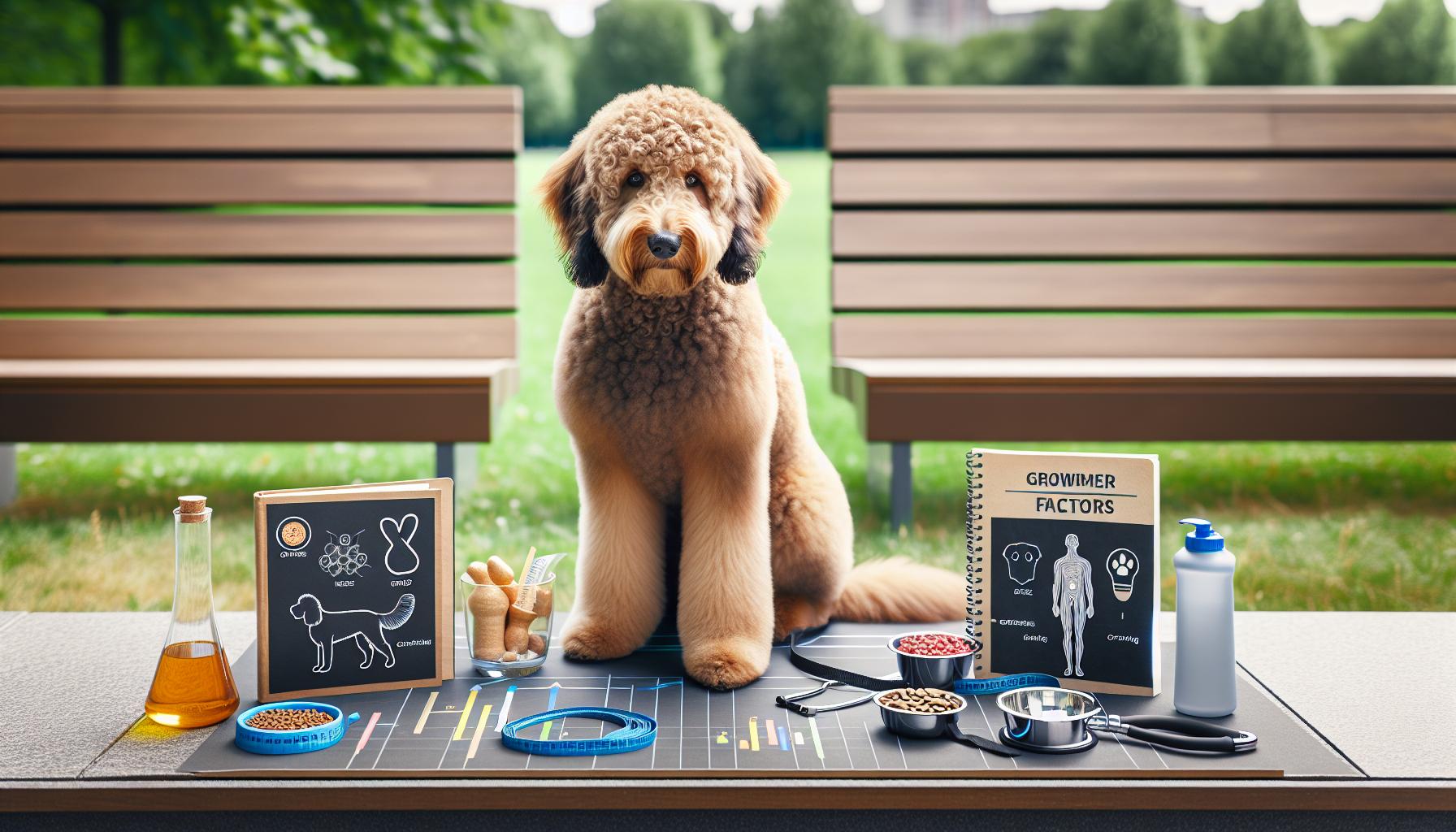
The growth of a Medium Labradoodle is influenced by a variety of factors, making it essential for prospective owners to understand these dynamics to ensure their puppy develops healthily. A captivating aspect of this breed is their hybrid background; being a mix of the Labrador Retriever and the Poodle means that size can be predicted but not guaranteed. Genetics plays a pivotal role in determining final size, with the heights and weights of the parent dogs being significant indicators. For instance, if both parent breeds are on the larger side, it’s likely that the resulting puppies will also grow to be on the larger end of the medium range.
Nutrition is another critical factor closely linked to a Labradoodle’s size. Providing a well-balanced diet rich in essential nutrients can promote healthy bone and muscle development. High-quality dog food formulated for puppies is recommended in the early stages, with gradual transitions to adult formulas as they reach maturity. Combining good nutrition with appropriate portions prevents excessive weight gain, which can lead to developmental and health issues later on.
Regular exercise cannot be understated in its importance for growing Labradoodles. Active playtime and structured walks not only keep your dog physically fit but also assist in managing their energy levels and behavioral health. In contrast, insufficient exercise can lead to obesity and other health problems, subsequently affecting your dog’s growth trajectory. Another significant aspect is the environment; a nurturing and stable home setting encourages puppies to thrive. Consistent training and socialization are essential during their formative years, ensuring they develop into well-adjusted adult dogs.
Overall, the journey of raising a Medium Labradoodle is as rewarding as it is complex. Engaging with veterinary professionals for tailored advice based on your puppy’s specific needs and potential parental size can provide valuable insights. By combining good nutrition, adequate exercise, and a steady environment, you’ll be well on your way to raising a happy and healthy Medium Labradoodle who fits seamlessly into your life.
Comparing Labradoodle Sizes: Mini vs. Standard
When it comes to Labradoodles, size can be a fascinating journey, especially when comparing the mini and standard varieties. Labradoodles come from the crossbreeding of Labrador Retrievers and Poodles, which means their offspring can vary significantly in size, depending on whether the Poodle parent is miniature or standard. Understanding these distinctions is essential for potential owners, especially those interested in a medium Labradoodle, which typically falls between these two sizes.
Mini Labradoodles generally stand between 14 to 16 inches at the shoulder and weigh around 15 to 25 pounds, making them ideal for those with limited living space or those looking for a smaller companion. On the other hand, standard Labradoodles are larger, reaching heights of 21 to 24 inches and weights ranging from 50 to 65 pounds. The medium Labradoodle typically finds its sweet spot in the middle, standing around 17 to 20 inches tall and weighing between 30 to 45 pounds. This makes them a versatile choice for families looking for a dog that is both playful and manageable in size.
Considerations When Choosing Size
Choosing between a mini and a standard Labradoodle isn’t just about size; lifestyle and living conditions play a crucial role. Here’s a concise comparison to help guide your decision:
| Size | Height | Weight | Energy Needs | Space Requirements |
|---|---|---|---|---|
| Mini Labradoodle | 14-16 inches | 15-25 pounds | Moderate to High | Small to Medium Living Spaces |
| Standard Labradoodle | 21-24 inches | 50-65 pounds | High | Medium to Large Living Spaces |
Active families who enjoy outdoor adventures may find the standard variety a better match, while urban dwellers or those with smaller homes might prefer the mini. Regardless of the choice, both types of Labradoodles share a common thread of being friendly, social, and eager to please, often leading to abundant cuddles and happy moments.
Ultimately, when considering a Labradoodle, it’s essential to think about your lifestyle, living situation, and what kind of companionship you’re looking for. Whether you lean towards a mini or a standard, remember that each Labradoodle, regardless of size, brings joy and love into a home.
Growth Stages: What to Expect at Each Age

As you embark on the exciting journey of raising a medium Labradoodle, understanding their growth stages will help you anticipate both the challenges and joys that come with each age. Medium Labradoodles typically grow to a height of around 17 to 20 inches and weigh between 30 to 45 pounds, but their growth patterns during different life stages can vary quite a bit.
During the puppy stage (0-6 months), your Labradoodle will experience rapid growth. In this phase, they often double their birth weight within the first week, and by six months, they may reach about half of their adult size. It’s essential to provide a balanced diet formulated for puppies to support their developing bones and muscles. Socialization is crucial at this age; introducing them to different sights, sounds, and experiences will help them grow into well-rounded adults.
From six months to one year, you’ll notice a slowing in growth as your medium Labradoodle transitions into adolescence. Their height will likely stabilize, but they may continue to fill out and gain weight. This is a period marked by increased energy and a propensity for mischief, so ensuring they have plenty of exercise and engaging activities is vital. Training should continue during this stage to reinforce good behavior and establish boundaries.
When they hit the adult stage (1-2 years), your Labradoodle will reach its full height and weight. Although they may fill out and gain muscle mass during this period, their growth rate will significantly decrease. This is the perfect time to reinforce training, as adult dogs thrive on routine and structure. Regular exercise remains crucial to manage their energy levels and maintain a healthy weight.
Ultimately, each stage presents unique opportunities for bonding and training. Be patient, stay consistent with their care and training, and your medium Labradoodle will grow into a well-behaved and loving companion.
Common Myths About Labradoodle Sizes

When discussing Labradoodle sizes, there are several myths that frequently mislead potential owners and enthusiasts alike. One common misconception is that all Labradoodles are large, which can lead to unrealistic expectations for those hoping to bring home a medium-sized companion. In reality, medium Labradoodles typically stand between 17 to 20 inches tall and weigh around 30 to 45 pounds, combining the traits of both their Labrador and Poodle lineage. This variance in size actually allows for a wide range of adaptability in different living environments, making them suitable for both apartments and homes with larger yards.
Another prevalent myth centers around the assumption that size directly influences temperament and behavior. Some people believe that smaller Labradoodles will inherently be less energetic or mischievous than their bigger counterparts. However, this is not always the case. Regardless of size, Labradoodles tend to be playful, affectionate, and full of energy. It’s crucial to understand that each dog’s individual personality, influenced by genetics and training, will play a significant role in their behavior, not just their size. Thus, socialization, exercise, and mental stimulation should be prioritized for any Labradoodle, regardless of its dimensions.
Additionally, many hopeful owners erroneously think that medium Labradoodles will remain the same size indefinitely. Like all dogs, Labradoodles undergo distinct growth stages. Typically, they reach their full height by around 12 months, but they can still fill out and gain weight for several months afterward. This means that potential owners should be prepared for some fluctuations in size as their puppy matures. Being aware of this growth pattern can help you plan for their future needs-whether in terms of space, dietary requirements, or exercise routines.
Ultimately, understanding these myths can significantly enhance your experience as a Labradoodle owner. By embracing the unique traits and growth patterns associated with this delightful hybrid breed, you’ll be better equipped to provide a loving and supportive environment for your medium Labradoodle, ensuring they thrive both physically and emotionally.
How to Measure Your Medium Labradoodle
Measuring your medium Labradoodle accurately is essential not just for understanding their growth but also for making informed decisions about their diet, exercise, and health. To get the most accurate measurement, you’ll need a few simple tools: a measuring tape or yardstick, a flat surface, and maybe a treat to encourage your pooch to stand still.
Start by positioning your Labradoodle on a flat, level surface, ideally against a wall so that they won’t move around too much during the process. For the height measurement, you’ll want to measure from the floor to the highest point of their shoulder-this is known as the “withers.” This is the standard method of measuring dogs, ensuring consistency across all breeds. Make sure your Labradoodle is standing comfortably, with their head held high and legs straight. For weight, you can use a pet scale at home or take them to your veterinarian for an accurate reading.
Measuring Tips
- Be Consistent: Try to measure your Labradoodle at the same time each week or month to track their growth accurately.
- Keep It Positive: Use treats and praise during the process to make it a fun experience for your dog.
- Documentation: Write down the measurements in a growth chart to track any significant changes over time.
By regularly measuring your medium Labradoodle, you’ll not only get a clear picture of their growth but also help ensure they stay within a healthy weight range. For example, if you notice they’re gaining too much weight too quickly, you might need to adjust their diet or exercise routine. Understanding their size expectations-from 17 to 20 inches in height and 30 to 45 pounds-will also guide you as you prepare your home with the right resources and space needed for your playful furry friend.
In conclusion, adhering to these tips and techniques when measuring your medium Labradoodle will help you become a proactive and informed owner. Knowing their size will allow you to provide the best care possible, along with ensuring their comfort and happiness as they grow. So grab that tape measure and start tracking your pup’s journey-each inch is a testament to the love and joy they bring into your life!
Diet and Exercise Impact on Size
The growth of a medium Labradoodle, typically ranging from 17 to 20 inches in height and weighing between 30 to 45 pounds, is profoundly influenced by their diet and exercise. Understanding the balance between these two key factors can ensure that your furry friend grows up healthy and reaches their optimal size while also preventing obesity, which can lead to a host of health issues.
A well-rounded diet plays a critical role in your Labradoodle’s growth. High-quality dog food that contains a proper mix of proteins, fats, and carbohydrates is essential. Puppies, in particular, need food formulated for growth, with higher protein content to support their developing muscles and bones. It’s best to consult your veterinarian about the ideal diet based on your dog’s age, weight, and activity level. Incorporating healthy treats in moderation can also help you bond with your pup while ensuring they receive the nutrients they need. For example, replacing calorie-laden snacks with options like carrot sticks or apple slices can maintain their calorie intake without compromising their health.
Equally important is consistent exercise, which helps maintain a healthy weight and strengthens muscles. Labradoodles are naturally energetic and playful, so daily exercise routines like walks, playtime in the yard, or fetch can contribute significantly to their growth and development. Engaging in physical activity not only helps to expend energy but also prevents anxiety and behavioral issues stemming from boredom. Aim for at least 30 to 60 minutes of exercise daily, ensuring you adjust the intensity and duration according to your dog’s age and health status.
Regular check-ups with your veterinarian can help monitor your Labradoodle’s growth and health. These visits are essential for tracking changes in weight, assessing body condition, and making dietary adjustments as needed. You might be surprised to find how small changes in diet or exercise routines can dramatically impact your pup’s size trajectory, leading to a healthy, happy adult dog who meets your size expectations!
In summary, focusing on creating a balanced diet and consistent exercise regimen not only supports healthy growth but fosters a long-lasting bond between you and your Labradoodle. With a little effort and planning, you can guide your playful companion toward a vibrant, active life filled with tail-wagging joy!
Health Considerations for Growing Labradoodles
Growing a medium Labradoodle can be an exciting journey, but it also comes with its share of health considerations that every owner should keep in mind. These furry companions, often ranging from 17 to 20 inches and weighing between 30 to 45 pounds, have specific health needs during their growth phases that can substantially impact their long-term well-being. Understanding these nuances not only helps you nurture a healthy dog but also fosters a strong bond built on care and attention.
A crucial aspect affecting their health is the development of their joints and bones. Labradoodles are prone to certain genetic conditions such as hip dysplasia and elbow dysplasia, prevalent in both parent breeds. Regular vet check-ups are paramount; they can help catch any issues early on. A veterinarian will often recommend appropriate joint supplements or diet modifications to support bone health, especially as your pup grows rapidly during their first year. Engaging them in low-impact exercises-like gentle walks or swimming-can also mitigate stress on developing joints while ensuring they stay active.
Diet plays an equally vital role throughout their growth stage. Providing a balanced diet that aligns with their developmental needs can significantly influence their health trajectory. High-quality puppy food rich in essential nutrients supports muscle and bone development, while the appropriate balance of calcium is crucial for bone growth. Consulting with your vet for tailored feeding guidelines can help you avoid overfeeding, which might lead to obesity-a common issue among Labradoodles if their meals aren’t monitored closely.
Finally, consider the importance of socialization and mental stimulation during their growth. Engaging your Labradoodle in new environments, training classes, and playdates with other dogs is key. This not only helps in building their confidence but also reduces the likelihood of behavioral issues down the road. Happy, well-socialized dogs tend to respond better to training, exhibit fewer anxiety-related behaviors, and develop into well-adjusted companions.
By taking these health considerations into account, you can set your medium Labradoodle on a path to a long, happy, and healthy life. With proper care, your Labradoodle can grow not just in size but also in spirit, bringing joy and love into your home!
Finding the Right Puppy for Your Size Expectations
Choosing a new puppy, particularly a medium Labradoodle, is an exciting journey filled with potential – but it’s essential to have clear expectations about their size as they grow. Medium Labradoodles typically stand between 17 to 20 inches tall and weigh 30 to 45 pounds, but knowing what range to expect can help you find the perfect furry companion for your lifestyle. To make the right selection, consider not just their current look but how large they might become as adults.
When assessing puppies, one of the first things to look for is the stature of the parents. Talking to breeders about the size of the mother and father can provide insight into the potential growth of your new friend. Keep in mind that the size of a puppy can often indicate what they will grow into, though genetics can sometimes surprise you. It’s also wise to observe the puppy’s siblings; they often reflect a similar growth trajectory, making it a useful benchmark. If you’re aiming for a puppy that fits comfortably within the medium range, you might consider discussing any specific expected outcomes with the breeder.
Assessing the Breeder’s Reputation
An important aspect is ensuring you’re working with a reputable breeder who prioritizes the health and temperament of their dogs. Quality breeders will not only provide you with the size of the parents but can also share health clearances and genetic testing results. This transparency helps set realistic expectations regarding not only the size but also the overall health of your future Labradoodle. Checking references and reviews from previous puppy owners can also help solidify your choice.
Consider Your Home and Lifestyle
Before bringing a medium Labradoodle home, do some soul-searching about your lifestyle and how much space you can allocate. Puppies need room to play and explore, and while they might seem tiny at first, they will quickly grow into their adult size. This consideration is crucial if you live in a smaller environment or if you already have pets. Ensure you have adequate room for a medium-sized dog to thrive, and consider creating a designated space for them to feel secure and comfortable in your home.
Ultimately, finding a puppy that aligns with your size expectations is a blend of personal preference and practical considerations. By understanding their growth patterns, engaging thoughtfully with breeders, and preparing your home, you’ll set the stage for a loving relationship with your medium Labradoodle. Remember, it’s not just about their size, but about embracing the joy they will bring into your life with love and companionship!
Tips for Managing Size-Related Challenges
Navigating the joys of having a medium Labradoodle comes with its own set of challenges, particularly when it comes to their size and the needs that arise as they grow. One interesting fact is that medium Labradoodles often have surprising bursts of growth that can leave owners unprepared for their energetic nature. Managing size-related challenges effectively is key to ensuring a harmonious household where both you and your furry friend can thrive.
To start, training and socialization play crucial roles in managing your Labradoodle’s size. Young puppies are impressionable and can quickly learn commands that will help them understand their space and boundaries. Invest time in basic obedience training, which can prevent potential behavior issues stemming from their size. For instance, teaching them to greet guests without jumping can avoid awkward situations, especially as they grow. Socializing your Labradoodle with other dogs will also help them understand how to interact appropriately, which is vital given their energetic disposition.
Another important aspect is creating a safe environment tailored to your medium Labradoodle’s needs. As they grow, your home should reflect their size by providing adequate space for play and relaxation. Consider designating a specific area for their toys and bed, ensuring they have a cozy space to retreat when they need a break. This can help prevent destructive behaviors that occur when dogs feel confined or overwhelmed. Additionally, using baby gates can control their access to certain areas of the house until they’re settled into their adult size.
In terms of exercise and activity levels, remember that medium Labradoodles, weighing anywhere from 30 to 45 pounds, require ample physical stimulation to channel their energy positively. Regular walks, engaging playtime, and even mental challenges like puzzle toys can prevent boredom and the associated issues. Aim for at least 30 to 60 minutes of exercise daily, adjusting the intensity as they mature. This will not only help keep them fit but will also reinforce your bond through shared experiences.
Lastly, it’s essential to remain aware of health considerations that can arise as your Labradoodle grows. Regular vet check-ups will help monitor their growth and ensure they’re following a healthy trajectory. Speak with your veterinarian about their size expectations and nutrition, as diet is a vital component in managing their growth and overall health. Tailoring their food portion according to their age and activity level can prevent obesity.
By taking a proactive approach to training, creating a safe environment, ensuring proper exercise, and monitoring health, you’ll be well-equipped to manage the size-related challenges that come with raising a medium Labradoodle. Your enthusiasm and commitment will pay off as you watch your furry friend grow into a well-adjusted, happy companion.
Preparing Your Home for a Medium Labradoodle
can significantly enhance your pup’s comfort and safety as they grow. These dogs typically weigh between 30 to 45 pounds and stand about 18 to 21 inches tall at the shoulder, meaning you’ll want to make some thoughtful adjustments to your living space to accommodate their unique needs. One of the first steps is to establish a dedicated area for your Labradoodle’s belongings, including their bed, toys, and food. This not only helps you keep your home organized but also gives your dog a cozy and secure space to retreat when they need a break from the action.
Consider using durable materials for your furniture and decor, as medium Labradoodles are known for their playful nature and can be quite energetic. Opt for scratch-resistant fabrics and washable covers that can withstand any spills, muddy paws, or shedding fur. Additionally, think about the layout of your room. Labradoodles love to play and sometimes get the zoomies, so ensure there’s ample space for them to run around safely. Remove any fragile items or potentially harmful objects from their reach to safeguard against accidents.
Safety Measures for Your Home
Baby gates can be very useful, especially during the training phase, to restrict access to certain areas of your home until your Labradoodle is more familiar with the environment. This ensures they don’t accidentally chew on furniture or venture into spaces where they might not be welcome. Also, consider creating a dog-proof zone with chew-resistant cords and pet-safe plants to keep your furry friend safe.
Play-Space Essentials
Medium Labradoodles thrive in environments that offer mental and physical stimulation. Incorporate a variety of toys that promote healthy play, such as puzzle toys that challenge their intelligence and chew toys to satisfy their natural instincts. A secure outdoor space is also beneficial for playtime and exercise. If you have a yard, ensure it is fenced, and free of potentially dangerous plants or objects.
In summary, preparing your home for the arrival of a medium Labradoodle involves not just addressing their size but also considering their playful and social nature. By providing a safe, stimulating environment, you will help them adjust more comfortably while strengthening your bond with your new companion. Regularly assessing your home for any new safety concerns as your pup grows will also ensure they remain happy and secure.
Potential Size-Related Behavior Differences
When selecting a medium Labradoodle, understanding their size-related behavior differences is essential to prepare for the lively companion they will become. Medium Labradoodles typically weigh between 30 to 45 pounds and stand around 18 to 21 inches tall, making them agile and energetic pets. This size impacts not just their physical space requirements but also their temperament and behavioral tendencies. For instance, larger dogs often exhibit a more laid-back demeanor; however, medium Labradoodles are known for their playful nature and social intelligence, which can manifest in differing interactions with family members and other pets.
The energetic personality of a medium Labradoodle means they require regular physical and mental stimulation to keep them happy and well-adjusted. A lack of proper exercise can lead to behavioral issues, such as excessive barking and destructive play. It’s important to engage them with daily walks, interactive toys, and training sessions that challenge their senses. Additionally, these dogs often display a strong desire to please their owners, leading them to be eager learners, which can make training a rewarding experience. By consistently providing positive reinforcement, you will likely foster a loving and obedient companion.
Another unique behavior often observed in medium Labradoodles is their tendency towards sociability. They thrive on companionship, whether with humans or other pets. This can lead to a friendly disposition, but it also means that they may experience separation anxiety if left alone for extended periods. To mitigate this, consider gradually acclimating your Labradoodle to alone time or incorporating interactive toys that keep them occupied in your absence.
Finally, understanding their size in relation to playtime is crucial. Medium Labradoodles can exhibit what many owners refer to as the “zoomies,” spontaneous bursts of energy where they dash around with boundless enthusiasm. This high-energy behavior can be both entertaining and chaotic, so having a designated safe play area, free from fragile items, will help manage these moments while ensuring your home stays intact. The exuberance of a medium Labradoodle combined with their need for space can create delightful yet challenging situations, making it vital that you remain proactive and adaptable in your care routine.
Frequently Asked Questions
Q: How tall do medium Labradoodles typically get?
A: Medium Labradoodles usually stand between 14 to 16 inches tall at the shoulder. This size is determined by the Poodle parent, which can impact the overall stature and height of the offspring. For a detailed comparison of sizes, check out the section on comparing Labradoodle sizes.
Q: What is the average weight of a medium Labradoodle?
A: Medium Labradoodles generally weigh between 30 to 45 pounds. Their weight can vary based on factors such as genetics, diet, and exercise. If you’re curious about how diet affects their growth, delve into the diet and exercise section.
Q: At what age is a medium Labradoodle fully grown?
A: A medium Labradoodle typically reaches full maturity by about 12 to 18 months. Growth stages vary, so monitoring their size and health as they age is important. More insights can be found in the growth stages section of our article.
Q: Can I predict how big my medium Labradoodle will get?
A: Yes, you can estimate your medium Labradoodle’s size based on the weights and heights of its parents. However, growth can also be influenced by factors such as nutrition and health. For more information on growth expectations, refer to the factors influencing Labradoodle growth section.
Q: Are medium Labradoodles considered a large breed?
A: No, medium Labradoodles are classified as a medium-sized breed. They fall between mini and standard sizes, offering a balance of both traits. To understand better the characteristics of different sizes, take a look at our section comparing Labradoodle sizes.
Q: How does diet influence the size of a medium Labradoodle?
A: Diet plays a significant role in your medium Labradoodle’s growth and overall health. A balanced diet tailored to their age and activity level can help maintain a healthy weight and promote optimal growth. For detailed diet recommendations, see the diet and exercise impact on size section.
Q: What are common misconceptions about the size of Labradoodles?
A: A prevalent misconception is that all Labradoodles will grow to the same size as their Labrador parent. In reality, size can vary greatly due to the Poodle genetics involved. Dispelling myths about Labradoodle sizes is essential for better understanding their growth.
Q: How can I ensure my medium Labradoodle grows to be healthy?
A: To promote healthy growth, ensure your medium Labradoodle receives regular veterinary check-ups, a balanced diet, and adequate exercise. Monitoring their weight and growth patterns will also help. Refer to our health considerations for growing Labradoodles for more tips on keeping them healthy.
In Conclusion
Understanding the size expectations for Medium Labradoodles is just the beginning of your journey with this charming breed. As we’ve discussed, Medium Labradoodles typically weigh between 30-45 pounds and stand about 14-18 inches tall, making them a perfect size for many households. If you’re still unsure or have questions about their temperament and care, check out our guides on Labradoodle Temperament and Complete Care Checklist.
Ready to bring a Medium Labradoodle into your home? Take the next step by exploring our Labradoodle Adoption Resources or sign up for our newsletter for tips and insights straight to your inbox. We would love to hear your thoughts or experiences in the comments below-your story could help other future Labradoodle owners! Keep exploring, and embrace the joy that a Medium Labradoodle will bring to your life!