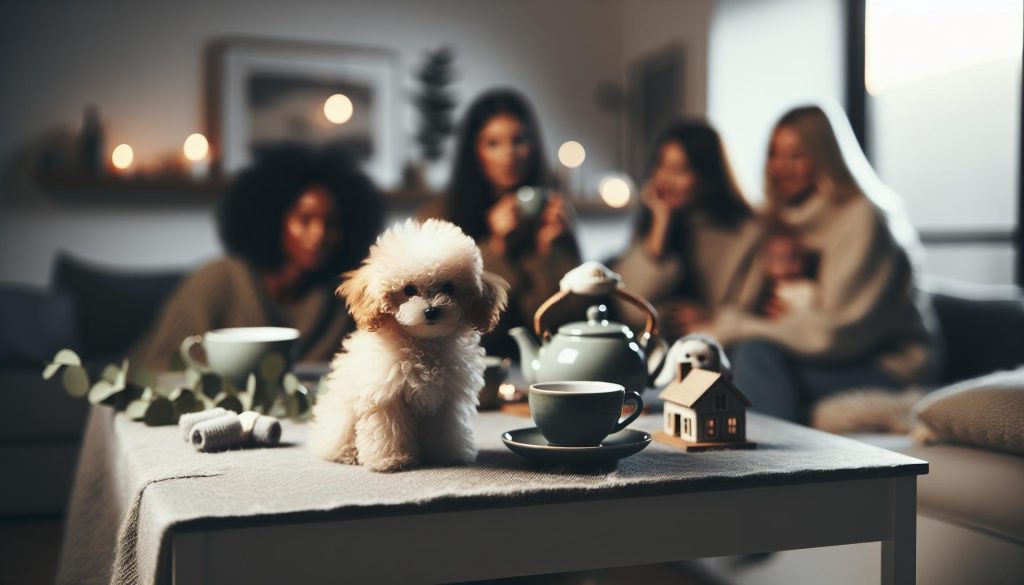
Teacup Poodles are among the tiniest dog breeds, charming many with their adorable size and lively personality. But just how big do these pint-sized pooches actually get? Typically weighing between 1.5 to 6 pounds and standing no more than 10 inches tall, their compact stature can make them appealing for both city dwellers and those looking for a companion to cuddle. Understanding their size is crucial not only for potential owners considering a Teacup Poodle, but also for ensuring a proper living environment and care plan. Join us as we dive deeper into the unique dimensions of this beloved breed, explore their needs, and help you decide if a Teacup Poodle is the right fit for your lifestyle. With the right knowledge, you can ensure a happy, healthy life for your tiny new friend!
Understanding Teacup Poodle Size and Growth Patterns
Teacup Poodles are fascinating little companions, known for their delightful size and charming personalities. Typically, these pint-sized pups weigh between 2 to 5 pounds and stand roughly 6 to 9 inches tall when fully grown. Their small stature makes them some of the tiniest dogs you’ll find, but it’s essential to understand how this size translates into their growth patterns and care needs throughout their early development.
From the moment they are born, Teacup Poodles experience rapid growth during their first few months. It’s important to keep an eye on their growth phases; while each puppy is unique, they generally reach their full adult size by around 12 months of age. Factors influencing this growth include genetics, diet, and overall health. Proper nutrition is crucial for ensuring that these tiny pups develop into robust adults. Owners should focus on high-quality puppy food that’s appropriately portioned to avoid overfeeding, as Teacup Poodles are particularly prone to obesity.
Understanding how to compare Teacup Poodles with their larger relatives, Standard Poodles, can provide further insights into their care. While Standard Poodles can weigh anywhere from 40 to 70 pounds and stand between 15 to 24 inches tall, Teacup Poodles rely on the same foundational attributes of the breed, including intelligence and trainability, but in a much smaller package. This comparison highlights the importance of tailored care strategies focusing on their diminutive size.
To maintain a healthy lifestyle for your Teacup Poodle, ensure they receive regular exercise suited to their size, along with routines that are gentle but stimulating. Engaging toys, short walks, and socialization opportunities are wonderful ways to promote both physical and mental health. Remember, their petite size comes with unique responsibilities; always handle them with care, and be attentive to their specific needs as they mature.
Factors Influencing Teacup Poodle Growth

Teacup Poodles may be tiny, but their growth patterns can be fascinating to observe. These puppies don’t just sprout overnight; their growth trajectory is influenced by a variety of factors that every aspiring owner should understand. Genetics, for instance, plays a pivotal role in determining how big your Teacup Poodle will ultimately get. Since they are bred from smaller varieties of Poodles, their lineage significantly affects their final size and weight. Owners should always inquire about the size of the parents, as that can provide a clue to their puppy’s adult dimensions.
Diet is another critical factor that impacts growth. Providing a balanced and high-quality diet tailored for their specific nutritional needs is essential. As Teacup Poodles are prone to overeating given their small stomachs, careful portion control is necessary. Owners should be aware that supplements may be beneficial during the early growth stages to ensure these little pups receive all the vitamins and minerals they need to thrive. Additionally, signs of overfeeding, such as weight gain and lethargy, can lead to serious health concerns, so it’s important to monitor their food intake closely.
Socialization and overall health also play significant roles in how these puppies develop. Early interactions with various environments, people, and other pets can enhance their behavioral growth and adaptability. Regular vet check-ups are essential to monitor their health and adjust their lifestyle as needed. Vaccinations, parasite control, and dental care contribute to their overall robustness, making them better equipped to grow into healthy adults.
In summary, the growth of a Teacup Poodle is influenced by a combination of genetics, diet, and health. By understanding these factors and taking proactive steps, owners can help their tiny companions flourish into happy, healthy adult dogs.
Comparing Teacup Poodles to Standard Poodles

When discussing the charming Teacup Poodle, it’s essential to put them in context with their larger counterparts, the Standard Poodles. The distinctions between these two sizes aren’t just about weight and height; they reflect different care needs, temperaments, and even training approaches. Standard Poodles typically weigh between 40-70 pounds and stand around 15 inches tall or more, making them a versatile breed suited for various activities, including obedience, agility, and even therapy work. In contrast, Teacup Poodles tip the scales at a mere 2-4 pounds and max out at about 8 inches in height, appealing to those who prefer a pint-sized companion that’s easier to manage in urban settings.
Understanding their size differences also entails recognizing how their environments and lifestyles can vary. Standard Poodles thrive in homes with ample space and massive outdoor areas for exercise-their energy levels are notable, and they enjoy engaging in play and vigorous activity. On the other hand, Teacup Poodles do well in smaller living spaces like apartments due to their diminutive size and lower exercise requirements. They require less space to romp and can generally get sufficient exercise through short play sessions indoors or in a small outdoor area.
In terms of lifespan and health concerns, Teacup Poodles tend to face unique challenges due to their size. While Standard Poodles enjoy a lifespan averaging 12-15 years, Teacup Poodles often have a shorter life expectancy due to potential health complications linked to their breeding and miniature stature. Issues like dental problems, patellar luxation, and heart conditions are more prevalent in the tiniest members of the breed. As such, owners of Teacup Poodles should be vigilant about regular vet check-ups to monitor for these conditions.
Training approaches may also differ due to the size and temperament of the two varieties. While Standard Poodles are highly trainable and often used in service roles due to their intelligence and willingness to please, Teacup Poodles may require a gentler touch. Positive reinforcement tailored to their unique personality ensures effective learning while nurturing their confidence without overwhelming them. Celebrating their successes, no matter how small, can help foster a trusting relationship that supports effective training.
In conclusion, while both types of Poodles share a common ancestry, it’s vital for prospective owners to recognize their differences. Each size brings unique joys and challenges, thus requiring specific care strategies and lifestyle adjustments to ensure both happy and healthy lives for these beloved canine companions.
Common Health Concerns for Tiny Dogs

Understanding the health issues that come with owning a Teacup Poodle is essential for any prospective owner. These tiny canines, often weighing just 2-4 pounds, are adored for their petite size and charming personalities, but their small stature can lead to significant health concerns. Hypoglycemia, a condition marked by dangerously low blood sugar levels, is one of the most prevalent issues among Teacup Poodles. This can result in weakness, muscle tremors, and even seizures, necessitating owners to monitor their pet’s eating habits closely to ensure they are getting enough nutrients and calories throughout the day [3].
Additionally, smaller breeds like Teacup Poodles are more prone to dental problems due to their compact jaws. Owners should be vigilant about dental hygiene, regularly brushing their dog’s teeth and providing dental chews to prevent plaque buildup. Another serious concern is the risk of heart defects, which can manifest as congestive heart failure later in life [2]. Conditions such as patellar luxation, where the kneecap dislocates, are also common, impacting their mobility and quality of life. Regular veterinary check-ups are crucial for early detection and management of these issues.
Taking proactive steps can help mitigate these risks. Keep an eye on your Teacup Poodle for any signs of lethargy or unusual behavior, which could signal health emergencies. A well-balanced diet tailored to their specific needs, combined with appropriate exercise, is vital for maintaining a healthy weight and minimizing health risks. It’s also important to create a safe living environment, free of hazards that could lead to injury, given their delicate size. For new owners, being informed and prepared is key-your Teacup Poodle relies on you for their health and happiness!
Maintaining a Healthy Weight for Your Teacup Poodle
is not just about aesthetics; it is crucial for their overall health and longevity. Given their tiny size, even a small amount of excess weight can lead to significant health issues. Teacup Poodles often weigh between 2 to 4 pounds, and because they are so petite, every single calorie counts. Therefore, it’s essential for owners to be mindful of their dog’s diet and exercise routine to ensure they stay within a healthy range.
Start by establishing a feeding schedule that includes high-quality, breed-specific dog food tailored to their size and nutritional needs. Look for options that contain the right balance of protein, fats, and carbohydrates, avoiding foods that are high in fillers. Regularly measuring food portions can help monitor intake. For instance, consider splitting their daily food allowance into smaller meals-perhaps two to three times a day-which mimics their natural eating patterns and prevents sudden dips in blood sugar, a particular concern for small breeds like Teacup Poodles.
Regular weigh-ins are another action step that can help track your Teacup Poodle’s weight. A good routine is to weigh them at least once a month and keep a record. Any noticeable changes in weight should prompt a discussion with your veterinarian about possible dietary adjustments or increased activity. Just remember, your puppy’s health is a priority, so don’t hesitate to seek professional help if you’re uncertain about the ideal weight for your specific dog.
Incorporating playtimes into your daily routine is crucial for keeping your teacup poodle active. Engage in gentle play sessions with fetching toys or interactive games that promote exercise without overwhelming their small bodies. Even short walks are beneficial. For example, a 10 to 15-minute walk around your neighborhood can work wonders. It’s essential to encourage movement while ensuring the environment is safe and friendly to avoid any injuries due to their delicate stature.
Ultimately, maintaining a healthy weight is a collaborative effort, involving balanced nutrition, regular exercise, and consistent monitoring. Your Teacup Poodle relies on you to make informed choices that contribute to a happy and healthy life, so approach their care with love, attention, and a bit of creativity!
Tips for Caring for Your Teacup Poodle’s Unique Needs
With their charming size and delightful personalities, Teacup Poodles certainly capture hearts! However, their petite stature comes with unique requirements that necessitate attentive care. Understanding how to meet these needs will help ensure your little companion lives a fulfilling, healthy life. Here are some essential tips to consider when caring for your Teacup Poodle.
Grooming Essentials
Teacup Poodles have a beautiful, curly coat that requires regular grooming to prevent matting and tangles. Aim for a grooming routine every 4 to 6 weeks to keep their fur in top shape. You can either visit a professional groomer or establish a home grooming regimen. During at-home sessions, make use of high-quality brushes suited for their coat type, and don’t forget to check their ears, teeth, and nails regularly. Consistent grooming fosters bonding and helps you monitor for skin issues or lumps.
Safe Environment
Creating a safe space is vital for a small breed like the Teacup Poodle. Their tiny bodies make them more susceptible to injury. Be mindful of your home layout; secure loose wires, cover sharp corners, and ensure that any high furniture or steps have barriers to prevent accidents. Additionally, consider using a designated area with cozy bedding where your Poodle can feel secure while resting or sleeping.
Interactive Playtime
Engaging your Teacup Poodle with interactive playtime is crucial for their mental and physical stimulation. Lightweight toys and puzzles designed for small breeds can keep them entertained while stimulating their minds. Remember, even small bursts of activity are beneficial. Short, frequent play sessions will keep them happy and healthy without overwhelming their petite framework.
Training with Patience
Teacup Poodles are intelligent and eager to please, making them relatively easy to train. Employ positive reinforcement techniques like treats and praise to encourage good behavior. Be patient; repetition is key. Setting aside time each day for training can foster a strong bond and effective communication. Consider enrolling in puppy classes or socialization groups tailored for small breeds, enhancing both their skills and interactions with other pets and people.
Your Teacup Poodle’s well-being is a blend of attentive care, mental stimulation, and social interaction. Paying close attention to their unique needs will help you build a rewarding relationship with your delightful little companion.
What to Expect in Teacup Poodle Behavior and Temperament
Teacup Poodles may be petite, but their personalities are larger than life! Known for their vibrant spirits, these little pooches often exhibit a sweet and affectionate demeanor. They thrive on human interaction, making them excellent companions who love to be included in family activities. However, it’s essential to recognize that their small size can lead to some unique behavioral traits and temperament nuances that new owners should understand for a fulfilling pet-owner relationship.
When observing Teacup Poodles, you might notice they’re naturally curious and alert. Their intelligence shines through as they quickly learn new commands and tricks, often enjoying training sessions. These dogs also exhibit a playful nature, enjoying toys that challenge them mentally. This breed can be quite vocal, using their barks to express excitement or alert you to potential intruders or changes in their environment. While their barking can be endearing, it’s necessary to manage it through proper training and socialization from an early age.
Despite their small size, Teacup Poodles possess a strong personality and a need for social engagement. They can develop separation anxiety if left alone for extended periods, as they crave close companionship. Providing structured playtime and opportunities for socialization with other animals and people helps mitigate these concerns. Conversely, these dogs are generally good with children and can adapt to quieter households, making them versatile pets for various lifestyles. Understanding their specific behavioral patterns allows you to foster a harmonious environment that nurtures their spirited, loving nature.
To fully enjoy the delightful companionship of a Teacup Poodle, a committed approach to their behavioral needs is essential. Regular mental and physical engagement, along with routines that provide security, will help your adventurous little friend flourish. Embracing their quirky personality while guiding their interactions with patience and love will ensure a rewarding experience for both you and your vivacious pup.
Training Your Teacup Poodle: Size-Specific Strategies
When it comes to training a Teacup Poodle, size certainly plays a crucial role in the approach you should take. These tiny companions may be small in stature but are brimming with intelligence and personality, which makes training both a challenge and a delightful experience. Understanding their unique needs helps not only in teaching commands but also in nurturing their behavior in a way that aligns with their size and temperament.
Teacup Poodles thrive on positive reinforcement. Because they are so small, using harsh methods or negative corrections can be counterproductive and potentially harmful. Instead, focus on rewarding desirable behaviors with treats, praise, or playtime. This encourages them to repeat the actions you want to see. Start with basic commands like “sit,” “stay,” and “come,” using short and engaging training sessions that last between 5-10 minutes. Their short attention spans mean you want to keep things fun and fast-paced. Remember, Teacup Poodles’ eagerness to please makes them exceptional learners; thus, consistent praise can motivate them to continue learning.
Another critical aspect of training is socialization. Due to their small size, Teacup Poodles can sometimes develop a big dog attitude, leading to behaviors such as excessive barking or aggression towards larger dogs. Introducing your Teacup Poodle to a variety of environments, people, and other animals right from a young age is essential. Create a safe and controlled setting for these interactions to reduce anxiety and encourage confidence. After some success, gradually expose them to more varied situations.
Finally, incorporating mental stimulation into your training is vital. Teacup Poodles are intelligent and can get bored easily, which might lead to undesirable behaviors. Consider puzzle toys or games like hide-and-seek, where they can engage their minds and enjoy playtime. This not only reinforces commands but also enhances their problem-solving skills and keeps them happy.
In summary, effective training methods tailored to a Teacup Poodle’s size are based on positive reinforcement, socialization, and keeping their minds active. By understanding your puppy’s unique needs, you can create a joyful and enriching environment that fosters good behavior and a strong bond between you and your delightful Poodle.
The Importance of Regular Vet Check-Ups
Regular veterinary check-ups are an essential part of maintaining the health and well-being of your Teacup Poodle. These miniature marvels, while irresistible and full of personality, are more susceptible to certain health concerns due to their smaller size and specific breed traits. Ensuring your pup receives routine veterinary care can help catch potential issues before they escalate, ultimately leading to a longer, healthier life.
During veterinary visits, your Poodle will undergo thorough examinations that typically include weight checks, dental health evaluations, and vaccinations. It’s crucial to monitor their weight closely; Teacup Poodles can easily become overweight, which can exacerbate existing health problems such as heart disease, arthritis, and diabetes. Regular check-ups allow your vet to track your dog’s growth patterns and weight changes over time, helping you adjust diet and exercise as needed. Setting a schedule for veterinary visits-such as every six months-can foster a proactive approach to your dog’s health.
In addition to routine check-ups, vaccinations are a key part of your Teacup Poodle’s healthcare. These tiny dogs are particularly vulnerable to infectious diseases, such as parvovirus and distemper. Keeping their vaccinations up to date not only protects your Poodle but also contributes to community health by preventing the spread of these diseases. Your veterinarian will help develop a tailored vaccination schedule that’s appropriate for your pet’s age, lifestyle, and health needs.
Another vital aspect of regular vet visits is the opportunity for early intervention with any emerging health issues. Teacup Poodles can suffer from specific genetic conditions, such as patellar luxation (dislocated kneecap) and hip dysplasia, which may not be immediately obvious. During your check-ups, your vet can perform specialized assessments to identify these concerns early on, giving you a better chance of effective treatment and management.
In essence, taking your Teacup Poodle for regular veterinary check-ups is not merely a formality-it is a critical aspect of responsible pet ownership that keeps your little companion thriving. Remember, early detection is key, and consistent professional care will help ensure your Poodle enjoys their best life possible!
Creating a Safe Space for Your Teacup Poodle
Creating a secure and nurturing environment for your Teacup Poodle is vital to their happiness and well-being. These pint-sized pups, known for their delightful personalities, thrive in settings that cater to their unique needs. With their petite stature, Teacup Poodles are more prone to potential hazards, so establishing a safe space within your home is essential.
Start by designating a cozy area that is free from dangers. This can be a small room or a section of your living space that is away from heavy foot traffic and loud noises. Consider using baby gates to block off areas that may not be safe, such as staircases or rooms with items that could be harmful. A plush dog bed or a soft blanket in their designated area can provide the comfort they seek. Make sure to keep the temperature regulated; Teacup Poodles are sensitive to extreme heat or cold, so providing a warm spot in winter and a cool place in summer is key.
Another important aspect is to minimize clutter around your Poodle’s space. Small household items such as coins, rubber bands, and strings can pose serious choking hazards. Store such items in cabinets or on shelves out of your pup’s reach. Providing them with age-appropriate and safe toys will help prevent boredom and encourage activity. Look for soft, lightweight toys that they can easily carry, and ensure there are no small parts that could be ingested.
Secure the Outdoors
When it comes to outdoor adventures, vigilance is crucial. If you have a yard, create a secure, fenced area where your Teacup Poodle can play freely without risk of escape or encounters with larger animals. Always supervise outdoor playtime to prevent any potential mishaps. If you’re taking walks, consider using a harness specifically designed for small dogs. These offer better control and ensure that your little one feels secure during walks.
Utilize Crate Training
Crate training can also provide a safe haven for your Teacup Poodle. A crate should be viewed as a den-like space where your dog can retreat when they want to rest or feel overwhelmed. Introduce the crate gradually, using positive reinforcement to make it a comfortable area for them. Ensure the crate is appropriately sized; your pup should be able to stand up, turn around, and lie down comfortably.
doesn’t just protect them; it enhances their quality of life and provides them with a sense of security. By taking these proactive steps, you ensure that your lovable companion enjoys their space to the fullest while being protected from the perils of their surroundings.
Teacup Poodle Diet: Best Food for Their Size
Feeding a Teacup Poodle requires special attention, as their small size and unique nutritional needs make them different from larger breeds. These pint-sized companions can weigh anywhere from 2 to 4 pounds and generally measure about 9 to 12 inches tall. With such delicate frames, a proper diet is crucial to ensure they thrive and maintain their energetic personalities.
When selecting food for your Teacup Poodle, consider high-quality, premium options specifically formulated for small breeds. Look for dry and wet food varieties that list real meat as the first ingredient, ensuring they receive the necessary protein for vitality. Teacup Poodles often benefit from foods that include healthy fats like omega-3 and omega-6 fatty acids to promote a shiny coat and support brain health. It’s wise to consult with your veterinarian for personalized feeding recommendations tailored to your puppy’s age, weight, and activity level.
The feeding frequency for these tiny pups is also essential. Teacup Poodles should ideally be fed small meals throughout the day-typically three to four times for puppies and two to three times for adults. This helps prevent low blood sugar, a common issue in small dogs. Incorporating high-quality treats, such as non-fat yogurt or small pieces of cooked chicken, can provide a nice reward during training while making sure you don’t overdo it since their caloric needs are much lower than those of larger breeds.
Lastly, keep an eye on their weight and adjust portions accordingly. Maintaining a healthy weight is imperative to reduce the risk of health issues such as joint problems, heart disease, and diabetes. Regular vet check-ups can aid in monitoring their weight and adjusting their diet as necessary. By prioritizing your Teacup Poodle’s dietary needs, you can contribute significantly to their overall health and happiness.
Socialization Skills for Teacup Poodles
Socializing your Teacup Poodle is essential for their growth and development, helping them become well-adjusted, confident companions. Due to their diminutive size, it’s easy to overlook the importance of fitting them into various social situations, but early and ongoing socialization can significantly influence their behavior and temperament throughout their life. Teacup Poodles, being energetic and intelligent, thrive when exposed to new experiences, people, and other animals.
To start socializing your Teacup Poodle effectively, introduce them to a variety of environments carefully and consistently. Here are some tips to ensure a positive experience:
- Positive Exposure: Begin by exposing your Teacup Poodle to different sounds, sights, and textures at home before venturing outside. This might include playing with different toys, walking on various surfaces, or introducing them to new household items.
- Controlled Environments: Once they’re comfortable at home, choose controlled settings like friend’s homes or family gatherings where they can meet other friendly dogs and people. Keep the atmosphere calm to help them feel secure.
- Puppy Classes: Enroll your Teacup Poodle in puppy kindergarten classes. These group settings are fantastic for learning basic commands while fostering interactions with other puppies in a supervised environment. This not only helps with training but also builds their confidence.
- Consistent Routine: Incorporate socialization into your daily routine, whether it’s quick trips to pet-friendly stores, walks in your neighborhood, or visits to the park. Varying their routine will enrich their experiences and help them adapt to any new surroundings.
Teacup Poodles are naturally affectionate and eager to please, which can sometimes lead to timid behavior if they don’t feel confident in new situations. As such, it’s vital to create a nurturing atmosphere. Encourage exploration and praise them for calm behavior in potentially overwhelming situations. This can help curb anxiety and negativity, fostering a positive mentality about meeting new friends-both furry and human.
Lastly, it’s important to monitor their interactions with larger dogs or boisterous children. Due to their delicate size, they may feel intimidated in these scenarios. Always intervene if they appear stressed or scared. Properly socializing your Teacup Poodle prepares them for a vibrant life filled with friendships, leaving you with a happy, well-rounded pup that’s ready to face the world with joy!
FAQ
Q: How much do teacup poodles typically weigh?
A: Teacup poodles usually weigh between 2 to 5 pounds. Their small size makes them particularly delicate, so potential owners should ensure they are ready for the responsibilities of caring for such a tiny breed.
Q: How tall do teacup poodles get?
A: Teacup poodles generally stand about 9 to 12 inches tall at the shoulder. Their petite stature contributes to their appeal as ideal companions for those with limited living space.
Q: At what age do teacup poodles stop growing?
A: Teacup poodles typically reach their full size around 6 to 12 months of age. Monitoring their growth during this time is important to ensure they develop healthily.
Q: How does teacup poodle size compare to toy poodles?
A: Teacup poodles are smaller than toy poodles, which usually weigh between 4 to 8 pounds and stand slightly taller at 10 inches or more. This size difference can affect care needs and health considerations.
Q: What health issues are common in teacup poodles due to their size?
A: Teacup poodles are prone to several health issues, including dental problems, heart conditions, and bone fragility. Regular vet check-ups are essential for monitoring their health as they age.
Q: Can teacup poodles be trained easily because of their size?
A: Yes, teacup poodles are generally quick learners due to their high intelligence. However, training should be gentle and consistent to accommodate their smaller, more delicate nature.
Q: What factors influence the size of a teacup poodle?
A: Factors influencing teacup poodle size include genetics, diet, and overall health. Breeders select the smallest puppies from toy poodle litters, a practice that can affect their size and health.
Q: How can I ensure my teacup poodle maintains a healthy weight?
A: To maintain a healthy weight for your teacup poodle, provide a proper diet tailored to their size and ensure they get regular, gentle exercise. Monitoring their weight and consulting a vet can also help manage their health effectively.
Final Thoughts
Thank you for diving into the fascinating world of teacup poodles! Remember, size isn’t just about the numbers; it’s about understanding the unique needs of these tiny companions and ensuring they get the care they deserve. If you’re considering bringing a teacup poodle into your home, check out our in-depth guides on teacup poodle care and training tips to set you up for success.
Are you curious about their health needs or ready to explore other adorable toy breeds? Don’t hesitate to explore our related articles on dog care essentials and breed comparisons. Your journey doesn’t have to end here-subscribe to our newsletter for ongoing tips and insights tailored just for dog lovers like you. Your perfect poodle companion awaits!