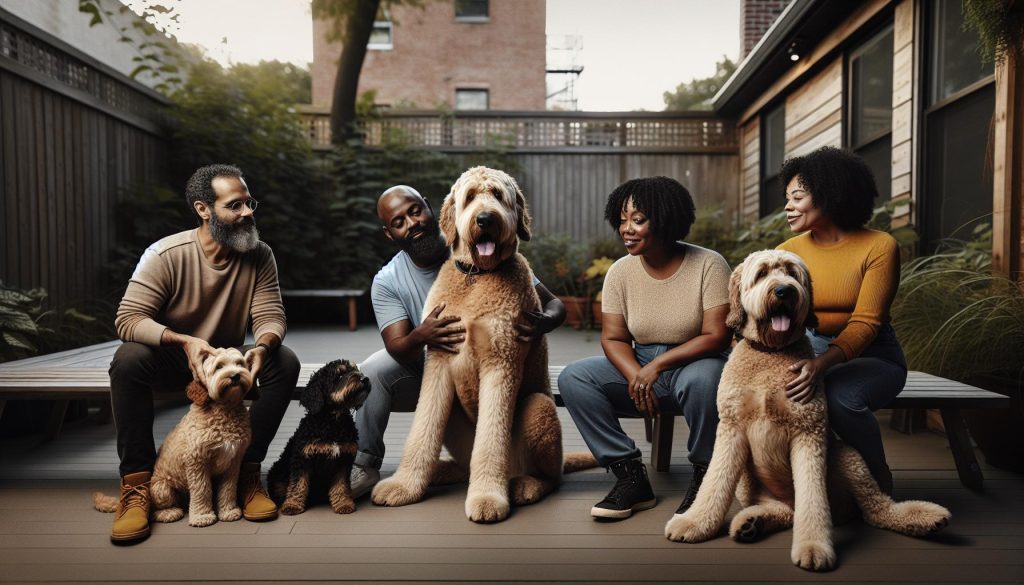
When considering adding a Labradoodle to your family, understanding their size is crucial. These lovable, energetic dogs can vary significantly in size, depending on their Poodle parent’s lineage-Standard, Miniature, or Toy. Did you know that Labradoodles could weigh anywhere from 15 to 100 pounds? This range can impact everything from living space to leash training. By exploring the size chart for full-grown Labradoodles, you’ll gain valuable insights that can help align your expectations with your lifestyle and home environment. Whether you’re a first-time dog owner or an experienced handler, knowing your furry friend’s potential size will empower you to make informed decisions regarding training, care, and even grooming. Let’s dive into the specifics and find out just how big your future companion might become!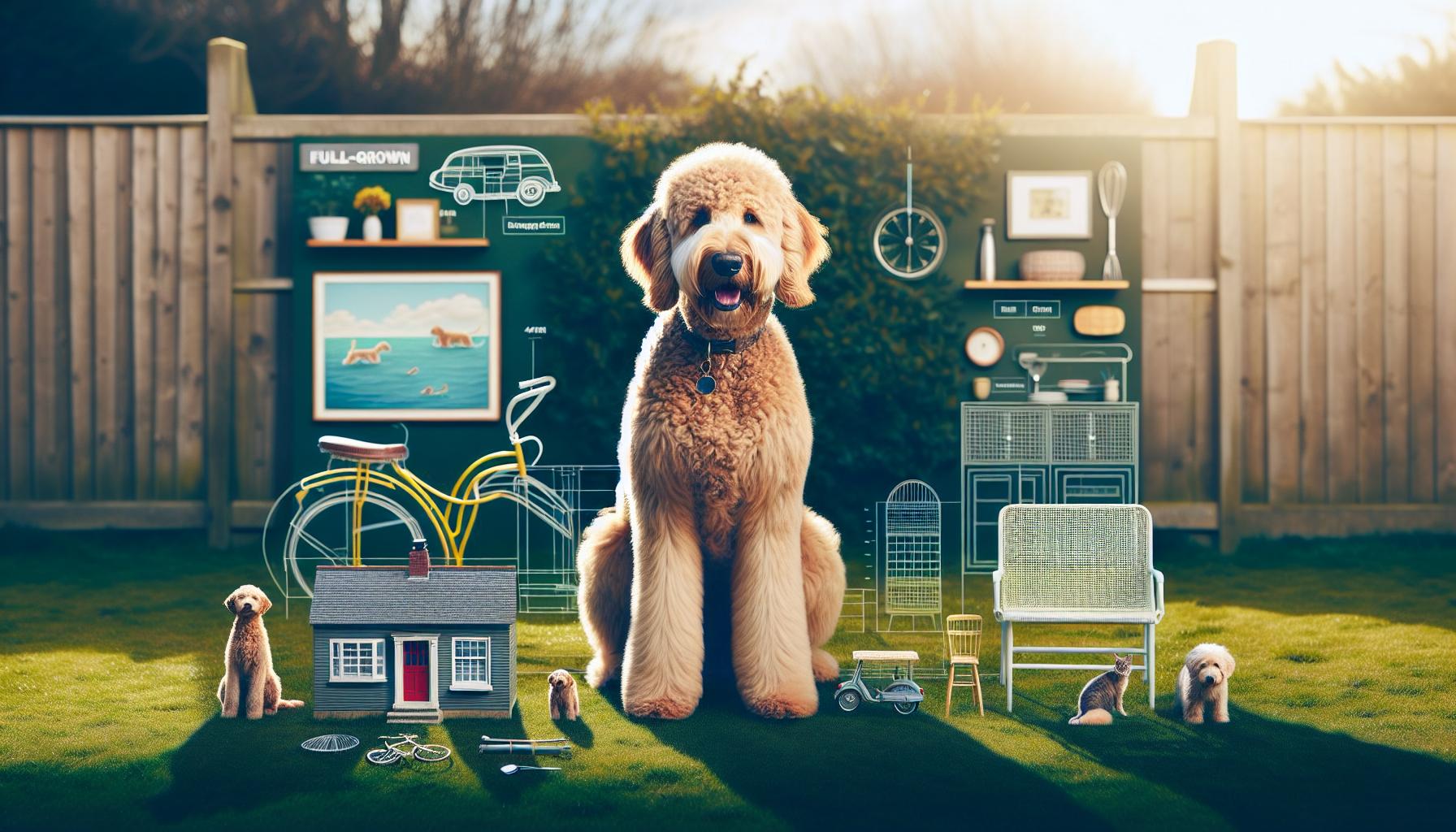
Understanding Labradoodle Sizes: What to Expect
Labradoodles, known for their friendly, energetic disposition, come in various sizes that can greatly influence your experience as an owner. These delightful dogs are a mix between a Labrador Retriever and a Poodle, resulting in a breed that not only varies in size but also in temperament based on that size. Typically, Labradoodles can be categorized into three main sizes: Standard, Medium, and Miniature. The size distinctions primarily stem from the size of the Poodle parent used in the breeding process, making it essential to understand what to expect regarding your future furry friend.
When considering a Labradoodle, it’s crucial to know the factors that influence their size. Genetic factors play a significant role, as the size of the parent dogs directly impacts the offspring. Additionally, the breeding practices adopted can tilt the size range; reputable breeders will often aim for size consistency. Environmental factors, including nutrition and overall health during the puppy’s early growth stages, can also contribute to how large or small a Labradoodle may eventually become.
Potential Labradoodle owners often ask about the normal weight range as well. Generally, Standard Labradoodles weigh anywhere from 50 to 65 pounds when fully grown, while Medium Labradoodles typically weigh between 30 to 45 pounds. Miniature Labradoodles are smaller, averaging around 15 to 25 pounds. Understanding these ranges can guide your decisions regarding space and the type of exercise and care your dog will need. Moreover, the size of your Labradoodle can also reflect in grooming needs and health considerations-larger dogs may require more space and resources, while smaller ones usually adapt better to smaller living environments.
Ultimately, choosing the right size of Labradoodle for your lifestyle can significantly affect the bond you share with your new pet. If you adore larger dogs and have enough space, the Standard variety might be the perfect match. Conversely, if you’re in a smaller apartment or prefer a dog that’s easier to manage, the Miniature Labradoodle could be the ideal companion. Being informed and considering your living situation will help ensure that you and your Labradoodle have a fulfilling life together.
Factors Influencing Labradoodle Size
The size of a Labradoodle can be quite fascinating and varies greatly, largely influenced by a combination of genetic and environmental factors. Understanding these elements is important for prospective owners to ensure their new companion fits their lifestyle and living situation.
Genetics is the primary factor affecting the size of a Labradoodle. As a crossbreed between a Labrador Retriever and a Poodle, the size of the Poodle parent plays a significant role. Standard Poodles will produce larger offspring, leading to the Standard Labradoodle, which typically weighs between 50 to 65 pounds. On the other hand, if a Miniature Poodle is used, the resulting Miniature Labradoodle usually weighs between 15 to 25 pounds. This variability emphasizes the importance of knowing which type of Poodle was used in the breeding process.
Breeding practices also affect size. Reputable breeders often strive for consistency in the size of the puppies through careful selection of parent dogs. They may also utilize techniques such as cross-breeding with the same size category in mind to maintain desired traits and size. Environmental factors like nutrition can provide additional influence; a well-balanced diet can support healthy growth and development during the critical early stages of a Labradoodle’s life.
Moreover, it’s essential to note that size doesn’t just impact appearance; it also influences grooming needs, exercise requirements, and health considerations. For example, larger Labradoodles may need more extensive grooming due to the increased amount of fur, while smaller ones might adapt better to apartment living. Thus, assessing the right size for your living space and lifestyle helps create a fulfilling environment for both you and your Labradoodle. Understanding these factors will empower you to make a more informed choice about which size of Labradoodle best complements your life.
Full Grown Labradoodle Size Chart Explained
Understanding how big a full-grown Labradoodle can get is crucial for potential dog owners wanting to select the right breed for their lifestyle. These hybrid dogs, a mix of the ever-popular Labrador Retriever and the intelligent Poodle, come in various sizes that depend primarily on the size of their Poodle parent. This means that Labradoodles can range significantly, providing options for families or individuals of different living situations and activity levels.
Here’s a general size chart that outlines the expected weight and height ranges for each type of Labradoodle:
| Labradoodle Type | Weight Range | Height Range |
|---|---|---|
| Standard Labradoodle | 50 – 65 lbs | 21 – 24 inches |
| Medium Labradoodle | 30 – 45 lbs | 18 – 20 inches |
| Miniature Labradoodle | 15 – 25 lbs | 14 – 17 inches |
These ranges highlight how varied Labradoodles can be, giving you the ability to choose a size that suits your lifestyle best. For example, a Standard Labradoodle may be ideal for active families with plenty of space, while a Miniature Labradoodle could be better suited for apartment dwellers or those seeking a smaller, yet equally energetic companion.
It’s essential to consider not just the physical size but the associated needs of each type. Larger Labradoodles might have greater exercise requirements and need more grooming due to their thicker fur, while miniatures can be quite manageable in both exercise and grooming aspects. Whatever size you choose, ensure that you have the resources and commitment to meet their physical and emotional needs, fostering a loving environment for your new furry family member.
Mini vs. Standard Labradoodles: Size Comparison
When considering a Labradoodle, one of the most exciting aspects is deciding between the Mini and Standard varieties. Each type not only has its own unique physical characteristics but also caters to different lifestyles and living situations. The Standard Labradoodle, often a favorite for families, is much larger, typically weighing between 50 and 65 pounds and standing about 21 to 24 inches tall. In contrast, the Miniature version, designed for smaller households and those who might prefer a less imposing companion, weighs only 15 to 25 pounds and reaches heights of 14 to 17 inches.
The differences in size between these two types influence various aspects of their care. For instance, while Standard Labradoodles require more space for exercise and play, they are also better suited for outdoor activities like hiking and swimming, providing an excellent partner for active families. Miniature Labradoodles, on the other hand, adapt well to apartment living and can often get their exercise needs met with indoor play or shorter walks. This makes them a great choice for those in urban environments or with limited outdoor space.
Considerations for Potential Owners
When choosing between a Mini and a Standard Labradoodle, there are several factors to keep in mind. These include:
- Living Space: Ensure you have adequate space for the size of the dog you choose. Standard Labradoodles thrive in homes with yards, while Miniatures are more adaptable to smaller spaces.
- Exercise Needs: Be ready to meet the different exercise levels. Standard Labradoodles often enjoy more vigorous activities, while Miniatures can satisfy their needs through gentler play.
- Grooming Requirements: Both types may need regular grooming, but Standard Labradoodles may require more attention due to their thicker coats and potential for matting.
- Temperament: Regardless of size, Labradoodles are known for being friendly, intelligent, and eager to please. However, their energy levels might manifest differently based on their size.
Ultimately, your decision should align with your lifestyle and preferences. Interacting with both sizes will help you gauge which fits your family best. Whether you opt for a playful Standard or a cuddly Miniature, both types bring joy, affection, and a lot of personality into your home!
Weight Range: What’s Normal for Labradoodles?
When it comes to Labradoodles, understanding their weight range is crucial for potential owners to ensure that their furry friend is healthy and well-cared for. These delightful dogs come in different sizes, with most being categorized as either Standard or Miniature, and their weight can vary significantly based on this classification. A healthy Standard Labradoodle typically weighs between 50 to 65 pounds, while the Miniature variety ranges from 15 to 25 pounds. Knowing these general parameters can help you identify whether your pup is on track as they grow.
Maintaining a Labradoodle’s weight within the normal range is essential for their overall health. An overweight dog can face numerous health issues, including joint problems, diabetes, and heart disease, so regular vet check-ups and a balanced diet are vital. To better manage their weight, creating a feeding plan based on their size and activity level can be beneficial. This not only ensures they receive adequate nutrients but also helps prevent obesity. For example, a Standard Labradoodle may need about 2 to 3 cups of high-quality dog food daily, distributed across two meals, depending on their age and activity level.
Weight Management Tips
To support your Labradoodle’s healthy weight, consider these tips:
- Regular Exercise: Engage your dog in daily activities like walks, playtime, or even agility training. Standard Labradoodles usually require more vigorous exercise, whereas Miniatures may be satisfied with shorter, more gentle play sessions.
- Monitor Treats: Treats can be a delightful way to bond but should be given in moderation. Opt for healthy options and be sure to account for these extra calories in their daily intake.
- Consult Your Vet: Regular veterinary visits are essential. Your vet can provide specific dietary recommendations based on your Labradoodle’s individual needs and lifestyle.
By keeping an eye on your Labradoodle’s weight and overall physical condition, you are setting them up for a long, happy, and healthy life. Whether you have a playful Standard or a cuddly Miniature, the love and joy they bring to your home are worth the effort in ensuring their well-being!
Growth Stages of Labradoodles: Timeline Overview
Understanding the growth stages of Labradoodles is essential for any potential owner, as each phase presents unique needs and characteristics. From playful puppies to full-grown companions, the journey of a Labradoodle’s growth can be both exciting and a bit daunting. Typically, Labradoodles reach their full height around 12 to 18 months, but their weight and overall physique will continue to develop for some time after that. By familiarizing yourself with these stages, you can better cater to their evolving requirements and nurture a healthy, happy dog.
In the first few weeks of life, Labradoodle puppies are completely dependent on their mothers. They open their eyes between 10-14 days and begin to hear sounds, marking the onset of their sensory development. Between 4 to 6 weeks, socialization becomes crucial. During this period, exposing them to various sounds, environments, and gentle handling helps them grow into well-adjusted adults. It’s also a time when they begin eating solid food, transitioning from mother’s milk to puppy kibble suitable for their specific size.
When they hit the 3 to 6-month mark, miniature Labradoodles weigh approximately 10 to 20 pounds, while their standard counterparts can weigh between 20 to 40 pounds. This is a highly energetic phase, so engaging them in play and training can be particularly beneficial. Establishing routines and basic commands can aid in their mental development. By 6 to 12 months, your Labradoodle is likely to be reaching nearly their full weight-Miniatures generally settle around 15 to 25 pounds, while Standards can range from 50 to 65 pounds. This stage is pivotal for reinforcing training and socializing with other dogs.
Once they reach maturity at about 12 to 18 months, their physical growth may plateau, but behavioral traits continue to evolve. Adult Labradoodles require consistent exercise and mental stimulation, and it’s essential to adjust their diets accordingly to prevent obesity. Regular vet check-ups can help monitor their growth and ensure they remain within healthy weight ranges. The bond you build with them during these formative stages is deeply impactful, setting the foundation for a wonderful lifelong companionship.
By understanding the growth stages of Labradoodles, you position yourself not just as a caretaker but as a loving guide through their journey. Providing care that encompasses nutrition, exercise, and training will result in a well-rounded companion, ready to bring joy to your life for many years to come.
How to Measure Your Labradoodle Properly
To ensure your Labradoodle is the right fit for your home and lifestyle, knowing how to measure your furry friend accurately is essential. Proper measurements will help you choose the most appropriate space, gear, and routine tailored to your Labradoodle’s size. Fortunately, measuring your dog is quite straightforward and can be done with just a few tools-plus a bit of patience!
Start by gathering a flexible measuring tape, a notepad, and possibly a helper to hold your pup still. It’s best to measure when they’re relaxed and standing upright. Here are key areas to focus on:
- Height: Measure from the ground to the highest point of their shoulder (the withers). This dimension is crucial when considering the size of crates, beds, and toys.
- Length: To find your Labradoodle’s body length, measure from the base of the neck (where the collar sits) to the base of the tail. This helps in choosing the right length for harnesses.
- Chest Circumference: Wrap the measuring tape around the widest part of their chest (just behind the front legs). This measurement assists in selecting fitted collars or harnesses.
- Weight: Regularly weighing your Labradoodle is essential, especially for monitoring growth in puppies or ensuring your adult dog remains within a healthy range.
It might be helpful to keep a measuring record, allowing you to track changes over time. Knowing your Labradoodle’s size can also guide decisions on training-like when to start agility work or whether a product is durable enough for their play style.
Personal experiences from fellow dog owners often reveal that a little practice makes perfect. For instance, my friend had a bouncy Labradoodle who loved to wiggle right when she was measuring. To combat this, she used a treat to keep him focused! This little trick not only made measuring easier but also turned into a fun bonding moment. Measurements can serve as a backdrop for celebrating milestones in your Labradoodle’s growth and development.
By measuring accurately and regularly, you help ensure that your Labradoodle has everything they need to thrive and be comfortable in their environment. An informed owner equals a happier dog!
Health Considerations for Larger Labradoodles
Many prospective Labradoodle owners are often surprised to learn that larger Labradoodles come with their own set of health considerations. Despite their charming demeanor and playful nature, larger dogs can be prone to specific health issues that might not affect their smaller counterparts. It’s crucial to be aware of these potential challenges, as proactive care can lead to a longer, healthier life for your furry friend.
One of the significant concerns for larger Labradoodles is their susceptibility to joint issues, particularly hip and elbow dysplasia. This genetic condition can lead to painful arthritis as your dog ages, making regular vet check-ups, a weight management program, and appropriate exercise routines essential. It’s wise to introduce low-impact activities, such as swimming or gentle walks, to keep their joints healthy without over-exerting them.
Nutritional Needs
Nutrition plays a pivotal role in maintaining a larger Labradoodle’s health. A well-balanced diet tailored to their size and activity level can prevent excessive weight gain, which is known to exacerbate joint problems. Consult with your veterinarian to determine the best food options and portion sizes. Oftentimes, selecting a high-quality dog food specifically labeled for larger breeds can help manage their weight effectively.
Regular Health Screenings
Regular health screenings and vaccinations should not be overlooked. Larger breeds often have a different set of health checks compared to smaller dogs. Staying up-to-date on vaccinations and dental care will help mitigate risks of disease and dental problems, which can be more commonplace in larger Labradoodles.
Moreover, don’t forget the importance of mental stimulation and socialization. Larger Labradoodles can inherit the intelligence of both their parent breeds, which means a bored dog may result in behavioral issues. Interactive toys, training sessions, and social outings can help keep their minds engaged and foster good temperaments.
Ultimately, while larger Labradoodles may indeed come with additional health considerations, with attentive care and proper management of their physical and emotional needs, they can thrive and bring boundless joy to your home. By staying informed and proactive, you ensure a happy, healthy life for your lovable companion.
Grooming Needs Based on Size
Labradoodles are not just beloved for their friendly nature and intelligence; their grooming needs can vary significantly based on their size. Whether you have a Mini, Medium, or Standard Labradoodle, understanding how to groom your furry friend will help maintain their health and ensure they look their best. Regular grooming is key, not only for aesthetics but also for overall well-being, especially considering their unique coat types that can range from wavy to curly.
For Mini Labradoodles, their smaller stature does not lessen the need for regular grooming. Their coats can mat easily due to their finer texture, so a routine that includes brushing at least two to three times a week is essential. This helps prevent tangles and keeps their skin healthy. A bath every month can help with cleanliness, but be sure to use a gentle shampoo suited for their skin type to avoid irritation.
Standard Labradoodles, being larger, require more effort due to their increased surface area. Their coats often require more frequent brushing, ideally two to three times a week, but may need daily grooming when they shed heavily. The longer hair can trap dirt and debris, so establishing a consistent bathing schedule-about once every four to six weeks-will help keep their coat clean and vibrant. Additionally, it’s crucial to keep an eye on their ears and paws, as longer hair in these areas can also collect dirt.
Grooming Checklist Based on Size
- Mini Labradoodles: Brush 2-3 times per week; Bathe monthly; Keep an eye on the ears and paws for dirt accumulation.
- Standard Labradoodles: Brush 2-3 times per week (daily during shedding); Bathe every 4-6 weeks; Check ears and paws regularly.
Larger Labradoodles often benefit from professional grooming sessions. Scheduling a trim every 6-8 weeks can help manage their coat length, reduce shedding, and keep them looking tidy. Plus, professionals can address any matting issues safely. Alongside grooming, regular nail trimming is necessary for all sizes, as overgrown nails can lead to discomfort and mobility issues.
Ultimately, establishing a grooming routine tailored to your Labradoodle’s size not only enhances their appearance but also fosters a stronger bond between you and your pet. Regular brushing and bathing sessions can be great opportunities for gentle handling and socialization. Remember, a well-groomed Labradoodle is a happy one!
Choosing the Right Size for Your Living Space
Choosing the right size of Labradoodle for your living space can have a significant impact on your and your pet’s quality of life. Larger dogs generally require more room to roam freely, while smaller ones can be cozy in smaller homes or apartments. It’s essential to consider both your available space and your Labradoodle’s energy levels and exercise needs. A Mini Labradoodle may suit urbanites or those with smaller homes, making it easier to accommodate playtime and comfort without taking up too much space. Conversely, Standard Labradoodles thrive in more spacious environments where they can stretch out, play, and enjoy a decent amount of outdoor time.
When assessing whether a Mini or Standard Labradoodle fits your living arrangements, consider the layout of your home. Labs are known for their exuberance, so a pup that can comfortably navigate your space without knocking things over is important. Open spaces are ideal for the larger Labradoodles, where they can engage in activities like fetch or tug-of-war. If your home has a yard, that’s a bonus for any Labradoodle size, as they love running and playing outside.
Beyond space, think about how much time you can dedicate to daily exercise and play. All Labradoodles need regular exercise, but larger sizes generally require more. Aim for at least 30-60 minutes of activity each day; thus, spacious living areas, nearby parks, or access to open fields can be beneficial. If outdoor time is limited, a Mini Labradoodle may be the better choice, as they can get adequate exercise indoors with toys or light fetch around the house.
Lastly, prepare to create a comfortable environment for your Labradoodle, regardless of its size. Provide cozy sleeping areas, toys, and room to play so your furry friend feels at home. Engaging them mentally and physically, regardless of their size, is key to a happy and healthy Labradoodle. Tailoring your environment to their size can enhance their happiness and ensure a harmonious living experience for everyone involved.
Labradoodle Sizes and Their Personality Traits
Labradoodles are known not just for their adorable appearance, but also for their distinctive personalities, which can vary significantly based on their size. Understanding these traits can help potential owners select the perfect furry companion for their lifestyle.
Mini Labradoodles tend to be more adaptable to various living situations. Their smaller size often comes with a personality that is energetic and playful, yet they can also exhibit a tendency to be a bit more independent. These pups are ideal for apartment dwellers or those with limited space, as they don’t require as much room to romp around. However, they still need playtime and social interaction to thrive. Their compact size paired with their affectionate nature makes them great companions, especially for families or individuals seeking a loyal dog that may not take up too much physical space in their home.
On the other hand, Standard Labradoodles, due to their larger size, typically showcase more playful exuberance. They are often seen as gentle giants who are eager to please and love being part of family activities. Their size gives them a confident presence, and they tend to thrive in environments where they have the space to run and explore. Standard Labradoodles are often described as more relaxed in the home setting, but they still require ample exercise and mental stimulation to keep their energy in check. Socializing them from an early age can lead to well-rounded adults that balance their size with an affectionate and friendly disposition.
Regardless of size, Labradoodles are renowned for their intelligence and eagerness to learn, making training generally straightforward and rewarding. They possess a strong desire to connect with their humans, and this trait can enhance the bond you share. Whether you choose a Mini or Standard, be prepared to invest time in training, exercise, and socialization, as these factors will significantly influence their behavior and happiness. Their loving nature will reward you with a loyal friend, regardless of whether they fit comfortably on your lap or require their own corner of the couch!
Ultimately, the decision between Mini and Standard Labradoodles should reflect your lifestyle, living space, and personal preferences. Both sizes bring unique qualities that can enrich your life in countless ways, making choosing the right fit an exciting journey in finding your new best friend.
Tips for Caring for Different Sized Labradoodles
Caring for Labradoodles of various sizes requires tailored approaches to meet their unique needs effectively. Whether you have a Mini or Standard Labradoodle, understanding factors such as exercise, grooming, nutrition, and space will ensure your furry friend thrives in your home. Each size presents different challenges and delights, but with the right knowledge, you can foster a happy and healthy environment for your beloved pet.
Typically, Mini Labradoodles require less exercise than their Standard counterparts, but they still need regular walks and playtime to keep their energy in check. Aim for at least 30 minutes of activity per day, which can include fun games like fetch in a small yard or a local park. Additionally, due to their smaller size, it’s crucial to create a safe space for them to roam. Consider investing in gates to keep them out of potentially harmful areas of your home.
In contrast, Standard Labradoodles are energetic and will thrive in larger spaces where they can run and play freely. These bigger pups often need at least an hour of exercise daily, so incorporating jogging, hiking, or swimming into your routine can be beneficial. Regular interaction with other dogs can also stimulate their social sides, leading to a well-adjusted canine companion.
When it comes to grooming, both sizes of Labradoodles have a coat that requires upkeep, but the techniques can differ slightly. Mini Labradoodles may need more frequent grooming sessions due to their dense fur, which can mat easily. Consider a professional groomer every 4-6 weeks for a proper trim. Standard Labradoodles, while still needing regular brushing, can go slightly longer between professional grooming sessions, perhaps every 6-8 weeks.
Lastly, nutritional needs can vary between the sizes. It’s vital to monitor their food intake carefully to avoid obesity-especially in Standard Labradoodles, who may be more prone to weight gain. Consult your veterinarian for specific dietary recommendations tailored to your dog’s lifestyle, age, and activity level. A balanced diet, combined with regular vet check-ups, will help ensure your Labradoodle remains at their best, contributing to a satisfying companionship that enriches both your lives.
Frequently asked questions
Q: What is the average size of a fully grown Labradoodle?
A: A fully grown Labradoodle typically weighs between 50 to 65 pounds and stands about 21 to 24 inches tall at the shoulder, depending on whether it’s a standard or medium variety. This size can vary based on the parent breeds and individual genetics.
Q: How does the size of a Labradoodle compare to other breeds?
A: Labradoodles are medium to large-sized dogs, similar in size to breeds like the Golden Retriever and Standard Poodle. Understanding these comparisons helps potential owners assess if a Labradoodle fits their lifestyle and living space.
Q: Are male and female Labradoodles different in size?
A: Yes, male Labradoodles are generally larger than females, usually weighing more and standing taller. This difference can influence your choice, particularly if size is a key factor for your living situation.
Q: What factors influence how big a Labradoodle will grow?
A: The size of a Labradoodle is influenced by genetics, the size of the parent Poodles (Standard, Miniature, or Toy), and nutrition during their growth stages. Proper care and a nutritional diet can help them reach their ideal size.
Q: How can I tell if my Labradoodle is at a healthy weight?
A: To determine if your Labradoodle is at a healthy weight, monitor their body condition score (BCS). You should be able to feel their ribs without excessive fat covering, and they should have a defined waist when viewed from above.
Q: When do Labradoodles stop growing?
A: Labradoodles generally reach their full height by 12 months, but they may continue to fill out in weight and muscle until they are about 18 to 24 months old. Monitoring their growth stages helps ensure they stay healthy.
Q: What is the weight range for mini Labradoodles?
A: Mini Labradoodles typically weigh between 15 to 30 pounds and measure about 14 to 16 inches in height. This range offers a smaller alternative for those who prefer a more compact dog size.
Q: How can I ensure my Labradoodle remains healthy as they grow?
A: To keep your Labradoodle healthy, provide a balanced diet, regular exercise, and routine check-ups with a vet. Monitoring their growth stages and watching for signs of obesity are also crucial for their long-term well-being.
Future Outlook
Now that you understand how big a full-grown Labradoodle can get, you’re equipped with the insights needed to make an informed decision about welcoming one into your home. Remember, choosing the right size can significantly affect your living space and lifestyle! If you’re curious about health care and training tips for Labradoodles, check out our articles on “Top 5 Grooming Tips for Labradoodles” and “Essential Training Commands for Your New Pup.”
Feel the excitement of finding the perfect pet for you? Don’t wait any longer! Subscribe to our newsletter for exclusive tips and resources tailored for Labradoodle owners and enthusiasts. If you have any lingering questions or you’re eager to share your own experiences with this wonderful breed, drop a comment below! Let’s keep the conversation going, and thank you for being part of our passionate dog-loving community!