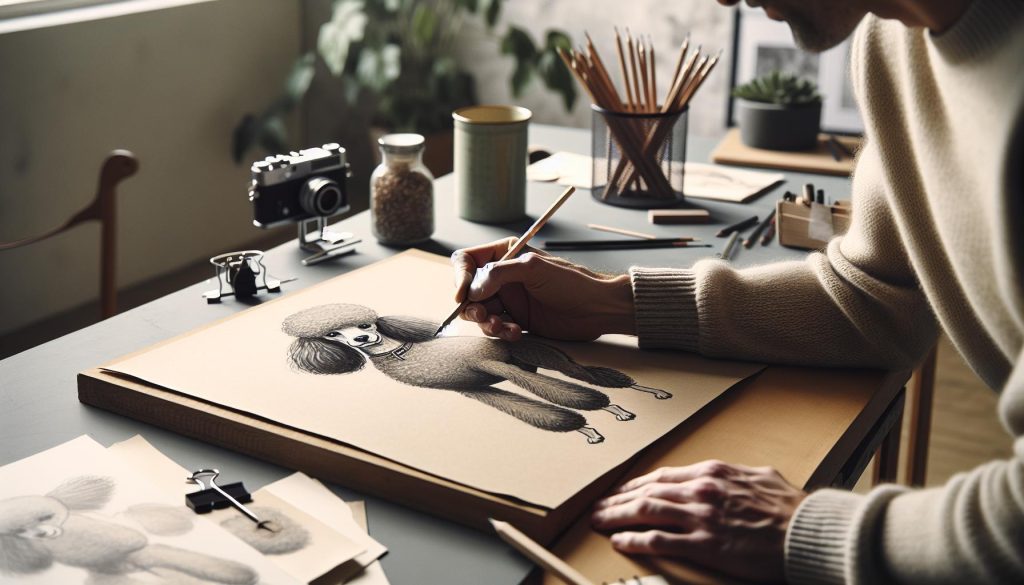
Whether you’re an aspiring artist or simply looking to add a charming new skill to your repertoire, learning how to draw a poodle can be a delightful experience. Known for their playful personalities and distinct fluffy coats, poodles are captivating subjects that bring joy to many. This easy step-by-step tutorial will guide you through the process of drawing these wonderful dogs, ensuring that you capture their unique features, from their expressive faces to their bouncy curls.
Drawing can be a fantastic way to relieve stress and boost creativity, making this tutorial not just an art lesson but also a chance to unwind. Anyone can master the art of drawing a poodle with the right tips and techniques! So grab your pencils, unleash your creativity, and let’s embark on this artistic journey together. You might just surprise yourself with what you can create!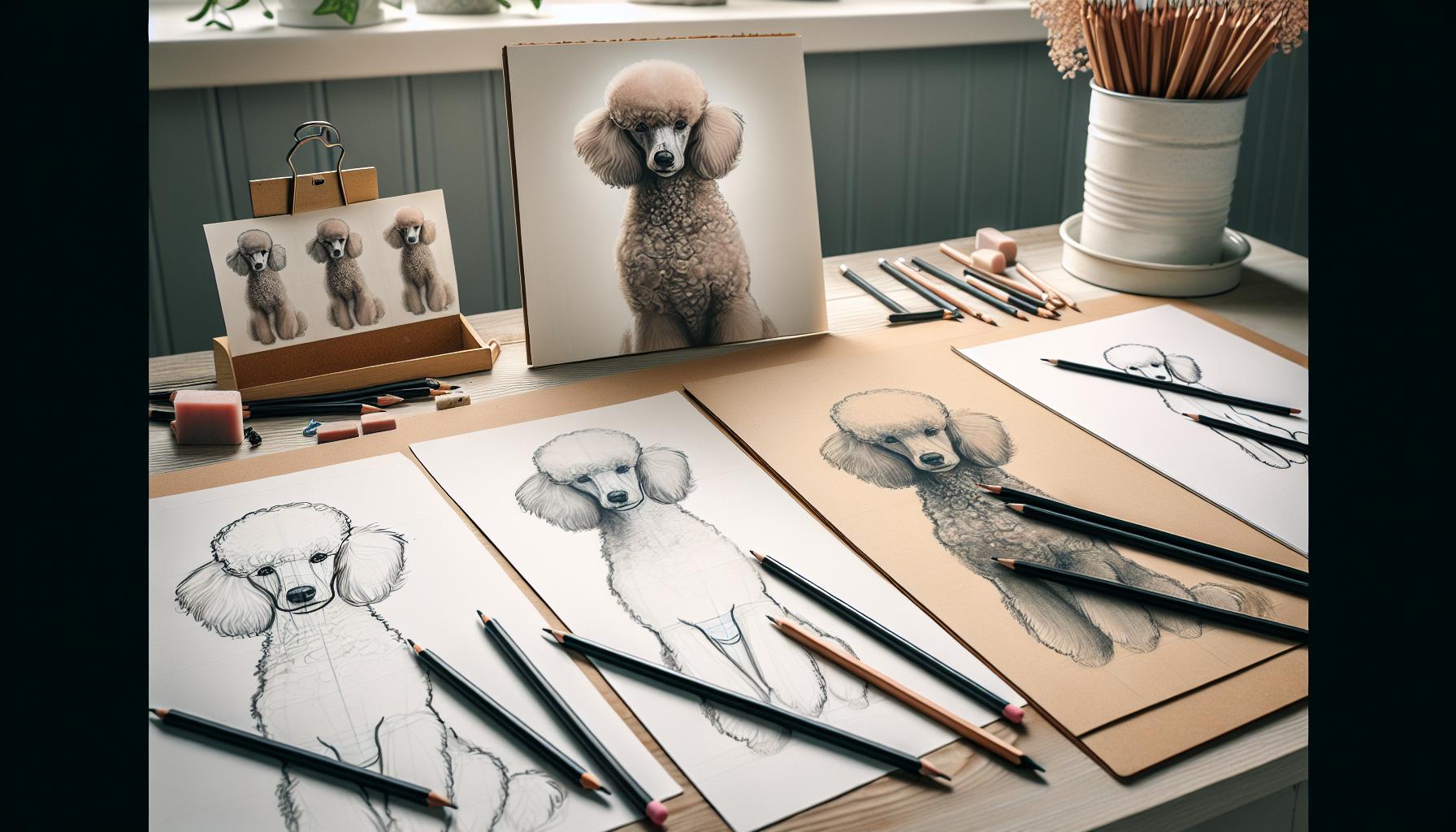
How to Gather Your Drawing Materials for Poodle Art
Gathering the right drawing materials is essential for capturing the elegance and personality of poodles in your art. Whether you’re a seasoned artist or just starting out, having the right tools at your disposal can significantly enhance your drawing experience. First, consider investing in high-quality pencils, ranging from H (hard) to B (soft) grades. The harder pencils are excellent for fine details and outlines, while softer pencils are perfect for shading and blending, allowing you to achieve that fluffy texture characteristic of poodle coats.
Beyond pencils, utilizing smooth sketching paper will greatly affect the final look of your artwork. Choose a heavy-weight paper with a fine texture; this will allow your pencil marks to adhere better and provide the necessary support for erasing and layering. Additionally, don’t forget about erasers! A kneaded eraser is particularly useful for lifting graphite without damaging the paper, while a precision eraser can help with those small, intricate details.
Color can bring your poodle to life, so consider adding colored pencils, markers, or watercolor paints to your toolkit. Each medium offers a unique approach: colored pencils allow for fine detailing and layering of color, while markers provide bold, vibrant hues. Watercolors, on the other hand, can create soft gradients and washes that mimic the delicate appearance of a poodle’s coat. Whichever media you choose, take the time to experiment with different combinations to see which best captures your vision.
Finally, don’t underestimate the value of reference materials. Gathering photographs of poodles in various poses and settings will not only inspire your creativity but also improve your understanding of their anatomy and expressions. Engage with fellow artists or join online communities where you can share techniques and insights. This support can be incredibly motivating and enriching, allowing you to develop your own unique style while drawing these delightful dogs.
Understanding Poodle Anatomy for Accurate Drawings
Understanding the intricate anatomy of poodles is like unlocking a treasure chest of artistic inspiration. Their sleek bodies, graceful postures, and fluffy coats present unique challenges and opportunities for artists. With their distinct features-from the rounded head to the elegant ear shapes-capturing the essence of a poodle on paper can be incredibly rewarding. To achieve an accurate representation, it’s essential to start with a solid understanding of their physical structure.
Poodles are known for their well-proportioned frames. A typical poodle has a square stance, meaning their height from shoulder to ground is approximately equal to their length from chest to tail. This proportionality is key for artists; it lends to a more realistic depiction. Pay particular attention to these aspects as you sketch:
- Head and Muzzle: Poodles have a refined head with a long, straight muzzle. Understanding the angle and proportion of these elements will create a more lifelike appearance.
- Ears: The ears are long, soft, and hang down close to the cheeks. Observe how they frame the face and their relationship to the neck.
- Body Shape: Their neck should appear strong and elegant, leading into a well-defined body. The chest is broad, while the back is straight, tapering into a neatly shaped tail.
- Legs and Feet: Poodles possess straight legs with well-formed feet. Ensure your sketches reflect the strength and agility of their limbs, which contribute to their graceful movements.
Mastering these features will allow you to create a more dynamic and accurate representation of your subject. Observing poodles in action or studying photographs can help solidify your understanding. Recording their various poses emphasizes the importance of movement and flexibility in your drawings.
By focusing on these anatomical details, you can craft poodle illustrations that showcase not just their physical traits but also their playful personalities. This attention to detail is what will elevate your artwork and enable you to capture the elegance and charm that poodles embody.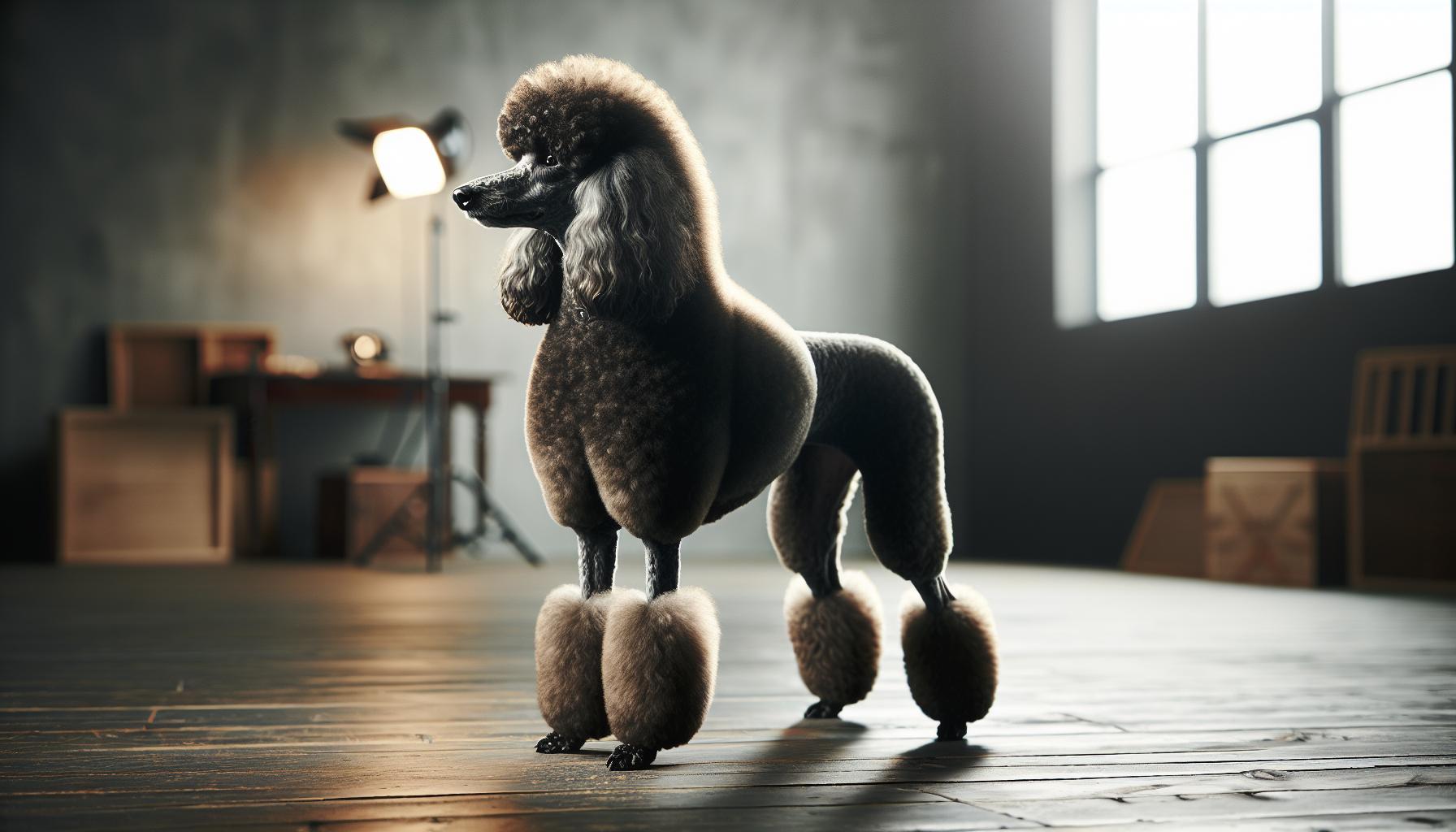
Step-by-Step Guide to Sketching the Poodle Outline
To embark on your journey of drawing a poodle, starting with a strong outline is crucial. The outline serves as the foundation of your artwork, guiding the placement and proportion of each feature. Begin by envisioning the basic shapes that make up the poodle’s refined form. The beauty of sketching a poodle lies in its graceful, often playful nature, which can be captured through simple shapes before adding intricate details.
Start with a light pencil to sketch the basic structure. Think of the poodle as a series of interconnected shapes: a large oval for the body, a smaller circle for the head, and elongated ovals for the legs. Position the body oval horizontally, as poodles have a balanced, square stance. The head should connect seamlessly to the body, ensuring the neck appears strong yet elegant.
Next, refine your shapes to begin establishing the outline of the poodle. Draw a smooth curve for the back and a gentle slope for the neck leading to the head. Be mindful of the muzzle length and angle, which is distinctive for poodles. As you define the outline of the ears, remember they hang down gracefully alongside the cheeks. Add symmetry to the legs, which should be straight and sturdy, indicative of the poodle’s agility.
Finally, take a step back and evaluate your outline. Adjust proportions as necessary to ensure the overall appearance is harmonious. Get comfortable fostering a sense of movement within your drawing; you might add a slight bend to the legs or a playful tilt of the head to convey personality. Remember, this is just the beginning of your poodle illustration journey, so allow yourself the freedom to experiment as you develop your unique artistic style.
Tips for Capturing Poodle Expressions and Features
Capturing the charm and character of a poodle in your drawings is all about understanding their unique expressions and features. Poodles are known for their intelligence and playful demeanor, and this shines through in their facial expressions. A gentle tilt of the head, a playful sparkle in their eyes, or those elegant ears gently framing their face can all convey the breed’s personality. To effectively depict these traits, it’s essential to observe real poodles or quality reference photos closely.
Start with the eyes, as they are the windows to a poodle’s soul. They should be round, expressive, and often have a slightly mischievous glint, suggesting their lively nature. When drawing the eyes, ensure to capture their position and size relative to the head. Adding a little highlight can give them a lively sheen, making your drawing come to life. The eyebrows can also be accentuated to enhance expressions; raised eyebrows can convey curiosity, while furrowed brows suggest focus or concern.
Next, focus on the mouth. A slight upward curve of the lips portrays happiness or playfulness, while a neutral or dropped mouth can give them a more serious expression. The muzzle of a poodle is distinctively long and elegant, so consider its shape carefully to ensure accuracy. You might also want to capture the fluffiness of their fur, especially around the cheeks and ears, as these features are iconic to the breed. Using light, feathery strokes can mimic the texture of their coat and enhance the overall feel of your drawing.
Lastly, don’t overlook the body language. Poodles can be incredibly animated, with their posture reflecting their mood. A poodle that is curious may have a lean forward stance, while one that is relaxed may sit with its legs slightly apart. Incorporating these gestures into your artwork will not only convey the poodle’s personality but also create a dynamic composition that draws the viewer in. Remember, practice makes perfect, and every stroke can lead to a deeper understanding of this elegant breed!
Coloring Techniques to Bring Your Poodle to Life
Capturing the vibrant personality of a poodle goes beyond just getting the outline right; it’s about bringing them to life through color. Poodles come in a variety of colors, from classic black and white to apricot and gray, and using the right coloring techniques can enhance the fur texture and reflect their lively spirit. Here are some tips to elevate your poodle art with color.
To start, it’s essential to choose a color palette that reflects the specific poodle you’re drawing. If you’re depicting a black poodle, varying shades of charcoal and soft gray can help create dimension and depth. Lightly layering these colors will suggest the fluffy texture of the fur. For lighter-colored poodles like creams or apricots, you can achieve a similar effect by using a mix of soft yellows and whites, adding gentle shading with a light touch of peach or light brown to illustrate highlights.
Layering Techniques
Layering is a crucial coloring technique to make your poodle drawing realistic. Begin with a base layer of color that represents the general tone of your poodle’s fur. Once dry, add additional layers in darker shades to create shadows around the eyes, under the ears, and along the legs. This method not only adds complexity but also simulates the natural fluffiness of a poodle’s coat. Use a soft pencil or colored pencil, layering lightly to avoid overpowering the base color.
Another effective approach is to utilize blending techniques. This can be achieved with either colored pencils or watercolors. For colored pencils, apply circular motions with a lighter touch to blend colors smoothly. If you’re working with watercolors, consider wet on wet techniques to create a soft, blended appearance that mimics the natural flow of fur. Working with the colors to achieve transitions between shades will breathe life into your artwork.
Details and Highlights
Don’t forget about the finer details that make a poodle unique! Adding highlights-especially in the eyes-can bring a sense of liveliness and character to your drawing. Use a white or very light pencil to add shine to the eyes and cheek fur. Additionally, incorporating some darker hues in certain areas, such as under the chin or behind the ears, can create depth and shadow, making your art more three-dimensional.
By carefully selecting your colors and utilizing layering and blending techniques, you can transform a simple drawing of a poodle into a stunning and vibrant work of art. It’s all about practice and observation-take time to study real poodles or quality images, and soon, you’ll be able to capture their charming essence beautifully!
Common Mistakes to Avoid When Drawing Poodles
When embarking on your artistic journey to draw a poodle, it’s crucial to recognize that capturing the unique essence of this breed can be both a delight and a challenge. One of the most common pitfalls is neglecting the distinctive features that define poodles – their elegant build, fluffy coats, and expressive faces. Missing these characteristics can lead to a drawing that feels generic or lacks authenticity. To avoid this, spend some time observing and sketching real poodles or using reference images; notice how their fur textures and body proportions differ from other breeds.
Another frequent mistake is overly simplifying the poodle’s coat. Many artists tend to bypass the necessary detail in the fur, opting instead for a flat or untextured appearance. To enhance your poodle art, focus on creating layers within the fur using varied pencil strokes or brush techniques. As you practice, try using different approaches to showcase the soft, curly nature of their coat-this will not only add depth but also bring a sense of life to your artwork.
Furthermore, be mindful of proportions. Poodles can appear delicate yet robust, so getting the size of the head in relation to the body just right is vital. Overly large or small heads can distort the overall look. You might want to create a light underdrawing to ensure that your proportions remain accurate before diving into details. Lastly, don’t overlook the expressions that make poodles so charming; capturing the sparkle in their eyes or their curious demeanor will breathe life into your drawing.
In summary, by paying attention to the unique traits of poodles, focusing on realistic fur textures, maintaining proper proportions, and capturing expressive details, you can elevate your poodle drawings from ordinary to extraordinary. Remember, practice makes perfect, and every artwork contributes to your growth as an artist!
Inspiration: Famous Poodle Art Styles and Artists
Many talented artists have captured the elegance and charm of poodles throughout the years, creating various distinct styles that inspire both seasoned and aspiring illustrators. From classic paintings to modern digital art, poodles have graced canvases, showcasing their unique characteristics, including their fluffy coats, refined stature, and expressive faces. This rich artistic heritage provides a wealth of inspiration for anyone looking to draw or paint these beloved dogs.
One notable example is the work of French painter Édouard Manet, who famously depicted poodles in a series of portraits that captured their dignified presence. His ability to convey texture and form can teach artists the importance of observing how light interacts with a poodle’s curly fur. Similarly, contemporary artists like David Hockney have embraced poodles in their vibrant and playful compositions, reminding us to experiment with color and form when depicting these delightful creatures.
When exploring poodle art styles, consider embracing different mediums. For instance, using watercolors can beautifully convey the softness of a poodle’s coat, while charcoal can add depth and intensity to shadows. Moreover, digital platforms offer endless possibilities for experimenting with layers and textures, making it easier to manipulate the shimmering quality of a poodle’s fur. Artists might find it beneficial to incorporate elements from both traditional and digital techniques, facilitating a personalized style that reflects the grace and nobility of the breed.
Connecting with the dog art community can also spark creative ideas. Joining platforms where artists share their poodle illustrations can inspire you with fresh perspectives. Engaging with this vibrant community, whether online or in local art groups, allows you not only to share your work but also to receive constructive feedback. Remember, art is a journey, and immersing yourself in various styles and traditions can greatly enhance your own drawing skills and lead to remarkable personal interpretations of this wonderful breed.
How to Personalize Your Poodle Drawing for Unique Flair
When creating a poodle drawing, personalizing it not only showcases your artistic flair but also allows you to reflect your unique perspective on this beloved breed. One exciting way to add a personal touch is by incorporating elements that celebrate the dog’s personality or by representing them in a way that resonates with your own experiences. Whether it’s capturing their playful spirit, glamorous style, or the bond you share with the dog, here are some ideas to bring individuality to your artwork.
One effective approach is to infuse your poodle drawing with vibrant colors that are not typically seen in the breed’s natural coat. This can lend a whimsical quality to your piece. For example, you might choose pastels for a dreamy look or bold colors for a modern twist. Consider experimenting with textures as well. Adding patterns or details to your poodle’s coat can represent their distinct personality traits-like dots or stripes to reflect a playful soul or soft swirls for a more elegant resemblance.
In addition to color and texture, incorporating elements from your own life can personalize your work even further. For instance, if your poodle enjoys a particular activity, such as fetching a frisbee, you might depict them in action, surrounded by their favorite toys or in a setting that resonates with those memories. Adding playful details, like a cute bow or a unique collar with charms can also convey character and create a richer narrative within your drawing.
Remember to embrace different mediums when enhancing your art. Combining watercolor with pen for intricate details can produce captivating contrasts, while digital art can let you manipulate colors and layer textures more effortlessly. Sharing your creation with the dog art community online or at local meetups could yield valuable feedback and new ideas, making your personalized portrait not just a reflection of your artistic journey, but also an inspiration for others who love poodles as much as you do.
Resources for Improving Your Dog Drawing Skills
To truly excel in drawing poodles, embracing a wealth of resources can enrich your skills and enhance your understanding of this beloved breed. One of the most rewarding ways to improve your dog drawing skills is by engaging with various art mediums and techniques that resonate with your style. Whether you’re a beginner or an experienced artist, there are numerous tools and tutorials available that can inspire and guide you.
Online Courses and Tutorials: Websites like YouTube and specialized art platforms offer extensive tutorials that focus specifically on dog anatomy, including the distinct features of poodles. Following step-by-step guides can help you master the nuances of their curly coats and elegant postures. For instance, a video that breaks down the drawing process into manageable steps can help you visualize how to represent a poodle’s unique characteristics effectively.
Books and Artistic Communities: Consider investing in books dedicated to dog drawing techniques, which often provide insights into proportions, movement, and breed-specific traits. Joining online communities such as forums or social media groups focused on dog art can also provide invaluable feedback. Sharing your progress and seeking critique from fellow artists can motivate you and expose you to new approaches and ideas.
Practice and Observation: Nothing beats practical experience. Observing poodles in real life, whether through pets or local parks, allows you to understand their behavior and physicality better. Regular sketching sessions, even quick doodles, help build your confidence and improve your ability to capture their expressions and personalities.
Lastly, consider incorporating various styles, such as cartoonish or realistic interpretations, into your workflow. Experimentation can lead to discoveries that refine your artistic voice while keeping your passion for poodles alive. By tapping into these resources, you’ll not only enhance your drawing skills but also find joy in the process of creating art that reflects your love for these remarkable dogs.
Showcasing Your Poodle Drawing: Display Ideas
Imagine walking into a room filled with your artwork, where each piece tells a story and showcases your passion for poodles. Displaying your poodle drawing can elevate your space and allow you to share your artistic journey with others. There are countless creative ways to showcase your drawings that not only enhance the aesthetic of your home but also inspire and engage fellow dog lovers.
One popular method is to create a gallery wall. This involves framing your poodle drawings alongside other artistic pieces, photographs, or even dog-related decor. Consider mixing different frame styles and sizes to add visual interest while maintaining a cohesive color palette. You can even leave space for future artworks, allowing your collection to grow over time. Adding captions or little cards describing the inspiration behind each piece can also invite conversation.
If you’re looking for a more interactive display, consider assembling a portfolio book. This can be a beautifully bound collection of your drawings, showcasing the progression of your skills and your artistic voice. Portfolios can be displayed on a coffee table, providing guests with easy access to flip through your work. Alternatively, creating a digital version allows for sharing on social media or with online art communities, broadening your reach and feedback loop.
Finally, hosting a small exhibit with friends and family can be a fantastic way to celebrate your art. Choose a theme for your gathering, like “Poodle Love,” and invite guests to bring their own dog-themed art. This can create a communal space where artists and dog lovers converge, providing a rich atmosphere of creativity and appreciation. Remember to document the event with photos and videos, both for your own memories and to share on social media, further bridging connections within the dog art community.
By implementing these display ideas, you not only honor your artwork but also create a space that reflects your love for poodles, inviting others to appreciate both the beauty of the breed and your artistic interpretation.
Engaging with the Dog Art Community: Share Your Work
Sharing your artwork is not just about showcasing your drawings; it’s an opportunity to connect with fellow dog lovers, exchange ideas, and grow as an artist. The dog art community is vibrant and welcoming, where sharing your poodle drawings can lead to constructive feedback, inspiration, and even collaborations. By engaging with others, you not only contribute to the community but also enhance your own skills and artistic journey.
One effective way to share your work is through social media platforms like Instagram or Pinterest. Create a dedicated account for your art, posting not just finished pieces but also your progress shots and behind-the-scenes glimpses into your creative process. This transparency invites followers to engage with you and learn from your techniques. Don’t forget to use relevant hashtags such as #PoodleArt, #DogArtists, and #PetPortraits to reach a wider audience. You could also join art-specific groups on Facebook or Reddit, where you can post your drawings, ask for advice, and participate in challenges designed to hone your skills.
Participate in Art Challenges and Competitions
Getting involved in art challenges or competitions can also provide a platform for sharing your poodle masterpieces. Many online communities host challenges that encourage artists to create work around specific themes or prompts. These are excellent opportunities to push your creative boundaries while connecting with others who share your enthusiasm for poodles. An added benefit is that such events often come with prizes or exposure that could help elevate your profile as an artist.
You can also consider local art shows or community exhibitions. Many cities have pet-friendly art events, where you can display your dog-themed art and meet like-minded individuals. Participating in these events allows for personal interaction, which can be incredibly rewarding and motivating. Organizing a pet art show with other local artists can turn into a fun event, drawing in a crowd of dog lovers eager to see your work up close.
By sharing your poodle art and engaging with the dog art community, you not only celebrate your passion for this magnificent breed but also foster relationships that can inspire and uplift your artistic pursuits.
Frequently asked questions
Q: What are the best materials for drawing a poodle?
A: For drawing a poodle, use high-quality drawing paper, pencils (HB to 6B for shading), erasers, and colored pencils or markers for adding vibrancy. These materials allow for precise lines and rich colors, enhancing the overall outcome of your poodle drawing. For more insights, check the section on gathering materials.
Q: How can I make my poodle drawings look more realistic?
A: To achieve realism in your poodle drawings, focus on understanding the breed’s unique anatomy and features, particularly their curly fur texture. Utilize light and shadow effectively, and observe real poodle photos for reference. This approach enhances depth and lifelikeness in your artwork.
Q: What are the common mistakes when drawing a poodle?
A: Common mistakes include neglecting the poodle’s distinctive curly texture and incorrect proportions. Ensure your sketch captures the proper anatomy, and practice layering techniques to represent fur accurately. Refer to the section on common mistakes to avoid for detailed guidance.
Q: Can I draw a poodle if I’m a beginner?
A: Yes, even beginners can draw a poodle! Start with simple shapes for the body and gradually add details. Follow a step-by-step guide, practicing regularly to improve your skills. Access resources for improving your drawing skills for additional tips.
Q: What expressions should I focus on when drawing a poodle?
A: Focus on capturing a poodle’s playful and intelligent expressions, such as playful alertness or calm serenity. Pay attention to their big, expressive eyes and the position of their ears, which can convey different emotions. Refer to the tips on capturing expressions for more techniques.
Q: Are there specific coloring techniques for poodle drawings?
A: Yes, use techniques like layering, blending, and highlighting to bring your poodle drawing to life. Starting with a base layer and gradually adding depth with darker shades creates a realistic effect. Explore the coloring techniques section for detailed instructions.
Q: How can I personalize my poodle drawing?
A: Personalize your poodle drawing by incorporating unique traits, like distinctive fur patterns or portraying your poodle with a favorite toy or outfit. This adds character and makes your artwork special. Check the section on personalizing drawings for creative ideas.
Q: Where can I find inspiration for poodle art styles?
A: Seek inspiration from various sources, including famous poodle artists, online art communities, or social media platforms dedicated to pet art. Observing different styles can spark your creativity. Explore the inspiration section for more about famous artists and styles.
The Way Forward
Congratulations on completing this easy step-by-step tutorial on how to draw a poodle! By following these guidelines, you’ve not only learned a fun new skill, but you’ve also captured the charm of this beloved breed. Remember, practice makes perfect, so don’t hesitate to revisit these steps or experiment with different styles. If you found this tutorial helpful, check out our related posts on “How to Draw Other Dog Breeds” and “Tips for Improving Your Drawing Skills” for more inspiration!
Now, we’d love to hear from you! Share your poodle drawings in the comments below, and don’t forget to subscribe to our newsletter for more expert tips and tricks to enhance your artistic journey. Keep exploring and immerse yourself in your creative pursuits-there’s a whole world of drawing just waiting for you!