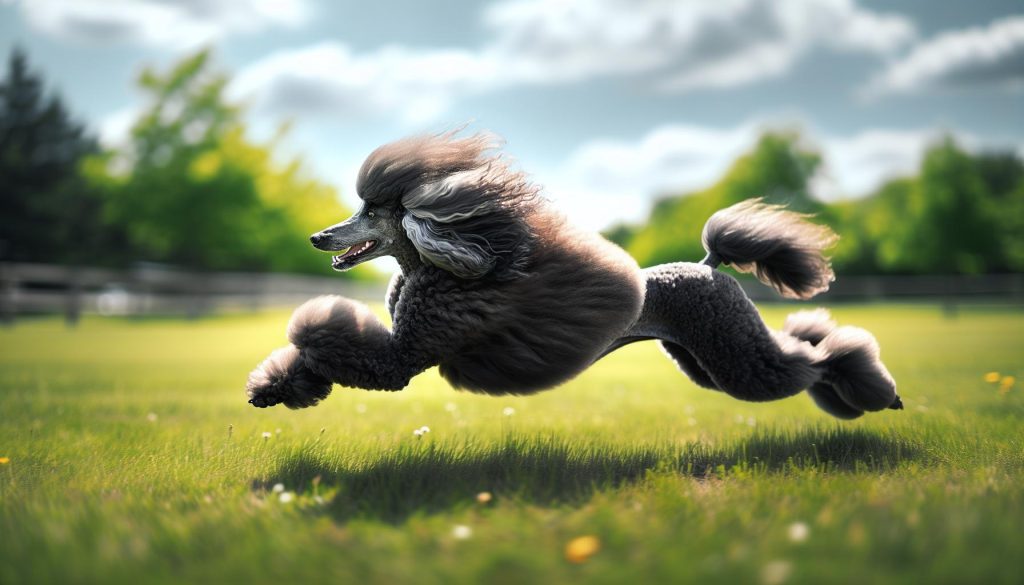
Did you know that Poodles are not just one of the most intelligent dog breeds but also among the fastest? These athletic canines can reach impressive speeds, with some Standard Poodles clocking in at nearly 30 miles per hour! Understanding how fast a Poodle can run is essential for current and prospective owners who wish to engage their furry friend in activities that suit their energy levels and natural abilities. From enjoying a spirited game of fetch to participating in agility competitions, knowing your Poodle’s speed can help you create fun and fulfilling experiences together. In this article, we’ll dive into the fascinating world of Poodle speed and athleticism, giving you insights into what makes these dogs so remarkable. Whether you’re considering welcoming a Poodle into your home or simply want to learn more about this incredible breed, you’ll find valuable information that caters to your curiosity and strengthens your bond with these energetic companions.
How Fast Can Poodles Really Run?
Poodles are impressively agile and surprisingly fast, showcasing athletic prowess that often catches many by surprise. The Standard Poodle, in particular, holds the title of one of the fastest dog breeds, reaching maximum speeds of about 30 mph (48 km/h). This remarkable speed stems from their origins as hunting dogs, where agility and quick bursts of speed were essential for retrieving game in water and on land. Their combination of grace, strength, and intelligence allows them to excel not only in speed but also in various dog sports and activities.
When considering how fast a Poodle can really run, it’s important to acknowledge that individual Poodle performance can vary quite a bit based on several factors. The most significant influences on a Poodle’s running speed include age, training, health, and overall fitness level. Puppies are often far more rambunctious and energetic, but as they grow older, their mobility can be affected by joint health or other age-related conditions. Regular exercise, a balanced diet, and engaging activities like agility training can, therefore, play a pivotal role in enhancing or maintaining their speed.
Poodles come in three sizes: Standard, Miniature, and Toy, each varying in speed capabilities. While Standard Poodles are known for their physical agility and strength, Miniature and Toy Poodles are typically not bred for speed and may not reach the same high velocity as their larger counterparts. Interestingly, even though the Toy Poodle may not reach 30 mph, it remains an active breed, exhibiting bursts of energy that delight their owners. Regardless of size, all Poodles thrive on physical engagement, so even a daily play session in the yard can contribute to overall fitness and vitality.
Understanding these dynamics equips Poodle owners with the knowledge to help their pet reach its full potential. If you’re looking to boost your Poodle’s running capabilities, consider incorporating fun and stimulating exercises into their routine, like fetch or agility drills. Not only does this foster physical fitness, but it also enhances the bond between you and your furry friend. After all, a well-exercised Poodle is a happy Poodle!
Understanding Poodle Athleticism and Speed
Sporty and sophisticated, Poodles are often celebrated for their impressive speed and exceptional athleticism, making them standout companions in both play and competition. One captivating aspect of the Poodle breed is their ability to quickly pivot between engaging bursts of speed and agility, traits that have been honed through generations of breeding. Originally bred as hunting dogs, their high energy levels and enduring stamina are complemented by a playful nature that keeps them vibrant and engaged in various activities.
Poodles, particularly the Standard variety, can reach speeds of up to 30 miles per hour (48 km/h) when fully motivated. This makes them not only one of the fastest dog breeds but also a breed that thrives on exercise and mental stimulation. Activities such as fetch, agility courses, and even structured dog sports serve to channel their energy effectively while catering to their athletic nature. Engaging in these activities not only showcases their remarkable speed and agility but also fosters a deeper bond between dogs and their owners.
However, athleticism in Poodles doesn’t come solely from genetics. Instead, several factors contribute to their running performance. Regular training and exercise routines play a crucial role in maintaining and improving a Poodle’s speed. Moreover, individual characteristics such as age, health status, and fitness level have notable impacts. For example, younger Poodles often display boundless energy, while older Poodles may require adjustments in their activity levels to accommodate any joint or health issues. Recognizing these differences and tailoring exercise regimens accordingly can help maximize each Poodle’s potential, ensuring they remain not only speedy but also healthy and happy.
When evaluating their athletic capabilities, it’s important to provide opportunities that align with their abilities. On top of standard leash walks, consider incorporating activities that challenge them both physically and mentally. Poodles enjoy games that require quick thinking and physical agility, such as obedience training, flyball, or agility competitions. These not only improve their running capabilities but also stimulate their minds, essential for a breed known for its intelligence. By fostering an environment rich in physical activities, owners can help their Poodles flourish as the agile, vibrant companions they were bred to be.
Factors Influencing Poodle Running Speed
Poodles are renowned not just for their elegance but also for their impressive athleticism and speed. However, several factors influence how fast they can run and how long they can sustain that speed. Understanding these elements can help owners cater to their Poodles’ exercise needs more effectively, ensuring they remain healthy and happy while showcasing their speed.
One major factor is the age of your Poodle. Younger dogs, especially those still in their prime, often have an abundance of energy and can reach impressive speeds, sometimes up to 30 miles per hour for Standard Poodles. Conversely, older Poodles may experience a decrease in speed due to natural aging processes or health issues that can affect stamina. It’s essential to monitor their health and adjust their exercise accordingly.
Another crucial aspect is health status. Poodles that are in good health, free from joint issues or other medical conditions, will typically exhibit better speed and agility. Regular vet check-ups and a balanced diet play pivotal roles in maintaining their health. Additionally, a Poodle’s size can also impact speed; Standard Poodles generally outrun Miniature and Toy Poodles due to their larger leg muscles and greater body mass, which allow for stronger propulsion.
The extent of training and exercise undertaken also significantly affects running speed. Poodles thrive on physical activity and mental challenges. Incorporating a variety of exercises can enhance their overall fitness. Activities such as fetching, agility drills, and structured sports not only strengthen their muscles but also improve their coordination and cardiovascular health, which ultimately boosts their running capabilities. Regular, consistent training tailored to your Poodle’s individual needs is pivotal for optimizing their speed potential and overall athleticism.
In summary, by paying close attention to factors such as age, health, size, and training, you can maximize your Poodle’s running speed and keep them in peak condition. Whether you’re taking leisurely walks or preparing for competitive events, being aware of these influences will enhance your Poodle’s performance and enjoyment in athletic pursuits.
Poodle Breeds: Standard, Miniature, and Toy
The world of Poodles showcases an intriguing blend of elegance, intelligence, and athletic prowess, with each size bringing its unique qualities to the table. While Standard Poodles can reach impressive speed levels, sometimes clocking in at up to 30 miles per hour, the Miniature and Toy varieties might not quite match their larger counterpart but still possess substantial agility and energy. Understanding the distinctions between these breeds is essential for prospective Poodle owners who wish to cater to their pet’s exercise and wellness needs effectively.
Size Matters
In terms of speed, size plays a crucial role. Standard Poodles, the largest of the three, have well-developed muscle mass and longer legs, which enable them to achieve higher speeds. Miniature Poodles, while smaller, also boast an athletic build that allows for bursts of quick movement and agility. Toy Poodles, the tiniest of the trio, may not reach the same speeds, but they are incredibly nimble. Each breed’s unique physicality influences its running capabilities and endurance levels.
Activity Needs
Regardless of their size, all Poodles thrive on regular exercise and mental stimulation. Standard Poodles often excel in various dog sports such as agility training and obedience competitions. Their size allows them to participate in activities that require both speed and stamina. Miniature and Toy Poodles, while not as speedy, can still engage in agility training tailored to their abilities, benefiting from the mental and physical exertion it provides.
Here are a few practical ways to engage each Poodle breed based on their athletic abilities:
- Standard Poodles: Join canine sports clubs to explore agility and rally courses.
- Miniature Poodles: Incorporate fetch or timed obstacle courses at home for fun and exercise.
- Toy Poodles: Engage in playtime sessions that include interactive toys to stimulate their minds.
With appropriate exercise tailored to their size and energy level, every Poodle-whether Standard, Miniature, or Toy-can enjoy a happy, healthy life filled with the activity they crave. Understanding these differences empowers Poodle owners to maximize their pet’s potential and ensure they lead a fulfilling and active lifestyle.
Comparing Poodle Speed to Other Breeds
When it comes to comparing the speed of Poodles to other dog breeds, it’s fascinating to see how they stand up in the canine speed competition. The Standard Poodle, with its robust build and athletic capacity, can run at speeds of around 30 miles per hour. This impressive capability places them in a competitive tier among dog breeds, though they still have some stiff competition. For instance, the Greyhound, often crowned the fastest dog, can sprint at speeds up to 45 miles per hour, making them true champions on the track.
In the realm of family pets and agility trainers, the Poodle’s agility shines particularly bright. While the Standard Poodle is faster, the Miniature and Toy Poodles also showcase remarkable agility and quick footwork. Miniature Poodles can reach speeds of approximately 15-20 miles per hour, while Toy Poodles, smaller and sprightly, average around 10 miles per hour. Although they may not win any races against larger breeds like the Vizsla, which can run at 40 miles per hour, they still hold their own in agility courses due to their nimbleness and quick reflexes.
For Poodle owners, it’s essential to acknowledge that speed is only one aspect of a dog’s athleticism. Breeds designed for speed, like the Whippet and German Shepherd, excel in running, but Poodles often outperform them in athletic versatility. They participate in various sports such as agility and obedience competitions where their speed, intelligence, and training come together for impressive performance. Engaging your Poodle in these activities not only taps into their natural abilities but also fosters a strong bond through shared enjoyment and exercise.
To give a clearer idea of how various breeds compare in speed, here’s a simple table:
| Breed | Average Speed (mph) |
|---|---|
| Greyhound | 45 mph |
| Vizsla | 40 mph |
| Standard Poodle | 30 mph |
| Miniature Poodle | 15-20 mph |
| Toy Poodle | 10 mph |
By understanding these comparisons, Poodle owners can set realistic expectations regarding speed while embracing the unique qualities that make their Poodles exceptional companions, whether sprinting in the park or navigating an agility course.
Best Exercises to Boost Your Poodle’s Speed
Unlocking your Poodle’s potential for speed is not just about letting them sprint along a path-it’s about engaging their natural abilities through targeted exercises! Poodles, especially the Standard variety, have the capacity to reach impressive speeds, but consistent practice and conditioning can help them reach their fullest athletic potential. Increasing your Poodle’s speed can be both enjoyable and rewarding with the right exercises.
One effective way to enhance your Poodle’s speed is through interval training. This method involves alternating short bursts of high-intensity running with periods of rest or lower activity. For instance, take your Poodle to a spacious area and allow them to sprint for 30 seconds, followed by a minute of walking or gentle play. This can encourage explosive speed while building endurance over time. Additionally, incorporating resistance training-like running with a weighted vest or using resistance bands-can significantly improve muscle strength and speed.
Another fantastic option is agility training. Setting up an agility course can not only train them for speed but also improve their coordination and reflexes. Use cones, tunnels, and jumps to create a fun and challenging obstacle course. As your Poodle navigates the course, encourage them to move quickly, rewarding them with treats or praise, which can help build a positive association with speed and agility.
Don’t overlook the benefits of water exercises! Allowing your Poodle to run and retrieve in shallow water not only provides resistance but also minimizes impact on their joints. This can be an excellent way to build strength and speed simultaneously. Similarly, practicing on soft sand can enhance your Poodle’s agility and power while being gentle on their paws.
Finally, integrating play sessions that involve chasing balls or other toys is a fantastic way to combine fun and exercise. Not only does this stimulate their natural hunting instincts, but it also encourages bursts of speed in a playful context.
By implementing these exercises consistently, you can witness a noticeable improvement in your Poodle’s speed while also strengthening the bond you share through these engaging activities!
Health Considerations for Athletic Poodles
Engaging in physical activities like running and agility training can bring immense joy and fulfillment to your Poodle, but it’s crucial to prioritize their health to prevent injuries and ensure their longevity in sports. Poodles, especially those participating in high-impact activities, can be prone to issues such as joint pain, muscle strains, and more serious conditions like hip dysplasia. Regular vet check-ups, proper nutrition, and an awareness of your dog’s physical limitations are essential in safeguarding their health.
To best support your Poodle’s athletic lifestyle, consider these key health factors:
- Maintain a Healthy Weight: Excess weight can put undue stress on joints, increasing the risk of injuries. Regular exercise paired with a balanced diet tailored to your Poodle’s age, size, and activity level will help keep them at a healthy weight.
- Warm-Up and Cool Down: Just like human athletes, Poodles benefit from warm-up and cool-down periods. Engaging in light activity before and after sessions can help prevent muscle stiffness and improve recovery.
- Hydration: Ensure your Poodle remains well-hydrated, especially during intense training sessions or hot weather. Dehydration can severely impact their performance and health.
- Rest Days: Incorporating rest days into your Poodle’s training schedule is essential. Rest allows muscles to recover and helps prevent burnout, ensuring they remain enthusiastic about their activities.
- Listen to Your Dog: Understand the signs of overexertion such as limping, excessive panting, or reluctance to continue. Being attentive to these signals can prevent serious injuries.
Paying close attention to these health considerations will not only enhance your Poodle’s athletic performance but also enrich their overall quality of life. Engaging in regular vet consultations can help you monitor their health and make better training decisions tailored to their unique needs. In this way, you can foster a happy, healthy, and active lifestyle that ensures your Poodle thrives in their athletic endeavors!
Training Tips for Improving Your Poodle’s Running
To elevate your Poodle’s running prowess, it’s essential to adopt a strategic approach that combines physical conditioning, skill development, and bonding activities. Since Poodles are known for their intelligence and athleticism, incorporating fun and engaging training methods can keep them motivated while enhancing their speed and performance. Here are some effective training tips:
Start with Basics: Before diving into rigorous running sessions, ensure your Poodle has mastered basic commands such as “come,” “sit,” and “stay.” These commands will be invaluable in managing their excitement and focus during training. A solid foundation makes it easier to introduce more complex activities and improves your dog’s overall responsiveness.
Gradual Conditioning: Increase your Poodle’s running capability gradually. Begin with short distances and progressively extend the length of your runs. This not only builds their endurance but also helps prevent potential injuries. Consider keeping a journal to track distances and times, allowing you to monitor progress and make adjustments accordingly.
Incorporate Interval Training: To boost speed, introduce interval training into your routine. Alternate periods of fast running with short bursts of rest or slower-paced jogging. This approach mimics the natural sprint-and-rest behavior seen in canine athletes. For example, you might sprint for 30 seconds, then jog for a minute. This method can dramatically enhance your Poodle’s stamina and speed over time.
Engagement with Play
Poodles thrive on mental stimulation as much as physical activity. Participate in activities that challenge both their minds and bodies, such as fetch or agility drills. Agility training, in particular, is beneficial as it combines quick turns, jumps, and coordination, all tailored to enhance running skills. Your Poodle may not only run faster but also gain a new confidence as they navigate through the course.
Strength Training
Incorporate strength-building exercises like hill sprints or stair running to enhance muscle development. Stronger muscles contribute to better speed and resilience when running longer distances. Ensure you break these strength training sessions into manageable increments to maintain enthusiasm and prevent fatigue.
Through consistent practice, proper nutrition, and an understanding of your Poodle’s individual limits, you’ll witness noticeable improvements in their running abilities. Always remember to keep training sessions light-hearted and fun-after all, fostering joy in the process is key to a happy and healthy running companion.
Common Misconceptions About Poodle Speed
There are many misconceptions surrounding the speed capabilities of Poodles, which can lead to misunderstandings about this versatile breed. A common myth is that Poodles, especially the smaller varieties like Miniature and Toy, cannot run efficiently or fast. In reality, Standard Poodles are quite athletic and can reach impressive speeds of up to 32 km/h (20 mph) due to their longer legs and athletic build. This athleticism isn’t exclusive to the Standard size; with proper training and encouragement, Miniature and Toy Poodles can also exhibit agility, albeit at a different pace.
Another prevalent misconception is that Poodles are solely show dogs and lack the drive to engage in physical activities. This stereotype overlooks their heritage as water retrievers and hunting companions, which emphasizes their need for exercise and mental stimulation. It’s essential to provide Poodles with opportunities to run, play, and compete in various canine sports. Engaging in activities such as fetch, agility courses, and even obedience training can reveal their quickness and eagerness to participate, countering the perception that they are just overly pampered pets.
Moreover, some believe that Poodles, particularly due to their elegant appearance, may not possess the rugged athleticism of breeds like Greyhounds or Labradors. Yet, their combination of intelligence, strength, and speed makes them enthusiastic participants in competitive settings, including agility and lure coursing. Not only do they enjoy the physical exertion, but their swift adaptability and learning abilities often lead to remarkable success in these activities.
In dispelling these myths, it’s important to set realistic expectations aligned with individual Poodle capabilities. As with any breed, factors like health, age, and fitness level will influence speed and agility. Emphasizing training and exercise will not only help Poodles maximize their potential but also strengthen the bond between owners and their furry companions, allowing these dogs to thrive.
By understanding and addressing these common misconceptions, owners can better appreciate the potential for speed and athleticism in Poodles, fostering a more active and fulfilling lifestyle for their beloved pets.
Realistic Expectations: Speed vs. Endurance
Understanding the balance between speed and endurance in Poodles is essential for maximizing their athletic potential. While these elegant dogs can reach impressive sprinting speeds-up to 32 km/h (20 mph) for Standard Poodles-it’s important to recognize that speed does not equate to long-lasting endurance. For Poodles, achieving top speed typically lasts only for short bursts, making them sprinters rather than marathon runners. This characteristic is crucial for owners to consider when planning exercise routines or engaging in competitive activities.
When assessing your Poodle’s physical capabilities, observe their natural energy levels and stamina during different types of activities. For example, a Standard Poodle may dash across a field during fetch for a couple of minutes at full speed, but they will need rest and recovery before such high-energy activities can be repeated. To enhance both speed and endurance, incorporate varied exercises into your routine. Activities could include:
- Interval Training: Alternating between sprinting and walking will help improve both speed and endurance.
- Agility Courses: These not only build stamina but also provide mental stimulation, keeping Poodles engaged and eager to learn.
- Longer, Low-Intensity Walks: Regular walks at a moderate pace can help build the foundation for endurance over time.
Additionally, stay aware of external factors that could influence your Poodle’s ability to maintain speed over distance. Weather conditions, age, and overall health play vital roles in how much distance they can cover at a good pace. Regular vet check-ups can help identify any health considerations that might impact their athleticism. For example, those with joint issues might struggle more with endurance than younger, healthier dogs.
Ultimately, while Poodles can display remarkable bursts of speed, their endurance should be nurtured through a balanced approach to fitness and play. Understanding this distinction allows you to tailor workouts to your Poodle’s individual needs, fostering a more fulfilling and healthy lifestyle for your furry friend while setting realistic expectations for performance.
Fun Facts About Poodles and Running
Poodles are not just known for their elegance and intelligence; they also have a fascinating history intertwined with running and athleticism. Originating as water retrievers in the 15th century, these dogs were bred to be agile and efficient in various terrains. This natural inclination for speed and agility is one of the reasons they excel in competitive sports today, showcasing their versatility and athletic prowess.
One captivating fact about Poodles is their remarkable adaptability to different styles of running. Whether it’s sprinting across a field during a game of fetch or navigating a complex agility course, Poodles can maneuver swiftly and gracefully. Many owners report that their Poodles display bursts of enthusiasm and speed, particularly when they are excited or engaged in play. This enthusiasm can sometimes lead to surprising feats, with anecdotal evidence suggesting that Standard Poodles can reach speeds up to 30 miles per hour!
However, running isn’t just about speed; it also involves stamina and fitness. Poodles, especially the Standard variety, thrive on regular exercise and benefit from activities that not only boost their speed but also enhance their overall physical condition. Engaging them in activities like structured fetch sessions, long walks, or agility training can help build endurance while allowing them to express their natural athletic abilities. Remember, a well-exercised Poodle is not just faster; they are also happier and more balanced in behavior.
In addition to their athleticism, Poodles have an exceptional sense of body awareness and coordination. This impressive ability contributes to their strong performance in dog sports and agility competitions, making them one of the most sought-after breeds in these arenas. By understanding how to harness their natural instincts and abilities through tailored exercises, you can help your Poodle reach their full athletic potential while deepening your bond through shared activities.
Poodle Sports: Agility and Competitive Running
Poodles are not only graceful companions but also remarkable athletes capable of great speed and agility. In the sport of agility, Poodles excel due to their quick reflexes and sharp intellect, making them one of the top choices for competitive running and agility events. As they navigate complex obstacle courses, their natural athletic abilities shine, showcasing their swift maneuvers and impressive jumping skills. Watching a Poodle dash through tunnels, leap over hurdles, and zigzag through weave poles is a sight to behold, as these dogs demonstrate both precision and enthusiasm on the course.
To get started in agility training, it’s essential to establish a solid foundation of basic obedience commands. This groundwork helps facilitate effective communication between you and your Poodle, which is crucial during more advanced agility activities. Begin with simple exercises such as ‘sit,’ ‘stay,’ and ‘come’ before gradually introducing agility equipment. Using positive reinforcement techniques, such as treats and praise, will encourage your Poodle and make training sessions enjoyable for both of you. Consider enrolling in local agility classes to benefit from expert guidance and to foster socialization with other dogs and handlers.
Aside from agility, competitive running is another area where Poodles can truly shine. Their high energy levels pair well with a variety of canine sports, allowing them to compete in events that focus on speed and endurance. Regularly taking your Poodle for structured runs can help improve their cardiovascular fitness and overall running speed. You might find that participating in local fun runs or canine sports leagues offers an excellent opportunity to bond with your dog while encouraging their natural athleticism.
Ultimately, engaging your Poodle in agility and competitive running not only enriches their physical health but also strengthens your connection. Remember, the key is to keep activities fun and vibrant-your Poodle’s joy and excitement are just as vital as their speed and skill. So, grab a leash, some agility gear, or a ball, and enjoy the thrill of exercising with your furry friend!
Frequently asked questions
Q: How fast can a standard Poodle run compared to other breeds?
A: Standard Poodles can reach speeds of up to 30 miles per hour, making them one of the faster breeds. In comparison, breeds like Greyhounds can run much faster, up to 45 mph. Nonetheless, the agility and speed of Poodles make them excellent competitors in various dog sports. For more on Poodle speed, see our section on comparing breeds.
Q: What factors affect a Poodle’s running speed?
A: A Poodle’s running speed can be influenced by factors like age, health, genetics, and training. Proper nutrition and regular exercise also play crucial roles in optimizing their speed. For tips on enhancing speed through exercise, check out our section on best exercises for Poodles.
Q: How can I train my Poodle to run faster?
A: To train your Poodle for speed, incorporate short sprints into their exercise routine, gradually increasing distance. Use positive reinforcement, such as treats, to encourage improvement. Consistent training with agility exercises can also boost their athleticism. For more detailed advice, refer to our training tips section.
Q: Do different Poodle sizes run at different speeds?
A: Yes, the size of a Poodle affects its speed. Standard Poodles are typically the fastest, while Miniature and Toy Poodles might run slower due to their smaller size and shorter legs. Regardless of size, all Poodles are agile and enjoy physical activity. For a deeper understanding, see our Poodle breeds section.
Q: What common misconceptions exist about Poodle running abilities?
A: A common misconception is that Poodles are not athletic due to their grooming style. In reality, Poodles are highly athletic and excel in various sports. They’re also among the fastest breeds, often reaching impressive speeds. Check out the common misconceptions section for more insights.
Q: Are Poodles suitable for long-distance running?
A: While Poodles can be energetic and enjoy running, their endurance varies by individual. Generally, they can handle medium-distance running, but it’s essential to monitor their stamina, especially during hot weather. For a better understanding of speed versus endurance, see our realistic expectations section.
Q: What health considerations should I keep in mind for an athletic Poodle?
A: Regular veterinary check-ups are important for athletic Poodles to ensure they are fit for running. Be aware of weight management, joint health, and breed-specific conditions. Maintaining a balanced diet and avoiding over-exertion is crucial for their overall health. For tips, refer to our health considerations section.
Q: Are Poodles good at competitive running or dog sports?
A: Yes, Poodles excel in competitive running and various dog sports, including agility and obedience competitions. Their intelligence and trainability make them excellent competitors. To learn more about Poodle sports, head over to our Poodle sports section for details.
Insights and Conclusions
As we’ve explored the impressive speed and athletic abilities of poodles, it’s clear that these dogs are not only fast but also incredibly versatile companions. If you’re considering integrating a poodle into your lifestyle, remember that their agility and energy make regular exercise essential. Don’t wait to enhance your pup’s well-being; check out our guide on training techniques for poodles and learn how to keep your furry friend engaged and fit!
We invite you to share your experiences or questions about poodle training and speed in the comments below! Plus, if you’re eager to dive deeper into understanding other dog breeds, explore our articles on effective dog care tips and breed comparisons. Stay tuned for more insightful content designed to support you and your canine companion. Remember, a happy and active poodle is just a training session away!