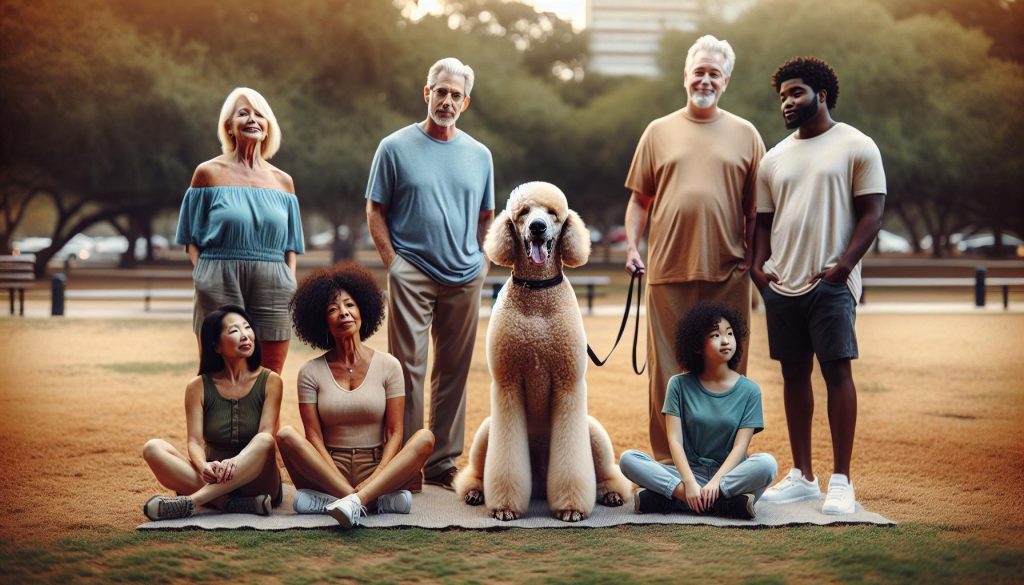
Did you know that Standard Poodles can reach heights of up to 24 inches at the shoulder and weigh between 45 to 70 pounds? Understanding how large Standard Poodles get is crucial for potential owners, as their size impacts everything from living space to exercise needs and grooming routines. Whether you’re a first-time dog parent or looking to switch breeds, knowing what to expect in terms of size can help you make an informed decision that suits your lifestyle and home environment. As you read on, you’ll discover practical insights about Standard Poodle dimensions, ideal kennel sizes, and how their size influences training and care. This ultimate size guide will equip you with the knowledge you need to ensure a happy and healthy life for your furry companion. Dive in and learn more about these elegant, intelligent, and loving dogs!
Understanding Standard Poodle Sizes: An Overview
The Standard Poodle is more than just a beautiful breed; it’s one of the largest members of the Poodle family, captivating dog lovers with its elegant stature and playful nature. Typically, Standard Poodles reach a height of over 15 inches at the shoulder, with adult weights averaging between 40 to 70 pounds, depending on genetics and nutritional factors. Their impressive size and agile movements often lead to misconceptions about their energy levels and care needs, making it important for potential owners to fully understand what owning a Standard Poodle entails.
Several factors contribute to the growth and eventual size of a Standard Poodle. Genetics play a pivotal role, as the size of the parents can often predict the offspring’s size. Nutrition is another critical aspect; a well-balanced diet designed for large breeds will support optimal growth and maintain a healthy body condition. Additionally, proper exercise during their developmental stages not only promotes physical health but also mental well-being, as these dogs thrive on challenges that stimulate their minds.
In comparing Standard Poodles to other Poodle varieties, such as Miniature and Toy Poodles, the differences become apparent not just in height and weight but also in temperament and activity levels. Standard Poodles are often noted for their versatility, excelling in various dog sports and enjoying an exuberant lifestyle. However, with great size comes great responsibility. It’s essential for owners to create an environment that accommodates their active nature while ensuring they receive the training and socialization that will help them flourish both at home and in public spaces.
Ultimately, understanding the size and growth expectations of a Standard Poodle can set new families up for success. With the right preparation, including a thorough awareness of their unique needs, you can enjoy a rewarding relationship with your furry friend that celebrates their bouncy spirit and intelligence.
Factors Influencing Standard Poodle Growth
The journey of a Standard Poodle’s growth is as intricate and fascinating as the breed itself. Several key factors influence how large these charming canines will grow, ranging from their genetic background to their daily care routines. For prospective Poodle owners, understanding these elements is crucial in ensuring that their furry companions flourish both physically and mentally.
Genetics undoubtedly play a leading role in determining the size of a Standard Poodle. Just like human children, Poodles will often resemble their parents in stature. If you know the size and weight of a puppy’s parents, you can make an educated guess about how big your Poodle will eventually become. This genetic predisposition can serve as a guideline for what to expect, but keep in mind that environmental influences can also shape growth.
Alongside genetics, nutrition serves as the foundation for healthy development. A well-balanced diet tailored for large-breed dogs is essential for steady growth. Look for high-quality dog food that lists real meat as the first ingredient, along with balanced vitamins and minerals. Proper portions prevent weight issues, which can lead to joint problems later in life. Regularly consult with your veterinarian to adjust feeding amounts as your pup grows, and consider adding fresh vegetables or safe fruits as tasty, nutrient-rich treats.
Lastly, exercise is vital not just for physical health but for cognitive development as well. Standard Poodles thrive on mental stimulation, and incorporating activities like agility training or obedience commands can keep their bodies active while also challenging their minds. Early and consistent exposure to different environments and experiences can foster a confident, well-rounded adult dog. Remember, a robust Standard Poodle is not just a product of good genes and nutrition; it’s a balanced mix of training, socialization, and love that ultimately shapes a wonderful companion.
By keeping these factors in mind and implementing a holistic approach to your Poodle’s growth, you set the stage for a happy, healthy life for your four-legged friend. Whether you’re a first-time dog owner or a seasoned handler, the journey of nurturing a Standard Poodle can be incredibly rewarding.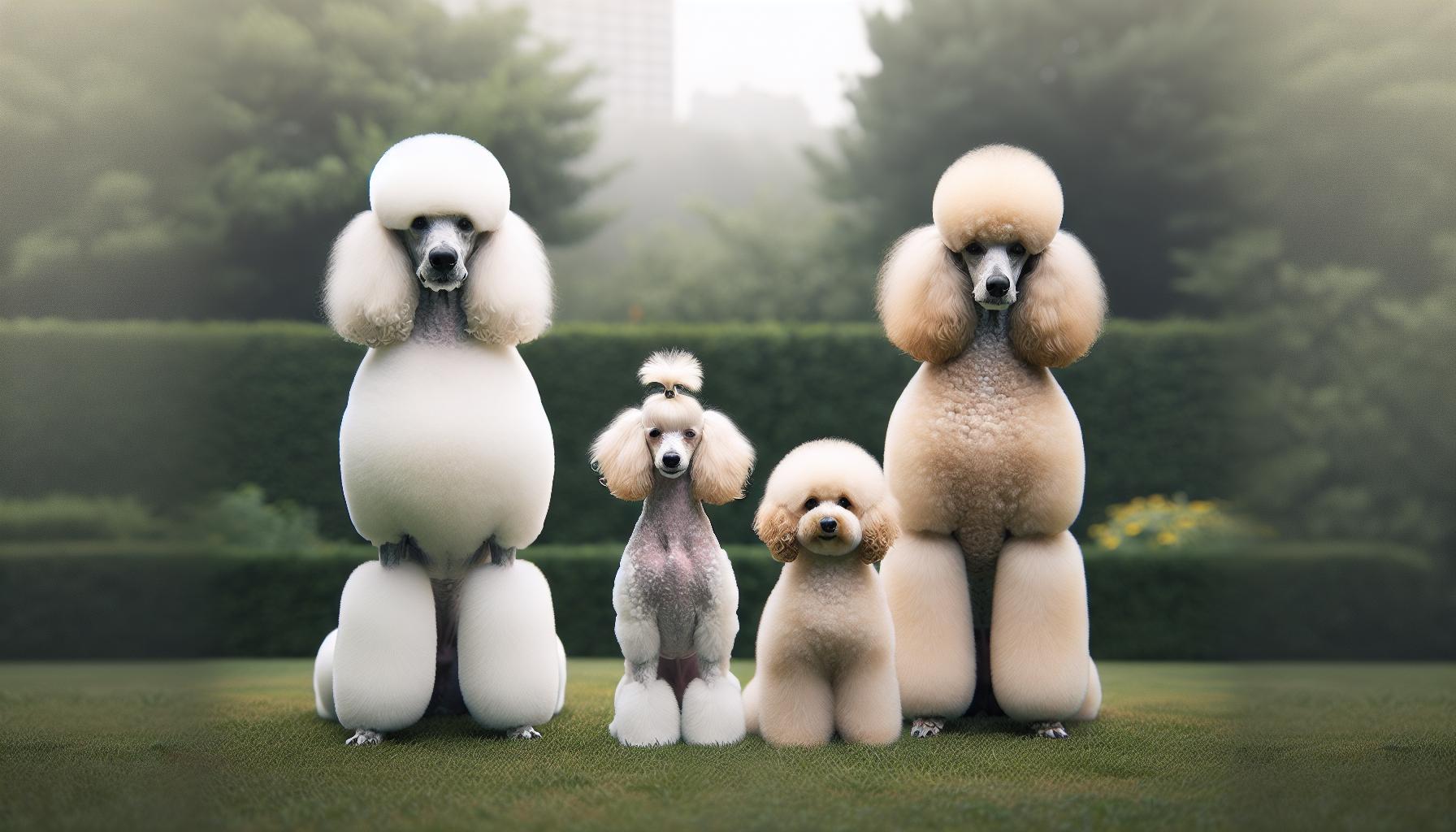
Comparing Standard Poodles to Other Poodle Varieties
When considering the size of a Standard Poodle, it’s fascinating to compare them to their smaller relatives: the Miniature and Toy Poodles. Each variety not only has distinct size characteristics but also unique personality traits and care requirements. Understanding these differences can help potential owners choose the right Poodle for their lifestyle.
Standard Poodles stand tall, typically measuring between 15 to 24 inches at the shoulder and weighing anywhere from 40 to 70 pounds. This makes them the largest of the three sizes. In contrast, Miniature Poodles range from 10 to 15 inches in height and generally weigh between 10 to 15 pounds, while Toy Poodles are even smaller, standing at about 8 to 10 inches and weighing around 6 to 9 pounds. The size difference can affect everything from training needs to space requirements at home. For instance, while Standard Poodles thrive in larger homes with ample space to run, Miniatures and Toys may adapt better to smaller living environments but still require daily exercise and mental stimulation.
Despite these size differences, all Poodle varieties share a common thread: their intelligence and eagerness to please. Standard Poodles are known for their versatility and athleticism, making them excellent candidates for dog sports, therapy roles, and working environments. Their larger size often translates into higher exercise needs compared to their Miniature and Toy counterparts. Owners of Standard Poodles should engage them in more rigorous activities, such as long walks, play sessions, or agility training, to meet their energetic demands.
| Poodle Variety | Height | Weight | Exercise Needs | Ideal Living Space |
|---|---|---|---|---|
| Standard Poodle | 15 – 24 inches | 40 – 70 pounds | High | Large spaces preferred |
| Miniature Poodle | 10 – 15 inches | 10 – 15 pounds | Moderate | Medium to large spaces |
| Toy Poodle | 8 – 10 inches | 6 – 9 pounds | Low to moderate | Small spaces preferred |
Choosing the right Poodle is not just about size; it’s also about matching a dog’s temperament and energy levels with your everyday life. Standard Poodles tend to be more active and require engagement to keep them healthy and happy, while Miniature and Toy Poodles may offer similar affection and intelligence in a smaller package, making them suitable for various lifestyle preferences. No matter the size, each Poodle brings a unique charm and companionship that enriches the lives of their owners.
Weight Ranges for Standard Poodles by Age
Understanding how much a Standard Poodle should weigh at various ages is crucial for ensuring their overall health and well-being. These elegant and intelligent dogs grow rapidly during their first year, and their weight can provide insights into their growth patterns. By tracking this information, owners can ensure that their puppy is progressing appropriately or identify any potential health issues early on.
During the first few months, a Standard Poodle typically weighs as follows:
- 2 months: 10 – 15 pounds
- 4 months: 20 – 25 pounds
- 6 months: 30 – 40 pounds
- 1 year: 40 – 50 pounds
As they transition into adulthood, Standard Poodles generally reach their full weight by around 18 months to 2 years of age, where the weight can range from 40 to 70 pounds, depending on the individual dog and its lineage. It’s important to note that males tend to be larger than females.
To visualize this growth trajectory, let’s take a look at a simplified weight chart:
| Age | Weight Range |
|---|---|
| 2 months | 10 – 15 pounds |
| 4 months | 20 – 25 pounds |
| 6 months | 30 – 40 pounds |
| 1 year | 40 – 50 pounds |
| 18 months | 40 – 70 pounds |
Monitoring your Standard Poodle’s weight is not only essential for their aesthetic appeal but also for their health. A dog that is too thin may struggle to maintain energy levels, while an overweight Poodle can face various health issues, including joint problems and a reduced lifespan. As a responsible owner, providing balanced nutrition paired with regular veterinary check-ups will help ensure that your Poodle grows into a healthy adult. Remember, each dog develops at its own pace, so it’s vital to keep in mind that these weights are general guidelines, and consulting with your veterinarian can give you tailored insights specific to your Poodle’s needs.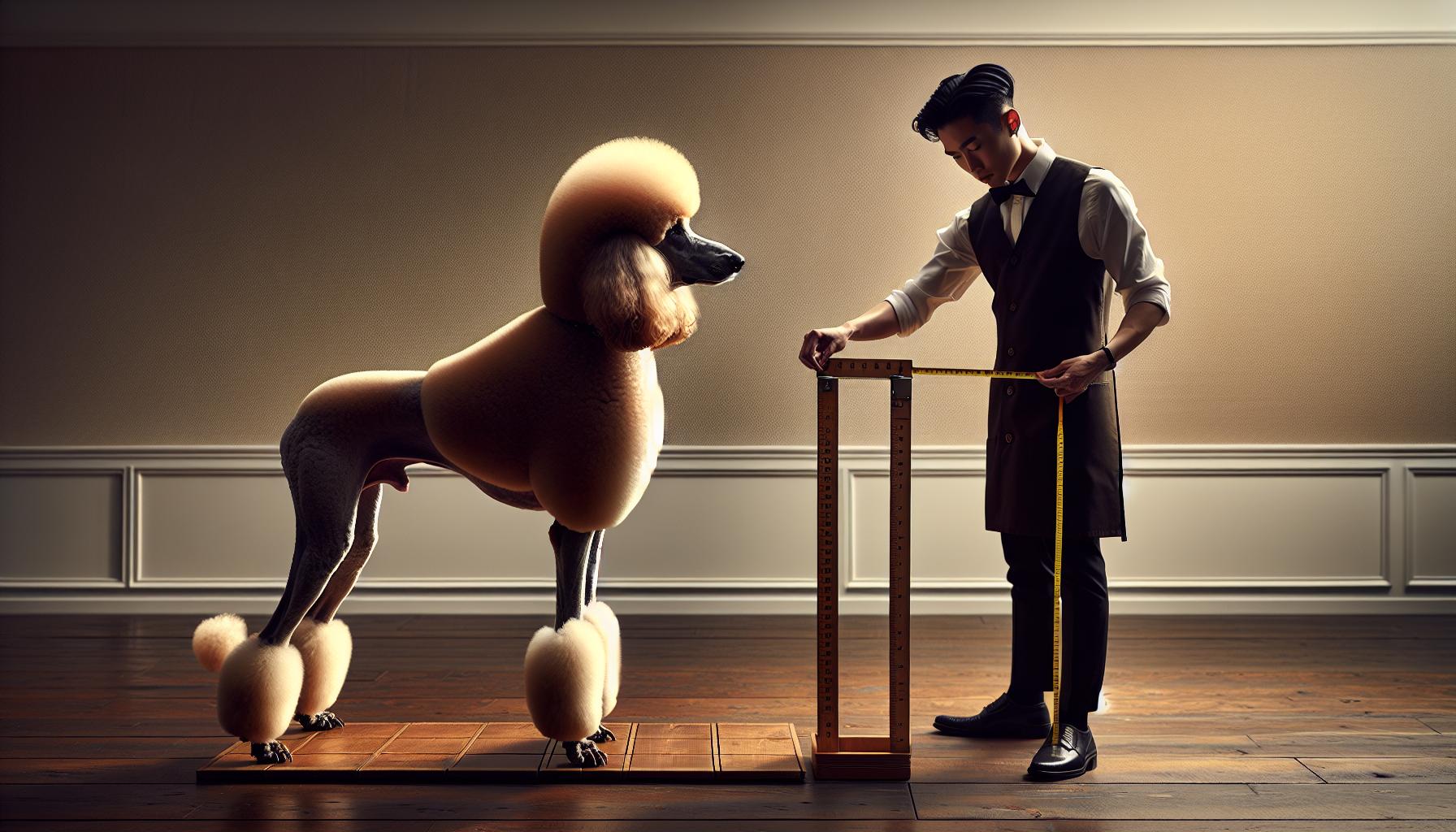
Height Measurements of Standard Poodles Explained
To truly appreciate the magnificent stature of the Standard Poodle, one must understand the specifics behind their height measurements. These dogs are known not just for their intelligence and elegance but also for their impressive size within the poodle family. An adult Standard Poodle stands at an average height of 15 inches or taller at the shoulder, with many individuals reaching heights between 18 to 24 inches. This variation typically depends on genetic factors, particular breeding practices, and, of course, the individual dog’s lineage.
When measuring the height of your Standard Poodle, it’s important to do so correctly to ensure accuracy. The best way to measure is to have your dog stand on a flat, level surface. Using a measuring tape or yardstick, measure from the ground to the highest point of the dog’s shoulders (withers). Keep in mind that taller males generally range from 20 to 24 inches, while females usually measure slightly shorter, ranging from 18 to 22 inches. This distinction in height helps potential owners plan for their needs, whether they relate to space in the home, the size of a crate, or even suitable harnesses.
Understanding Standard Poodle Growth Stages can also shine a light on the gradual changes in height that occur as they develop. During the first year, rapid growth happens, particularly in the first few months. By the time they reach one year, most Standard Poodles will have nearly reached their adult height. The growth can be quite a sight; witnessing these social, spirited creatures transform from tiny puppies to tall, elegant adults is part of the joy of owning a Standard Poodle.
In addition to understanding height, keep in mind that maintaining a healthy body condition throughout their growth is vital. Factors such as diet, exercise, and overall health care all play crucial roles in ensuring your Standard Poodle develops properly. A balanced approach to adjusting their nutrition and exercise routines as they grow can support optimal height and weight maintenance. Regular veterinary check-ups can guide you in tailoring these aspects to meet your Poodle’s specific developmental needs, making sure they thrive as the beautiful breed they are meant to be.
Ideal Body Condition for Standard Poodles
Maintaining an optimal body condition for your Standard Poodle is essential to their overall health and well-being. A well-proportioned Poodle not only looks great but also enjoys a more active lifestyle, preventing common health issues associated with obesity and malnutrition. To achieve this ideal body condition, it’s crucial to understand what a healthy Poodle should look like and how you can help them reach these goals.
When assessing your Poodle’s body condition, you should be able to feel their ribs without excess fat covering. They should have a noticeable waist when viewed from above, and their belly should tuck up from the rib cage to the hind legs. This physique indicates a balanced weight that supports good health. It’s helpful to regularly monitor their weight and body condition, adjusting food intake and exercise accordingly. Many dog owners find success with the “body condition score” system, which rates dogs on a scale from 1 to 9, helping to visualize where their Poodle stands.
Nutrition plays a pivotal role in maintaining this body condition. High-quality dog food, tailored to their age, size, and activity level, will provide the necessary nutrients while preventing excess weight gain. For growing Standard Poodles, consider choosing a food designed for large breeds with appropriate caloric content to support their rapid growth phases. Sticking to a regular feeding schedule and measuring their food can help manage their calorie intake effectively.
Practical Tips for Achieving Ideal Body Condition
- Regular Exercise: Engage your Poodle in daily activities such as walks, runs, and playtime. As a highly intelligent breed, they also benefit from mental stimulation through games and training sessions.
- Routine Veterinary Check-Ups: Regular check-ups can identify any potential health issues early and provide guidance on suitable weight management plans.
- Weight Management: If your Poodle is gaining too much weight, consider reducing their food portions and increasing exercise, but consult your vet before making significant changes.
Ultimately, fostering an ideal body condition for your Standard Poodle will not only enhance their quality of life but also deepen the bond you share. Through careful attention to their diet and exercise, you can help them thrive as energetic, happy companions, fully enjoying their majestic stature and spirited nature.
Common Growth Milestones for Standard Poodles
When welcoming a Standard Poodle into your home, understanding their growth milestones can significantly enhance your experience as an owner. From their first steps to their playful youth and eventual maturity, each phase offers unique opportunities for bonding and care. Standard Poodles are known for their exuberant personalities and intelligence, which can be both a joy and a responsibility as they grow. You might find it fascinating to observe how quickly they develop, especially during their pivotal early months when they seem to grow overnight.
During their first 8 weeks, Standard Poodles experience rapid growth, both physically and mentally. When you bring a puppy home, they typically weigh between 5 to 10 pounds. This is also a crucial period for socialization and acclimatization. Introducing them to various environments, people, and other pets sets the foundation for their temperament and behavior. Implementing positive reinforcement training during this time can enhance their learning and help establish desirable habits as they grow.
By the time they reach 4 to 6 months, you’ll notice significant changes; they may weigh around 30 to 40 pounds and enjoy bursts of energy. This stage often includes teething, prompting a need for appropriate chew toys to soothe their gums. Regular exercise becomes essential not just for physical health but also for mental stimulation. Engaging them in different forms of play will help redirect their energy positively.
As they approach one year, Standard Poodles should weigh between 45 to 65 pounds, with males typically being larger. This stage marks the transition into adolescence, which can come with a mix of stubbornness and playful antics. Consistency in training and remaining patient during this phase is critical. Regular vet visits during these milestones ensure your pup is growing healthily and allows for vaccination updates and discussions about their dietary needs.
Every milestone is an opportunity for you to connect with your growing Standard Poodle, and by being aware of these phases, you can adjust your care and training approaches accordingly. Nurturing your Poodle through each stage not only ensures their well-being but also strengthens your bond, leading to a lifetime of joyful companionship.
Nutrition Tips for Healthy Growth in Standard Poodles
To ensure your Standard Poodle grows into a strong and healthy adult, proper nutrition is crucial. Did you know that a puppy’s diet can significantly impact their growth, energy levels, and overall health? As you embark on this journey with your furry friend, understanding the nutritional needs at various stages of their life will help you make informed choices that support their growth and vitality.
Standard Poodles are known for their size and active nature, so selecting high-quality dog food tailored specifically for large breeds is essential. This type of food typically has a balanced blend of protein, fats, and carbohydrates, supporting muscle development and overall energy levels. Look for a formula with at least 22-30% protein; meat sources like chicken, lamb, or fish should be the first ingredient listed. Additionally, healthy fats from sources like fish oil can promote a shiny coat and skin health, which are particularly important in puppies with their sensitive skin.
Stage-Specific Nutritional Needs
As your Poodle matures, their nutritional requirements will change. Here’s a handy guide to ensure they’re getting the right diet at various growth stages:
| Age | Diet Recommendations | Portion Size |
|---|---|---|
| Puppy (8 weeks – 6 months) | High-quality puppy food enriched with DHA for brain development | 4 small meals per day |
| Young Adult (6 months – 12 months) | Transition to large breed adult food, monitor growth | 2-3 meals per day, adjusting for weight gain |
| Adult (1 year +) | High-quality adult food, balance between maintenance and weight management | Based on activity level, typically 1-2 meals per day |
It’s also important to stay mindful of their caloric intake, especially since Standard Poodles can be prone to obesity as they age. Regularly monitoring their weight and adjusting food portions according to their activity level can help maintain an ideal body condition.
Additionally, incorporating occasional healthy treats and snacks-like carrot sticks or bits of apple-can be beneficial during training sessions or as rewards. However, ensure treats do not exceed more than 10% of their daily caloric intake to avoid unintentional weight gain.
Ultimately, providing your Standard Poodle with a balanced and nutritious diet is a friendship investment that will pay dividends in their health and happiness. Regular consultations with your veterinarian can help you adjust their diet according to their unique needs, ensuring a long, vibrant life for your beloved companion.
Exercise Needs Based on Size and Age
Understanding the exercise needs of a Standard Poodle is crucial for their overall health and well-being. These dogs are not just large in size; they are also full of energy and require ample physical activity to stay fit and mentally stimulated. From their puppy stages to adulthood, the exercise requirements will vary, but the enthusiasm for activity remains constant throughout their lives.
During the early stages (puppyhood), Standard Poodles are typically playful and curious. They require a gentle introduction to structured exercise. A good rule of thumb is to engage them in short, frequent play sessions that last about 5 minutes for each month of age. For example, a 3-month-old puppy can enjoy around 15 minutes of exercise spread throughout the day. Activities can include simple games of fetch in the yard, short walks, or sessions with chew toys that stimulate their minds. It’s essential to avoid strenuous exercise during this time, as their bones and joints are still developing.
As your Poodle matures into adolescence (6 to 12 months), their energy levels will become more pronounced, and they will need more intense exercise. At this stage, you can gradually increase their activity to 30 to 60 minutes daily. Incorporate longer walks, agility training, or even swimming, which is a great low-impact exercise that many dogs enjoy. Mental stimulation through puzzle toys or training games is also essential, as it helps to curb potential behavioral issues stemming from boredom.
Once they reach adulthood (over 1 year), Standard Poodles typically require at least an hour of exercise each day. This can be split into two sessions – one in the morning and one in the evening. Activities such as jogging, playing fetch, or engaging in dog sports like flyball or obedience training can be ideal. Regular exercise not only keeps them physically fit but also provides an excellent outlet for their energetic nature, reducing the likelihood of developing weight issues, especially as they can be prone to obesity.
In summary, tailoring your Standard Poodle’s exercise routine based on their age and energy levels is crucial. Regular activity is key to their physical health and mental well-being. Always ensure that exercises are varied and enjoyable, as keeping them engaged not only benefits their health but also enriches your bond with them.
Veterinary Care: Managing Growth and Health
Keeping your Standard Poodle healthy throughout their growth stages is an essential part of their overall well-being and happiness. Regular veterinary care not only aids in proper growth monitoring but also plays a crucial role in preventing potential health issues that can arise due to their unique size and activity levels. It’s important to establish a relationship with a veterinarian who understands the specific needs of Standard Poodles, especially as they grow from playful pups into elegant adults.
Routine vet visits should start as soon as you bring your Standard Poodle home. During these visits, your vet will provide vaccinations, assess their growth and development, and offer tailored advice based on your puppy’s specific health profile. For Standard Poodles, early checkups are vital for monitoring weight gain and ensuring they are developing at a healthy rate. It’s not uncommon for puppies to experience growth spurts, and your vet can help manage their diet and exercise routine to accommodate these changes.
To further support your Standard Poodle’s growth and health, ensure they receive a balanced diet, rich in essential nutrients. During their first year, this will typically include specially formulated puppy food that supports their rapid development. Your vet can recommend the best food options and feeding schedules based on your puppy’s age, size, and activity level. It’s important to discuss how much and how often to feed them to avoid obesity, which this breed can be prone to. Unlike smaller breeds, the Standard Poodle’s growth rate can be more pronounced, making careful dietary management critical to avoid developmental problems.
Additionally, regular dental care is often an overlooked aspect of veterinary visits. Standard Poodles are susceptible to dental issues, and maintaining an appropriate dental hygiene routine through regular cleanings can prevent serious health problems later on. Discuss with your vet about options for dental chews or other products that can support tooth health while they grow.
As you navigate the different life stages from puppyhood through adulthood, remember that preventative care is much more manageable and effective than addressing issues after they arise. From vaccinations to nutrition, and dental health, formulating a comprehensive plan with your vet ensures your Standard Poodle grows into a healthy and happy companion, ready to share many adventures with you!
Preparing Your Home for a Growing Standard Poodle
Bringing a Standard Poodle into your home can be an exhilarating adventure, especially as they grow and develop their unique personalities. These intelligent and energetic dogs can range from 45 to 70 pounds and stand about 18 to 24 inches tall at the shoulder, making preparation essential for their comfort and safety. As your Poodle grows, they will require a space that caters to their developing size, activity levels, and natural inquisitiveness.
To start, consider creating a dedicated space for your Poodle. This can be a cozy corner with a comfortable bed and easy access to toys. As Standard Poodles are known for their playful nature, incorporating a variety of toys-not only to chew but also to stimulate their minds-is crucial. Invest in sturdy and appropriately sized chew toys, and consider interactive puzzles to keep them engaged. Remember to rotate their toys to maintain their interest and prevent boredom.
Additionally, it’s important to poodle-proof your home. Just like toddlers, puppies love to explore! Secure loose electrical cords, remove hazardous items from low surfaces, and ensure that any plants in your home are non-toxic to pets. Installing baby gates can help manage their access to certain areas, particularly where they may get into trouble or encounter hazards. Remember, as they grow, their natural curiosity will lead them to investigate every nook and cranny, so better safe than sorry.
Their exercise needs will also increase as they grow, requiring thoughtful planning in your home environment. Designate an area, either inside or outside, where they can romp and play safely. A yard with a secure fence is ideal, but if that’s not an option, look for nearby parks where they can run freely. Implementing a routine for exercise and play is essential to help them release energy and maintain a healthy weight.
Lastly, ensure that your environment supports their socialization needs. Standard Poodles thrive on interactions and do well with both humans and dogs. Regular visits to dog parks or puppy classes can be beneficial for their development. Not only does this provide vital socialization, but it also helps them grow into well-rounded adults. By taking these proactive steps, you’re setting the stage for a loving and safe environment where your Standard Poodle can thrive and grow into the remarkable companion they are destined to be.
Understanding Standard Poodle Size Myths and Facts
When it comes to understanding the size of Standard Poodles, there are several myths and misconceptions that often circulate among both new and seasoned dog owners. One prevalent myth is that all Standard Poodles are massive, resembling giant teddy bears. In reality, while they are indeed one of the larger varieties of Poodles, their size can vary significantly. Generally, Standard Poodles range from 18 to 24 inches tall at the shoulder and typically weigh between 45 and 70 pounds, depending on factors such as genetics and diet. This means that not all Standard Poodles will be the same size, and individual dimensions can vary within the breed standard.
Another common misconception is that female Standard Poodles are significantly smaller than their male counterparts. While this is often true, the differences in size are not as pronounced as one might think. Generally, female Standard Poodles may stand about 2 to 4 inches shorter and weigh 5 to 15 pounds less than males. However, factors like lineage and how well the dog has been cared for can contribute to these differences. When considering a Standard Poodle, it’s essential to focus on the specific breeding and health of each individual dog rather than solely relying on generalizations based on gender.
Understanding body condition is also crucial in discussions about size. Beyond just weight and height, the ideal body condition of a Standard Poodle includes a well-proportioned appearance with a healthy amount of muscle and a balanced physique. Regular veterinary check-ups can help ensure that your Poodle maintains a healthy weight and body structure as they grow. Keeping an eye on their diet and exercise habits is key to preventing obesity, which is increasingly common in larger dog breeds.
Lastly, some potential owners might believe that size impacts temperament. While it’s true that larger dogs can sometimes be more intimidating, the individual personality of a Standard Poodle-known for being intelligent, energetic, and affectionate-remains consistent regardless of size. By focusing on positive training and socialization, owners can foster a loving and well-adjusted temperament at any size, reinforcing that it’s not just about how large they grow, but how they enrich your life as companions.
Frequently asked questions
Q: How tall do standard poodles typically get?
A: Standard poodles generally reach a height of 15 inches or taller at the shoulder. Adult males usually measure between 15 to 24 inches, while females tend to be slightly smaller, typically ranging from 15 to 22 inches. For more details on height variations, check our section on height measurements.
Q: What is the average weight of a standard poodle?
A: The average weight of standard poodles varies based on age, sex, and overall health. Adult males typically weigh between 45 to 70 pounds, while females range from 40 to 60 pounds. For specific weight ranges by age, refer to our weight sections in the article.
Q: When do standard poodles stop growing?
A: Standard poodles usually reach their full height by 12 months but may continue to fill out and gain weight until around 18-24 months. Keeping track of growth milestones can help ensure they’re developing healthily.
Q: How can I tell if my standard poodle is overweight?
A: An overweight standard poodle may have difficulty moving, a lack of energy, and an unusual body shape. To assess body condition, feel for ribs: they should be distinguishable but not prominent. For more in-depth advice, visit our ideal body condition section.
Q: Do standard poodles grow at different rates?
A: Yes, standard poodles can grow at varying rates influenced by genetics, diet, and health. Some may reach full size sooner, while others could take longer. Monitoring growth patterns can help identify any potential health issues.
Q: What nutrients are essential for a standard poodle’s growth?
A: Standard poodles require a balanced diet rich in high-quality protein, fats, vitamins, and minerals to support healthy growth. Specifically, ensure their food contains DHA for brain development and calcium for strong bones. Check our nutrition tips for further guidance.
Q: How does exercise affect the growth of standard poodles?
A: Regular exercise is crucial for standard poodles as it promotes healthy growth and muscle development. However, avoid excessive jumping or rigorous activities in young pups to protect their joints. For age-appropriate exercises, refer to our exercise needs section.
Q: What are some common myths about standard poodle sizes?
A: Common myths include the belief that all standard poodles are large or that they can’t be trained effectively due to their size. In reality, their size varies and they are highly intelligent and trainable. Read our size myths section for more accurate information.
Key Takeaways
Now that you know how large Standard Poodles can grow and the factors influencing their size, it’s essential to consider your lifestyle and home environment to ensure you can accommodate a Poodle’s needs. Whether you’re planning to welcome a fluffy companion into your family or you just want to learn more about this delightful breed, we’ve got you covered. If you’re curious about how to care for your Poodle or are looking for advice on the different sizes available, check out our detailed guides on Poodle care tips and breed comparisons.
Don’t miss out on staying updated with the latest from our dog-loving community-subscribe to our newsletter for exclusive insights, tips, and special promotions! And we’d love to hear from you; share your thoughts or questions in the comments below. Let’s keep the conversation going-explore our Poodle Forum for more engaging discussions and connect with fellow enthusiasts. Your journey with your future Poodle starts here!