Did you know that Maltipoo dogs, a delightful mix of Maltese and Poodle, can live an average of 12 to 15 years, making them relatively long-lived companions? As a prospective or current owner, understanding the lifespan of your Maltipoo is crucial for preparing for the joys and responsibilities of pet ownership. Factors such as genetics, diet, exercise, and healthcare play a significant role in their longevity. This guide will not only cover lifespan facts but also provide practical tips to help you maximize your furry friend’s quality of life. Whether you’re navigating puppyhood or caring for a senior Maltipoo, you’ll find valuable insights that will help foster a happy, healthy relationship with your beloved canine companion. So, let’s explore how you can enhance their well-being and ensure many joyful years together!
How Long Do Maltese Poodles Typically Live?
Maltipoo dogs, a delightful mix of Maltese and Poodle, typically live between 12 to 15 years, which is a testament to their hybrid vigor. This relatively long lifespan is one of the many reasons why they make such beloved companions. Their small size aids in longevity, as smaller dogs generally tend to live longer than larger breeds. However, individual Maltipoos may surpass this average with proper care, healthy lifestyle choices, and regular veterinary check-ups.
In considering how to maximize the lifespan of your Maltipoo, several factors come into play. Genetics plays a significant role; ensuring your Maltipoo comes from a reputable breeder can help reduce the risk of inheritable health issues, which we’ll explore further in the relevant sections. Nutrition is equally vital. A well-balanced diet rich in nutrients tailored to their specific needs can support overall health and longevity. Furthermore, regular exercise not only keeps them physically fit but also stimulates their mental well-being, contributing to a longer, healthier life.
Another crucial aspect that impacts a Maltipoo’s lifespan is accessible veterinary care. Routine check-ups can catch potential health problems early, making treatment more manageable and improving outcomes significantly. As you embrace life with a Maltipoo, you’ll find that fostering their emotional well-being through positive social interactions and a loving environment is just as essential as physical health in extending their years by your side. By focusing on these key areas, you can help ensure your furry family member lives a long, happy, and healthy life.
Understanding the Maltipoo Lifespan Variations
Understanding how to maximize the lifespan of your Maltipoo can be both fascinating and rewarding. Generally, these charming hybrids can live between 12 to 15 years, but like many aspects of pet care, individual experiences can vary widely. A Maltipoo’s lifespan can be influenced by a multitude of factors, making it essential for owners to be informed and proactive in providing the best possible care.
One of the primary aspects that contribute to lifespan variations is genetics. Maltipoos, being a crossbreed of Maltese and Poodles, inherit traits from both parent breeds. Both the Maltese and Poodle are known for their generally good health, but they still have predispositions to certain inheritable conditions. Selecting a Maltipoo from a reputable breeder who prioritizes health testing can significantly reduce the risk of genetic issues that may shorten your dog’s life.
Moreover, lifestyle choices play a crucial role. Nutrition is not just about feeding; it’s about providing a balanced diet that caters to your Maltipoo’s specific needs. High-quality dog food that meets the nutritional guidelines for small breeds can enhance vitality. Regular exercise is just as significant-not only does it maintain a healthy weight, but it also promotes mental stimulation. Maltipoos are active and playful, so ensuring they engage in regular physical activities can help them maintain a healthy weight and stave off obesity-related health issues.
In summary, while the average lifespan of a Maltipoo is commendable, there are actionable steps owners can take to potentially extend that time. Genetics, nutrition, and exercise are foundational elements that can significantly influence longevity. By being a diligent and caring owner, you can help your furry friend thrive for many joyful years.
Factors Influencing Maltipoo Longevity
The longevity of a Maltipoo is influenced by a combination of genetic factors, lifestyle choices, and overall care. Understanding these elements can empower pet owners to promote a healthier, longer life for their furry companions.
Genetics play a significant role in determining lifespan. Maltipoos, as hybrids of the Maltese and Poodle, inherit traits from both parent breeds. The good news is that both parent breeds are generally robust, but they can still carry genetic predispositions to certain health issues such as patellar luxation or progressive retinal atrophy. To minimize the risk of inherited conditions, it’s vital to choose a Maltipoo from a reputable breeder who conducts health screenings and prioritizes the well-being of their breeding stock. This proactive approach can substantially enhance the odds of a healthier, longer life for your Maltipoo.
Lifestyle choices are equally crucial in influencing longevity. Providing a balanced diet tailored to the unique needs of a Maltipoo can prevent obesity and associated health problems. Opting for high-quality dog food specifically formulated for small breeds ensures that your dog’s nutritional needs are met. Equally important is maintaining an active lifestyle. Maltipoos are lively and playful, requiring regular exercise to keep their weight in check and to stimulate their minds. Daily walks, play sessions, and mental challenges through training can keep your Maltipoo happy and healthy.
Another key factor is the consistency of veterinary care. Regular check-ups allow for early detection and management of potential health concerns, while vaccinations keep your dog protected from common illnesses. Establishing a routine that includes dental care, vaccinations, and perhaps even a pet insurance plan can safeguard your Maltipoo’s health and contribute to a longer lifespan. Overall, making informed choices about your Maltipoo’s health, nutrition, and lifestyle can lead to not just a longer life but a more vibrant one filled with joy and adventure.
Common Health Issues Affecting Maltese Poodles
Many Maltipoo owners quickly realize that their delightful companions can face specific health challenges, which can impact their longevity. Understanding these potential health issues allows you to be proactive in addressing them and ensuring your furry friend enjoys the longest, happiest life possible.
Maltipoos are commonly susceptible to several health concerns, many of which are inherited from their parent breeds, the Maltese and the Poodle. The following are some notable health issues that can affect Maltese Poodles:
- Patellar Luxation: This condition occurs when the kneecap dislocates from its normal position. It can cause limping or skipping on the affected leg and may require surgical intervention if severe.
- Dental Problems: Due to their small size, Maltipoos are prone to dental issues like overcrowding, tooth decay, and periodontal disease. Regular dental care and veterinary check-ups are crucial.
- Progressive Retinal Atrophy (PRA): This group of genetic diseases leads to the gradual degeneration of the retina, ultimately causing blindness. Regular veterinary eye examinations can help monitor for this condition.
- Hip Dysplasia: Although more prevalent in larger breeds, Maltipoos can experience hip dysplasia, a genetic condition in which the hip joint doesn’t fit properly in the hip socket. Symptoms include difficulty in movement or reluctance to jump.
- Allergies: Maltipoos may develop allergies to certain foods or environmental factors. Watch for signs like excessive itching, redness, or digestive upset, and consult your veterinarian for guidance.
Being informed about these potential health concerns empowers you as a pet owner to take action. Regular visits to the veterinarian are essential not only for vaccinations and routine care but also for early detection of these health issues. Engaging in preventive care, such as maintaining a healthy diet, providing opportunities for exercise, and ensuring proper grooming, can significantly mitigate these risks and contribute to your Maltipoo’s quality of life.
When welcoming a Maltipoo into your home, be aware of these health challenges, but don’t be discouraged. With the right care and attention, you can nurture a strong, healthy Maltipoo and enjoy many joyful years together!
Nutrition Tips for a Longer Maltipoo Life
Proper nutrition is a cornerstone of a Maltipoo’s health and longevity. These small, affectionate dogs thrive on a balanced diet tailored to their specific needs. With a lifespan that ranges from 12 to 15 years, ensuring your Maltipoo receives the right nutrients can significantly influence their well-being and vitality throughout their life.
The foundation of a healthy diet for your Maltipoo should include high-quality dog food that lists meat as its primary ingredient and avoids fillers like corn and soy. Look for a brand that offers age-appropriate formulas, as puppies, adults, and seniors have different nutritional requirements. When choosing food, consider options with a balance of protein, fats, and carbohydrates along with essential vitamins and minerals. To add variety, you can mix in small amounts of cooked vegetables, fruits (such as carrots or blueberries), and healthy fats like fish oil, which contribute to a shiny coat and healthy skin.
Portion Control
Maintaining a healthy weight is crucial, particularly for Maltipoos, who can be prone to obesity. Follow feeding guidelines from your dog food brand, but also adjust portions based on your dog’s activity level, age, and health status. Regularly monitoring their weight and condition can help you pinpoint when adjustments are needed. Many owners find success with meal timings, offering two small meals per day rather than free feeding.
Hydration
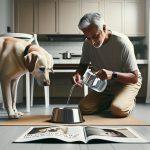
Never underestimate the importance of fresh water! Staying well-hydrated supports your Maltipoo’s overall health, aids digestion, and helps maintain kidney function. Always ensure that your furry friend has access to clean, cool water throughout the day.
Investing time in meal preparation and understanding your Maltipoo’s unique dietary needs not only promotes a longer life but also strengthens the bond between you and your pet. Enjoy the journey of discovering what makes your Maltipoo thrive and grow, ensuring thoughtful choices at every meal.
Exercise Needs for Maltese Poodles
Maltipoos are vibrant little companions that thrive on physical activity and mental stimulation, both of which play crucial roles in ensuring their longevity. Regular exercise isn’t just about keeping them fit; it’s an essential component of their overall well-being, directly influencing their lifespan and quality of life. These pint-sized pooches possess a playful spirit, so incorporating fun and engaging activities is key to keeping them healthy and happy.
Daily moderate exercise is ideal for a Maltipoo. Aim for at least 30 to 60 minutes of activity each day, which can be broken up into manageable sessions. This could include a brisk walk around the neighborhood, a play session with toys in the yard, or even interactive games that challenge them mentally. Maltipoos tend to enjoy activities like fetching, agility exercises, or even short hikes, which also offer sensory stimulation as they explore the outdoors. It’s important to adapt the intensity and duration of exercise based on your dog’s age and health, as younger Maltipoos may require more vigorous play compared to older counterparts.
To enrich their exercise routine and promote healthy socialization, consider visiting dog parks or arranging playdates with other friendly dogs. Social interaction not only helps burn off energy but also combats potential behavioral issues that can arise from boredom or isolation. For the more seasoned Maltipoos, gentle, low-impact exercises such as swimming can be an excellent way to stay fit without putting stress on their joints.
Lastly, always observe your Maltipoo during exercise for signs of fatigue or overexertion, such as excessive panting or reluctance to continue. Providing fresh water and short breaks during playtime can prevent overheating and keep their energy levels up. By prioritizing your Maltipoo’s exercise needs, you contribute significantly to a longer, healthier, and happier life for your furry friend.
The Importance of Regular Vet Check-ups
Regular veterinary check-ups are a cornerstone of maintaining your Maltipoo’s health and longevity. Just like humans, dogs can experience health issues that may not be immediately apparent. By taking your Maltipoo to the veterinarian for routine examinations, you can catch potential problems early, when they are often much easier and less expensive to treat. For example, dental diseases, which are common in small breeds, can progress silently but can be managed effectively with regular dental cleanings and check-ups.
During these visits, your vet will evaluate your Maltipoo’s overall health, check for signs of common breed-specific issues, and ensure vaccinations are up-to-date. It’s also an ideal time to discuss nutrition, weight management, and any behavioral concerns. Keeping an open dialogue with your vet is crucial, as they can provide personalized advice based on your dog’s unique needs and lifestyle. Additionally, by adhering to a regular schedule of check-ups-typically once a year for younger dogs and twice a year for seniors-you can build a long-term health plan tailored to your Maltipoo’s specific needs.
Benefits of Regular Vet Visits
Regular vet visits help in:
- Early Detection: Many health issues can be detected early, including dental disease, heart conditions, and obesity.
- Preventative Care: These visits often include vaccinations, parasite control, and nutritional counseling, which are vital for your Maltipoo’s health.
- Monitoring Growth and Weight: Regular check-ups allow for careful monitoring of your pup’s growth and weight, helping to adjust their diet and exercise regime as necessary.
Establishing this routine can foster a trusting relationship between your Maltipoo and the vet, making visits less stressful for both you and your pet. Remember, a little preventive care today can lead to a longer, healthier life for your beloved companion tomorrow. Embrace the responsibility of regular check-ups as a commitment to ensuring your Maltipoo enjoys every moment of their time with you!
Grooming Advice for Healthy Maltipoo Living
Keeping your Maltipoo looking great isn’t just about aesthetics; it significantly contributes to their overall health and longevity. Did you know that regular grooming can help detect early signs of health issues such as skin infections or parasites? For a breed like the Maltipoo, whose coat consists of soft, curly hair, maintenance can be a joy if approached correctly. Embracing grooming sessions as a bonding experience can lead to a happier dog, and the benefits can extend their life well into their teens!
To establish an effective grooming routine, consider the following:
- Brushing: Maltipoos typically require brushing at least 2-3 times a week to prevent matting and tangling. Daily brushing may be necessary during shedding seasons. Using a slicker brush or a comb can help keep their coat smooth and healthy.
- Bathing: A bath every 3-4 weeks is usually sufficient, although individual needs may vary. Use a gentle, hypoallergenic shampoo that won’t irritate their skin. Don’t forget to follow up with a good conditioner to keep the coat soft!
- Nail Trimming: Regular nail care is crucial. Aim to trim your Maltipoo’s nails every 3-4 weeks. Keeping their nails short not only helps them walk comfortably but also prevents injuries.
- Ear Care: Maltipoos are prone to ear infections, given their floppy ears. Inspect their ears weekly for dirt or excess wax, and clean them gently with a vet-recommended solution to prevent infections.
Another vital aspect of grooming is dental health. Small breeds like the Maltipoo often suffer from dental diseases, so regular tooth brushing (ideally daily) is essential. Use dog-specific toothpaste and invest in dental chews or toys that promote oral hygiene.
Always remember that grooming isn’t just about physical appearance; it fosters a strong bond between you and your Maltipoo and can be a great way to establish trust. Mixing up grooming sessions with gentle play or snacks can help create a positive atmosphere. Regular grooming not only enhances your dog’s appearance but can significantly impact their emotional well-being and overall lifespan. Embrace the grooming routine, and you may just find it to be one of the most rewarding aspects of your relationship with your Maltipoo!
Creating a Safe and Comfortable Environment
Creating a nurturing and secure environment for your Maltipoo plays a vital role in their well-being and longevity. Did you know that a comfortable space can significantly reduce stress and anxiety in dogs? Maltipoos thrive in a loving atmosphere that encourages bonding and emotional security. Here are some practical tips to help you create the perfect haven for your furry friend.
First and foremost, ensure that your home is puppy-proof. Maltipoos are curious and adventurous, so it’s essential to remove any hazardous items that they might chew on or ingest. Keep electrical cords, small objects, and toxic plants out of reach. Additionally, consider using baby gates to block off staircases or other areas that may pose safety concerns, especially for younger or more energetic pups.
Comfortable Sleeping Area
Maltipoos enjoy comfort, so provide a cozy bed in a quiet, warm space. A plush dog bed offers them a refuge to relax, while soft blankets can create a snug atmosphere. Be mindful of temperature-Maltipoos have small bodies that can get cold easily, so ensure their sleeping area is draft-free and temperature-controlled. Regularly wash their bedding to keep it fresh and hygienic, ensuring a healthy sleeping environment.
Creating Play and Social Spaces
Designate a specific play area where your Maltipoo can feel safe while engaging in playtime. Use soft toys and interactive games that stimulate their minds and encourage physical activity. Maltipoos are known for their sociable nature, so if you have other pets or children, supervise their interactions to foster positive relationships. Socialization is crucial for Maltipoos, so frequent exposure to various environments and people will help them remain confident and well-adjusted.
Recognizing the Importance of Emotional Security
Emotional well-being significantly impacts a Maltipoo’s lifespan. Creating a calm atmosphere with low noise and stress will contribute positively to their mental health. Spend quality time bonding through gentle petting, playtime, or training sessions. A strong connection with their humans not only affirms their security but also helps manage any potential anxiety.
In summary, a safe and comfortable environment is key to a Maltipoo’s happiness and longevity. By following these steps, you can ensure your beloved pet thrives in your care, leading to a longer, healthier life. Embrace the journey of pet ownership; the more love and attention you give, the more enriched your Maltipoo’s life will be in return.
How to Recognize Signs of Aging in Maltipoos
As your Maltipoo journeys through life, it’s essential to recognize the signs of aging, which can often start subtly. Understanding these changes can empower you as an owner to adjust care routines and ensure your furry companion enjoys their golden years comfortably. One of the first signs many owners notice is a gradual change in energy levels. While Maltipoos are generally playful and active, you might see your dog becoming less enthusiastic about playtime or shorter in their daily walks.
Another indicator of aging is a change in physical appearance. Look for greying fur around the muzzle or eyes, as this can signal maturity. You may also notice changes in skin elasticity, or find your Maltipoo developing slight lumps or bumps, which can be common in older dogs. Pay careful attention to their coat condition, as aging often results in a duller or coarser texture. Regular grooming can help maintain their coat health and provide you with a closer view of any physical changes.
Behavioral Changes
Aging Maltipoos may also exhibit shifts in behavior. They might become more irritable or anxious, possibly due to discomfort or changes in their senses. If your dog starts barking more, hiding, or seeming less interactive, these could be signs of stress or confusion. Changes in bathroom habits, like increased accidents indoors or difficulty accessing the outdoors, can also indicate aging. Consistent monitoring allows you to address any discomfort your Maltipoo may face.
Health Monitoring
Keeping track of your Maltipoo’s health is critical as they age. Routine veterinary check-ups will help catch potential issues early. Be watchful for signs of joint stiffness, reduced appetite, or changes in sleeping patterns, which can indicate underlying health problems. Regular vaccinations and dental care become especially important, offering your pet the best chance for a longer, healthier life.
Recognizing these signs not only helps you provide better care but also strengthens the bond between you and your Maltipoo. An awareness of their aging process enables you to adapt and provide the support they need, ensuring that their twilight years are filled with love, comfort, and joy.
Emotional Well-being and Its Impact on Lifespan
The emotional well-being of your Maltipoo plays a crucial role in determining not only their happiness but also their overall lifespan. Just like humans, dogs experience a wide range of emotions that can significantly impact their physical health. A Maltipoo that feels secure, loved, and mentally stimulated is likely to lead a longer, healthier life.
Building a strong bond with your Maltipoo is essential. Regular interaction creates a sense of security for your furry friend. Engage in playtime, offer gentle affection, and involve them in family activities. Simple actions like taking your Maltipoo on daily walks or engaging them in training sessions can provide necessary mental stimulation and strengthen your connection. A well-stimulated dog tends to exhibit fewer behavioral issues and has a reduced risk of stress-related health problems.
Additionally, socialization is vital. Maltipoos are known for their friendly and affectionate nature, but they thrive on interaction with both humans and other animals. Introducing your Maltipoo to various environments, people, and pets can bolster their confidence and emotional resilience. Consider organizing playdates or visiting dog parks, allowing your Maltipoo to socialize and explore, which in turn nurtures their emotional health.
Emotional stress in dogs can lead to health problems such as heart disease and weakened immune systems. Signs of stress can manifest as changes in behavior, such as excessive barking, withdrawal, or anxiety. If you notice these changes, it may be time to assess their environment and routine. Providing a calm and structured atmosphere, establishing a daily routine, and maintaining a consistent training approach can help minimize stress, ensuring your Maltipoo remains emotionally balanced and healthy throughout their life.
By prioritizing your Maltipoo’s emotional health, not only do you enhance their quality of life, but you greatly contribute to their longevity. The love and care you provide will shape their experiences and well-being, leading to a more fulfilling life and a deeper bond between you and your delightful companion.
Tips for Extending the Life of Your Maltipoo
Maltipoos, known for their affectionate and lively personalities, can thrive well into their late teens with the right care. To truly maximize the years you can share with your furry friend, consider implementing a few practical tips tailored specifically for this delightful breed.
Start by focusing on nutrition. Opt for high-quality dog food that meets the specific dietary requirements of Maltipoos. This breed can be prone to certain health issues, so incorporating supplements that boost joint health-like omega fatty acids-can be beneficial. Regularly consult with your veterinarian to ensure you’re adjusting your Maltipoo’s diet as they age, keeping them fit and healthy.
Another crucial aspect is exercise. While Maltipoos require moderate activity, they benefit significantly from daily walks and playtime that allow them to expend energy and stay engaged. Aim for at least 30 minutes of physical activity per day. Activities like interactive games or agility training can not only provide physical benefits but also enhance mental stimulation, helping to keep your Maltipoo’s mind sharp.
Regular veterinary check-ups are non-negotiable. These visits help catch any potential health issues early, so your pup stays healthy longer. Your vet can also provide tailored advice regarding vaccinations, dental care, and any breed-specific health screenings necessary to ensure a long, happy life. When you notice any changes in behavior or health, don’t hesitate to reach out to your veterinarian for advice or intervention.
Grooming goes hand-in-hand with health, so establish a routine that includes regular brushing and grooming to prevent matting and skin issues. Maltipoos have a hypoallergenic coat that benefits from frequent care, making grooming not just a necessity, but an enjoyable bonding time for both of you.
Finally, consider their emotional well-being as a core component of a long-life strategy. Creating a safe, loving environment filled with social interactions is essential. Whether it’s playdates with other dogs or spending time cuddling on the couch, these experiences enrich your Maltipoo’s life and contribute significantly to their overall happiness.
By embracing these tailored strategies, you can help ensure that your Maltipoo not only lives a long life but thrives in all aspects, making every moment together truly special.
Frequently Asked Questions
Q: How long do Maltese Poodles usually live?
A: Maltese Poodles, or Maltipoos, typically live between 12 to 15 years. Factors such as genetics, health care, and lifestyle can influence their lifespan. Providing regular veterinary check-ups and a healthy diet can aid in prolonging their life.
Q: What can I do to improve the lifespan of my Maltipoo?
A: To improve your Maltipoo’s lifespan, ensure a balanced diet rich in nutrients, provide regular exercise, and schedule annual vet visits. Proper grooming and mental stimulation also play vital roles in maintaining their health. Refer to the section on “Tips for Extending the Life of Your Maltipoo” for more guidance.
Q: What health issues most commonly affect Maltipoos?
A: Maltipoos can be prone to health issues such as dental problems, patellar luxation, and certain genetic disorders. Regular check-ups and preventive care, as detailed in the “Common Health Issues Affecting Maltese Poodles” section, can help manage these risks effectively.
Q: How does diet affect a Maltipoo’s lifespan?
A: A proper diet significantly impacts a Maltipoo’s lifespan. High-quality dog food that meets their nutritional needs supports their overall health. Consider referring to the “Nutrition Tips for a Longer Maltipoo Life” section for more details on appropriate dietary choices.
Q: Do Maltipoos have any specific exercise needs?
A: Yes, Maltipoos require regular moderate exercise to maintain a healthy weight and stimulate their minds. Daily walks and play sessions are ideal. Check the “Exercise Needs for Maltese Poodles” section for more tailored exercise recommendations.
Q: At what age do Maltipoos start showing signs of aging?
A: Maltipoos generally start showing signs of aging around 7 to 10 years old, though this can vary. Common signs include decreased energy and changes in appetite. Early recognition can help in adjusting care routines; see the section on “How to Recognize Signs of Aging in Maltipoos” for more insights.
Q: Why is regular veterinary care important for Maltipoos?
A: Regular veterinary care is crucial for Maltipoos to detect potential health issues early, ensure vaccinations are up-to-date, and receive preventive care. Keeping a consistent check on their health increases their chances of a longer life, as highlighted in “The Importance of Regular Vet Check-ups.”
Q: How can emotional well-being affect my Maltipoo’s lifespan?
A: A Maltipoo’s emotional well-being significantly impacts their lifespan. Dogs that feel loved and secure are less likely to suffer from stress-related health issues. Providing affection and mental engagement, as discussed in “Emotional Well-being and Its Impact on Lifespan,” can enhance their quality of life.
In Summary
As you explore the longevity of your beloved Maltipoo, remember that these affectionate companions typically live between 12 to 15 years with proper care. Prioritizing their health through regular vet visits, a balanced diet, and ample exercise not only enhances their lifespan but also enriches the quality of their lives. If you’re eager to ensure your Maltipoo thrives, check out our articles on Maltipoo grooming tips and the best training techniques to make the most of your time together.
Don’t miss out on adopting essential strategies for a healthy and happy pet lifestyle! We invite you to subscribe to our newsletter for expert dog care advice straight to your inbox. Have experiences to share about your Maltipoo? We’d love to hear from you in the comments below! Remember, every moment with your Maltipoo counts, so start implementing these practices today to ensure your furry friend remains a joyful part of your family for years to come.