
When considering a Standard Poodle, understanding their weight is essential not just for proper care and nutrition, but also for ensuring their overall health. Did you know that Standard Poodles typically weigh between 40 to 70 pounds, depending on factors like age and diet? As a responsible pet owner, knowing your Poodle’s ideal weight range can help you maintain their happiness and well-being. This guide will delve into the size chart, providing insights that cater to both new and experienced owners. We’ll explore how to monitor your Poodle’s weight effectively, discuss the importance of a balanced diet, and share tips for keeping your furry friend in tip-top shape. Let’s embark on this journey to ensure your Standard Poodle thrives both physically and emotionally!
Understanding the Average Weight of Standard Poodles
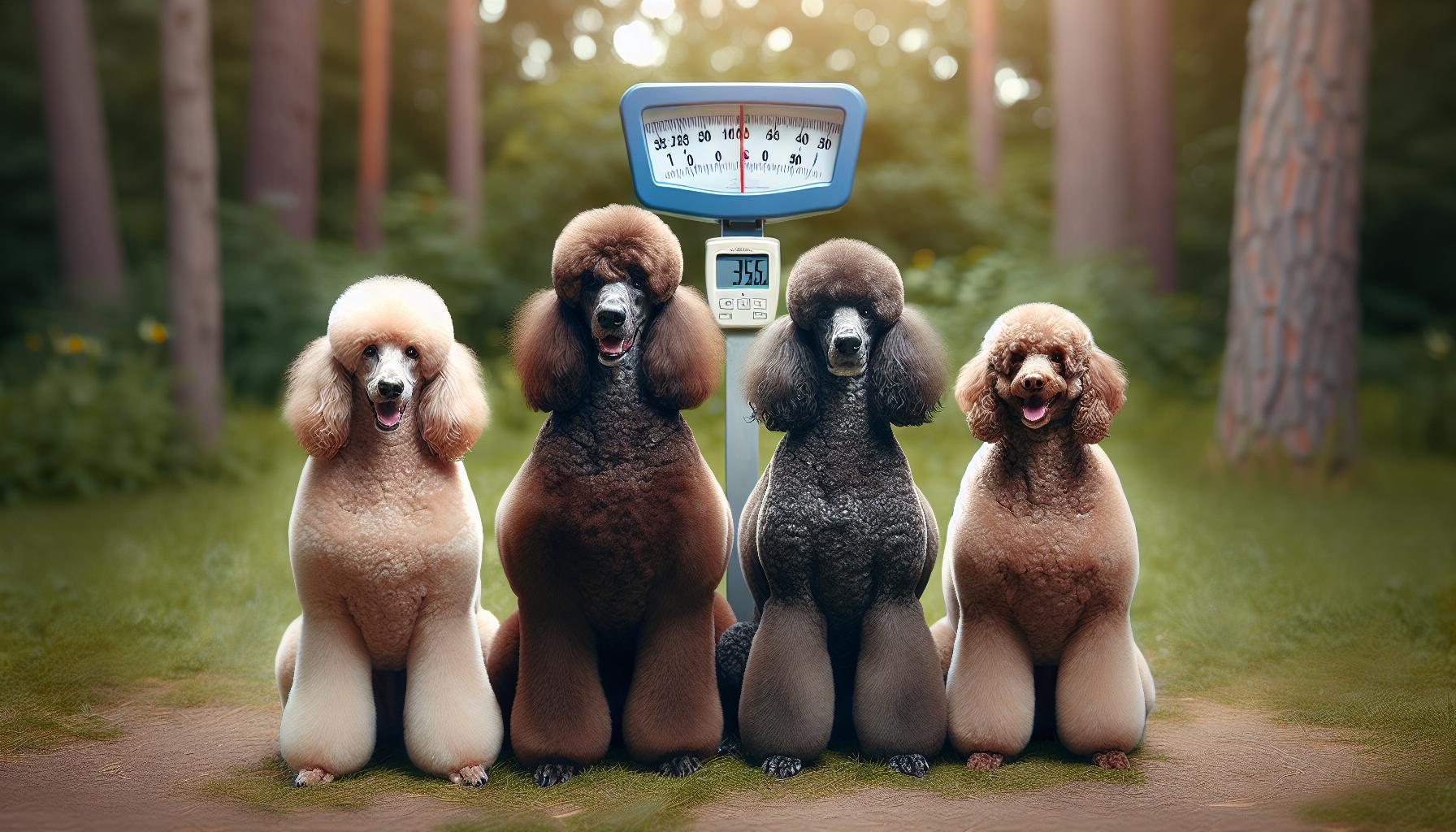
is crucial for both prospective and current dog owners. Typically, these elegant dogs weigh between 45 to 70 pounds (20 to 32 kg), with the weight often influenced by various factors such as age, gender, and genetics. It’s essential to recognize that while these numbers provide a guideline, individual dogs may vary significantly. For instance, male Standard Poodles usually fall on the heavier end of this scale, while females tend to be slightly lighter, reflecting the natural differences between the sexes. This average weight can serve as a benchmark for assessing a dog’s overall health and well-being.
When it comes to understanding this breed’s growth trajectory, keep in mind that a Standard Poodle’s weight will fluctuate as they age. During the puppy stage, a Standard Poodle might start at just 10-20 pounds at six months, but they can grow rapidly to reach their adult size by the time they’re around a year old. Regular weigh-ins during this growth phase can help you monitor your pet’s health and detect any potential issues early on. Owners should strive to keep their dogs within this ideal weight range, as both underweight and overweight dogs can face significant health consequences.
To guide you in maintaining a healthy weight for your Standard Poodle, it is beneficial to understand the typical weight range for different life stages. Below is a concise table that outlines expected weights at various ages:
| Age | Weight Range |
|---|---|
| 2 Months | 10 – 15 lbs |
| 6 Months | 25 – 40 lbs |
| 1 Year | 45 – 70 lbs |
| Adult | 45 – 70 lbs |
This understanding not only empowers you to take better care of your Poodle but also helps in fostering a healthy lifestyle for your furry friend. Regular veterinary check-ups are crucial as they can provide tailored advice based on your dog’s unique needs and circumstances, ensuring they maintain a healthy weight throughout their life.
The Importance of Size in Poodle Care
The size of your Standard Poodle plays a crucial role in their overall well-being, making it essential for owners to understand its impact on care and lifestyle. Did you know that maintaining an ideal weight not only affects their mobility but also significantly influences their lifespan? Standard Poodles typically fall within a weight range of 40 to 70 pounds (approximately 18 to 32 kg), depending on factors like age, gender, and genetics. Knowing where your dog stands within this spectrum can help you tailor their diet and exercise plans accordingly, ensuring they thrive.
When evaluating size, it’s not just about achieving a certain weight; it’s about fostering a healthy body condition throughout their life stages. For example, a young Standard Poodle in its growth phase will require a different approach compared to an adult. Monitoring your poodle’s growth can help you spot potential health issues early. Consider keeping a detailed log of their weight during key stages, like at two months when they should weigh 10-15 lbs or at six months when they could reach 25-40 lbs. This data can serve as a valuable tool in discussions with your veterinarian about your pup’s health.
Additionally, the importance of size extends to how you engage with your Standard Poodle. Larger Poodles may require more space and a different style of play than their smaller counterparts. For instance, ensuring that they have enough room to run and play can positively impact their mental and emotional health. Regular exercise tailored to their size not only keeps them fit but also stimulates their intelligent minds, alleviating boredom and preventing destructive behaviors.
Here are some key aspects to remember when caring for a Standard Poodle:
- Regular weigh-ins: Monitor their weight at different life stages to ensure they are within the healthy range.
- Diet adjustments: Tailor their diet based on their size and activity level to maintain a healthy weight.
- Exercise planning: Provide ample exercise opportunities that suit their size – play fetch or engage in agility exercises to keep them active.
- Vet consultations: Regular check-ups to discuss weight management and get professional advice.
By understanding and monitoring your Standard Poodle’s size closely, you are not just enhancing their physical health but also improving their quality of life. A well-cared-for Standard Poodle will surely bring joy and companionship into your life, thriving under your loving care.
Standard Poodle Size Comparison: Male vs. Female

When it comes to Standard Poodles, there’s a distinct size difference between males and females that can be important for prospective and current owners to understand. Males typically exhibit a more robust frame, weighing between 60 to 70 pounds (27 to 32 kg), while females are generally lighter, with a weight range of around 40 to 50 pounds (18 to 23 kg) [[2](https://www.pawlicy.com/blog/poodle-growth-and-weight)]. This difference in weight and overall build can impact your care approach, exercise requirements, and even the types of activities you can enjoy together.
It’s worth noting that these size variations are more than just numbers on a scale. A male Standard Poodle’s larger stature may require additional space for adequate exercise and play, especially if you live in an apartment or smaller home. On the other hand, females might be more manageable in tighter living quarters but still need ample space to roam and explore. No matter the gender, Poodles thrive on interaction, mental stimulation, and physical activity, so tailoring your approaches to your dog’s unique size and energy level is essential.
- Males: 60-70 lbs (27-32 kg)
- Females: 40-50 lbs (18-23 kg)
Incorporating these size dynamics into your daily routine can enhance your bond with your Poodle. For example, larger males might enjoy more strenuous exercises, like longer runs or engaging in agility training that challenges their strength and stamina. Meanwhile, female Poodles might excel in games that require quick reflexes and agility, such as fetch or obstacle courses designed specifically for their size. Understanding these differences not only promotes healthy weight management but also enriches the overall experience of having a Poodle in your life.
Factors Influencing Standard Poodle Weight
Understanding what influences the weight of your Standard Poodle is essential for proper care and health management. Several factors contribute to a Poodle’s weight, including genetics, diet, exercise habits, and even age. Recognizing these influences can help you maintain a healthy weight and prevent potential health issues.
Genetics play a significant role in determining your Poodle’s size and weight. Some lines may produce larger or smaller dogs, which means that even within the breed standard, there can be variations. For example, if you have a Poodle from a line known for larger sizes, you might expect your dog to weigh closer to the higher end of the scale-60 to 70 pounds for males and 40 to 50 pounds for females [1]. Conversely, if your Poodle comes from smaller lineage, this could influence its ultimate weight.
Diet is another critical factor. Providing your Standard Poodle with high-quality, balanced nutrition tailored to their age, size, and activity level is vital. Puppies, for instance, have different caloric and nutrient needs compared to adults. You should consult your vet for specific feeding guidelines and adjust portions accordingly to avoid obesity, a common concern in this breed. This includes being mindful of treats and table scraps as they can quickly add unnecessary calories.
Finally, exercise habits are essential in managing your Poodle’s weight. Standard Poodles are energetic and intelligent, requiring regular physical activity to stay healthy and maintain a healthy weight. Engaging your Poodle in activities like walks, fetch, and obedience training not only promotes a healthy weight but also satisfies their need for mental stimulation. A well-exercised Poodle is less likely to develop weight-related health issues, enhancing their overall quality of life.
By considering these factors-genetics, diet, and exercise-you can effectively manage your Standard Poodle’s weight and enjoy a happy, healthy companionship.
Standard Poodle Growth Chart: What to Expect
As a Standard Poodle puppy grows, it’s both exciting and crucial to understand the developmental stages they go through. Knowing how much a Standard Poodle should weigh at various ages can help you track their growth and ensure they are on the right path to becoming a healthy adult. Standard Poodles typically reach their full size at around two years, but you’ll notice distinct growth patterns throughout their first year.
During the first few months of life, Standard Poodle puppies grow rapidly. By the time they are around 8 weeks old, male puppies usually weigh between 12 to 15 pounds, while females often weigh slightly less, typically around 10 to 13 pounds. As they approach six months, they will have gained considerably, with males generally weighing between 30 to 35 pounds, and females around 25 to 30 pounds. It’s during this time that you’ll begin to notice their playful energy and intelligent curiosity blossoming!
To give you a clearer picture, here’s a simplified growth chart that outlines expected weight ranges:
| Age | Male Weight (lbs) | Female Weight (lbs) |
|---|---|---|
| 8 weeks | 12-15 | 10-13 |
| 6 months | 30-35 | 25-30 |
| 1 year | 60-70 | 40-50 |
| 2 years | 60-70 | 40-50 |
Beyond weight, the dimensions of your Standard Poodle will also matter. Typically, adult males measure over 15 inches at the shoulder and can reach heights of more than 20 inches, while females, while slightly shorter, often match them in height. Monitoring these growth metrics is crucial because weight alone does not define a Poodle’s health; their overall body condition matters too.
Regular vet check-ups are essential in these formative years to ensure that your pup is developing appropriately. The veterinarian can help you interpret whether your Poodle’s growth is on track and can provide guidance on diet and exercise tailored to their life stage. By maintaining awareness of these growth milestones, you’ll be better equipped to support your Standard Poodle’s journey to maturity, ensuring they grow into a well-balanced and active adult.
Signs of a Healthy Weight for Your Standard Poodle
It’s fascinating to note that a healthy weight in Standard Poodles is not just about numbers but also reflects their vitality and overall well-being! To determine if your Poodle is at a healthy weight, observe both physical appearance and energy levels. A well-balanced Poodle will have a defined waist when viewed from above and should not have an excessive layer of fat covering their ribs. You should be able to feel the ribs with a gentle touch, but they shouldn’t be protruding or overly visible.
Another important aspect is their energy and activity. Healthy Poodles are active and playful, showing enthusiasm during walks and playtime. If you notice a sudden decrease in energy or motivation, it might be time to assess their weight. Additionally, watch for signs of discomfort during movements, which can indicate they may be carrying excess weight.
Monitoring your Poodle’s body condition score (BCS) can be a helpful tool in managing their ideal weight. Using a simple scale of 1 to 9, where 1 represents severe thinness and 9 indicates obesity, a score of 4 to 5 is generally considered ideal. This scale focuses on evaluating fat deposits and muscle condition, giving you a more comprehensive understanding of your dog’s health.
Regular veterinary check-ups are key. Your vet can help keep track of your Poodle’s weight, body condition, and overall health. They may recommend tailored diet plans or exercise routines to maintain or achieve a healthy weight.
In summary, a combination of visible signs, energy levels, and regular veterinary assessments will help ensure your Standard Poodle maintains their ideal weight-a vital part of supporting their long-term health and happiness!
Common Weight-Related Health Issues in Standard Poodles
Maintaining a healthy weight is crucial for the well-being of Standard Poodles, as being overweight or underweight can lead to a host of health complications. For instance, excess weight can place strain on a dog’s joints and lead to conditions such as arthritis, which is particularly concerning given that Standard Poodles are already predisposed to joint issues. Moreover, obesity can result in metabolic disorders, heart disease, and diabetes, significantly shortening a dog’s lifespan and diminishing their quality of life.
Another significant concern for overweight Standard Poodles is the risk of developing bloat, a serious condition that can occur when the stomach fills with gas and twists on itself. This can happen more frequently in breeds that are larger and have deep chests, like the Standard Poodle. Symptoms to watch out for include a swollen abdomen, restlessness, and attempts to vomit without success. If these red flags appear, it’s crucial to seek veterinary attention immediately.
Additionally, excessive weight can negatively impact your Poodle’s respiratory health. Overweight dogs may struggle with breathing when exercising or during hotter weather, which can limit their activity levels and lead to further weight gain-a troubling cycle. Proper weight management, including a balanced diet and regular exercise, is essential for preventing these issues. Standard Poodles should engage in daily physical activities such as walks, runs, or interactive play to maintain a healthy weight and optimal physical condition.
To keep an eye on your Standard Poodle’s health, consider maintaining a weight and activity log. This allows you to track changes over time and make adjustments as needed. If you suspect your Poodle is gaining or losing too much weight, don’t hesitate to consult with a veterinarian. They can help establish a tailored diet and exercise plan, ensuring your beloved companion leads a happy, active life while avoiding the pitfalls of weight-related health issues.
Tips for Maintaining a Healthy Weight
Maintaining a healthy weight for your Standard Poodle isn’t just about aesthetics; it’s fundamental to their overall health and happiness. An ideal weight ensures they have the vitality to engage in play and training while reducing the risk of health issues like joint problems and heart disease. Here are practical tips to help your Poodle stay fit and flourish.
One crucial aspect of weight management is monitoring their diet. Start by choosing a high-quality dog food formulated for their specific age and activity level. Keep in mind that Standard Poodles typically require around 1,000-1,500 calories per day, depending on their size and energy. It’s smart to establish a feeding schedule, offering meals at the same times each day, and measure out their portions to avoid overfeeding. If your Poodle tends to beg for extra treats or food, consider healthy options like carrot sticks or green beans instead of higher-calorie snacks.
Another key factor in maintaining a healthy weight is regular, vigorous exercise. Standard Poodles are an active breed, and they thrive on daily walks, playtime in the yard, or trips to the dog park. Aim for at least 60 minutes of exercise each day; this can include activities like playing fetch, agility training, or swimming, depending on your dog’s preferences. Engaging in fun activities not only helps burn calories but also strengthens the bond between you and your furry friend.
Additionally, watch for weight fluctuations by using tools like a weight log. Regularly checking your Standard Poodle’s weight can help you spot any changes early. If you notice your Poodle gaining or losing weight unexpectedly, consult with your veterinarian to rule out any underlying health issues and to adjust their feeding or exercise program as necessary. Involving a vet can also offer tailored advice, ensuring you keep your four-legged friend in peak condition.
Finally, don’t forget about mental stimulation as a component of overall well-being. Poodles are intelligent and require activities that challenge their minds. Incorporate puzzle toys or training games into their routine, which can help manage their energy and curb boredom that might lead to overeating. By implementing these strategies, you’ll set your Standard Poodle on a path to a healthy, active life.
Feeding Guidelines for Optimal Growth and Weight
Feeding a Standard Poodle correctly is crucial for nurturing a healthy and happy companion. A well-planned diet not only supports their growth but also plays a significant role in maintaining their ideal weight throughout their life. Interestingly, Standard Poodles typically weigh between 40 to 70 pounds, depending on factors such as age, gender, and overall physical condition [1]. This variability means that understanding how to fuel their bodies for optimal performance is essential.
To start, it’s vital to select a high-quality dog food designed specifically for the nutritional needs of medium to large breeds. Look for formulations that contain a healthy balance of proteins, fats, and carbohydrates. A Standard Poodle usually requires between 1,000 to 1,500 calories per day, adjusted based on their activity level [2]. For instance, an active Poodle will need more calories than a less active one, so it’s advisable to monitor their energy and adjust their intake accordingly.
Establishing a feeding routine can make a significant difference in their appetite regulation. Dividing their daily allowance into two or three meals helps prevent bloating and keeps their metabolism active. Always measure their portions to avoid overfeeding; a measuring cup or food scale can help ensure accuracy. Plus, if you notice them begging for treats, consider healthier alternatives like carrot sticks or green beans that won’t lead to unnecessary weight gain.
Lastly, remember that hydration is equally important. Ensure your Poodle always has access to fresh water, especially if you’re feeding them dry kibble. Regularly consult with your veterinarian to refine their feeding plan as they age and to help maintain their ideal weight, adapting as needed for any life changes or health concerns. By following these guidelines, you’ll set your Standard Poodle up for a vibrant, active life!
Exercise Needs for Standard Poodles
To keep your Standard Poodle healthy and happy, regular exercise is an essential component of their care regime. These delightful dogs are not only intelligent but also energetic and active, requiring ample physical activity to maintain their optimal weight and overall well-being. An under-exercised Poodle can become bored and anxious, which may lead to destructive behaviors or health issues.
It’s generally recommended that Standard Poodles receive a minimum of 30 to 60 minutes of daily exercise. This can include a mix of walks, running, playtime, and even participation in dog sports like agility or obedience training. Taking your Poodle on a daily walk not only fulfills their exercise requirements but also provides mental stimulation through new sights and smells, enhancing their well-rounded personality. Here are some popular exercise activities for Poodles:
- Walking or Jogging: Daily walks provide structured exercise and an opportunity to socialize.
- Fetch: A classic game that can be played in your backyard or at a local park, helping to tire them out while also promoting bonding.
- Swimming: Many Poodles love water and swimming is a low-impact exercise that’s excellent for muscle development.
- Agility Training: Setting up an agility course can be a fun way to challenge your Poodle both physically and mentally.
As a highly intelligent breed, Standard Poodles thrive on mental challenges, making interactive play and training sessions crucial aspects of their exercise regimen. Incorporating puzzle toys or teaching new tricks can be equally tiring for them as physical exercises, effectively burning energy while also reinforcing good behavior.
Lastly, pay attention to your Poodle’s energy levels and adjust their exercise routine accordingly. While it’s essential for young Poodles to have ample exercise, older Poodles might require gentler, shorter sessions. Always consult with your veterinarian if you’re unsure how much exercise is appropriate for your particular dog, especially as they age or if they have underlying health conditions. Providing a suitable exercise routine is not just about keeping them fit; it enhances their quality of life, ensuring your furry friend remains vibrant and engaged well into their golden years.
Understanding Body Condition Scoring in Dogs
Assessing your Standard Poodle’s body condition is a crucial step in ensuring they stay healthy and fit throughout their life. Many dog owners may not realize that maintaining an ideal body weight goes beyond just looking at the number on the scale. Body Condition Scoring (BCS) is a simple visual assessment tool that helps you evaluate if your dog is at a healthy weight based on their body shape, rather than relying solely on standardized weight charts.
Using a scale of 1 to 9, where 1 is emaciated and 9 is obese, the goal is for your Standard Poodle to fall around a BCS of 4 to 5, which indicates a lean body. Here are a few characteristics to look for when assessing their condition:
- Ribs: You should be able to feel your Poodle’s ribs without excess fat covering.
- Waist: When viewed from above, your Poodle should have a noticeable waist that narrows between the ribcage and hips.
- Abdomen: From the side, their abdomen should be tucked up, without sagging.
It’s easy to perform a BCS check at home: simply run your hands over your dog’s body, paying attention to these areas. Regularly assessing your Poodle’s body condition can help you adjust their diet and exercise routine proactively, making it easier to prevent obesity-related issues such as diabetes and joint problems.
Remember, every dog is unique, and factors like age, activity level, and breed can influence their ideal weight. If you’re ever uncertain about your Poodle’s weight or body condition, don’t hesitate to reach out to your veterinarian. They can help you understand BCS further and provide personalized guidelines tailored to your dog’s specific health needs. By taking the time to check in on your Poodle’s condition, you’re committing to their well-being and fostering a longer, healthier life together.
When to Consult a Vet About Your Poodle’s Weight
It’s essential to be proactive when it comes to your Standard Poodle’s health, especially regarding weight management. If you notice that your pup is consistently struggling to maintain an ideal weight, it’s time to consult with a veterinarian. Regular check-ups can be a game-changer-not just for catching potential problems early but also for gaining insights tailored to your dog’s specific needs.
Consider reaching out to your vet if your Poodle exhibits significant weight fluctuations, either losing or gaining pounds unexpectedly. This could indicate underlying health issues, including metabolic or hormonal conditions like hypothyroidism. Additionally, if your Poodle seems to be excessively lethargic or has difficulty engaging in regular activities, it’s a cue that their weight may be affecting their overall well-being. Weight-related issues can also manifest through symptoms like joint pain or difficulty breathing, which are critical signs that warrant a vet visit.
When consulting your veterinarian, come prepared with any observations regarding your dog’s diet, activity level, and general behavior. Your vet can conduct a comprehensive assessment, including a Body Condition Score (BCS) evaluation, to determine the most appropriate weight range for your Poodle. This is particularly useful because individual needs can vary significantly-what’s healthy for one dog may not be ideal for another. Together, you and your veterinarian can create a customized plan that includes dietary recommendations and an exercise regimen tailored to help your Poodle achieve and maintain a healthy weight throughout their life. Regular follow-ups will also ensure that you stay on track and can make adjustments as necessary, supporting your furry friend’s long-term health and happiness.
Frequently Asked Questions
Q: What is the average weight range for adult Standard Poodles?
A: Adult Standard Poodles typically weigh between 40 to 70 pounds, depending on their gender. Females usually weigh 40-50 pounds, while males can weigh 60-70 pounds. Understanding this range can help maintain their health, as proper weight is essential for their overall well-being [1].
Q: How does the weight of a Standard Poodle change with age?
A: A Standard Poodle’s weight will fluctuate throughout its life, generally reaching adult weight by around 18 months. Young puppies grow rapidly and can reach 40% of their adult weight by six months. Monitoring their growth ensures they remain healthy; consult the growth chart in our main article for specifics [2].
Q: What factors influence the weight of a Standard Poodle?
A: Several factors influence a Standard Poodle’s weight, including age, genetics, diet, exercise, and overall health. Regularly assessing these variables can help ensure your Poodle stays within a healthy weight range and minimizes the risk of obesity-related health issues [3].
Q: How can I tell if my Standard Poodle is underweight or overweight?
A: To determine if your Standard Poodle is at a healthy weight, perform a “body condition scoring” check. Feel their ribs and spine-if you can easily feel them without excessive fat covering, they are likely in good shape. For more detailed indicators, see the “Signs of a Healthy Weight for Your Standard Poodle” section in our main article.
Q: At what age do Standard Poodles reach their full weight?
A: Standard Poodles generally reach their full weight by 18 months to 2 years. Monitoring weight during this growth period is essential, as it can influence their long-term health. Check the growth chart in our article to track milestones effectively [1].
Q: What are the common health issues related to weight in Standard Poodles?
A: Common weight-related health issues in Standard Poodles include obesity, joint problems, diabetes, and heart disease. Keeping your Poodle’s weight in check through proper diet and exercise is crucial for preventing these issues. Refer to the “Common Weight-Related Health Issues” section in our main article for more information.
Q: How much should I feed my Standard Poodle based on their weight?
A: The feeding amount varies based on weight, age, and activity level. A typical adult Standard Poodle may require 2 to 3 cups of high-quality dry food per day, divided into two meals. Always consult your vet for personalized feeding guidelines, and check our “Feeding Guidelines for Optimal Growth and Weight” section for additional advice.
Q: What are the exercise needs for a Standard Poodle to maintain a healthy weight?
A: Standard Poodles require at least 60 minutes of exercise daily. Engaging in various activities like walking, running, or playing fetch can help maintain their weight and overall health. For tailored exercise recommendations, see the “Exercise Needs for Standard Poodles” section in our main article.
In Retrospect
Now that you have a clearer understanding of how much a Standard Poodle weighs and their size chart, you’re well-equipped to ensure your furry friend stays healthy and fits your lifestyle! Remember, weight can vary based on factors like age, diet, and activity level, so keep an eye on their growth and consult with your vet for personalized guidance. If you’re interested in learning more about caring for your Poodle, check out our articles on “Essential Care Tips for Standard Poodles” and “Common Health Issues in Poodles” to keep your pup in top shape.
Don’t forget to subscribe to our newsletter for more insightful tips and updates on dog care. Your journey with your Standard Poodle is just beginning-be sure to explore our resources for grooming, training, and nutrition to give your pet the best life possible. Share your experiences or any questions in the comments below, and let’s create a supportive community of dog lovers together!