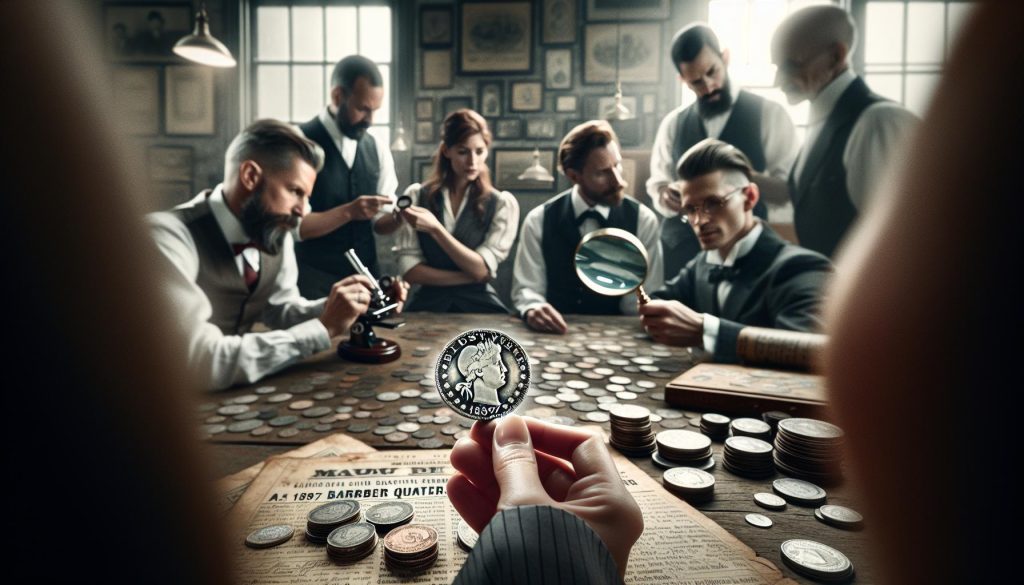
The 1897 Barber Quarter is more than just a coin; it’s a piece of history that connects collectors and enthusiasts to the rich stories of America’s past. Understanding its value and rarity can significantly enhance your collection or even inspire you to begin one. With factors like condition, mint marks, and market demand influencing prices, knowing how to assess your Barber Quarter can be rewarding. Whether you’re curious about your heirloom coin or considering a new purchase, this guide will equip you with essential knowledge. Dive into the intriguing world of Barber Quarters to discover what makes your 1897 coin special and how much it might be worth today!
Factors Affecting the Value of the 1897 Barbet Quarter
The value of an 1897 Barber Quarter can fluctuate considerably based on several key factors that every collector should be aware of. Coins are not just currency; they are historical artifacts, and the condition, rarity, and demand for a particular coin can all impact its market price.
Condition and Grading
The condition of the coin is arguably the most significant factor affecting its value. Collectors refer to a grading scale that ranges from Poor (P-1) to Uncirculated (MS-70). For example, a Barber Quarter from 1897 can fetch anywhere from $25 in average condition to over $400 for uncirculated specimens, as noted in various sources [1]. The Mint State (MS) range, where the coin shows no signs of wear and retains its original luster, can command higher prices, sometimes exceeding $1,000 for particularly rare mint marks like the “O” mint from New Orleans [2].
Rarity and Mint Marks
Rarity also plays a significant role. Coins with lower mintage and specific mint marks, like the “O” from New Orleans or the “D” from Denver, are typically more sought after. This scarcity can drive demand and increase the price significantly in the collector’s market [3]. Comparatively, a common 1897 Barber Quarter might be less desirable than one with a unique or lower mintage, thus affecting its worth.
Market Trends
Current market trends can also influence the coin’s value. With the growing popularity of coin collecting and investment in precious metals, the worth of the 1897 Barber Quarter may vary with economic fluctuations. Keeping an eye on market demand, upcoming coin shows, and auction results can provide insights into pricing trends and collectibility.
In essence, understanding these factors-condition, rarity, and market trends-will equip collectors with the knowledge to gauge the value of their 1897 Barber Quarters accurately.
Historical Significance of the 1897 Barbet Quarter
The 1897 Barber Quarter holds a unique place in American numismatic history, offering collectors both aesthetic allure and a glimpse into the monetary practices of the 19th century. Struck during a period of significant change in the United States, the Barber Quarter serves as a reflection of the broader economic and cultural shifts of its time. Named after its designer, Charles E. Barber, this coin became part of everyday transactions, symbolizing the transition from the rugged individualism of the past to a more structured industrial society.
One intriguing aspect of the Barber series is its role in the evolution of American coinage. During the late 1800s, the U.S. faced increasing pressure to modernize its currency to support a growing economy. The Barber Quarter, alongside its companions-the Barber Dime and Half Dollar-was introduced in 1892, marking a shift toward a more standardized coinage that influenced future designs. The 1897 version continued this legacy, embodying the craftsmanship and ideals of the time, such as liberty and progress.
Collectors often find the historical context of coins like the 1897 Barber Quarter compelling, as they connect directly to significant events, such as the economic expansion of the Gilded Age and the establishment of the U.S. Mint as a leader in numismatic innovation. The quarter not only circulated widely but also carried stories of everyday Americans, reflecting the economic realities of the day-be it through serving as change for a loaf of bread or being stashed away as a savings device.
Furthermore, the Barber Quarter’s status has evolved over the years, leading it to become a popular item among collectors today. As interest in numismatics has grown, so has the appreciation for the historical narratives embedded within these coins. Collectors not only seek the aesthetic beauty of the Barber design but also treasure the tangible connection to a specific era, making the 1897 Barber Quarter a remarkable emblem of Americana.
Comparative Rarity: 1897 Barbet vs Other Quarters
The uniqueness of the 1897 Barber Quarter is highlighted not just by its historical context but also by its comparative rarity when placed alongside other quarters from the same era. With a mintage of only 542,229 coins produced at the San Francisco mint, the 1897-S Barber Quarter holds a distinct position in the numismatic world. While many other quarters from the same series were struck in larger quantities, the relatively limited production of the 1897-S contributes to its desirability and value among collectors today.
When considering the rarity of the 1897 Barber Quarter, it’s essential to recognize how it stacks up against other key dates in the Barber series. For context, some Barber Quarters, like those minted in 1901-S or 1913-S, are known for their extreme scarcity, often fetching prices in the thousands. In contrast, the 1897-S, while rare, is easier to find than these ultra-rarities, which ironically makes it more accessible for intermediate collectors eager to start. This balance of rarity and availability allows the 1897 Barber Quarter to stand out, appealing to both novice and seasoned numismatists looking for unique additions to their collections.
Additionally, the coin’s grading and condition significantly impact its comparative rarity. A quarter in circulated condition might be common, but one graded as MS-60 or higher, with a sharp cartwheel luster and minimal marks, can become a prized possession that commands much higher prices. The grading system allows collectors to navigate the variations in rarity further, as coins maintained in pristine condition are less frequently available.
Engaging in comparative rarity analysis provides valuable insights for collectors aiming to understand the market better. Auction results and price guides highlight how the 1897 Barber Quarter fares against similar coins from its time. By consistently tracking these trends, collectors can make informed decisions, ensuring their purchases not only enrich their collections but also retain or appreciate in value over time.
Current Market Trends for Coin Collectors
The current market for coin collectors, particularly for the 1897 Barber Quarter, is a dynamic blend of nostalgia and investment potential. A significant influencer of this market is the growing interest in vintage coins as viable assets, driven by an increasing number of collectors entering the field. As of October 2025, prices for 1897 Barber Quarters can vary widely; circulated examples may be valued between $10 and $285, with pristine, uncirculated pieces potentially commanding higher prices if they achieve high grades [1].
One of the driving forces behind current trends is the impact of online marketplaces and auction platforms, which have made buying and selling coins more accessible. eBay, in particular, has a vibrant community of sellers and buyers looking for specific coins, including the 1897 Barber Quarter. Listings such as the 1897 P Barber Silver Quarter reflect not just the variety in grading but also the pricing strategies that sellers employ based on their assessment of rarity and condition [2]. High-quality photographs, detailed descriptions, and seller feedback ratings have become essential components for transactions, creating a more educated and involved collector community.
Another important aspect of market trends is the cyclical nature of coin values, which can be influenced by economic events, collector enthusiasm, and shifts in availability. For instance, as collectors learn more about historical pieces like the 1897 Barber Quarter, their appreciation grows, sometimes driving prices up. It’s crucial for collectors to stay informed, not just about the coins themselves, but about broader economic trends that can affect their value. Following online resources, price guides, and auctions is vital for understanding when to buy and when to sell.
With all these variables in play, it’s a prime time for both novice and experienced collectors to engage with the market. This increasing accessibility and awareness fosters a vibrant atmosphere that encourages collectors to expand their portfolios while educating themselves continually.
How to Determine the Condition and Grading
Assessing the condition and grading of a 1897 Barber Quarter requires keen observation and a good understanding of coin grading standards. The United States coin grading scale ranges from 1 to 70, with 1 representing a heavily worn coin and 70 indicating a perfect, flawless specimen. For collectors and investors alike, knowing how to evaluate these nuances can significantly impact a coin’s value in the market.
When starting to grade your Barber Quarter, familiarize yourself with the key grade classifications:
- Good (G-4): The coin will show substantial wear with much of the design details worn away. Identifying features are still discernible.
- Very Good (VG-8): The coin displays more defined features, but heavy wear is still present.
- Fine (F-12): This grade indicates visible details with moderate wear on the high points, creating a clearer design.
- Very Fine (VF-20): Here, the coin exhibits light wear with most details intact, including some sharpness in features.
- Extremely Fine (XF-40): A well-preserved coin with minimal wear; the lustrous surface still shows beauty.
- Mint State (MS-60 and above): These coins showcase no signs of wear, with a pristine appearance and original mint luster.
To accurately assess the grade of your quarter, observe the following criteria:
Surface Quality
Look for scratches, dents, or other imperfections that could lower the coin’s grade. A coin with original, unblemished surfaces is usually valued higher.
Detail Preservation
Pay attention to the design’s clarity. Areas like the hair on Liberty’s head and the markings on the eagle’s wings are essential in determining quality. Well-defined details indicate better preservation and hence a higher grade.
Color and Luster
The condition of the coin’s surface often reveals whether it has retained its original mint luster. A lustrous coin generally fetches a better price. Look for a silvery sheen that hasn’t dulled over time.
Ultimately, grading a coin can be as much an art as it is a science. Gathering insights from grading guides and comparing your quarter to certified examples can aid in achieving a more accurate assessment. If in doubt, consider consulting a professional numismatist for an expert opinion, particularly if you’re looking to buy or sell your coin. Understanding these grading components can illuminate the potential of your 1897 Barber Quarter as both a collectible and an investment.
Where to Buy or Sell an 1897 Barbet Quarter
Whether you’re a seasoned collector or just starting your journey into the world of numismatics, knowing where to buy or sell an 1897 Barber Quarter can significantly impact your experience and success. This iconic coin, revered for its historical significance and unique design, offers various options for buying and selling, both online and in-person.
One excellent starting point is local coin shops, where you can browse a selection of coins and connect with knowledgeable staff who can provide insights about the 1897 Barber Quarter. These establishments often have longstanding relationships within the collector community, which can also lead to acquiring coins from private collections or estate sales. Attending coin shows is another great option; these events bring together dealers and collectors, offering you the chance to negotiate prices and find scarce pieces that may not be readily available online.
If you prefer the convenience of shopping from home, online marketplaces like eBay, Heritage Auctions, and other specialized coin websites can be treasure troves for finding Barber Quarters. Be sure to check seller ratings and read descriptions carefully, as photographs can sometimes mask imperfections. Many platforms provide resources for verifying the authenticity of coins, an essential step given the risks associated with counterfeits.
For selling, utilizing these same platforms can help you reach a broad audience. You can auction your coin or list it at a fixed price, depending on your preference. Engaging with specialized forums or social media groups for coin collectors can also be effective; here, you can share details about your Barber Quarter and connect directly with potential buyers who appreciate the historical value of the coin.
In summary, whether you choose the personal touch of a local shop or the expansive reach of online platforms, a thoughtful approach will enhance your buying and selling journey with the 1897 Barber Quarter. Equip yourself with knowledge and engage with the community, and you may find not just valuable coins but also lasting connections in this fascinating hobby.
Authenticity: Spotting Counterfeits
The world of coin collecting is filled with excitement, but it also comes with the challenge of ensuring the authenticity of your prized pieces. With coins like the 1897 Barber Quarter, which can possess significant value, being vigilant about counterfeits is essential. It’s estimated that a substantial percentage of rare coins sold online and at coin shows may not be genuine, so understanding how to identify a counterfeit can save you from potential losses.
One key method to spot a counterfeit is to examine the coin’s weight and dimensions. Authentic 1897 Barber Quarters should weigh approximately 6.25 grams, and their diameter should be 24.26 mm. Counterfeit coins often deviate in weight or size due to the different materials used in their production. Additionally, using a digital scale and calipers can help you accurately measure these specifications. Armed with this knowledge, you can quickly compare your coin against reliable references.
Another important aspect to check is the coin’s surface details. Authentic Barber Quarters generally have sharp, well-defined features. A counterfeit coin may appear overly smooth or exhibit a lack of definition, especially in critical areas such as the facial features and the lettering. Additionally, performing a “ping test”-gently tapping the coin to listen for the sound it makes-can also be a clue. Genuine coins have a distinctive sound due to their metal composition, while counterfeits may sound dull or produce an odd tone.
Lastly, consider obtaining a magnifying glass or jeweler’s loupe to inspect the coin further. Look for mint marks, such as the “S” on the 1897-S Barber Quarter, which should be clear and consistent with those found on genuine coins. Furthermore, checking for cleaning marks, which can significantly lower a coin’s value, is essential. A well-cared-for coin should show signs of age rather than harsh cleaning that could detract from its appeal.
By employing these techniques and being attentive to details, you can significantly reduce the risk of purchasing counterfeit 1897 Barber Quarters, ensuring your collection remains as valuable and authentic as possible.
Collecting Tips for New and Experienced Coin Enthusiasts
Diving into the world of coin collecting can be as thrilling as it is educational, especially with coins like the 1897 Barber Quarter, which beautifully captures both history and artistry. Whether you’re just starting or have some experience under your belt, there are numerous strategies to enhance your collection and increase your appreciation for these iconic pieces.
First and foremost, research is your best friend. Familiarize yourself with the specifics of the Barber Quarter series – understand the key dates, mint marks, and variations that can significantly impact value. For instance, the 1897-S Barber Quarter is known to be quite rare and can fetch a price between $1,800 and $2,100, in stark contrast to its more common counterparts [2]. Joining online forums or local clubs can provide insights and access to experienced collectors who can share personal stories and tips that textbooks often overlook.
Next, consider starting a collection focus to make your experience more rewarding. Instead of just gathering any Barber Quarters, you might choose to collect by condition, historical significance, or even specific mint marks. This focused approach not only makes your collection more meaningful but can also delight your fellow collectors when you share the unique stories behind your choices. Plus, detailed record-keeping about each piece, including its purchase price, condition, and any historical notes, will bolster your understanding and appreciation.
When it comes to buying and selling, having a trusted network is invaluable. Attend coin shows or auctions, where you can interact with sellers in person. Online marketplaces offer convenience, but ensure you are sourcing from reputable dealers to avoid counterfeit issues-a critical concern, especially with a coin like the 1897 Barber Quarter. Knowledge of grading standards can also help you avoid overpaying for a piece that may not hold its apparent value. Get comfortable with using resources like the NGC Price Guide, which can help you ascertain fair market values [1].
Finally, be sure to share your passion! Whether it’s through social media, blogs, or community gatherings, discussing your collection can lead to new insights and connections. Your experiences can inspire others and create a supportive community of fellow enthusiasts. Each Barber Quarter has its own story-by sharing these tales, you keep the history alive and exciting for future generations.
Embrace the journey of collecting, and remember, it’s about the thrill of discovery as much as the final value of your collection. Happy collecting!
Valuable Resources for Coin Collectors
As you delve into the fascinating world of coin collecting, you’ll find a treasure trove of resources that can enhance your experience and understanding, particularly when it comes to the 1897 Barber Quarter. Knowing where to find reliable information is key to making informed decisions and building a valuable collection.
One of the most essential resources for any coin collector is the American Numismatic Association (ANA). They offer a wealth of educational materials, including guides on grading, preserving, and valuing coins, as well as access to local coin clubs and events that can connect you with fellow enthusiasts. Additionally, their website provides access to a comprehensive library and magazine subscriptions that delve into various aspects of numismatics.
Another invaluable tool is online price guides such as the Numismatic Guaranty Corporation (NGC) Price Guide. This resource can help you evaluate the current market value of your 1897 Barber Quarter by providing comparative prices based on the coin’s condition and rarity. Keep in mind that auction sites, such as eBay, can give you real-time insights into what collectors are actively paying for similar coins, which can be particularly helpful in understanding market trends and potential resale values.
For those looking to dive deeper, forums and discussion groups are great places to discuss everything from authenticating coins to sharing tips on purchasing. Websites like CoinTalk and Reddit’s r/coins allow you to engage with a community of collectors who can provide personal recommendations and insights that you may not find in books or articles. Participating in these communities can lead to new friendships and mentorships with seasoned collectors.
Lastly, investing in specialist books that focus on Barber Quarters specifically can provide detailed histories and images that help you appreciate the artistry and significance of the 1897 Quarter. Titles such as “A Guide Book of United States Coins” offer not only valuations but also fascinating anecdotes and historical context that enrich your collecting experience.
By leveraging these resources, you can empower yourself with knowledge and skills that amplify your coin-collecting journey, transforming it from mere hobby to passionate pursuit!
Understanding Auction Prices for Rare Coins
Understanding the auction landscape is crucial for any collector interested in the 1897 Barber Quarter. Auction prices can fluctuate significantly based on various factors, including the coin’s condition, rarity, and market demand. For example, a recent auction price for a 1897 Barber Quarter in MS-64 condition reached $432, highlighting the potential for significant returns on well-preserved examples [1].
When exploring auction prices, keep in mind that they serve as a snapshot of the market at a particular moment. The bidding dynamics can be influenced by the presence of knowledgeable bidders who recognize the coin’s value, competitive bidding wars, or even seasonal trends in the collectibles market. Therefore, it’s wise to monitor past results and current listings across multiple platforms, including traditional auction houses and online marketplaces like eBay. For instance, prices for circulated 1897 Barber Quarters can range widely-from as low as $10 for heavily worn coins to upwards of $285 for those in better condition as per the NGC Price Guide [2].
To get a better understanding of how auction pricing works, consider participating in auctions, either as an observer or a bidder. By watching the bidding process for several coins, you can gain insights into how bidders assess value and what premiums they are willing to pay. Additionally, engaging with online auction resources or forums can provide valuable tips on timing your bids and recognizing fair market values. By familiarizing yourself with auction trends, you’ll be better equipped to make informed decisions and possibly snag a great deal on your next cherished Barber Quarter.
The Future Value Outlook for the 1897 Barbet Quarter
As the numismatic market evolves, the future value of the 1897 Barber Quarter aims to intrigue and excite both seasoned collectors and newcomers alike. This coin is part of the Barber series, which has developed a loyal following due to its historical significance and intricate designs. While the current values for circulated examples range from approximately $15 to over $400, the potential for appreciation is influenced by several dynamic factors, including demand, rarity, and overall market trends.
One crucial aspect to consider is the growing interest in older coins, particularly as millennials and younger generations begin to explore numismatics. This influx of interest could drive up the demand for the 1897 Barber Quarter, particularly well-preserved examples, which already command higher prices in auction settings. With prices for Mint State coins reported to reach up to $1,400 depending on the grading, the potential for significant returns on investment remains tangible for those willing to hold onto high-grade pieces for a longer term.
Moreover, as collectors increasingly seek entire series, the Barber Quarter’s desirability within that context could influence its value. Understanding the comparative rarity of the 1897 Barber Quarter in conjunction with other years and mint marks can create an informed buying strategy, perhaps culminating in future resale advantages.
Proper maintenance, storage, and careful consideration of grading will also play a role in safeguarding and enhancing the coin’s value over time. Keeping abreast of market trends and actively participating in the numismatic community, whether through forums, shows, or online platforms, can provide valuable insights into the best times to buy or sell. Remember, as with any collectible, the market is always shifting, and staying informed is essential to maximizing your investment.
Frequently asked questions
Q: What factors influence the value of a 1897 Barbet Quarter?
A: Factors influencing the value of a 1897 Barbet Quarter include its condition, mint mark, rarity, and market demand. Coins in better condition and those with identified mint marks can fetch higher prices, often ranging from $25 to several hundred dollars depending on these factors.
Q: How can I tell if my 1897 Barbet Quarter is authentic?
A: To determine authenticity, compare your coin with verified examples using resources like the NGC or PCGS. Look for characteristic features, weight consistency, and mint details. If unsure, consider consulting a professional coin dealer or grading service for authentication.
Q: Are there specific mint marks for the 1897 Barbet Quarter that affect value?
A: Yes, the 1897 Barbet Quarter was minted with several mint marks: ‘P’ (Philadelphia), ‘O’ (New Orleans), and ‘S’ (San Francisco). Coins without a mint mark are also common. Each mint mark can significantly influence the coin’s rarity and value.
Q: What is the typical price range for a 1897 Barbet Quarter in learned collector markets?
A: In collector markets, prices for a 1897 Barbet Quarter can range from $15 for circulated coins to upwards of $300 or more for well-preserved pieces. Auction outcomes may vary, influenced by demand and features such as uncirculated conditions.
Q: How do coin collectors establish the grading of a 1897 Barbet Quarter?
A: Coin grading is established by assessing factors like surface quality, luster, and wear. The Sheldon scale (1 to 70) is commonly used, where a higher number indicates better condition. Joining a coin club or using grading guides can aid in this process.
Q: Where can I buy or sell an 1897 Barbet Quarter?
A: You can buy or sell an 1897 Barbet Quarter through online markets like eBay, local coin shops, or auction houses. Platforms like Coin World offer listings, and many numismatic organizations provide resources for connecting with buyers and sellers.
Q: What are the rarest types of 1897 Barbet Quarters?
A: The rarest types include those with specific mint marks and high MS grades. For example, an uncirculated ‘S’ mint mark could be worth significantly more than its ‘P’ counterpart. Coin rarity is influenced by both historical mintage volumes and current collectability.
Q: How might the value of the 1897 Barbet Quarter change in the future?
A: The value of the 1897 Barbet Quarter may appreciate due to its historical significance and continual collector interest. Market trends indicate that well-preserved coins remain sought after, suggesting potential for increased value, particularly in the numismatic community.
The Conclusion
As you explore the fascinating world of the 1897 Barbet Quarter, remember that understanding its value and rarity isn’t just about the coins; it’s about connecting with a community of fellow enthusiasts. Whether you’re looking to buy, sell, or deepen your numismatic knowledge, your journey doesn’t end here! Check out our in-depth articles on coin grading tips and the history of rare coins to enhance your expertise further. Don’t forget to subscribe to our newsletter for the latest insights and updates on the coin market-your next big treasure might just be around the corner!
If you have questions or want to share your experiences, feel free to leave a comment below. Your thoughts enrich our community and help others on their collecting journeys. Keep exploring, stay curious, and happy collecting!