
Did you know that Miniature Poodles should ideally weigh between 10 to 15 pounds? This weight range is crucial for the health and well-being of your furry friend. As a proud Mini Poodle owner or an aspiring one, understanding your dog’s ideal weight is key to ensuring longevity and happiness. Many owners may not realize that weight affects everything from energy levels to potential health issues like diabetes or joint problems. By monitoring your Mini Poodle’s weight, you can contribute to their overall quality of life, enhancing their playful spirit and vitality. Whether you’re already navigating the delicate balance of nutrition and exercise or just beginning your Poodle journey, this guide will provide essential insights into achieving that perfect weight. Let’s dive into the specifics of how you can keep your Mini Poodle at their healthiest and happiest!
Ideal Weight Range for Mini Poodles Explained
When it comes to understanding the ideal weight range for a Mini Poodle, it’s essential to recognize that this breed typically weighs between 10 to 15 pounds. This weight range is generally applicable to mature dogs, with male Mini Poodles often tipping the scales a bit heavier than their female counterparts [1]. As a loving pet owner, knowing what healthy weight parameters look like for your furry friend can significantly contribute to their overall health and happiness.
Achieving and maintaining this ideal weight isn’t merely a matter of aesthetics; it plays a crucial role in preventing health issues that can arise from being either underweight or overweight. Regular weigh-ins and understanding how different factors influence a Mini Poodle’s weight-such as genetics, diet, exercise, and age-are fundamental in this journey. For instance, a spirited puppy will naturally weigh less than a full-grown adult, and fluctuating weight can occur due to seasonal changes or lifestyle shifts.
Recognizing that not every Mini Poodle will fall squarely within this weight range is key; individual dogs may weigh a bit more or less based on their unique behaviors and traits. It’s vital to keep an eye on their body condition rather than solely focusing on the number on a scale. Consulting with your veterinarian frequently ensures that your Mini Poodle maintains a healthy weight and receives proper nutritional guidance tailored to their lifestyle. Engaging in regular conversations with professionals reinforces a proactive approach to your pet’s wellbeing, allowing you to enjoy every playful moment together!
Factors Influencing Mini Poodle Weight
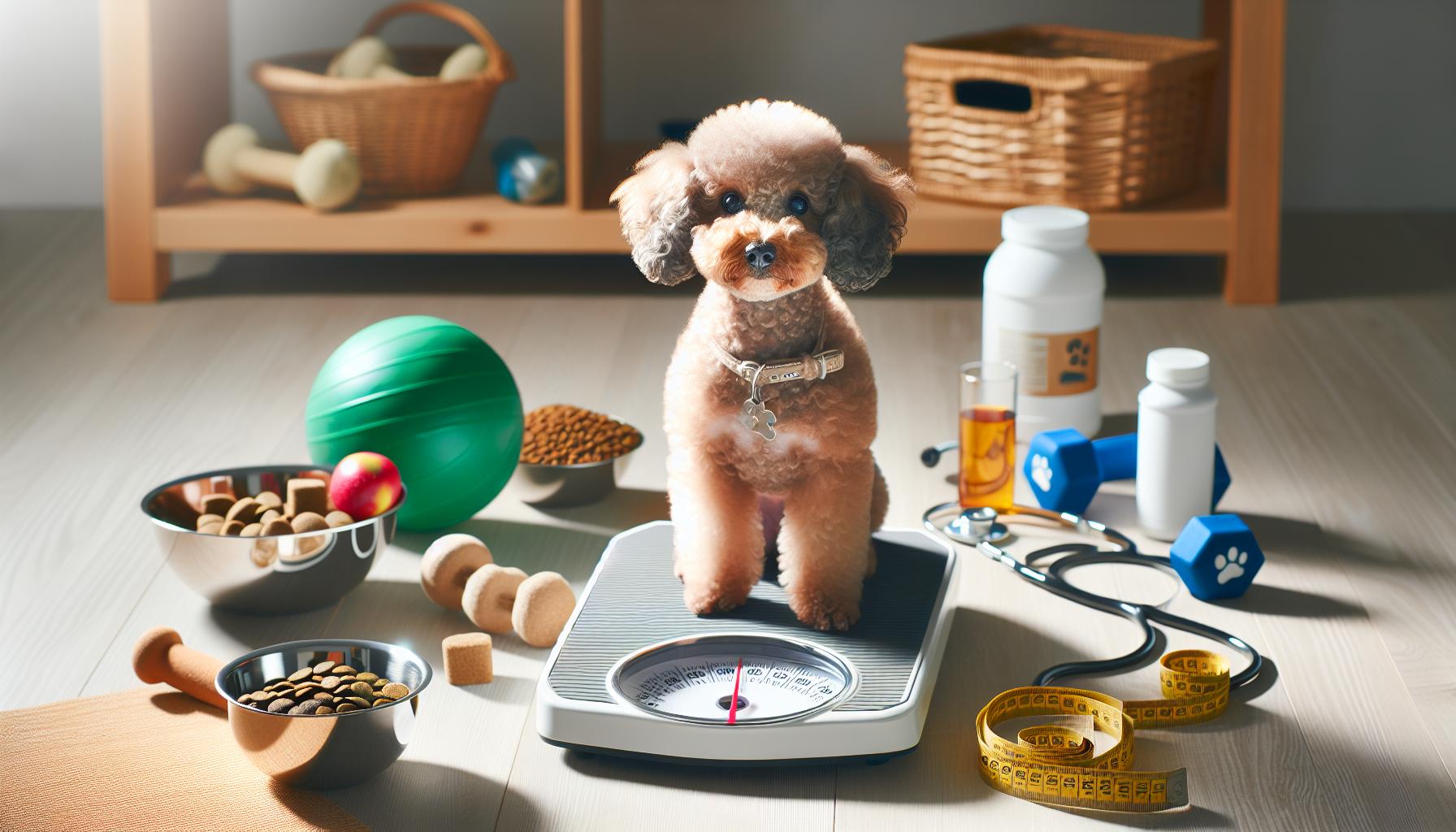
Understanding the weight of your Mini Poodle goes beyond just numbers; it’s about ensuring your furry friend lives a healthy, fulfilling life. Several factors play a pivotal role in determining your dog’s weight, which can fluctuate due to various influences. The most significant of these are genetics, diet, exercise, age, and even their environment. Each Mini Poodle is unique, and these factors can create a wide range of normal weights within the established 10 to 15-pound range.
Genetics and Breed Characteristics
Genetics are the foundation of your Mini Poodle’s growth and development. Just like humans, dogs inherit traits from their parents that can affect their size and weight. Some Mini Poodles may take after their larger or smaller relatives, resulting in variations that might place them at the higher or lower end of the weight spectrum. It’s essential to know your dog’s lineage and consult with your breeder for an idea of potential growth patterns.
Diet and Nutrition
What goes into your dog’s bowl matters significantly. A balanced diet, tailored to meet the specific needs of Mini Poodles, is crucial for maintaining optimal weight. Look for high-quality dog food that lists protein as the first ingredient and contains essential vitamins and minerals. Avoid over-treating your pup, as those little goodies can add up quickly! It’s beneficial to discuss portion sizes and food types with your vet to create a personalized feeding plan.
Exercise and Activity Level
Mini Poodles are energetic and playful, and regular exercise is vital for preventing obesity. Incorporating daily walks, playtime, and mental stimulation will help keep their weight in check and promote overall well-being. Even simple activities like indoor fetch or puzzle toys can contribute to your dog’s physical health. Compared to other breeds, they require a moderate amount of exercise, making them suitable for various living environments.
Age and Metabolism
Just like humans, dogs experience changes in metabolism as they age. Puppies will naturally weigh less and transition to a more stable weight as they grow into adulthood. Senior dogs might lose weight due to decreased activity or health issues. Monitoring weight changes over these life stages is crucial; it helps ensure that you adapt their nutrition and exercise routines to fit their evolving needs.
Being attentive to these factors empowers you to make informed decisions, ensuring your Mini Poodle thrives in a healthy weight range. Keeping regular vet appointments can provide tailored advice and support along the way, guaranteeing a happy, healthy companion for years to come!
How to Weigh Your Mini Poodle Accurately

To correctly assess a Mini Poodle’s weight, it’s essential to establish a consistent method that not only provides accurate results but also ensures a positive experience for your furry friend. Weighing your dog can initially seem daunting, especially if they’re squirmy or nervous, but with a few helpful strategies, you can turn this routine task into a breeze!
First, consider using a digital pet scale specifically designed for smaller animals. These scales offer precise measurements and are easier to read than traditional balances. If a pet scale isn’t available, you can use a regular bathroom scale. Simply weigh yourself first, then pick up your Mini Poodle and step back on the scale. The difference in weight will give you an accurate reading of your dog’s weight. It’s critical to ensure that both the scale and the weight-bearing surface are stable and on a flat surface to avoid inaccuracies.
To make the experience as stress-free as possible, try conditioning your Mini Poodle to the scale ahead of time. Allow your dog to explore the scale and reward them with treats when they step on it. This positive reinforcement can help reduce any anxiety associated with the weighing process. Additionally, always weigh your dog at the same time of day and in similar conditions, such as after a walk and before meals, to account for any fluctuations that result from food and water intake.
Establishing a regular schedule for weighing your Mini Poodle is also beneficial. A monthly check can help you monitor any significant changes in weight, which is crucial for maintaining their health. It’s advisable to keep a log of your dog’s weight to track their growth accurately and identify any trends that may prompt a conversation with your veterinarian about their overall well-being. By involving your Mini Poodle in this process and addressing it with care, you’re setting the foundation for a healthy lifestyle and possibly discovering the ideal weight range for your beloved companion.
Common Health Issues Related to Weight

Maintaining an optimal weight for your Mini Poodle is crucial for their overall health and longevity. Obesity is not just a cosmetic concern; it can lead to severe health issues that might transform your playful pup into a sluggish shadow of its former self. From increased risk of diabetes to joint problems, the consequences of excess weight are numerous and alarming. Research shows that overweight dogs have a significantly shorter lifespan compared to those that maintain a healthy weight. Thus, understanding the potential health risks associated with improper weight management is essential for every dog owner.
One of the most pressing health issues linked to being overweight is the likelihood of developing joint problems. Mini Poodles, being small and active breed dogs, are already at risk for conditions such as patellar luxation and hip dysplasia. The excess weight exacerbates these issues by adding additional stress to their joints. Furthermore, the extra weight can lead to arthritis, causing chronic pain and discomfort, which may limit your dog’s mobility and overall quality of life.
Another significant concern is the increased risk of diabetes. Just like humans, dogs can develop insulin resistance when they are overweight. This condition may lead to diabetes, which requires lifelong management and can significantly impact your dog’s health. Symptoms such as excessive thirst, frequent urination, and lethargy are signs that your Mini Poodle may be developing this serious condition.
Additionally, obesity can affect your Mini Poodle’s respiratory system. Excess weight can restrict airflow, making it difficult for your pet to breathe comfortably, especially during physical activity. This can pose immediate risks during playtime or walk sessions, leading not only to exhaustion but also to life-threatening situations.
In summary, keeping an eye on your Mini Poodle’s weight is not just about aesthetics; it’s an integral part of health care. By ensuring your furry friend stays within the ideal weight range through proper nutrition and regular exercise, you can greatly reduce the risks of these health issues, allowing your beloved pet to thrive and enjoy a full, active life. Prioritizing their weight management is a responsibility that pays off with countless wagging tails and happy barks!
Nutrition Tips for Maintaining a Healthy Weight

Maintaining a healthy weight for your Mini Poodle starts with a well-balanced diet that considers their individual needs and preferences. These delightful companions may have a small stature, but their nutritional requirements are significant, and it’s important to provide them with high-quality food packed with essential nutrients. Did you know that over 50% of dogs in the United States are deemed overweight or obese? This statistic underscores the critical need for owners to stay informed about proper nutrition.
Choose High-Quality Dog Food
Investing in high-quality dog food is paramount. Look for brands that list meat as the first ingredient and avoid those with fillers like corn or wheat. Your Mini Poodle requires adequate protein for muscle health and energy, so foods with at least 20-30% protein content are ideal. Additionally, incorporate a mix of carbohydrates, fats, vitamins, and minerals to ensure they receive a complete diet. If you’re considering transitioning to a new food, do it gradually over a week to prevent digestive issues.
Monitor Portion Sizes
Portion control plays a vital role in managing your Mini Poodle’s weight. Follow the feeding guidelines on the dog food packaging, adjusting as necessary based on your dog’s activity level and life stage. A good rule of thumb is to feed smaller meals throughout the day rather than one large serving. You might introduce three smaller meals instead of two to help regulate their metabolism and keep them energized.
Be Cautious with Treats
When it comes to treats, moderation is key. While Mini Poodles adore snacks, overindulging can lead to unwanted weight gain. Opt for healthy, low-calorie treats, and reserve them for training sessions or special rewards. You can even use fruits and vegetables that are safe for dogs, like carrots or apple slices, for a nutritious alternative. Keep track of their total daily caloric intake and make sure treats account for no more than 10% of their daily calories.
Stay Hydrated
Finally, ensure your Mini Poodle has access to clean, fresh water at all times. Proper hydration supports digestion and helps regulate weight. Sometimes, dogs mistake thirst for hunger, leading to unnecessary eating. By encouraging regular water intake, you can help keep your pup feeling full and satisfied without overfeeding.
By combining these nutrition tips with regular exercise and routine vet check-ups, you’ll not only help your Mini Poodle maintain a healthy weight but also promote a long, joyful life full of playful moments. Remember, achieving and sustaining the right weight takes dedication, but the positive impact it has on your furry friend makes it all worthwhile!
Exercise Requirements for Mini Poodles
Incorporating regular exercise into your Mini Poodle’s routine is essential not just for maintaining a healthy weight, but also for promoting their overall well-being and happiness. Did you know that Mini Poodles are known for their energetic and playful demeanor? These intelligent dogs thrive on physical activity, which helps stave off obesity and keeps their minds active. Ensuring that your Mini Poodle meets its exercise needs provides both physical health benefits and an opportunity for bonding and training.
Typically, Mini Poodles require 30 to 60 minutes of exercise each day. This can include brisk walks, playtime in the yard, or games of fetch, all of which are fantastic ways to get your pup moving. It’s also important to engage them in mentally stimulating activities, as Mini Poodles are highly intelligent. Consider incorporating puzzle toys or basic training sessions into their daily routine to keep their minds sharp and focused. Don’t forget that socialization is also key; visiting dog parks or engaging in playdates with other dogs can provide valuable exercise along with the added bonus of social interaction.
When planning exercise sessions, be mindful of your dog’s age, health, and temperament. Young dogs have boundless energy and may require more vigorous activities, while older Mini Poodles might enjoy gentler walks or low-impact play. Always pay attention to your dog’s signals; if they seem fatigued or reluctant to continue, it’s crucial to allow them time to rest and recover. Additionally, Mini Poodles are prone to certain health issues, such as hip dysplasia and patellar luxation, so consult your veterinarian for tailored exercise recommendations based on your dog’s specific health conditions.
To make exercise enjoyable and effective, consider varying the routine to keep it exciting. Mix shorter, high-energy activities with longer, leisurely walks. Utilizing agility courses or engaging in dog sports like obedience, rally, or even dancing can empower Mini Poodles to utilize their natural agility and focus while keeping their weight in check. Remember, a well-exercised Mini Poodle is not only a healthy one but also a happy companion who feels loved and engaged.
Age and Weight Considerations in Mini Poodles
As your Mini Poodle grows, you’ll notice how their weight and size evolve, reflecting their age and developmental stage. Understanding this progression is crucial for ensuring that your furry friend remains within the ideal weight range, which typically falls between 10 to 15 pounds according to the American Kennel Club. At different ages, Mini Poodles undergo significant changes, so keeping track of their weight at key milestones can help you catch any potential issues early on.
During puppyhood, Mini Poodles experience rapid growth. From birth until about six months, their weight can vary widely based on genetics and diet. At six months, a Mini Poodle generally weighs between 10 to 20 pounds. To ensure they are on the right track, regular weigh-ins at this stage can help confirm they are developing healthily. By the time they reach adulthood, around 12 months, their weight should stabilize within that ideal range. Regular vet check-ups are beneficial, as your veterinarian can provide insights into your dog’s growth patterns and weight-related milestones.
As your Mini Poodle ages beyond adulthood, their metabolism may slow down, and their activity levels might decline, especially if they are not as playful as they once were. This shift means that weight management becomes increasingly important. Older Mini Poodles may need adjustments to their diet and exercise routines to prevent obesity, which can lead to various health issues. Incorporating more frequent, shorter walks, and engaging them in gentle play can help maintain their weight without overexerting them.
To recap, keeping an eye on your Mini Poodle’s weight is not just about aesthetic appeal; it’s a vital part of responsible pet ownership. Knowing how growth and age impact weight allows pet owners to provide the best care possible at every stage of their dog’s life. Whether you’re a new Mini Poodle owner or an experienced handler, staying informed about these age-related changes can lead to a healthy, happy life for your beloved companion.
Signs Your Mini Poodle is Underweight or Overweight
Monitoring your Mini Poodle’s weight is not just about looks; it’s vital for their health and happiness. Recognizing when your furry friend is underweight or overweight can be a game-changer for their overall well-being. A balanced, healthy Mini Poodle should have a defined waist and a ribcage that is easily felt without excess fat covering. When testing this, run your hands along their sides; you should be able to count their ribs with a gentle touch, indicating a healthy body condition.
Underweight Indicators
If your Mini Poodle is underweight, you may notice prominent ribs, a noticeable waist, and a general lack of muscle mass. This situation can arise from various factors, including inadequate nutrition, health issues, or stress. Underweight dogs may also exhibit lethargy or an overall lack of energy. If your poodle exhibits these signs, increase their food intake gradually and consult your veterinarian for tailored advice to address underlying health issues.
Overweight Indicators
Conversely, if your Mini Poodle is overweight, they might have a rounder appearance, with little to no waist definition and difficulty felt ribs. Overweight dogs often experience decreased energy levels, difficulty in physical activities, and even breathing problems. Regular activity is crucial-if they seem disinterested in play or walk shorter distances than before, it could be time to reassess their diet and exercise routine. Aim to provide healthier food choices and increase daily exercise to help them shed those extra pounds.
It’s essential to be proactive about your Mini Poodle’s weight management, as both underweight and overweight conditions can lead to serious health complications. Consider scheduling regular weigh-ins combined with veterinarian consultations to monitor their progress effectively. Adopting these practices ensures your adorable companion remains fit, energetic, and ready for joyful interactions!
Comparing Mini Poodle Weight to Other Breeds
When it comes to understanding how your Mini Poodle’s weight measures up against other breeds, you’ll find that this charming little dog is a unique blend of compact size and abundant personality. Generally, Mini Poodles weigh between 10 to 15 pounds, depending on their age and overall health. This weight range aligns them more closely with small toy breeds like the Yorkshire Terrier (around 7 to 8 pounds) and larger toy breeds like Cavalier King Charles Spaniels (approximately 13 to 18 pounds). It’s intriguing to see how variations in breed standards for different small breeds can impact their body conditions, activity levels, and even their dietary needs.
Weight Comparisons with Other Breeds
When comparing your Mini Poodle’s weight to that of similar breeds, consider the differences not only in weight but also in their activity levels and health considerations:
| Breed | Average Weight (lbs) | Characteristics |
|---|---|---|
| Mini Poodle | 10-15 | Intelligent, active, and hypoallergenic |
| Yorkshire Terrier | 7-8 | Feisty, affectionate, and great for apartments |
| Cavalier King Charles Spaniel | 13-18 | Friendly, gentle, and good with families |
| Maltese | 4-7 | Playful, alert, and known for their beautiful coats |
| Shih Tzu | 9-16 | Charming, loyal, and perfect lap dogs |
The weight range of Mini Poodles positions them favorably among small breeds that often require less exercise than larger ones. However, it’s important to remember that each breed has distinct grooming needs and health concerns. While Mini Poodles enjoy a robust playtime and social interactions, they need to be mindful of their weight, especially when compared to bulldogs or other heavier breeds, which can hide excess weight more easily due to their more compact build.
By understanding how your Mini Poodle’s weight compares to other breeds, you can tailor their diet and exercise programs to sustain a healthy lifestyle. Regular check-ins with your veterinarian can provide vital insights into maintaining optimal weight, ensuring that your furry friend stays vibrant and full of life. Establishing a proactive approach to your Mini Poodle’s care will ultimately promote their long-term health and happiness, allowing them to thrive alongside their larger or smaller counterparts.
Weight Management Strategies for Mini Poodles
Maintaining a healthy weight for your Mini Poodle is not just about aesthetics; it’s crucial for their overall health and well-being. To effectively manage their weight, consider a multi-faceted approach that encompasses diet, exercise, and regular veterinary check-ups. With their playful nature, Mini Poodles require both physical activity and mental stimulation to prevent obesity, which is a common concern for this breed.
First, nutrition plays a pivotal role in weight management. Start by choosing high-quality dog food that is specifically formulated for small breeds. Look for options with balanced protein, healthy fats, and fiber to help keep your Mini Poodle satisfied. Avoid overfeeding and provide measured portions according to their weight and activity level. Additionally, be cautious with treats; use them sparingly and opt for healthier choices such as baby carrots or apple slices instead of calorie-dense commercial treats.
Incorporating regular exercise is another essential component. Mini Poodles thrive on activity and require at least 30 minutes of moderate exercise daily. This can include walks, play sessions with toys, or even dog sports like agility training. Engaging in these activities not only helps burn calories but also strengthens the bond between you and your pet. You can mix up the routine to keep things interesting, introducing new environments or toys to challenge their minds as well.
Lastly, keep an eye on your Mini Poodle’s weight and body condition through regular weigh-ins and examinations. It’s useful to set a consistent schedule-perhaps every month- to monitor their progress. If you notice significant fluctuations or if you’re unsure about their ideal weight, consulting with your veterinarian is essential. They can provide tailored recommendations and adjust your Mini Poodle’s feeding and exercise plan accordingly.
By staying proactive and attentive to your Mini Poodle’s weight management, you can ensure they lead a happy, healthy, and active life.
Consulting with Your Veterinarian on Weight Issues
Maintaining the ideal weight for your Mini Poodle isn’t just about aesthetics; it’s integral to their health and longevity. Regular consultations with a veterinarian can help you stay on top of your dog’s weight management. Your vet can provide personalized insights based on a thorough physical examination and specific needs that are unique to your Mini Poodle. They might utilize a body condition score chart, a useful tool to visually assess if your dog is within a healthy weight range.
When you bring your Mini Poodle in for a check-up, it’s a good time to discuss any changes you’ve noticed in their behavior or appetite. For instance, if your pup seems lethargic or is asking for food more frequently, those could be signals of underlying health issues. Your veterinarian can evaluate these signs and recommend tests if necessary, ensuring any potential problems are addressed early on.
Additionally, your vet can assist in tailoring a weight management plan that includes dietary recommendations and exercise regimens suited to your Mini Poodle’s lifestyle and age. For example, they may suggest specific high-quality kibble designed for small breeds, offer advice on portion control, or recommend alternative treat options to maintain a balanced diet. Regular weight checks can help catch fluctuations early, which is especially important if your Mini Poodle is transitioning through different life stages.
Finally, be proactive in your approach. Keep a record of your vet visits, weight measurements, and any dietary changes you implement. This information can provide valuable context for your veterinarian and help them make informed decisions about your dog’s health management. Establishing this open line of communication not only keeps your Mini Poodle in check but also strengthens the bond of trust between you, your furry friend, and your veterinarian.
Frequently asked questions
Q: What is the ideal weight range for a Mini Poodle?
A: The ideal weight range for a Mini Poodle typically falls between 10 to 15 pounds. However, individual factors such as genetics, diet, and activity level can affect this range. It’s essential to maintain a healthy weight for their overall well-being.
Q: How can I tell if my Mini Poodle is overweight?
A: To determine if your Mini Poodle is overweight, check for visible waist definition and feel for ribs without excess fat covering. If your dog lacks these traits, consult a veterinarian for tailored weight management strategies.
Q: What factors influence the weight of a Mini Poodle?
A: Several factors influence a Mini Poodle’s weight, including age, genetics, diet, and level of physical activity. Regular monitoring and adjustments in nutrition and exercise can help maintain a healthy weight.
Q: At what age does a Mini Poodle reach its full weight?
A: A Mini Poodle typically reaches its full weight by about 12 months of age. However, some may continue to grow slightly until they are 18 months old. Regular check-ups can help track growth patterns.
Q: How often should I weigh my Mini Poodle?
A: It’s advisable to weigh your Mini Poodle every month until adulthood to monitor growth. After reaching adult weight, weighing them every few months is sufficient to ensure they maintain a healthy weight.
Q: Can Mini Poodles have weight-related health issues?
A: Yes, Mini Poodles can face weight-related health issues such as diabetes, joint problems, and heart disease. Maintaining a healthy weight through proper diet and exercise is crucial for preventing these conditions.
Q: What should I feed my Mini Poodle for optimal weight management?
A: For optimal weight management, feed your Mini Poodle high-quality dog food with balance protein, fat, and carbohydrates. Consult your veterinarian for a tailored feeding plan based on your dog’s specific needs and activity level.
Q: How much exercise does a Mini Poodle need to maintain a healthy weight?
A: Mini Poodles require at least 30 minutes of exercise daily to maintain a healthy weight. Activities can include walks, playtime, and mental stimulation through training games, which can also help combat obesity.
Key Takeaways
Understanding the ideal weight range for a Mini Poodle is crucial for their health and well-being. Remember, they typically weigh between 10 to 15 pounds, but individual factors such as age and activity level can influence this. To keep your furry friend in top shape, consider monitoring their weight regularly and consulting your veterinarian for personalized advice. Don’t wait-take action now to ensure your Mini Poodle enjoys a healthy, vibrant life!
For more insights, check out our guides on “Mini Poodle Nutrition Tips” and “Essential Exercise Routines for Poodles.” If you’re ready to dive deeper into your pet’s health, consider using our weight calculator tool to track your Mini Poodle’s growth effectively. Your journey doesn’t end here-explore these resources and join our community of passionate dog owners to share tips and experiences. Remember, a healthy Poodle is a happy Poodle!