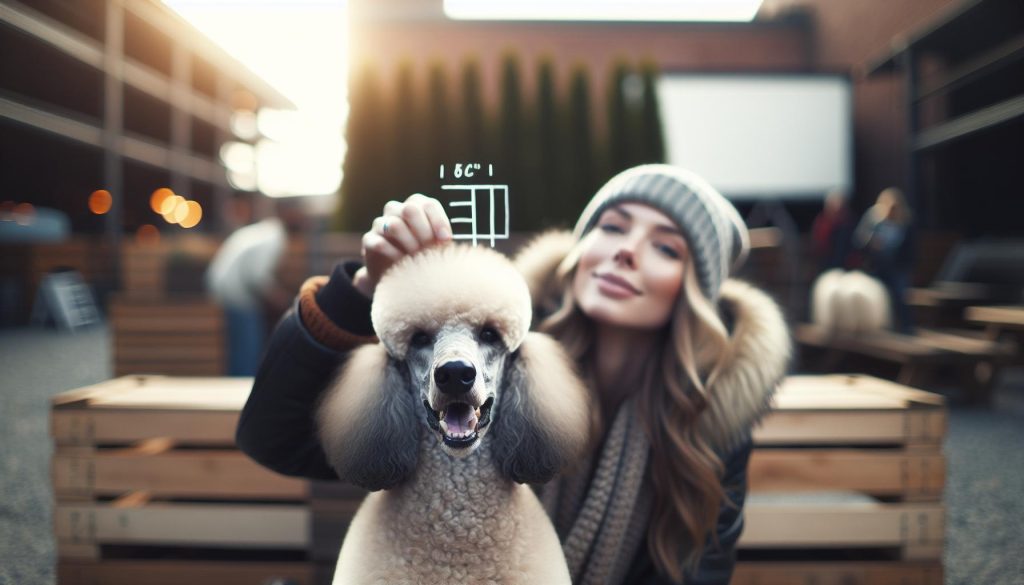
When considering welcoming a standard poodle into your home, one of the pressing questions many future owners have is: how tall do these elegant dogs actually get? Standard poodles are not only known for their impressive intelligence and playful nature but also for their notable size, reaching heights between 15 to 24 inches depending on factors like age and genetics. This makes them a versatile breed, suitable for both spacious homes and apartments. Understanding their height expectations is crucial as it influences daily care, living arrangements, and even activities you’ll enjoy together. Whether you’re a first-time dog owner or an experienced handler, knowing the size parameters of standard poodles will help you prepare better for a fulfilling companionship. Dive into this article to uncover the specifics of standard poodle heights and how it impacts their care and lifestyle, ensuring you’re ready for all the joy these wonderful dogs bring!
How Tall Do Standard Poodles Get? Understanding Their Height Range
Standard Poodles are known not only for their intelligence and elegance but also for their striking size variations. Adult Standard Poodles typically stand between 15 to 24 inches tall at the shoulder. This height range is broader than many might expect, particularly for those new to the breed. Interestingly, most Standard Poodles fall into the 18 to 24-inch range, making them a large and commanding presence compared to their Miniature and Toy counterparts.
When considering how tall a Standard Poodle may become, it’s important to note that individual growth can vary significantly. Factors such as genetics, nutrition, and overall health play crucial roles in determining their final height. For example, a well-bred Poodle from a line of larger parents is more likely to grow to the upper end of the height spectrum. Additionally, providing a balanced diet rich in essential nutrients during the growth phase can promote healthier skeletal development, potentially leading to a taller stature.
Monitoring your pup’s growth is essential. Regular veterinary check-ups can help track height progression and ensure they’re developing proportionately. If you’re planning to adopt a Standard Poodle, understanding these height expectations can help you prepare your home and lifestyle for your new furry family member. It’s essential to create a space that accommodates their dynamic nature and allows for their playful, full-sized energy!
Factors Influencing Standard Poodle Height
When considering the height ranges of Standard Poodles, it’s fascinating to note just how much variation can occur due to a combination of factors. While their average height typically spans from 18 to 24 inches, many elements play a vital role in determining where an individual dog may land within this spectrum. Understanding these factors not only helps in setting realistic expectations but also in preparing the best environment for your future furry friend.
Genetics is perhaps the most significant influencer of height, as it establishes the groundwork for growth potential. If a pup’s parents are on the taller side, chances are that the little one may inherit that trait. Considering the lineage is crucial when choosing a Standard Poodle. A well-bred pup from a reputable breeder can provide greater assurance of predictable height and health.
Nutritional factors are equally important. A balanced diet rich in proteins and essential nutrients is pivotal during the growth phases. Just as in humans, a dog’s bones and muscles develop best when fueled adequately. Feeding your Standard Poodle a high-quality puppy food designed for large breeds can support healthy growth. This dietary focus ensures that they receive not only the necessary calories to fuel their playfulness but also the vitamins and minerals essential for robust skeletal development.
Additionally, general health and living conditions can impact a dog’s growth rate and ultimate height. Regular veterinary care ensures that any potential health issues are addressed early on, and it can also help you monitor your Poodle’s development effectively. Stress, overcrowding, and lack of exercise may hinder growth, as a happy, well-exercised dog can flourish. As you prepare your home for a Standard Poodle, fostering an environment that includes ample space for movement and play is vital for their overall well-being, potentially aiding their growth into a majestic adult companion.
In essence, being mindful of genetics, nutrition, and proper care will aid you in guiding your Standard Poodle toward reaching their full potential. After all, every pup is a unique combination of traits!
Height Comparison: Standard Poodles vs. Other Poodle Sizes
When considering poodles, the sheer variety of sizes within the breed can be both exciting and a source of confusion for potential owners. Standard Poodles, which range from 18 to 24 inches tall at the shoulder, stand as the tallest of the three recognized sizes: Standard, Miniature, and Toy. If you’re wondering how these heights compare and what that means for your experience with these beloved dogs, you’re certainly not alone. Understanding these differences can truly guide you in choosing the right poodle for your family and lifestyle.
Standard Poodles are not just longer in height but also come with unique characteristics that can influence their temperament and care. Miniature Poodles tend to stand between 10 to 15 inches, and Toy Poodles are even smaller, typically reaching heights of 6 to 9 inches. This significant difference in size not only impacts physical care needs, such as food portions and exercise requirements, but also how they interact in various living environments.
Here’s a quick comparison to give you a clearer picture:
| Poodle Size | Height Range | Weight Range |
|---|---|---|
| Standard Poodle | 18 – 24 inches | 40 – 70 pounds |
| Miniature Poodle | 10 – 15 inches | 10 – 15 pounds |
| Toy Poodle | 6 – 9 inches | 4 – 6 pounds |
Living with a Standard Poodle means enjoying a dog that is often perceived as more robust and athletic, which allows for engaging activities like running and swimming. Meanwhile, Miniature and Toy Poodles offer a more compact option, suitable for smaller living spaces or those looking for a companion that is easier to carry or handle.
As you weigh your options, consider how much space you have at home, how active your lifestyle is, and what type of exercise you can provide. Each size of poodle not only brings its physical characteristics but also distinct personality traits. While Standard Poodles are typically outgoing and energetic, Miniatures may exhibit a bit more independence, and Toys often have an affectionate, playful nature. Keep these differences in mind, as they can significantly enhance or challenge your experience as a poodle owner. Ultimately, understanding these height comparisons will assist you in finding the perfect poodle to fit your lifestyle and expectations.
Growth Stages of Standard Poodles: What to Expect
As you welcome a Standard Poodle into your home, understanding their growth stages can be both exciting and enlightening. Unlike smaller breeds, Standard Poodles experience a variety of growth phases that significantly impact their development. Typically, they reach their full height between 12 to 18 months, but they can continue to fill out and gain muscle mass for a longer period, making their growth journey quite unique.
During the initial puppy stage (0-6 months), you’ll see rapid changes as your little furball grows from a tiny bundle of joy to a more defined structure. They usually gain several inches in height each month, and by the time they are six months old, you can expect them to be about 50-75% of their adult height. This is a crucial time to expose them to various environments and basic training to foster good manners and social skills.
Moving into the adolescence stage (6-12 months), Standard Poodles can become a bit clumsier as they adjust to their growing bodies. They may experience growth spurts, where you might notice them eating more than usual due to their increased energy needs. This is also an ideal time for more rigorous training and socialization, as they will be more confident and boisterous. Ensuring that they have plenty of physical activity helps in managing their energy levels and keeping them healthy during this phase.
Finally, as they transition into adulthood (12 months and beyond), it’s important to continue regular vet check-ups to monitor their growth and overall health. Adult Standard Poodles generally range from 18 to 24 inches tall at the shoulder, with weight varying from 40 to 70 pounds based on their genetics and lifestyle. This is also the time when you’ll see their coat’s full beauty come to life, reinforcing the importance of regular grooming.
By understanding each stage of growth, you can ensure that your Standard Poodle not only grows to their expected height and weight but also develops into a well-rounded, happy companion. Careful monitoring of their diet, exercise, and training during these stages can significantly impact their well-being well into adulthood, setting the stage for a long, healthy life together.
Measuring Your Standard Poodle: Best Practices
To accurately measure your Standard Poodle, you need to follow some simple yet effective practices that ensure precision and consistency. Start by gathering the necessary tools: a flexible measuring tape (a regular measuring tape may not provide the most accurate results due to dog movement) and a flat surface. It’s also helpful to have your dog stand on a non-slippery area, like a carpet or a mat, to prevent any slips while you’re measuring.
Begin by having your Poodle stand straight on all fours with their legs extended. It’s essential that they are not sitting, as this will distort their height. Gently guide their head to ensure it’s level with their shoulder, which allows for an accurate measure. From the ground to the highest point of their shoulder (withers) is where you’ll want to measure. In cases where your Poodle is a bit fidgety, having a friend or family member assist you can make the process smoother; they can keep your Poodle steady while you take the measurement.
Tips for Accurate Measurement
- Calm Environment: Ensure the measurement space is quiet and free from distractions. A nervous or excited dog can jump around and skew your results.
- Repeat Measurements: It’s best to measure two to three times for accuracy. Write down each measurement and take the average to get a reliable height.
- Regular Check-Ins: As your Poodle grows, you should measure them regularly-especially during the growth spurts in their early life-to monitor their development.
When it comes to caring for a Standard Poodle, understanding their height is crucial for tasks such as selecting the right harness size or comfortably fitting them in your living space. By regularly measuring your Standard Poodle, not only do you keep track of their growth, but you also create a baseline that helps you identify any unusual changes that may require veterinary attention, ensuring that your furry friend remains healthy and happy throughout their life.
The Role of Genetics in Poodle Height
Genetics play a pivotal role in determining the height of Standard Poodles, showcasing the fascinating interplay between heredity and development. When seeking to understand how tall these elegant dogs can become, it’s essential to consider their lineage. Typically, Standard Poodles stand between 15 to 25 inches tall at the shoulder, with some individual variations based on genetic influences. Breeders often select for specific traits, including height, which can lead to variations in the size of puppies even within the same litter. Understanding this genetic backdrop can provide new owners with a better grasp of what to expect in terms of growth and development.
The genes that influence a Standard Poodle’s height are inherited from both parents, and therefore, the height of the sire and dam is often a strong indicator of the expected size of their offspring. For instance, if both parents are on the taller end of the spectrum, it’s likely that their puppies will reach similar heights. Conversely, if one or both parents are smaller, the puppies might inherit those traits. This genetic variability is not just confined to height; it opens up a broader conversation about the diverse characteristics that can arise from selective breeding-such as coat type, temperament, and health predispositions.
Furthermore, while breed standards give a general idea of height, individual poodles may fall below or above the average range due to genetic factors. Some puppies may experience growth spurts at different stages, further adding to the complexity of predicting their final size. Understanding that height is not solely determined by factors like nutrition and environment is crucial. It can help prepare potential owners for the variability in size, enabling them to adjust their expectations and care requirements accordingly.
Finally, a deeper awareness of genetics can aid in promoting responsible breeding practices. Aspiring Poodle owners should seek breeders who prioritize genetic health testing and responsible breeding methods, ensuring that the puppies not only grow into their potential height but also maintain overall health and well-being. By appreciating this genetic aspect, new owners can embark on their journey with Standard Poodles with a well-rounded understanding of what impacts their furry companions’ growth.
Health Considerations Related to Size and Growth
When it comes to the health of Standard Poodles, their size and growth can play a significant role in their overall well-being. As these dogs mature, it’s crucial to monitor not only how tall they grow but also how their body develops in proportion to their size. Larger dogs, like Standard Poodles, can be predisposed to certain health issues, making it essential to adopt a proactive approach to their care.
One major health consideration for growing Standard Poodles is the risk of developmental disorders, such as hip dysplasia. This condition occurs when the hip joint doesn’t fit properly into the hip socket, leading to joint pain and arthritis over time. To mitigate this risk, keep an eye on your puppy’s growth rate. If they grow too quickly, particularly during their first year, it can stress their developing joints. Providing a well-balanced diet that suits their growth stage, along with regular but controlled exercise, is key to supporting healthy development. Your veterinarian can offer specific food recommendations tailored to the growth needs of your Poodle.
Additionally, understanding weight control is critical. Standard Poodles can be prone to obesity due to their quick adaptability to a sedentary lifestyle, especially if they are not engaged mentally and physically. Maintaining a healthy weight will not only support their joints but also reduce the risk of other health issues like diabetes and heart disease. Implementing a consistent exercise routine and maintaining a balanced diet are essential steps for any owner looking to ensure their Poodle grows up healthy and happy.
Lastly, regular veterinary check-ups are vital. During these visits, the vet can monitor their growth, recommend vaccinations, and catch any potential issues early on. By staying informed and involved in your Standard Poodle’s growth journey, you can emphasize not just height but also their overall health and happiness, ensuring they thrive as they reach their full stature.
Common Misconceptions About Poodle Height
When it comes to the height of Standard Poodles, there are several misconceptions that can swirl around dog owners and enthusiasts alike. One prevalent myth is that all Standard Poodles grow to similar heights, which can lead to unrealistic expectations. In reality, the breed standard specifies that Standard Poodles should stand over 15 inches tall at the shoulder, but it doesn’t dictate a precise height. This means that while many will be around this height, individual dogs can vary significantly, often reaching heights ranging from 15 to 24 inches tall. Factors such as genetics, nutrition, and overall health play crucial roles in determining how tall a Standard Poodle may grow.
Another common misconception is that a dog’s height is always a reflection of its age. Many new Poodle owners may believe that if their pup isn’t hitting expected height milestones by a certain age, there may be cause for concern. However, it’s important to understand that Poodles typically undergo a prolonged growth phase that can extend to 18 months or longer. During this time, fluctuations in growth rates are entirely normal, and periodic growth spurts can lead to sudden increases in height. Thus, patience and regular veterinary check-ups can help ensure that your dog develops appropriately.
It’s also essential to address the idea that height is directly correlated with temperament or trainability. Some might think that larger dogs, like Standard Poodles, will inherently be more difficult to manage due to their size. This is a misunderstanding; each Poodle’s behavior depends more on its individual personality, training, and socialization experiences than on its height. Many owners find that Standard Poodles, regardless of their size, are intelligent, eager to please, and highly trainable, making them excellent companions.
In summary, dispelling these misconceptions is vital for prospective and current Poodle owners. By embracing the unique growth patterns and characteristics of Standard Poodles, you can foster a deeper understanding and appreciation of this magnificent breed. nurturing their development with patience and knowledge will not only promote healthy growth but also enrich your overall experience as a dedicated dog owner.
Maintaining Healthy Growth in Standard Poodles
To ensure your Standard Poodle grows healthily and reaches its ideal height, it’s important to focus on a few essential factors that contribute to their overall well-being. From proper nutrition to regular veterinary care, each aspect plays a critical role in supporting their growth and development. Remember, while you may have height expectations based on breed standards, each dog is unique, and individual growth patterns can vary widely.
One of the most significant elements in maintaining healthy growth is nutrition. A high-quality diet tailored to your poodle’s age, size, and activity level is paramount. Poodles, especially during their formative years, require a well-balanced diet rich in protein, vitamins, and minerals to support their developing bones and muscles. Ideal feeding schedules typically involve multiple meals throughout the day for puppies, transitioning to adult feeding routines as they mature. Always consult with your veterinarian to choose a premium dog food that meets the specific needs of your Standard Poodle.
Regular Exercise and Socialization
Just as crucial as diet, regular exercise helps maintain a healthy weight and builds muscle tone, which is beneficial for overall growth. Standard Poodles are active dogs and thrive on varied physical activities such as walks, play sessions, and swimming. Engaging in different forms of exercise can not only aid in their physical development but also provide essential mental stimulation. Additionally, facilitating play with other dogs can promote social skills, further contributing to a healthy and balanced growth phase.
Veterinary Check-ups
Routine veterinary visits are another cornerstone of ensuring that your Standard Poodle develops healthily. These check-ups allow your vet to monitor growth patterns, weight, and general health, providing early intervention if any issues arise. Vaccinations and parasite control are also critical during their growth stages. Keeping a growth chart can be helpful to track your poodle’s progress over time, allowing you to spot any concerning trends or deviations.
Early training and socialization further complement the health and growth of your Standard Poodle. As they grow, implementing positive reinforcement training fosters good behavior, builds confidence, and strengthens the bond between you and your furry friend. This proactive approach to training not only helps with their mental development but also sets the foundation for a well-adjusted adult dog.
By focusing on these essential areas-nutrition, exercise, veterinary care, and training-you can greatly enhance your Standard Poodle’s chances of growing up healthy, happy, and reaching their ideal heights, ensuring they thrive in your home.
Height and Training: How Size Affects Your Approach
Training a Standard Poodle is as much about their size as it is about their intelligence and temperament. These remarkable dogs typically stand between 15 to 24 inches tall at the shoulder and can weigh anywhere from 40 to 70 pounds, depending on various factors. This height offers both advantages and challenges in training. For instance, their larger stature gives them the strength and presence that can be just as physically commanding as it is endearing. As such, training should ultimately reflect their unique characteristics, ensuring they become the well-behaved companions you envision.
When it comes to training your Standard Poodle, the approach can shift based on their height and energy levels. A bigger dog means more energy and, potentially, a more powerful pull during walks. Therefore, incorporating basic obedience training from an early age is crucial. Techniques such as leash training, using a harness instead of a collar, can help manage their strength while reinforcing good behavior. Gentle yet firm leadership is essential; positive reinforcement techniques-like treats and praise-work wonders to motivate them. It’s critical to make these training sessions engaging, as Standard Poodles flourish when they’re mentally challenged.
Consistency and Socialization
In addition to basic commands, socialization is a key aspect of their training. Introducing your Standard Poodle to various environments, people, and other animals while they are still young helps them grow into well-adjusted adults. Take them to parks and pet-friendly events, ensuring these experiences are positive. A well-socialized dog will show confidence, reducing the chances of fear or anxiety, which can sometimes occur in larger breeds. It’s also beneficial to enroll them in puppy classes, not just for obedience skills but also for social interaction with other dogs, setting a strong foundation for lifelong training.
Another vital consideration is the potential for behavioral challenges associated with their size. Large breeds can sometimes develop issues related to dominance or overexcitement if not properly trained. For instance, a Standard Poodle may unintentionally jump on guests out of enthusiasm, so addressing these behaviors early through consistent training practices is crucial. By focusing on controlled greetings and providing them with the tools to manage their energy, you’ll help them learn appropriate ways to interact with your home and the people in it.
Ultimately, the size of your Standard Poodle offers both opportunities and responsibilities in your training approach. By adapting your techniques to their height and energy, you can foster a positive relationship built on mutual respect and understanding, ensuring your training journey is as rewarding as it is successful.
What Size Means for Your Living Space and Lifestyle
Welcoming a Standard Poodle into your home is an exciting journey filled with wagging tails and furry cuddles, but their size and energy are vital factors to consider in your living environment. Standing between 15 to 24 inches at the shoulder and weighing 40 to 70 pounds, these dogs boast a commanding presence that can impact both your daily routines and the adaptability of your living space.
Understanding how their size influences your lifestyle is crucial for ensuring a harmonious relationship. Standard Poodles thrive in environments where they have room to move and play. If you live in a smaller home or apartment, consider how you’ll accommodate their need for physical activity. Regular walks, visits to dog parks, and interactive playtime will be essential to keep your furry friend happy and healthy. Make a checklist of activities that fit your living situation, including:
- Daily walks: Ensure you allocate time for at least one long walk each day.
- Indoor play: Use balls and toys that encourage active engagement within the house.
- Access to outdoor spaces: If possible, a small yard or nearby park can make a big difference.
Moreover, their size means you’ll need to be mindful of your furniture and layout. Standard Poodles can inadvertently knock over items or bump into furniture with their excited antics. This means securing fragile items and arranging your living space to allow them to navigate comfortably. Creating a safe haven for them-a cozy space to retreat and relax-can also help alleviate any accidental chaos.
Keeping in mind their dynamic nature, consider how you spend your time at home. If you’re someone who enjoys a quiet evening, introducing them to calm environments is essential. Activities like obedience training and puzzle toys can help channel their intelligence and energy positively. Engaging them in mentally stimulating exercises will keep your Standard Poodle fulfilled, helping them adapt well to your lifestyle, whether it’s busy or more laid-back.
To summarize, fostering a good relationship with a Standard Poodle involves understanding their size and needs. By creating an accommodating living space, establishing a routine filled with engaging activities, and being prepared for their exuberance, you can ensure both your dog and your home coexist joyfully. Making these adjustments will not only enrich your Poodle’s life but also enhance your own living experience with this wonderful breed.
Choosing the Right Standard Poodle for Your Family
When considering a Standard Poodle for your family, envision not just a pet, but an active, intelligent companion that seamlessly integrates into your life. These dogs are not only known for their impressive height-standing between 15 to 24 inches at the shoulder-but also for their vibrant personalities and versatile skills. Whether you’re an active individual or a family with kids, choosing the right Poodle involves recognizing how their size and nature align with your lifestyle and home environment.
Many prospective owners may wonder, “What should I look for in a Standard Poodle to ensure they fit my family?” Start by assessing your space and routine. Standard Poodles thrive in environments where they can engage in physical activities. If you enjoy outdoor adventures, frequent visits to the park, and have a bit of room in your home, this breed will likely suit you well. Conversely, if your living situation is more confined, you’ll need to ensure you can provide ample opportunity for exercise and mental stimulation, like daily walks and interactive games.
Another factor to consider is the dog’s temperament and how that meshes with your family dynamic. While Standard Poodles are generally friendly and eager to please, individual temperament can vary. Meeting potential puppies in person, if adopting, can provide insights into their energy levels and personality traits. Look for a puppy that seems curious and confident, as these traits often translate into a well-adjusted adult dog. Also, consider how a Standard Poodle’s size influences interactions with children or other pets-training and socialization will be key in fostering harmonious relationships.
Remember, bringing home a Standard Poodle requires a commitment to training and mental engagement, given their high intelligence and playful spirit. Incorporate trait assessment, lifestyle matchmaking, and active lifestyle concerns into your decision-making process. By enriching their lives with engaging activities and adjusting to their size and energy, you not only ensure a compatible fit but also lay the foundation for a loving, lasting relationship with your new furry family member.
Q&A
Q: How tall does a Standard Poodle typically get?
A: A Standard Poodle generally reaches a height of 15 inches to over 22 inches at the shoulder. Males usually stand between 15 to 22 inches, while females tend to be slightly shorter. Understanding their size can help you prepare for your dog’s space and needs as detailed in our article.
Q: What factors can influence the height of a Standard Poodle?
A: The height of a Standard Poodle can be influenced by genetics, nutrition, and overall health during their growth stages. Proper care during their developmental years is essential for reaching optimal height. Learn more about this in our section on factors influencing height.
Q: How can I measure my Standard Poodle’s height accurately?
A: To measure your Standard Poodle’s height, use a measuring tape and ensure your dog is standing on a flat surface with feet aligned. Measure from the ground to the highest point of the shoulder. For more measuring tips, refer to our measuring guide in the article.
Q: What is the average growth timeline for a Standard Poodle?
A: Standard Poodles typically reach their full height by 12 to 18 months, although they may continue to fill out until about 2 years old. Monitoring their growth stages can help you address any health concerns early. More details are available in our growth stages section.
Q: Are there specific health considerations for taller Poodles?
A: Yes, taller Standard Poodles may face health issues such as hip dysplasia or joint problems if not properly managed in terms of diet and exercise. Incorporating a balanced diet and regular vet check-ups is crucial. Check our health considerations section for more insights.
Q: What are the common misconceptions about Standard Poodle height?
A: A common misconception is that all Standard Poodles are the same size. In reality, there can be significant variations based on genetics and the breeding line. It’s important to research the specific lineage when choosing your Poodle, which we discuss further in the article.
Q: How does a Standard Poodle’s size affect training?
A: The size of a Standard Poodle influences training strategies; larger dogs may require more space and patience during training sessions. Focusing on size-appropriate commands can enhance the learning experience. Refer to our training section for effective tips.
Q: Can I find a Standard Poodle that stays smaller or larger than the average?
A: While Standard Poodles have a height range, individual dogs can vary due to genetics. Researching specific breeders and their breeding practices can help you find a Poodle that meets your desired size expectations. Explore our section on choosing the right Poodle for your family for more guidance.
Insights and Conclusions
Thanks for exploring how tall Standard Poodles can get! Understanding their height helps in preparing for the space and care these majestic dogs need. If you’re considering welcoming a Standard Poodle into your home, remember that they aren’t just beautiful; they also require love, training, and the right nutrition to thrive.
Feeling encouraged to dig deeper? Check out our guides on “Training Your Standard Poodle: Tips for Success” and “Top Nutrition Tips for Standard Poodles” to equip yourself for an amazing journey with your new canine companion. Don’t hesitate to leave a comment below with your thoughts or questions-let’s keep the conversation going!
Ready to stay updated? Sign up for our newsletter to receive the latest tips and resources right in your inbox. Explore our site for more insights on caring for Standard Poodles and enhancing your furry friend’s life. Your adventure with your amazing Standard Poodle starts now!