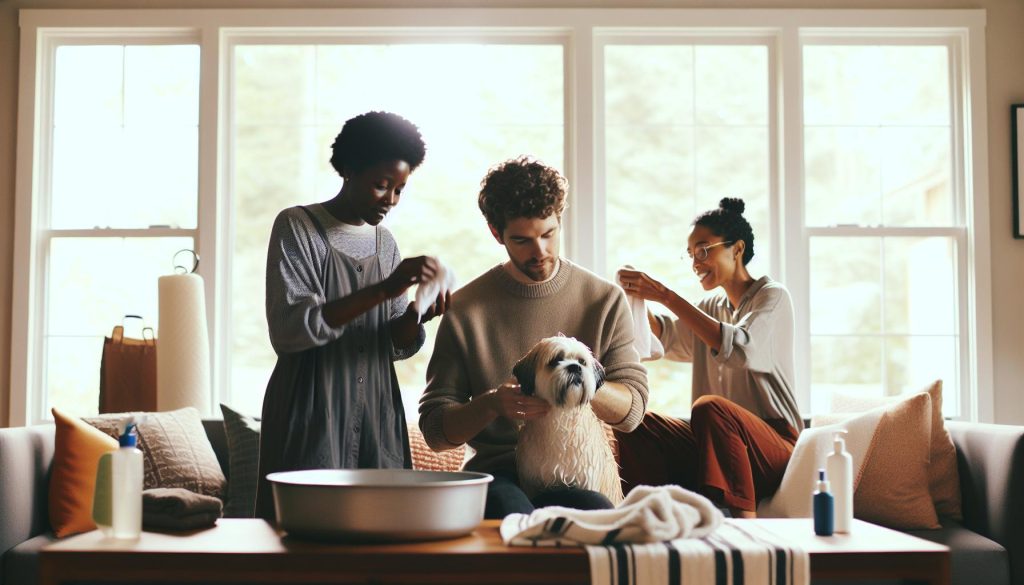
Bathing a dog can be a challenging task, especially if your furry friend has a strong aversion to water. Did you know that many dogs naturally dislike baths due to their instincts and instincts related to survival? Understanding this can help you approach the situation with empathy and patience. In this article, we’ll explore eight stress-free tricks to help you create a positive bathing experience that keeps both you and your pup calm and happy. By using these practical strategies, you’ll not only learn how to make bath time more enjoyable but also strengthen the bond with your dog as you work together through this routine. Let’s dive into these tips and transform the dreaded wash into a fun and relaxing activity for your beloved pet!
How to Prepare Your Dog for Bath Time
Preparing your dog for bath time can be a game changer, especially if your furry friend is averse to water. Understanding that bath time doesn’t have to be a stressful experience for either of you is the first step. Taking some time to prepare effectively can transform the process from a struggle into a bonding experience. The goal is to create a calm and positive environment where your dog feels secure and less anxious.
Start by setting a designated bathing area that is comfortable and familiar to your dog. This area should be free of distractions and noise, helping to minimize any anxiety. Gather your supplies ahead of time: a gentle dog shampoo, towels, and toys can help keep your dog engaged. If you have a smaller dog, a sink or basin can be an excellent alternative to a bathtub, as it allows you to control the situation more easily. For larger breeds, a spacious bathtub or outdoor hose setup might be preferable.
Getting your pup ready also includes practice runs with water. Let them play in shallow water with their favorite toys to desensitize them to the sensation. You can even try giving them a sponge bath instead of a full rinse to begin with. Utilizing treats throughout the preparation can reinforce positive associations, making them more willing to accept bath time. Overall, the prep stages play a crucial role in ensuring that your dog feels safe and relaxed, setting the tone for a successful bath.
Understanding Your Dog’s Fear of Water
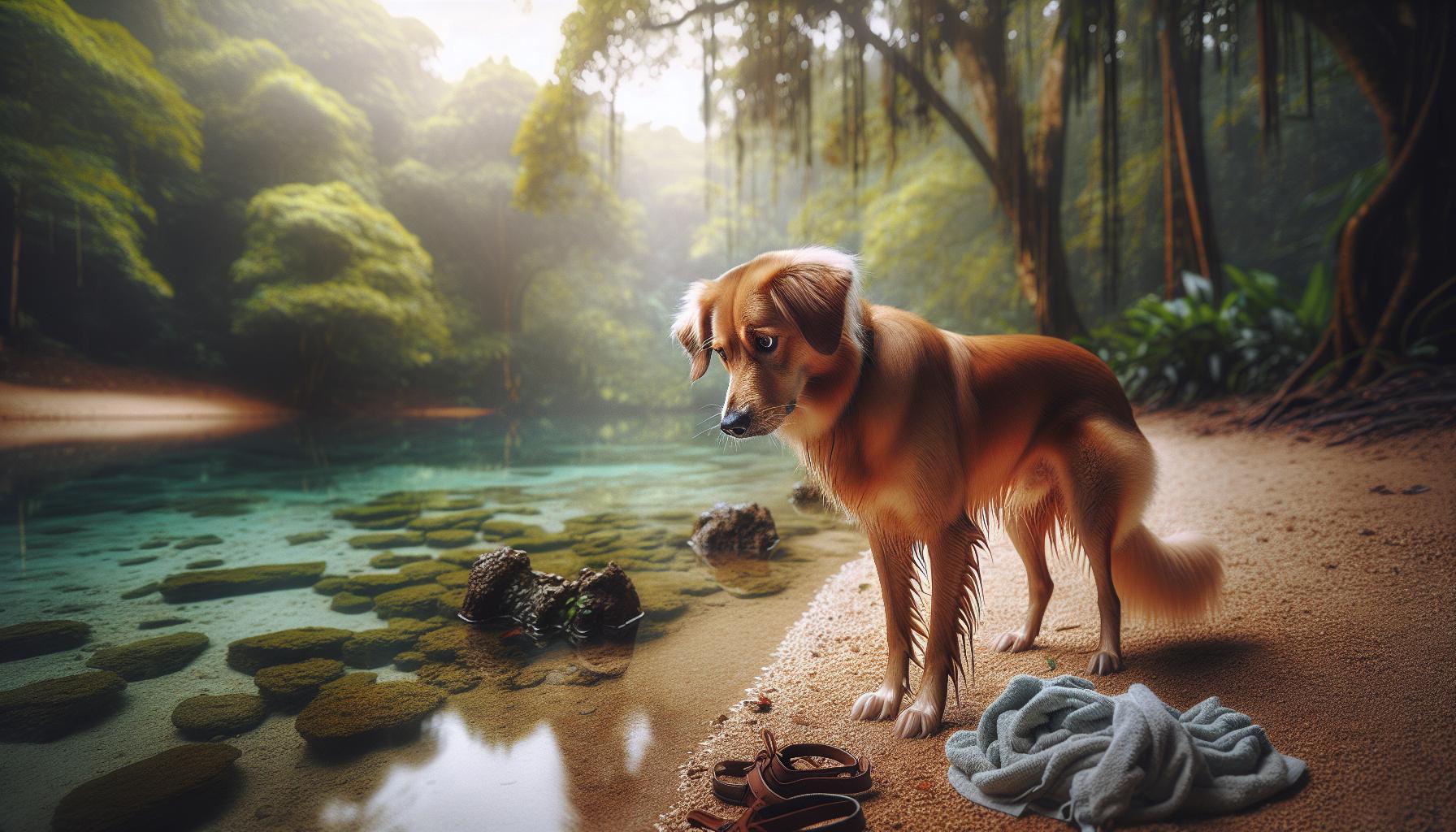
Dogs, like humans, can have a range of emotions about water, often stemming from their individual experiences or inherent traits. Some dogs are natural swimmers, drawn to the water, while others may develop a fear of it due to trauma or lack of exposure. Understanding these fears is crucial in creating a positive bathing experience. For instance, a dog that has had negative encounters with water-like slipping during a bath or being forced into a pool-may associate water with discomfort or danger.
It’s important to recognize that the fear of water can manifest in various ways, from anxious pacing and trembling to outright resistance when it’s time for a bath. This fear can be exacerbated by the sound of running water, the splash of water droplets, or even the visual cues of water itself. Many dog owners may overlook their dog’s stress signals, interpreting them as stubbornness when, in fact, their pet is simply scared. By acknowledging and understanding your dog’s fear, you can take significant steps to alleviate their anxiety.
In many cases, gradual desensitization is an effective method to help your dog become more comfortable around water. Start with small, positive interactions-such as letting your dog play near a kiddie pool or gently spraying water on them while they play with a favorite toy. Another effective approach is to integrate water with positive experiences, such as giving treats or verbal praise when they calmly engage with water. This reinforces the idea that water is not a threat but a part of a fun and enjoyable routine. Over time, patience and consistency will help your dog see bath time as a less daunting experience, transforming their apprehension into acceptance.
Safe and Gentle Bathing Techniques
When it comes to bathing dogs that are fearful of water, applying safe and gentle techniques can transform a stressful experience into a positive one. Dogs can sense our emotions, so approaching bath time with calmness and enthusiasm is essential. This not only alleviates anxiety for both you and your furry friend but also helps create a trusting environment.
One effective method is to use a handheld showerhead or a detachable sprayer. This tool gives you more control over the water flow and allows you to gently introduce water to your dog in a less overwhelming manner. Start by wetting a towel and gently wiping your dog’s coat to familiarize them with the sensation without the noise of running water. Once they seem comfortable, gradually use the sprayer from a distance and slowly bring it closer, ensuring that it’s set to a low pressure.
Another technique involves using a bathtub mat or a non-slip surface to prevent your dog from slipping. This simple addition can greatly increase their comfort and safety, particularly for breeds that may already feel insecure on wet surfaces. Encourage your dog to enter the tub or wash basin by placing their favorite toys inside or giving treats. Practice positive reinforcement, rewarding them with praise or treats when they remain calm or engage with the water.
Here’s a brief checklist to guide you through gentle bathing techniques:
- Use a non-slip mat to enhance stability.
- Start with controlled, low-pressure water flow.
- Introduce water gradually using a towel or sponge first.
- Incorporate favorite toys or treats to create a positive association.
- Keep bath time short and sweet, gradually increasing duration as they acclimate.
Ultimately, patience and understanding are key. Each dog is different; some may adapt quickly, while others require more time to feel comfortable. By taking a gentle, step-by-step approach, you not only ensure your dog stays safe and calm but also foster a joyful bathing routine that they can look forward to in the future.
Choosing the Right Products for Your Dog
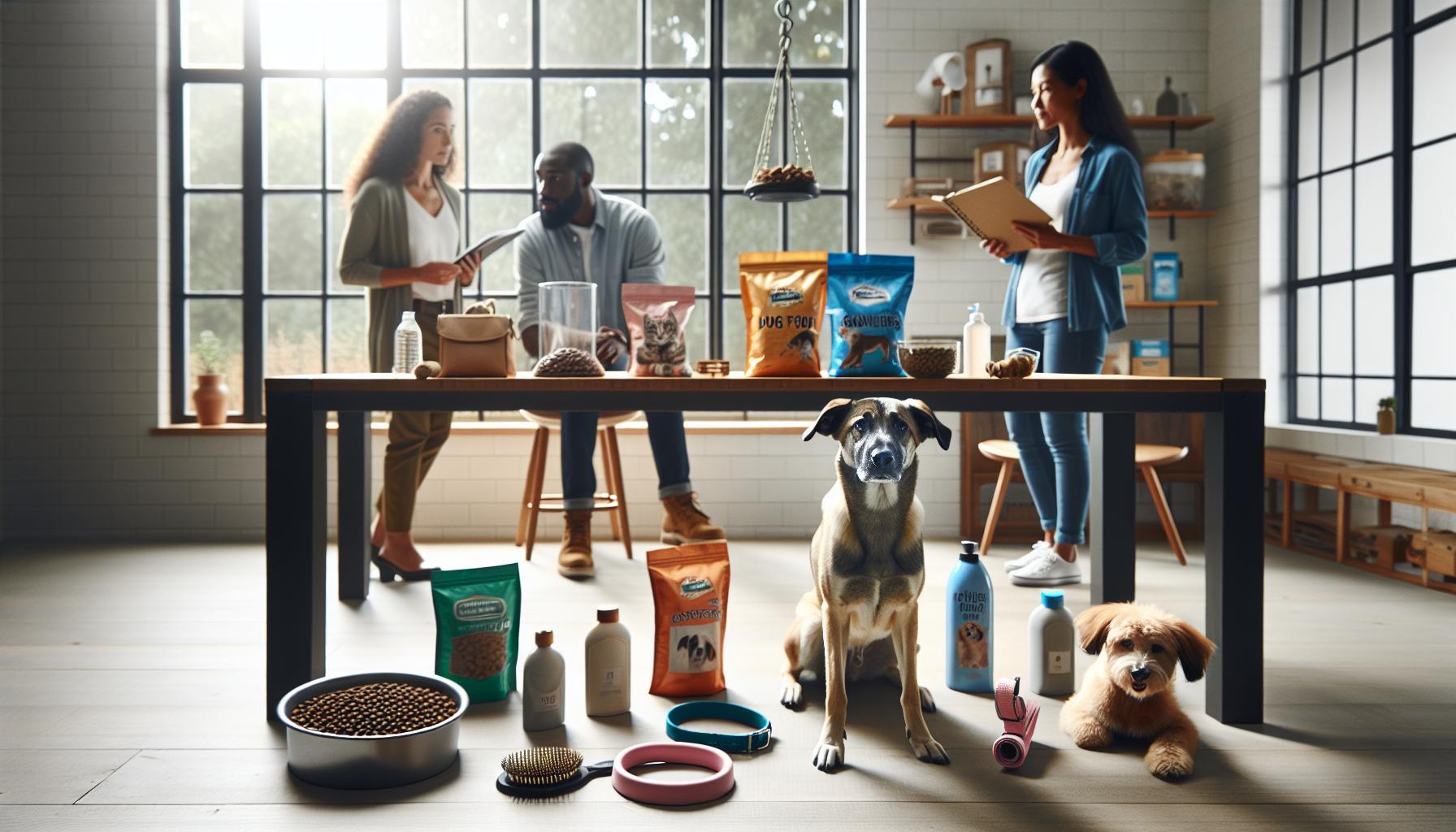
When it comes to making bath time a positive experience for dogs that are apprehensive about water, the choice of products is pivotal. Using the right products not only ensures your dog’s safety but can also help alleviate their fear of bathing. For instance, selecting a gentle dog shampoo formulated for sensitive skin can make a world of difference. Look for shampoos that are free from harsh chemicals, parabens, and artificial fragrances, as these can irritate your dog’s skin and detract from the bath time experience.
Choose a product that matches your dog’s specific needs. For instance, if your furry friend has a thick, double coat like a Golden Retriever, a moisturizing shampoo could help detangle their fur and reduce stress during rinsing. On the flip side, if you have a short-haired breed like a Beagle, a basic shampoo designed for regular use should suffice. Consider products like waterless shampoos too; these can be great for dogs that truly dislike water, allowing you to clean their fur without the usual fuss.
It’s also essential to equip yourself with high-quality grooming tools. A slicker brush can help remove tangles and loose fur before bath time, making the washing process smoother. Additionally, a rubber grooming mitt can serve a dual purpose: it can efficiently loosen dirt while providing a gentle massage that soothes your pet, making them feel more at ease.
You may also want to explore pet-safe conditioners, especially if your dog’s coat is prone to tangling or dryness. These products can help keep their fur healthy and shiny, and using one can also create a satisfying grooming ritual that your dog might start looking forward to. Always remember to choose products that have been vet-approved, ensuring that they’re safe for your dog’s health.
Here’s a brief checklist to guide you in selecting the right products:
- Choose a gentle, hypoallergenic shampoo.
- Consider breed-specific grooming products.
- Use grooming tools like slicker brushes or rubber grooming mitts.
- Explore waterless or dry shampoos for the ultra-water-wary.
- Incorporate conditioners for added coat health.
By investing in the right products, you’re not just preparing for bath time; you’re also setting the stage for a more enjoyable and less stressful experience for both you and your beloved dog.
Creating a Comfortable Bathing Environment
Creating a soothing atmosphere during bath time can significantly influence your dog’s experience, especially if they have a natural aversion to water. Establishing a comfortable bathing environment isn’t just about keeping things clean; it’s about making your furry friend feel secure and relaxed. Start by selecting a location that feels safe for your dog-this might be the bathroom, a designated outdoor space, or even a laundry area. A familiar environment can help reduce anxiety, transforming bath time from a dreaded chore into a more pleasant experience.
Temperature plays a critical role; ensure the water is warm but not too hot, as extreme temperatures can be alarming. Using a hand-held shower head or a pitcher for pouring water allows you to control the flow and keep it gentle. For those dogs who are particularly sensitive to noise, try to utilize quiet bath equipment that won’t startle them. If your pup tends to slip, placing a non-slip mat in the tub or shower can add an extra layer of comfort, giving them solid footing and confidence during their bath.
To further ease your dog’s anxiety, consider incorporating some of their favorite toys or even introducing a few treats into the mix. These can distract them from the actual bathing process. Play the ‘find the treat’ game while the water is running or reward them for entering the bathing area. Additionally, having a helper can be beneficial-a trusted friend can hold and soothe your dog, allowing you to focus on cleaning without the struggle.
Creating a positive association with bath time can also come from the ambiance of the bathing space. Try playing soft music or using a calming diffuser with pet-safe essential oils to help alleviate stress. As always, remember to reinforce good behavior with praise and treats, ensuring your dog knows that bath time can be a rewarding experience! By thoughtfully crafting a welcoming environment, you’re paving the way for calmer, more enjoyable grooming sessions.
Distraction Techniques to Ease Anxiety
Engaging a dog that dislikes water can turn bath time into a creative opportunity for connection and fun rather than a stressful ordeal. The way you approach distractions can significantly reduce anxiety and help your furry friend feel more at ease during their wash. One effective technique is to incorporate interactive play into the bathing experience. For example, bringing along a favorite toy that can get wet, such as a rubber duck, can redirect your dog’s focus away from the water. Toss the toy into the tub or shower to provide a sense of play that makes the bath feel less intimidating.
Another wonderful distraction is treats. Dogs are highly motivated by food, so using treats can be a powerful tool. Set up a “treat station” nearby, where you can reward your dog every few minutes while they are in the tub. Additionally, you can create a game around treat-tossing-throw treats into the bath area, encouraging your dog to look forward to catching them instead of focusing on the bath itself. This not only occupies their mind but also builds a positive association with the bath.
Mindful Companion Techniques
Having a companion during bath time can also help ease your dog’s anxiety. A trusted friend can sit with your dog in the bathing area, offering reassurance and gentle petting. Their calm presence can significantly alleviate stress. If your dog has a favorite blanket or bed, place it in the area to bring familiarity to the situation, making it feel less intimidating. The calming energy from both a human and a loved item can help create a more soothing bath environment.
Lastly, incorporating sensory distractions, like soothing background music or even a calming diffuser with pet-safe oils, can help set a relaxing atmosphere. These additional audio and scent elements can serve to divert attention away from the water, offering comfort and tranquility during bath time. Remember, the goal is to transform bath time from a frightful event into a bonding experience, making your dog associate water with play and love.
Breed-Specific Bathing Tips and Tricks
Bathing your dog can be a challenge, especially if they come from a breed known for disliking water. Different breeds have varying comfort levels with bathing due to their unique histories, coat types, and temperaments. Understanding these characteristics can help make bath time a more pleasant experience for both you and your furry friend.
For instance, small breeds such as the Chihuahua or Pekingese often have a strong dislike for water simply because their small size makes them feel vulnerable. To ease their anxiety, consider using a shallow basin instead of a full tub, allowing them to feel more secure and reducing the amount of water they’re exposed to. You can also try warming the water slightly before your dog steps in to create a cozy bath experience.
Conversely, larger breeds like the Newfoundland or Labrador Retriever, known for their love of water, might require different techniques. While they may enjoy splashing around, be cautious of their enthusiasm and ensure the bathing area is non-slippery. Use a wide, non-slip mat in the tub to enhance their comfort and reduce the risk of slipping. If they’re particularly large or boisterous, it might help to have a buddy to hold them steady during the bath.
Special Considerations for Long-Haired Breeds
Breeds like the Maltese or Yorkshire Terrier, with their long, flowing coats, require extra attention to prevent matting during baths. Before bathing these breeds, make sure to thoroughly brush their coats to remove tangles and loose hair. During bathing, a gentle, detangling conditioner can be applied to help preserve coat health and minimize future grooming struggles.
Additionally, dogs like the Bichon Frise, which have hypoallergenic coats, can experience skin sensitivities. A mild, fragrance-free shampoo is ideal for their needs. Always remember to rinse thoroughly to avoid any residue that could irritate their skin.
No matter the breed, patience and positivity will go a long way in transforming bath time from a dreaded chore into a bonding experience. By tailoring your approach to your dog’s breed characteristics, you can create a bath time routine that is effective and enjoyable, ensuring your dog leaves the tub feeling happy and fresh.
Post-Bath Care for a Happy Dog
Ensuring your dog feels happy and secure after bath time is essential, especially for those who dislike water. The moments immediately following a bath can significantly influence your dog’s overall experience and perception of the routine. One key aspect of post-bath care is drying your pup properly. Use a soft, absorbent towel to gently pat your dog dry, being careful around sensitive areas like their ears and face. For breeds prone to ear infections, such as Cocker Spaniels or Dachshunds, consider using a cotton ball to keep moisture out of their ear canals.
Another effective strategy is to create a cozy space for your dog to relax after their bath. A warm, comfortable place with their favorite blanket or bed can help them feel safe and secure. This is especially important for small breeds that may feel vulnerable. Additionally, providing a gentle brushing session post-bath can smooth out any knots and redistribute natural oils, leading to a healthier coat.
Don’t forget to reward your dog with praise or a small treat following their bath! This helps reinforce positive behavior and can shift their views about bath time from a chore to a delightful experience. Be mindful with treats, especially for dogs that may be on restricted diets or have weight concerns; opt for small training treats or pieces of their regular kibble for an effective reward.
Finally, keep an eye on your dog for a few minutes after bathing. For anxious dogs, this might be their time to seek extra reassurance or cuddles from you. They may shake off excess water, run around to express their excitement, or even lie down in a sunbeam to dry off. By observing their behavior and responding with gentle calming techniques, you can foster a sense of security in them. Keeping bath time positive will likely lead to smoother experiences in the future, helping both you and your dog look forward to wash days instead of dreading them.
Alternatives to Traditional Bathing Methods
When faced with a pup that despises water, bath time can seem daunting, but there are several that can make the experience less stressful for both you and your furry friend. One effective option is dry bathing. This method uses dry shampoos specifically formulated for dogs, allowing you to clean your pet without the need for water. Simply apply the dry shampoo evenly, brush it through to distribute it, and voilà! Your dog will smell fresh, and the coat will look cleaner without the anxiety that comes with a wet bath.
Another alternative is the use of waterless shampoo wipes. These handy wipes are designed to lift dirt and oils from your dog’s coat with minimal effort. They are especially useful for quick touch-ups between regular baths, and they come in various scents to keep your dog smelling great. This method is particularly beneficial for anxious pups or breeds like Shih Tzus or Pomeranians that may resist traditional bathing.
Consider Spot Cleaning
For dogs that only need a bit of cleaning in specific areas-such as those who love to roll in the mud-spot cleaning can be a suitable solution. Use a damp cloth or sponge and a mild dog-safe cleanser to clean just the dirty spots. This targeted approach reduces the need for a full bath and allows you to keep your dog clean without overwhelming them with water. For instance, if your Golden Retriever gets muddy paws after a romp outside, simply wipe down those areas instead of giving them a full soak.
Embrace Professional Grooming
If your dog is particularly resistant to any home bathing method, consider enlisting a professional groomer. Many groomers are skilled in handling fearful dogs and can provide a safe and calm environment for bathing. They often use specialized techniques and calming products that might be more effective than what you can achieve at home. Plus, regular grooming can help manage shedding and maintain your dog’s coat health, giving you peace of mind while keeping bath time stress-free.
Utilizing these alternative methods ensures your dog remains clean and healthy while accommodating their unique preferences. Each dog is different, and finding the right solution might take some experimentation, but with patience and creativity, you can transform bath time into a more pleasant experience for both of you.
Rewarding Your Dog After Bath Time
After the often tense experience of bath time, it’s essential to help your dog associate the process with positive feelings. Just as you might provide a treat or a comforting hug after a challenging experience, your furry friend deserves a reward for their bravery. can help them build a more positive association with it, making future baths less stressful.
One effective way to reward your dog is with their favorite treats. Go for high-value goodies-those that make their tail wag with excitement. This could be small pieces of cooked chicken, cheese, or even special dog treats. Offering these right after the bath, while they’re still in that calm and relaxed state, reinforces the idea that bath time leads to good things. Additionally, a little praise can go a long way. Use a cheerful tone to say things like “What a good dog!” which could bolster their confidence significantly.
Playtime as a Reward
Another fantastic reward is playtime. Dogs love engaging with their owners, and a fun game can serve as a wonderful distraction post-bath. Fetch or tug-of-war with their favorite toy can elevate their mood and strengthen your bond. If your pup enjoys activities like agility or hide-and-seek, bringing those into the mix can further shift their focus away from the recent bath experience.
Establish a Routine
Consistency is key. By establishing a routine that includes rewards after every bath, you will reassure your dog that bath time is just a step toward a more enjoyable experience. For instance, you might always follow bath time with a short walk or a cuddle session on the couch. This predictable structure not only eases anxiety but also teaches your furry friend that water is merely a door to delightful activities.
In time, your dog will learn to anticipate their reward for getting through bath time, leading to a more relaxed attitude about the process. Remember, patience and positive reinforcement are your best bets in creating a happy bathing experience for your beloved pet.
When to Seek Professional Help for Bathing
Knowing when to seek professional help for your dog’s bathing routine can significantly enhance both their comfort and your overall experience. Some dogs have a deep-seated aversion to water, and despite your best efforts, you may find your pup remains anxious or downright fearful during bath time. If you notice that your dog displays extreme fear, such as excessive trembling, hiding, or attempts to escape, these are important signals that it might be time to consider a professional groomer or canine behaviorist.
An experienced groomer can provide a calm and positive environment, which is essential for dogs that fear water. They often have specialized tools and techniques to help make the bathing process more pleasant, such as gentle sprays, warm water, and stress-reducing techniques that you may not have considered. Additionally, a groomer trained in behavioral issues can work with your dog to gradually desensitize them to water, using patience and positive reinforcement methods.
If your dog shows signs of aggression or a fierce desire to escape during baths, it’s critical to approach the situation with care. This behavior can indicate a higher level of anxiety that may need the attention of a professional. A veterinarian or a pet behavior specialist can offer advice tailored to your dog’s specific needs, ensuring that their emotional well-being is addressed alongside physical grooming.
In some instances, considering alternatives to traditional bathing might be necessary. Professional groomers may also offer options like dry shampoo, waterless baths, or sedation if warranted. Ultimately, your dog’s comfort should be the priority, and professionals have the skills to make this experience more manageable for both of you. Remember, seeking help when needed not only preserves your dog’s well-being but also ensures a less stressful experience for you in the long run.
Tips for Maintaining Your Dog’s Hygiene Between Baths
Maintaining your dog’s hygiene between baths is essential, especially for those furry friends who are averse to water. Did you know that regular grooming not only keeps your dog looking their best but also promotes a healthy coat and skin? While baths are important, there are various ways to keep your pup fresh and clean in-between bathing sessions.
One effective method is to incorporate regular brushing into your dog’s routine. Depending on your dog’s breed, brushing can help remove loose fur and dirt while distributing natural oils that keep their coat shiny and healthy. For breeds with long or double coats, such as Golden Retrievers or Siberian Huskies, a thorough brushing at least twice a week can prevent matting and reduce shedding. Short-haired breeds, like Beagles or Boxer dogs, also benefit from brushing, as it removes debris and helps maintain a healthy coat with less effort.
Another fantastic strategy is using dog wipes or waterless shampoos designed specifically for pets. These products are excellent for quick clean-ups in between baths-perfect for wiping down muddy paws after a walk or freshening up your dog’s coat after playtime. Just be sure to choose wipes and shampoos that are free from harsh chemicals and safe for your dog’s skin. Always check the ingredients first, as some dogs may have sensitive skin that reacts to certain substances.
Additionally, keeping your dog’s ears, teeth, and paws clean is crucial for overall hygiene. Regularly inspect and gently clean your dog’s ears with a vet-recommended solution to prevent wax buildup and infections. For dental care, you can use flavored dental chews or brush their teeth a few times a week with canine toothpaste. Lastly, keeping your dog’s nails trimmed and paws clean can prevent irritation and infections, especially if they enjoy outdoor adventures.
In summary, integrating these grooming strategies into your dog care routine will help keep your pup clean and comfortable. By preventing dirt buildup and maintaining your dog’s coat, you’re not only enhancing their appearance but also ensuring their skin and health are well cared for. With a little effort and consistency, both you and your hesitant bath-time dog will find comfort and joy in a clean, healthy fur friend!
Q&A
Q: How can I make my dog more comfortable with water?
A: To help your dog become more comfortable with water, start by introducing them slowly to water in a calm environment. Use positive reinforcement, such as treats and praise, when they show curiosity. Gradually increase their exposure by letting them play in shallow water and using gentle toys or sprinklers during playtime.
Q: What are alternative methods to bathing a dog?
A: Alternatives to traditional bathing include using waterless or dry shampoos, brushing with a grooming mitt, or taking your dog to a pet groomer experienced with water-sensitive dogs. These methods maintain hygiene and can be less stressful for dogs uncomfortable with baths.
Q: Why do some dogs hate water so much?
A: Dogs may hate water due to past traumatic experiences, lack of exposure, or simply their breed characteristics. Factors like genetics and sensitivity to temperature or sound can also play a role. Understanding your dog’s fear can help in addressing it effectively.
Q: How do I keep my dog clean between baths?
A: To keep your dog clean between baths, brush their fur regularly to remove dirt and loose hair, use dog-friendly wipes for spot cleaning, and consider using a dry shampoo formulated for dogs. Regular dental care and paw check-ups are also essential for overall hygiene.
Q: What tools can help make bath time easier for dogs?
A: Tools that can aid in bath time include a non-slip mat to prevent slipping, a handheld showerhead for better control, and a sprayer attachment for pets. Additionally, pet bathing tubs designed for anxiety-prone dogs can provide a more comfortable experience.
Q: When should I consider a professional groomer for my dog?
A: Consider a professional groomer if your dog is particularly anxious about bathing, has a heavy coat requiring specialty grooming, or if you struggle to maintain their health and hygiene at home. A professional can provide a stress-free experience with appropriate techniques.
Q: How do I choose the right shampoo for my dog?
A: Choose a shampoo specifically formulated for dogs that addresses their unique needs, such as sensitive skin or allergies. Look for natural ingredients like oatmeal or aloe vera. Always perform a patch test first to ensure your dog doesn’t have an adverse reaction.
Q: What signs indicate my dog is stressed during a bath?
A: Signs of stress in dogs during bath time include excessive panting, trying to escape, whining, growling, or showing submission behaviors like lying down. Recognizing these signs allows you to adjust your approach or give your dog breaks to alleviate their anxiety.
The Way Forward
Now that you have the tools to bathe your dog that hates water with confidence and comfort, it’s time to put these stress-free tricks into action! Remember, patience and positive reinforcement are key to making bath time a cozy experience. If you found these tips helpful, be sure to check out our related articles on dog grooming essentials and anxiety-reducing techniques for your furry friend. For even more insights, subscribe to our newsletter for the latest tips and tricks delivered right to your inbox!
Don’t hesitate to share your bathing successes or any concerns in the comments below-your experience might help another pet owner! Explore our resources on dog care and behavior to deepen your understanding and strengthen your bond with your beloved pup. Let’s make bath time fun for both you and your dog!