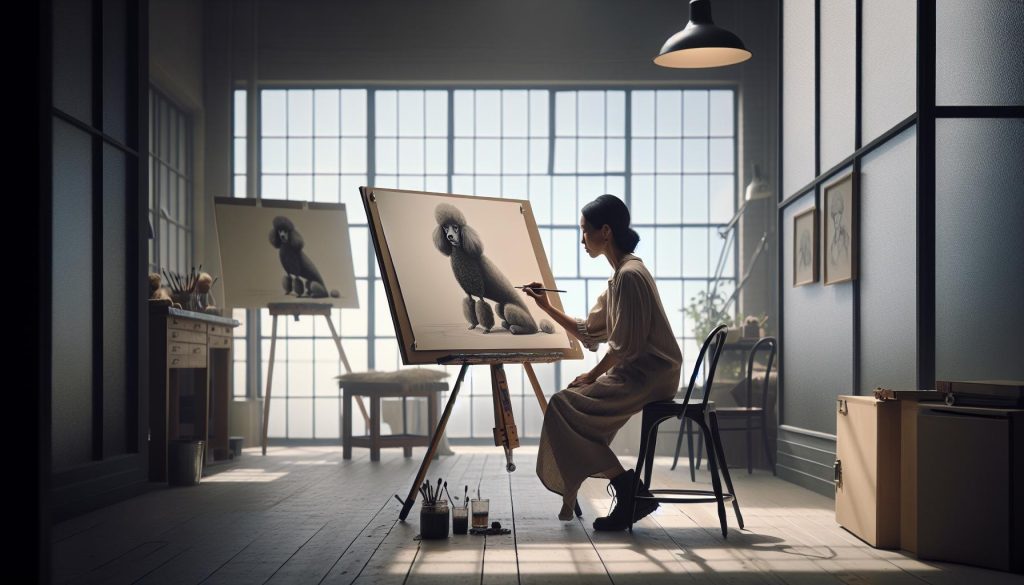
Did you know that poodles are not only one of the most intelligent dog breeds but also make fantastic artistic subjects? Learning to draw a poodle can be a delightful way to enhance your artistic skills while celebrating this lovable breed. Whether you’re a novice looking to showcase your creativity or a seasoned artist seeking a new challenge, this guide offers simple sketch instructions tailored to your skill level. By breaking down the drawing process into manageable steps, you’ll gain confidence and satisfaction in your artistic journey. As you follow along, you’ll not only learn about the unique features and expressions of poodles but also discover tips that can elevate your overall drawing technique. Dive in and unleash your inner artist as we explore how to capture the charm of poodles on paper!
How to Prepare Your Materials for Drawing a Poodle
To embark on the delightful journey of drawing a Poodle, you’ll first want to gather the right materials to ensure a smooth and enjoyable creative process. While it might seem straightforward, having the appropriate tools in hand can significantly enhance your drawing experience and result.
Start with quality drawing paper – look for a smooth, heavy-weight paper that can withstand erasing and layering. This type of paper will provide a perfect surface for both pencil and color applications, allowing you to capture the Poodle’s distinctive features beautifully. Alongside your paper, gather a good selection of pencils, ranging from hard (H) for fine lines to soft (B) for shading. This variety will give you the versatility to create fine details like the Poodle’s elegant curls and soft fur texture.
Next, consider your erasers. A kneaded eraser is fantastic for gentle lifting of graphite without damaging the paper, which is essential for refining your sketches. Additionally, a precision eraser can help when detailing areas like the eyes and nose. Don’t forget to include sharpener: maintaining sharp pencil tips will enhance your ability to capture the delicate features of this breed.
Lastly, if you plan to add color, gather colored pencils or watercolors, depending on your preferred medium. Choosing a good set that includes shades close to the various Poodle colors will make your drawing pop. Test your colors on a scrap piece of paper to ensure you have the right tones before adding them to your masterpiece. With these materials set up and ready, you’re well on your way to creating a charming Poodle portrait that captures the breed’s playful spirit and elegance!
Basic Shapes: The Foundation of Your Poodle Sketch
To create a charming sketch of a Poodle, visualizing basic shapes as the foundation of your drawing is crucial. Every artistic creation starts with simple forms that help to establish proportions and structure before diving into details. Poodles, with their elegant yet playful demeanor, can be captivating subjects when you break down their complex shapes into simpler components.
Begin by sketching a series of basic shapes to outline the Poodle’s body. Start with a large oval for the body, allowing enough space for the distinctive fluffiness of their fur. Next, add a smaller circle at one end for the head, ensuring you leave room for their floppy ears. To define the legs and tail, use elongated rectangles and triangles, respectively-these will guide you in maintaining realistic proportions as you refine your sketch. Don’t forget the Poodle’s long neck, which can be represented by a soft, elongated rectangle connecting the head to the body.
As you work, focus on how these shapes connect. Use light pencil strokes so that you can easily erase and adjust as needed. Keep in mind the breed’s unique posture and characteristics. For instance, Poodles often stand with their tails held high and their bodies slightly proud. Using construction lines to represent the position and movement will add a dynamic quality to your sketch. With these foundational shapes laid out, you’re ready to build on them, transforming simple ovals and rectangles into a lively representation of this beloved breed.
This step-by-step approach not only aids in getting the proportions right but also builds your confidence as you see your simple shapes transform into an adorable Poodle. So grab your pencils and let those shapes guide you into capturing the personality of this delightful breed!
Step-by-Step Instructions for Poodle Features
To truly capture the essence of a Poodle in your drawing, it’s essential to pay meticulous attention to their distinct features. Start by observing a reference image of a Poodle to familiarize yourself with their proportions and unique attributes. Poodles are known for their elegant fur, expressive eyes, and charming features, which are integral to bringing your sketch to life.
Begin with the head, sketching a gentle curve on the top for the crown, then transition into the rounded shape of the skull. The muzzle should extend forward, creating a distinct rectangular shape that narrows towards the nose. Poodles have a pronounced stop (the point where the muzzle meets the forehead), so ensure that you represent this feature by creating a slight dip in the line where the muzzle meets the head. This part is crucial for establishing the characteristic facial structure that distinguishes Poodles.
Next, focus on the eyes. Poodles have large, oval-shaped eyes that are usually dark and expressive. Begin by drawing two small ovals on either side of the muzzle, slightly angled to add to the dog’s playful personality. And to convey expression, consider the position of the eyebrows, which can be lightly suggested above the eyes. Don’t forget to capture the floppy ears: attach them to the sides of the head, ensuring they hang down gracefully, often forming a beautiful flowing line that adds to the overall composition.
Now, move down to the body. Connect the head to the body with a gentle line that suggests the Poodle’s long neck. Keep the body proportional to the head size. Use small curves to delineate the chest and waist, giving the body a well-defined shape. As you sketch the legs, remember that Poodles stand with a certain elegance; their legs are straight and well-structured. Pay close attention to the paws, as these details can add realism to your drawing. Each leg should taper slightly towards the paws, which can be sketched with rounded shapes to make them look softer and more appealing.
As you work through these features, always keep in mind the fluffy texture of a Poodle’s coat. Even at this stage, you can suggest fur by adding light, wavy lines along the body, especially around the ears and neck. This foreshadows the detailed fur texture you will enhance later, but starting with these simple lines will make your drawing feel more natural.
Overall, your goal here is to break down the process into manageable steps. Focus on capturing each of these elements thoughtfully, and soon, you’ll be well on your way to sketching an adorable Poodle that radiates personality and charm! So grab those pencils and enjoy the journey of bringing this delightful breed to life on paper.
Adding Details: Fur Texture and Facial Expressions
The most charming aspect of drawing a Poodle lies in capturing not just its unique physical traits, but also the expression and personality that define this beloved breed. To convey the lively spirit of a Poodle through your artwork, focus on replicating the soft, fluffy texture of their fur and the captivating expressions that light up their eyes. Notice how Poodles exude elegance and playfulness, which can be expressed through both texture and expression in your sketch.
Start with the fur texture, characteristically curly and voluminous. To mimic this, use a variety of techniques in your pencil strokes. Lightly sketch in circular motions to create the impression of curls, varying the pressure to establish depth and dimension. Pay close attention to sections where the fur naturally layers, particularly around the ears and neck, as these areas often have more pronounced curls. Adding small, quick strokes in uneven lengths can give your drawings the lively, dynamic look of a well-groomed Poodle. For a finishing touch, incorporate shading that follows the flow of the fur; this can enhance the three-dimensional appearance of your drawing.
When it comes to facial expressions, focus on the eyes and mouth, as they are critical in encapsulating the Poodle’s personality. Poodles possess dark, oval-shaped eyes that radiate intelligence and warmth; draw them with care, ensuring they catch the light to create a bright, engaging appearance. Adding a catch light-an area of white or lighter shading within the eye-can spark life into your drawing. The mouth of the Poodle should reflect a friendly demeanor; subtle downward curves can suggest a gentle smile, while a slightly open mouth can indicate playfulness. Don’t forget to incorporate slight lines around the muzzle to suggest the intricate texture of fur and convey emotion, making your Poodle drawing feel more animated and connected to its lively spirit.
By combining a thoughtful approach to fur texture with expressive facial features, you’ll bring life to your Poodle sketches, transforming a simple drawing into a delightful representation of this beloved breed. So, unleash your creativity and let your pencil dance across the page, capturing the warmth and charm of Poodles in each stroke!
Coloring Techniques for a Realistic Poodle
The beauty of coloring your Poodle sketch lies in the ability to enhance its playful and unique characteristics through color choices that reflect their personality. Did you know that Poodles come in a variety of colors such as white, black, apricot, and gray? Each shade offers a different visual vibe, so choosing the right colors can really bring your drawing to life. Here are some essential techniques to create a realistic and lively rendition of this intelligent breed.
To start, gather a selection of colored pencils or markers suitable for blending. Begin with the base color that matches the fur of your reference image. For example, if you’re drawing a classic white Poodle, start with a light gray or cream to add depth. Use light strokes to apply color, gradually building up layers for a more natural effect. This method allows you to maintain the texture of the fur, giving it a soft, fluffy appearance.
Layering Colors for Realism
An effective technique when coloring Poodle fur is layering. This involves using darker shades of your chosen base color to create shadows and lighter colors for highlights. Focus on areas like the ears, neck, and under the chin, which tend to be softer and more textured. You could use a dark ash or light brown for a black Poodle, applying it lightly along the edges and gradually blending it into the lighter middle parts of the body. Don’t be afraid to play with mixing colors; a subtle hint of peach on an apricot Poodle can suggest warmth and vibrancy.
Adding Highlights and Shadows
Creating depth in your drawing is crucial for a realistic appearance. Use a white or very light color pencil to add highlights to the fur, especially where the light would naturally hit, like the top of the head and tips of the ears. For shadows, a slightly darker tone than your base will create dimension; think of soft, curved strokes to mimic the flow of the fur and give your Poodle that three-dimensional feel. A well-placed shadow can transform your drawing from flat to lifelike.
Practicing these techniques will refine your skills and help express the charming personality of Poodles. Above all, remember that color can evoke emotions and connections in your artwork, so take your time in deciding which hues best represent the Poodle you are drawing. Whether through playful splashes of color or subtle gradients, your choices will ultimately showcase the delightful spirit of these beloved dogs.
Common Mistakes to Avoid When Drawing Poodles
When embarking on the delightful journey of drawing a Poodle, it’s easy to get caught up in excitement and overlook some common pitfalls that can hinder your progress. One of the most significant mistakes is neglecting the importance of basic shapes. Starting with simple geometric forms-like ovals for the head and bodies, and circles for the eyes-helps provide a solid foundation for your sketch. When we rush into adding details, we often end up with disproportionate features that may not capture the Poodle’s elegance.
Another prevalent error is misrepresenting the unique fur texture that defines the Poodle’s distinct look. Many artists attempt to draw fur by making random strokes without considering how the coat flows. Instead, focus on using short, curvy lines that mimic the natural contour of the hair. Remember that the Poodle’s coat is dense and often styled, so capturing the fluffiness requires a gentle touch and attention to layering. Emphasizing curl patterns, especially around the ears and paws, can add realism to your drawing.
It’s also crucial to pay careful attention to the facial proportions and expressions. Poodles are known for their expressive eyes and sweet demeanor, yet many artists overlook these features, resulting in a flat or lifeless representation. Ensure you spend time getting the placement and size of the eyes right; they should be proportionate to the head while reflecting the breed’s intelligent and alert character. Don’t shy away from experimenting with different expressions-perhaps a joyful smile or a curious head tilt-to further capture the lively spirit of Poodles.
Lastly, many budding artists rush through the coloring phase, which can lead to flat and uninspired artwork. Instead of quickly slapping on colors, take your time to blend and layer shades to incorporate depth and dimension. Each Poodle color, whether it’s black, white, apricot, or gray, has its nuances, and capturing these variations can make your artwork truly pop. By avoiding these common mistakes and taking a mindful approach, you’ll find that your Poodle drawings can transform from simple sketches into vibrant representations of this beloved breed.
Inspiration: Different Poodle Breeds and Styles
When it comes to drawing Poodles, one of the most delightful aspects is their variety. With three distinct sizes-Standard, Miniature, and Toy-each Poodle presents a unique canvas for artistry, filled with character and charm. This diversity not only influences their proportions and framing in your drawings but also inspires creativity in how you depict their personalities through different styles and poses.
### Types of Poodles to Draw
Here’s a brief look at the three Poodle varieties and traits that can inspire your sketches:
- Standard Poodle: The largest size, known for its regal posture and athletic build. When drawing a Standard Poodle, focus on capturing its elegance and grace. Emphasizing the proud stance and rich texture of its curly coat can create a majestic representation.
- Miniature Poodle: Slightly smaller, these Poodles are playful and energetic. Their expressive eyes and lively demeanor make them ideal subjects for dynamic poses, whether it’s leaping, playing, or simply tilting their heads curiously.
- Toy Poodle: The smallest of the three, Toy Poodles are compact and full of personality. Their size allows for fun, expressive features-consider highlighting their rounded faces and large, sparkling eyes which provide depth and character in your drawings.
### Drawing Styles to Explore
The artistic expression isn’t just about breed differences; it also includes various styles. You might choose to depict a Poodle in:
- Realistic Style: Focus on precise proportions, fur textures, and lifelike coloration to bring out the natural beauty of the Poodle.
- Cartoon or Whimsical Style: Capture the playful spirit of Poodles through exaggerated features and bright colors. This style can showcase their joyous personality and make for delightful illustrations.
- Abstract Interpretation: Use shapes and colors to represent the essence of a Poodle rather than its physical attributes. This can be a fun way to experiment with creativity and your own artistic voice.
Inspiration can come from not just the physical traits of these wonderful dogs but also their expressive personalities. Each Poodle, regardless of type or style, offers a unique story waiting to be told through your artwork. So grab your sketchpad, embrace the charm of these lovely companions, and let your artistic journey begin!
Tips for Practicing Your Poodle Drawings
To truly capture the charm of Poodles in your drawings, it’s essential to practice regularly and explore various techniques. Grab your sketchbook and embrace the fun of this artistic journey! Begin by dedicating time to observe real Poodles, whether through visits to dog parks or studying photographs. Pay close attention to their unique features, such as their expressive eyes and the softness of their curly fur. This firsthand look will enable you to translate their personality and essence onto your canvas.
Incorporating a variety of drawing exercises can elevate your skills. Try gesture drawing, where you spend just a few minutes sketching quick poses. This method helps you capture the movement and energy of Poodles, particularly the playful Miniature and Toy varieties. Focus on different angles and perspectives; experimenting with these will broaden your understanding of the breed’s physical characteristics and how they can be represented in your artwork.
Don’t shy away from mixing up your materials. Different mediums can yield fascinating effects-try pencil for fine details, charcoal for depth, or watercolor for a touch of whimsy. Each medium will help you express different aspects of the Poodle’s fluffy coats and their lively spirits. Additionally, consider stepping outside your comfort zone by doodling Poodles in various styles, from hyper-realistic to cartoonish interpretations. This playful exploration can spark new ideas and approaches in your work.
Remember, the journey to perfecting your Poodle drawings is just as important as the end result. Embrace mistakes as opportunities to learn; after all, even the most seasoned artists have their off days. Share your drawings with fellow dog lovers for feedback and encouragement. Join online art communities or local clubs where you can connect with others who share your passion. With patience and practice, your skills will flourish, and soon your Poodle sketches will capture the lovable and whimsical nature of these beloved companions!
Showcase: Sharing Your Finished Poodle Artwork
Sharing your finished Poodle artwork can be one of the most rewarding aspects of your artistic journey. It marks not just the culmination of your creative effort but also an opportunity to connect with fellow enthusiasts who share your passion for these charming dogs. Whether you’ve sketched a playful Toy Poodle or a dignified Standard Poodle, each piece reflects your unique vision and interpretation of the breed.
There are various platforms to showcase your art, each offering different types of interactions and feedback that can enhance your skills. Consider sharing your drawings on social media platforms like Instagram or Facebook. Creating an account dedicated to your artwork allows you to build a community around your passion. Use relevant hashtags like #PoodleArt or #DogDrawing to reach a wider audience. Connecting with dog lovers and artists can yield valuable tips and even new friendships. You might discover others who are eager to share their own creations, creating a vibrant exchange of inspiration and ideas.
Additionally, online art communities such as DeviantArt or ArtStation provide dedicated spaces for artists to share their work and receive constructive critiques. Here, you can showcase high-quality scans of your drawings and engage with a broader audience. Many members are happy to support newcomers and provide insights that can help you refine your technique. Don’t hesitate to participate in group challenges or contests, as these can offer motivation and expand your creative boundaries.
When sharing your artwork, remember to include a story behind each piece. Describe what inspired you, any challenges you faced while drawing, or the particular features of the Poodle that you aimed to highlight. This not only adds depth to your artwork but makes your post more engaging for viewers. Encourage others to comment and share their thoughts, creating a dialogue that celebrates both your artistic process and the lovability of Poodles. With each piece you share, you invite others to appreciate the effort and care you’ve invested, fostering a community that celebrates the beauty of art and the joy that Poodles bring into our lives.
Resources for Further Learning about Dog Drawing
To deepen your dog drawing skills, especially when it comes to capturing the elegance and charm of Poodles, a wealth of resources is available to guide you. Engaging with various media not only enhances your technique but also enriches your understanding of this wonderful breed. From online tutorials to books, there are countless avenues to explore.
One excellent way to learn is through video tutorials on platforms like YouTube. Many professional artists share step-by-step processes for drawing animals, including Poodles. These visuals provide immediate feedback, allowing you to follow along and mimic techniques in real-time. Consider channels that focus on pet portraits or specific dog breeds, as they often cover unique characteristics such as fur texture and facial structure that define Poodles.
Additionally, investing in instructional books that specialize in animal drawing can offer in-depth knowledge and professional tips. Look for titles that focus on dog breeds, as these resources typically include sections dedicated to Poodle anatomy and proportions, which can significantly enhance your sketches. They often feature detailed examples and exercises that help break down the complex forms into manageable parts.
Don’t underestimate the power of joining online communities dedicated to art and dog lovers. Platforms like Reddit have threads specifically for art sharing and critique, where you can post your own Poodle drawings and receive constructive feedback. Engaging in these communities not only provides motivation but also connects you with like-minded individuals who share your passion for both Poodles and art.
Lastly, consider taking local art classes or workshops that focus on animal drawing. These hands-on experiences provide valuable guidance from instructors and are a fantastic way to practice with fellow artists. Always remember, improvement comes with practice and engagement with those who share your artistic aspirations.
Incorporating these resources into your drawing routine can nurture your skills and make the process of capturing Poodles on paper as rewarding as the companionship they offer.
FAQ
Q: What are the basic shapes to start drawing a poodle?
A: Start by sketching basic shapes like circles and ovals to form the poodle’s head and body. Use a larger oval for the body, a smaller circle for the head, and connected lines for the neck. This foundational approach simplifies the drawing process, allowing you to refine later.
Q: How can I make my poodle drawing look more realistic?
A: To achieve a realistic look, focus on details such as fur texture and facial expressions. Add texture by using short, curved strokes to mimic poodle fur, and capture personality by accurately depicting their eyes and mouth. Refer to the “Adding Details” section for tips.
Q: What coloring techniques work best for poodles?
A: Use layering techniques when coloring for depth. Start with a base color, then add darker shades for shadows and lighter colors for highlights to create a more dynamic look. Utilize colored pencils or watercolors for blending effects, enhancing the overall appearance of your poodle drawing.
Q: What common mistakes should I avoid when drawing a poodle?
A: Avoid drawing features that are too exaggerated, such as excessively large eyes or limbs. Also, be mindful of fur length and texture; ensure it reflects the breed’s characteristics. Check out the “Common Mistakes” section for more guidance.
Q: How do different poodle breeds affect my sketching style?
A: Different poodle breeds (Standard, Miniature, and Toy) have unique proportions and features. Tailor your sketching style to reflect their sizes and characteristics; for instance, a Toy Poodle will have a more spherical form compared to a Standard Poodle.
Q: What materials do I need for drawing a poodle easily?
A: Essential materials include high-quality drawing paper, pencils (ranging from H to B), an eraser, and colored pencils or markers for coloring. These supplies facilitate a smoother drawing experience, allowing for effective shading and detailing. Refer to the “How to Prepare Your Materials” section for more info.
Q: How can practicing regularly improve my poodle drawings?
A: Regular practice refines your skills and helps you identify areas for improvement. Set aside time each week to re-draw and experiment with different poses and expressions. This consistency builds confidence and enhances your drawing technique significantly.
Q: Where can I find more resources for learning to draw dogs?
A: Explore art books focused on animal drawing or online tutorials that specialize in canine art. Websites, like dedicated art forums, also provide community feedback and tips. The “Resources for Further Learning” section can direct you to helpful links.
In Retrospect
Congratulations on mastering the art of drawing a poodle with our simple sketch instructions! By following these easy steps, you’ve taken a creative leap that not only enhances your artistic skills but also deepens your connection with your furry friends. If you’re excited to keep your drawing journey going, check out our related guides on “How to Draw Other Dog Breeds” and “Step-by-Step Pet Portrait Techniques” for even more fun ideas!
Feeling inspired? Don’t hesitate to share your poodle creations in the comments below! We’d love to see your unique interpretations and hear about your drawing experiences. And remember, whether you’re a beginner or more experienced, there’s always room for improvement-so practice regularly!
Before you go, consider signing up for our newsletter for exclusive tips and more helpful resources tailored just for dog lovers like you. Keep exploring, stay creative, and let your passion for art continue to flourish!