Did you know that water trapped in your dog’s ears can lead to painful infections and discomfort? As a devoted pet owner, it’s natural to worry about your furry friend’s well-being when swim season rolls around or after a rainy day romp. Learning how to effectively get water out of your dog’s ears is essential, not only to prevent itching and irritation but also to safeguard against serious complications like ear infections. In this guide, we’ll explore practical tips and techniques to help you ensure your dog’s ears stay dry and healthy. You’ll find actionable advice you can put into practice right away, keeping your four-legged companion comfortable and happy. Let’s dive in and discover how to protect your pup from the discomfort of waterlogged ears!
How Water Gets Trapped in Dog Ears
Many dog owners might be surprised to learn that water can easily get trapped in their furry friend’s ears, especially after a bath or a day of swimming. This is an all-too-common issue that can lead to discomfort and even painful infections if not addressed promptly. The anatomy of a dog’s ear plays a significant role in how this happens. Dogs have an L-shaped ear canal, which is different from humans. This unique structure can create a pocket that traps moisture, making it harder for the water to escape.
After swimming or bathing, especially in the summer months when water activities are more common, it’s essential to be vigilant about checking your dog’s ears. Breeds with floppy ears, such as Cocker Spaniels and Basset Hounds, are particularly susceptible to having water trapped because their ear shape prevents air circulation. If your dog has been splashing around, it’s wise to gently dry their ears using a soft towel or a dog-specific ear-drying solution. This can help stave off potential problems before they escalate into a more serious situation.
To mitigate the risk of water getting stuck, consider involving some preventive steps. Regular ear checks should be part of your grooming routine, especially for breeds prone to ear issues. Look out for signs of excess moisture or debris-this may indicate a problem brewing. Additionally, using a pet-specific ear cleaner can help keep the canals dry and free from bacteria. Listing the tips you find useful may help you establish a routine, like drying ears after baths or swims and scheduling regular vet check-ups for ear health assessments. By staying proactive, you can keep your pup’s ears healthy and avoid the discomfort that trapped water can cause.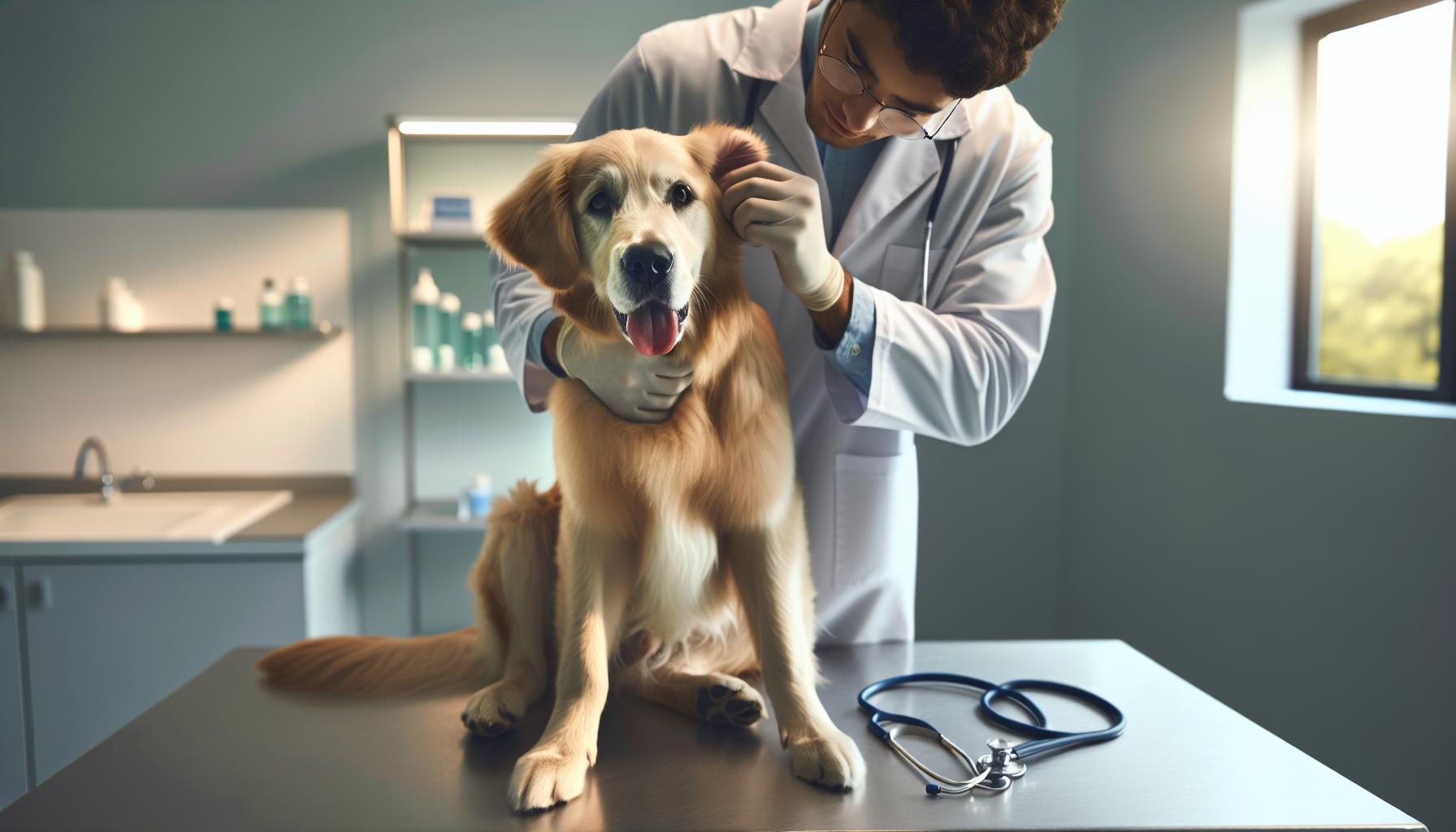
Signs Your Dog Might Have Water in Their Ears
It’s not uncommon for dog owners to notice their furry friends shaking their heads or scratching at their ears after a bath or swim. Did you know that these behaviors can often indicate a trapped water issue? Recognizing the signs early can prevent discomfort or an ear infection, saving your pup from unnecessary pain.
When water becomes lodged in a dog’s ears, several symptoms can manifest. Commonly, you might see your dog exhibiting excessive shaking of their head or ear flapping as they try to dislodge the moisture. Additionally, watch for signs of distress, such as whining or acting unusually skittish. Pay close attention to any persistent scratching at the ears, which could indicate they’re feeling discomfort. Another significant indicator is a noticeable change in demeanor; if your typically playful dog seems lethargic or withdrawn, this may signal ear trouble.
It’s also wise to check for any physical changes or discharges. If the ears appear red, swollen, or inflamed, or if you notice a foul smell emanating from them, these could be red flags indicating trapped water has led to an infection. Furthermore, if your dog is suddenly sensitive about having their ears touched, it’s a good idea to investigate further. Debris or excessive moisture in the ear canal can create an inviting environment for bacteria, leading to painful infections.
In breeds with floppy ears, such as Cocker Spaniels and Basset Hounds, the risk of retaining water is notably higher, so extra vigilance is warranted. If you suspect your dog might have water in their ears, try to create a calm environment. Gently check their ears, and if any discomfort persists, consider seeking veterinary assistance to ensure their health and happiness.
By staying alert to these signs, you can enhance your dog’s ear health, allowing for many happy and playful adventures without the worry of trapped water causing distress. Remember, proactive ear care is essential in keeping your canine companion comfortable and infection-free!
Home Remedies to Safely Remove Water
Many dog owners may find themselves in a familiar situation after a fun day of swimming or a bath-watching their beloved dogs shake their heads vigorously in an attempt to rid themselves of trapped water in their ears. This is not just a nuisance; trapped water can lead to discomfort and even serious infections. Fortunately, there are effective home remedies to help clear out that pesky moisture and keep your furry friend happy and healthy.
One of the simplest methods is to create a gentle drying environment. Start by using a soft, absorbent towel to gently blot the outer part of your dog’s ears. Be careful not to poke into the ear canal but rather focus on drawing out water from the outer folds. Additionally, consider using a hairdryer on the lowest setting to help dry the ears; make sure to keep it at a safe distance to avoid burning sensitive skin. Always ensure that your dog is comfortable with the sound of the dryer first, as some pets are sensitive to loud noises.
If your pet seems to have persistent water in their ears, a homemade solution may provide relief. Create a mixture of equal parts white vinegar and distilled water-this not only aids in drying out the ear but also helps to restore the natural pH balance, discouraging any bacterial growth. Using a clean dropper, gently instill a few drops of the solution into the ear canal (being careful not to insert the dropper too deeply) and then hold the ear closed for a moment to allow the solution to work its magic. After a few seconds, allow your dog to shake their head to expel the mixture, followed by another gentle towel blot.
For breeds with longer, floppy ears, extra care must be taken. For instance, Cocker Spaniels and Basset Hounds can be particularly prone to moisture accumulation. Regular ear checks after baths or swims are crucial. Establish a routine that includes drying the ears immediately after exposure to water and inspecting for any signs of irritation. If you notice your dog shaking their head frequently or displaying discomfort, it’s essential to address the issue promptly, using the above remedies as first aids while monitoring their condition closely.
Remember, proactive care is key to preventing ear infections. Keeping your dog’s ears clean and dry not only fosters comfort but also reinforces a bond of care between you and your furry friend. Should these at-home remedies not suffice or if symptoms persist, don’t hesitate to consult your veterinarian for more tailored advice, as they can provide solutions specific to your dog’s breed and health history.
Preventing Ear Problems: Best Practices
Taking proactive steps to maintain your dog’s ear health can prevent many common issues, including the discomfort of trapped water. Did you know that some breeds are more susceptible to ear problems due to their ear structure? For instance, dogs with long, floppy ears-like Cocker Spaniels and Basset Hounds-offer limited airflow, making moisture accumulation a serious concern. By staying ahead of these challenges, you can ensure your furry friend remains happy and comfortable.
- Establish a Routine: Regularly clean your dog’s ears as part of their grooming routine, especially after baths or swimming. Use a vet-recommended ear cleaner and a soft cotton ball to gently wipe the outer ear, avoiding deep insertion into the ear canal.
- Dry Ears Thoroughly: After water exposure, be diligent about drying your dog’s ears right away. For short-haired breeds, a towel may suffice, but for longer-haired dogs, consider using a gentle, low-setting blow dryer while keeping it at a safe distance.
- Inspect Ears Regularly: Make it a habit to visually inspect your dog’s ears weekly. Look for signs of redness, swelling, or an unusual odor, which could indicate an infection. Early detection is key!
- Limit Water Entry: If your dog loves swimming, consider using ear plugs designed for dogs or simply supervise their playtime to minimize water entering their ears.
The foundation of prevention lies in understanding your dog’s specific needs based on their breed. Here’s a quick comparison of care strategies for common types of ears:
| Ear Type | Care Tips |
|---|---|
| Floppy Ears (e.g., Basset Hound, Cocker Spaniel) | Increased moisture management is crucial; clean frequently and keep ears dry post-bathing. |
| Pointy Ears (e.g., German Shepherd, Doberman) | Maintain regular cleaning, focusing on any debris in and around the ear. Typically less prone to moisture issues. |
| Drop Ears (e.g., Bloodhound, Beagle) | Regular inspections and cleanings are vital to avoid trapped water and potential infections. |
Lastly, don’t underestimate the power of education. Understanding the unique anatomy of your dog’s ears and knowing what symptoms to watch for can empower you to take swift action and seek veterinary care when necessary. Keeping your dog comfortable and healthy isn’t just a responsibility; it’s part of the loving bond you share. By implementing these best practices, you’re not only promoting their ear health but actively participating in their overall happiness and well-being.
Choosing the Right Ear Cleaning Products
for your dog is crucial in maintaining their ear health and preventing painful infections caused by trapped water. With a variety of options available, it’s important to select products that are both effective and safe for your furry friend. Well-formulated ear cleaners can help break down wax, dirt, and moisture, ensuring that your dog’s ears stay clean and dry, especially after baths or swimming sessions.
When selecting an ear cleaner, look for products specifically designed for dogs. Veterinary-recommended options often contain gentle ingredients that effectively clean without causing irritation. Avoid using alcohol-based cleaners, as these can dry out the skin and exacerbate irritation. Instead, opt for solutions that contain soothing agents like aloe or witch hazel, which can help calm any inflammation. Additionally, consider products that are pH-balanced, as they will be less likely to disrupt the natural microbial flora in your dog’s ears.
Essential Types of Ear Cleaning Products
Here’s a quick guide to the types of ear cleaning products you might consider:
| Product Type | Description | Added Benefits |
|---|---|---|
| Liquid Ear Cleaners | These are easy to apply and effective in removing debris and moisture. | Often include drying agents to help absorb remaining moisture. |
| Wipes | Convenient for quick cleanings and great for dogs that dislike liquids. | Pre-soaked with cleaning solution, making them easy to use anywhere. |
| Powder Cleaners | Used to absorb moisture and reduce odors. | Good for breeds prone to ear infections due to moisture accumulation. |
Using these products as part of your regular grooming routine can help you stay ahead of ear-related issues. For instance, after a swim or bath, applying a few drops of liquid ear cleaner can be a simple yet effective way to ensure that water is removed. Remember to gently massage the base of the ear for several seconds to help the solution work its magic. Slow and gentle care can foster trust and compliance from your dog, making ear cleaning a more pleasant experience for both of you.
By being proactive and choosing the right products, you can promote healthy, vibrant ears for your dog, allowing them to enjoy their activities, like splashing around in the water, without the worry of painful infections later on.
Tips for Drying Your Dog’s Ears After Bathing
After a refreshing bath or a playful romp in the water, your furry friend looks forward to drying off-but ensuring their ears are fully dry is paramount. Water trapped in a dog’s ears can quickly lead to painful infections, discomfort, and a whole slew of issues if not addressed properly. To keep your dog’s ears healthy and dry, there are several practical and effective strategies you can incorporate into your routine.
First, consider using a specialized drying towel. These towels, often made from microfiber or chamois material, are not only absorbent but also gentle on your dog’s skin and ears. After bathing, gently pat your dog’s ears rather than rubbing them vigorously, which can irritate sensitive skin. It’s important to focus on the areas around the ear canal-this is often where moisture tends to linger. You can also use the corner of the towel to reach into the ear flap and absorb excess moisture without causing discomfort.
Another handy tip is to create a little routine with your dog. After a bath, bring your dog into a quiet space and have them sit or lie down comfortably. This not only helps them relax but also allows you to work carefully with both ears. While drying, take the opportunity to check for any leftover debris or wax. If you’re dealing with a dog that has floppy ears, such as a Basset Hound or a Cocker Spaniel, these breeds can be particularly prone to moisture accumulation. You can lift the ear flap and gently shake or wiggle it to help any trapped water escape, then use your towel to reinforce the drying process.
For added effectiveness, you might consider using a dog-specific ear drying solution after a bath or swim. These products typically contain gentle drying agents and can help evaporate remaining moisture. Simply apply a few drops into the ear canal, massage the base of the ear, and allow your dog to shake their head, which can help remove any excess liquid. Be sure to choose a product that’s hypoallergenic and formulated for dogs to avoid irritation or allergic reactions.
By making drying your dog’s ears a part of your bathing routine, you’re not only promoting good hygiene but also protecting them from potential discomfort and health problems down the line. Remember, ear health is an ongoing journey, and with a little care, you can help your dog enjoy their aquatic adventures without worry!
Understanding Dog Ear Anatomy and Common Issues
Understanding a dog’s ear anatomy is crucial for maintaining their ear health and preventing painful infections that can arise from trapped water. Dogs have unique ear structures that vary significantly among breeds, affecting how water can accumulate and how best to care for their ears.
The dog’s ear is divided into three main parts: the outer ear, the middle ear, and the inner ear. The outer ear consists of the flap (pinna) and the ear canal, extending down to the eardrum. In breeds with floppy ears, like Cocker Spaniels or Basset Hounds, the ear canal is often more vertical and can trap moisture, creating an ideal environment for bacteria and yeast to thrive. Conversely, breeds with upright ears, such as German Shepherds or Beagles, typically have better airflow that can help reduce moisture buildup.
Common issues related to trapped water in dog ears include otitis externa (an outer ear infection), otitis media (a middle ear infection), and sometimes, even more serious conditions like a ruptured eardrum. Symptoms of these issues can manifest as shaking of the head, excessive scratching at the ears, or an unusual odor coming from the ear canal. Ensuring you regularly check your dog’s ears for signs of discomfort can be a game changer in catching potential problems early.
To promote ear health, here are some practical care tips:
- Regular Checkups: Make it a habit to inspect your dog’s ears at least once a week, looking for any signs of redness, swelling, or discharge.
- Cleansing Routine: Establish a gentle ear cleaning routine using a vet-approved solution, especially after water activities.
- Dry Ears: After baths or swimming, be diligent in drying your dog’s ears thoroughly to prevent moisture retention. Consider using ear-drying solutions specifically formulated for dogs.
As you dive deeper into understanding your dog’s ear health, consider keeping a care checklist to help monitor any changes. Not only will this lead to better preventative care, but it fosters a stronger bond between you and your furry friend as you proactively manage their health needs. Always consult with your veterinarian if you notice any worrying signs, as they can offer tailored advice specific to your dog’s breed and health history.
When to Consult a Veterinarian for Ear Problems
It’s not uncommon for our furry friends to experience water trapped in their ears, especially after a refreshing bath or a fun swim. However, what might seem like a minor annoyance could lead to more significant health issues if not addressed promptly. It’s essential to recognize the signs that indicate your dog may need professional help from a veterinarian regarding their ear health.
If your dog is persistently shaking their head or scratching at their ears, it’s time to pay attention. These actions can signify irritation or discomfort caused by trapped water or an underlying infection. Other red flags include a foul odor emanating from the ears, swelling, or a noticeable change in behavior, such as increased lethargy or loss of appetite. In cases where you observe discolored discharge, particularly if it’s brown, yellow, or reddish, seeking veterinary attention is crucial. Early intervention can prevent more serious complications, such as chronic ear infections that may require more extensive treatment.
For dog owners, especially those new to pet care, it’s vital to know the distinction between normal ear maintenance and when professional help is necessary. If you’ve tried home remedies to dry your dog’s ears or alleviate discomfort and have seen no improvement within a day or two, consulting with a veterinarian is the best course of action. Remember, breeds with floppy ears, like Cocker Spaniels and Basset Hounds, are particularly prone to ear issues due to their ear structure, which can trap debris and moisture more effectively. Veterinary professionals can provide tailored care advice based on your dog’s specific breed, age, and overall health.
Incorporating routine ear checks into your pet care regimen can significantly enhance your dog’s wellbeing. Regular evaluations can help detect potential problems before they escalate. So, keep an eye out for changes, maintain a clean and dry environment, and remember: when in doubt, your veterinarian is your best resource for ensuring your pup’s ears remain healthy and happy.
Long-Term Care for Your Dog’s Ear Health
Maintaining your dog’s ear health is a crucial part of responsible pet ownership, especially to prevent painful infections that can stem from trapped water. Did you know that ear infections are one of the most common issues veterinarians see in dogs? Consistent, proactive care can make a significant difference in promoting long-term ear health and preventing those pesky problems from arising.
Regular ear cleaning is key to keeping your dog’s ears healthy. Aim to check your dog’s ears weekly, looking for any signs of wax build-up, irritation, or odor. For breeds prone to ear infections-like Cocker Spaniels or Bulldogs-consider a cleaning schedule every 1-2 weeks to minimize moisture and debris accumulation. Use a vet-recommended ear cleaner and avoid using cotton swabs, as these can push debris further into the ear canal or injure the sensitive tissue.
Incorporating preventive measures during bath time can also protect your dog’s ears. You can use soft, water-resistant ear plugs designed for dogs, or simply place cotton balls gently in their ears (removing them afterward) to keep water out. After baths or swimming, immediately dry your dog’s ears with a soft towel and give them a head shake to help dislodge any remaining moisture. Alternatively, gently squirt a few drops of a drying solution recommended by your vet into the ear canal to help evaporate trapped water more efficiently.
It’s equally important to be attentive to your dog’s specific species and breed traits, as different dogs have varying vulnerability to ear issues. For instance, dogs with upright ears, like German Shepherds, may need less frequent cleaning compared to those with floppy ears, which can trap moisture and debris. Keeping a detailed record of your dog’s ear care routine can be beneficial, helping you spot changes over time and ensuring nothing is overlooked in their ongoing ear health management.
Lastly, fostering good ear health goes beyond cleaning; regular check-ins with your veterinarian can provide insights tailored to your dog’s unique needs. They can guide you on the right cleaning products and techniques specific to your dog’s breed and lifestyle, reinforcing the health of your canine companion. Investing time in ear care not only enhances your dog’s comfort but also strengthens the bond between you, creating a happy, healthy, and active life together.
Breed-Specific Ear Care Tips and Techniques
Maintaining ear health is particularly important as different breeds have distinct vulnerabilities to ear issues. For instance, breeds like Cocker Spaniels and Basset Hounds, which have long, floppy ears, are more prone to moisture accumulation and consequently, ear infections. These dogs benefit immensely from a proactive ear care regimen. Here’s how to cater your ear care routine to your dog’s breed.
Floppy-Eared Breeds
For those breeds with floppy ears, such as Cavalier King Charles Spaniels and Bulldogs, moisture tends to get trapped more easily. Regular cleaning is essential. Aim for bi-weekly ear checks using a vet-recommended ear cleaning solution. Follow these steps:
- Gently lift the ear flap to access the ear canal.
- Apply the cleaning solution according to the package instructions, allowing it to fill the ear canal.
- Massage the base of the ear for about 20 seconds to help break down debris.
- Let your dog shake their head, then gently wipe the excess with a soft cloth.
The use of absorbent materials, like cotton balls, during baths can also help prevent water accumulation.
Upright-Eared Breeds
Conversely, breeds like German Shepherds and Dachshunds, which possess upright ears, may have a different cleaning routine. Since moisture doesn’t typically linger in their ears, a monthly cleaning is often adequate. Pay attention to these conditions:
- Check for wax build-up or debris every few weeks, as the upright ear allows for better air circulation.
- If your dog frequents water, consider using drops specifically designed to dry up moisture.
- Keep an eye out for any signs of redness or irritation, indicating a need for more frequent checks.
Short-Haired Breeds
Short-haired breeds like Boxers or Labrador Retrievers are less prone to ear problems but should still have their ears monitored. Incorporate these tips:
- Clean once a month and check for signs of irritation or odor.
- Regular brushing can also minimize debris entering the ears.
- If swimming, dry ears thoroughly afterward using a quick shake and towel.
By tailoring your approach according to your dog’s breed, you can significantly reduce the risk of water retention and subsequent infections. Remember, developing a routine that suits your pet’s specific needs not only promotes a healthy lifestyle but also strengthens your bond with them. Consult your vet if you notice any recurring issues or have specific concerns about your breed’s ear health.
Recognizing Serious Symptoms of Ear Infections
Recognizing the early symptoms of ear infections is crucial to safeguarding your dog’s health and comfort. Did you know that if left untreated, ear infections can cause severe pain and lead to more significant health issues? For dog owners, noticing the signs can make a substantial difference in your pup’s well-being. One of the first indicators is often a change in behavior; if your usually playful dog becomes more withdrawn or irritable, pay attention. They may also shake their head frequently, indicating discomfort, or scratch their ears persistently, signaling that something isn’t right.
Visual inspection plays a vital role in identifying potential problems. Check for redness or swelling around the ears and within the ear canal. An unusual odor emanating from the ears is another red flag; this is often indicative of an infection. Additionally, fluids such as discharge or blood can signal severe issues. In breeds predisposed to ear infections, like Cocker Spaniels or Basset Hounds, these symptoms are especially concerning. Remember that, while some breeds may have more resilient ear structures, any dog can develop ear infections if ear care is neglected.
Another important symptom to watch out for is the presence of wax build-up. While a small amount of wax is normal, excessive amounts, especially if it appears dark or has an unusual consistency, can indicate an infection. Your dog might also have difficulty hearing or exhibit signs of unsteadiness. If you notice any combination of these symptoms, it’s best to consult your veterinarian promptly for a thorough examination and appropriate treatment.
By staying vigilant and proactive in monitoring your dog’s ear health, you can help prevent painful infections and ensure that your furry friend remains in tip-top shape. Regular ear checks and adopting a consistent cleaning routine tailored to your dog’s breed will go a long way in keeping infections at bay. Don’t hesitate to reach out to your vet if you’re ever in doubt-prompt action can spare your pup from unnecessary discomfort.
The Importance of Regular Ear Checks and Cleaning
Regularly checking and cleaning your dog’s ears is a vital aspect of responsible pet ownership. Did you know that a dog’s ear canal is both long and L-shaped? This unique structure can trap moisture, debris, and wax, creating environments where infections thrive. If water lingers in your dog’s ears after a bath, swim, or even just a rainy walk, it might not only lead to discomfort but also to potential ear infections. Prevention is always more manageable than treatment, making ear maintenance an essential routine.
To keep your dog’s ears healthy, it’s important to establish a regular cleaning schedule. Aim for inspections at least once a week. During these checks, look for any signs of redness, swelling, or unusual discharge. A gently dampened cloth can help remove excess wax and dirt. For breeds predisposed to ear issues, such as Cocker Spaniels or Poodles, checking their ears more frequently may be beneficial. Always remember to reward your dog with treats or praise after ear checks to make it a positive experience for them.
Ear Care Best Practices
Here are some best practices to follow when it comes to ear care:
- Choose the Right Products: Use vet-recommended ear cleaning solutions. Avoid using cotton swabs, which can push debris further down the ear canal.
- Dry Ears Post-Bath: Use a towel to gently dry your dog’s ears after bathing or swimming. Tilt their head to help any trapped water escape.
- Be Gentle: If your dog shows discomfort while you inspect their ears, back off and let them relax. Ear care should never feel like a fight.
- Know When to Seek Help: If you notice persistent redness, swelling, or foul odors, consult your veterinarian. They can provide guidance tailored to your dog’s specific needs.
Keeping your dog’s ears clean not only helps prevent infections but also strengthens your bond with your furry friend. Making ear care a part of your routine will lead to happier, healthier pups while ensuring you catch potential issues before they escalate. So grab a treat, settle your pup, and prioritize those ears!
Frequently asked questions
Q: How can I tell if my dog has water trapped in their ears?
A: Signs of trapped water in your dog’s ears include shaking their head frequently, rubbing their ears against surfaces, and displaying discomfort when you touch their ears. You may also notice a foul smell or discharge, which could indicate an ear infection. For more details, refer to the section on “Signs Your Dog Might Have Water in Their Ears.”
Q: What are the risks of leaving water in my dog’s ears?
A: Leaving water in your dog’s ears can lead to painful ear infections, irritation, and inflammation. Moisture creates an environment for bacteria and yeast to thrive, potentially causing significant discomfort and long-term health issues. Prevent these risks by regularly checking your dog’s ears after water activities.
Q: Can I use cotton balls to dry my dog’s ears?
A: Yes, using clean, dry cotton balls can help absorb excess moisture from your dog’s ears after bathing or swimming. Be gentle and ensure you don’t push the cotton too far into the ear canal. For methodical care methods, check the “Tips for Drying Your Dog’s Ears After Bathing” section in the article.
Q: How can I prevent my dog from getting water in their ears during baths?
A: To prevent water from entering your dog’s ears during baths, use a grooming spray or make a barrier using cotton balls or ear protectors. Additionally, tilt their head slightly while rinsing to keep water from running into their ears. See “Preventing Ear Problems: Best Practices” for more tips.
Q: What should I do if my dog is in pain after getting water in their ears?
A: If your dog shows signs of pain after water exposure, you should gently dry their ears and monitor for symptoms of infection. Consult your veterinarian if the discomfort persists or if you notice unusual discharge. Refer to “When to Consult a Veterinarian for Ear Problems” for guidance on recognizing health concerns.
Q: Are certain dog breeds more prone to ear problems related to water?
A: Yes, breeds with floppy ears, such as Cocker Spaniels and Basset Hounds, are more susceptible to water-related ear problems as their ear anatomy can trap moisture. “Breed-Specific Ear Care Tips and Techniques” offers targeted advice for managing ear health based on your dog’s breed.
Q: How often should I clean my dog’s ears to prevent water accumulation?
A: It’s recommended to check and clean your dog’s ears at least once a month or more frequently if they swim or bathe regularly. This practice helps prevent moisture buildup and reduces the risk of infections. For cleaning product recommendations, see the “Choosing the Right Ear Cleaning Products” section.
Q: What are some home remedies for drying my dog’s ears safely?
A: Home remedies include using a cotton ball to soak up excess moisture and applying dog-safe ear drying solutions, such as a mixture of white vinegar and water, which can also help prevent infections. For detailed techniques, refer to “Home Remedies to Safely Remove Water.”
The Way Forward
Now that you know how to effectively remove water from your dog’s ears and prevent painful infections, it’s crucial to keep your pet’s ear health a top priority. If you notice any signs of discomfort or infection following your efforts, consult your veterinarian immediately. Don’t forget to check out our in-depth guides on “Recognizing Ear Infection Symptoms in Dogs” and “Best Practices for Dog Ear Care” for further insights.
Take action now by subscribing to our newsletter for the latest tips directly to your inbox. Your furry friend’s well-being is just a click away! We invite you to share your experiences or ask questions in the comments below. Together, let’s ensure our pups are happy and healthy!