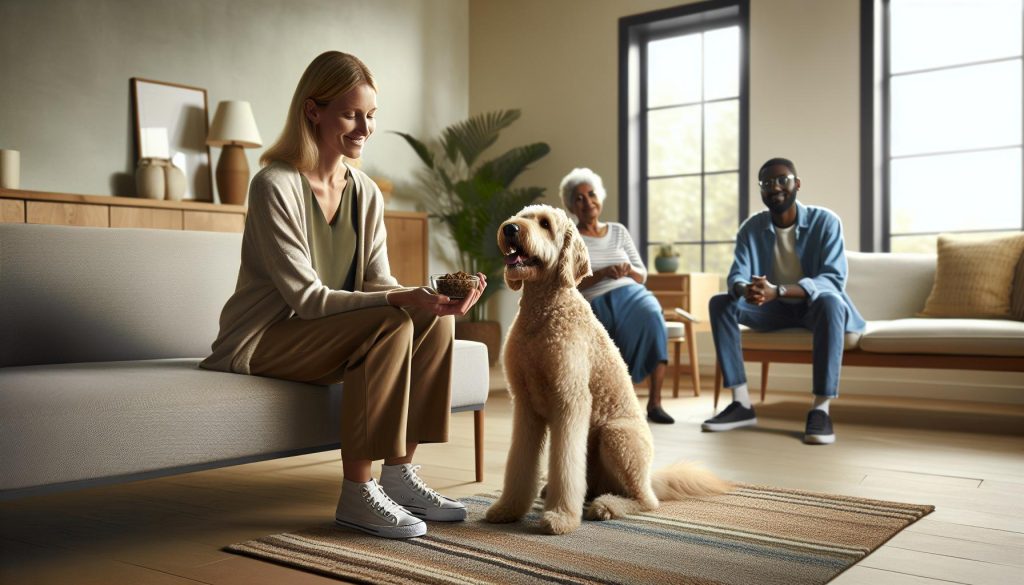
Bringing a Labradoodle into your home is an exciting adventure filled with love and laughter, but it also comes with the responsibility of house training. Did you know that proper house training can significantly enhance your pet’s happiness and the harmony in your home? Many new dog owners face the challenge of teaching their fluffy companions where it’s appropriate to go, often met with frustration and confusion. This guide on “How to House Train a Labradoodle: Fast Success Method” offers clear, actionable strategies tailored specifically for this charming breed. By understanding their unique temperament and needs, you’ll create a loving environment that promotes quick learning. Whether you’re a first-time puppy parent or a seasoned dog handler, you’ll find valuable insights here that will transform your training experience and pave the way for a well-behaved and joyful Labradoodle. Are you ready to embark on this rewarding journey together? Let’s dive in!
Understanding the Labradoodle’s Unique Needs for House Training
House training your Labradoodle can be a rewarding journey when you understand their unique characteristics and needs. These intelligent and spirited dogs thrive on structure, engagement, and positive reinforcement, making it essential for new owners to create an environment conducive to learning. Labradoodles, being a playful cross between the Labrador Retriever and a Poodle, often possess high energy levels and a desire to please. This can initially seem challenging, but with the right approach, house training can be both effective and enjoyable.
To successfully house train a Labradoodle, begin by establishing a solid routine. Consistency is key-take your pup out at the same times each day, such as first thing in the morning, after meals, and before bedtime. Labradoodles are sensitive and responsive, so using positive reinforcement techniques will reinforce good behaviors. Praise, treats, or playtime can motivate them when they successfully do their business outside. Be observant; it’s important to look for signs that your Labradoodle needs to go, such as sniffing, circling, or whining.
Moreover, staying patient during this process is vital. Puppies, particularly those as spirited as Labradoodles, can have accidents. When they do, handling these situations gracefully will maintain their trust and eagerness to learn. Never punish for accidents-instead, clean up thoroughly to remove any lingering odors that might encourage repeat offenses. Utilizing a crate can also help; Labradoodles typically dislike soiling their sleeping area, making it an effective tool for training when used correctly. By combining all these elements and cultivating a bond filled with love and trust, you’ll not only nurture a well-trained dog but also strengthen your relationship as a devoted team.
Essential Tools for Successful House Training
To set the stage for successful house training of your Labradoodle, having the right tools on hand can dramatically simplify the process. This breed, known for its intelligence and eagerness to please, thrives in environments where they feel secure and supported. By equipping yourself with effective tools, you empower both yourself and your furry friend on this training journey.
First and foremost, a reliable leash and collar are essential for outdoor potty breaks. Choose a collar that fits snugly but comfortably, allowing your Labradoodle to move freely. A sturdy leash is important for keeping your pup close, especially in distracting environments. Consider using a harness for better control, as Labradoodles are energetic and curious, making them prone to pulling.
Next, invest in training pads for indoor use, which can be particularly useful during the early stages of house training. These pads help prevent accidents in the house and give your Labradoodle a designated space to relieve itself if you’re unable to take them outside immediately. Look for pads that absorb odors effectively to keep your home fresh.
Don’t underestimate the power of positive reinforcement tools. Treats are a vital part of encouraging good behavior. Choose small, yummy rewards that your pup can quickly eat, ensuring that praise and treats come immediately after they do their business outside. Additionally, incorporating a clicker into your training can provide a clear, consistent signal that reinforces your Labradoodle’s positive actions.
Lastly, cleaning supplies are indispensable when accidents happen. Having enzymatic cleaners handy allows you to thoroughly remove odors that might encourage repeat offenses in the same spot. Keeping your environment clean supports your dog’s learning process, reinforcing what they should and shouldn’t do.
By assembling these essential tools, you create a supportive atmosphere for your Labradoodle. Remember, every successful training session deepens the bond between you and your dog, making the journey as rewarding as the destination.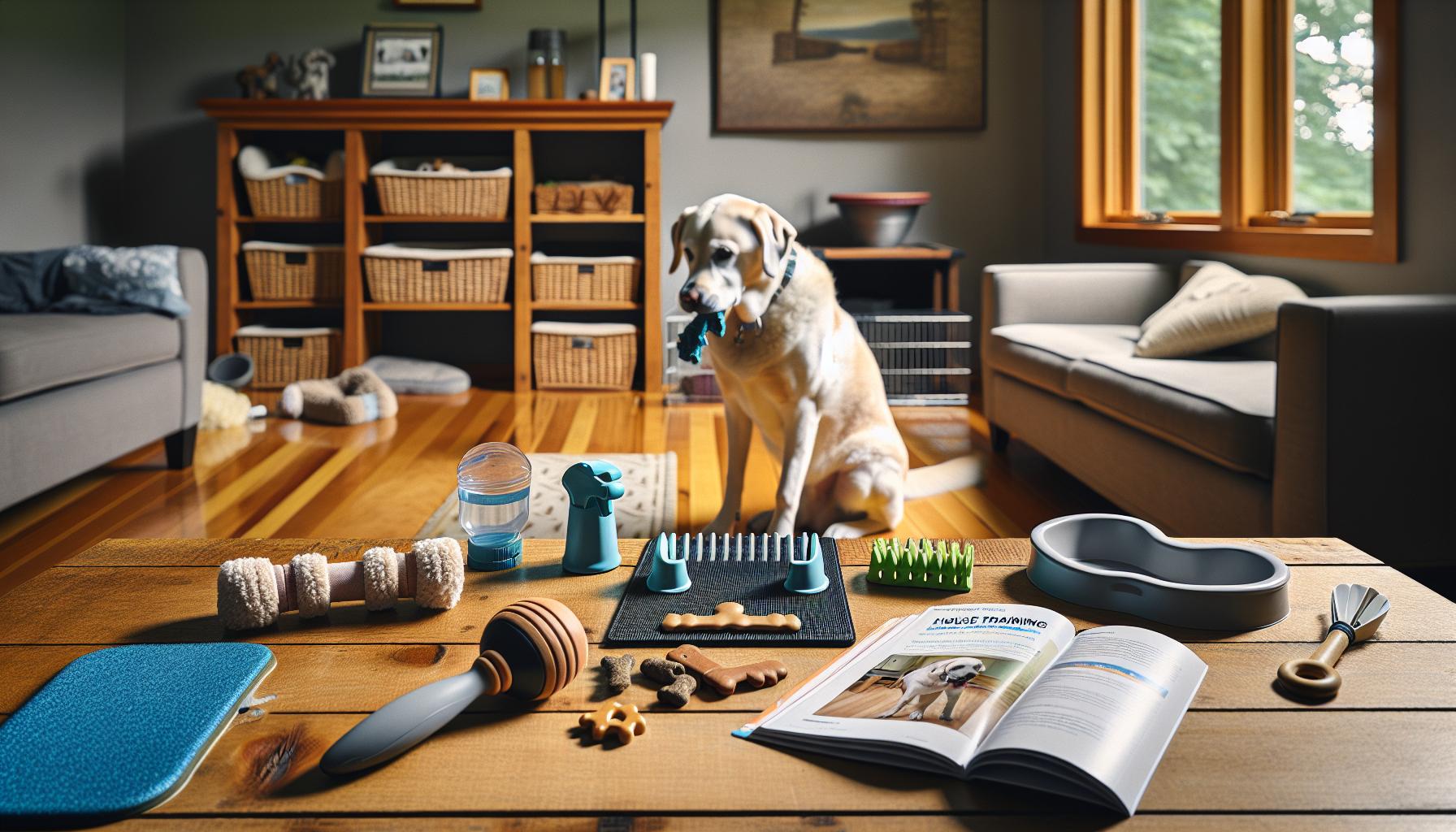
Step-by-Step Guide to Fast House Training
Creating a successful house training plan for your Labradoodle can turn what seems like a daunting task into a rewarding experience. This intelligent and eager-to-please breed is particularly receptive to structured guidance, making the training process enjoyable for both you and your furry friend. For a streamlined approach, follow these practical steps to achieve fast success with house training.
Start by establishing a consistent routine. Take your Labradoodle outside first thing in the morning, after meals, and every couple of hours throughout the day. Consistency is key; by repeating these actions at the same times, your puppy will quickly learn when and where it is appropriate to go. Create a designated potty area outside, and always lead your pup there. This helps them associate that spot with their potty needs, enhancing their understanding of the routine.
Next, watch for signs that your Labradoodle needs to go, such as sniffing, circling, or whining. When you notice these behaviors, immediately take them outside. Once they relieve themselves in the appropriate area, celebrate their success with enthusiastic praise and treats. Positive reinforcement is incredibly effective-your Labradoodle will begin to associate going outside with happy outcomes.
- Maintain vigilance: Keep an eye on your puppy when they’re indoors. If you can’t supervise, consider using a crate, as dogs typically won’t soil their sleeping area.
- Be patient: Accidents will happen. If your puppy does have an accident inside, clean it up without fuss. Use enzymatic cleaners to prevent lingering odors.
- Stay calm and consistent: If accidents occur, return to the basic training steps without punishment. This approach reinforces positive behavior without creating confusion or fear.
Timing your potty trips based on your pup’s age can also enhance your training process. A general rule of thumb is to take your dog out for every month of age plus one hour (e.g., a 3-month-old should go out every 4 hours). Additionally, don’t forget to schedule playtime and exercise, as a tired dog is less likely to have accidents.
By adhering to these steps, you can help your Labradoodle master house training quickly and effectively. Remember, patience and encouragement are essential. Celebrate the small victories, and before you know it, your Labradoodle will be a pro at going outside!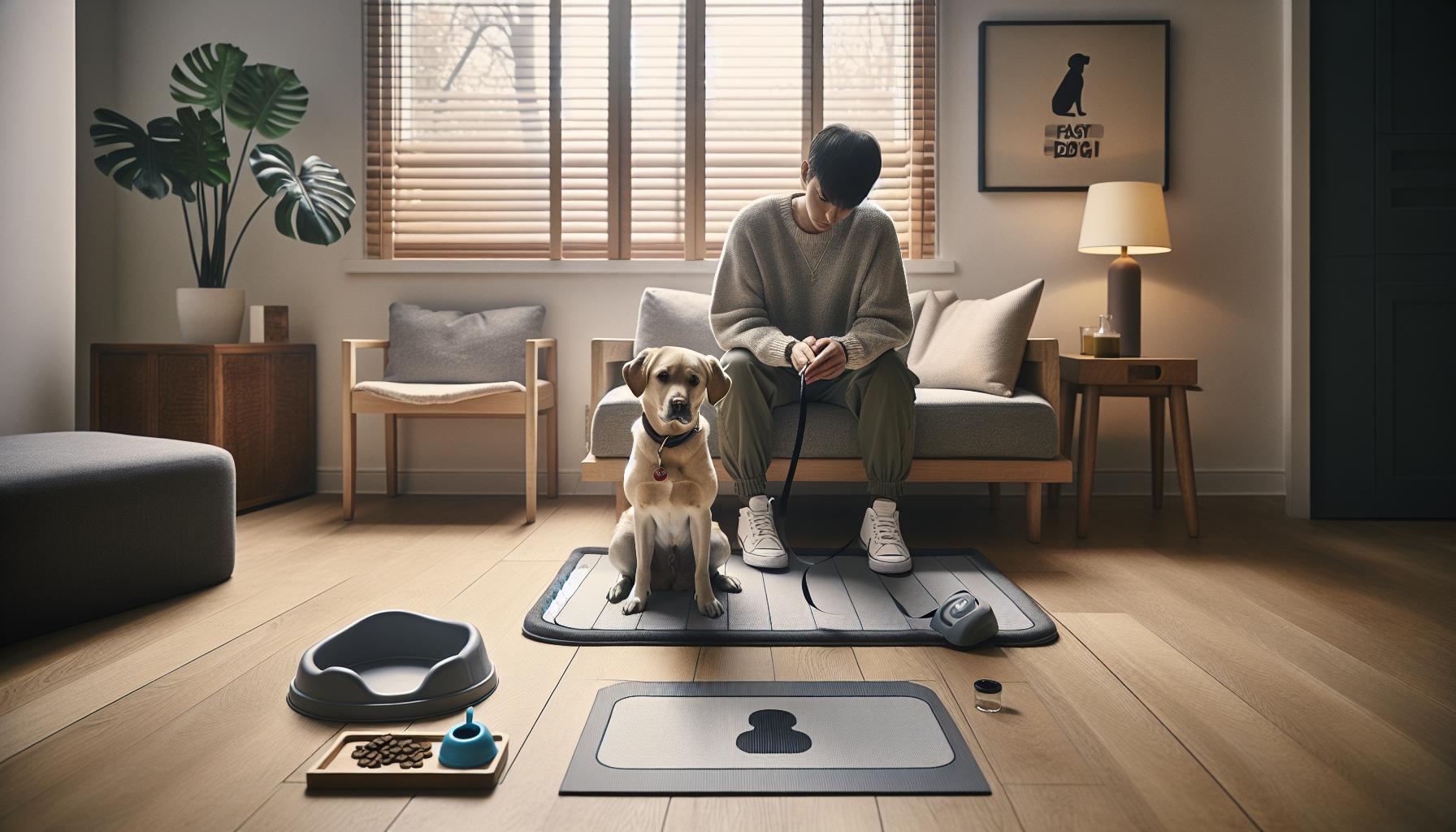
Common Challenges in House Training Labradoodles
When embarking on the journey of house training a Labradoodle, it’s essential to recognize that while this breed is known for its intelligence and eagerness to please, there can still be common challenges along the way. For many new Labradoodle owners, understanding these potential hurdles can help them navigate the training process more smoothly and with greater confidence.
One prevalent issue is inconsistent bathroom habits. Labradoodles, especially puppies, can have varying signals for when they need to go outside. Their excitement, anxiety, or even changes in their routine can lead to unexpected accidents. To counter this, establish a true routine; take your Labradoodle out at regular intervals-after meals, play, and sleep-and encourage them each time. This will help create a predictable environment where your pup knows that outdoor time is the norm, minimizing indoor accidents.
Additionally, distractions can be a major challenge. Labradoodles are curious creatures, often captivated by the world around them. If you’re trying to get them to potty in the yard, there may be sights, sounds, and smells that divert their attention. To address this, designate a specific potty area and use a consistent cue word or command each time. This will encourage your pup to focus on the task at hand rather than getting sidetracked by enticing grass or flowing leaves.
Another concern can be fear or anxiety around potty training. If a Labradoodle has had negative experiences during house training, such as being scolded harshly for accidents, they may become anxious and hesitant to relieve themselves in front of you. This is where patience and understanding are crucial. Instead of punishment, embrace a more positive reinforcement approach. Reward your Labradoodle with treats and praise immediately after they go outside in the appropriate spot. This builds a positive association and encourages them to repeat the behavior.
Lastly, some Labradoodles may display a stubborn streak in their training. Their independent nature, inherited from the Poodle side, may lead them to sometimes ignore your commands or show an unwillingness to comply. To combat this, keep training sessions short and engaging, and incorporate games or challenges that stimulate their minds. For instance, practicing basic commands like “sit” or “stay” can be a fun way to reinforce good behavior while making training enjoyable.
In summary, while house training a Labradoodle can come with its challenges-like inconsistent habits, distractions, anxiety, and stubbornness-understanding and addressing these issues with patience and consistency will set you and your furry friend up for success. Remember, training is not just about the end goal, but about building a strong relationship with your Labradoodle through communication and trust.
Effective Techniques for Reinforcing Good Behavior
To foster good behavior in your Labradoodle, it’s essential to employ effective reinforcement techniques that resonate with their intelligent and eager-to-please nature. One of the most impactful methods is positive reinforcement, which involves rewarding your dog immediately after they exhibit the desired behavior. This could be anything from going to their designated potty area to following a command like “sit” or “stay.” Treats, enthusiastic praise, or even playtime with a favorite toy can all serve as powerful motivators. The key is to be timely with your rewards; dogs form the strongest associations when the reinforcement follows directly after the behavior.
Another valuable technique is to create a consistent cue system. Use simple, clear commands or phrases that are repeated every time you want your Labradoodle to perform a specific action. For instance, using phrases like “go potty” for bathroom time or “let’s go outside” before heading out can help your dog learn to associate those words with the desired actions. Over time, as they become more attuned to your cues, they’ll respond more readily, making the training process smoother for both you and your furry friend.
Incorporating play into training sessions also enhances engagement and learning. Labradoodles thrive on mental stimulation, so combining basic training commands with fun games can reinforce good behavior. For example, you might practice “come” by engaging them in a chase or a brief game of fetch. This not only strengthens the bond between you and your Labradoodle but also makes learning enjoyable, encouraging them to repeat the behaviors you’re teaching.
Don’t forget the power of consistency in all your training efforts. Establish a set routine regarding feeding, potty breaks, and training sessions. Dogs flourish on predictability, which also reduces anxiety and confusion. Keeping a log of your dog’s progress can be a great help too; it allows you to track patterns in behavior and adjust your training approach as needed. By fostering a supportive environment and utilizing these effective techniques, you set the stage for your Labradoodle to thrive.
Scheduling and Routine: Keys to Success
Establishing a consistent schedule is paramount when it comes to house training your Labradoodle. These intelligent and eager-to-please dogs thrive on routine, and it helps them understand what to expect in their daily lives. By adhering to a structured routine, you’ll not only simplify the training process but also foster a sense of security for your furry friend. For instance, regular feeding times will lead to predictable potty breaks, making it easier for your Labradoodle to learn when and where it’s appropriate to go.
To create an effective schedule, aim to take your Labradoodle outside at consistent intervals throughout the day. An effective guideline is to take them out first thing in the morning, after meals, before bedtime, and approximately every two hours in between. During these breaks, use a designated command, such as “go potty,” to help them associate the phrase with the action. Keeping a log of their bathroom habits can also offer insights into their patterns, allowing you to make necessary adjustments to your routine.
Tips for Crafting a Successful Routine:
- Daily Feeding Schedule: Provide meals at the same time each day. This consistency will help regulate your dog’s digestive system.
- Potty Break Routine: Establish consistent potty break times, especially after waking, eating, or playing.
- Training Sessions: Set aside time each day for training, integrating potty breaks into these sessions to reinforce good habits. Keep sessions short and fun to maintain their interest.
Remember, while it’s essential to stick to your scheduled times, life can be unpredictable. Being flexible yet consistent is key. If you adapt to occasional changes without disrupting their routine drastically, your Labradoodle will remain comfortable and confident. Routine not only aids in potty training; it also enriches your dog’s life, providing stability and the guidance they crave.
How to Handle Accidents Gracefully
Accidents are an inevitable part of house training any puppy, and Labradoodles are no exception. It’s important to keep in mind that these occurrences are not a reflection of your dog’s intelligence or your commitment to training. In fact, navigating these moments with grace can strengthen the bond between you and your furry friend. The key is to remain calm, compassionate, and proactive in your approach.
When you discover an accident, the first step is to avoid scolding your Labradoodle. Remember, dogs live in the moment and won’t connect your anger with their actions. Instead, calmly interrupt your dog’s behavior if you catch them in the act and take them outside to their designated potty area. Praise them when they finish outside; positive reinforcement is crucial in creating a successful training environment. If you find a mess after the fact, simply clean it up without reacting. Your reaction (or lack thereof) teaches your Labradoodle that going inside is not ideal, but it won’t generate anxiety around potty breaks.
Cleaning Up After Accidents
Effective cleanup also matters. Here are some steps to help ensure that your home remains a clean and welcoming environment:
- Use an enzymatic cleaner: These products break down the smells and proteins in urine, preventing your Labradoodle from being drawn back to the same spot.
- Thoroughly clean both hard and soft surfaces: If the accident occurs on a carpet, be sure to treat the area effectively and avoid using ammonia-based cleaners, which can mimic the scent of urine.
- Allow the area to air out: Keeping the windows open can help whisk away odors and freshen the air.
The ultimate goal is to maintain an environment in which your Labradoodle knows where it’s appropriate to go. Consistency and patience are essential as you both learn through this process.
Learning from Mistakes
Understanding the reasons behind accidents can help reduce their frequency. Often, they occur due to excitement, anxiety, or simply because your puppy isn’t fully aware that they need to go. Maintaining a regular schedule for meals and potty breaks can help your Labradoodle anticipate when it’s time to relieve themselves. Additionally, attentive observation can clue you into moments when your dog appears restless or sniffs around, signaling that they may need to go outside.
Ultimately, accidents are a normal phase of house training, and with patience and understanding, your Labradoodle will learn the ropes. Embrace each misstep as a learning opportunity, and remember to enjoy the journey of building a lifelong bond with your canine companion.
Advanced Tips for Stubborn Labradoodles
Training a Labradoodle to house train can sometimes feel like a puzzle, especially with those stubborn personalities that can emerge in this delightful breed. But don’t worry! With the right strategies, you can enjoy a smooth training experience. Start by understanding that Labradoodles are clever and sensitive; quick learning is within their reach when the training is framed positively. If your Labradoodle seems resistant to house training, it often helps to reevaluate your approach and incorporate a few advanced tactics.
One effective technique is to enhance the rewards system. While treats are a great start, consider varying the rewards to keep your dog engaged. For example, you might use higher-value treats for successful potty breaks outdoors on a consistent basis. Pair these rewards with enthusiastic verbal praise and affection to create a deeply positive association with going outside. Also, try to be unpredictable in your reward timing; rewarding your Labradoodle occasionally, instead of every time, can keep them motivated in the long run.
Another insightful approach is to utilize a designated potty area. By consistently taking your Labradoodle to the same spot, the scent will serve as a cue over time. When your dog successfully goes in this area, reinforce this behavior with treats and praise, helping cement the routine in their mind. Use a command phrase like “go potty” each time you take them out, which can become a powerful cue that encourages them to relieve themselves on command.
Incorporating Scheduled Breaks
Consistency is key for stubborn puppies. Establish a rigorous schedule for meals, playtime, and potty breaks. A general rule is to take your Labradoodle out first thing in the morning, after meals, after play sessions, and last thing before bed. Staying attuned to your dog’s needs can prevent stubborn accidents. Keep an eye out for signals that your Labradoodle is restless or sniffing excessively, which might indicate they need to go out urgently.
Finally, remember that patience and love are essential during this process. Building a strong bond through training can transform your Labradoodle’s stubbornness into eagerness to please. Celebrate the small victories along the way, and know that persistence is the cornerstone of house training success. By following these tips, you’ll create a solid foundation for your Labradoodle’s house training journey and enjoy a fulfilling relationship with your furry friend.
Recognizing Signs Your Labradoodle Needs to Go
Being attuned to your Labradoodle’s needs is essential for successful house training, and recognizing the signs that they need to go out can significantly expedite the process. Just like us, dogs have their own unique cues and behaviors that signal they are ready for a potty break. By learning to identify these signs, you can respond promptly and positively, reinforcing good habits while minimizing accidents in the house.
Common signs that your Labradoodle needs to relieve themselves include:
- Pacing or Restlessness: If your furry friend is pacing around the room or unable to settle down, it may be a clear indicator that nature calls.
- Sniffing and Circling: A Labradoodle that starts sniffing the ground or circling in one spot is often trying to find the perfect place to go.
- Barking or Whining: These vocalizations can be your dog’s way of communicating urgency. If they usually remain quiet and suddenly begin barking or whining, pay attention!
- Heading to the Door: If your Labradoodle makes a beeline for the door, it’s time for you to follow. Dogs often learn that this is a cue for going outside, especially after you’ve taken them out a few times in response.
Being proactive can make all the difference. Observing your dog’s behavior during play or relax time helps you anticipate when they may need to go out. For example, after a meal, leading them outside immediately is an ideal time to reinforce the connection between eating and bathroom needs. Additionally, keeping a consistent schedule for feeding and bathroom breaks helps establish a routine, which greatly aids in house training.
Lastly, consider maintaining a journal of your Labradoodle’s habits. Record when they typically need to go out, including times and behavioral cues observed. This not only helps you notice patterns but also strengthens your bond as you become more attuned to your dog’s unique signals. Each victory, no matter how small, brings you closer to a well-trained, happy companion. Your eagerness to learn and adjust means your Labradoodle will thrive!
Implementing Crate Training for a Smooth Transition
Introducing crate training into your Labradoodle’s house training routine can make a monumental difference in achieving those desired potty habits. Crates provide a secure, cozy space that not only acts as a den for your pup but also fosters a sense of safety. By utilizing this tool effectively, you can create a foundation for a smooth transition to reliable house training.
A crate should never be seen as a punishment; rather, it’s a thoughtful way to encourage your Labradoodle’s natural instincts. Dogs tend to avoid soiling their sleeping area, which makes the crate an effective way to teach them bladder control. Start by introducing the crate gradually. Place it in a common area of your home where the family frequents, and allow your Labradoodle to explore it on their own. You might place special toys or treats inside to spark their curiosity. As they become more comfortable, begin closing the door for short periods while you’re nearby.
To enhance the crate training process, it’s essential to establish a routine. Feed your Labradoodle at the same times each day and take them out after meals, playtime, or when they wake from naps. This consistency will not only help them associate the crate with safety but also regulate their bathroom schedule effectively. Here’s a simple checklist to guide you through the crate training process:
- Choose the Right Size: Ensure the crate is large enough for your Labradoodle to stand, turn around, and lie down comfortably, but not so large that they can create a separate sleeping area.
- Comfort is Key: Place a soft mat or blanket inside the crate to create a cozy environment.
- Positive Reinforcement: Use treats and praise when your Labradoodle enters the crate, reinforcing that it’s a safe place.
- Keep It Short Initially: Start with brief periods-5 to 10 minutes-and gradually increase the time as they adjust.
Patience is crucial, as it may take some time for your Labradoodle to adapt. If accidents happen inside the crate, remain calm and avoid scolding them. Instead, clean it thoroughly to remove any lingering scents that might attract them to soil the area again.
Implementing crate training not only aids in house training but strengthens the bond you share with your Labradoodle. As they learn to trust their crate as their personal retreat, they’ll become more secure in their new environment, setting the stage for a successfully house-trained pup.
Building a Strong Bond Through Training
Building a connection with your Labradoodle during training is essential for both their development and your relationship. Labradoodles, known for their intelligence and eagerness to please, flourish in environments where they feel secure and understood. This bond can significantly influence how successfully they respond to house training methods. Establishing trust and communication while reinforcing positive behaviors can pave the way for a smoother and faster training experience.
Creating this bond begins with consistency and positive reinforcement. Whenever your Labradoodle successfully goes outside, make it a joyous occasion! Use treats, affectionate praise, and enthusiastic petting to convey how proud you are. This not only reinforces the desired behavior but also deepens their connection to you. The more your pup feels your approval and love during these moments, the more likely they are to repeat the behavior. You might even consider a special training call or cue that you use exclusively during these successes, which can further enhance this relationship.
Additionally, involving your Labradoodle in various training exercises beyond house training can strengthen your bond. Activities such as basic obedience commands, agility training, or interactive play sessions can stimulate their minds and create shared experiences that both of you will cherish. These moments of engaging together can lead to a better understanding of each other, making house training feel like a collaborative effort rather than a chore.
Patience and Understanding
It’s crucial to approach training with patience, recognizing that every pup learns at their own pace. If you encounter stubborn moments, respond with calmness rather than frustration. Remember that Labradoodles are sensitive; a harsh tone can dampen their enthusiasm and create anxiety around training. Keeping training sessions short and vibrant will not only hold their attention but also maintain a positive atmosphere. Celebrate small victories as they learn to go outside consistently; these milestones foster a shared sense of achievement, further solidifying your bond.
Moreover, regularly spending quality time with your Labradoodle outside of training-like going for walks or simply relaxing together-can help reinforce the emotional tie you share. This holistic approach to training acknowledges that both you and your dog are on this journey together, leading to a more harmonious and effective house training experience. With dedication, love, and a commitment to understanding your Labradoodle’s needs, you can build a lasting and meaningful relationship that will serve as the foundation for a well-trained and happy pup.
Resources and Support for New Labradoodle Owners
As a new Labradoodle owner, you’re embarking on an exciting journey filled with playful antics, wagging tails, and boundless affection. However, the path to a well-trained companion can sometimes feel overwhelming. Fortunately, a plethora of resources and support systems are at your disposal to ensure you and your Labradoodle thrive together.
One of the best places to start is by connecting with local or online Labradoodle communities. Social media groups and forums can provide invaluable insights from experienced owners who have faced similar challenges. Sharing personal anecdotes and tips about house training can inspire you and offer practical solutions to common problems. Additionally, look for local meetups or training classes designed specifically for Labradoodles where you can learn alongside other owners in a supportive environment. Engaging with a community fosters a sense of belonging and can alleviate the stress that sometimes accompanies new pet ownership.
In terms of training resources, consider investing in books, instructional videos, or online courses tailored to Labradoodles. Recommended materials include breed-specific training guides that address their unique needs, learning styles, and personality traits. Look for resources that emphasize positive reinforcement, as Labradoodles thrive in an environment filled with encouragement and praise. Websites like the American Kennel Club (AKC) and Chewy often feature articles and videos on effective training techniques, including tips on house training specific to the quirks of Labradoodles.
Furthermore, don’t hesitate to consult with a professional dog trainer who specializes in positive reinforcement methods. A few sessions can significantly enhance your training journey, providing tailored strategies that cater to your Labradoodle’s specific behavioral tendencies. Remember, though, that house training is a collaborative effort between you and your pup-having an expert guide can make a world of difference.
Lastly, create a care checklist to keep you organized and focused. This can include a daily schedule, tracking potty breaks, and monitoring eating and drinking habits. Keeping notes can help you identify patterns and anticipate when your Labradoodle might need to relieve themselves, leading to quicker training success. Here’s a simple example as a guide:
| Time | Activity |
|---|---|
| 7:00 AM | Wake up, potty break |
| 7:30 AM | Feed breakfast |
| 8:00 AM | Potty break |
| 10:00 AM | Short walk |
| 12:00 PM | Potty break |
| 4:00 PM | Training session |
By utilizing these resources and support systems, you can foster a positive training atmosphere for your Labradoodle. With patience, consistency, and a little help from your community and experts, you’ll be well on your way to a fulfilling relationship with your beloved canine companion.
Faq
Q: How long does it take to house train a Labradoodle?
A: On average, house training a Labradoodle can take anywhere from 4 to 6 months. Consistency, a routine, and positive reinforcement are key factors that can help accelerate the process. For quicker results, maintain a regular schedule for bathroom breaks and closely monitor your pup’s signals [[1]].
Q: What are the best techniques for house training a Labradoodle?
A: The best techniques for house training a Labradoodle include crate training, regular bathroom breaks, and positive reinforcement when they successfully go outside. Use commands like “go potty” and reward them after they eliminate in the right spot. This reinforces the behavior and speeds up learning [[1]].
Q: Can I use puppy pads while house training my Labradoodle?
A: Yes, puppy pads can be useful, especially for young puppies. They provide a designated area for your Labradoodle to relieve itself indoors. However, transition to outdoor potty breaks as soon as possible to avoid confusion later. Gradually move the pads closer to the door before eliminating them entirely [[1]].
Q: What signs indicate my Labradoodle needs to go outside?
A: Signs that your Labradoodle needs to go outside include sniffing, circling, whining, or heading towards the door. It’s essential to observe these behaviors regularly and take them out immediately to reinforce the habit of going outside [[1]].
Q: How can I handle accidents during house training?
A: When accidents happen, clean the area thoroughly to remove any scent and avoid punishing your Labradoodle. Instead, focus on redirecting them to the appropriate area and reinforcing positive behavior when they go outside. This will create a more positive training experience [[1]].
Q: Is crate training effective for Labradoodles?
A: Yes, crate training is highly effective and can aid in house training a Labradoodle. Crates provide a safe space and encourage your dog to hold their bladder, as dogs naturally avoid soiling their sleeping area. Gradually introduce the crate and use it to help establish a routine [[1]].
Q: What should I do if my Labradoodle is stubborn during house training?
A: For stubborn Labradoodles, patience and consistency are crucial. Use positive reinforcement and try different training methods like scheduled bathroom breaks and rewards. If challenges persist, consult a professional trainer for guidance on addressing specific behavioral issues [[1]].
Q: How can I build a strong bond with my Labradoodle while house training?
A: Building a strong bond with your Labradoodle can be achieved through consistent training sessions, playing together, and using positive reinforcement during house training. This not only encourages good behavior but also fosters trust and affection between you and your pup [[1]].
To Conclude
Congratulations on taking the crucial first steps toward successfully house training your Labradoodle! Remember, consistency, patience, and positive reinforcement are key to nurturing this intelligent and friendly breed. As you continue your journey, check out our detailed guides on Labradoodle care and common behavioral issues to ensure your pup thrives in all aspects of life.
Don’t hesitate to share your training experiences in the comments below-your insights could help fellow Labradoodle owners! If you found this guide helpful, why not subscribe to our newsletter for more tips and resources? Together, we can build a fantastic community of dog lovers dedicated to providing the best for their furry friends. Keep exploring and make training a fun and rewarding journey!