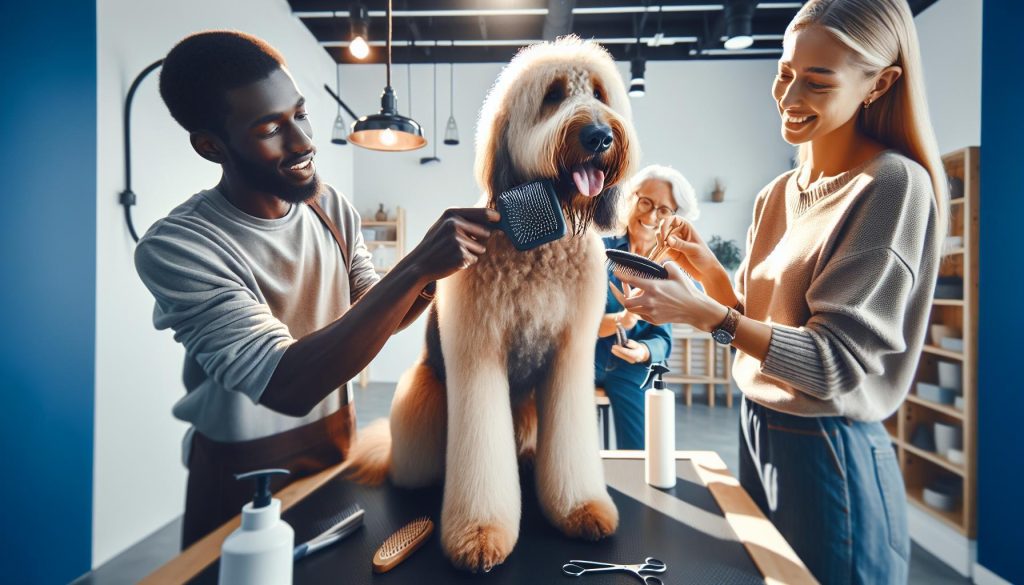
Labradoodles are adored for their friendly nature and hypoallergenic coats, but their beautiful fur can lead to matting if not properly cared for. If you’re a proud owner of this lively breed, you know how crucial it is to keep their coat mat-free for both comfort and health. Matting can cause discomfort and even skin issues, making prevention an essential part of your grooming routine. In this guide, we’ll explore effective strategies and practical tips to keep your Labradoodle’s coat looking its best. Whether you’re a first-time dog owner or have years of experience, understanding how to maintain their unique coat will ensure that your furry friend remains happy and healthy. Let’s dive into the secrets of matting prevention and help your Labradoodle thrive!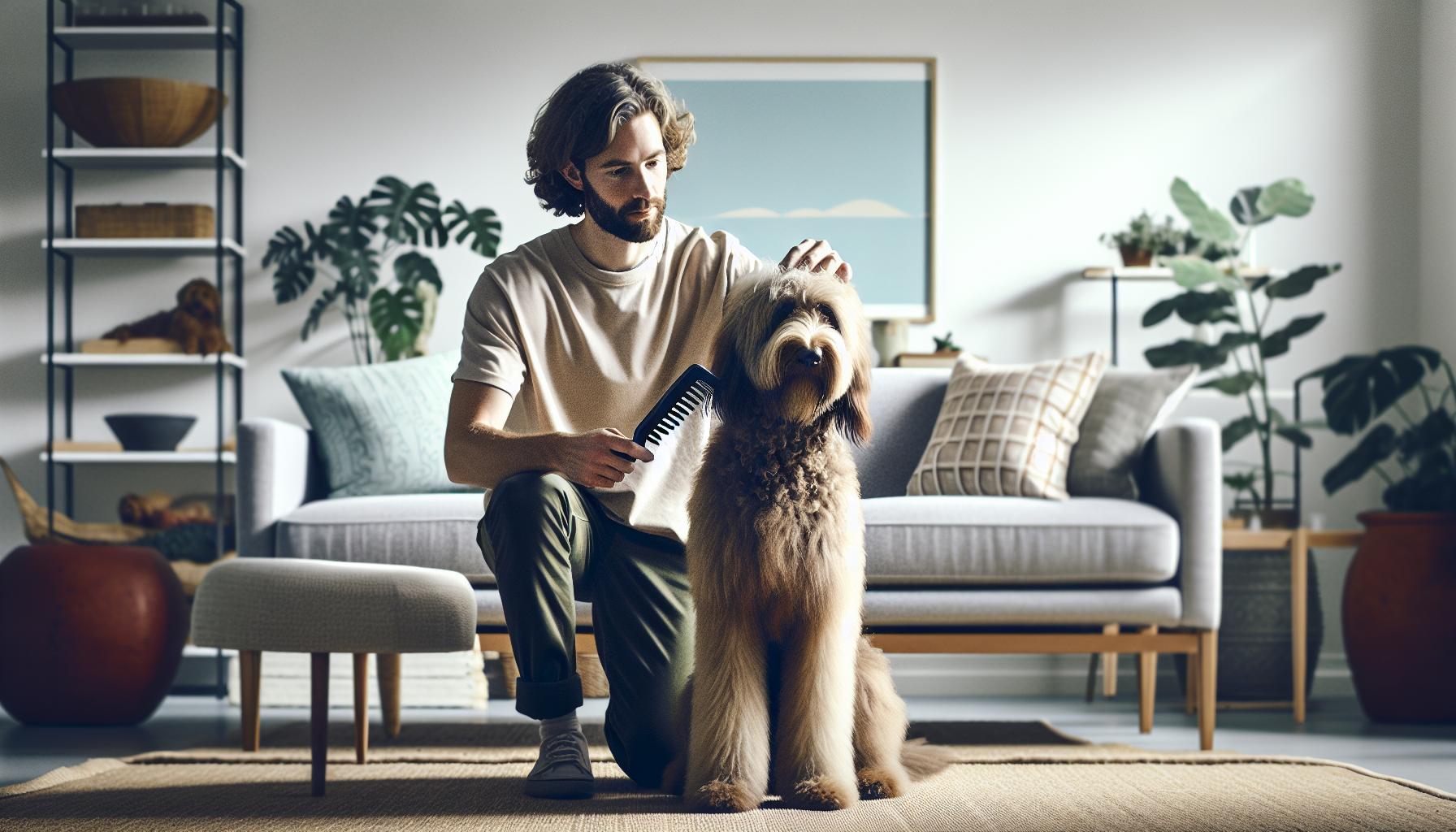
Understanding Labradoodle Coat Types and Matting Risks
One of the most delightful aspects of owning a Labradoodle is their beautiful coats, which can turn heads wherever you go. However, this stunning fur can also pose significant challenges when it comes to grooming and maintenance. Labradoodles typically have curly or wavy coats that vary in thickness, length, and color, influenced primarily by their Poodle and Labrador Retriever heritage. The coat can range from the soft fleece-like texture to a more wiry, shaggy coat. Understanding these variations is essential for preventing matting, which can be uncomfortable for your dog and burdensome for you as an owner.
Matting occurs when the hair tangles and knots together, often resulting from the dog’s natural movements, environmental factors like mud and moisture, or infrequent grooming. This issue is particularly common in Labradoodles due to their high-energy nature and their propensity to play outdoors. Increased moisture and dirt exposure can lead to tangles, especially if you live in a rainy or humid climate. Many owners find themselves shocked at how quickly mats can form if they’re unaware of their dog’s grooming needs. Regular grooming sessions can be both a bonding experience and an effective strategy to mitigate matting risks by maintaining the coat’s health and cleanliness.
Additionally, it’s important to recognize that different coat types require different grooming techniques. For instance, a loose, wavy coat may need more frequent brushing than a tighter, curly coat. Investing time in understanding your Labradoodle’s specific coat type will not only reduce the likelihood of mats but also enhance the overall fluffiness and shine of their hair. By staying consistent with your grooming schedule, feeding your dog a nutritious diet, and choosing the right grooming tools, you can significantly minimize the risks associated with matting. Focus on setting up a grooming routine that suits both you and your furry friend, and make it a regular part of your time together-after all, your Labradoodle doesn’t just need a beautiful coat; they deserve a full, happy life filled with care and love.
Essential Grooming Tools for Labradoodle Owners
To keep your Labradoodle’s beautiful coat healthy and mat free, having the right grooming tools is crucial. A well-equipped grooming kit not only streamlines the grooming process but also makes it a more enjoyable experience for both you and your furry friend. Each tool serves a distinct purpose, helping to combat the tangles and mats that can occur in Labradoodles’ unique coats.
Must-Have Grooming Tools
Here’s a list of essential grooming tools every Labradoodle owner should consider:
- Brushes: A slicker brush is invaluable for detangling mats and removing loose hairs from your Labradoodle’s coat. For those with a wave or loose curl, combine it with a bristle brush to smooth and distribute your dog’s natural oils.
- Combs: A metal comb can help you tackle any stubborn tangles, especially around sensitive areas like the ears and legs. This is particularly important for checking early signs of matting.
- De-shedding tools: Tools like the FURminator are excellent for removing loose undercoat fur, especially during shedding season.
- Clippers: For those who prefer to keep their Labradoodle in a trim and manageable hairstyle, high-quality dog clippers are essential. They can help you maintain a uniform coat length while preventing matting.
- Bathing supplies: A gentle dog shampoo and conditioner are necessary for keeping the coat clean and hydrated. Look for products that are specifically tailored for curly coats to help maintain texture.
- Mat splitters: If you encounter particularly tough mats, mat splitters are handy tools that help cut through without pulling on your dog’s skin.
Invest in high-quality tools, as they not only perform better but also last longer, providing you with a reliable grooming routine for years to come.
Creating a Grooming Kit
When putting together your grooming kit, consider storage options that keep your tools organized and easily accessible. A designated grooming bag or caddy can make your grooming sessions more efficient. Additionally, involve your Labradoodle in the process. Letting them sniff and explore the tools can help them become accustomed to the grooming routine, making it a more positive experience.
Regularly inspect your grooming equipment to ensure it’s clean and safe for use. Dull blades can lead to discomfort for your pet and may cause skin irritation. By keeping your grooming tools in top condition, you’ll be better equipped to maintain your Labradoodle’s coat, preventing matting while keeping them looking fabulous!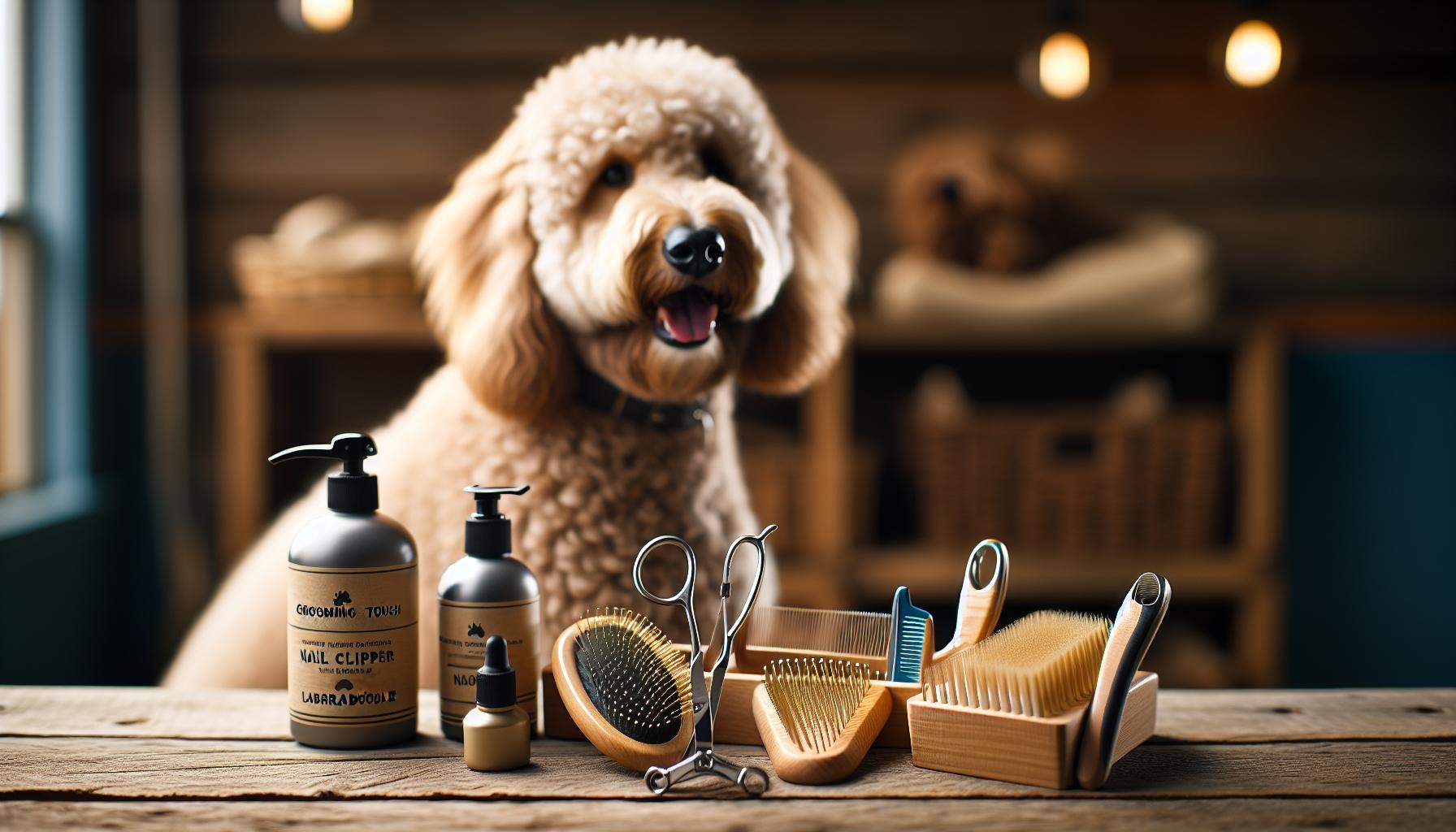
Daily Coat Care Routines for Your Labradoodle
One of the joys of owning a Labradoodle is their beautiful, often wavy or curly coat, which not only attracts admiring glances but also requires consistent care to keep it looking its best. Daily grooming routines can significantly reduce the risk of matting, enhancing your pet’s comfort and overall health. Just a few minutes each day can make a world of difference, turning grooming into a bonding experience rather than a chore.
Integrating grooming into your daily routine can be simple and rewarding. Start by setting aside a specific time each day dedicated to your Labradoodle’s coat care. A morning session can help to remove any tangles and debris collected overnight, while also allowing you to bond with your furry friend. Use a slicker brush to gently work through the coat, focusing on areas prone to matting, such as behind the ears, under the legs, and around the tail. Follow up with a metal comb to catch any missed tangles and to distribute natural oils throughout the coat, keeping it shiny and healthy.
In addition to brushing, you’ll want to incorporate other aspects of coat care into your daily routine. During walks or playtime, check for any debris or burrs that might have attached to their fur, as these can contribute to tangles if left unchecked. After engaging in outdoor activities, a quick rinse or wipe down with a damp cloth can help keep their coat clean and free from dirt. Moreover, always keep an eye on your Labradoodle’s skin. A healthy coat starts at the skin level, so look for signs of dryness or irritation, which can be mitigated by a balanced diet and proper hydration.
Regular check-ins and maintenance will ensure your Labradoodle’s coat remains beautiful and mat-free. By establishing these daily routines early on, you’ll not only promote your dog’s physical well-being but also strengthen your bond. Embrace these moments; they are an integral part of being a responsible and loving Labradoodle owner!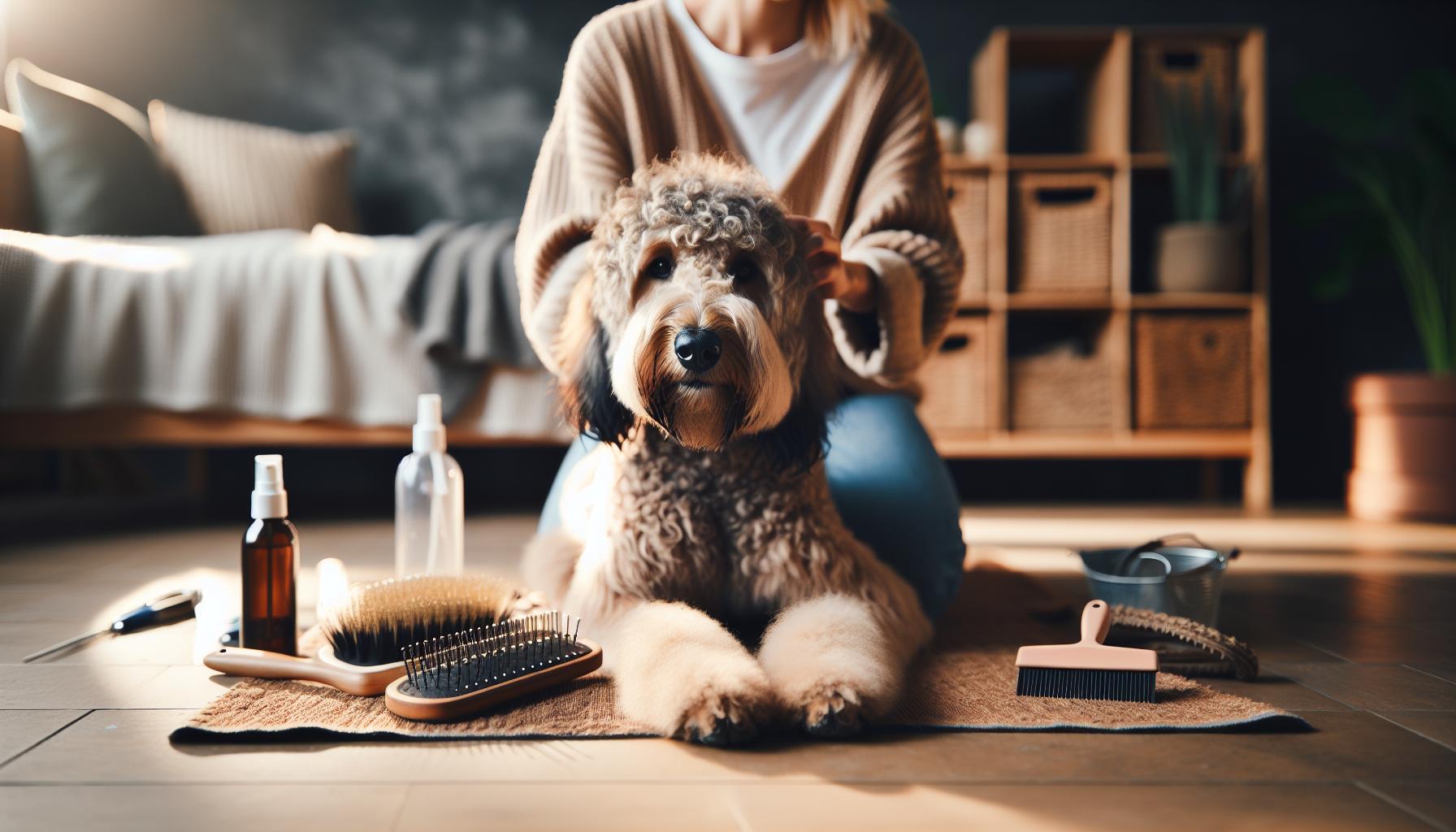
Advanced Grooming Techniques to Prevent Matting
Maintaining the gorgeous coat of a Labradoodle, while preventing matting, is a task that requires a blend of technique, the right tools, and a good amount of patience. One of the secrets to success is to approach grooming as not just a routine, but an enjoyable time for you and your dog. Regularly engaging with your Labradoodle’s coat with advanced techniques can help keep it free of tangles and knots while also reinforcing your bond.
Invest in Quality Grooming Tools
Using the right grooming tools is crucial. Invest in a good slicker brush and a wide-toothed comb, as these can help penetrate the dense coat of a Labradoodle without causing discomfort. The slicker brush is excellent for removing loose hair and debris, while the wide-toothed comb helps to work through tangles gently. Additionally, consider a dematting tool for tougher knots-be sure to use it carefully, administering short, gentle strokes rather than long, forceful ones to avoid pulling on the skin.
Regular Bathing Techniques
How often you bathe your Labradoodle can influence matting significantly. Aim for a bath every 4-6 weeks, as regular bathing can help remove dirt, oils, and loose hair, which makes grooming easier in between. Use a high-quality dog shampoo that nourishes the coat without stripping essential oils. After bathing, it’s helpful to towel-dry your dog thoroughly before brushing. This removes any remaining knots while the coat is damp and can prevent tangling as the hair dries.
Hydration and Nutrition: The Underlying Factors
Believe it or not, the health of your Labradoodle’s coat starts from the inside. Ensuring your dog receives a well-balanced diet rich in omega fatty acids can promote skin and coat health, making it less prone to matting. Moreover, always provide ample fresh water to keep your pup hydrated, as dehydration can lead to dry skin and fur. As part of a holistic approach, consider adding supplements specifically designed for canine coat health after consulting with your vet.
Lastly, familiarity with various coat types within Labradoodles can help tailor these techniques effectively. For example, if your Labradoodle has a more curly type of coat, you might spend more time grooming each day than with one that has a wavy coat. Always observe your dog’s coat and adjust your grooming techniques as needed, tailoring them to what seems to work best for your unique pup. Through regular grooming, proper nutrition, and a good relationship with your dog, you’ll create a smooth, mat-free coat that turns heads wherever you go.
How to Identify Early Signs of Matting
Matting can be a frustrating challenge for Labradoodle owners, but catching it early can save you a lot of stress-both for you and your furry friend. Just like human hair, a Labradoodle’s coat can develop tangles and matts, particularly in areas where the fur can rub or where dirt can accumulate. Being vigilant about your dog’s grooming will allow you to enjoy their beautiful coat while minimizing the risk of painful tangles.
One of the first signs of matting is the presence of small, tight lumps within the fur. These can feel like little clumps and are often found in the armpits, behind the ears, or around the collar. Pay close attention when petting your dog; you may feel areas where the fur does not move freely or feels denser than the surrounding fur. Additionally, if you notice your Labradoodle frequently scratching at a particular spot, this could indicate discomfort from an underlying matt that hasn’t yet fully formed.
Another sign to look out for is the texture of your dog’s coat. Healthy, well-groomed fur should feel smooth to the touch. If you encounter rough patches or areas where the fur feels coarse, this can be an early indication that tangling has begun. Keep an eye on the growth rate of your pet’s fur; some areas may grow faster and become unruly if not regularly combed, leading to mats. Regularly running your fingers through their coat will help you identify any potential trouble spots before they become significant issues.
Incorporating a routine grooming schedule into your daily life is invaluable. Try to brush your Labradoodle’s coat several times a week, focusing on specific areas prone to matting. If you find yourself detecting any of these early signs, take immediate action-using a slicker brush or a wide-toothed comb can help you gently work through the tangles before they worsen. By being proactive and maintaining an engaged grooming routine, you can ensure that your Labradoodle remains comfortable and mat-free, allowing that gorgeous coat to shine brightly.
Seasonal Coat Changes: What to Expect
As the seasons change, your Labradoodle’s coat goes through significant transformations that can impact its manageability and appearance. Whether it’s the drizzling rains of spring, the summer heat, or the chilly winds of autumn, each season brings a fresh set of challenges in coat care. Understanding these changes will equip you to maintain your furry friend’s coat in top condition, minimizing the risk of matting and tangling.
In the spring, Labradoodles often shed their winter undercoat, a process known as “blowing coat.” This change can lead to increased hair loss, making regular brushing even more crucial. Aim to brush your dog’s coat at least a few times a week during this period to help remove the loose fur and prevent it from matting with the remaining hair. Utilizing a de-shedding tool can be especially effective in managing this seasonal shedding. Be prepared to find clumps of shed fur around your house; it’s a natural part of your dog’s transition to a lighter summer coat.
As summer approaches, your Labradoodle’s coat may feel lighter and less dense. This is a good time to check for signs of external irritants, such as pollen or fleas, that could aggravate your dog’s skin. Regular grooming not only helps keep tangles at bay but also gives you the opportunity to inspect their skin health closely. Bathing your dog during this time can help remove sweat, dirt, and allergens; however, be mindful of using dog-safe shampoos that won’t strip natural oils from their coat.
When autumn ushers in cooler temperatures, expect another round of shedding as your Labradoodle prepares for winter. Just like the spring, this change means more brushing to avoid matting and to keep their coat fluffy and healthy. Midway through the season, you may observe that your dog’s fur is becoming thicker again. Be sure to adjust your grooming routine accordingly.
Lastly, winter poses its own set of challenges with wet and cold weather leading to mud and dirt accumulation. Consider using protective apparel such as dog coats or booties to prevent dirt from getting matted in their fur, especially in the paws and belly region. Ensuring your dog’s coat is dry and clean after excursions will keep matting at bay and maintain overall coat health.
By recognizing and responding to these seasonal coat changes, you can become an effective partner in your Labradoodle’s grooming journey. Establishing a proactive grooming routine not only preserves the beauty of their coat but also fosters a stronger bond between you and your furry friend.
Professional Grooming vs. DIY: Pros and Cons
When deciding how best to groom your Labradoodle, you might find yourself at a crossroads: should you take on the task yourself, or leave it to the professionals? Both options come with their own sets of advantages and disadvantages that can greatly impact your dog’s coat health and your own peace of mind.
Choosing professional grooming can save you time and provide assurance that a trained expert is handling your Labradoodle’s unique coat type. Professional groomers have specific tools and techniques to tackle matting, ensuring that your dog’s coat remains healthy and manageable. Groomers are also adept at checking for skin issues and other health concerns that an untrained eye may overlook. Depending on your local area, professional grooming can vary widely in cost, but patrons often find the results well worth the investment-especially if your Labradoodle needs a thorough de-matting or styling to maintain its coat’s integrity.
On the flip side, opting for DIY grooming allows you to bond with your furry friend while personalizing their grooming routine according to their specific needs. It can be a fun and rewarding experience, teaching you to recognize matting risks and manage them proactively. Regular at-home grooming can help you catch tangles early, and it saves you money long-term. However, this option demands a commitment to learning the right techniques, and without a proper setup, you might inadvertently cause discomfort to your dog or create more matting if the wrong tools are used.
Ultimately, finding the right balance might involve a combination of both approaches. For instance, routine maintenance grooming-brushing, bathing, and checking for mats-can be handled at home, while more intricate tasks such as trimming and de-matting could be addressed by a professional every few months. This hybrid approach not only keeps your Labradoodle looking fabulous but also supports its overall coat health, ensuring you’re both comfortable and confident in managing matting risks.
The Importance of Regular Bathing in Matting Prevention
Bathing your Labradoodle is not just a matter of cleanliness; it’s a crucial step in maintaining a healthy coat and avoiding the dreaded matting. These charming hybrid canines tend to have a wavy, sometimes curly coat inherited from their Poodle ancestry, which is prone to tangling and matting if not cared for properly. Regular baths help remove dirt, debris, and oils that can accumulate, creating a perfect environment for mats to form. Plus, a clean coat is far easier to groom!
When bathing your Labradoodle, using the right shampoo is vital. It’s advisable to choose a high-quality, dog-specific shampoo that moisturizes the coat without stripping essential oils. A good practice is to follow up the wash with a conditioner to keep the hair soft and manageable. Here’s a simple step-by-step for your bath routine:
- Brush Before Bathing: This helps detangle any mats beforehand and prevents further tangling during the bathing process.
- Wet Thoroughly: Use lukewarm water to soak your dog’s coat evenly, ensuring all areas, especially under the belly and behind the ears, are well-rinsed.
- Shampoo and Condition: Apply the shampoo, lather gently, and let it sit for a few minutes before rinsing. Follow with conditioner for added softness.
- Rinse Completely: Ensure no product is left behind, as residue can irritate the skin and coat.
- Drying: Gently towel dry your Labradoodle and consider using a pet-friendly blow dryer on a low setting if your dog is comfortable with the noise.
Don’t forget, regular bathing is just one part of the care equation; it should be combined with consistent brushing. Daily brushing can help you locate tangles before they become mats, keeping your Labradoodle’s coat in top condition. Additionally, regular baths can help you monitor your dog’s skin health, giving you the opportunity to spot any unusual issues early on.
The frequency of bathing can vary based on your Labradoodle’s activity level and coat condition, but every three to four weeks is generally a good guideline. In between, a simple rinse during playtime in the yard can keep them fresh without over-bathing. Emphasizing both bathing and brushing will not only prevent matting but also strengthen the bond you share with your furry friend-you’ll both feel better after a refreshing bath!
Diet and Nutrition: Impact on Coat Health
A dog’s coat is not only a reflection of its breed and personality but also a direct indicator of its overall health and well-being. For Labradoodles, whose coats can vary from wavy to curly, diet plays a pivotal role in ensuring their fur remains lush, shiny, and mat-free. Providing your beloved canine with a balanced diet rich in essential nutrients directly impacts the quality of their coat. You may wonder, how can what’s on their plate influence their grooming needs?
Fueling your Labradoodle with high-quality dog food that contains omega-3 and omega-6 fatty acids is crucial. These fatty acids, typically found in fish oils and flaxseed, help maintain healthy skin and a lustrous coat. Additionally, proteins from lean meats support hair growth while contributing to the coat’s toughness and resilience against environmental factors that might otherwise lead to matting. Incorporating fresh vegetables and fruits, which provide vitamins and minerals, can further enhance coat health and boost the immune system, making your dog less susceptible to skin issues associated with matting.
Consider this: if your Labradoodle is fed a poor diet lacking vital nutrients, not only may their coat become dull and brittle, but it can also lead to increased shedding and mat formation due to weakened strands. To keep your dog’s coat in peak condition, here are some practical dietary tips:
- Opt for High-Quality Dog Food: Choose a premium brand that lists high-quality proteins as the first ingredient.
- Add Supplements: Consult your vet about adding omega-3 fatty acids or specific vitamins to their diet if needed.
- Incorporate Variety: Fresh, dog-safe fruits and veggies as occasional treats can boost nutrient intake. Carrots, blueberries, and sweet potatoes are great options.
- Stay Hydrated: Always ensure your Labradoodle has access to fresh water, as proper hydration supports skin and coat health.
Ultimately, maintaining a consistent grooming regimen coupled with a nutritious diet will give your Labradoodle the healthy coat they deserve, minimizing the risk of matting and enhancing your bonding experience through regular grooming sessions. A well-nourished coat is a happy coat, and by understanding the dietary needs unique to your Labradoodle, you can set the ground for a beautiful, matte-free experience together!
Common Mistakes to Avoid in Labradoodle Grooming
Every pet owner desires a beautiful, healthy coat for their furry friend, but the road to achieving this can be fraught with common pitfalls. For Labradoodles, whose luxurious coats can easily become matted, there are specific grooming mistakes that can exacerbate coat problems. One of the most significant missteps is neglecting regular brushing. Labradoodles can have a variety of coat textures, from wavy to curly, and failing to brush them at least a few times a week can lead to tangles and knots that turn into stubborn mats. Daily brushing not only helps prevent matting but also allows you to check for skin issues and pests.
Another frequent oversight is using the wrong grooming tools. Many new Labradoodle owners might reach for brushes that are unsuitable for their dog’s coat type. For instance, slicker brushes or combs designed specifically for curly-haired breeds are effective at detangling without damaging the hair. Remember, the right tool can make all the difference in maintaining a healthy and well-groomed coat. Failing to wash and condition your Labradoodle regularly can also result in a build-up of dirt and oils, which can lead to matting. Using a gentle, dog-specific shampoo followed by a quality conditioner can keep the coat moisturized and manageable.
It’s also essential to understand the importance of proper drying techniques after baths. Some owners may hastily dry their dog with a regular towel or hairdryer, which can cause the coat to become frizzy or create mats. Instead, consider using a microfiber towel to absorb excess moisture gently, and if using a dryer, opt for a low heat setting while keeping it at a distance to avoid damaging the coat. A routine that pays attention to the unique needs of a Labradoodle’s coat will help prevent these common errors and foster a more enjoyable grooming experience for both the dog and the owner.
Lastly, ignoring the dietary aspect of coat care is a mistake that can lead to long-term grooming challenges. A balanced diet with essential fatty acids, proteins, and vitamins is vital for maintaining healthy skin and coat. Poor nutrition can lead to dryness and increased shedding, which can exacerbate matting issues. Collaborating with your veterinarian to choose the best diet can go a long way in supporting your Labradoodle’s coat health. By avoiding these common grooming mistakes, you’ll streamline the process of caring for your Labradoodle’s coat and create a bond built on trust and care during grooming sessions.
Emergency Care: Dealing with Severe Matted Fur
When faced with the daunting task of dealing with severe matting in your Labradoodle’s fur, it can feel overwhelming, but don’t lose hope! Many dog owners encounter this challenge, and with the right approach, you can effectively manage and restore your pup’s beautiful coat. Understanding how to address matted fur is crucial not only for maintaining their appearance but also for their comfort and health.
If you discover a particularly matted area, the first step is to remain calm and gentle. Rushing can cause stress for both you and your dog, which can make the situation more challenging. Begin by assessing the severity of the mats. If they are small or manageable, you might be able to resolve the issue with regular grooming tools. For larger or more stubborn mats, it’s often best to use a mat splitter or dematting comb. Start by carefully working through the edges of the mat, gradually teasing them apart rather than attempting to pull them out all at once. Working from the outside in minimizes discomfort and helps prevent irritation of the skin underneath.
For mats that are too severe to handle at home, seeking professional help might be the best option. Dog groomers have specialized tools and techniques for safely removing mats without causing harm to your Labradoodle. They can also provide valuable insight into maintaining a mat-free coat moving forward.
In some cases, if the matting is extremely tight or involves multiple areas, it may be necessary to consider a grooming session that involves clipping the fur in matted areas. This is often the last resort, as it alters the coat’s appearance, but it can be essential for preventing skin issues like infections. Always discuss the best options with your groomer beforehand to ensure your dog’s safety and comfort.
Regardless of the situation, the best strategy is always prevention. Consistent brushing-ideally daily-can help keep mats at bay. Make sure to use tools suited for a Labradoodle’s coat type, such as slicker brushes or combs designed for curly hairs. And don’t forget, a healthy diet also plays a vital role in maintaining coat health, which can help reduce the likelihood of matting.
Remember that maintaining your Labradoodle’s coat is an ongoing commitment, but with patience and the right techniques, you can overcome even the toughest matting challenges.
Creating a Grooming Schedule That Works for You
Crafting a grooming schedule tailored to your Labradoodle’s needs is essential for maintaining their coat and preventing matting. Labradoodles, with their unique combination of Labrador and Poodle genetics, require consistent grooming due to their wavy or curly, often dense coats. A well-structured schedule can not only help you keep their fur looking fabulous but also strengthen the bond you share with your furry friend!
To get started, consider the frequency of grooming sessions. Most Labradoodle owners find that a routine of at least 2 to 3 times per week for brushing, combined with a full grooming every 4 to 6 weeks, works wonders. Brushing during these sessions should be thorough, taking time to get down to the skin to remove any tangles and prevent mats from forming. If your Labradoodle enjoys the process, you might even engage in short, playful brushing sessions daily. This helps to make grooming a fun and calming routine for your dog.
Sample Grooming Schedule
| Day | Activity |
|---|---|
| Monday | Brushing session (10-15 minutes) |
| Wednesday | Brushing session (10-15 minutes) |
| Friday | Bathing and brushing (30-45 minutes) |
| Monthly | Professional grooming (if necessary) |
In addition to physical grooming, don’t forget to incorporate regular inspections into your routine. This means checking your Labradoodle’s ears, teeth, and paws for any issues while grooming. Addressing these during your grooming sessions will help maintain your dog’s overall health and keep matting to a minimum.
Moreover, consider your own schedule and daily commitments when creating this grooming plan. Sticking to a consistent time can help make grooming a seamless part of your day. Set reminders on your phone or mark your calendar to ensure you don’t miss important grooming days. The key is to be patient and adaptable; as your dog ages or seasons change, you may need to tweak your schedule for optimal care. With this routine in place, you’ll not only keep your Labradoodle looking great but also enjoy those precious moments cuddling and bonding during grooming!
Frequently asked questions
Q: How often should I groom my Labradoodle to prevent matting?
A: Grooming your Labradoodle at least every 4 to 6 weeks is essential to prevent matting. Regular brushing every few days helps maintain their coat and catch any tangles early. For detailed grooming schedules, refer to the section on “Creating a Grooming Schedule That Works for You.”
Q: What are the best brushes for a Labradoodle’s coat type?
A: The best brushes for a Labradoodle include a slicker brush for detangling and an undercoat rake to remove loose fur. These tools are crucial for maintaining a healthy coat and preventing matting. Check out “Essential Grooming Tools for Labradoodle Owners” for more options.
Q: Can I bathe my Labradoodle too often?
A: Yes, bathing your Labradoodle too often can strip natural oils from their coat, leading to dryness. Aim for a bath every 4 to 6 weeks, unless they get particularly dirty. For more on bathing frequency, visit “The Importance of Regular Bathing in Matting Prevention.”
Q: How can I recognize early signs of matting in my Labradoodle?
A: Early signs of matting include small tangles or bumps in the fur, especially behind ears, underbelly, and between legs. Regular checks can help catch these signs early, as discussed in the “How to Identify Early Signs of Matting” section.
Q: What should I do if my Labradoodle gets a severe mat in its coat?
A: For severe mats, avoid pulling them out yourself as this can hurt your dog. Instead, carefully use a dematting comb or seek professional grooming help. Detailed care instructions can be found in “Emergency Care: Dealing with Severe Matted Fur.”
Q: How can seasonal changes affect my Labradoodle’s coat and matting?
A: Seasonal changes can impact your Labradoodle’s coat, causing shedding in warmer months and denser growth in colder ones. Adapt your grooming routine accordingly to prevent matting during these transitions. Refer to “Seasonal Coat Changes: What to Expect” for more insight.
Q: Should I consider professional grooming for my Labradoodle?
A: Professional grooming can benefit your Labradoodle, especially if you struggle with matting or lack the right tools. However, a mix of DIY grooming and professional help often works best. Check out “Professional Grooming vs. DIY: Pros and Cons” for a deeper comparison.
Q: How does my Labradoodle’s diet influence its coat health?
A: A nutritious diet rich in Omega-3 and -6 fatty acids supports healthy skin and coat, reducing the risk of matting. Consult your veterinarian about dietary options to promote a shiny, healthy coat. For more details, see “Diet and Nutrition: Impact on Coat Health.”
In Retrospect
Now that you have the essential strategies to prevent your Labradoodle from matting, it’s time to put them into action! Regular grooming and the right products can make all the difference in keeping your fur baby looking fabulous. Don’t let matting become a frustrating problem-start your grooming routine today for a happier, healthier dog!
For more insights, check out our detailed guide on Labradoodle care essentials and don’t miss our tips on choosing the best grooming tools. Have questions or want to share your grooming tips? We’d love to hear from you in the comments below!
Stay connected by signing up for our newsletter, where you’ll receive expert advice tailored to your Labradoodle’s needs straight to your inbox. Remember, a well-groomed Labradoodle is not only beautiful, but also comfortable and healthy! Let’s embark on this grooming journey together.