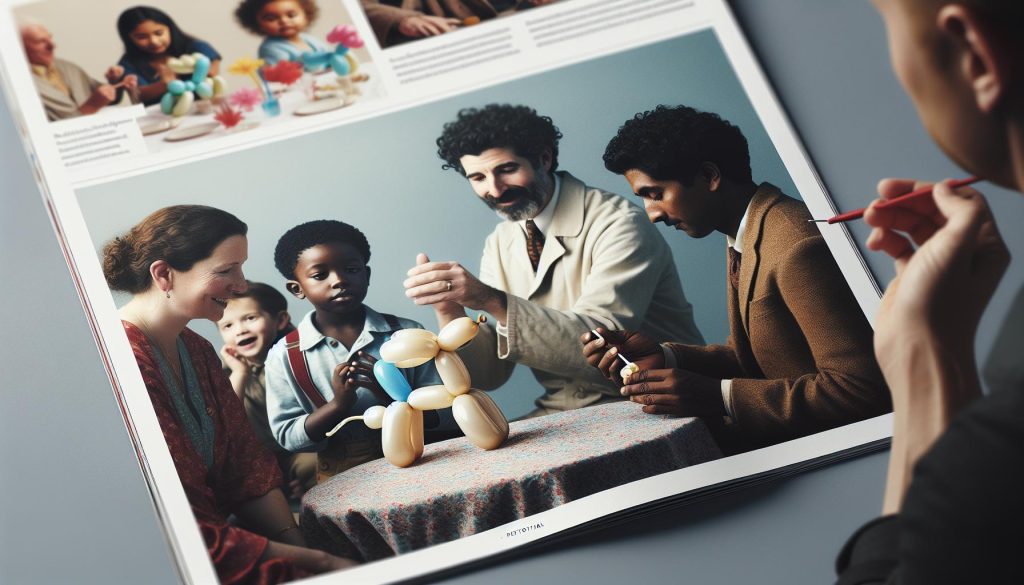
Did you know that balloon twisting can turn a simple gathering into a lively party full of laughter and creativity? Learning how to make a balloon poodle is not just a fantastic party trick; it’s a wonderful way to engage friends, spark joy in children’s faces, and showcase your playful side. This step-by-step guide will empower you to create a delightful balloon poodle, making you the star of any event, whether it’s a birthday celebration or a casual get-together. With just a few twists and turns, you’ll discover the art of balloon twisting is accessible and fun for everyone. So grab your balloons and let’s dive into this enjoyable craft that can impress guests of all ages, ensuring smiles and unforgettable memories!
Essential Tools for Making Balloon Poodles
Creating a balloon poodle is an enjoyable and rewarding craft that can add a playful touch to any event. To bring your balloon dog to life, having the right tools on hand is essential. Here’s a list of key items you’ll need to get started, ensuring that your poodle turns out just as cute and whimsical as you envisioned.
- Balloon Pump: A balloon pump is a must-have for inflating your balloons efficiently and effectively. It saves your breath and helps you avoid the risk of popping balloons during inflation.
- Qualatex Balloons: Opt for high-quality, long balloons designed specifically for twisting. The most common size used for poodles is the 260 balloon, which is two inches in diameter and sixty inches long.
- Scissors: Keep a pair of scissors handy for trimming any excess balloon after inflation and to make precise cuts for the finishing touches.
- Instruction Guide: Having a step-by-step guide or tutorial, either in written form or a video reference, can significantly help you master the technique. Resources like YouTube offer fantastic tutorials for beginners and more advanced twisters alike.
- Markers (optional): If you’d like to add facial expressions or details to your balloon poodle, a few permanent markers can help you personalize each creation.
- Work Surface: A clean, flat surface is ideal for working on your balloon art. It allows you to have enough space to twist and form your poodle without distractions.
Having these essential tools will set you up for success and allow you to focus on mastering the art of balloon twisting. With practice and patience, you’ll be delighted with the adorable balloon poodles you can create!
Step-by-Step Instructions for Balloon Poodle Creation
Creating a balloon poodle is a delightful way to bring joy and creativity to any gathering. It’s not only about twisting balloons but also about engaging with your audience, especially children, who are often mesmerized by the magic of balloon art. With some practice, anyone can create these whimsical creatures that can serve as fun decorations or party favors. Here’s a straightforward guide to help you through the process, step by step.
To start, you will want to inflate your balloon to about 60% capacity, leaving room for twists and ties. The first twist will form the poodle’s nose-make a small bubble (about 3 inches long) at the end of the balloon. Then, create another bubble of the same size, which creates the poodle’s snout. Twist these two bubbles together securely to lock them in place.
Next, you will move onto the body. Measure about five inches from the snout and twist a larger bubble for the head of your poodle. After securing the head, create a longer bubble (about 10 inches) for the body itself, followed by two smaller bubbles of equal size for the front legs. Remember to twist and lock these bubbles together, ensuring they hold their shape.
For the poodle’s rear, you will create another long bubble slightly shorter than the body followed by two more smaller bubbles for the back legs. Finish off the design by bending and adjusting the body, head, and legs to make your poodle look more lifelike. Consider doing a twist on the tail for added flair-this last touch can truly bring your balloon poodle to life!
The final step is to personalize your balloon poodle. You can use permanent markers to add eyes, a nose, and any unique features you desire. With these steps, your balloon poodle is ready to delight your audience! Practice makes perfect, so don’t be discouraged if it takes a few tries to get it just right. Each poodle you create will become a bit more charming, and you’ll soon have a whole parade of balloon poodles at your party!
Common Mistakes When Making Balloon Poodles
Creating balloon animals, particularly poodles, can be a wonderfully enjoyable craft, but many beginners stumble into the same pitfalls that can make the process frustrating. One common mistake is not inflating the balloon correctly. If you over-inflate a balloon, it may burst before you can twist it into shape. Conversely, an under-inflated balloon can make it difficult to create distinct shapes and might lead to weak twists that easily unravel. Aim for about 60% inflation, leaving enough room for twists without risking a pop.
Another frequent error is rushing the twisting process. Twisting bubbles too tightly can lead to tears in the balloon, while not twisting securely enough can cause the poodle to fall apart. Take your time with each twist, making sure to hold and secure the previous bubbles before moving on. Additionally, ensure that each twist is firm but not too tight, allowing the balloon to maintain its integrity.
It’s also crucial to remember that balloon twisting is an art that takes practice, and being too eager for perfection can lead to disappointment. Don’t be discouraged if your first few attempts don’t look exactly like the poodles you’ve envisioned. Instead, focus on the learning process! Each balloon poodle you create offers an opportunity to improve your skills.
Lastly, failing to plan your design can lead to mishaps during construction. Skipping steps or forgetting the final touches can result in an unbalanced or less-than-adorable finished product. Always have a clear outline of the steps and visual aspects you want to incorporate. For instance, after making the body, legs, and tail, make sure to add those personal touches like eyes or accessories. Remember, patience and practice are your best friends in balloon twisting!
Creative Variations of Balloon Poodles to Try
Creating balloon poodles is not just a delightful craft, but it also opens up a world of creative variations that can enhance your balloon-twisting repertoire. Once you’ve mastered the basic shape of a balloon poodle, you can experiment with different designs, colors, and embellishments to impress your friends and family. Whether you’re prepping for a birthday party or simply want to add a unique touch to your balloon animal collection, these variations will spark your creativity and make your balloon poodles even more eye-catching!
One fun variation is to create a Rainbow Poodle. Instead of just using one color for your balloon poodle, gather several brightly colored balloons and twist them together. Each section of the poodle can be a different hue, giving it a vibrant, lively look. For added flair, consider creating a poodle with alternating colors for the body and head or adding accessories like a mini balloon hat or a flower at the collar. Not only does this variation brighten up the design, it also makes each poodle a conversation starter!
You can also explore themed balloon poodles based on characters or popular culture. For example, consider dressing your balloon poodle as a Superhero Poodle by utilizing colored balloons that represent superheroes, like red and blue for a superhero themed party. Craft matching capes or masks (using smaller balloons or craft materials) to celebrate the occasion. This not only encourages imaginative play but can also make your balloon dog a hit among children and adults alike.
Another exciting idea is the Holiday Themed Poodle. Craft poodles dressed for various holidays-think a pumpkin balloon poodle for Halloween or a Santa poodle with a red and white theme for Christmas. Using simple accessories like hats or scarves can elevate these designs, creating charming seasonal decorations that can liven up any gathering.
Lastly, consider setting up a Balloon Poodle Competition! Invite friends or family to create their own unique poodle designs, emulating different styles and themes. This event can be a lighthearted way to encourage creativity and bond over the shared hobby of balloon twisting.
Embarking on these variations encourages not just skill development but also a sense of fun and fulfillment in your balloon twisting journey. Remember, the sky’s the limit! Each twist can become a canvas for your imagination.
Tips for Mastering Balloon Twisting Techniques
Mastering the art of balloon twisting, especially when it comes to creating a charming balloon poodle, requires a blend of technique, practice, and creativity. One key aspect to focus on is the importance of watching your twists closely. It’s easy to over-twist or under-twist sections, which can lead to an uneven appearance or, worse, a popped balloon. When practicing, make sure to take your time and adjust the tension in your twists to find that sweet spot-tight enough to hold form but loose enough to prevent stress on the balloon.
Another useful tip is to visualize the structure before you start twisting. Balloon animals aren’t just a random collection of twists; they have a defined shape that should be planned out. Start by imagining the poodle’s head, body, and legs. Once you have a mental picture, you can break down the process into smaller, manageable sections. For instance, create the poodle’s head first, followed by the body, and then move to the legs. This segmented approach not only makes the task less daunting but also helps you maintain control over the final design.
Practice is essential, but so is the choice of materials. Using high-quality balloons can make a notable difference. Look for balloons specifically designed for twisting since they are more resilient and flexible. When inflating your balloon, don’t fill it completely. Leaving some air allows for better manipulation and reduces the risk of bursting during the twisting process.
Don’t forget the importance of good lighting and comfort in your workspace. A well-lit area will help you see your twists more clearly, while a comfortable seating position can keep your hands steady and free from fatigue. Finally, don’t hesitate to experiment! Invite friends to join you in balloon twisting sessions, trying out different designs or themes. You’ll be surprised at how creativity flourishes when shared, making the process not only a chance to improve your skills but also to enjoy a fun and collaborative atmosphere.
How to Use Balloon Poodles for Party Entertainment
Using balloon poodles for party entertainment can turn an ordinary gathering into a memorable celebration filled with fun and laughter. These delightful creations are eye-catching and serve as a fantastic icebreaker, especially at children’s parties. As guests arrive, the sight of a cheerful balloon poodle can ignite curiosity and excitement, prompting kids and adults alike to engage and ask questions about them. Plus, the colorful designs can complement any theme, adding a touch of whimsy to your decor.
One effective way to incorporate balloon poodles into your party entertainment is by creating a mini balloon-animal station. Set up a table where guests can try their hand at making their poodle or other balloon animals. Provide different colored balloons, instruction sheets, and perhaps even some short video tutorials on how to twist them. This interactive element not only entertains but also engages your guests, encouraging them to show off their creations. You can promote some friendly competition by awarding small prizes for the best designs or the funniest balloon animals made during the event.
Additionally, consider adding a personal twist to the balloon poodle experience by integrating fun party tricks. For instance, you could train a balloon poodle to perform a simple trick, such as balancing on a surface or giving a “high five” with a little push from the handler. You could also foster engagement by walking around with a collection of poodles and allowing guests to choose their favorites, offering them a unique party favor. Not only does this add an element of surprise, but it also creates opportunities for playful interactions among guests.
Finally, be mindful of safety when using balloons around children and pets. Balloons can pose choking hazards, so it’s vital to supervise children during activities. Providing safety tips, such as how to hold and manipulate balloons carefully, can ensure everyone enjoys the festivities without accidents. Emphasizing these precautions will enhance the enjoyment of the experience while keeping the atmosphere light and fun. By bringing balloon poodles into your party, you create an unforgettable experience that fills the celebration with joy and creativity.
Engaging Party Tricks Featuring Balloon Poodles
Engaging with your guests through balloon poodles can add an exciting twist to any party! Imagine the joy on children’s faces when they see a balloon poodle performing tricks right before their eyes. One of the simplest yet most delightful tricks you can showcase is having the balloon poodle “dance.” This involves moving the poodle in a rhythmic manner, perhaps to music, which can create a fun atmosphere. Adding a few humorous twists, like pretending the balloon poodle has a mind of its own and is pulling you along, will keep everyone chuckling.
You can also incorporate a simple balancing act where the poodle perches on your hand or a stick, demonstrating balance and control. For a more interactive experience, invite a child to hold a small balloon or a lightweight object for the balloon poodle to balance. This can lead to adorable moments and spontaneous laughter, making it a memorable highlight of your party.
Another engaging trick is the balloon poodle “magician.” You can pretend to pull a small balloon or other object from the poodle, creating a charming illusion that kids will love. This simple trick not only sparks curiosity but also encourages participation as children become excited to see what will come next.
To conclude your balloon poodle performance, you can create a mini parade. Gather the children and have them follow you around as you lead a procession with your balloon poodles, encouraging them to shout cheerfully! This kind of group activity fosters a sense of community and fun, making your event truly unforgettable. The combination of tricks, humor, and engagement will leave your guests enchanted and longing for more balloon antics!
Safety Tips for Working with Balloons
When it comes to creating delightful balloon poodles, ensuring safety is paramount for both you and your audience. Balloons can pose several risks, especially in a lively party atmosphere where children abound. Understanding how to work with balloons safely can help you avoid accidents and keep the fun going!
It’s crucial to always supervise children when they are playing with balloon animals. Young toddlers are particularly prone to putting objects in their mouths, which can be dangerous if a balloon pops or if they somehow manage to ingest small pieces. To minimize the risk of choking or digestive blockages, explain to children the importance of not chewing or biting balloons, and ensure they understand that broken balloons should be treated like hazards.
Another important safety tip is to hold your balloon twisting sessions in areas free of sharp objects or obstacles. Balloons are designed to be flexible and fun, but sharp edges can easily puncture them, leading to sudden bursts that might startle children or pets. Always check your surroundings before you start twisting; ideally, work on a clean, flat surface away from high-traffic zones where little ones might dart unexpectedly.
Moreover, consider the materials you are using for your balloon animals. High-quality, non-latex balloons are available for those with latex allergies, and they typically come in a wider variety of colors and sizes. Familiarize yourself with balloon types, as some might be better for specific tricks or shapes. Always dispose of broken balloons properly-gather them in a trash bag that children can’t access and encourage everyone to help with the cleanup.
Lastly, if you have pets, it’s wise to keep your balloon creations out of their reach. Dogs, in particular, can be curious about bright, swaying objects and might be tempted to chew on or swallow balloon pieces. Monitor their behavior around your balloon animals to prevent any mishaps, ensuring a worry-free celebration for both two-legged and four-legged guests!
Frequently Asked Questions About Balloon Animals
Creating balloon animals is not just a whimsical pastime; it’s a source of joy that brings smiles to faces young and old. However, beginners often have many questions that can make the process seem daunting. Let’s explore some common inquiries about making balloon animals, particularly focusing on that delightful poodle shape!
One of the most frequently asked questions is about the type of balloons to use. It’s recommended to use 260 balloons, which are long and perfect for twisting. These balloons hold air well and are easy to shape, making them ideal for creating the various sections of a balloon poodle. When inflating, leave about a 6-inch tail to allow for knotting and twisting without popping.
Another common question is how long the balloons last after being inflated. Properly twisted and secured, a balloon animal can last for several hours to a couple of days, but factors such as temperature and sunlight can affect their longevity. Keeping the animals away from direct sunlight and sharp objects can help prolong their life, especially during parties or events.
Many aspiring balloon twisters also wonder about the skills required to master balloon twisting. While some people may pick it up quickly, most find that practice is key. It’s helpful to start with simpler shapes before moving on to more complex designs like a poodle. There are countless online tutorials, such as step-by-step guides, that can aid in learning the basics and advancing to intricate techniques. Watching videos can also provide visual cues that are often easier to follow than written instructions.
Finally, individuals often ask about how to engage an audience when using balloon animals as entertainment. Incorporating fun stories or character backgrounds for each creation can elevate the experience. You might give your balloon poodle a funny name or tell a little tale that captures children’s and adult’s imaginations alike. Keeping the atmosphere lively with jokes or interactive elements can turn balloon twisting into a focal point of the event, ensuring everyone feels included and entertained.
With these insights, you’re well on your way to becoming a balloon twisting pro, particularly when it comes to dazzling your guests with charming balloon poodles!
Resources for Learning More Balloon Animal Tricks
Learning the art of balloon twisting can transform any party into a memorable celebration, especially when you master creations like the enchanting balloon poodle. Luckily, there are numerous resources that can help you in this delightful endeavor! From instructional videos to comprehensive kits, here’s how you can expand your skills and boost your balloon artistry.
To start, exploring tutorial videos is an excellent way to grasp fundamental techniques and get visually comfortable with balloon twisting. Channels like Isopresso Balloon on YouTube offer engaging step-by-step instructions on how to craft a variety of balloon animals, including poodles. Watching a skilled balloon twister in action can demystify the process and provide helpful tips that written instructions may overlook. You can check out their specific balloon poodle tutorial here[[3]].
Additionally, DIY balloon kits, such as the Balloon Fun Set for making poodles, can provide you with not just the balloons but also accessories and instructions tailored for beginners. A good kit includes everything from the right type of balloons (like 260s, ideal for twisting) to detailed guides on how to assemble your creations. You can find these kits at places like Balloon Warehouse[[2]] where you can purchase sets designed specifically for creating various poodle sizes.
Don’t forget about community groups and forums! Engaging with other balloon artists via social media platforms can offer you valuable insights, troubleshooting advice, and a chance to showcase your own work. Websites like Facebook host groups dedicated to balloon art where you can connect with fellow enthusiasts, share tips, and even ask for help with tricky designs. As you build your network, you’ll find an inspiring and supportive community ready to assist you.
With these resources at your fingertips, you’re well-equipped to learn more about balloon animal tricks, ensuring that your balloon poodles are the highlight of every party!
Q&A
Q: What materials do I need to make a balloon poodle?
A: To make a balloon poodle, you need a long twisting balloon (usually 260 size), a hand pump for inflating balloons, and scissors. Additionally, you may want to have a marker for adding details like eyes, and an apron or bag to organize your materials. Check the section on “Essential Tools for Making Balloon Poodles” for more information.
Q: Can I use any type of balloon for making a poodle?
A: While you can use various balloon types, it’s best to use long twisting balloons (260 size) for making a poodle. These balloons are specifically designed for twisting and holding shapes well. Explore the “Essential Tools for Making Balloon Poodles” section for more guidance.
Q: How long does it take to learn how to make a balloon poodle?
A: Learning to make a balloon poodle can take anywhere from a few hours to a few days, depending on your previous experience with balloon twisting. Practice regularly, and consider watching tutorials for quicker mastery. For step-by-step guidance, refer to the “Step-by-Step Instructions for Balloon Poodle Creation” section.
Q: What are some common mistakes when making balloon poodles?
A: Common mistakes include not inflating the balloon enough, twisting balloons too tightly, or forgetting to leave a neck for the poodle’s head. You can avoid these pitfalls by following the tips in the “Common Mistakes When Making Balloon Poodles” section for better results.
Q: Can balloon poodles be customized for different themes or occasions?
A: Yes, balloon poodles can be customized with different colors or additional balloon elements to match party themes. You can add accessories like hats or balloons shaped like bones. Check out “Creative Variations of Balloon Poodles to Try” for more ideas.
Q: How can I improve my balloon twisting skills for making poodles?
A: Improving your balloon twisting skills involves practice, watching tutorials, and learning different techniques. Joining a local balloon artists’ group can also provide helpful tips and feedback. Refer to the “Tips for Mastering Balloon Twisting Techniques” section for specific strategies.
Q: Are there any safety tips I should follow when making balloon animals?
A: Always supervise children when they are handling balloons, as they can pose choking hazards. Use child-safe scissors to cut balloons and be cautious about sharp objects. For more safety tips, see the “Safety Tips for Working with Balloons” section.
Q: What are the best occasions to feature balloon poodles at a party?
A: Balloon poodles are great for birthday parties, pet-themed events, and children’s gatherings. They can serve as fun decorations or entertainment, keeping guests engaged. For more on using balloon poodles for party entertainment, refer to the relevant article section.
In Conclusion
Thanks for joining me in this fun balloon poodle tutorial! Now that you’ve learned how to create this engaging party trick, why not share your own creations in the comments below? I’d love to see your unique designs. If you enjoyed this video, you might also want to check out our guides on “Top 5 Balloon Animals for Beginners” and “Balloon Decoration Ideas for Your Next Party.”
Don’t miss out-subscribe to our channel for more fun tutorials and creative tips! Plus, grab our free guide on balloon art basics, which includes useful tools and techniques to take your skills to the next level. Remember, practicing your balloon poodle will boost your confidence and impress your friends at any gathering! Happy twisting!