
Did you know that Toy Poodles are not only adorable but also incredibly intelligent and versatile companions? Owning a Toy Poodle can be a delightful experience, but it comes with unique responsibilities that every owner should be prepared for. This complete owner’s manual is crafted to guide you through the essential aspects of Toy Poodle care, ensuring that you meet their physical, emotional, and social needs. Whether you’re a first-time dog owner or looking to refine your skills, this guide will help you foster a strong, loving relationship with your furry friend. From grooming tips to training strategies, you’ll discover practical advice and insights that will not only enhance your poodle’s quality of life but also make this journey enjoyable for you both. Dive in to unlock the secrets to keeping your Toy Poodle happy and healthy!
Choosing the Right Toy Poodle: Breed Characteristics and Temperament

Toy Poodles are a delightful and dynamic breed, known not just for their adorable looks but also for their remarkable intelligence and affectionate nature. These small yet sturdy companions typically weigh between 6 to 9 pounds and stand about 10 inches tall, making them perfect for both apartment living and larger homes. Their elegant, curly coats come in a variety of colors including black, white, apricot, and gray, requiring regular grooming to maintain their signature fluffy look. Beyond their physical traits, what truly sets Toy Poodles apart is their personality. They are known to be playful, alert, and eager to please, making them excellent companions for families, singles, and seniors alike.
Understanding the temperament of a Toy Poodle is essential when choosing this breed. Toy Poodles are often characterized as highly social and intelligent, which means they thrive on interaction with their human family members. Their innate curiosity and playful spirit can lead to endless hours of entertainment, but it’s important to remember that this breed can also be sensitive. They don’t respond well to harsh training methods and benefit from positive reinforcement techniques that create a trusting bond between owner and pet. Because they are so attuned to their families, they often form strong attachments and can suffer from separation anxiety if left alone for extended periods.
When selecting a Toy Poodle, it’s also important to consider their energy levels. While they are small, they require regular physical activity and mental stimulation to stay happy and healthy. Regular playtime, short walks, and interactive games are vital. Knowing your lifestyle and how much time you can dedicate to your pet will guide you in choosing the right Toy Poodle that complements your daily routine. Ultimately, ensuring that this breed’s needs align with your family’s lifestyle will help create a rewarding and fulfilling partnership.
Essential Health Care for Your Toy Poodle
Taking care of a Toy Poodle means more than just enjoying their lovable quirks and cuddly size; it requires a commitment to their health and well-being that will reward you with years of companionship. Toy Poodles are prone to certain health issues, making regular veterinary visits and proactive care essential. Keeping an eye on their dental health, for example, is critical because small breeds often struggle with dental problems. Regular tooth brushing, dental chews, and vet check-ups can help maintain healthy teeth and gums.
Routine Veterinary Care
Establishing a relationship with a veterinarian who understands the specific needs of Toy Poodles is vital. Schedule annual check-ups, and don’t hesitate to visit more frequently if you notice anything unusual, such as changes in eating, energy levels, or behavior. Keeping up with vaccinations, flea and tick prevention, and heartworm medication is important in safeguarding your pup against common threats. Discuss the possibility of spaying or neutering with your vet, as this can prevent some health issues and reduce behavioral problems.
Daily Health Practices
Incorporating daily health habits into your routine will support your Toy Poodle’s well-being. Here’s a quick checklist to consider:
- Regular Exercise: Ensure they get a minimum of 30 minutes of exercise each day. This could include brisk walks or playtime in a safe area.
- Dental Care: Aim to brush their teeth at least 2-3 times a week to help prevent tartar buildup.
- Grooming: Regularly brush their coat to prevent mats and tangles – a routine grooming session builds a stronger bond and identifies any skin issues early.
- Nutrition: Feed your Toy Poodle high-quality dog food specifically formulated for small breeds, and monitor their weight closely.
Observing Behavioral Changes
Toy Poodles are an intelligent breed that can sometimes express discomfort through changes in behavior. Be alert to signs of distress such as excessive barking, hiding, or changes in appetite. These could indicate health issues ranging from dental pain to more serious conditions. Keeping a journal of your dog’s behaviors and habits can help you spot patterns and communicate effectively with your vet during visits.
Incorporating these health care practices not only enhances your Toy Poodle’s quality of life but also deepens the bond between you and your furry friend. With attention to their specific needs and proactive care, you’ll enjoy the many joyful years that come from sharing your life with a Toy Poodle.
Nutrition Needs: What to Feed Your Toy Poodle
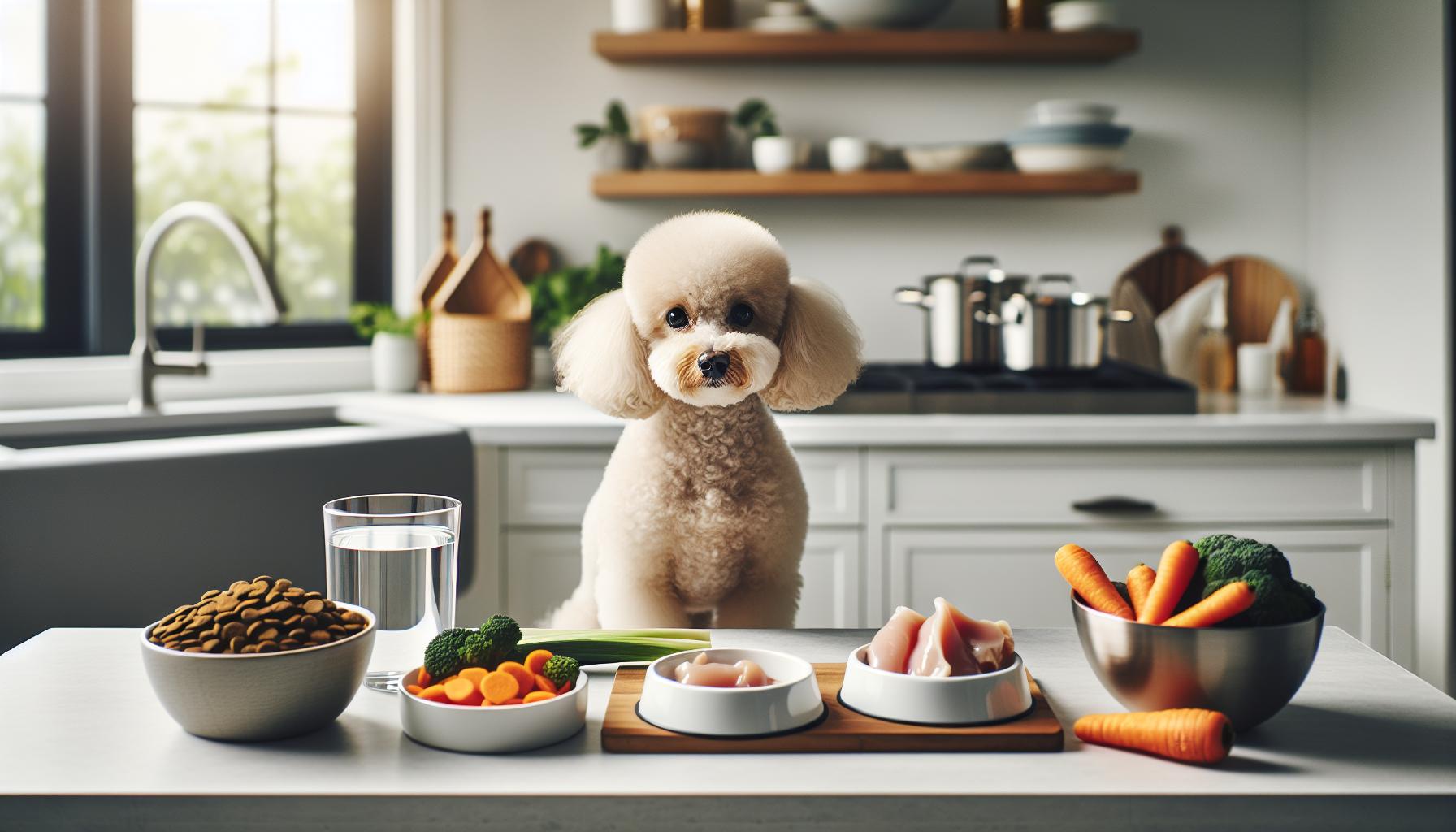
Feeding your Toy Poodle the right nutrition is essential for their health, development, and vitality. Did you know that the quality of your dog’s food can significantly affect their lifespan and overall well-being? Selecting the right diet from an early age lays the groundwork for a happy, healthy life. Toy Poodles, being a small breed, have specific nutritional requirements that differ from larger breeds, emphasizing the need for specialized food options.
A balanced diet for a Toy Poodle should consist primarily of high-quality dog food formulated for small breeds. These foods typically have smaller kibble sizes, which are easier for their tiny mouths to chew and digest. Look for proteins like chicken, fish, or lamb as the first ingredient, ensuring they get the essential amino acids necessary for muscle development and energy. Additionally, include healthy fats, such as omega-3 fatty acids, found in fish oils, to support a glossy coat and healthy skin.
To maintain optimal health, establish a feeding routine that includes two to three meals per day. This approach helps regulate their energy levels and prevent potential obesity, a common challenge in smaller breeds. Portion control is critical; refer to the feeding guidelines on your chosen dog food bag as a starting point, but adjust based on your Poodle’s age, activity level, and weight. You can also consult your veterinarian to determine the best specific calorie needs for your canine companion.
Incorporating fresh fruits and vegetables as occasional treats can provide beneficial nutrients-but be mindful of toxicity. Safe options include carrots, green beans, and apples (without seeds). Always ensure any new food introduced to their diet is done gradually to avoid digestive upset. Additionally, monitoring their weight is essential; regular weigh-ins can help you catch any fluctuations early, allowing you to make timely adjustments to their diet.
Ultimately, taking the time to understand and cater to your Toy Poodle’s nutritional needs will not only keep them healthy but will also boost their energy and mood, enhancing the bond you share. With the right diet, your Toy Poodle can thrive, bringing joy and companionship to your life for many years to come.
Grooming Tips: Keeping Your Toy Poodle Looking Great
Keeping a Toy Poodle looking fabulous is not just about aesthetics; it’s a vital part of their overall health and well-being. This breed, renowned for its curly, elegant coat, requires consistent grooming to prevent mats, tangles, and skin issues. Regular grooming sessions can also serve as a wonderful bonding time between you and your pup, making them feel loved and cherished while you maintain their beautiful appearance.
One of the best practices for managing your Toy Poodle’s coat is to establish a regular brushing routine. Aim to brush their coat at least 2-3 times a week to keep it smooth and free from tangles. Use a slicker brush and a metal comb to gently work through any knots. Starting from the roots and working toward the ends will help mitigate discomfort. The curly texture of their fur can trap debris, so brushing not only keeps them looking good but also helps in removing dirt and dead hair that may lead to skin irritation.
Bathing and Drying
Bathing your Toy Poodle should be done every 4 to 6 weeks, using a gentle, dog-specific shampoo. Overbathing can strip their coat of essential oils, so it’s important to find a balance. When washing, focus on massaging the skin to promote circulation while being careful around sensitive areas like their ears and eyes. After bathing, conditioning is key to keeping their coat soft and manageable. Gently towel-dry your pup, then use a pet-approved blow dryer on a low heat setting, allowing them to fluff out their curls while drying. This method helps maintain the coat’s natural shape and texture.
Trimming and Nail Care
Regular haircuts are crucial for Toy Poodles, as their hair continuously grows and can become overly long if not maintained. You can choose to visit a professional groomer or learn to trim their coat yourself. Aim for a “puppy cut” for an easy maintenance style, which leaves the coat a manageable length all over. In addition to their coat, don’t forget about their nails; keeping them trimmed is essential for their comfort and mobility. Aim to trim their nails every 3-4 weeks, or when you can hear them clicking on the floor.
Establishing a grooming routine may seem daunting at first, but with patience and practice, it will soon become second nature. Each session is an opportunity not only to care for your Toy Poodle’s appearance but also to ensure they remain healthy, happy, and ready to share their cheerful spirit with you!
Understanding Toy Poodle Behavior and Training

Understanding the behavior and training of Toy Poodles is crucial for creating a harmonious relationship with this intelligent breed. Known for their quick wit and eagerness to please, Toy Poodles are often described as having a playful and energetic disposition. This breed thrives on interaction and stimulation, making them not just loyal companions but also enthusiastic learners. A well-trained Toy Poodle can be a joy to have around, delighting you with tricks and good manners, but it’s essential to establish a solid training foundation early on.
Effective training starts with understanding your Toy Poodle’s unique personality. These dogs are highly responsive to positive reinforcement, so embracing techniques such as clicker training or using treats as rewards is particularly effective. Regular practice sessions should be short and engaging, ideally lasting no longer than 10-15 minutes, to keep your Poodle focused and excited. Incorporate basic commands like “sit,” “stay,” and “come,” but remember to escalate the challenge as they master these skills. Adding fun tricks, such as “roll over” or “play dead,” not only strengthens your bond but also provides mental enrichment.
Socialization is another key aspect of understanding Toy Poodle behavior. Introducing your pup to different environments, people, and other pets will build their confidence and help reduce anxiety in unfamiliar situations. Puppy classes can be a wonderful resource, not just for training basic commands, but also for facilitating play with other dogs, which is essential for developing good social skills. Aim for diverse experiences that expose your Toy Poodle to new sounds, sights, and smells, nurturing their inquisitive nature while ensuring they grow up to be well-adjusted adults.
Lastly, patience is your greatest ally when training a Toy Poodle. In moments of frustration, remember that this breed can be sensitive, and harsh corrections may backfire. Instead, maintain a nurturing and supportive approach, celebrating small victories, and using setbacks as learning opportunities. With love, consistency, and a little creativity, your Toy Poodle will flourish, displaying not only their delightful personality but also their impressive training skills.
Creating a Safe Home Environment for Your Toy Poodle

Creating a welcoming and safe environment for your Toy Poodle is essential to their happiness and well-being. These clever and curious little dogs thrive in a space that is not only comfortable but also free from hazards. Establishing a home that caters to their needs can significantly enhance their quality of life and strengthen the bond between you and your furry companion.
Start by dog-proofing your home, much like you would for a toddler. Remove any items that could be harmful if chewed on or swallowed, such as electrical cords, household cleaners, and small objects lying around. Additionally, secure cabinets that contain chemicals or food items that may not be safe for dogs. Consider using baby gates to limit access to areas that may be dangerous, such as stairs or places with fragile items.
Creating a cozy space for your Toy Poodle is just as important. Designate a specific area in your home where they can relax and feel secure. A comfortable dog bed with soft blankets can provide them with a sense of safety. Including their favorite toys in this space encourages play and exploration. Remember to choose a spot that’s away from heavy foot traffic and noise, giving them a peaceful retreat to recharge.
Social interaction is vital for Toy Poodles, who are known for their affectionate nature. Make your living area conducive to quality time together. This includes ensuring that your dog has a safe space to engage with you during training or playtime, and that they can easily access you during relaxation periods. Engage them with mentally stimulating puzzles or toys that challenge their intelligence and keep boredom at bay.
Lastly, regular monitoring of your environment is crucial. As your Toy Poodle explores their surroundings, stay vigilant for new potential dangers like changes in furniture or additions of new decor that may pose hazards. Remember that Toy Poodles are social beings who thrive on interaction; creating a safe, engaging environment is a fundamental part of happy ownership. By prioritizing their safety and comfort, you’re ensuring a fulfilling life for both of you.
Exercise Requirements for a Happy and Healthy Toy Poodle
Toy Poodles may be small in size, but they possess an abundance of energy and curiosity that makes regular exercise essential for their well-being. Engaging your Toy Poodle in daily physical activity not only keeps them fit but also helps prevent behavioral issues that arise from excess energy or boredom. Whether it’s a brisk walk around the neighborhood or a game of fetch in the yard, incorporating exercise into their routine is vital for a happy, healthy companion.
Regular exercise helps maintain your Toy Poodle’s weight and supports their cardiovascular health. Aim for at least 30 minutes to an hour of exercise each day. This can be broken down into smaller segments if your schedule is tight. For instance, a morning walk followed by an afternoon play session can keep your Toy Poodle stimulated and physically active. Consider mixing up walking routes or engaging in different activities-like agility training or playing hide-and-seek-to keep things exciting.
Types of Exercise
- Walking: Daily walks are a great way for your Toy Poodle to explore their environment. Try to vary the route to keep things interesting.
- Playtime: Interactive toys such as tug ropes and balls can provide both mental and physical stimulation. Don’t underestimate the joy a simple game of fetch can bring!
- Agility Training: Setting up simple obstacle courses in your backyard can be a fun way to challenge your dog’s physical and mental skills.
- Dog Parks: If your Toy Poodle is sociable, trips to a local dog park can provide both exercise and socialization opportunities.
Always watch for signs of fatigue or overheating, especially in warmer weather. Ensure that clean water is available during and after exercise sessions, and remember to adjust the activity level based on your dog’s age, health, and stamina. Starting puppies with shorter, more frequent play sessions can help build their endurance gradually.
Establishing a consistent exercise routine is an excellent way to bond with your Toy Poodle while fostering their health. As you engage in physical activities together, you’ll find that not only are they happier, but your relationship will flourish. Most importantly, always approach exercise with a sense of fun and discovery-this enthusiasm will encourage your Toy Poodle to embrace their active lifestyle!
Socialization Strategies: Helping Your Toy Poodle Thrive
A well-socialized Toy Poodle is not just a happier dog; they’re also easier to manage and more adaptable in various situations. Socialization is crucial for this breed, which can be prone to anxiety and suspiciousness if not exposed to new experiences early on. To ensure your Toy Poodle grows into a confident companion, start their socialization process as a puppy, ideally between 3 and 14 weeks of age.
One effective way to socialize your Toy Poodle is through regular exposure to different people, pets, environments, and sounds. Consider hosting playdates with other calm and friendly dogs to foster positive interactions. When introducing your Poodle to new pets or people, keep the sessions short and positive. You can use treats and praise to create a positive association with new experiences. Puppy classes can also be beneficial, as they provide a controlled environment for socialization under the guidance of experienced trainers.
In addition to structured activities, daily outings to parks, pet-friendly stores, or events can help diversify your Poodle’s experiences. The key is to expose them to different situations gradually. For instance, take your Toy Poodle on car rides to introduce them to the sights and sounds of different areas. Always pay attention to their behavior; if they seem overwhelmed, it’s essential to remove them from the situation and try again later.
Finally, desensitization to common household noises is also vital. Use a recording of everyday sounds-like doorbells, vacuum cleaners, or children playing-and play it at a low volume while engaging your Poodle in play or offering treats. Gradually increase the volume as they become accustomed to the noise. This technique will help your Toy Poodle feel more secure in their surroundings and less reactive to unexpected sounds, contributing to a more relaxed and well-adjusted pet. Remember, consistent, gentle exposure to new experiences will set the foundation for a socially adept and confident Toy Poodle.
Traveling with Your Toy Poodle: Tips and Tricks
Traveling with your Toy Poodle can be a delightful experience that strengthens your bond and enriches both of your lives. However, our furry friends may not always share our enthusiasm for new adventures, especially if they are not used to traveling. Keeping your Toy Poodle comfortable and happy while on the road or flying can make all the difference. Whether it’s a short trip to the dog park or a long vacation across the state, here are some tips to ensure a smooth journey.
First and foremost, planning is key. Before you hit the road, make sure to pack a travel bag specifically for your Toy Poodle. Include their essentials: food, portable water bowls, toys, grooming supplies, and any medications they might need. If your Poodle enjoys their favorite blanket or bed, bring it along. Familiar scents can provide comfort and lessens anxiety during travel. Additionally, be aware of travel regulations, particularly if you are flying. Many airlines require health certificates for pets, so consult your veterinarian ahead of time to ensure you have the necessary paperwork.
Next, consider your Toy Poodle’s safety during travel. If you’re using a car, it’s crucial to secure your dog with a pet seatbelt or a crate. Free-roaming pets can be a hazard to both themselves and passengers. Take frequent breaks during long trips to allow your Poodle to stretch their legs, relieve themselves, and explore new scents. Look for pet-friendly rest areas or parks where your dog can safely enjoy some fresh air.
Adapting to New Environments
Once you reach your destination, it’s important to help your Toy Poodle adjust to the new surroundings. Allow them to explore and sniff around as they get accustomed to the smells and sounds of the area. A familiar command or a favorite toy can provide comfort. If you’re staying in accommodations, ensure they are pet-friendly and check for any restrictions or additional fees regarding pets. Setting up a designated area for your Poodle can help them feel more at home, whether it’s in a hotel room or a vacation rental.
Lastly, be aware of your Poodle’s behavior throughout the journey. Some dogs may feel stressed or anxious when traveling. Watch for signs of discomfort, such as excessive panting, pacing, or whining. If your Toy Poodle appears fearful, offering calming treats or distracting them with their favorite toy can help. Maintaining a calm demeanor yourself will also reassure your pet.
By keeping these tips in mind and being attentive to your Toy Poodle’s needs, you can make traveling a joyful experience for both of you. With a little preparation and care, your adventures will be filled with wonderful memories together, making every trip something to look forward to!
Common Health Issues in Toy Poodles: Prevention and Care
Toy Poodles are not just adorable companions; they are also prone to a few health issues that every owner should be aware of. Understanding these common health concerns will aid you in providing optimal care and can lead to a longer, happier life for your furry friend. Some of the most frequently observed health issues in Toy Poodles include hip dysplasia, dental problems, and certain eye conditions.
One prevalent concern is hip dysplasia, a genetic condition that can affect many small breeds, including Toy Poodles. This occurs when the hip joint doesn’t fit snugly into the hip socket, leading to pain and mobility issues. Regular vet check-ups can help detect early signs, and maintaining a healthy weight is crucial in minimizing the stress on your Poodle’s joints. Incorporating low-impact exercises, such as short walks or gentle play, can keep them active without overexerting their joints.
Another issue to keep an eye out for is dental disease. Toy Poodles are particularly vulnerable to periodontal disease due to their small mouths and crowded teeth. To help prevent this, it’s essential to establish a dental care routine. Brushing your Poodle’s teeth several times a week, providing dental chews, and scheduling regular professional cleanings can make a significant difference. It’s also wise to check their mouths regularly for any signs of trouble, such as bad breath or swollen gums.
Eye conditions like cataracts and progressive retinal atrophy (PRA) are also common in Toy Poodles. These issues can lead to vision impairments if left untreated. Keep an eye on their eyes! A yearly eye examination by a veterinarian can help detect these issues early, allowing for timely intervention. Maintaining a low-stress environment can also be beneficial; stress may exacerbate certain conditions.
To summarize the best prevention strategies for common health issues, consider the following actionable items:
- Regular vet check-ups: Schedule yearly visits to monitor your Poodle’s overall health.
- Dental care: Incorporate daily tooth brushing and provide dental chews or toys.
- Weight management: Keep your Poodle at a healthy weight through portion control and appropriate exercise.
- Eye check-ups: Have your veterinarian examine your dog’s eyes for early signs of conditions.
By being proactive and informed, you can contribute significantly to your Toy Poodle’s well-being and longevity. Not only will this enhance their quality of life, but it will also deepen the bond you share with your beloved pet. Remember, a little vigilance and tender care go a long way in keeping your Poodle healthy and happy!
Finding a Veterinarian: What Every Owner Should Know
Finding the right veterinarian for your Toy Poodle is a crucial step in ensuring your furry friend leads a happy and healthy life. The bond between you, your dog, and the veterinary care team is essential. A good veterinarian not only treats your dog but also guides you through various aspects of their health and well-being. With so many options available, knowing what to look for can make the selection process easier and more rewarding.
Start by seeking referrals from other dog owners, friends, and family. Online reviews and local veterinarian associations can also provide helpful insights into potential veterinarians in your area. Consider aspects such as their experience with Toy Poodles specifically, as this breed has unique health considerations. For instance, their small size can make them susceptible to dental issues, requiring special attention during dental check-ups. Be sure to ask potential vets about their approach to preventive care, particularly for conditions like hip dysplasia and eye disorders common in this breed.
When you’ve shortlisted a few veterinarians, schedule consultations. This allows you to meet the vet and their staff, tour the clinic, and assess the overall environment. Look for a practice that feels right for you and your Toy Poodle; a clean, organized facility with a welcoming atmosphere is key. Pay attention to how the staff interacts with pets and owners. This firsthand experience can reveal a lot about the quality of care your dog will receive.
Before making a final decision, inquire about the services offered. Some veterinary practices provide additional resources such as nutritionists, behavioral specialists, or training classes, which can be incredibly beneficial for Toy Poodle owners. Furthermore, discuss operational details like office hours, emergency care, and payment options, ensuring that these align with your needs.
In summary, the right vet should be someone you trust not only with your Toy Poodle’s health but also as a partner in your dog’s overall lifestyle. By taking the time to research and connect with the right professional, you’ll set the stage for a long, happy relationship that benefits both you and your beloved canine companion.
Advanced Care Techniques for Experienced Owners
Taking care of a Toy Poodle can be a fulfilling experience, especially when exploring advanced care techniques designed to enhance your pet’s quality of life. These small yet intelligent dogs thrive on attention, comfort, and stimulation, necessitating a proactive approach to their care. Building upon basic care practices, this section delves into specialized techniques that experienced owners can employ to ensure their Toy Poodles remain happy, healthy, and engaged.
One of the critical aspects of advanced care involves addressing mental stimulation. Toy Poodles are known for their high intelligence and energy levels, making it essential to provide them with challenging activities that prevent boredom. Puzzle toys, trick training, and interactive games are excellent ways to keep their minds engaged. For instance, consider teaching your Poodle new commands or tricks using positive reinforcement methods. Not only does this enhance their skill set, but it also strengthens the bond between you and your pet.
Moreover, implementing a well-rounded exercise regime is vital. While daily walks are a staple, diversifying your Poodle’s physical activity can lead to improved health and behavior. Incorporate activities such as agility training or even dog dancing. These not only burn energy but also offer a fun way for you and your Toy Poodle to bond. Remember, the key is consistency; aim for at least 30-60 minutes of physical activity daily, adjusted based on your dog’s age and health status.
When it comes to dietary concerns, experienced owners should consider tailored nutrition plans that account for life stages and specific health issues. For example, some Poodles may be prone to dental problems, which means dry kibble varieties might be more beneficial as they help with tartar control. Additionally, consult with a veterinarian about supplementing their diet with omega fatty acids to support skin and coat health, particularly as they age. Monitoring their weight is also crucial; keeping a food journal can help track portions and ensure a balanced diet.
Lastly, as Toy Poodles can be sensitive to their environment, it’s essential to create a calming space in your home. This could involve setting up a cozy corner with their bed, favorite toys, and even a few interactive elements that keep them occupied when you’re busy. Understanding and anticipating your Poodle’s needs will allow you to provide high-level care that prioritizes both their physical and psychological well-being. By intertwining these advanced techniques into your daily routine, you assure your Toy Poodle a richer, more fulfilling life that both of you will cherish.
Frequently Asked Questions
Q: How often should I take my Toy Poodle to the groomer?
A: You should take your Toy Poodle to the groomer every 4 to 6 weeks. Regular grooming helps prevent matting and keeps their coat healthy. Additionally, consider brushing them at home several times a week to maintain coat condition and enjoy quality bonding time.
Q: What is the best diet for a Toy Poodle?
A: The best diet for a Toy Poodle consists of high-quality kibble or wet food, specifically formulated for small breeds. Ensure it contains real meat as the first ingredient and is free from fillers. Always provide fresh water and consult your vet for tailored dietary advice based on your dog’s age and health.
Q: How much exercise does a Toy Poodle need daily?
A: A Toy Poodle requires about 30 minutes of exercise daily. Activities like short walks, playtime in the yard, or indoor games can keep them active and stimulated. Regular exercise is essential for their health and helps prevent behavioral issues related to boredom.
Q: What training methods work best for Toy Poodles?
A: Positive reinforcement is the most effective training method for Toy Poodles. Use treats, praise, and play to reward good behavior. Start with basic commands and gradually introduce more complex tasks. Consistency and patience are key to successful training with this intelligent breed.
Q: How can I help my Toy Poodle socialize with other pets?
A: To help your Toy Poodle socialize, start exposure to different environments, people, and pets at a young age. Enroll them in puppy classes or arrange playdates. Supervise all interactions and encourage positive behavior with treats and praise to build their confidence.
Q: What are some common health issues in Toy Poodles?
A: Toy Poodles are prone to several health issues including dental problems, hip dysplasia, and patellar luxation. Regular vet check-ups and a balanced diet can help prevent some conditions. Always watch for signs of discomfort and consult your veterinarian for any concerns.
Q: How can I create a safe home environment for my Toy Poodle?
A: To create a safe environment, remove hazards such as toxic plants, small objects, and electrical cords. Use baby gates to block off unsafe areas and consider securing windows. Provide a cozy, designated space for your Toy Poodle to feel secure and comfortable.
Q: What should I know before traveling with my Toy Poodle?
A: Before traveling, ensure your Toy Poodle is comfortable in their carrier and familiarize them with it at home. Bring their food, water, and any medications they may need. Make frequent stops for bathroom breaks, and check pet-friendly accommodations in advance.
Insights and Conclusions
As you embark on the delightful journey of caring for your Toy Poodle, remember that regular grooming, a balanced diet, and social interaction are vital to their happiness and health. If you found this owner’s manual helpful, explore our articles on “Best Dog Foods for Small Breeds” and “Effective Training Tips for Poodles” to enrich your understanding even further.
Don’t hesitate to take action; your new companion will thrive when given the right care! For personalized advice, consider signing up for our newsletter or exploring our consultation options. Engage with us by sharing your experiences in the comments, and join our community of passionate dog lovers who are equally invested in their furry friends’ well-being. Together, let’s ensure your Toy Poodle leads a joyful and fulfilling life!