
Bringing a Labradoodle puppy into your home is an exciting adventure filled with love, laughter, and a few challenges. Did you know that Labradoodles are known for their intelligence and eagerness to please? This makes them incredibly trainable, yet new owners often feel overwhelmed when it comes to training. Understanding the essential first steps in training your Labradoodle can set the tone for a harmonious relationship that lasts a lifetime. This guide will equip you with practical tips and insights tailored specifically for this delightful breed, ensuring you feel confident and prepared as you embark on this rewarding journey. Let’s dive into creating a well-behaved companion that brings joy to your family and community!
How to Choose the Right Labradoodle Puppy
Choosing the perfect Labradoodle puppy can be an exciting yet daunting task, especially for first-time dog owners. With their delightful mix of Labrador Retriever and Poodle traits, Labradoodles are known for their intelligence, sociability, and affectionate nature. However, to ensure you find the right fit for your family and lifestyle, it’s essential to consider several factors before bringing one of these lovable companions home.
First, think about the size of the Labradoodle that would best suit your living situation. Labradoodles come in various sizes, including Standard, Medium, and Miniature, depending on the size of the Poodle parent. If you live in an apartment or have limited space, a Miniature Labradoodle may be ideal, as they require less room to romp. Conversely, families with larger yards might benefit from the energy and playfulness of a Standard Labradoodle. Additionally, assess your lifestyle and activity level. Some Labradoodles, particularly those from more energetic lines, may need more exercise and mental stimulation than others.
Next, consider the coat type and grooming needs. Labradoodles can have a range of coats, from wavy to curly, which affects their shedding and grooming requirements. If you or a family member have allergies, a curly coat may be a better choice, as these tend to be more hypoallergenic compared to the wavier types. Be prepared for regular grooming sessions, as maintaining their coat can prevent matting and keep your puppy looking their best.
Finally, delve into the puppy’s background. Speak to breeders about health clearances for both parent breeds and consider visiting the breeding environment. Observing how the puppies interact with their littermates and their surroundings can provide valuable insights into their temperament. Choose a puppy that seems well-adjusted and curious, as these traits often translate into better socialization and training outcomes later on.
By carefully considering these factors, you’ll be better prepared to select a Labradoodle puppy that not only fits your family but also complements your lifestyle, ensuring a fulfilling and happy companionship for years to come.
Understanding Labradoodle Temperament and Behavior
Understanding the temperament and behavior of Labradoodles is key to establishing a harmonious relationship with your new puppy. Known for their high intelligence, sociability, and affectionate nature, Labradoodles often exhibit a delightful blend of playfulness and eagerness to please. This makes them not only excellent companions but also relatively easy to train, particularly when you employ methods that resonate with their friendly disposition.
One of the most significant traits of Labradoodles is their boundless energy. Regular playtime and physical activity are essential to keep them happy and healthy. A bored Labradoodle can easily turn to unwanted behaviors, such as chewing on furniture or excessive barking. Incorporating daily walks, interactive games, and mental challenges can help burn off some of that energy. For instance, puzzle toys can provide a stimulating way to engage their minds while also rewarding them with treats.
Socialization plays a critical role in a Labradoodle’s development. These dogs thrive on interaction with people and other animals, which helps curb any tendencies toward timidity or anxiety. Early exposure to various environments, noises, and experiences can foster a well-rounded personality. Visiting dog parks, attending puppy classes, or simply inviting friends over can enhance their social skills, making them more adaptable and confident as they grow.
When it comes to training, understanding that every Labradoodle is unique is vital. While most are eager learners, some may exhibit traits inherited from their Poodle lineage, such as a strong will or independence. Patience and positive reinforcement are your best tools, rewarding successful behaviors with praise or treats. This approach not only builds trust but also reinforces a love for learning, making training sessions enjoyable for both you and your puppy.
By embracing their playful energy, nurturing their social needs, and employing effective training techniques, you can ensure your Labradoodle grows into a well-behaved and loving family member. Remember, the journey with your Labradoodle is not just about training but also about creating lasting memories together.
Essential Training Supplies for Your Labradoodle
Every new puppy owner knows that having the right supplies can make all the difference in the training process. For your Labradoodle, a breed celebrated for its intelligence and sociability, equipping yourself with essential training supplies will streamline your journey toward a well-adjusted companion. With these tools at your disposal, you’ll be better prepared to tackle the training challenges that come your way while also ensuring that your puppy enjoys a positive and rewarding experience.
Must-Have Training Supplies
When it comes to establishing a training routine for your Labradoodle, consider investing in the following key supplies:
- High-Quality Treats: Rewards are crucial in training, and treats should be small, nutritious, and exciting for your puppy. Look for options that are high in protein and free from fillers, making it easier to maintain your puppy’s health while rewarding good behavior.
- Clicker: A clicker can be a valuable tool for reinforcing commands and desired behaviors. It’s a sound cue that helps your dog associate specific actions with positive outcomes. Start with simple commands and progressively incorporate more complex tasks.
- Leash and Collar: A sturdy leash and a comfortable collar are non-negotiable essentials. A leash allows you to manage your puppy during walks and training sessions, while a collar ensures their safety. Opt for a lightweight yet durable leash to facilitate training.
- Puppy Training Pads: For potty training, utilizing quality puppy pads can be a game changer. These pads help contain messes and offer a designated area for your Labradoodle to relieve itself indoors when necessary.
- Interactive Toys: Toys that stimulate your puppy’s mind and encourage play will help burn off excess energy. Consider puzzle toys that require problem-solving to obtain a treat or a favorite toy that you can use during training sessions.
- Crate: A crate is more than just a safe place for your puppy; it can be a helpful tool for house training. Crate training helps your Labradoodle develop a sense of security and can prevent destructive behaviors when left alone.
Integrating these supplies into your training routine serves a dual purpose: they not only facilitate the teaching process but also keep your Labradoodle engaged and eager to participate. Each item you select contributes to a fun and effective training environment, encouraging your pet to learn and thrive.
By using the right tools, you empower your Labradoodle to become the obedient, loving companion you envision. Enjoy the journey of training and cherish the unbreakable bond you’re building every step of the way!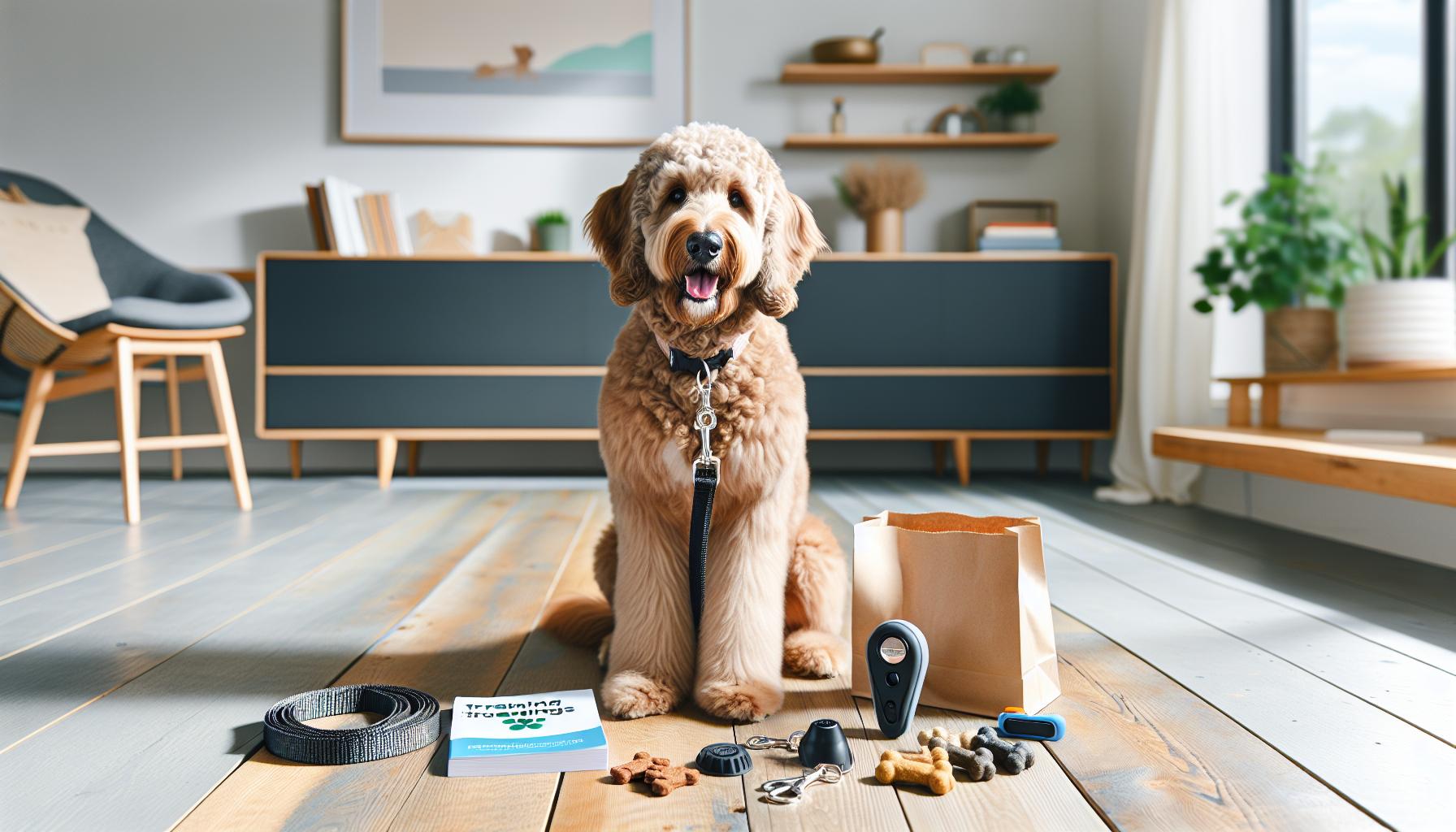
The Importance of Early Socialization Tips
Early socialization is one of the most crucial steps in training your Labradoodle puppy. Research shows that puppies who are exposed to a variety of people, animals, environments, and experiences during their formative weeks are significantly less likely to develop behavioral issues as adults. Labradoodles, being a highly social and intelligent breed, thrive on positive interactions and can become well-mannered companions when properly socialized.
Introducing your Labradoodle to new experiences should start as soon as they come home. Begin with safe and controlled environments. Invite friends over to meet your puppy, or take them on short outings around your neighborhood. The aim is to create a positive association with new sights, sounds, smells, and people. Consider enrolling in puppy socialization classes, where your dog can meet other dogs and humans in a structured setting. These classes often involve supervised play and exposure to various stimuli which will help your puppy learn to navigate different environments confidently.
Make early socialization a fun and rewarding experience! Use treats and praise to reinforce positive interactions. For instance, if your puppy has a great time meeting a new friend or encountering a strange sound, reward them immediately with a treat and enthusiastic praise. Over time, your Labradoodle will build a solid foundation of trust and confidence, making them more adaptable to new situations.
Remember, socialization is an ongoing process. Continue exposing your Labradoodle to new experiences throughout their life. Regular outings to parks, participation in doggy playdates, and visits to pet-friendly places can all contribute to a well-rounded, socially adept adult dog. By investing time and effort into socializing your Labradoodle puppy, you’re not just training for the present; you’re laying the groundwork for a happy and well-adjusted companion for years to come.
Basic Commands Every Labradoodle Should Know
Training your Labradoodle to respond to basic commands is an essential step in fostering a strong bond and ensuring good behavior. These highly intelligent and eager-to-please dogs thrive on learning and interaction, which makes command training particularly rewarding. Starting with simple commands not only provides structure but also stimulates your pup’s mind, setting the stage for more advanced training down the line.
To get started, focus on these foundational commands:
- Sit: This is often the first command taught because it’s simple and useful. To teach ‘sit’, hold a treat above your dog’s nose and slowly move it backward over their head. As their head goes up, their rear will naturally lower. As soon as they’re in a sitting position, say “sit” and give them the treat.
- Stay: Once your Labradoodle knows how to sit, you can teach them to stay. Ask them to sit, then show them your palm and say “stay”. Take a step back. If they stay put, reward them. Gradually increase the distance and duration.
- Come: Recall is vital for keeping your dog safe. Start in a quiet area; call them by name followed by “come” in an enthusiastic tone. When they arrive, give them lots of praise and a treat. You might also consider using a clicker for positive reinforcement.
- Down: Teaching your Labradoodle to lie down is another essential command. From a sitting position, hold a treat near their nose, then lower your hand to the ground. You’ll guide them into a lying position. Say “down” and reward them once they’re down.
- Leave it: This command helps teach impulse control. Place a treat in your hand and say “leave it.” When your dog focuses on the treat but doesn’t take it, reward them with a non-restricted treat. This teaches them to resist the temptation of things they shouldn’t touch.
Consistency is key when teaching these commands. Practice daily, keep sessions short and fun, and always end on a positive note. Using positive reinforcement like treats, praise, or playtime will help your Labradoodle associate commands with positive outcomes, making them eager to learn and obey. As they grasp these basic commands, you’ll cultivate a responsive, well-mannered companion ready to tackle more complex training challenges and enjoy a fulfilling, interactive relationship with you.
Potty Training Your Labradoodle Puppy Effectively
Potty training your Labradoodle puppy is not just about teaching them where to relieve themselves; it’s an important step in establishing a strong bond based on trust and communication. These intelligent and eager-to-please dogs often require a consistent routine and understanding of their signals. A captivating fact is that Labradoodles, being both energetic and playful, benefit far more when they are guided with patience and love throughout the potty training process.
Begin by creating a structured potty schedule. Take your pup out first thing in the morning, after meals, and before bedtime to reinforce a routine. Accidents are a natural part of the training phase, and it’s crucial to stay calm. When your puppy does their business outside, reward them immediately with praise and treats. This positive reinforcement teaches them that going outside is a good thing. Create a specific area in your yard for potty time and consistently take them there, so they begin to associate that spot with relieving themselves.
It’s also important to recognize your Labradoodle’s signals, such as sniffing, circling, or whining, which indicate they need to go outside. When you see these behaviors, act promptly. For younger puppies, aim for frequent bathroom breaks to avoid accidents indoors. Generally, a good rule of thumb is that a puppy can hold it for about one hour per month of age, up to about nine hours maximum for adult dogs.
If your puppy has an accident indoors, clean the area thoroughly with an enzymatic cleaner to eliminate any lingering scents that might encourage repeat offenses. Never scold your pup for accidents; instead, focus on prevention and positive reinforcement. With time, patience, and consistent guidance, your Labradoodle will become potty trained, allowing you to enjoy all the joyful moments your new furry friend brings into your life.
Positive Reinforcement Techniques for Training
Training a Labradoodle puppy can be an incredibly rewarding experience, especially when you utilize positive reinforcement techniques. These dogs, known for their intelligence and eagerness to please, respond exceptionally well to reward-based methods. By creating a positive association with desired behaviors, you’re not only teaching your puppy but also strengthening the bond between you two.
One effective strategy is to establish a system of rewards that excites your Labradoodle. This could include tasty treats, verbal praise, or even playtime with their favorite toy. For instance, when your puppy sits on command, immediately reward them with a treat and enthusiastic praise. This reinforces the action and encourages them to repeat it. Remember to vary your rewards: sometimes give a treat, other times shower them with affection, which keeps the training fresh and engaging.
Consistency is crucial in positive reinforcement. Set clear expectations so your Labradoodle understands what behaviors are being rewarded. Use the same commands and cues during training sessions to avoid confusion. For example, if you use “sit” to prompt your puppy, always use that same word. This consistency helps solidify their understanding over time.
It’s also essential to implement timing when using positive reinforcement. The quicker you reward your puppy following a desired behavior, the stronger the association they will make between the behavior and the reward. Ideally, the reward should come within seconds of the action to effectively communicate your approval. Additionally, gradually wean your puppy off the treats once they have mastered a command; you can begin to use intermittent rewards to keep them motivated.
Engaging your Labradoodle in training sessions should feel like a fun game rather than a chore. Keep the sessions short (5 to 10 minutes) but frequent to maintain your puppy’s attention and enthusiasm. As you see progress, don’t hesitate to introduce new commands to keep things challenging and exciting. This balance of fun and learning will help your Labradoodle develop a solid foundation and will foster a lifelong love of learning and play.
Creating a Daily Routine for Your Labradoodle
Creating a structured daily routine for your Labradoodle is crucial not only for their physical well-being but also for their mental stimulation and emotional health. Labradoodles, known for their intelligence and playful nature, thrive on consistency and clear expectations, which a routine can provide. Establishing a daily schedule helps minimize confusion and anxiety, allowing your puppy to understand what to expect throughout the day.
Begin each day at the same time to create a rhythm that your puppy can rely on. Early morning is perfect for bathroom breaks, which sets the tone for their potty training success. Follow this with a wholesome breakfast, as feeding at consistent times aids digestion and can often prevent behavioral issues related to hunger. After breakfast, take your Labradoodle out for a walk or play session – this helps burn off some energy and reinforces the bonding experience. Incorporating playtime in the morning can also enhance their enthusiasm for training and learning throughout the day.
Throughout the day, aim to include designated times for training sessions, meals, walks, play, and rest. Here’s a sample daily routine you might consider:
| Time | Activity |
|---|---|
| 7:00 AM | Morning potty break |
| 7:30 AM | Breakfast |
| 8:00 AM | Short training session (5-10 mins) |
| 8:15 AM | Morning walk |
| 10:00 AM | Playtime/interactive toys |
| 12:00 PM | Lunch and potty break |
| 2:00 PM | Training/review basic commands |
| 4:00 PM | Afternoon walk |
| 6:00 PM | Dinner |
| 7:00 PM | Calm playtime/chew sessions |
| 9:00 PM | Final potty break and bedtime |
Incorporating consistency in their daily activities will not only aid in your puppy’s training but will also nurture a strong bond between you and your Labradoodle. The predictable routine will help reduce stress and help you both become more attuned to each other’s needs. Remember to be flexible, as individual schedules may vary, but maintaining a structure will significantly enhance your Labradoodle’s training and overall happiness.
Dealing with Common Training Challenges
Training a Labradoodle puppy can come with its fair share of challenges, but with patience and strategy, you can turn obstacles into opportunities for growth and bonding. One common issue many new owners encounter is their puppy’s tendency to chew on everything in sight. Instead of getting frustrated, consider this behavior a natural exploration phase. Providing appropriate chew toys and redirecting their attention to these items can help satisfy their urge to chew while also protecting your belongings.
Another frequent challenge is the puppy’s excitement during training sessions, leading to distraction or short attention spans. To combat this, keep training sessions short and engaging. Pair commands with treats or play to maintain their focus. For instance, if your Labradoodle struggles to sit still, try practicing commands during playtime or incorporate movement, like practicing “come” while they’re fetching a toy. Engaging them in a game can transform a potentially frustrating training moment into fun for both of you.
It’s also important to address behavioral issues, such as jumping up to greet people or barking excessively. For jumping, encouraging calm behavior before giving attention can reinforce good manners. Use the command “sit” before inviting them to interact. For barking, try to understand the trigger; if they’re barking out of boredom, increasing their exercise and mental stimulation can significantly reduce this behavior. A tired pup is a well-behaved pup!
Lastly, remember that consistency is key to overcoming these challenges. Use the same commands and signals every time you train, which helps your Labradoodle learn effectively. Celebrate small victories and remain positive, as your enthusiasm and encouragement will foster a trusting relationship, making your puppy more eager to please and learn. By creating a supportive training environment and understanding your Labradoodle’s needs, you’ll build a strong foundation for a well-behaved companion.
Integrating Playtime with Learning Activities
is a powerful strategy when training your Labradoodle puppy. These intelligent, energetic dogs love to be engaged not just physically but mentally as well. By blending training with fun, you not only hold their interest but also enhance their learning experience. Did you know that many Labradoodles thrive when their training sessions feel less like chores and more like playdates? This approach can lead to a more enthusiastic learner who looks forward to bonding time with you.
One effective method is to incorporate *interactive games* into your training routine. For example, you could use a game of fetch to teach commands like “drop it” and “come.” Start by throwing a toy a short distance and encourage your puppy to fetch it. When they return, use the command “drop it” and reward them with a treat when they do. This way, they learn not only the command but also the associated reward, which strengthens their understanding and compliance.
Engaging Activities to Try
Here are some playful activities that can seamlessly blend fun with learning:
- Hide and Seek: This classic game can teach your puppy the “stay” command. Have them sit and stay while you hide, then call them to find you. They’ll enjoy the chase and learn to respond to your call.
- Obstacle Course: Set up a small agility course in your yard or living room using cones, tunnels, and jump bars. Teach them to navigate through it while incorporating commands like “jump” or “through.” This builds confidence and reinforces command-following.
- Tug-of-War: Playing tug can be an excellent opportunity to teach impulse control. Use a sturdy toy and teach them commands such as “take it” and “leave it,” rewarding them when they follow through.
- Interactive Puzzle Toys: These toys require problem-solving and reward your Labradoodle with treats. They stimulate their minds and can be a part of your training regimen.
By embedding learning directly into play, you create a positive association with training, which helps combat any potential resistance to commands. Your Labradoodle will be more inclined to participate and less likely to view training as a burden. Plus, the bond you build through these enjoyable activities will create a lasting foundation for a well-behaved and happy companion. Remember, patience and encouragement are key; celebrate every small success along the way!
Grooming Tips for a Healthy Labradoodle Coat
To keep your Labradoodle looking its best, grooming is not just about aesthetics; it’s essential for their health and well-being. With their distinctive wavy or curly coat, Labradoodles require regular grooming to prevent matting, reduce shedding, and maintain skin health. Did you know that grooming can also be a bonding time between you and your furry friend? By making this a positive experience, you’ll also help your Labradoodle feel comfortable during training and handling.
One of the most important aspects of grooming is regular brushing. Aim for at least two to three times a week to keep your Labradoodle’s coat in top shape. Use a slicker brush or a comb specifically designed for curly or wavy fur to gently remove tangles. Start at the base of the coat and work your way outwards. Remember, brushing can be a delightful experience if initiated gently and turned into a play session-talk to your puppy in soothing tones, and give them treats during and after grooming to create a positive association.
Bathing and Nail Care
Bathing your Labradoodle should be done every 4 to 6 weeks, or more often if they get particularly dirty or have been swimming. Use a high-quality dog shampoo that’s gentle on their skin; Labradoodles can sometimes have sensitive skin. After bathing, always ensure you dry them thoroughly to prevent skin issues. Following this, pay close attention to their nails, which should be trimmed regularly-typically every 3 to 4 weeks. If you’re unsure about how to trim nails, consider taking a class or asking your vet for tips to feel more confident.
Ear and Teeth Maintenance
Don’t forget about ear cleaning and dental hygiene! Labs and Poodles are prone to ear infections, so check and clean your Labradoodle’s ears weekly with a vet-approved ear cleaner. When it comes to their teeth, brushing a few times a week can help prevent dental issues. You can use dog-friendly toothpaste and a brush designed for their mouth size. This can be another opportunity to bond-let them taste the toothpaste first, and then work on getting them used to the toothbrush gently.
Incorporating grooming into your regular routine not only helps in maintaining a healthy coat but also strengthens your bond with your Labradoodle. Use this time to reinforce positive behaviors and commands, making your grooming sessions a fun, enjoyable part of your training and care routine! Remember, consistency is key, and soon your Labradoodle will be accustomed to grooming and may even look forward to it.
Building a Lifelong Bond with Your Labradoodle
Building a strong and lasting bond with your Labradoodle is not just about spending time together; it’s about creating meaningful interactions that foster trust, respect, and mutual enjoyment. Labradoodles are known for their affectionate nature and high intelligence, traits that make them particularly responsive to their owners’ cues and emotions. Establishing a robust relationship with your Labradoodle will enhance your training experience and enrich your life together.
To start nurturing this bond, consider incorporating daily routines that include playtime, training sessions, and even quiet moments of togetherness. Engaging your Labradoodle through varied activities-like fetch in the park, puzzle toys that stimulate their curious minds, or leisurely walks-will not only burn energy but also build a connection grounded in shared experiences. Remember, your dog thrives on social interaction and being part of the family unit, so include them in your daily life as much as possible.
Positive Interactions Count
Positive reinforcement is crucial in your training journey and in building a strong relationship. Use treats, praise, or playtime as rewards for good behavior. A simple “good dog” or a belly rub can mean the world to your Labradoodle. Consider keeping training sessions short and fun, focusing on a few commands or tricks at a time to keep them engaged and prevent frustration. The more positive experiences you create, the stronger your bond will become.
Understanding Behavior Through Bonding
Each Labradoodle has its unique personality; getting to know what motivates and comforts your puppy will deepen your relationship. Spend time observing their reactions to different stimuli-like loud noises or unfamiliar visitors-and respond appropriately. This attentiveness shows them that you care about their feelings, which builds trust and security. For instance, if your puppy seems anxious during fireworks, creating a safe space with their favorite blanket or toys can help them relax while reinforcing your role as their protector.
In conclusion, the foundation of a lifelong bond with your Labradoodle is built on love, patience, and consistency. As you embark on this journey, keep in mind that every interaction is an opportunity to strengthen your relationship. By prioritizing their emotional needs and providing them with a variety of experiences, you’ll foster a deep connection that enhances both of your lives.
Q&A
Q: How long does it take to train a Labradoodle puppy?
A: Training a Labradoodle puppy typically takes several weeks to months, depending on the complexity of commands and consistency of training. Establishing a routine and practicing daily for about 15-30 minutes can yield good results. Early socialization and exposure to various environments are also crucial [3].
Q: What are the best methods for training a Labradoodle?
A: The best methods for training a Labradoodle include positive reinforcement, consistency, and patience. Use treats, praise, and play as rewards. Engage in short, fun sessions to maintain their interest. Teaching basic commands like “sit” and “stay” is a great starting point [2].
Q: Should I train my Labradoodle using commands or hand signals?
A: It’s beneficial to use both commands and hand signals when training your Labradoodle. Dogs often respond well to visual cues, which can reinforce verbal commands. This dual approach helps them understand and remember commands more effectively [1].
Q: Is crate training important for a Labradoodle puppy?
A: Yes, crate training is important for a Labradoodle puppy. It provides a safe space for rest and helps with potty training. A properly introduced crate can make your puppy feel secure and reduce anxiety while establishing a consistent routine [3].
Q: How can I socialize my Labradoodle puppy effectively?
A: To socialize your Labradoodle puppy, expose them to different environments, people, and other dogs gradually. Start during early development stages and ensure these experiences are positive. This helps them become well-adjusted adults. Consider puppy classes to enhance their social skills [2].
Q: Are there specific training challenges with Labradoodles?
A: Common training challenges with Labradoodles include their high energy and stubbornness. They may become easily distracted, so it’s important to keep training sessions engaging and varied. Patient, consistent reinforcement can help overcome these challenges effectively [1].
Q: What age should I begin training my Labradoodle puppy?
A: You can begin training your Labradoodle puppy as early as 8 weeks old. Early training is crucial for developing good behaviors and social skills. Start with basic commands and gradually introduce more complex exercises as they mature [3].
Q: How important is consistency in training a Labradoodle puppy?
A: Consistency is vital in training a Labradoodle puppy. Using the same commands and rewards helps reinforce learning and prevents confusion. Regular training sessions at the same time each day can enhance their understanding and retention of commands [2].
The Conclusion
Congratulations on taking the first steps toward training your Labradoodle puppy! By establishing a solid foundation today, you’re setting your furry friend up for a lifetime of good behavior and companionship. Remember, consistency and patience are key, so keep practicing the techniques we’ve discussed.
Before you go, explore our articles on advanced training techniques and common behavioral issues to further enhance your training journey. If you’re looking for expert advice on health care or nutrition specifically tailored for Labradoodles, visit our comprehensive care guides. Your journey doesn’t end here! Sign up for our newsletter for the latest tips and tricks to keep your Labradoodle thriving.
Don’t hesitate to share your training experiences or ask questions in the comments section below. Join the community of fellow dog lovers dedicated to raising happy and healthy Labradoodles. Your active participation could inspire another new pup parent! Let’s make every moment with your Labradoodle count-your best friend is waiting for your next command!