
Did you know that many dogs love to take a dip in the pool just as much as we do? However, the chlorine used to keep our swimming pools clean can pose potential health risks for our furry friends. Understanding the impact of pool water on dogs’ health is crucial, especially for pet owners who adore splashing around with their pups during summer months. While it’s tempting to let them join in on the fun, it’s important to be aware of the effects of chlorine exposure and how it can lead to skin irritations or gastrointestinal issues. In this article, we’ll explore whether pool water is truly harmful to dogs, what symptoms to watch for, and tips on how to keep your canine companion safe while enjoying the water. Your dog’s well-being is worth the dive into this essential conversation, so let’s swim deeper into the topic!
Is Chlorine Safe for Your Pup? Understanding Pool Water Risks
While many of us love splashing around in the pool, it’s essential to consider how the water-particularly chlorine-affects our beloved four-legged friends. Chlorine, a common chemical used to keep pool water clean and free from harmful bacteria, can pose various risks to dogs. Understanding these risks is vital for ensuring your pup enjoys swim time safely while avoiding potential health issues.
Chlorine can irritate your dog’s skin, eyes, and respiratory system. Dogs that swim frequently in chlorinated pools may develop symptoms like redness around the eyes or nose, excessive paw licking, or signs of discomfort when entering the water. Some breeds, especially those with sensitive skin or brachycephalic breeds like Bulldogs and Pugs, may be more susceptible to these irritations. The chlorine in pool water can disrupt the natural oils on your dog’s skin, leaving them more vulnerable to dryness and infections.
To help protect your furry friend, consider rinsing them with fresh water immediately after pool play. This simple step can help remove chlorine and minimize any absorbed chemicals. Additionally, providing a designated freshwater area can encourage your dog to hydrate throughout their time near the pool, which is crucial for their overall health and hydration.
The good news is that there are alternatives for those who want to avoid chlorinated pools. Natural swimming ponds or saltwater pools can be gentler on your dog’s system. Plus, always supervise your dog around water and take note if they show signs of distress or discomfort. Creating a safe, fun environment for your dog during pool time ensures they have a great time while staying healthy and happy!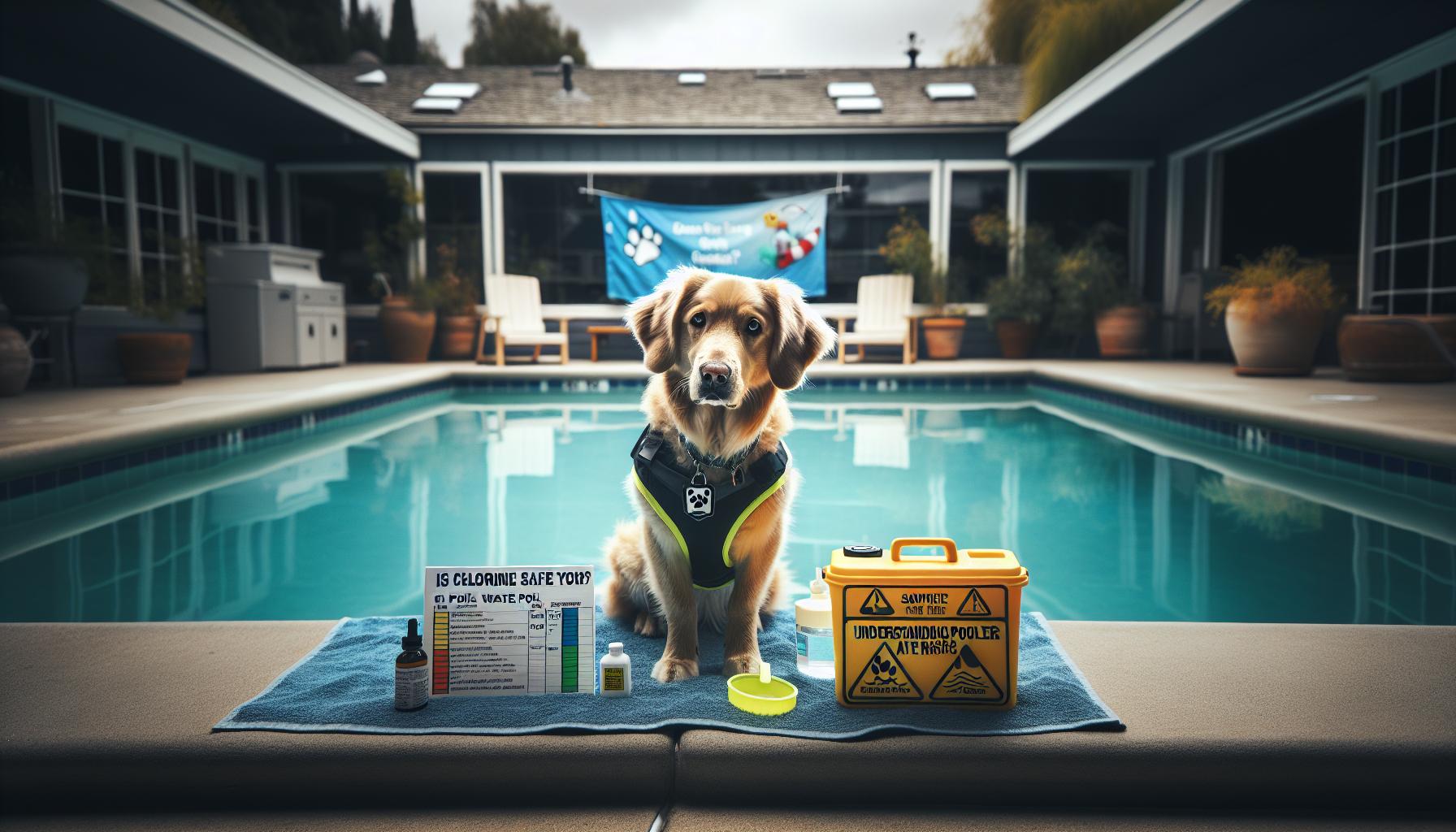
Symptoms of Chlorine Exposure in Dogs
Many dog owners are often surprised to discover that their furry companions can experience adverse effects from swimming in chlorinated pools. Just like humans, dogs can react negatively to chlorine, which is commonly used to keep pool water free from harmful bacteria. Recognizing the symptoms of chlorine exposure is crucial for any dog parent who wants to ensure their pup enjoys summer days splashing around while staying safe and healthy.
One of the most obvious signs of chlorine exposure is irritation around the eyes, nose, and skin. If you notice redness or watering in your dog’s eyes, or if they seem to be frequently pawing at their face, this could indicate a reaction to chlorine. Additionally, dogs may exhibit symptoms like excessive licking of their paws or body, signaling discomfort or itchiness. Chlorine can strip away the natural oils that protect your dog’s skin, leading to dryness and potential infections, especially in breeds that already have sensitive skin.
Moreover, respiratory issues can arise, particularly for dogs who are allergic or have pre-existing conditions. Signs to watch for include coughing, sneezing, or labored breathing, which may indicate that chlorine is affecting their respiratory system. This is especially concerning for brachycephalic breeds such as Bulldogs and Pugs, who may already face challenges with breathing due to their facial structure. If your dog appears lethargic or lacks their usual enthusiasm after pool time, it may also be a sign that they’re feeling unwell due to chlorine exposure.
Keeping a close watch for these symptoms can help you take prompt action. If you see any of these signs, it’s important to rinse your dog off thoroughly with fresh water to remove chlorine residue. Monitoring your pet’s behavior and health after swimming can help you create a safe environment for them to enjoy while minimizing any potential health risks. By being proactive, you can help ensure your dog enjoys all the fun of summer without the harmful effects of pool chemicals.
Breeds Most Affected by Pool Chemicals
Many dog owners may not realize that certain breeds are more susceptible to the adverse effects of chlorine and other pool chemicals. Factors such as skin sensitivity, nasal structure, and existing health conditions can affect how a dog reacts to chlorine exposure. Understanding these breed-specific risks can help pet parents take proactive measures to protect their furry friends during pool playtime.
Breeds with sensitive skin, like Bulldogs, Boxers, and Shih Tzus, are particularly at risk. Their skin can easily become irritated from chlorine, leading to dryness, redness, and infections. Bulldogs, especially, face challenges with their skin folds, which can trap moisture and chlorine, increasing the potential for rashes and irritation. Regular rinsing with fresh water after pool dips and applying a recommended canine moisturizer can help minimize these skin issues.
Additionally, brachycephalic breeds-dogs with short noses and flat faces, such as Pugs and French Bulldogs-are more vulnerable to respiratory problems when exposed to chlorinated water. The inhalation of chlorine vapors or water can exacerbate breathing difficulties, making it crucial for owners to monitor for symptoms like wheezing or coughing after swims. Providing them with a safe and less chlorinated environment can ensure they enjoy pool time without compromising their health.
Moreover, dogs prone to allergies, including breeds like Cocker Spaniels and Golden Retrievers, may experience allergic reactions to pool chemicals. Symptoms can range from skin irritation to gastrointestinal distress. Pet owners should be vigilant in observing any unusual behaviors post-swimming and consult a veterinarian if they suspect an allergic reaction. Keeping an eye on such breed-specific issues can ensure a fun and safe swimming experience for your dog while minimizing the risks associated with pool chemicals.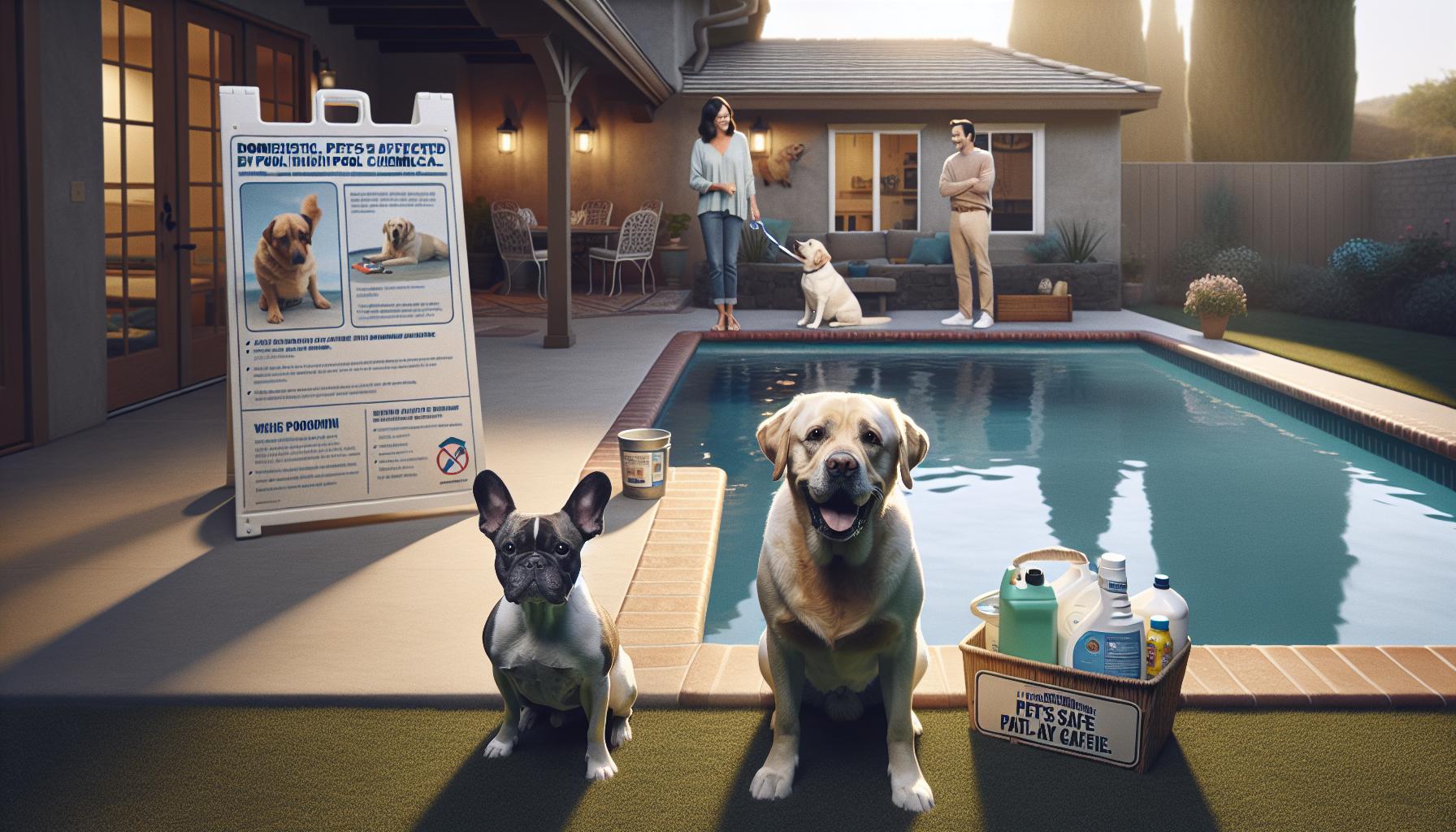
Tips for Protecting Your Dog from Pool Water
Imagine the joy on your dog’s face as they leap into the pool, splashing water in every direction. But while swimming can be a fantastic way for dogs to cool off and have fun, it’s essential to be aware of the potential risks that pool water, especially chlorinated water, can pose to their health. By taking some proactive measures, you can ensure that their pool adventures remain safe and enjoyable.
One effective way to protect your dog from chlorine exposure is to rinse them with fresh water immediately after swimming. This simple step helps wash away any chlorine that may linger on their skin or fur, reducing the risk of irritation or allergic reactions. Consider keeping a designated dog towel by the pool to dry them off and minimize post-swim mess indoors. Additionally, using a pet-safe leaving conditioner can help soothe sensitive skin and maintain its moisture balance.
Monitoring for symptoms is also crucial. After pool time, watch for signs of discomfort such as excessive scratching, sneezing, or coughing. If your dog exhibits these behaviors, consulting your veterinarian is a good idea. For breeds prone to skin sensitivities, like Bulldogs and Shih Tzus, keeping a close eye on their skin condition is important. Applying a gentle, vet-recommended moisturizer post-swim can help combat any signs of dryness or irritation.
Finally, creating a calm, chlorine-free environment may enhance your pup’s swimming experience. If possible, consider setting up a kiddie pool with fresh water for them to splash in without the risks associated with chlorine. This will not only allow your dog to stay cool during hot days but also provide peace of mind while they enjoy their playtime. Making these adjustments can lead to many happy, healthy swimming sessions while keeping your furry friend safe from the potential negative effects of pool water.
Signs Your Dog Needs Immediate Attention
After a delightful day of splashing in the pool, it’s crucial to be vigilant about your dog’s health and well-being. Although many dogs love the water, exposure to chlorinated pool water can lead to troubling symptoms. Knowing when to be concerned can make all the difference in ensuring your furry friend stays safe and healthy.
Watch for immediate signs that might indicate your dog is having a negative reaction to pool water. If your dog appears lethargic or is unusually quiet after swimming, it could be a red flag. Other concerning symptoms include:
- Vomiting or diarrhea: This could signal ingested chlorine or other irritants.
- Excessive drooling or coughing: These symptoms may indicate respiratory irritation or distress.
- Skin reactions: Look for redness, swelling, or excessive scratching, which may suggest allergic reactions or irritation.
- Difficulty breathing: If your dog is struggling for air or its tongue is turning blue, seek emergency help immediately.
Certain breeds, like Bulldogs or Brachycephalic dogs, are more susceptible to respiratory issues due to their shorter snouts and may require extra attention after swimming. As a proactive measure, keep a watchful eye on all dogs, but be particularly vigilant with those known for skin or respiratory sensitivities.
If you notice any of these troubling signs, don’t hesitate to contact your veterinarian. Quick action can lead to better outcomes, ensuring your dog can enjoy pool playtime safely. Preparing yourself for the possibility of a reaction and knowing how to respond can turn a fun day into a safe experience, giving you peace of mind every time your pup takes a leap into the water.
Alternatives to Chlorinated Pools for Dogs
Many dog owners find joy in watching their pets splash around in the pool, but concerns over chlorine and its effects on canine health can make pet parents hesitant. Thankfully, there are safe and enjoyable alternatives to traditional pools that can keep your furry friends happy and healthy while providing them with a refreshing way to cool off.
One popular option is saltwater pools. Unlike chlorinated pools, saltwater systems use salt to produce chlorine, which can be gentler on your dog’s skin and eyes. The lower levels of chlorine in these pools often lead to less irritation for dogs that might be sensitive to the harshness of traditional pool chemicals. Saltwater pools offer a softer swimming experience while still keeping water clean and safe for both dogs and humans.
Another fantastic alternative to consider is natural swimming pools. These pools utilize plants and bio-filters instead of harsh chemicals, creating a more eco-friendly environment. The presence of aquatic plants not only helps filter the water but also allows for a beautiful, backyard oasis where your dog can enjoy swimming and playing. This option mimics a natural pond and provides a unique, chemical-free experience that many dogs love.
If you’re looking for something even simpler, inflatable or kiddie pools can be a great investment. These are easy to set up and store, making them perfect for a quick dip on a hot day. Fill them with fresh water, and let your dog enjoy splashing around without the risks associated with chlorinated water. You can even set up designated splash play areas in your yard using sprinklers or water hoses for a fun and safe water play environment.
When exploring these alternatives, always ensure your dog is properly supervised and has fun while staying hydrated. Incorporating a cooling spot in the shade and having fresh water available nearby will help keep your pup comfortable during water play. By choosing one of these chlorine-free options, you can create enjoyable summer memories with your dog while promoting their health and well-being.
Hydration and Cooling Tips for Pool Playtime
As summer heats up, many of us look forward to splashing around in the pool, but it’s vital to ensure our furry friends stay cool and hydrated too. Dogs can easily overheat when they’re playing in the sun, especially around chlorinated water, which may pose certain health risks. Keeping your pup properly hydrated is crucial for their well-being during aquatic fun, so here are some effective tips to make their poolside experience safe and enjoyable.
First and foremost, always provide ample fresh water for your dog to drink. Having a couple of water bowls around the pool area, filled with clean water, ensures that your dog stays hydrated, especially if they’re expending energy playing or swimming. To encourage drinking, consider adding ice cubes to the water or keeping it in a specialized dog water bottle that can be easily accessed during playtime. Make it a habit to pause play sessions periodically so your dog can rehydrate and rest in the shade.
Creating cool-down spots is also essential. Designate an area near the pool filled with shade, where your dog can escape from the heat. This shelter can be as simple as a large umbrella, a pop-up tent, or even a natural shade from a tree. If possible, place a cooling mat in that area for extra comfort. If your dog enjoys lounging, this gives them a cozy place where they can relax and recuperate between swimming sessions.
In addition, always pay attention to your dog’s behavior while swimming. If they seem overly tired or are panting excessively, it’s a sign they may need a break. Offering treats or engaging them in a gentle game of fetch on land can redirect their energy and keep them from getting too worn out. Pairing these stints with hydration breaks ensures your dog remains energized and healthy while enjoying the pool.
Ultimately, enjoying pool playtime with your dog requires being proactive about hydration and cooling measures. By incorporating these strategies, you not only enhance your dog’s swimming experience but also ensure their safety and health throughout the summer months.
Best Practices for Pool Safety with Dogs
When it comes to enjoying summer fun by the pool, ensuring the safety of your canine companion is paramount. Dogs can be just as excited about splashing around as we are, but it’s essential to keep in mind that they have different needs and sensitivities, especially concerning pool chemicals like chlorine. Establishing safe practices can help make pool time enjoyable and safe for your dog.
One of the first steps in creating a safe swimming experience is to assess your pool environment. Incorporate designated areas where your dog can relax away from the water, preferably shaded and with comfortable bedding. Having a cool, accessible spot allows your pup to take breaks from the sun and reduces their exposure to chlorine. Additionally, ensure that any pool cover is securely locked and that the pool area is fenced to prevent unsupervised access when you’re not around.
Pay close attention to the behavior of your dog while they’re near the water. Dogs that show signs of fatigue, excessive panting, or even skin irritation may be experiencing an adverse reaction to pool chemicals. It’s vital to regularly check your dog for signs of distress, such as red or watery eyes and excessive scratching. These symptoms could indicate chlorine exposure, so keep a watchful eye on their behavior and reactions.
Hydration is another crucial factor. Always provide your dog with plenty of fresh water to drink, especially if they’re playing energetically around the pool. Encouraging frequent water breaks helps combat dehydration and minimizes their likelihood of ingesting pool water. You might even consider using a portable pet water bottle or bowls filled with ice cubes to make hydration more appealing during playtime.
To further enhance safety, start training sessions that focus on pool etiquette for your dog. Teaching them commands such as “come,” “stay,” or “leave it” can be invaluable when near the water. Utilize short, rewarding training sessions to instill these commands, and be sure to positively reinforce good behavior. This not only fosters a safer environment but also strengthens the bond between you and your pet, making interaction by the pool a delightful experience for both!
In summary, ensuring pool safety for dogs involves creating a secure environment, monitoring their behavior, providing hydration, and incorporating basic training. These strategies will help your dog enjoy the refreshing water while minimizing the risks associated with chlorine and other pool chemicals. As always, keeping an eye on your furry friend will make for a safe and happy summer!
How to Train Your Dog for Safe Pool Fun
Training your dog for a safe and enjoyable time around the pool is not just fun but essential for their health and safety, especially when considering the potential impacts of chlorine and other pool chemicals. Dogs, like children, are naturally curious and may need supervision and guidance to navigate their environment responsibly. Here are some actionable steps to ensure that your furry friend can splash around safely while staying healthy.
Start by introducing your dog to the pool area gradually. Encourage exploration while keeping a close eye on their reactions. Use positive reinforcement, like treats and praise, to reward calm behavior. For instance, you could reward them for sitting calmly by the pool edge or exploring nearby shaded areas. Gradually increase their exposure to water while ensuring they’re comfortable with the environment. For dogs that are hesitant or fearful of water, use their favorite toys to entice them closer to the pool, making the experience positive.
Important Commands for Pool Safety
Teaching your dog essential commands can significantly enhance safety around the pool. Here are a few commands to focus on:
- Come: This command ensures that your dog returns to you when called, especially useful if they wander too close to the water.
- Leave it: This is critical if your dog shows interest in objects or substances they shouldn’t have, which can include floating debris or pool chemicals.
- Stay: Teaching your dog to stay put while you manage the pool environment can help prevent accidents.
Start training in a quiet environment to reinforce these commands, then gradually introduce them near the pool. Short bursts of training with plenty of rewards maintain your dog’s interest and promote positive associations with being near water.
Breed-Specific Considerations
Different breeds may have varied levels of comfort with water. For example, retrievers generally take to water more easily, while Bulldogs may be less buoyant and more prone to fatigue. Recognizing these tendencies will help you tailor your training approach. Here’s a quick overview of how some popular breeds might respond around the pool:
| Breed | Water Behavior | Training Tips |
|---|---|---|
| Golden Retriever | Strong swimmers | Focus on commands and retrieving games in shallow water. |
| Bichon Frise | Generally enjoys water but can get cold easily | Introduce gradual exposure and ensure warm-up areas. |
| Bulldog | Less buoyant, may struggle | Limit water time and focus on safety commands. |
A highlight of your training sessions should be incorporating water play without overexposing your dog to chlorine. Introduce them to fresh water play sessions with hoses or sprinklers, so they associate water with fun without the risks associated with pool chemicals.
In summary, with the right training and preparation, your dog can enjoy the pool safely while you both make lasting summer memories. Regular supervision, positive reinforcement, and understanding your dog’s unique needs are the keys to safeguarding their health and ensuring a fun pool experience for everyone.
Understanding Dog Allergies to Pool Chemicals
Many dog owners might not realize that their furry friends can develop sensitivities or allergies to the chemicals commonly found in pool water, particularly chlorine. While our dogs are perfectly happy to splash around on a hot day, they are also susceptible to skin irritations and respiratory issues that could arise from prolonged exposure to chlorinated water. Understanding these allergic reactions is crucial in ensuring a safe and enjoyable experience for your pet in and around the pool.
When dogs come into contact with chlorine, they may exhibit various symptoms, such as itchy skin, rashes, and discomfort in their eyes and nose. Regularly bathing your dog after a swim can help remove chlorine residue and soothe irritated skin. Keep an eye out for signs of distress, like excessive scratching, pawing at their face, or unusual sneezing, which could indicate a sensitivity. Just like people, dogs with pre-existing skin conditions or respiratory issues may be more vulnerable to pool chemical reactions, making them prime candidates for testing alternative water options.
To best protect your dog from potential allergies or sensitivities, consider creating a safe swimming area without harsh chemicals, such as using saltwater pools or chemical-free water systems. These alternatives can significantly reduce the risk of allergic reactions while still providing your dog with a fun swimming experience. Additionally, observe your dog’s behavior closely during and after their time in the pool, as some breeds, especially those with sensitive skin like Bulldogs and Bichon Frises, may require extra precautions. Incorporating gentle shampoo designed for dogs can soothe any irritation and keep their coat healthy and clean.
In summary, a proactive approach to monitoring your dog’s reactions to pool chemicals is essential. By understanding the signs of allergies and implementing alternative swimming options, you can ensure a positive and enjoyable experience for your pup while still making summertime memories together.
Veterinary Insights: Health Consequences of Pool Water
Did you know that dogs can experience serious health issues from enjoying the pool, primarily due to chlorine and other chemicals in the water? As beloved family members, our furry friends rely on us to keep them safe, and that includes being mindful of the potential health consequences associated with swimming in chlorinated water. While many dogs love to play and cool off in the pool, it’s crucial to understand how exposure to these substances can impact their health.
Regular exposure to pool water containing chlorine can lead to a variety of health concerns in dogs, particularly affecting their skin and respiratory systems. Symptoms may range from minor irritations like itchy skin and rashes to more severe conditions such as coughing, difficulty breathing, and in extreme cases, chemical burns. Dogs with existing health issues, especially those related to skin or breathing, are particularly at risk and should be monitored closely during and after swim sessions. Furthermore, some dogs might ingest chlorinated water while swimming, leading to gastrointestinal disturbances, which can be distressing and potentially dangerous.
Veterinary insights recommend that all dog owners implement preventive measures to mitigate these risks. After a day of swimming, it’s advisable to rinse your dog thoroughly with fresh water, helping to remove any lingering chemicals from their fur and skin. Additionally, using specially formulated pet shampoos can aid in soothing any irritated areas. Creating a safe swimming environment is also essential; this could mean investing in a saltwater pool or finding chemical-free options that are more gentle on your dog’s skin and eyes.
Finally, pay close attention to the signs your dog might exhibit after swimming. These can include excessive scratching, licking, or any signs of discomfort. Regular communication with your veterinarian can provide personalized guidance based on your dog’s specific health history and needs. Keeping these considerations in mind will ensure that pool time remains a joyful and safe experience for your furry companion.
Real-Life Experiences: Dog Owners Share Their Stories
Many dog owners have stories that highlight the hidden risks associated with pool swimming, particularly regarding chlorine exposure. Take the case of Sarah and her Golden Retriever, Max. After a fun summer day spent splashing around in the pool, Sarah noticed that Max began scratching incessantly. Initially dismissing it as harmless, she soon learned from her vet that chlorine can irritate a dog’s skin, leading to rashes and infections. After following her veterinarian’s advice to rinse Max off after swimming and use a dog-safe calming shampoo, his condition improved significantly. Such experiences underline the importance of proactive care after pool time, ensuring dogs don’t suffer from lingering chemicals.
In another instance, Tom, a proud owner of a Labrador, encountered a more severe consequence. After several hours of swimming and subsequently ingesting chlorinated water, his dog, Bella, displayed signs of distress later that evening. She had gastrointestinal upset, which was attributed to the chemicals in the pool. Tom learned the hard way that while it’s essential to let dogs enjoy a good swim, monitoring their water intake is crucial. To prevent similar challenges in the future, he now brings fresh, clean water for Bella to drink, encouraging her to stay hydrated without relying on the pool.
For those considering introducing their dogs to chlorinated pools, it’s wise to connect with fellow dog owners or online communities to share experiences. Many advocate for a “cool-down” period, suggesting that dogs swim for shorter bursts, never exceeding 30 minutes. This helps reduce exposure to chlorine and gives owners a chance to monitor their pets for any adverse reactions. Additionally, opting for dog-friendly pool alternatives, such as saltwater pools or specially designed dog pools, can significantly diminish health risks-something many owners have begun to appreciate.
Ultimately, these real-life stories resonate with the collective goal of keeping our furry friends healthy and happy. By sharing experiences and practical tips, we learn to navigate the joys of swimming while being vigilant about chlorine’s health impacts. Whether buying protective gear or sticking to short swim sessions, every precaution counts in ensuring safe and enjoyable pool play for our dogs.
FAQ
Q: How does chlorine in pool water affect dogs?
A: Chlorine can irritate a dog’s skin, eyes, and respiratory system. Prolonged exposure may lead to more serious health concerns, such as allergies or chemical burns. Always rinse your dog after swimming and monitor for any signs of discomfort or unusual behavior to mitigate these risks.
Q: Can dogs get sick from drinking pool water?
A: Yes, drinking pool water can make dogs sick. Chlorinated water can upset their stomachs and lead to gastrointestinal issues. Ensure your dog drinks fresh water before and after swimming to minimize their intake of chlorinated pool water.
Q: What are the signs of chlorine toxicity in dogs?
A: Signs of chlorine toxicity include vomiting, diarrhea, excessive drooling, difficulty breathing, or lethargy. If you notice these symptoms after your dog has been in a pool, contact a veterinarian immediately for guidance and treatment.
Q: Are certain dog breeds more sensitive to chlorine?
A: Yes, breeds with sensitive skin or respiratory issues, like Bulldogs or Pugs, may be more susceptible to the adverse effects of chlorine. It’s essential to monitor these breeds closely when they swim in chlorinated pools to avoid potential health issues.
Q: How can I protect my dog from chlorine exposure at the pool?
A: To protect your dog from chlorine, limit their swimming time, provide fresh water frequently, and rinse them off after swimming. Additionally, consider using pool covers or pet-friendly alternatives to reduce chlorine levels in the water they access.
Q: Is there a safe alternative to chlorine for pools that dogs can use?
A: Yes, saltwater pools or mineral-based systems are often safer alternatives for dogs. These options provide a more natural swimming environment with lower chemical levels, reducing the risk of irritation and health issues for your pet.
Q: What should I do if my dog has a chlorine-related skin reaction?
A: If your dog experiences a skin reaction from chlorine, rinse the affected area with clean, fresh water to remove any chemical residues. Apply a pet-safe topical treatment if needed, and consult your veterinarian for further advice and management.
Q: How can I train my dog to swim safely in a pool?
A: To train your dog for safe pool swimming, start by introducing them gradually to the water. Use positive reinforcement, such as treats and praise, to encourage them to enter the pool. Always supervise swimming sessions, and consider using a life vest for safety.
Engaging thoroughly with these questions will help dog owners make informed decisions regarding their pets’ health and safety around pools. For more detailed guidance, refer to sections on symptoms of chlorine exposure and tips for pool safety in your main article.
To Conclude
As we’ve explored, while chlorine in pool water can pose potential risks to your dog’s health, being informed and proactive can significantly mitigate these concerns. Remember to keep a watchful eye on your furry friend and opt for pet-friendly alternatives when possible. Don’t wait-act now to ensure your pup enjoys the summer safely!
If you’re looking for more insights, check out our articles on the best dog breeds for water activities or essential tips for keeping your dog hydrated. Have questions or experiences with pool safety for pets? We invite you to share in the comments below-we’d love to hear from you! For ongoing tips and updates, don’t forget to subscribe to our newsletter or explore our resource section for additional care guides. Your dog’s health and happiness are our priorities!