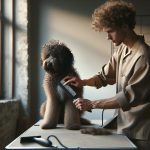
Finding a reputable breeder for a Toy Poodle is crucial for ensuring you welcome a happy, healthy companion into your home. These adorable dogs are known for their intelligence, playful energy, and hypoallergenic qualities, making them a popular choice for families and individuals alike. However, the journey to bringing one home can be overwhelming, especially with the many options available. It’s essential to navigate through this process carefully, understanding how to identify trustworthy breeders and what to expect in terms of care and nurture for your new furry friend. In this guide, we’ll explore key considerations for finding a responsible Toy Poodle breeder, share tips on what questions to ask, and provide support for new owners eager to embark on this rewarding journey. You’ll discover that with the right knowledge and approach, finding your perfect Toy Poodle can be an exciting and fulfilling experience!
Where to Start Your Toy Poodle Search
When searching for a Toy Poodle, the journey can be as exciting as it is daunting. One crucial first step is to research reputable breeders. Finding a trustworthy source is essential, as this can influence your future puppy’s health and temperament. Start by exploring local dog shows, breed clubs, and online breed-specific forums where passionate and knowledgeable enthusiasts share their experiences and recommendations. This groundwork not only sets the stage for finding a breeder but also helps you connect with a community of fellow Toy Poodle lovers.
Once you have a list of potential breeders, verify their credentials. A responsible breeder will prioritize the health and well-being of their puppies, often displaying certifications from recognized breed organizations and following best practices in breeding. Look for breeders who are proactive about health testing their breeding dogs for common genetic issues associated with Toy Poodles, such as hip dysplasia and progressive retinal atrophy. Referrals from veterinarians or established Poodle clubs can enhance your confidence in a breeder’s reputation.
It’s also vital to engage with breeders directly. Don’t hesitate to ask questions about their breeding practices, the puppies’ early socialization, and their experience with the breed. A responsible breeder will be more than willing to answer your questions and may even provide references from previous puppy owners. Remember, this is not just a transaction; it’s about ensuring you find a healthy puppy that fits into your family.
Lastly, consider adopting from rescue organizations specializing in Poodles. While this may not be the traditional route for finding a puppy, it’s worth exploring, as many adorable Toy Poodles in need of homes can be found through these channels. Whether you choose to adopt or buy, being informed and thoughtful in your approach will lead to a more fulfilling experience for both you and your new furry friend.
Understanding Toy Poodle Traits and Characteristics
One of the most appealing aspects of Toy Poodles is their intelligence and playful nature, making them one of the most beloved breeds among small dog enthusiasts. These little companions are known for their vibrant personalities and their remarkable ability to learn tricks and commands quickly. Did you know that Toy Poodles are often ranked as one of the most intelligent dog breeds? This innate intelligence means they thrive on mental stimulation and can entertain themselves with simple puzzles or training exercises. It’s essential to keep their minds engaged; otherwise, they may resort to mischievous behaviors.
Toy Poodles are also incredibly versatile and can fit into both active and relaxed lifestyles. Their size makes them perfect for apartment living, yet they still require daily exercise and mental enrichment. Daily walks, interactive play sessions, and opportunities for socialization are vital to keeping your Toy Poodle happy and well-adjusted. They typically enjoy activities that involve interaction, whether it’s playing fetch or participating in agility training. Furthermore, they are social creatures who bond closely with their families, making them wonderful companions for individuals, couples, and families alike.
In terms of appearance, Toy Poodles are small and elegant dogs, typically weighing between 4 to 6 pounds and standing around 10 inches tall. They have a distinctive curly coat which comes in a variety of colors, including white, black, apricot, and gray. Regular grooming is necessary to maintain their signature look and prevent matting. This grooming not only keeps them looking their best but also serves as an excellent opportunity to check for any skin issues or parasites.
Ultimately, understanding these key traits and characteristics of Toy Poodles will help you ascertain whether this breed is a good fit for your lifestyle. Their intelligence, affectionate nature, and need for regular activity are important considerations as you embark on your journey of finding a reputable breeder and welcoming a new furry family member into your home.
Finding Reputable Toy Poodle Breeders
When it comes to welcoming a Toy Poodle into your family, finding a reputable breeder is crucial. Not only does a responsible breeder prioritize the health and well-being of their dogs, but they also provide valuable support and guidance throughout your pet’s life. A seasoned breeder will have a deep understanding of the breed’s traits, health considerations, and requirements, ensuring you start this new chapter on the right foot.
Begin your search by seeking recommendations from trusted sources such as veterinarians, dog trainers, or reputable breed organizations. These references often lead to breeders who have demonstrated a commitment to ethical practices. Furthermore, attending dog shows or local dog clubs can connect you with knowledgeable individuals who can guide you toward reputable breeders. Remember, genuine breeders are often transparent about their breeding practices and are more than happy to share their insights with potential puppy parents.
Once you have a list of potential breeders, it’s time to dig deeper. Schedule visits to their facilities to observe the living conditions of their dogs and puppies. Reputable breeders maintain clean environments and offer socialization opportunities for their puppies with enough space to play and explore. During your visit, take note of the interactions between the breeder and the dogs; a healthy, nurturing relationship is a good sign of a responsible breeder.
Keep in mind that a reputable breeder will provide health clearances for the puppy’s parents, demonstrating their efforts to reduce genetic health issues in the breed. Additionally, they should be willing to answer your questions about care, training, and the breed’s characteristics thoroughly. It’s also wise to ask about their breeding philosophy and what they do to screen for common health issues in Toy Poodles, ensuring you’re getting a puppy that has the best start in life.
By following these steps and remaining diligent in your search, you’ll increase your chances of finding a loving, healthy Toy Poodle that will be a delightful addition to your home. Your new companion will not only bring joy and companionship but will also be a product of responsible breeding practices, setting the foundation for a healthy life together.
Evaluating Breeder Credentials and Practices
Finding a Toy Poodle can be an exhilarating journey, but it’s essential to ensure you’re working with reputable breeders who prioritize the health and well-being of their dogs. The right breeder will not only provide you with a healthy puppy but also serve as a valuable resource as you navigate the early days of dog ownership. It’s crucial to assess breeders by examining their credentials, practices, and overall philosophy regarding canine care and breeding.
To start, look for breeders who are members of recognized breed organizations, such as the American Kennel Club (AKC) or the Poodle Club of America. Membership in these organizations often requires adherence to ethical breeding standards, which can give you confidence in their practices. Additionally, you should ask about their experience with Toy Poodles and how many generations they have bred. A well-established breeder typically has a thorough understanding of breed characteristics and common health issues, ensuring that they make informed decisions during mating.
During your visit to the breeder’s facility, pay close attention to the environment where the puppies are raised. A reputable breeder maintains a clean, safe, and stimulating atmosphere for their dogs. The puppies should have ample space to play, socialize, and develop critical life skills. Observe how the breeder interacts with the dogs and puppies; a good breeder will have a nurturing relationship with them and prioritize their socialization. Open communication is also a hallmark of a responsible breeder. They should welcome your questions about breeding practices, health screenings, and the lineage of the puppies, shedding light on their informed commitment to the breed.
Assessing health practices is vital in evaluating breeder credentials. Inquire about the health clearances for the puppy’s parents, specifically testing for conditions prevalent in Toy Poodles like hip dysplasia, progressive retinal atrophy, and other genetic disorders. A conscientious breeder will willingly provide this documentation upfront and explain how they minimize health risks in their breeding program. This level of transparency is not just good practice; it reflects a dedication to producing healthy puppies who can thrive in their new homes.
By thoroughly , you’ll be better equipped to find a Toy Poodle who will bring joy to your life. Taking the time to research and connect with responsible breeders ensures that your new furry friend is a product of ethical breeding, setting the stage for a long and healthy companionship.
Questions to Ask Breeders Before Buying
Finding the right Toy Poodle involves more than just falling in love with an adorable puppy. It’s essential to ask the right questions to ensure your future furry friend is healthy and comes from a reputable breeder. As you prepare for your visit or conversation, consider using the following questions to guide your evaluation.
- What health tests have been conducted on the parents? Inquire specifically about screenings for common Toy Poodle health issues, such as hip dysplasia and progressive retinal atrophy. A responsible breeder will provide documentation and discuss the steps taken to ensure the health of their breeding dogs.
- Can I meet the puppy’s parents? Meeting the puppy’s mother (and possibly the father) can give you insight into their temperament and health. This interaction provides an opportunity to observe the quality of care and living conditions the breeding dogs are accustomed to.
- What socialization experiences have the puppies had? Since early socialization is crucial for Toy Poodles, ask about how the puppies are exposed to various sounds, people, and environments. A well-socialized puppy is generally more adaptable and easier to train.
- What is your experience with this breed? Understanding the breeder’s background and familiarity with Toy Poodles can highlight their level of commitment and expertise. A seasoned breeder will be knowledgeable about the breed’s quirks, care needs, and personality traits.
- Do you offer any guarantees or contracts? A reputable breeder typically provides a written guarantee regarding health and temperament. This agreement not only protects you but also reflects the breeder’s confidence in their breeding program.
- What kind of support do you offer after the sale? A good breeder will be more than willing to offer ongoing advice and resources as you embark on dog ownership. This support can be invaluable, especially for first-time dog owners.
- Can you provide references from previous puppy buyers? Speaking with others who have purchased from the breeder can provide insights into their experiences and the long-term health of their puppies.
Being thorough in your questioning can help ensure that you choose a responsible breeder who prioritizes the health and well-being of their dogs. This proactive approach sets the stage for a successful and happy experience as you welcome a Toy Poodle into your family. Remember, your puppy’s health and temperament are greatly influenced by their breeding environment and the care they receive during the early weeks of their life!
The Importance of Health Testing in Breeding
When considering bringing a Toy Poodle into your life, one of the most critical factors is the health of your future furry friend. Responsible breeding practices include rigorous health testing, which is essential to minimize the risk of genetic disorders that can significantly impact a dog’s quality of life. Understanding the importance of these health screenings can empower you as a potential owner to make informed choices when selecting a breeder.
Health testing is primarily aimed at detecting hereditary conditions that are common in Toy Poodles. Renowned issues include hip dysplasia, progressive retinal atrophy, and patellar luxation, among others. Breeding from healthy parents who have passed these tests reduces the likelihood of these conditions manifesting in offspring, which can save potential owners from heartbreak and large veterinary bills down the line. A breeder who prioritizes health testing will not only conduct tests on the parent dogs but also provide prospective buyers with transparent results. This transparency builds trust and ensures that the breeder is genuinely invested in the health and well-being of the puppies.
Moreover, reputable breeders will often discuss their breeding practices with you enthusiastically, emphasizing the steps they take to ensure their animals are healthy. This might include information about their commitment to only breeding from dogs with favorable test results, and their ongoing plans to monitor the health of the puppies over time. By engaging in this conversation, you not only gain insights into the breeder’s practices but also demonstrate that you are a responsible buyer, ready to provide a loving home for a healthy dog.
In choosing a Toy Poodle, prioritizing health testing is a proactive step toward securing a loving, long-term companion. Being armed with knowledge about a breeder’s commitment to health can lead to a happier, healthier relationship with your new pet. Remember, a Toy Poodle that starts life in a responsible breeding environment will set the tone for a fulfilling companionship, filled with joy and adventure ahead!
Comparing Toy Poodles with Other Small Breeds
When considering a Toy Poodle as your next companion, it’s important to understand how they stack up against other small breeds. This breed not only holds a unique charm but also embodies characteristics that might appeal to different types of dog owners. They are often praised for their intelligence and adaptability, which make them suitable for various living situations, whether you reside in a cozy apartment or a spacious home. Additionally, their affectionate nature and playful spirit can easily brighten your day.
Let’s take a closer look at how Toy Poodles compare to other popular small breeds, such as Chihuahuas and Yorkshire Terriers, in key areas that potential owners often consider:
| Characteristic | Toy Poodle | Chihuahua | Yorkshire Terrier |
|---|---|---|---|
| Size | 4-6 lbs | 2-6 lbs | 4-7 lbs |
| Coat Type | Curl, low-shedding | Short, smooth | Long, silky |
| Energy Level | Moderate | High | High |
| Trainability | Very high | Moderate | Moderate to high |
| Temperament | Affectionate, smart | Alert, bold | Playful, brave |
This table highlights some essential characteristics that may influence your decision. Notably, while the Toy Poodle’s intelligence facilitates easier training, Chihuahuas might display a bit more stubbornness due to their independent spirit. On the other hand, Yorkshire Terriers, while equally adorable, require a bit more grooming due to their long coats compared to the low-shedding fur of Toy Poodles, which could be a consideration for allergy sufferers.
Moreover, if you’re searching for an interactive and versatile small dog, Toy Poodles are incredibly adaptable to various lifestyles. Their moderate energy levels mean they enjoy playtime but also appreciate cuddle sessions on the couch. In contrast, Chihuahuas may need more stimulation and tend to be more vocal, while Yorkshire Terriers might exhibit a bit more boldness and energy.
In making your choice, reflect on how these traits meet your lifestyle and what kind of companionship you desire. Whichever breed you choose, ensuring that you find a responsible breeder can make all the difference in securing a healthy, well-adjusted pet. The joy that your new furry friend brings into your life will be worth every effort you make in the selection process.
Cost Considerations: What to Expect When Buying
When welcoming a Toy Poodle into your life, understanding the financial commitment involved is crucial. These delightful companions come with a price tag that often reflects their breeding quality, lineage, and health guarantees. On average, you can expect to pay anywhere from $1,000 to $3,000 for a Toy Poodle from a reputable breeder. However, prices can vary based on factors such as location, breeder reputation, and the dog’s pedigree. Some breeders may charge higher rates for show-quality dogs or those with exceptional lineage.
While the initial purchase cost is an important factor, it’s also essential to consider long-term expenses associated with owning a Toy Poodle. Among these are routine veterinary care, grooming, high-quality food, and supplies. It’s wise to budget for annual veterinary visits, which can range from $300 to $700, depending on the health and needs of your dog. Grooming is particularly vital for Poodles due to their curly, low-shedding coats and may cost around $50 to $100 every six to eight weeks. Investing in a good grooming routine not only ensures your dog looks great but also promotes better health by preventing matting and skin issues.
Additional costs such as training classes, which are highly recommended for Toy Poodles due to their intelligence and social needs, can range from $100 to $300. Providing a stimulating environment with toys, treats, and activities is also part of the financial responsibility. Therefore, it’s not just the purchase price of your Toy Poodle that counts; it’s the ongoing commitment to their health, happiness, and well-being that will require thoughtful budgeting.
Ultimately, the joy and companionship that a Toy Poodle can bring to your life will more than compensate for their associated costs. By carefully considering your budget and finding a reputable breeder, you will be setting yourself and your new pet up for a rewarding journey together.
Preparing Your Home for a Toy Poodle
Bringing a Toy Poodle into your home is an exciting adventure, and preparing your space is essential for a smooth transition. These adorable little dogs thrive in environments that are safe, stimulating, and comfortable. Start by creating a designated area where your new friend can feel secure. A cozy bed in a quiet corner will provide a retreat where they can rest and recharge. Ensure this space is away from heavy foot traffic but within sight of family activities, so they feel included yet safe.
Safety should be your top priority. Toy Poodles are curious and agile, making them prone to exploring nooks and crannies that might not be safe for a small dog. Make sure to dog-proof your home by removing any hazards such as small objects that could be swallowed, toxic plants, and wires that might entice curious teeth. Use baby gates to block off unsafe areas and keep hazardous materials out of their reach.
Creating a stimulating environment is just as important. Toy Poodles are intelligent and playful, so engaging their minds is crucial. Invest in a variety of toys, such as chew toys, puzzle toys, and interactive games that challenge them and keep them entertained. Rotate the toys regularly to maintain their interest. A small space can be transformed into an enriching environment with the right tools, encouraging your Toy Poodle to flourish.
Lastly, establish a consistent routine. Dogs thrive on predictability, which helps them feel secure in their new home. Set regular feeding, walking, and playtime schedules to create a sense of stability. This will not only help your Toy Poodle acclimate more quickly but also strengthen your bond as you navigate this journey together. Planning ahead and setting the stage for a happy home will ultimately lead to a rewarding experience for both you and your new furry companion.
Essential Supplies for New Toy Poodle Owners
Welcoming a Toy Poodle into your life is a delightful journey filled with love, companionship, and responsibility. These tiny furballs are not just cute; they are intelligent and active, requiring the right supplies to thrive in their new environment. A well-prepared owner understands that investing in essential supplies can significantly enhance the bond between you and your pup while also ensuring their health and happiness.
Start with the basics-food and water bowls. Opt for sturdy, non-slip bowls to prevent mess during mealtime. High-quality dog food formulated specifically for small breeds will meet their nutritional needs, and it’s wise to consult with your veterinarian to choose the right brand. Don’t forget a supply of treats for training and rewarding good behavior; choose ones that are low in calories and made from natural ingredients.
To maintain the splendid coat of your Toy Poodle, grooming tools are paramount. Invest in a detangling comb designed with both long and short stainless steel teeth, which can help gently remove tangles without hurting their sensitive skin. Regular brushing not only prevents matting but also promotes bonding time between you and your dog.
When it comes to safety, consider a high-quality collar and leash, designed for toy breeds. A lightweight, adjustable collar will ensure a comfortable fit, and a sturdy leash is essential for walks and outings. Additionally, a doggy harness can be a great alternative to a collar, providing extra security and comfort.
Creating a cozy and safe sleeping space is crucial as well. A soft, washable dog bed placed in a quiet area of your home will provide your Poodle with a comfortable retreat. Look for beds that are easy to clean since puppies can be prone to accidents. Further, baby gates may be useful to section off areas of the home that are unsafe for curious pups.
Lastly, to stimulate their intelligent minds, consider interactive toys and puzzle feeders. These not only provide entertainment but also help in preventing boredom, which can lead to destructive behavior. Rotate these toys regularly to keep your Poodle engaged and interested.
By gathering these essential supplies, you’ll be well-equipped to provide a nurturing environment for your new Toy Poodle, ensuring they feel loved and secure as they adapt to their new home. Your commitment to their needs will foster a long-lasting and joyful relationship.
Basic Training Tips for Your Toy Poodle
Introducing a Toy Poodle into your home is not just about providing love and companionship; it also involves a commitment to training them effectively to ensure they thrive in your environment. These adorable little pups are renowned for their intelligence and eagerness to please, making them increasingly trainable. However, a great start in basic training sets the foundation for a well-behaved companion. Here are some practical tips to get started.
Firstly, establishing a consistent routine is key. Toy Poodles thrive on predictability, so try to maintain regular feeding, potty, and play times. This will help your puppy understand what to expect throughout the day. Begin with simple commands such as “sit“, “stay“, and “come“. Use positive reinforcement techniques-offering treats, praise, or playtime when they successfully follow a command reinforces their learning. For instance, if your pup sits on command, shower them with affection and a tasty treat immediately, making the connection clear.
Socialization is Essential
Don’t overlook the importance of socialization during your Toy Poodle’s early months. Introduce them to a variety of environments, people, and other dogs to ensure they grow into a well-rounded adult. Take them for walks in different settings, visit dog parks, or arrange playdates with other friendly pets. This exposure will build their confidence and help prevent fear-based behaviors in the future. Remember, a well-socialized dog is typically calmer and more adaptable to new situations.
Consistency and Patience
While Toy Poodles are quick learners, remember that patience is essential. They may not grasp a new command or trick immediately, and that’s okay. If they struggle with something, try breaking it down into smaller steps. Additionally, keep training sessions short-around 5-10 minutes is ideal-to keep your puppy engaged without overwhelming them. Ending each session on a positive note, even if it means going back to a command they know well, helps reinforce a love for learning.
Incorporating toys that challenge them mentally can also aid in their development. Interactive puzzle toys can keep their minds sharp and satisfy their innate curiosity, reducing unwanted behaviors born from boredom. A well-trained Toy Poodle will not only make your life easier but also enhance the bond between you and your furry friend, fostering a loving and engaged relationship. By committing to a clear training regimen, you’re setting the stage for a delightful companionship filled with joy and understanding.
Building a Relationship with Your New Toy Poodle
Building a strong bond with your new Toy Poodle can lead to a fulfilling companionship that enhances both your lives. These charming little dogs are not only intelligent and eager to please, but they also thrive on the affection and attention they receive from their owners. Establishing a relationship built on mutual trust and understanding is beneficial for both the dog and you as an owner.
To start, it’s essential to create a positive environment that encourages interaction. Spend quality time with your Toy Poodle engaging in play, training, and simple daily routines. These routines can include feeding times, leash walks, and even grooming sessions, as Toy Poodles generally appreciate being pampered. Be sure to use positive reinforcement-treats, praise, and gentle petting-whenever your pet displays good behavior. This approach not only helps in training your dog but also fosters a sense of security and love, which is crucial for building trust.
Communication is Key
As with any relationship, effective communication is vital when connecting with your Toy Poodle. Learn to interpret your dog’s body language and vocalizations. For example, a wagging tail might indicate excitement, while a raised hack might suggest they feel threatened. Pay attention to their needs and respond appropriately-offering comfort when they’re anxious or playful interaction when they’re energetic. By recognizing and respecting their feelings, you will reinforce the bond you share.
Lastly, consistency is important for nurturing your relationship. Consistent training methods and routines help provide a structured environment that Toy Poodles need to feel secure. Set aside time each day for one-on-one activities, whether it’s practicing commands or simply cuddling on the couch. This dedicated time emphasizes your commitment to them as family members and helps them to integrate smoothly into your home.
Incorporate fun activities like puzzle toys or agility games to keep your Toy Poodle mentally stimulated. Engaging them both mentally and physically will nurture their natural curiosity and bond you together through shared experiences. The more time and positive energy you invest in your Toy Poodle now, the stronger your relationship will grow, ultimately leading to a harmonious life together filled with joy and companionship.
Frequently Asked Questions
Q: Where can I find reputable Toy Poodle breeders?
A: To find reputable Toy Poodle breeders, start by researching local breed clubs or associations, such as the American Kennel Club (AKC). Checking online platforms like the AKC Marketplace or breed-specific sites can also help locate certified breeders. Always ask for references and visit the facilities to ensure ethical practices.
Q: What should I consider when choosing a Toy Poodle breeder?
A: Consider the breeder’s experience, health testing protocols, and adherence to breed standards. Look for signs of a well-maintained environment and ask about the socialization of the puppies. Additionally, inquire about any health guarantees they provide, ensuring they prioritize the well-being of the breed.
Q: How can I verify if a Toy Poodle breeder is ethical?
A: Verify a Toy Poodle breeder’s ethics by checking their affiliations with recognized breed clubs and their history of breeding practices. A reliable breeder should provide health clearances for parent dogs and be open to answering your questions regarding their breeding methods and puppy care.
Q: What questions should I ask a Toy Poodle breeder?
A: Ask about the parents’ health history, their breeding philosophy, and any relevant certifications. Inquire about the socialization practices for the puppies and what kind of support the breeder provides after the sale. Also, discuss any potential genetic health issues associated with the breed.
Q: When is the best time to buy a Toy Poodle?
A: The best time to buy a Toy Poodle is when you have thoroughly researched breeders and are ready to commit to the responsibilities of dog ownership. Choosing a puppy at around 8-12 weeks old ensures that they have had crucial early socialization and vaccinations.
Q: What are red flags to watch out for in Toy Poodle breeders?
A: Red flags include breeders who avoid questions about health testing, lack transparency about the breeding environment, or have poor living conditions. Additionally, if they push you to buy a puppy quickly or show little regard for the welfare of the dog, consider looking elsewhere.
Q: How do I find Toy Poodle puppies for adoption?
A: For adoption options, explore local animal shelters and rescue organizations that specialize in small breeds. Websites like Petfinder can help locate available Toy Poodles in need of homes. Always consider adopting before buying as it provides a loving home to a dog in need.
Q: What is the average price for a Toy Poodle from a breeder?
A: The average price for a Toy Poodle from a breeder typically ranges from $1,000 to $3,000, depending on factors like location, breeder reputation, and the puppy’s lineage. Be prepared for additional costs, including health checks, vaccinations, and initial supplies.
To Wrap It Up
In your journey to find the perfect Toy Poodle, remember that choosing a reputable breeder is key to ensuring a healthy and happy pup. Don’t hesitate to reach out to the breeders you’ve identified and ask further questions about their practices and the specific needs of the breed. If you’re ready to take the next step, consider checking out our guides on essential Toy Poodle care tips and training strategies to prepare for your new furry friend!
We’d love to hear your thoughts or experiences-feel free to leave a comment below or share this article with fellow dog enthusiasts. For more insights into caring for your future Toy Poodle or exploring other delightful breeds like the Poodle mix options, head over to our comprehensive breed comparison page. Your adventure in dog ownership is just beginning, and we’re excited to support you every step of the way!