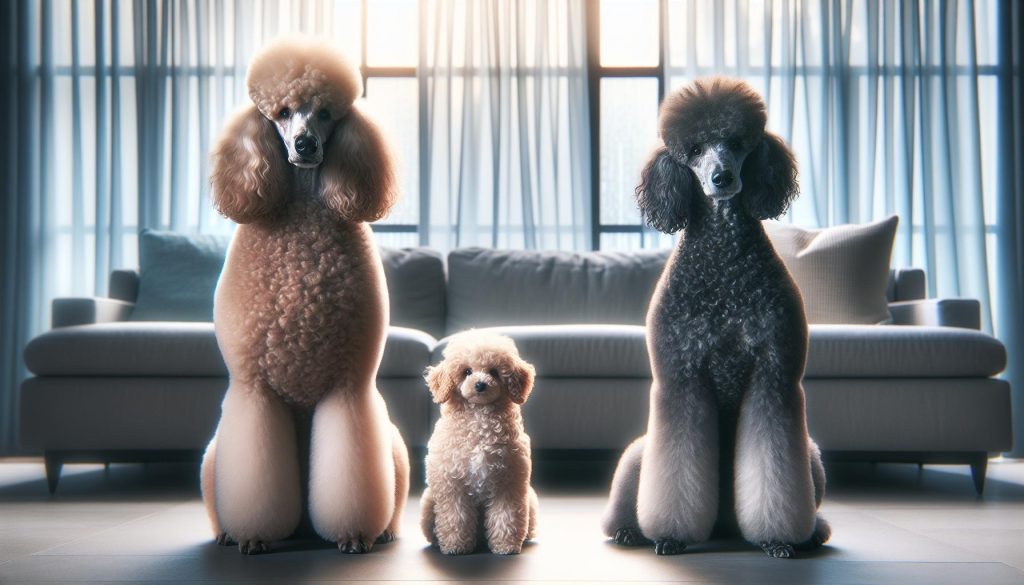
Did you know that poodles come in three distinct sizes, each with its own unique charm and characteristics? Whether you’re considering a Standard, Miniature, or Toy Poodle, understanding these differences is crucial in making an informed decision that fits your lifestyle. Each size offers various benefits, from playful companionship to a perfect fit for small homes, making them an excellent choice for new dog owners and seasoned handlers alike.
In this article, we’ll explore the traits, care needs, and temperaments of Standard, Miniature, and Toy Poodles, helping you find the ideal match for your family. By understanding their unique requirements, you can ensure a harmonious and fulfilling relationship with your new furry friend. Join us on this journey to discover which poodle size will best brighten your life and home!
Understanding Poodle Size Categories: An Overview
Understanding the different size categories of Poodles can greatly enhance your experience as a pet owner, allowing you to make an informed choice that aligns with your lifestyle and home environment. Poodles come in three distinct sizes: Standard, Miniature, and Toy. Each size boasts unique characteristics, behaviors, and care needs, ensuring that there’s a Poodle for everyone, regardless of living situation or energy level.
The Standard Poodle, the largest of the group, stands over 15 inches at the shoulder and typically weighs between 45 to 70 pounds. Known for their intelligence and trainability, Standards excel in various activities, including agility, obedience, and even service roles. Their robust size allows them to engage in vigorous play and exercise, making them ideal for families with active lifestyles or those who enjoy outdoor adventures.
In contrast, the Miniature Poodle ranges from 10 to 15 inches tall and weighs around 15 to 18 pounds. This size is perfect for individuals or families seeking a smaller companion that still retains the Poodle’s playful nature and loyalty. Miniature Poodles are adaptable and often do well in smaller living spaces, provided they receive ample exercise and mental stimulation.
Finally, the Toy Poodle is the smallest, measuring up to 10 inches and weighing between 4 to 10 pounds. Their diminutive size makes them highly portable and a great fit for city dwellers or those with limited space. Despite their small stature, Toy Poodles are spirited and require just as much mental engagement as their larger counterparts; they enjoy playtime and social interaction and can be excellent watchdogs.
Overall, when exploring which Poodle size suits your lifestyle, consider both your living situation and your activity level. Each Poodle size harmonizes differently with family dynamics and individual preferences, so take the time to evaluate what fits best for you and your future furry friend.
Comparing Standard, Miniature, and Toy Poodles
Whether you’re a seasoned Poodle lover or considering one of these beautiful dogs for the first time, understanding the differences among the sizes can significantly enhance your experience. Each Poodle size comes with its own set of charms, personalities, and requirements that cater to various lifestyles.
The Standard Poodle is a majestic breed known for its remarkable intelligence and versatility. With a height exceeding 15 inches and a weight ranging from 45 to 70 pounds, they are often the go-to choice for families seeking a dog that can keep up with outdoor activities. Their strong build makes them suitable for various roles, from service dogs to playful family companions. Standard Poodles typically thrive on regular exercise and mental challenges, making them excellent candidates for agility and obedience competitions.
In contrast, the Miniature Poodle stands between 10 and 15 inches tall and weighs around 15 to 18 pounds, striking a balance between size and energy. This size is an excellent option for those who desire a lively companion without the large space requirements of a Standard. Miniatures are adaptable, often fitting well into urban settings, provided they receive enough daily exercise. Their engaging and affectionate nature can make them a perfect playmate for older children or a delightful buddy for single owners.
The Toy Poodle, at a petite size of up to 10 inches and weighing between 4 to 10 pounds, offers the ultimate in portability and companionship. Despite their small stature, Toy Poodles have a big personality, filled with energy and affection. They make great apartment pets and can thrive in smaller living environments, but they still require regular playtime and socialization. Even tiny, they possess a remarkable alertness, often surprising owners with their guarding instincts.
Here’s a concise overview of key differences among the three Poodle sizes:
| Size | Height | Weight | Aggression Level |
|---|---|---|---|
| Standard | Over 15 inches | 45-70 pounds | Moderate |
| Miniature | 10-15 inches | 15-18 pounds | Moderate |
| Toy | Up to 10 inches | 4-10 pounds | Low |
By understanding the unique aspects of the Standard, Miniature, and Toy Poodles, prospective owners can make informed decisions about which size fits their lifestyle best. Each size offers its own set of joys and responsibilities, so take the time to consider which Poodle will be the perfect addition to your family.
Physical Traits of Each Poodle Size
When it comes to the enchanting world of Poodles, physical traits play a crucial role in defining not just their appearance but also their suitability for various lifestyles. Each size category offers distinct characteristics that can influence an owner’s choice. From the grand stature of the Standard Poodle to the petite frame of the Toy Poodle, these dogs are as diverse in looks as they are in personality.
Starting with the Standard Poodle, these impressive dogs stand over 15 inches tall and usually tip the scales between 45 and 70 pounds. They boast a strong, athletic build that not only lends itself to their graceful movements but also signifies their adaptability to various roles-from family pets to service dogs. Their coat is typically dense and curly, requiring regular grooming to maintain its health and prevent matting. This size is characterized by a broad head, long legs, and an overall elegant posture, making them not just smart but also a stately presence in any home.
Moving to the Miniature Poodle, this size bridges the gap nicely between the Standard and Toy Poodle. Ranging from 10 to 15 inches in height and weighing approximately 15 to 18 pounds, Miniature Poodles are compact yet robust. They have a finer, slightly elongated muzzle and an active demeanor, making them engaging companions. Their coat shares the same luxurious curls found in their larger counterparts, but their smaller size means grooming is a bit more manageable. Miniatures carry a lively spirit, often mirroring the playful nature of both the Standard and Toy Poodles, allowing them to fit seamlessly into various lifestyles.
Finally, the Toy Poodle captures hearts with its tiny stature, usually reaching up to 10 inches and weighing between 4 to 10 pounds. This size doesn’t compromise on personality; rather, they often exhibit a feisty and alert disposition that belies their small frame. With a round face and expressive eyes, Toy Poodles are incredibly charming. Their coat mimics the soft, curly texture of their larger relatives, making them just as glamorous, though they require less overall maintenance due to their size. Ideal for apartment living, these little companions thrive on human interaction and can easily adapt to life in smaller spaces.
Here’s a quick visual comparison of their key physical traits:
| Size | Height | Weight | Body Structure |
|---|---|---|---|
| Standard | Over 15 inches | 45-70 pounds | Strong, athletic build |
| Miniature | 10-15 inches | 15-18 pounds | Compact and robust |
| Toy | Up to 10 inches | 4-10 pounds | Delicate, petite frame |
Understanding these physical traits not only aids potential owners in selecting the right Poodle size for their lifestyle but also fosters an appreciation for the unique attributes each size possesses. Whether you dream of the majestic Standard, the playful Miniature, or the adorable Toy, each Poodle carries its own charm and character, ready to fill homes with joy.
Weight and Height Ranges for Poodles
When considering the delightful diversity of Poodle sizes, understanding their specific weight and height ranges is critical for potential owners. Each variety – Standard, Miniature, and Toy – serves distinct purposes and fits various lifestyles, highlighting the beauty of Poodles’ adaptability.
The Standard Poodle stands tall, measured at over 15 inches in height and typically weighing between 45 to 70 pounds. Their robust and athletic build allows them to participate in a range of activities, from agility courses to service work. With their larger frame, they not only exude elegance but also possess a captivating presence that can fill any space with vitality.
As we transition to the Miniature Poodle, these compact companions range from 10 to 15 inches tall and typically weigh between 15 and 18 pounds. This size offers a perfect balance-it retains the spirited personality characteristic of the breed while being a bit easier to manage for those with limited living space or lower physical demands. Miniature Poodles often have a playful demeanor, mirroring the activity levels of their larger relatives.
In contrast, the Toy Poodle captures hearts with its petite dimensions, reaching up to 10 inches and weighing a mere 4 to 10 pounds. Ideal for apartment living, these tiny Poodles offer a big personality, often embodying a feisty and alert demeanor that endears them to their families. Their small size does not diminish their presence; they can be just as engaging and lively as their larger counterparts, thriving on companionship and interaction.
Here’s a concise comparison of these Poodle sizes, providing a quick reference for potential owners:
| Size | Height | Weight |
|---|---|---|
| Standard | Over 15 inches | 45-70 pounds |
| Miniature | 10-15 inches | 15-18 pounds |
| Toy | Up to 10 inches | 4-10 pounds |
By understanding the weight and height ranges for each Poodle type, prospective owners can make informed choices that best suit their lifestyles and living situations. Whether you are drawn to the majestic Standard, the versatile Miniature, or the charming Toy, rest assured that each Poodle brings its own unique joy and companionship to your life.
Temperament Differences Among Poodle Sizes
When considering bringing a Poodle into your home, understanding the temperament of each size is just as important as knowing their physical characteristics. Each Poodle variety-Standard, Miniature, and Toy-offers a unique personality that reflects their general size and energy levels, contributing to how they will fit into your lifestyle and family dynamics.
Standard Poodles are often described as intelligent and energetic, making them wonderful companions for active individuals or families. Their size can be imposing, but their temperament is typically gentle and friendly. They thrive on mental stimulation and physical exercise, often excelling in agility and obedience training. Their playful nature extends into adulthood, and many enjoy socializing with both humans and other dogs, showcasing their versatility as family pets or working companions.
In contrast, Miniature Poodles strike a balance between energetic playfulness and the ease of handling that comes from a smaller size. Their lively yet adaptable temperament makes them great companions for those living in smaller spaces, such as apartments. They retain the intelligence characteristic of the breed and often bond closely with their owners. Miniature Poodles may be a bit more reserved than their Standard counterparts, especially around strangers, but this adds to their charm as protective family members. Their playful spirit is undeniable, often bringing joy and laughter into the home with their antics.
Toy Poodles, despite their diminutive size, boast vibrant personalities that can fill a room with joy. Known for their affectionate and lively nature, they often seek out human companionship and enjoy being the center of attention. Their small size makes them particularly suited for indoor activities, and they generally adapt well to a quieter lifestyle. While they may have bursts of energy, requiring play and mental engagement, Toy Poodles are also content to snuggle up on the couch. However, their feisty temperament can lead to big dog attitudes, so early socialization and consistent training are essential.
When selecting a Poodle size, it’s crucial to consider not just their physical traits but also their temperamental differences. Each size brings its unique blend of activity level, affection, and adaptability that can impact your lifestyle. Here’s a summary of key temperament traits among the Poodle sizes:
| Size | Temperament Traits | Best For |
|---|---|---|
| Standard | Energetic, Intelligent, Friendly, Playful | Active families, Outdoor enthusiasts |
| Miniature | Adaptable, Playful, Affectionate, Moderate energy | Apartments, Families with a mix of activity levels |
| Toy | Affectionate, Lively, Alert, Feisty | Individuals or families seeking a companion for indoor living |
By understanding these temperament differences, potential owners can select a Poodle that fits seamlessly into their lifestyle, ensuring a harmonious family dynamic for years to come. Whatever the size, these delightful dogs offer love, loyalty, and the promise of laughter, making them cherished family members.
Choosing the Right Poodle Size for Your Lifestyle
Choosing the right size of Poodle for your lifestyle is crucial to ensuring a harmonious relationship between you and your new furry friend. Each variety-Standard, Miniature, and Toy-comes with unique characteristics that can significantly impact how they fit into your daily routine. For instance, a Standard Poodle, with its energetic nature and larger size, may be perfect for an active family that enjoys outdoor activities. These dogs thrive on exercise and mental stimulation, making them ideal companions for those who can commit to regular walks and playtime in the park.
On the other hand, Miniature Poodles offer a delightful compromise between size and activity level. They retain the intelligence and loyalty of the breed while being more suited for apartment living or homes with limited outdoor space. Their moderate energy levels mean they can enjoy playtime without requiring the intense exercise a Standard Poodle demands. This makes them fantastic for families with varied activity levels-children who want to play, and adults seeking a cuddly companion in the evenings.
Toy Poodles are the epitome of compact charm, overflowing with personality despite their small stature. They are particularly well-suited for individuals or families who prioritize indoor companionship. Often content to engage in play or simply snuggle on the couch, these pint-sized pups thrive in quieter environments. However, prospective owners must remember that their small size does not equate to minimal responsibility; these dogs also require socialization and training to manage their spirited temperaments.
When making your decision, consider the following key factors:
- Space: Larger Poodles need more room to roam and play.
- Activity Level: Assess how much physical and mental stimulation your lifestyle can provide.
- Family Dynamics: Think about the ages of any children and the energy levels of your household members.
- Time Commitment: All Poodle sizes require grooming, training, and socialization-be sure you have the time to dedicate.
Understanding these aspects will help ensure you choose a Poodle that not only fits your space but also meshes well with your lifestyle, guaranteeing a fulfilling companionship for years to come.
Care Requirements for Each Poodle Type
Providing the right care for Poodles depends significantly on their size category-Standard, Miniature, or Toy. Each size presents unique needs and characteristics, but all require love, attention, and a commitment to their well-being. Understanding these differences will help ensure that you not only meet their care requirements but also enhance your relationship with your furry friend.
Standard Poodles, being the largest of the three, require ample exercise to expend their natural energy. Daily walks of at least 60 minutes, combined with playtime and mental activities like puzzle toys or training exercises, are essential to keeping them happy and healthy. Additionally, their coat requires consistent grooming-about every 6 to 8 weeks-along with regular brushing at least a few times per week to prevent mats and tangles. Incorporating grooming routines early on can help this large breed enjoy being pampered!
Miniature Poodles find a balance between size and care needs. While they don’t require as intense an exercise regimen as their Standard counterparts, they still thrive on daily activities, ideally around 30 to 60 minutes of walking and playtime. Their coats need regular attention too, with grooming sessions every 6 to 8 weeks and brushing several times a week. Creating a routine that blends exercise with mental challenges, such as obedience training or agility play, not only keeps them active but also engaged.
Toy Poodles are perfectly suited for apartment living and may be less demanding in terms of space and exercise requirements. A couple of short walks and some playtime indoors will help keep them content. However, their small size does not mean that they escape grooming duties. Regular brushing is crucial, as well as grooming every 4 to 6 weeks. Due to their size, they can easily become anxious if left alone for extended periods, so socialization and companionship are critical parts of their care.
To summarize, here’s a quick reference table highlighting the key :
| Exercise Needs | Grooming Frequency | Socialization Needs | |
|---|---|---|---|
| Standard Poodle | 60+ minutes daily | Every 6-8 weeks | High – loves companionship |
| Miniature Poodle | 30-60 minutes daily | Every 6-8 weeks | Moderate – enjoys socializing |
| Toy Poodle | 15-30 minutes daily | Every 4-6 weeks | High – needs regular interaction |
By tailoring care to each Poodle size, you can create a fulfilling environment that nurtures their spirit, health, and well-being-making every moment spent together a joy!
Common Health Issues by Poodle Size
When choosing a Poodle, it’s essential to understand the common health issues associated with each size. Each category-Standard, Miniature, and Toy-has its unique set of health considerations influenced largely by their size and physical characteristics. Awareness of these potential challenges allows prospective owners to take proactive measures, ensuring a longer and healthier life for their furry friend.
Standard Poodles tend to be more robust and generally face fewer genetic issues than their smaller counterparts, but they are still susceptible to certain health conditions. Common issues include hip dysplasia, which is a malformation of the hip joint leading to arthritis, and bloat, a potentially fatal condition where the stomach fills with gas and twists. Regular veterinary check-ups and maintaining a healthy weight through diet and exercise can significantly reduce these risks.
Miniature Poodles, while still active and lively, may encounter a few more health problems than Standards. They can suffer from patellar luxation (knee joint dislocation) and eye problems such as progressive retinal atrophy. It’s crucial for owners to monitor their Miniatures for any signs of discomfort or vision changes. Routine eye exams and ensuring that they are not overweight are great preventive strategies.
Toy Poodles are particularly cute but come with a higher risk of certain health issues due to their small size. They are prone to dental problems like overcrowding or tooth decay since their mouths are small. Moreover, they can experience hypoglycemia, especially as puppies, which can lead to serious complications if not managed properly. Regular dental care and feeding them small, frequent meals can help mitigate these concerns.
Here’s a concise breakdown of the main health considerations for each size:
| Size | Common Health Issues | Prevention Tips |
|---|---|---|
| Standard Poodle | Hip dysplasia, bloat | Regular exercise, weight management, vet check-ups |
| Miniature Poodle | Patellar luxation, progressive retinal atrophy | Routine eye exams, weight control |
| Toy Poodle | Dental issues, hypoglycemia | Regular dental care, frequent small meals |
Proper care and attention to these specific health issues by size can enhance your Poodle’s quality of life and longevity, ensuring that your canine companion stays happy and healthy for many years to come. Regular veterinary visits, a balanced diet, and adequate exercise are cornerstones of maintaining your beloved Poodle’s well-being.
Fun Facts About Poodles: Size and Personality
Poodles are not just adorable; they come with a fascinating mix of personality traits that correlate with their size! Whether you’re drawn to the grandeur of a Standard Poodle, the charm of a Miniature, or the cuteness overload of a Toy, each size brings a unique flavor to the breed that can enrich your life in different ways.
Did you know that all Poodles, regardless of size, share a similar intelligence and eagerness to please? This intelligence makes them highly trainable, but their personalities can differ significantly by size. Standard Poodles are often described as more independent and may show a bit more aloofness than their smaller counterparts. They possess a natural leadership quality, making them excellent companions for active individuals or families who enjoy outdoor activities. Conversely, Miniature Poodles usually have a playful and energetic demeanor, thriving in a lively household. They are often more affectionate and will happily engage in myriad games with their owners. Their agility and smarts make them a hit in dog sports too!
Toy Poodles, while obviously smaller, have larger-than-life personalities! They’re bold, often fearless, and demand to be the center of attention, making delightful entertainment with their antics. Despite their petite size, Toy Poodles are known for their strong bond with their owners and can be quite sensitive to their humans’ emotions, making them excellent emotional support companions. Yet, it’s crucial to remember that their small stature means they’re also more fragile, so gentle play and proper care around children is vital.
Here’s a simple comparison of the personality traits by size:
| Poodle Size | Personality Traits | Ideal Companionship |
|---|---|---|
| Standard | Independent, loyal, active | Active individuals, families |
| Miniature | Playful, affectionate, energetic | Families, active seniors |
| Toy | Bold, sensitive, lively | Individuals, apartment living |
Ultimately, when choosing the right Poodle size for your lifestyle, consider not just the space you have, but also the kind of interactive companionship you seek. Each type of Poodle promises love and joy in spades, tailored to your unique circumstance. Understanding these personality nuances will help ensure a fulfilling relationship with your furry friend, making every day an adventure together!
Training Tips According to Poodle Size
When it comes to training Poodles, adapting your approach based on their size can make all the difference. Each size category-Standard, Miniature, and Toy-brings its own unique characteristics and learning styles to the table. Understanding these traits not only enhances the training process but also fosters a deeper bond between you and your Poodle.
Standard Poodles, often characterized by their independent nature and higher energy levels, excel in obedience training and complex tasks. They thrive with consistent, structured training sessions that include plenty of physical and mental stimulation. Incorporate activities that keep them engaged, like agility courses or obedience competitions. Since they can be somewhat aloof, establishing a connection through positive reinforcement-like treats or praise-will motivate them to learn. Routine and consistency in commands are essential for Standard Poodles, as they respond best when they understand what is expected of them.
Miniature Poodles are generally more playful and eager to please, making training a delightful experience. Their smaller size means they can adapt to various living environments, so consider incorporating playtime with their training sessions. They respond well to games, which can be used as rewards for their achievements. Break down training tasks into shorter, more engaging sessions to cater to their attention span, allowing them to learn effectively while having fun. Don’t forget to mix in socialization opportunities, as these dogs love to be around people and other pets, further enhancing their comfort and obedience skills.
Toy Poodles may be petite, but they are filled with large personalities! Training them requires a gentle yet firm approach, as they can be somewhat stubborn. Consistency is key when teaching new commands, and patience is your best tool. Focus on short, frequent training sessions to keep them engaged. Given their sensitivity, utilizing positive reinforcement-like verbal praise or a favorite toy-will help them learn without feeling overwhelmed. Socialization is equally vital for Toy Poodles, encouraging them to interact with diverse environments, people, and pets to boost their confidence.
To summarize, here’s a quick reference table for effective training approaches based on Poodle size:
| Poodle Size | Training Approach | Key Tips |
|---|---|---|
| Standard | Structured, obedience-focused | Use positive reinforcement and engage in physical activities |
| Miniature | Playful and game-oriented | Incorporate fun tasks and socialization |
| Toy | Gentle and consistent | Short sessions with positive reinforcement and socialization opportunities |
No matter the size, fostering a loving and supportive training atmosphere will help your Poodle flourish. Embrace each size’s unique characteristics while remaining patient and understanding as they learn and grow. With the right methods, training your Poodle can be not only effective but also immensely rewarding.
Grooming Needs for Standard, Mini, and Toy Poodles
Caring for a Poodle’s coat is not just about aesthetics; it’s also crucial for their health and comfort. Regardless of size-Standard, Miniature, or Toy-Poodles have a unique, curly coat that requires regular grooming to prevent matting and skin issues. Engaging in a consistent grooming routine not only keeps their fur in tip-top shape but also strengthens the bond between you and your furry companion.
Standard Poodles, being the largest of the three, may seem like they require more grooming due to their size, but their grooming needs are quite manageable with an appropriate schedule. Typically, a thorough grooming session every 4-6 weeks is ideal. This includes regular brushing (at least twice a week) to keep their coat free from tangles and loose fur. Standard Poodles benefit from a professional grooming session that includes trimming around their face, ears, and paws to prevent matting and to maintain a clean and tidy appearance.
Miniature Poodles, though smaller, have just as much grooming responsibility. Their thicker coat can mat easily, so daily brushing is recommended, alongside professional grooming every 6-8 weeks. Their grooming time can be a wonderful opportunity for spending quality time together, perhaps involving a gentle combing session while you both cozy up on the couch. Keep an eye on their ears and trim the hair in those hard-to-reach spots regularly. This will help prevent ear infections, which they can be prone to if not properly groomed.
Toy Poodles, the tiniest of the bunch, hold an impressive amount of fur, necessitating daily grooming to avoid tangles or matting. Their grooming routine should include gentle brushing, regular bathing, and professional grooming every 4-6 weeks. Given their small size, some owners opt to learn how to groom their Toy Poodles at home to cut down costs, but proper techniques should be followed to avoid injury. Their petite stature makes them sensitive to overly harsh handling, so maintaining a gentle approach during grooming is essential.
- Brushing: All Poodles need regular brushing, but frequency varies by size-Standard (twice a week), Miniature (daily), and Toy (daily).
- Professional grooming: Recommended for Standard and Miniature Poodles every 4-8 weeks, and for Toy Poodles every 4-6 weeks.
- Bathing: Poodles can usually be bathed every 3-4 weeks, but this can depend on their activity level and any skin conditions they may have.
- Ear care: Regularly inspect and clean ears to avoid infections, particularly important for Miniature and Toy Poodles.
Understanding these grooming needs ensures your Poodle remains healthy and happy, regardless of their size. Regular grooming not only keeps their coat looking fabulous but also provides early detection of any skin issues or irritations that may arise. So grab your brushes, and let the grooming begin-your Poodle will thank you for it!
Poodle Size and Family Dynamics: What to Know
Choosing a Poodle can significantly affect family dynamics, as each size brings its own unique traits that fit different lifestyles and household needs. For example, Standard Poodles are often described as highly intelligent and versatile, making them great companions for active families or those who enjoy outdoor activities. Their size and energy level require ample space to roam and more significant exercise, which might be a consideration for families living in smaller homes or apartments.
On the other hand, Miniature Poodles serve as a wonderful option for families who want a Poodle’s delightful personality but may not have the ability to accommodate a larger dog. They are energetic yet adaptable, fitting comfortably into varied living situations, from suburban homes to city apartments. This size is excellent for families with young children, as they tend to be patient and tolerant, making them reliable companions during playtime.
Understanding Toy Poodles in Family Settings
If you’re considering a Toy Poodle, you’ll be delighted to find that their small size is perfect for households where space is at a premium. These little charmers thrive on companionship and attention, often forming strong bonds with their owners. However, potential Poodle owners should be mindful that Toy Poodles need gentle handling and more supervision, especially around small children, to prevent accidental injuries due to their petite stature.
Here are a few considerations for families thinking about bringing a Poodle into their home:
- Activity Level: Assess how much time your family can dedicate to exercise. Standard Poodles will need daily vigorous walks, while Miniatures may be satisfied with shorter play sessions, and Toy Poodles often enjoy indoor activities.
- Space: Standard Poodles prefer space to run, while Miniature and Toy Poodles adapt well to smaller living areas.
- Socialization: Regardless of size, all Poodles benefit from early socialization to ensure they are well-adjusted and friendly with other pets and people.
Involving the entire family in walks, grooming, and training can greatly enhance the bond between your Poodle and family members, helping to create a loving home environment. By understanding each size’s strengths and needs, families can create a nurturing atmosphere that enhances the joy of pet ownership while ensuring the Poodle’s welfare. Ultimately, picking the right Poodle size can lead to a harmonious relationship where both the pup and the family thrive.
Frequently asked questions
Q: What are the key differences between Standard, Miniature, and Toy Poodles?
A: The main differences among Standard, Miniature, and Toy Poodles are their size and weight. Standard Poodles typically weigh 45-70 pounds and stand over 15 inches tall. Miniature Poodles weigh 15-17 pounds and stand 10-15 inches tall. Toy Poodles, the smallest, weigh 4-6 pounds and stand 9-10 inches tall. Each size has unique care needs and personality traits.
Q: How do the temperaments of Standard, Miniature, and Toy Poodles compare?
A: Standard Poodles often exhibit a calm and confident demeanor, making them suitable for families. Miniature Poodles can be more playful, but are also patient. Toy Poodles are lively and affectionate, ideal for companionship in smaller living spaces. Each size is adaptable, but training methods may vary due to their personalities.
Q: What is the ideal environment for each Poodle size?
A: Standard Poodles thrive in larger homes or active environments where they can exercise. Miniature Poodles adapt well to apartments with regular walks. Toy Poodles fit best in small spaces and enjoy indoor play. All sizes benefit from consistent training and socialization regardless of their living conditions.
Q: What is the average lifespan of each Poodle size?
A: Generally, Toy and Miniature Poodles live longer than Standard Poodles. Toy Poodles average 12-15 years, while Miniature Poodles typically last 12-14 years. Standard Poodles usually have a lifespan of about 10-13 years. Proper care and regular veterinary check-ups can help maximize their lifespan.
Q: Are there specific health issues associated with each Poodle size?
A: Yes, each Poodle size can have specific health concerns: Standard Poodles are prone to hip dysplasia and certain heart conditions, Miniatures may face patellar luxation, while Toy Poodles often experience dental issues. Regular veterinary care and a healthy diet can mitigate some risks associated with these health concerns.
Q: How can I choose the right Poodle size for my lifestyle?
A: To choose the right Poodle size, assess your living situation, activity level, and family dynamics. Standard Poodles require more space and exercise, while Miniature and Toy Poodles are more adaptable to smaller spaces. Consider the time you can commit to training, exercise, and grooming to find the best fit.
Q: What are the grooming needs for each Poodle size?
A: All Poodle sizes require regular grooming due to their curly, non-shedding coats. Standard Poodles need more grooming time due to their larger size. Miniature Poodles require moderate grooming, while Toy Poodles need less but still benefit from regular brushing to prevent matting. Grooming routines should be tailored based on their coat needs.
Q: How do Standard, Mini, and Toy Poodles differ in terms of training?
A: Poodles are intelligent and generally easy to train, but each size may have different responsiveness-Standard Poodles often excel due to their higher energy and athleticism, while Miniature Poodles require consistency in training methods. Toy Poodles, being sensitive, respond best to positive reinforcement techniques. Tailoring your training approach to the Poodle’s size is essential for success.
Key Takeaways
Now that you know the essential differences between Standard, Miniature, and Toy Poodles, it’s time to decide which size fits your lifestyle best! Always consider your living space and activity level when choosing your furry companion. Don’t hesitate to explore our detailed guides on care checklists for each size or delve into our community-driven discussions in the Poodle Talk forum to connect with other enthusiasts.
Remember, whether you’re drawn to the elegance of a Standard or the portability of a Toy, every Poodle has unique traits worth celebrating. To dive deeper, check out our resources on responsible breeding practices and how to choose the right breeder here. Sign up for our newsletter for the latest tips and updates that will help you nurture your new best friend! Together, we can embark on this rewarding journey of Poodle ownership. Share your thoughts with us below, and let’s continue the conversation!